Powered by Home

Houses To Rent in North Devon

Browse 50 rental homes to rent in North Devon from local letting agents.

50 listings North Devon Updated daily

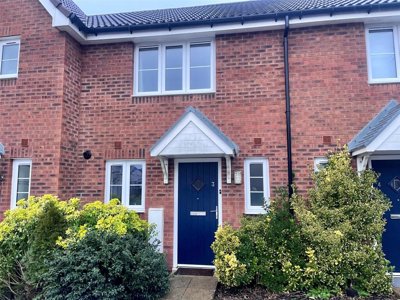
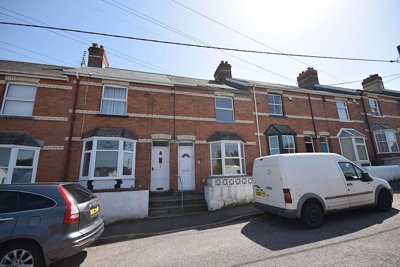
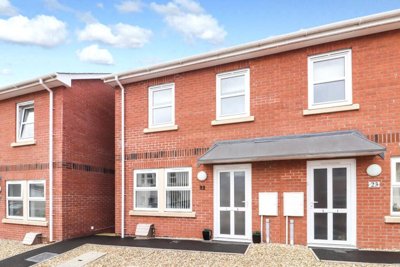
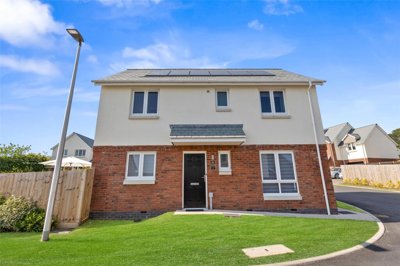
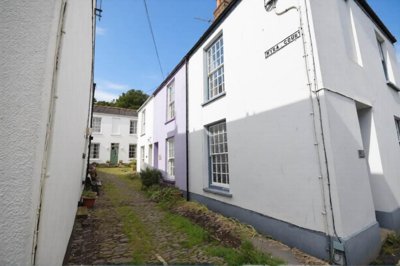
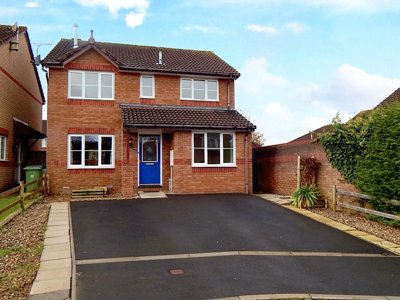
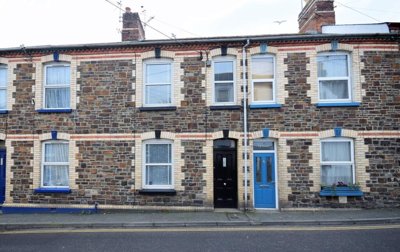
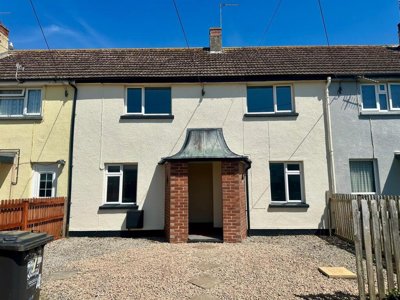
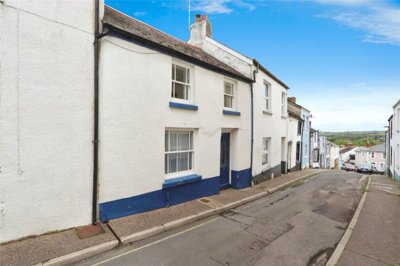
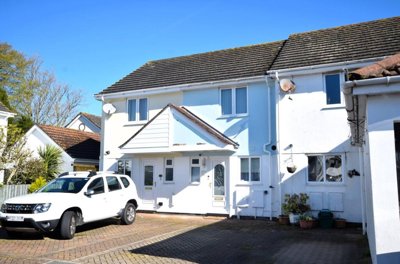
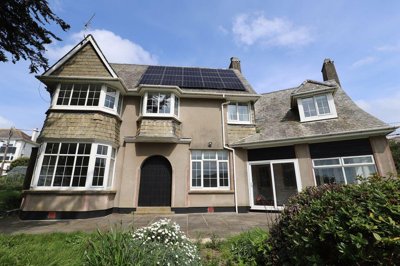
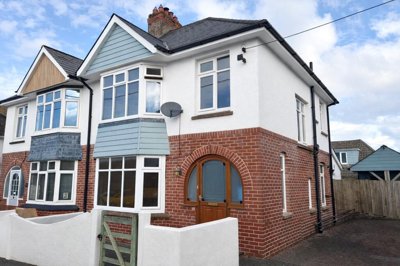
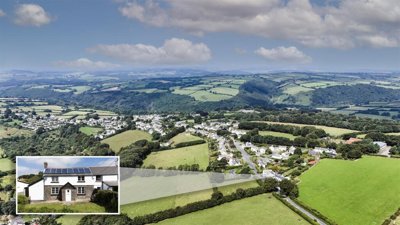
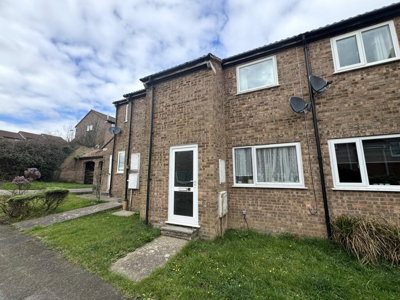
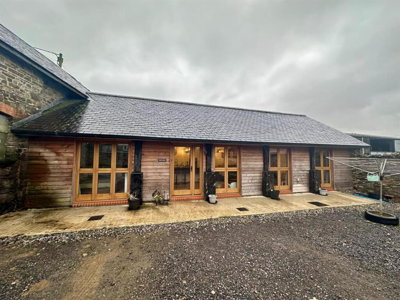
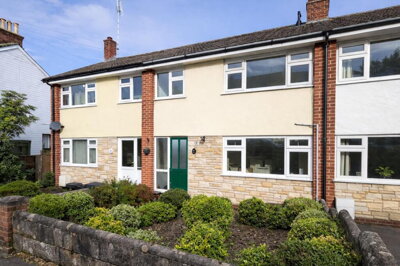
The North Devon property market offers detached, semi-detached, and terraced houses spanning various price ranges and neighbourhoods. Each listing includes detailed property information, photographs, and direct contact with the marketing agent.

The Rental Market in North Devon

North Devon’s rental market sits closely alongside the wider housing picture in this coastal part of the county. Recent market data puts average house prices at £312,556, with detached homes at £433,000 and semi-detached properties around £290,000. That gives a useful steer on rents too, terraced homes typically start at £650-850 per month, larger detached houses can command more depending on location and condition, and flats and maisonettes are usually the more affordable choice at £500-700 per month by size and position.

Detached and semi-detached houses make up a large share of what is available in North Devon, which fits the area’s rural and suburban housing stock. The area saw 59% of the previous year's property sales, so the market is active enough to shape both supply and demand. Tarka Coombe in Landkey near Barnstaple is a good recent example, with 105 new homes including 45 affordable properties and show homes opening in January 2026. Looking ahead, regional planning targets point to over 1,300 new homes annually across North Devon and Torridge councils, which should slowly widen rental choice.

Not every part of the market has moved in step over the past year. Home.co.uk listings data shows overall prices down by approximately 4% on the previous year, yet semi-detached properties rose by 1.9% in the year to December 2025, while flats slipped by around 3.2% over the same period. For renters, that means family homes in places like Barnstaple and the coastal towns have kept a steadier feel on pricing, even with wider shifts elsewhere.

Find Rentals North Devon

Living in North Devon

Few places capture coastal and countryside living quite like North Devon. The Exmoor coastline brings dramatic sea views, while Woolacombe and Croyde draw surfers, Ilfracombe adds its harbour charm, and Barnstaple anchors the region as its historic market town and commercial centre. Step inland and the mood changes again, with rolling farmland, river valleys and small villages giving way to a quieter pace. The eastern edge meets Exmoor National Park, so moorland, ancient woodland and long walking trails are never far away.

Agriculture, fishing and tourism have long underpinned the local economy, and hospitality still plays a major part in employment across North Devon. More recently, remote workers and professionals have been drawn here by the so-called "race for space", lifting demand for both purchases and rentals in coastal and countryside spots. That shift has brought fresh life to some communities, though it has also made affordability tougher for local workers. The Devon Economic Plan has already highlighted the need for more social and affordable housing, so key workers and long-term residents can still afford to stay in the area they know.

Community life here is built around local events, farmers' markets, village pubs and the social clubs that give towns their rhythm. Appledore, with its famous arts festival, Clovelly, with its cobbled streets, and Lynton, with its cliff railway, each bring something different to the mix. For renters, that means a choice between Barnstaple’s shops and restaurants, Ilfracombe’s harbour-side creativity, or the quiet of an inland village, all within reach of one another.

Rental Search North Devon

Schools and Education in North Devon

Families looking at North Devon will find a strong spread of schools across the area. Primary education is well served, with Barnstaple schools such as Park Community School and St Helen's Primary School supporting local communities, while Ilfracombe and Woolacombe also have their own primary options for younger children. Secondary provision is centred mainly in Barnstaple, including a large community-focused school with a wide catchment area. South Molton, Bideford and Holsworthy each have their own secondary schools too, serving students from the surrounding villages and rural lanes.

For older children thinking about further study, North Devon sits within workable travelling distance of colleges in Exeter and Taunton. Good bus and rail links make day travel possible for students who do not want to move away entirely. Sixth form provision is mixed, as some secondary schools offer it on site while others steer pupils towards dedicated sixth form colleges in nearby towns. Parents should check current school catchment areas and admissions policies directly with schools, because those details can change and they may affect which properties suit a family best.

Several primary schools in North Devon have picked up positive Ofsted ratings, including schools in Barnstaple and the surrounding market towns. For many families renting in the area, that means decent schooling options are available without having to turn to private education. Even so, rural catchment boundaries can be tricky, and living close to a school does not mean a guaranteed place, so admissions arrangements are worth checking before committing to a home.

Rental Properties North Devon

Transport and Commuting from North Devon

Transport in North Devon balances its rural feel with practical links to larger centres. The A361 North Devon Link Road is the main route out, joining Junction 27 of the M5 motorway near Tiverton and putting Exeter roughly 45-60 minutes away by car. From Exeter, direct motorway links lead on to Bristol at approximately 90 minutes, Plymouth at around 60 minutes, and then London via the M4 or M3. Mobile coverage has improved a great deal in most parts of North Devon too, which suits the flexible working patterns that have become much more common here.

Rail travel comes via the Tarka Line, running from Exeter to Barnstaple and calling at Crediton, Copplestone and several smaller village stations. The trip from Barnstaple to Exeter takes about 50 minutes, so daily commuting is possible for some city workers. For longer journeys, CrossCountry services from Exeter St David's connect to Bristol, Birmingham and Manchester, while Great Western Railway runs direct to London Paddington. Stagecoach and other bus operators link towns and villages across North Devon, though the service is naturally less frequent than in urban areas and has a real bearing on day-to-day travel for anyone without a car.

Barnstaple is the main transport hub in North Devon, and its bus station links to places across the region, including Ilfracombe, Lynton, Bideford and South Molton. Exeter Airport is the nearest major airport, about one hour's drive from Barnstaple, with flights to a range of UK and European destinations. If you are thinking about renting without a car, route planning matters, and timetables should be checked well in advance, especially because services can be sparse on evenings and weekends.

Renting Guide North Devon

How to Rent a Home in North Devon

1

Determine Your Budget

Start by working out how much you can comfortably put towards monthly rent, then add council tax, utility bills and moving costs on top. Our rental budget calculator can help you understand your borrowing capacity and give you a clear figure to work from while searching in North Devon. You will also need to factor in the deposit, usually five weeks' rent, the first month's rent in advance and any referencing fees that apply.

2

Research the Area

It pays to look at a few different parts of North Devon before settling on one. Barnstaple has a busier market town feel, while Ilfracombe and Appledore offer a more coastal setting. Think about commute times, school access and the amenities that matter most to your household. Renting gives you a chance to test an area before you buy, which is especially useful in a place as varied as North Devon, where each town and village has its own character.

3

Arrange Property Viewings

Once you have a shortlist, get in touch with the letting agent or landlord to book viewings. We recommend seeing several properties so the differences are clear. During each visit, make notes and photograph anything that catches your eye for the wrong reasons, then compare the homes afterwards with a cooler head. In a rental market like North Devon’s, good properties can move quickly, so being ready to act matters.

4

Obtain a Rental Budget Agreement

Before you submit an application, secure a rental budget agreement in principle so landlords can see your financial credibility straight away. It shows you are a serious tenant with verified income, and it can make a real difference in competitive rental situations across North Devon. With that paperwork ready, you are in a much stronger position when two people want the same property.

5

Complete Referencing and Sign Your Tenancy

If your application is accepted, tenant referencing follows, with credit checks and employment verification part of the process. You will pay your deposit, usually five weeks' rent, and your first month's rent before signing the tenancy agreement. Read all terms and conditions carefully before committing, including the inventory report that records the condition of the property at the start of the tenancy.

What to Look for When Renting in North Devon

Renting in North Devon calls for the same care you would take anywhere else in England, though there are a few local points worth checking closely. Flood risk is one of the main ones, particularly for properties in coastal areas or near rivers such as the Taw and Torridge. Specific flood risk data for individual postcodes needs to be checked with the Environment Agency, but homes in low-lying coastal zones and riverside spots naturally carry higher flood risk, which can affect insurance costs and your belongings. Ask the landlord or agent about any flood history, and look at the flood maps before you commit to a tenancy.

The age and build of homes in North Devon vary widely, from historic stone cottages in villages to newer developments. Older properties can bring traditional features that need a bit more looking after, such as single-glazed windows, older heating systems or less insulation than modern standards. That does not automatically make them a problem, but it is worth checking these details at viewings and recording them in your inventory check at the start of the tenancy. Coastal homes may also show more wear from salt air, so it makes sense to inspect window frames, exterior paintwork and any metal fittings for corrosion.

Energy efficiency is another point that should not be overlooked, especially in older North Devon properties where insulation may fall short of current building regulations. Ask for the property's Energy Performance Certificate, or EPC, before you go any further, because it shows the current energy rating and helps estimate heating costs. Homes with poor ratings can be more expensive to heat in the colder months, and that matters here because North Devon’s coastal position can bring chilly weather even in spring and autumn.

Rental Market North Devon

Frequently Asked Questions About Renting in North Devon

What is the average rental price in North Devon?

Rental prices in North Devon do not get published as often as house prices, but they still tend to track the local market. One-bedroom flats usually rent from £500-700 per month, two-bedroom houses from £750-950 per month, and larger family homes from £1,000-1,500 per month, depending on location, condition and proximity to the coast. Barnstaple generally offers the widest spread of rental stock, while coastal places such as Ilfracombe and Woolacombe can attract higher rents for sea views and beach access. On the Exmoor coastline, especially in Lynton and Lynmouth, scenic positioning and tourist demand often push prices up further.

What council tax band are properties in North Devon?

Council tax bands in North Devon depend on the individual property and the local authority area. Homes within North Devon Council boundaries include Barnstaple, Ilfracombe and Lynton, while parts of Bideford and Holsworthy fall under Torridge District Council. Bands run from A, the lowest, to H, the highest, and the band sets your annual council tax bill. You can check the band for any address through the Valuation Office Agency website. Rates differ between the two authorities, so it is sensible to know which council covers a property before you budget.

What are the best schools in North Devon?

Educational provision across North Devon is strong at every level, with schools serving both local families and wider catchment areas. Several primary schools, including those in Barnstaple and the surrounding towns, have picked up positive Ofsted ratings. Secondary education is mostly centred in Barnstaple, with further options in South Molton, Bideford and other market towns. Parents should always check current Ofsted reports and confirm catchment boundaries, because those details can change the schools linked to a particular address. In smaller villages, schools often double as community hubs too, offering facilities beyond basic education that add a great deal to family life.

How well connected is North Devon by public transport?

North Devon has decent public transport for a rural area. The Tarka Line links Barnstaple and Exeter with regular rail services, and the journey takes about 50 minutes. Stagecoach buses connect the main towns and villages, although rural routes are less frequent than urban ones. For journeys to Exeter or beyond, the A361 gives reliable road access to the M5 motorway. Anyone renting without a car should check the exact bus routes and timetables for their area, since services to smaller villages may only run once or twice daily.

Is North Devon a good place to rent in?

North Devon offers a strong quality of life for renters who value coastal living, natural beauty and a proper sense of community. Families, retirees, remote workers and young professionals are all drawn here, often to leave larger cities without giving up a decent standard of living. Rental homes range from modern apartments to traditional cottages, and interest from people moving from London and the South East has increased. Of course, those used to city convenience should be ready for quieter town centres and less public transport than the big urban areas offer. In return, North Devon’s towns and villages bring regular events and local traditions that help people feel part of the place.

What deposit and fees will I pay on a property in North Devon?

In England, standard deposits on rental homes are capped at five weeks' rent, and the money must be protected in a government-approved deposit protection scheme within 30 days of the tenancy starting. You will also need the first month's rent in advance, tenant referencing fees typically between £100-200, and possibly inventory check fees. Some letting agents still charge administration fees, though those have largely gone for standard tenancies under current regulations. First-time renters should set aside money for these upfront costs as well as moving expenses. As a guide, budgeting for at least six weeks' rent in total is a sensible way to stay prepared.

Deposit and Fees When Renting in North Devon

Working out the full cost of renting in North Devon means looking beyond the monthly rent. The upfront bill for starting a tenancy can add several thousand pounds to your moving budget, so it pays to be ready. Under the Tenant Fees Act 2019, the standard deposit is capped at five weeks' rent, and that deposit must be protected in one of three government-approved schemes within 30 days of receipt. You should be told which scheme is holding it, and that record matters if you want your full deposit back at the end of the tenancy, provided no legitimate deductions apply.

Plan for the first month's rent in advance as well, along with possible referencing fees, inventory check fees and any administration charges from the letting agent. If you are renting an unfurnished property, you may also need money for furniture and household items. Before you start viewing, securing a rental budget agreement in principle gives you a clear idea of what you can afford and shows landlords that you are a serious, financially vetted applicant. That kind of preparation is particularly useful where several people are chasing the same home.

At the end of the tenancy, your deposit should be returned within ten days of you both agreeing the amount, provided it is protected in the Tenancy Deposit Protection scheme. If there is a disagreement over deductions, the free deposit protection scheme's alternative dispute resolution service can deal with it, so a thorough inventory with dated photographs throughout the tenancy is always a smart move. Keeping a proper record of the property’s condition at the start helps guard against unfair deductions and supports the return of your full deposit, as long as the home is left in the same condition as when you moved in, allowing for reasonable wear and tear.

Find Rentals North Devon

Browse Homes to Rent Across the UK

Terms of use Privacy policy All rights reserved © homemove.com | Properties to Rent » England » North Devon

Homemove is a trading name of HM Haus Group Ltd (Company No. 13873779, registered in England & Wales). Homemove Mortgages Ltd (Company No. 15947693) is an Appointed Representative of TMG Direct Limited, trading as TMG Mortgage Network, which is authorised and regulated by the Financial Conduct Authority (FRN 786245). Homemove Mortgages Ltd is entered on the FCA Register as an Appointed Representative (FRN 1022429). You can check registrations at NewRegister or by calling 0800 111 6768.