Pick the right path and we'll point you to the next step.
I'm the homeowner
Track this property, get market updates, and list it on Home when you're ready to sell or let.
I'm an estate agent
Claim your branch on Home.co.uk, list your properties for free, and reach buyers actively searching your area.

From riverside apartments to country cottages, search hundreds of thousands of properties for sale, to rent, and recently sold, all enriched with three decades of market data.
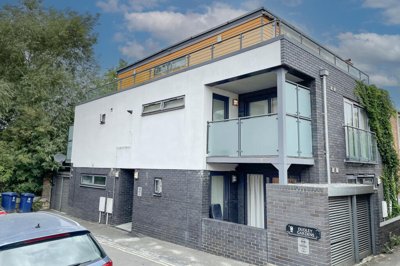
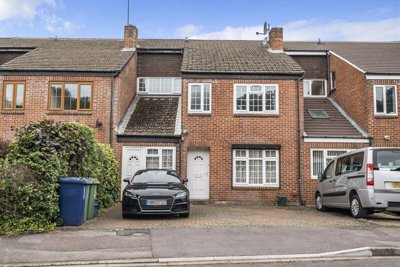
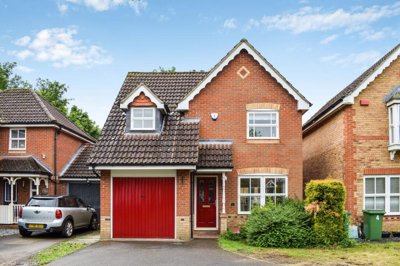
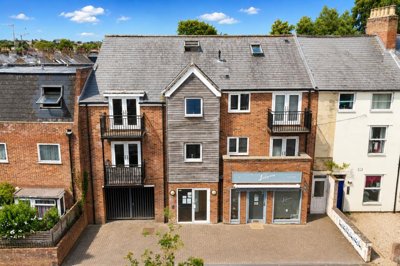
Browse 14 rental homes to rent in Oxford, Oxfordshire from local letting agents.
£1,700/m
324
11
54
Source: home.co.uk
Source: home.co.uk
Apartment
114 listings
Avg £1,832
Flat
50 listings
Avg £1,645
House Share
30 listings
Avg £1,213
House
29 listings
Avg £1,829
Semi-Detached
29 listings
Avg £2,722
Terraced
28 listings
Avg £2,284
End of Terrace
10 listings
Avg £2,110
Studio
9 listings
Avg £1,289
Detached
5 listings
Avg £1,989
Maisonette
5 listings
Avg £1,860
Source: home.co.uk
Source: home.co.uk
Oxford's housing market is still hard fought, even against the wider region. homedata.co.uk shows the average home price now at £554,000, a drop of £16,400, or about 3%, across the year. Flats are around £295,000 and terraced homes about £470,000. Detached houses remain near £972,000, which goes a long way towards explaining why one and two bedroom rentals keep drawing so much interest.
Transactions have slowed as well. homedata.co.uk reports roughly 1,300 property sales in Oxford over the last 12 months, down 19.5% year on year, while the broader postcode area recorded 7,600 sales, down 16.3%. That softer sales picture has not taken the heat out of lettings. People still move here for the universities, the hospitals and the knowledge economy, so a decent flat or terrace in the right part of Oxford rarely sits around for long.
New-build supply adds another piece to it. home.co.uk currently lists Canalside Quarter at Oxford North with 317 homes in the first phase and 480 planned overall, with a minimum of 35% affordable housing. Apartments there start at £554,950, while houses go up to £1,635,000. The scheme includes solar PV, triple glazing and air source heat pumps. It says a lot about where Oxford sits now on price.

Oxford feels compact and old, and you can cover a lot of it on foot, but one district does not read the same as the next. The city stands on a gravel spit between the Cherwell and the Thames. Older streets were shaped by local limestone, brick and long centuries of university expansion. That is why you get honey-coloured stone in some parts, then later terraces in brick, then modern apartment blocks along the main routes.
The housing stock matches a city where renting is part of everyday life. Homeownership is 45.3%, while private renting stands at 32.2%, which is well above the England average. The population is about 162,100, spread across 55,200 households. Around the colleges, hospitals and research employers, that can give Oxford a transient edge. The city also has 18 Conservation Areas and around 1,500 listed buildings, which is often most obvious on streets where period houses sit next to newer infill.
Heritage matters here, but jobs shape daily life just as much. The University of Oxford is the biggest employer in the city, and the wider economy is also backed by Oxford University Hospitals, Oxford Brookes University, BMW, Unipart and many science and technology firms. Education makes up 28.5% of employment, health 18.5%. That is one reason so many renters look towards the city centre, Headington or the hospital corridors. Students, academics, medical staff, office workers, Oxford stays active all year.
One of the biggest drivers behind Oxford's rental demand is education. Work in learning and healthcare makes up a large share of the city's employment profile, so many households look closely at school catchments, sixth forms and university-linked workplaces before they pick a road. For families, the morning run matters. So does being able to reach a hospital site or university building without turning the school journey into a daily slog.
In Oxford, the school picture has to be checked street by street. A city-wide guess is not enough. Catchment lines, admissions rules and transport links can change the appeal of one postcode very quickly, so we always recommend checking the exact postcode before anything is agreed. Families renting in Oxford usually weigh primary and secondary school options against the journey to work.
Sixth-form and further education can matter just as much, especially with older teenagers in the household. Oxford's academic profile brings in a wide range of applicants, and that helps keep good family houses under pressure near the school corridors that people favour. If education is high on your list, focus on commute times, bus reliability and enough room at home for homework, storage or quiet study.

Getting around Oxford is simple in some respects, awkward in others. Oxford station and Oxford Parkway connect the city to London and the wider Thames Valley. The A34 ties into routes southbound and northbound towards the M40. Commute times can change a lot by service and by time of day, so anyone planning a regular trip should try it at peak hours before signing a tenancy.
For many people here, the bus is part of the routine. Frequent local services, park-and-ride sites and a dense central network mean a car is not essential in the right neighbourhood. Cycling matters too. A large number of residents use bikes for shorter trips to colleges, hospitals, offices or the shops they use most.
Parking is where the compromise often shows up. In central Oxford, streets commonly have controlled parking, restricted on-street space and permit rules, so keeping a car near the centre can feel more trouble than benefit. Outer districts can be easier, particularly if a house has a driveway or the residents' permit scheme works well.
Before you book viewings, compare central Oxford with Headington, East Oxford, Jericho and North Oxford. Check the commute first. Then look at parking, school access and whether the area actually suits how you live. We also suggest getting a rental budget agreement in principle early, so your ceiling is clear from the start.
Start with the type of home you actually want. That might be a studio, a flat in a converted period building, a modern apartment or a family terrace. Oxford has plenty of older housing, and it also has premium new builds. Budget matters, of course. So do noise levels and the amount of storage you need.
Try to see the place twice. Once in daylight, then again, if you can, at the time you would usually travel. That second visit can tell you more than the first. You get a better read on traffic, parking, neighbours, bin storage, sunlight and how the street feels later on.
Have everything ready before you apply. ID, proof of income, references and right-to-rent documents should all be in hand. Oxford moves fast. A full file can be the difference between securing the property and missing it to another applicant.
On viewings, pay close attention to the practical stuff. Damp matters. So do roof leaks, condensation, heating faults and any sign of movement, especially in older Oxford terraces or flats. If the property is period, leasehold or part of a larger development, ask who handles maintenance before you commit.
Good records save arguments later. Take dated photos, go through the inventory line by line, note the meter readings and keep copies of every agreement. If something is wrong, report it straight away. That makes the end of the tenancy much clearer for everyone.
Oxford's building stock has plenty of appeal, though it comes with checks that are worth taking seriously. Older homes may be built in local limestone, brick and traditional masonry. They can look striking, but they can also show damp, tired mortar or uneven repairs. Geology plays a part as well, because Oxford sits on a gravel spit and the wider South East can be exposed to shrink-swell movement in clay-rich ground.
Flood risk is another local issue that should not be treated lightly. Parts of Oxford have long-term exposure from the Thames, the Cherwell and surface water. South Oxford, Botley Road, Osney Mead, New Hinksey and Hinksey Meadows are often named in local flood planning. If a rental is near those river corridors, ask about any previous flooding, what mitigation work has been done, and whether raised thresholds, drainage arrangements or insurance issues apply.
Conservation rules can shape what happens to a property after you move in. Oxford contains 18 Conservation Areas, along with a large number of listed buildings, so windows, roofs, external finishes and internal alterations may be controlled more tightly than they would be in a newer suburb. If you are taking a flat, ask about service charges, ground rent, building insurance and any major works that are coming, because those costs can affect what the tenancy really feels like to afford.
We do not have a verified rental median, so we are not going to guess. For live asking rents, check home.co.uk listings. Prices can differ sharply between a central flat, a terrace and a larger family house. For context, homedata.co.uk shows Oxford's average home price at £554,000, with flats around £295,000, and that helps explain why rentals in good locations stay competitive.
Council tax comes through Oxford City Council, and the bill depends on the valuation band rather than the area name alone. A smaller flat in the centre will often sit in a lower band than a larger family house in North Oxford, or a detached home at the edge of the city. It is worth checking the exact band before you set your budget. The monthly difference can be noticeable.
Most families start by comparing catchments, travel times and school websites, then narrow the search by postcode. In Oxford, where education plays such a big role in the local economy, homes on the more favoured school routes often get more attention.
For a city of this size, Oxford is relatively easy to move around. Oxford station and Oxford Parkway handle rail services, buses reach most districts and cycling works well for a lot of daily trips. Still, the best option depends on where the job is. Journey times, and parking pressure, can feel very different between central streets and the outer parts of the city.
Often, yes. Oxford suits renters who want a busy city with a strong jobs base and a clear sense of itself. Universities, hospitals, science employers and a lively centre all help keep rental demand steady. The catch is competition. You tend to feel that most with well-placed flats and family terraces.
Usually, the upfront payment includes a holding deposit, a security deposit and the first month's rent before move-in. For most tenancies, the security deposit is capped at five weeks' rent, and deposits should be protected in a government-approved scheme. Ask for the full breakdown before you apply. We also recommend making sure your rental budget agreement in principle covers the monthly rent as well as the cash needed at the start.
Demand often centres on central Oxford, Jericho, Headington, East Oxford and North Oxford. Each one works differently. Some renters want student areas, some need quick access to the hospitals, some are looking at family routines, some are focused on professional commutes. If price and convenience both matter, compare more than one part of Oxford before putting in an application.
Quite often, yes. Older Oxford homes can come with issues that only show themselves if you look carefully. Watch for damp, condensation, roof wear, drainage trouble and signs of settlement or subsidence, especially in period terraces and converted buildings. A thorough viewing helps, and for any home you are seriously pursuing, a survey can prevent headaches later.
In Oxford, renting usually costs more than the headline monthly figure suggests. You may need a holding deposit, a security deposit, the first month's rent, moving costs, utility set-up and council tax, so it pays to set the budget before applications start. A rental budget agreement in principle helps in two ways. It shows landlords you are ready, and it stops you chasing homes that are above your limit.
Upfront costs can feel heavy here, especially if you are aiming for a central flat or a house close to the hospitals and colleges. Ask for the total move-in figure in writing, including any permitted fees, and check if furniture, parking or bills are included. If you are also weighing Oxford's rental market against buying later, the current stamp duty thresholds are 0% up to £250,000, 5% from £250,000 to £925,000, 10% from £925,000 to £1.5 million and 12% above that. First-time buyers get 0% up to £425,000 and 5% up to £625,000.
Good budgeting means looking past the advertised rent. Older houses can cost more to heat. Flats in managed blocks may feed service charges through the landlord's costs. Parking permits can add more if you keep a car. We suggest comparing the rent, the deposit, the transport spend and the likely utility bill together, then picking the Oxford home that works best on total cost.
Properties to Rent In London

Properties to Rent In Plymouth

Properties to Rent In Liverpool

Properties to Rent In Glasgow

Properties to Rent In Sheffield

Properties to Rent In Edinburgh

Properties to Rent In Coventry

Properties to Rent In Bradford

Properties to Rent In Manchester

Properties to Rent In Birmingham

Properties to Rent In Bristol

Properties to Rent In Oxford

Properties to Rent In Leicester

Properties to Rent In Newcastle

Properties to Rent In Leeds

Properties to Rent In Southampton

Properties to Rent In Cardiff

Properties to Rent In Nottingham

Properties to Rent In Norwich

Properties to Rent In Brighton

Properties to Rent In Derby

Properties to Rent In Portsmouth

Properties to Rent In Northampton

Properties to Rent In Milton Keynes

Properties to Rent In Bournemouth

Properties to Rent In Bolton

Properties to Rent In Swansea

Properties to Rent In Swindon

Properties to Rent In Peterborough

Properties to Rent In Wolverhampton

Enter your details to see if this property is within your budget.
Loans, cards, car finance
Estimated property budget
Borrowing + deposit
You could borrow between
Typical borrowing
Monthly repayment
Est. at 4.5%
Loan-to-value
This is an estimate only. Your actual budget may vary depending on interest rates, credit history, and personal circumstances. For an accurate affordability assessment, speak to one of our free mortgage advisors.
This calculator provides estimates for illustrative purposes only and does not constitute financial advice. Your home may be repossessed if you do not keep up repayments on your mortgage. Estimates based on 4.5% interest rate, repayment mortgage. Actual rates depend on your circumstances.
Homemove is a trading name of HM Haus Group Ltd (Company No. 13873779, registered in England & Wales). Homemove Mortgages Ltd (Company No. 15947693) is an Appointed Representative of TMG Direct Limited, trading as TMG Mortgage Network, which is authorised and regulated by the Financial Conduct Authority (FRN 786245). Homemove Mortgages Ltd is entered on the FCA Register as an Appointed Representative (FRN 1022429). You can check registrations at NewRegister or by calling 0800 111 6768.

We use cookies to show you personalised content and improve your experience of our website. Find out more in our Privacy policy and Cookie policy.