Pick the right path and we'll point you to the next step.
I'm the homeowner
Track this property, get market updates, and list it on Home when you're ready to sell or let.
I'm an estate agent
Claim your branch on Home.co.uk, list your properties for free, and reach buyers actively searching your area.

From riverside apartments to country cottages, search hundreds of thousands of properties for sale, to rent, and recently sold, all enriched with three decades of market data.
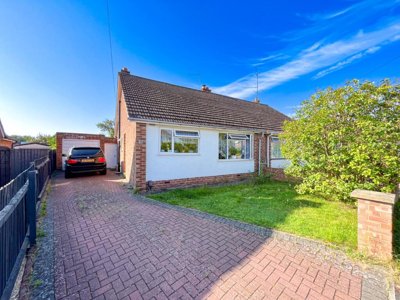
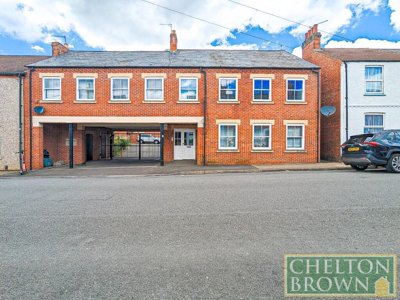
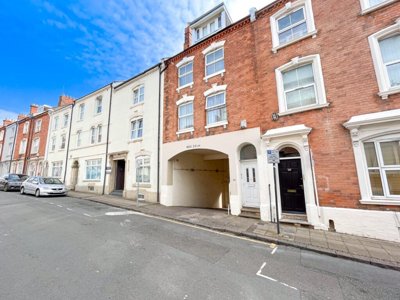
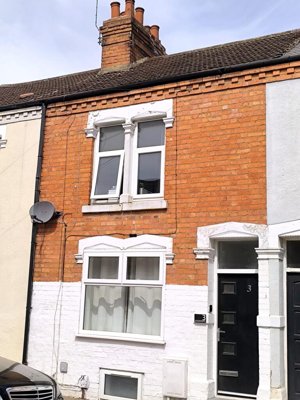
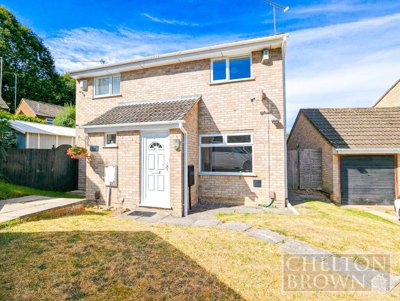
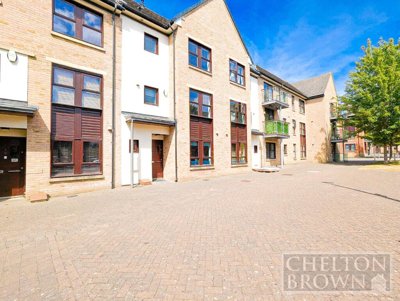
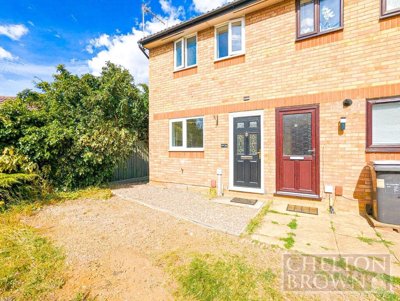
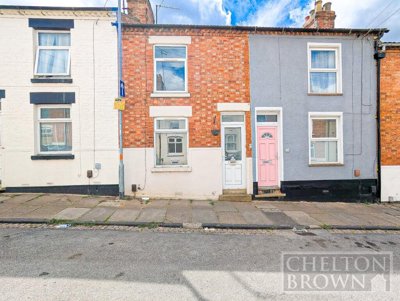
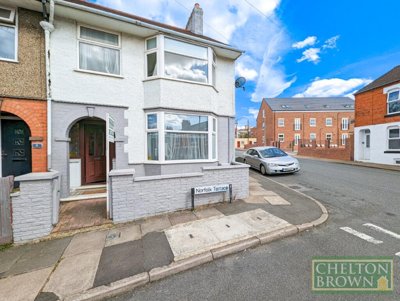
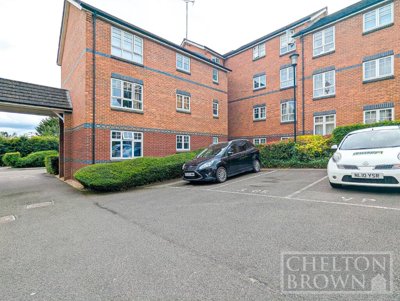
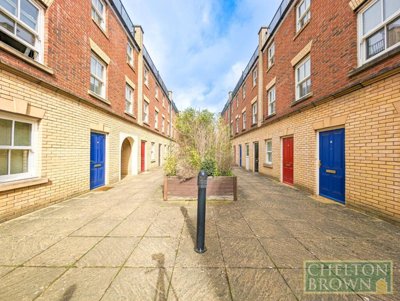
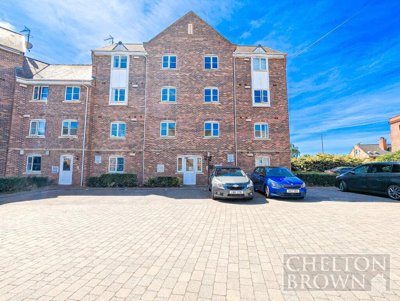
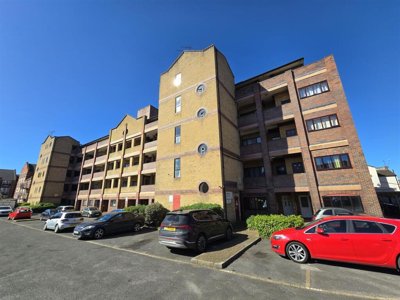
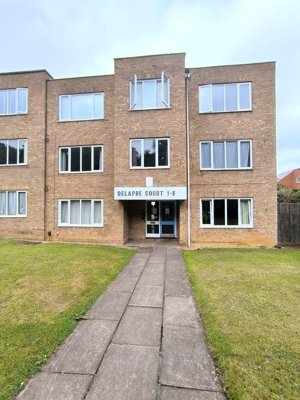
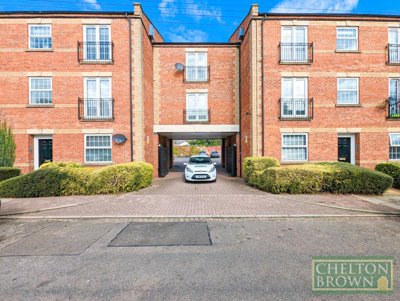
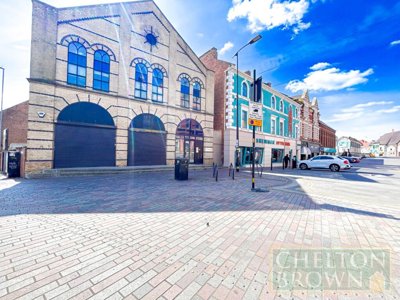
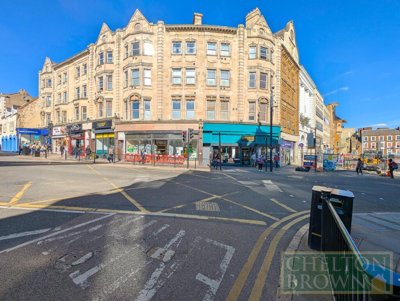
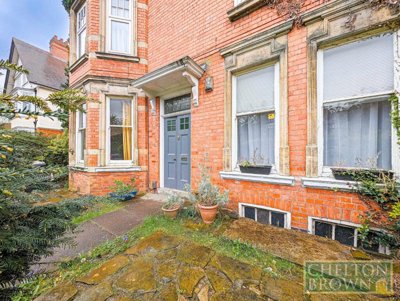
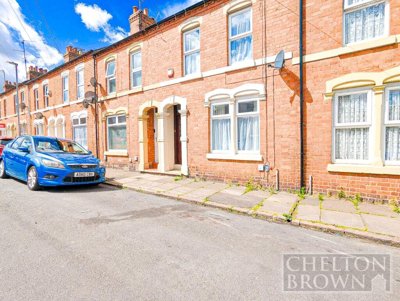
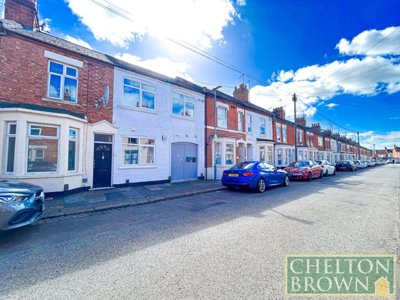
Browse 59 rental homes to rent in Northampton, West Northamptonshire from local letting agents.
£975/m
151
2
68
Source: home.co.uk
Source: home.co.uk
Apartment
42 listings
Avg £972
Flat
29 listings
Avg £894
Terraced
25 listings
Avg £1,135
House
12 listings
Avg £1,248
House Share
12 listings
Avg £802
Private Halls
5 listings
Avg £625
End of Terrace
4 listings
Avg £1,044
Studio
4 listings
Avg £703
Semi-Detached
3 listings
Avg £1,029
Bungalow
2 listings
Avg £1,100
Source: home.co.uk
Source: home.co.uk
Northampton’s rental picture is shaped by the same housing mix that drives sales. homedata.co.uk records show detached homes averaging £463,762, semi-detached homes £276,221, terraced homes £236,204 and flats in NN1 at £139,599. Those gaps are useful when we compare a smaller flat near the centre with a bigger house towards the edge of town. They also show why rental budgets can change quite sharply across Northampton, even over a short drive or bus ride.
New-build schemes widen the choice again. home.co.uk currently lists developments across Northampton with asking prices from £245,000 at Seagrave Park at Hanwood Park up to £365,000 at Miller Homes @ Norwood Quarter. There are other live examples too, including Glenvale Park from £300,000 and Buckton Fields from £325,000. For renters, those schemes can affect nearby demand because some movers want newer layouts with less upkeep. We use figures like these to weigh up today’s rent against the sort of home a mover may want later on.
Recent pricing has still been moving upwards, although the last year was a touch quieter. Northampton city prices rose 3% over the last twelve months, the wider Northampton market was up 4% year on year, and it stood 5% above the 2022 peak. In NN3, prices increased by 1.67% over the same stretch. That points to a market that is not moving at the same speed in every postcode. For renters, a little flexibility can pay off, because the better-value option may sit just beyond the busiest patch.

One thing Northampton does not feel like is a single uniform centre. It is a large working town made up of distinct neighbourhoods, with owner occupation still the biggest tenure at 59.95%. Renting is firmly established as well, with 10.59% of households renting from the local authority, 5.73% from a housing association and 21.49% privately rented. That leaves room for compact flats, family terraces and newer suburban houses, all in the same town. Street by street, the feel can shift quite a bit, which matters when we are matching a move to quiet evenings, nightlife or day-to-day family life.
Geology and building history have a real effect here. The Northampton Sand Formation has supplied ironstone, brown sandstones and local slates for generations, and reclaimed brick still turns up regularly in restoration work. There is another side to that. Clay-rich soils are common too, and they can cause shrink-swell movement, so older properties with shallow foundations need a careful check. Along the River Nene floodplain, Northampton also has several high-risk flood areas, including Far Cotton, St James and Upton, which is why the exact street can matter every bit as much as the postcode.
Across the wider borough, heritage is a big part of the housing stock. West Northamptonshire contains 117 conservation areas and 3,838 listed buildings and structures. In some parts of town that gives older streets a stronger identity, but it can also mean tighter planning controls on period homes. For renters, the attraction is clear enough, character and plenty of older stock. Before signing, though, we would always ask how maintenance, alterations and external repairs are dealt with.

School choices need a direct check. Our research pack does not include live Ofsted grades or catchment maps, so families should confirm places with West Northamptonshire Council before settling on a home. Northampton is large enough to support a broad mix of primary, secondary, sixth-form and further education across the town. With around 95,712 households locally, demand can move fast from one postcode to the next, especially in established family areas. That is why we put as much weight on the street and route as on the property itself.
For many families, the simplest starting point is the route they would actually travel each morning. From there, the property shortlist tends to become clearer. Northampton’s family rental demand is spread between central districts, outer estates and newer developments, so the best match is not always in the first postcode people look at. We would check nursery access, primary admissions, secondary transfer dates and whether a school is oversubscribed in the year needed. Early shortlists help, because homes near well-liked schools do not usually sit around for long.
Work patterns matter here as much as school names. We usually suggest checking how the school run fits around work, parking and public transport, especially where one parent travels into London, Birmingham or another nearby centre. In a town of this size, a short distance on paper can still turn into a slower peak-time journey. During viewings, we would test the morning routine, not just the kitchen or garden. Where education comes first, it often makes more sense to focus on straightforward access to the preferred schools, then compare rent, council tax and commuting costs afterwards.
For commuting, Northampton makes practical sense. Rail and road both do a lot of the heavy lifting, with London Euston reachable in under an hour and Birmingham also manageable for many regular travellers. The M1 puts the town on a major north-south route, and that helps explain why logistics, wholesale, retail and manufacturing are such important parts of the local economy. Jobs that depend on motorway access tend to sit well here. In this part of England, that gives Northampton a clear edge.
Getting around town is usually straightforward enough for everyday use, particularly near the station or along a main bus corridor. Buses connect the centre with outer neighbourhoods. Parking is a different story in some older terraced streets and central apartment blocks, where space can be tighter. Cycling can suit shorter trips, but the useful routes depend heavily on where the journey starts and ends. Before committing to a rental, we would check whether the property comes with residents’ parking or realistic on-street space, because that can alter the monthly running cost.
Employment feeds into rental demand more than it first appears. With 76.6% of people aged 16-64 in employment, and with the town economy closely tied to the movement of goods and people, weekday demand is often strongest for homes with quick access to the station, the town centre or the M1. That matters for hybrid working too. Northampton can give a decent balance between convenience and relative affordability. Often, the better-value homes sit just outside the busiest commuter corridors, so we would compare actual journey times rather than rely on the postcode headline.

Set a monthly rent ceiling, put your deposit money aside and ask for a rental budget agreement in principle before we start booking viewings.
Match central flats, terrace streets and outer estates against the commute, the school run and parking, then cut the list down by the way you want to live.
During viewings, ask about heating, damp, the roof condition, broadband, appliances, outdoor space and any flood or parking issues tied to the street.
Before signing, read the tenancy terms, confirm the deposit amount, ask who handles repairs and check that the council tax band and utility setup are both clear.
Homes that are well priced in Northampton do not always hang around, so we suggest having ID, references and affordability documents ready before making an offer.
On move-in day, take meter readings, photograph the property’s condition, keep the inventory safe and report any problems as soon as you arrive.
Northampton’s geology is variable enough that older rentals deserve a few extra questions. Clay-rich soils can cause shrink-swell movement, and the town’s domestic subsidence risk is 1.218 times the UK average, placing it 119th nationally. That does not point to trouble on every street. It does mean foundations, cracks and tree roots are worth close attention in older houses. Where a property shows signs of movement, we would ask the landlord or agent what checks have been carried out and whether any repair work has been done before.
Flood risk needs the same level of scrutiny, especially near the River Nene floodplain in Far Cotton, St James and Upton. Surface water flooding can affect low-lying roads after heavy rain as well, so what the street looks like from the pavement can tell us quite a lot. Before anything is signed, we would ask how the property has coped in bad weather and whether there are any flood resilience measures in place. On a more exposed site, insurance, storage and travel disruption should all be built into the monthly budget.
Older conservation streets and listed buildings can be rewarding places to live, but they come with extra rules. West Northamptonshire has 117 conservation areas and 3,838 listed buildings and structures, so external alterations, window replacements and similar changes may be tightly controlled. Flats can raise another set of questions, service charges, ground rent, cladding and building management do not always become obvious at the first viewing. We would check who covers which costs, how repairs are handled and whether any planned works could affect quiet enjoyment or monthly spending.
This research pack follows sold prices rather than live rental medians, so we cannot verify an average rent from the data provided. homedata.co.uk records put Northampton's average sold price at £297,524, with terraced homes at £236,204 and flats in NN1 at £139,599, which gives useful context on local affordability. For a live rental figure, current listings on home.co.uk are the better place to check. When we compare like with like, flats and terraces are usually the clearest starting point.
Northampton sits within West Northamptonshire Council, and council tax bands change by property size, type and valuation. In practice, a flat in NN1 will often fall into a lower band than a larger detached house on the edge of town, though the exact band rests with the individual property. It is worth checking the listing, then the council lookup, before fixing the budget. Council tax can shift the real monthly cost of renting more than people expect.
Families need to verify school details separately. This varies street to street, so we go on your exact address rather than a town-wide average. Northampton has a broad mix of primary, secondary, sixth-form and further education provision, which gives renters a fair amount to work with. Usually, the postcode is what narrows the decision. A school may look right on paper, but the route still has to fit the daily routine, so we would compare school access with commute time before choosing a home.
Compared with many towns in this part of England, Northampton is easier to move around from. London Euston is under an hour away by rail, Birmingham is also within reach, and the M1 gives direct road access north and south. Buses connect the centre with outer neighbourhoods, though parking can be tighter near older terraces and central flats. Street choice matters here. We would look at the exact road, not just the area name.
For many movers, Northampton works well as a rental base. Around 21.49% of households are privately rented, so there is already a sizeable tenant market in place. The housing stock is varied too, with terraces, flats and newer family homes all part of the picture. That helps across different budgets and household setups. For anyone trying to keep the convenience of a major city without paying major city costs, Northampton deserves a close look.
Upfront letting costs in England are restricted to permitted payments, and the tenancy deposit is usually capped at five weeks' rent where the annual rent is under £50,000, or six weeks where it is above that. A holding deposit is usually one week's rent. We would ask for a full breakdown before any money is paid. The upfront budget should also cover the first month's rent, moving costs and any furniture or parking permits. Read the tenancy agreement carefully, line by line, so nothing unexpected turns up later.
Yes, and in Northampton the street itself can make a big difference. Flood risk is higher close to the River Nene floodplain in Far Cotton, St James and Upton, while clay-rich soils can add shrink-swell movement and subsidence risk. Older houses with shallow foundations and mature trees need the closest look. In exposed spots, we would ask the agent how the building has handled heavy rain and winter weather before agreeing terms.
The main upfront outlay is often the first month's rent plus the holding deposit and tenancy deposit, so planning ahead before booking viewings usually helps. For most standard tenancies, a tenancy deposit is typically no more than five weeks' rent, and it can rise to six weeks only where the annual rent is above the legal threshold. Northampton’s mix of flats, terraces and larger family homes means move-in cash requirements vary a lot by property type. When we compare a central flat with a larger house in a quieter suburb, the real budget usually comes down to the monthly rent, utilities and council tax taken together.
The deposit is only part of the story. Moving costs can climb quickly once transport, boxes, furniture, broadband setup and parking arrangements are added in. homedata.co.uk shows a local market ranging from NN1 flats at £139,599 to detached homes averaging £463,762, so Northampton has room for very different budgets and household sizes. Many renters find the better balance in terraced homes or well-placed flats, especially where a large garden or a second car is not needed. We would usually shortlist homes that sit within the monthly cap and still leave some margin for repairs, travel and bills.
Properties to Rent In London

Properties to Rent In Plymouth

Properties to Rent In Liverpool

Properties to Rent In Glasgow

Properties to Rent In Sheffield

Properties to Rent In Edinburgh

Properties to Rent In Coventry

Properties to Rent In Bradford

Properties to Rent In Manchester

Properties to Rent In Birmingham

Properties to Rent In Bristol

Properties to Rent In Oxford

Properties to Rent In Leicester

Properties to Rent In Newcastle

Properties to Rent In Leeds

Properties to Rent In Southampton

Properties to Rent In Cardiff

Properties to Rent In Nottingham

Properties to Rent In Norwich

Properties to Rent In Brighton

Properties to Rent In Derby

Properties to Rent In Portsmouth

Properties to Rent In Northampton

Properties to Rent In Milton Keynes

Properties to Rent In Bournemouth

Properties to Rent In Bolton

Properties to Rent In Swansea

Properties to Rent In Swindon

Properties to Rent In Peterborough

Properties to Rent In Wolverhampton

Enter your details to see if this property is within your budget.
Loans, cards, car finance
Estimated property budget
Borrowing + deposit
You could borrow between
Typical borrowing
Monthly repayment
Est. at 4.5%
Loan-to-value
This is an estimate only. Your actual budget may vary depending on interest rates, credit history, and personal circumstances. For an accurate affordability assessment, speak to one of our free mortgage advisors.
This calculator provides estimates for illustrative purposes only and does not constitute financial advice. Your home may be repossessed if you do not keep up repayments on your mortgage. Estimates based on 4.5% interest rate, repayment mortgage. Actual rates depend on your circumstances.
Homemove is a trading name of HM Haus Group Ltd (Company No. 13873779, registered in England & Wales). Homemove Mortgages Ltd (Company No. 15947693) is an Appointed Representative of TMG Direct Limited, trading as TMG Mortgage Network, which is authorised and regulated by the Financial Conduct Authority (FRN 786245). Homemove Mortgages Ltd is entered on the FCA Register as an Appointed Representative (FRN 1022429). You can check registrations at NewRegister or by calling 0800 111 6768.

We use cookies to show you personalised content and improve your experience of our website. Find out more in our Privacy policy and Cookie policy.