Pick the right path and we'll point you to the next step.
I'm the homeowner
Track this property, get market updates, and list it on Home when you're ready to sell or let.
I'm an estate agent
Claim your branch on Home.co.uk, list your properties for free, and reach buyers actively searching your area.

From riverside apartments to country cottages, search hundreds of thousands of properties for sale, to rent, and recently sold, all enriched with three decades of market data.
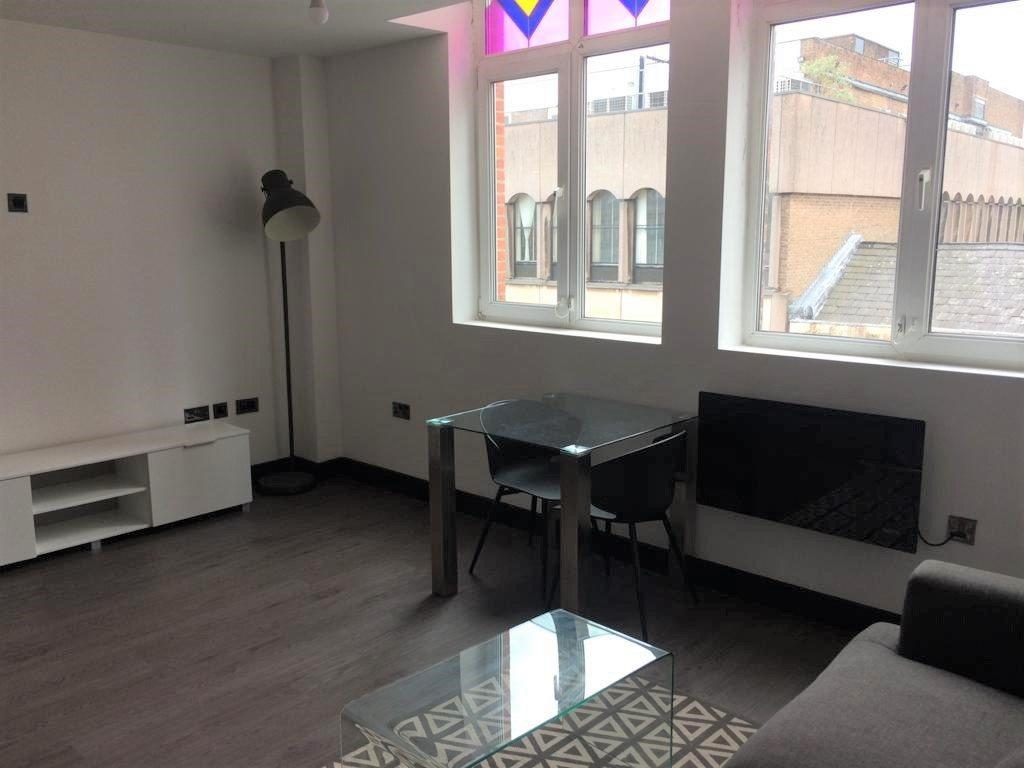
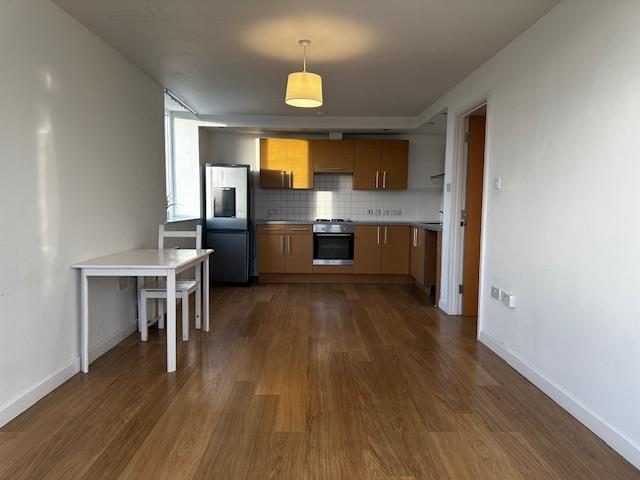
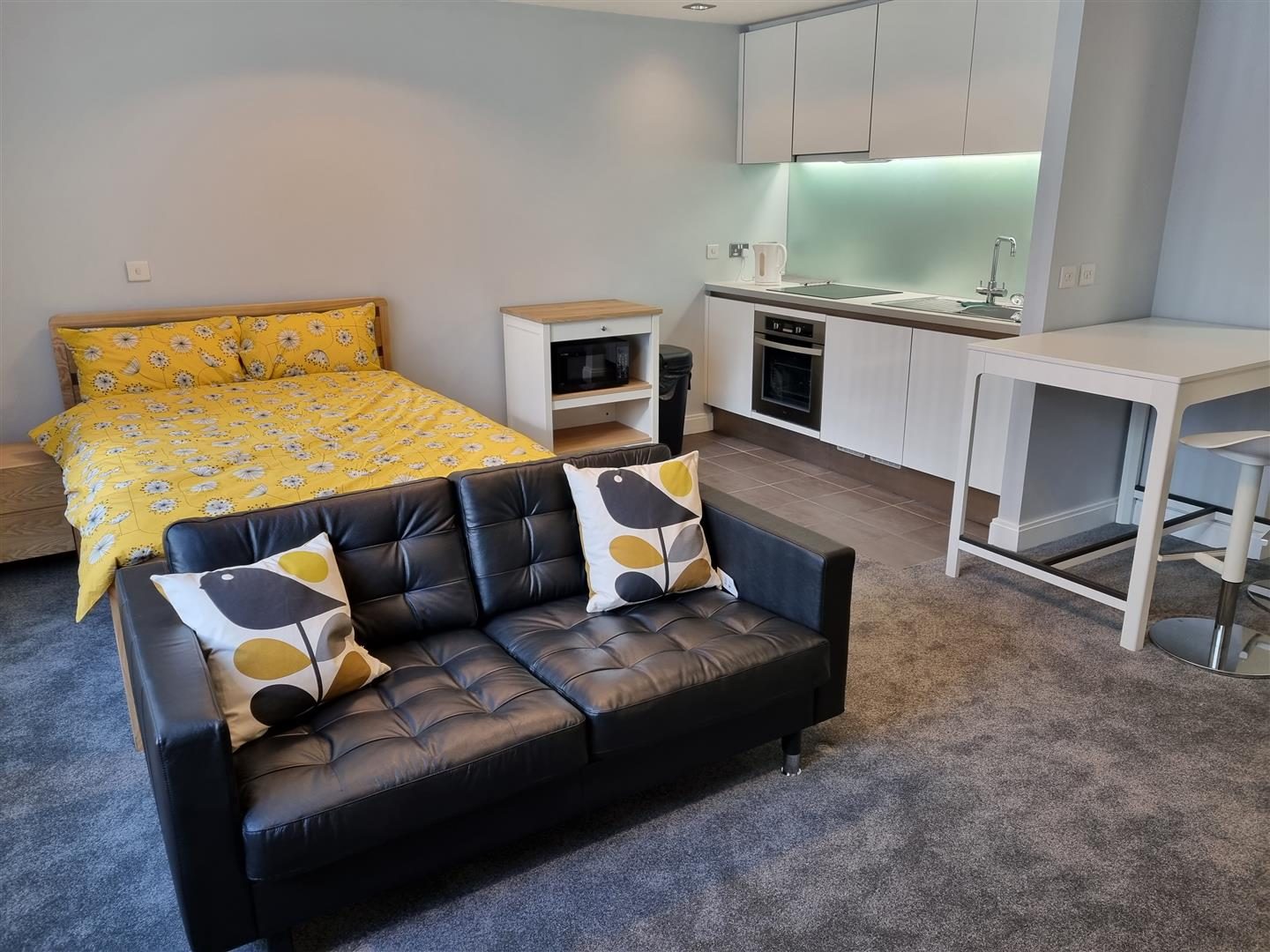
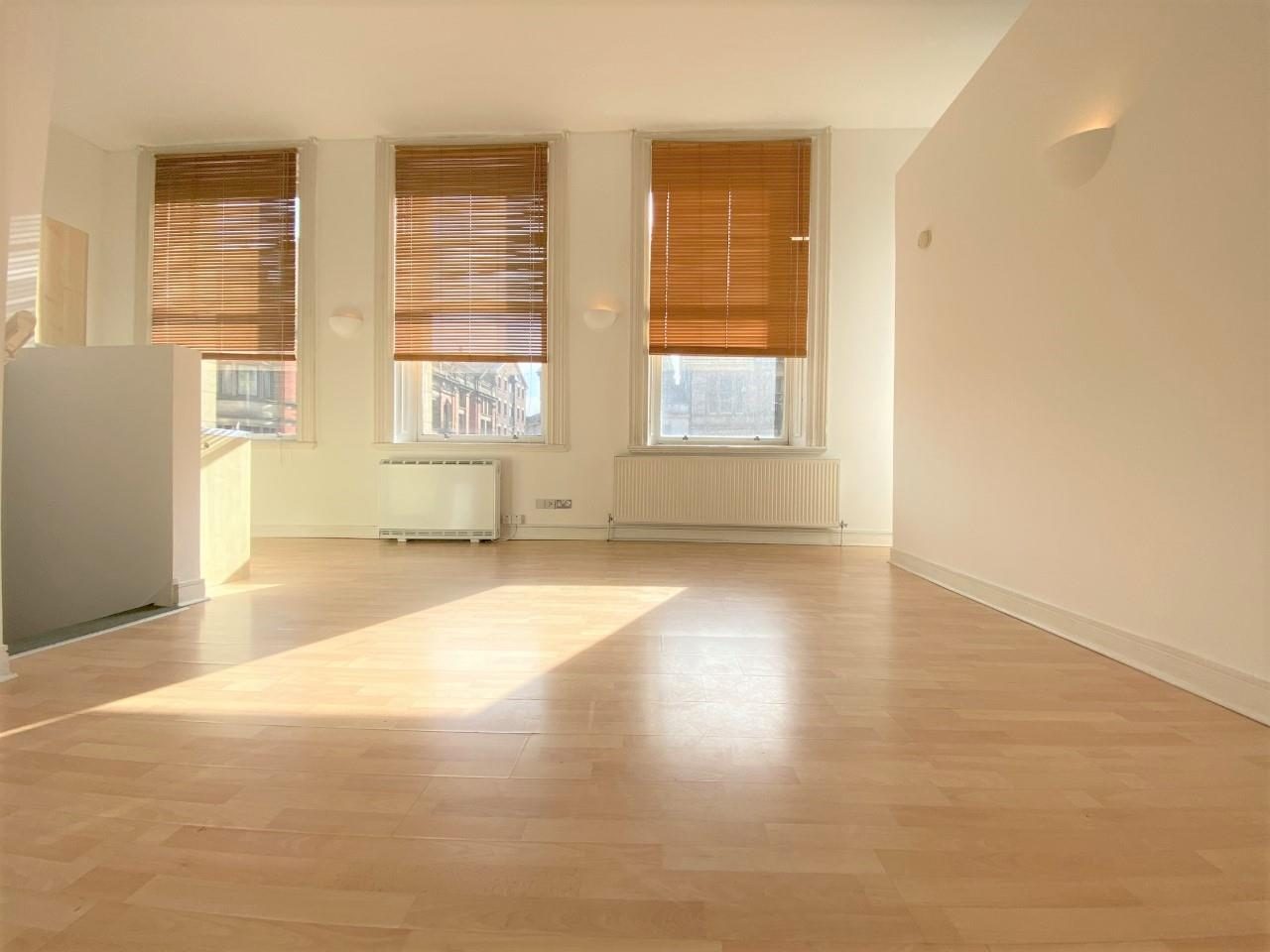
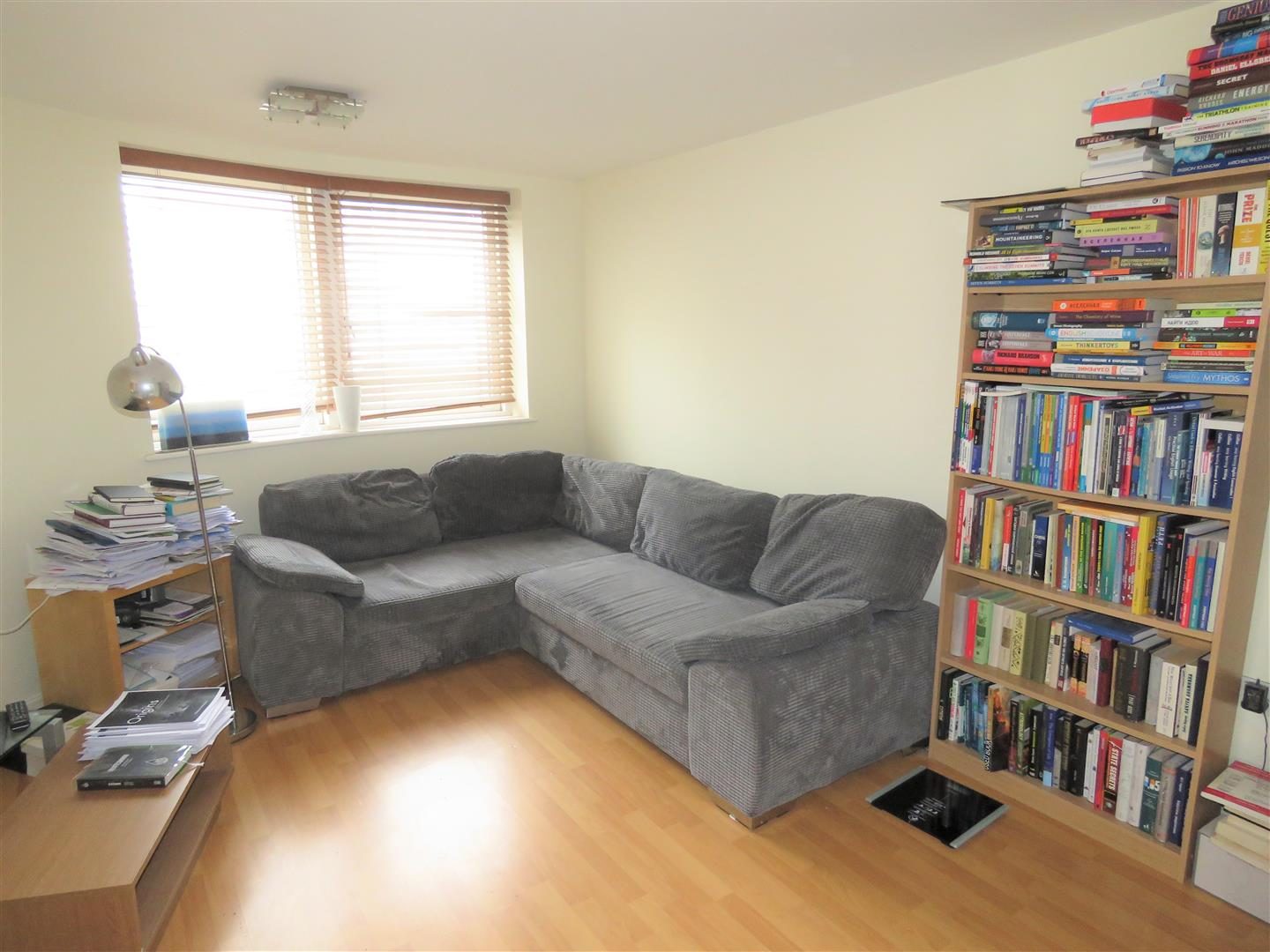
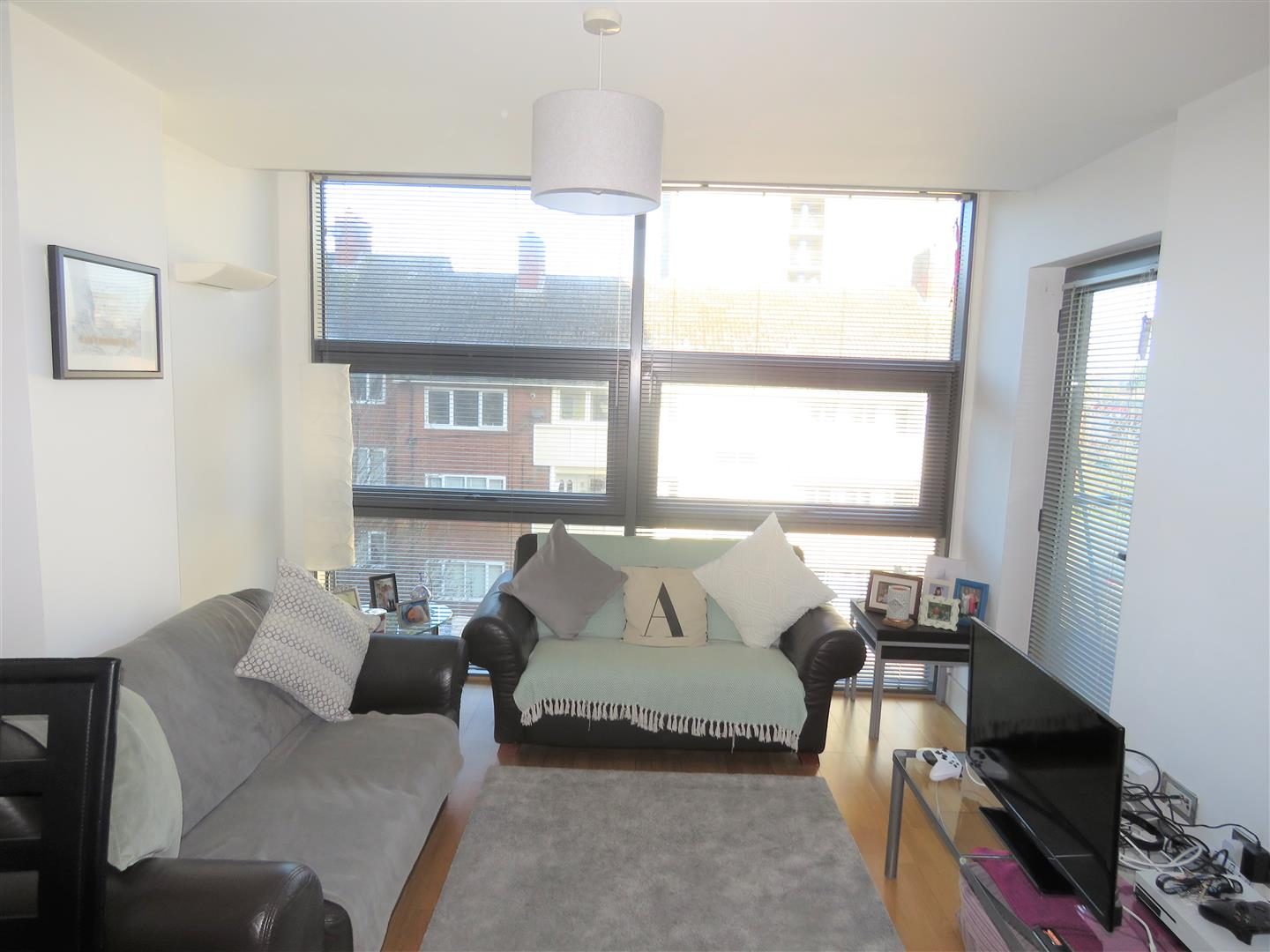
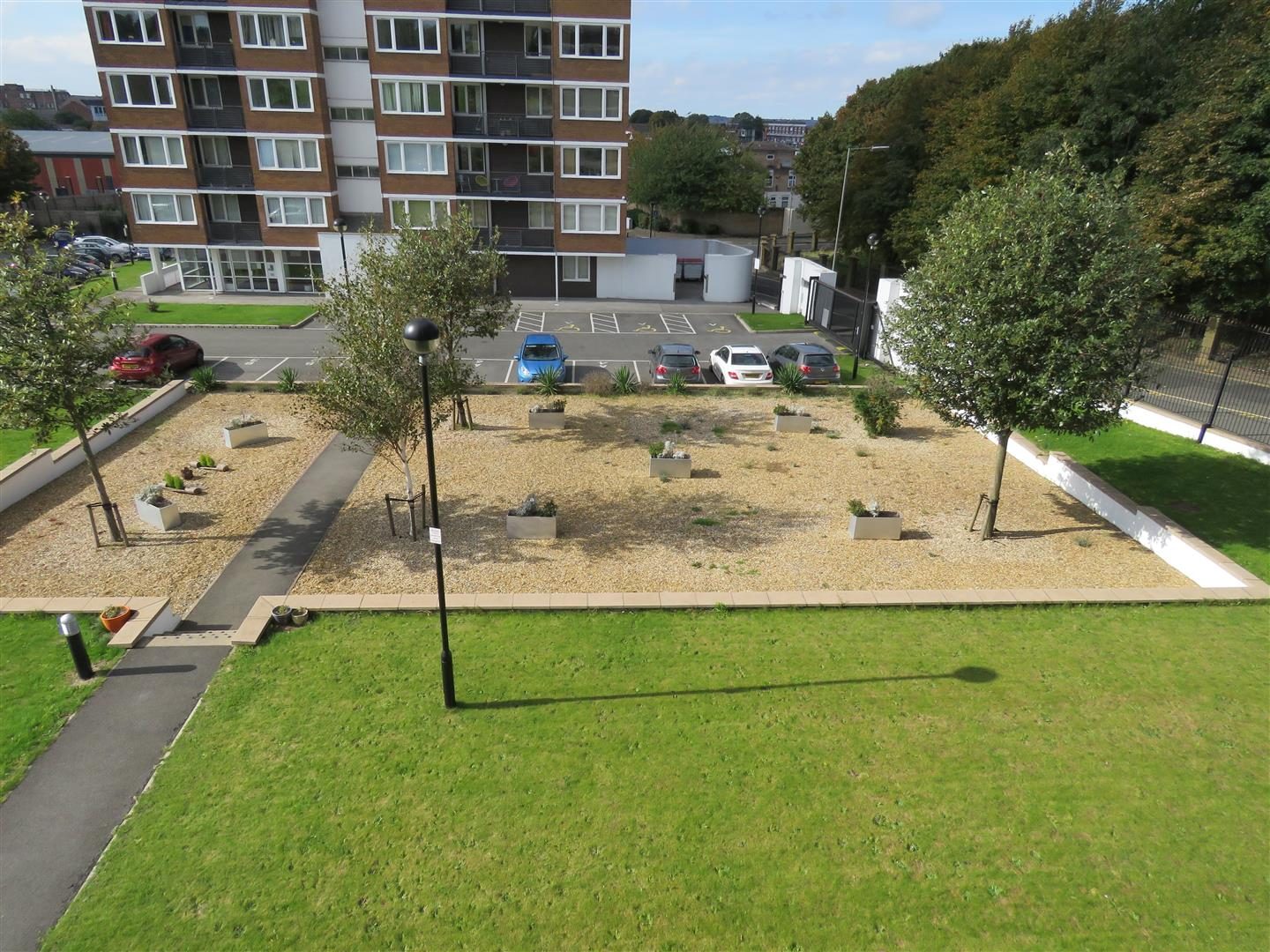
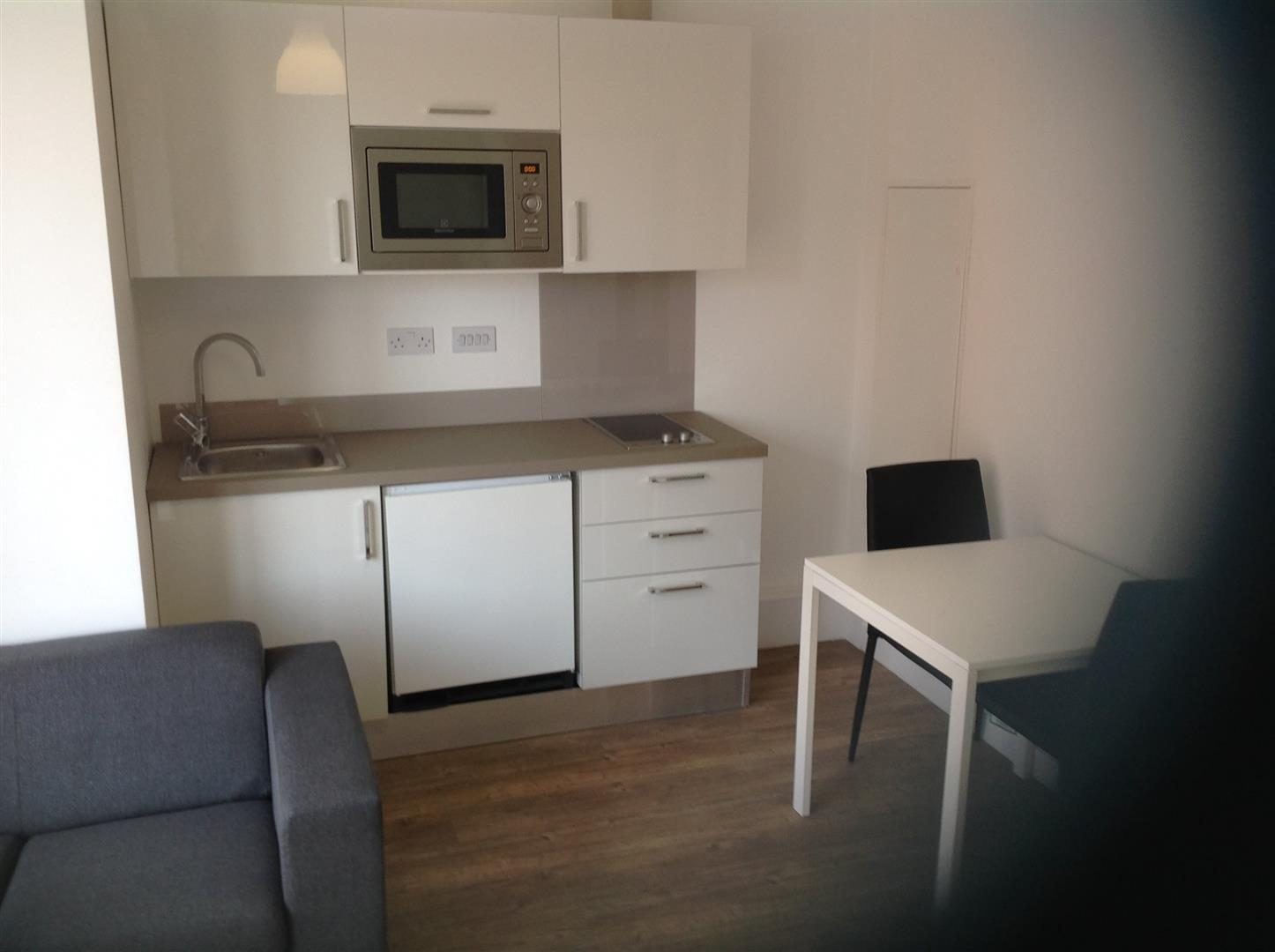
Browse 318 rental homes to rent in Liverpool, Merseyside from local letting agents.
£950/m
645
263
52
Source: home.co.uk
Source: home.co.uk
flat
235 listings
Avg £1,015
Apartment
157 listings
Avg £1,075
Flat
63 listings
Avg £911
Terraced
57 listings
Avg £911
House
27 listings
Avg £1,012
House Share
19 listings
Avg £916
Semi-Detached
14 listings
Avg £1,159
Studio
14 listings
Avg £676
End of Terrace
13 listings
Avg £1,011
studio
11 listings
Avg £725
Source: home.co.uk
Source: home.co.uk
Across Liverpool, live rental listings on home.co.uk run from compact apartments through to larger terraces and modern new-build homes. The sales backdrop is still active as well. homedata.co.uk records 9,000 property sales in the Liverpool postcode area over the previous twelve months, down 21.9% year on year, yet prices still rose, with a 9.5% annual increase taking the provisional average to £185,000 in December 2025. With stock limited and demand holding up, tidy rental homes do not tend to sit around for long.
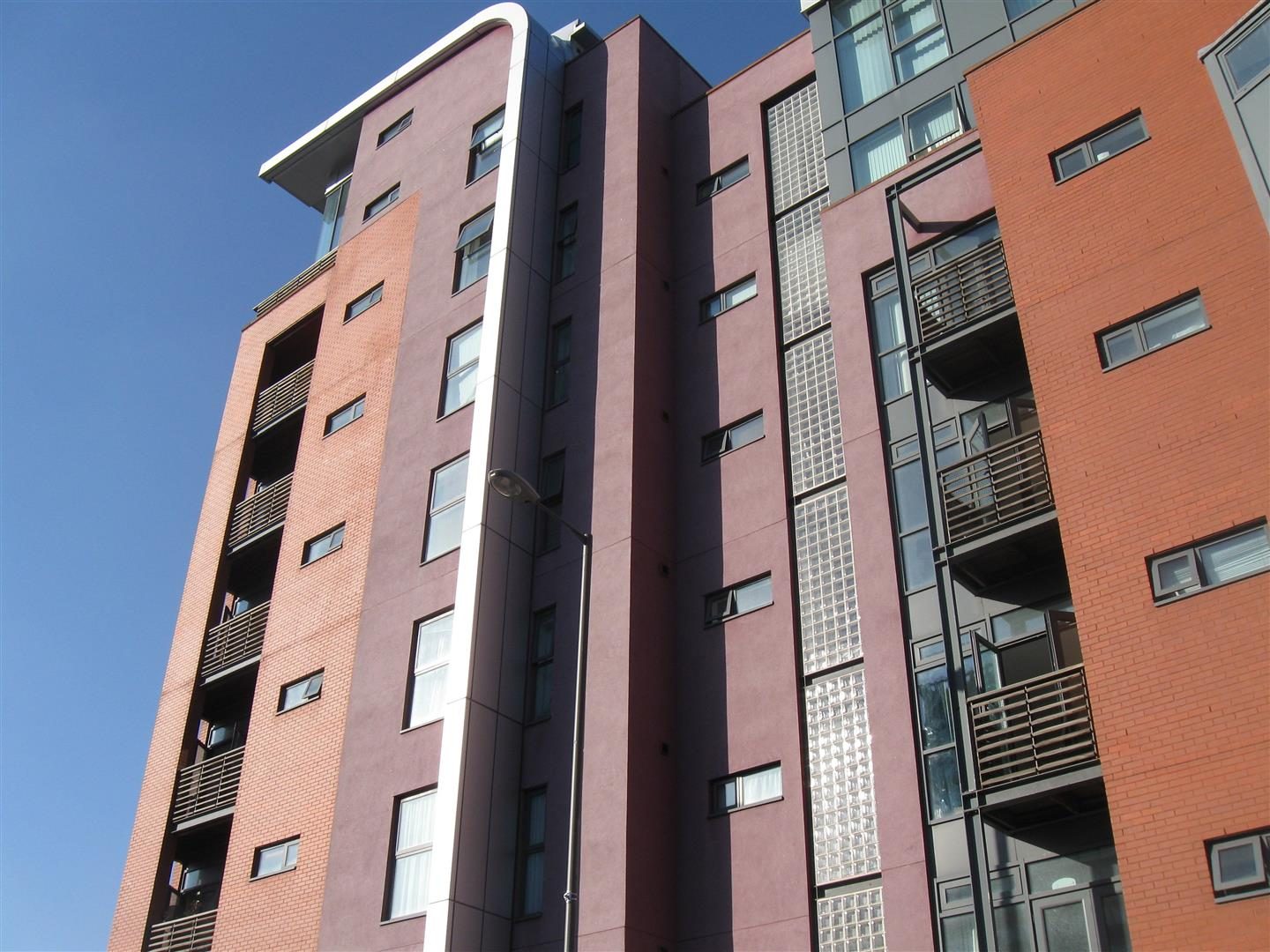
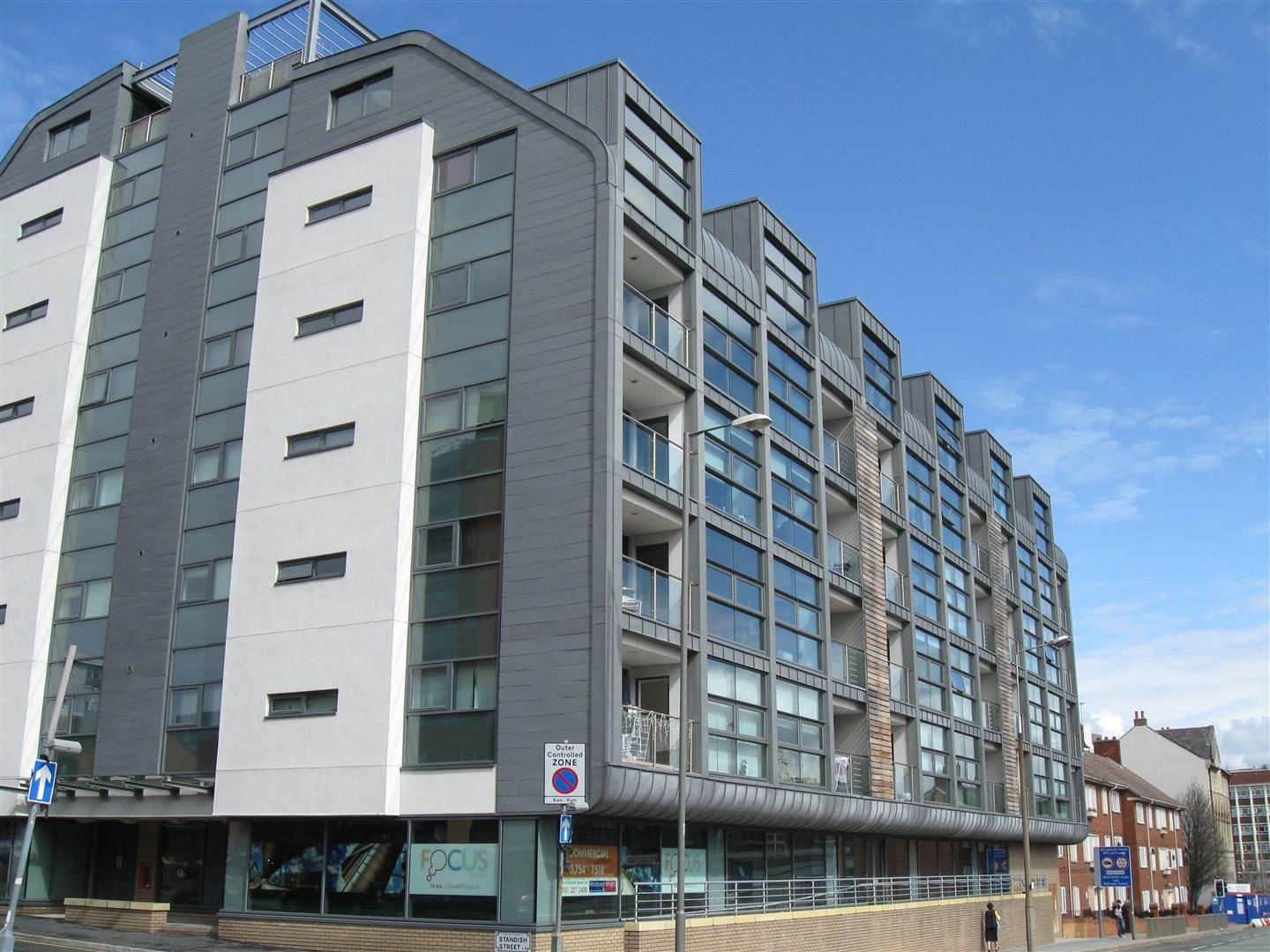
Fresh supply is still coming through, largely from regeneration and apartment-led schemes. homedata.co.uk shows 394 newly built property sales in the Liverpool postcode area between January and December 2025, with most new homes selling in the £300,000 to £400,000 band and the average new-build price at £269,000. L1 8 saw the highest concentration of new-build sales, which says a lot about the pull of central apartment living. Schemes including The Copper Box, Parliament Square, Great George Street, The Residence and The Lexington at Princes Dock all add options close to the city core.

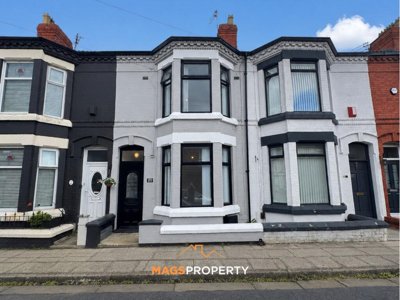
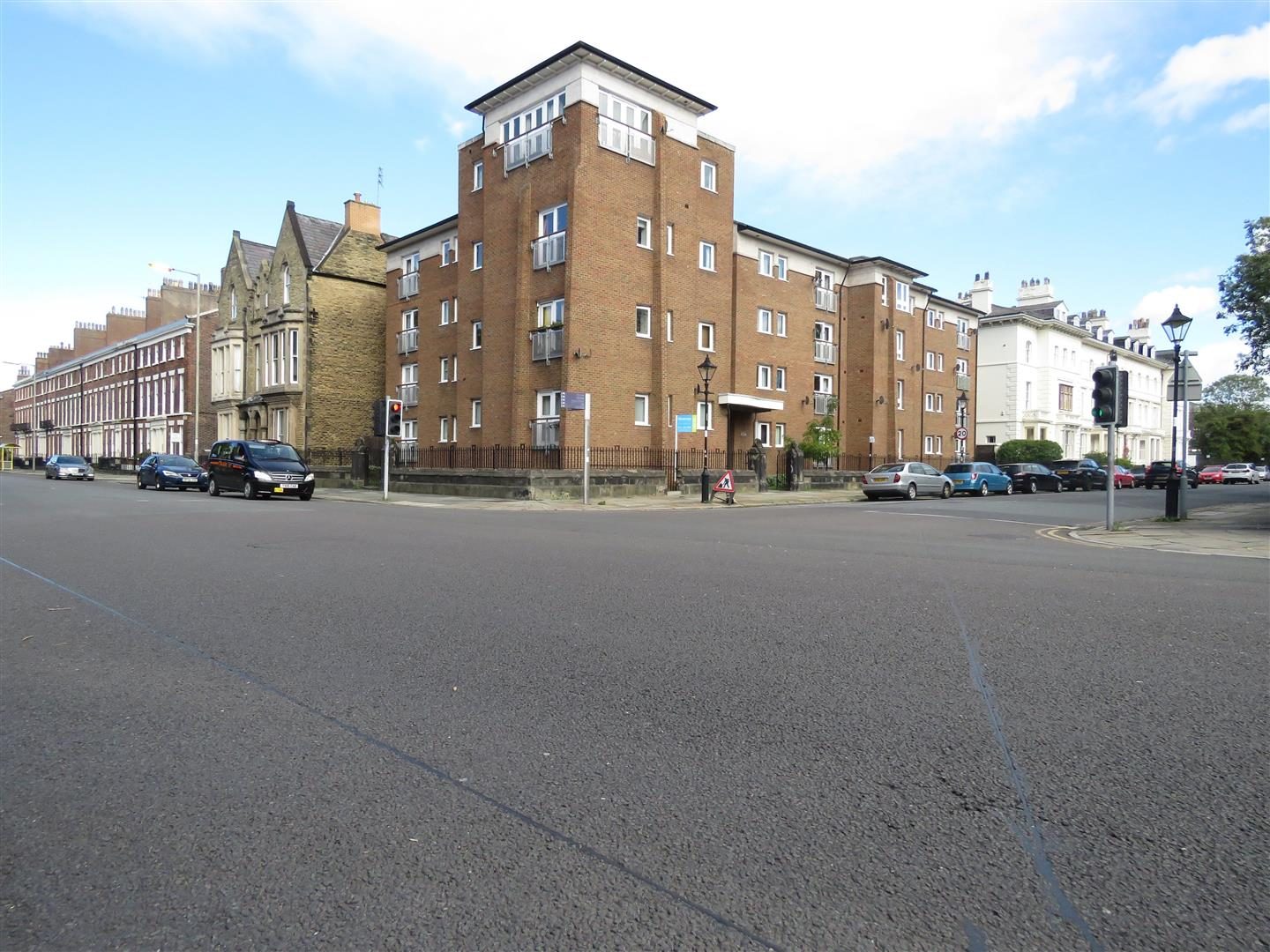
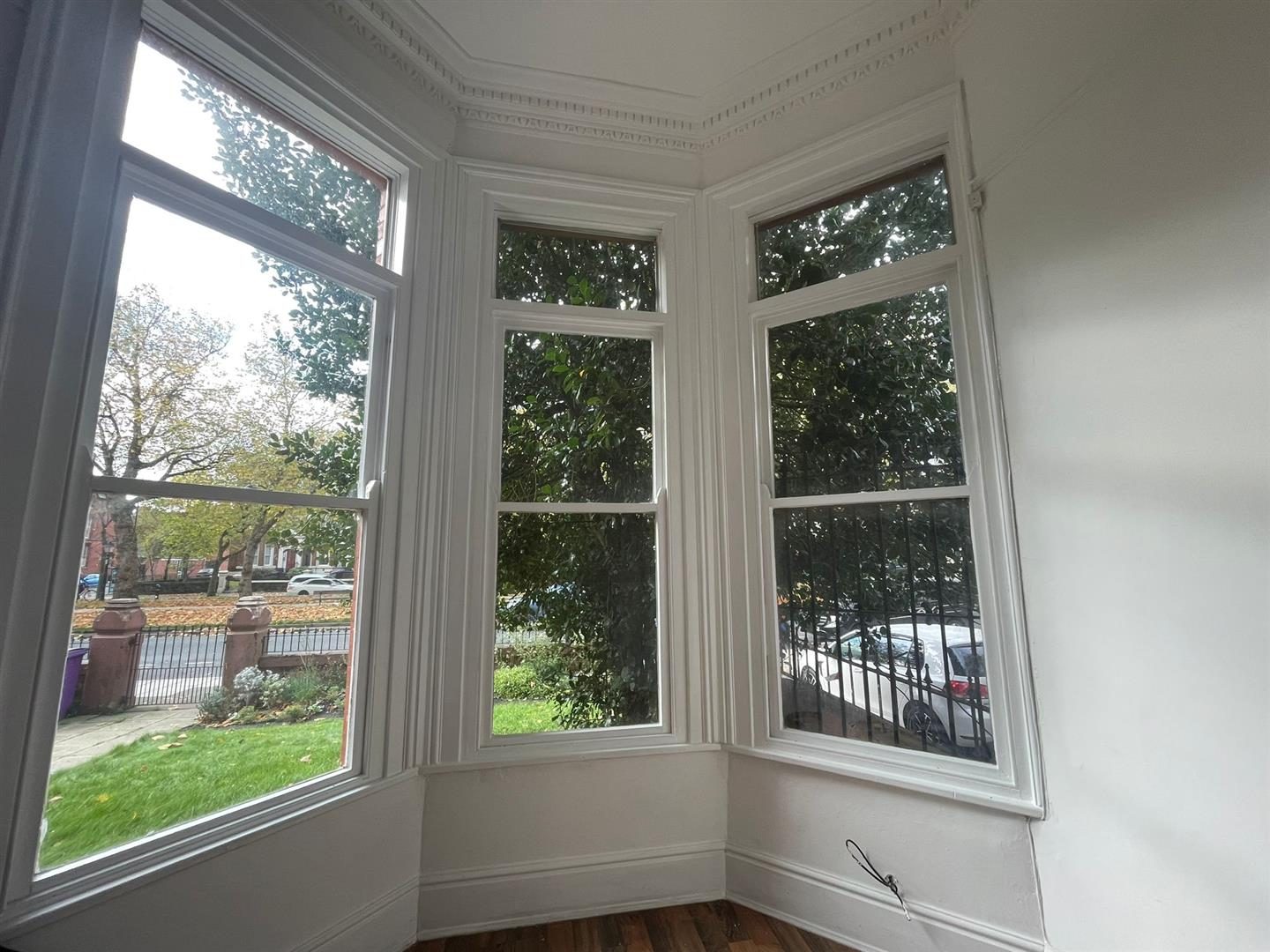
We are covering Liverpool here within the city boundary, not the wider county, and that matters because the housing mix shifts quickly from district to district. Red brick dominates much of the city, especially in the Victorian and Edwardian terraces and semis found in Wavertree, Aigburth and parts of south Liverpool. On older civic buildings, and on some grander homes, sandstone detail is part of the picture. Newer schemes often combine brick with render or cladding, so renters can weigh up period character against modern convenience in the same local market.
Housing is only part of the pull. Liverpool has major employers in healthcare, education, the port, professional services and hospitality, so the rental market has to serve students, graduates, commuting staff and long-term families all at once. Green space helps too, with Sefton Park, Princes Park, Calderstones and the waterfront promenades giving people room to get outside. Daily life also carries plenty of culture, from live music and museums to football and a busy food scene, which goes some way to explaining why many renters stay near the centre even when a quieter suburb is within reach financially.
For families, the search often starts with schools and catchment areas. The Blue Coat School, Liverpool College and King David High School are regularly mentioned, and strong primary options are often found around Childwall, Woolton, Mossley Hill and West Derby. Catchments can move quickly, especially for selective and faith schools, so we would always check the admissions rules before committing to a tenancy. A house can look right on paper, then the school run changes everything.
Higher education shapes this market in a big way. The University of Liverpool, Liverpool John Moores University and Liverpool Hope University keep demand high for flats and shared homes near the centre and the Knowledge Quarter. Liverpool City College adds to that churn, along with other further education options across the city, especially for older students and young adults who want to remain local. At the start of each academic cycle, central apartments and terraces in the right spot can disappear fast.

Getting around Liverpool without a car is fairly straightforward. Merseyrail connects the centre with suburban stations on the Northern and Wirral lines, and Liverpool Lime Street, Liverpool Central and Moorfields give a good spread of rail access. Fast services run to Manchester, London and other major destinations, which suits renters splitting time between Liverpool and the wider region. Buses fill in most of the gaps, so homes outside the centre can still work well for everyday travel.
Road travel is solid as well, with the M62 carrying eastbound traffic and the Queensway and Kingsway tunnels handling cross-river journeys. Parking is the part to check carefully. In the city centre, the Georgian Quarter, Ropewalks and around busier waterfront blocks, spaces can be tight. Cycling has become more practical for shorter trips too, especially on waterfront routes and in parts of south Liverpool where quieter residential streets connect with parks and local shops, so a good rental should work by rail, bus, road and bike, not only by postcode.
Before we book viewings, get a rental budget agreement in principle sorted and pin down what monthly rent, deposit and moving costs feel manageable. In Liverpool, that early ceiling matters, because homes in the right spot can draw interest quickly.
Start with the way you want to live, then work back to the property. A city-centre apartment is one thing, family streets in south Liverpool are another, and student-heavy districts feel different again, so a tight shortlist usually saves a lot of wasted time.
Homes near the centre, the waterfront and older established suburbs can move fast, particularly when they are modern, furnished or near good schools. On every viewing, check daylight first. Then look at storage, heating, parking and noise.
Have ID, payslips, references, employer details and any guarantor information ready before applying. It makes tenant referencing easier, and strong paperwork can help us secure the home we want before someone else gets there.
Read the contract, deposit terms, break clause and inventory carefully before signing. We would also ask what is included in bills, how council tax is handled, how quickly maintenance requests are answered and what happens if repairs are needed once you have moved in.
Sort utilities, contents insurance and the change-of-address list early, so move day is easier to manage. Once the keys are in hand, older Liverpool homes are worth a quick once-over as well, especially for ventilation, damp and the condition of window seals.
Liverpool has a mix of waterfront blocks, conservation streets and older terraces, and each brings its own checks. In low-lying areas and near the docks, flood risk is worth raising straight away. Across the older stock, especially with so many pre-1919 buildings in the city, we would want a close look at roofs, gutters, chimneys and damp protection. Ground conditions also vary, with sandstone across much of Liverpool and clayier deposits in some eastern and southern areas, so any sign of movement needs taking seriously. A smart exterior does not tell the whole story.
Conservation areas carry real weight in Liverpool, more than many UK cities, especially around the Georgian Quarter, parts of the city centre, Sefton Park and Canning. External alterations can be restricted, so renters should not assume they can fit satellite dishes, swap windows or change facades without checks. Many flats sit within leasehold buildings too, which means service charge, ground rent and building upkeep still matter even when the landlord deals with the paperwork. We would ask who manages repairs, how quickly problems are handled and whether service charges are already built into the rent.
Local detail varies by exact address, so we work from your property rather than a town-wide figure. For sale-side context, homedata.co.uk records a median sold price of £185,000 and an average of £217,000 across the Liverpool postcode area. That pressure underneath the market helps explain why rentals in the right locations can attract heavy interest, particularly near the centre, the universities and the waterfront. If we want a firmer limit before viewing, a rental budget agreement in principle is a sensible first step.
Within the Liverpool City Council area, properties can sit in any council tax band from A to H depending on size, age and valuation. Smaller flats and terraces often fall into the lower bands, while larger family houses and period homes can climb higher. Ask the letting agent for the exact band on any place you like. It changes the real monthly cost, and so can furnished status, parking permits and utility bills.
School names come up early in many family searches, especially The Blue Coat School, Liverpool College and King David High School, along with stronger primary options in Childwall, Woolton, Mossley Hill and West Derby. Catchment lines can be narrow, and selective or faith schools may change admissions rules from one year to the next. Because of that, the address can matter just as much as the building. Check the latest admissions guidance before agreeing a tenancy.
Merseyrail gives Liverpool a very useful network across the city and suburbs, while Lime Street, Central and Moorfields bring in the national rail side as well. Fast trains reach Manchester and London. Buses cover most neighbourhoods within the city boundary, and road travel is helped by the M62 and the city tunnels. For plenty of renters, a car is useful, but not essential.
Liverpool is a strong rental city in our view because the choice is broad, the neighbourhoods are varied and the employment base is large. Healthcare, universities, the port, tourism and the city centre all feed demand, so there is usually a spread of flats, terraces and family homes on the market. homedata.co.uk records a £185,000 median sold price and a 9.5% annual rise to December 2025, which helps show why better homes stay competitive. For renters who want culture, travel options and value in one place, Liverpool is hard to overlook.
Most renters need to budget for a tenancy deposit of up to five weeks' rent, then a holding deposit of about one week's rent when applying. On top of that, there may be the first month's rent, moving costs, utilities and contents insurance before everything settles down. Extra fees are restricted, but charges can still arise for late rent, lost keys or agreed tenancy changes. We would always ask for the full cost breakdown in writing before signing anything.
Different parts of Liverpool suit different routines. City-centre flats, Ropewalks, the Georgian Quarter and the dockside tend to suit young professionals who want walkability and a shorter commute. Aigburth, Allerton, Childwall, Woolton and parts of Wavertree are more often chosen by families who need more space, schools and parks nearby. Around the universities and the Knowledge Quarter, student demand keeps shared homes and smaller apartments busy, so the right area usually comes down to what matters most to you, nightlife, schools, parking or quieter streets.
In Liverpool, renting costs usually hinge on three basics, the monthly rent, the tenancy deposit and the cash needed upfront on move-in day. Most homes ask for a deposit of up to five weeks' rent, and many landlords want the first month's rent paid before the keys are handed over. Then there are the extras, moving vans, utility set-up and contents insurance, which can push the total up faster than many first-time renters expect. A clear budget makes comparisons easier, because the headline rent is rarely the whole story.
Some movers also weigh up renting against buying, especially if Liverpool might become a long-term base. If we are comparing the two, the current purchase-side thresholds are 0% up to £250,000, 5% from £250,000 to £925,000, 10% from £925,000 to £1.5 million and 12% above that. First-time buyers have 0% up to £425,000 and 5% from £425,000 to £625,000, with no relief above £625,000. Even without plans to buy yet, those figures help frame the rental spend against a future move into ownership.
Properties to Rent In London

Properties to Rent In Plymouth

Properties to Rent In Liverpool

Properties to Rent In Glasgow

Properties to Rent In Sheffield

Properties to Rent In Edinburgh

Properties to Rent In Coventry

Properties to Rent In Bradford

Properties to Rent In Manchester

Properties to Rent In Birmingham

Properties to Rent In Bristol

Properties to Rent In Oxford

Properties to Rent In Leicester

Properties to Rent In Newcastle

Properties to Rent In Leeds

Properties to Rent In Southampton

Properties to Rent In Cardiff

Properties to Rent In Nottingham

Properties to Rent In Norwich

Properties to Rent In Brighton

Properties to Rent In Derby

Properties to Rent In Portsmouth

Properties to Rent In Northampton

Properties to Rent In Milton Keynes

Properties to Rent In Bournemouth

Properties to Rent In Bolton

Properties to Rent In Swansea

Properties to Rent In Swindon

Properties to Rent In Peterborough

Properties to Rent In Wolverhampton

Enter your details to see if this property is within your budget.
Loans, cards, car finance
Estimated property budget
Borrowing + deposit
You could borrow between
Typical borrowing
Monthly repayment
Est. at 4.5%
Loan-to-value
This is an estimate only. Your actual budget may vary depending on interest rates, credit history, and personal circumstances. For an accurate affordability assessment, speak to one of our free mortgage advisors.
This calculator provides estimates for illustrative purposes only and does not constitute financial advice. Your home may be repossessed if you do not keep up repayments on your mortgage. Estimates based on 4.5% interest rate, repayment mortgage. Actual rates depend on your circumstances.
Homemove is a trading name of HM Haus Group Ltd (Company No. 13873779, registered in England & Wales). Homemove Mortgages Ltd (Company No. 15947693) is an Appointed Representative of TMG Direct Limited, trading as TMG Mortgage Network, which is authorised and regulated by the Financial Conduct Authority (FRN 786245). Homemove Mortgages Ltd is entered on the FCA Register as an Appointed Representative (FRN 1022429). You can check registrations at NewRegister or by calling 0800 111 6768.

We use cookies to show you personalised content and improve your experience of our website. Find out more in our Privacy policy and Cookie policy.