Powered by Home

Properties To Rent in Torridge, Devon

Browse 56 rental homes to rent in Torridge, Devon from local letting agents.

56 listings Torridge, Devon Updated daily

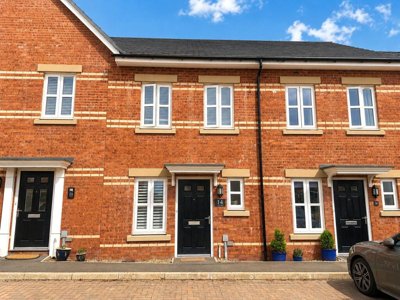
Torridge, Devon Market Snapshot

Median Rent

£925/m

Total Listings

22

New This Week

0

Avg Days Listed

57

Source: home.co.uk

Price Distribution in Torridge, Devon

£500-£750/m
3
£750-£1,000/m
10
£1,000-£1,500/m
7
£1,500-£2,000/m
2

Source: home.co.uk

Property Types in Torridge, Devon

19%
14%
14%

Terraced

4 listings

Avg £1,049

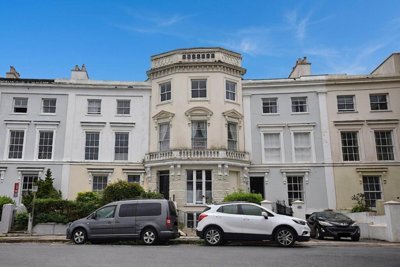
Flat

3 listings

Avg £658

Semi-Detached

3 listings

Avg £1,050

Apartment

2 listings

Avg £760

Bungalow

2 listings

Avg £988

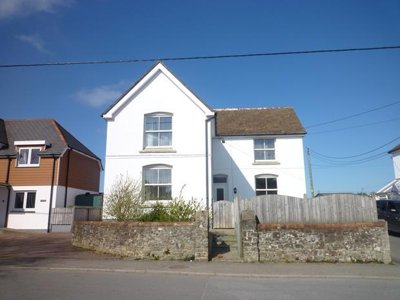
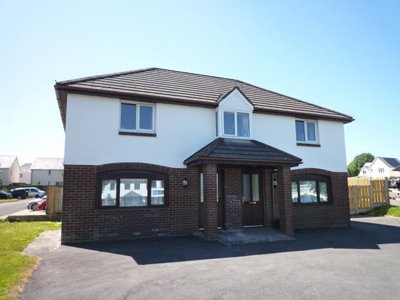
Detached

2 listings

Avg £1,663

House

2 listings

Avg £913

Cottage

1 listings

Avg £875

Detached Bungalow

1 listings

Avg £1,300

End of Terrace

1 listings

Avg £850

Source: home.co.uk

Bedrooms Available in Torridge, Devon

1 bed 2
£563
2 beds 8
£858
3 beds 10
£1,088
4 beds 2
£1,663

Source: home.co.uk

The Property Market in Torridge

The Torridge rental market reflects the broader property landscape of this North Devon district, where demand consistently outstrips supply in popular villages and town centres. Average property prices by type demonstrate the variety available to prospective renters, with detached homes commanding £393,000, semi-detached properties averaging £281,000, terraced houses at £209,000, and flats and maisonettes starting from £138,000. These figures illustrate the premium associated with larger family homes while highlighting more accessible entry points through terraced and apartment options, particularly relevant for first-time renters or those seeking smaller households.

Market activity has remained steady with 829 property sales completing in the twelve months to December 2025, a figure that provides context for rental availability in an area where many residents choose to rent rather than buy. New build development has been limited but notable, with The Grange development by Devonshire Homes on the rural edge of Bideford bringing 225 homes to the market including one and two-bedroom apartments alongside two to five-bedroom houses. This development represents one of the few opportunities for renters seeking modern accommodation with contemporary fittings and energy-efficient specifications, though rural villages throughout Torridge continue to offer traditional properties that characterise the local housing stock.

The 12-month price trends reveal interesting patterns for those considering rental versus purchase decisions. Semi-detached properties have shown the strongest appreciation at 2.2%, while flats have experienced a decline of 2.9%, suggesting a shift in buyer preferences towards family-sized accommodation. For renters, this market dynamic may influence the availability of certain property types, with flats potentially becoming more accessible while demand for houses remains robust across the district.

Find Rentals Torridge

Living in Torridge

Torridge district encompasses a diverse landscape ranging from the wild coastline of Northam Burrows and Westward Ho! to the pastoral hillsides and river valleys that define inland Devon. The area has experienced steady population growth of 6.7% between the 2011 and 2021 censuses, with the population reaching 68,100 residents who benefit from the combination of rural tranquility and reasonable access to local amenities. Notably, Torridge has an aging population structure, with the number of residents aged over 65 increasing by 30.2% during this period, compared to just 20.1% across England overall, reflecting the area's appeal to retirees drawn by the healthy lifestyle, scenic environment, and established healthcare provision.

The local economy supports this residential community through diverse employment sectors including wholesale and retail, health and social work, manufacturing, agriculture, construction, and real estate activities. Business density in Torridge sits slightly above the national average, with particularly high levels of self-employment contributing to economic flexibility. The visitor economy plays a significant role, with coastal destinations like Westward Ho! and attractive inland villages drawing tourists throughout the year and supporting local hospitality businesses, cafes, and shops that serve both residents and visitors. These economic factors combine to create a sustainable local community where rental properties serve a cross-section of residents from young families to retired couples.

The quality of life in Torridge extends to recreational opportunities that are difficult to replicate elsewhere. The Tarka Trail provides over 30 miles of walking and cycling routes following the path taken by Tarka the Otter in Henry Williamson's famous novel, passing through diverse habitats from woodland to coastline. The beaches at Westward Ho! offer safe swimming and surfing opportunities, while the protected landscapes of the Biosphere Reserve ensure the natural environment remains a defining feature of daily life. For renters choosing Torridge, these amenities represent genuine lifestyle benefits that enhance the appeal of the rental market.

Rental Search Torridge

Housing Stock and Property Types in Torridge

The housing character of Torridge reflects its predominantly rural nature, with census data indicating that 93.8% of households in rural areas of the district reside in houses or bungalows, while 5.5% occupy flats and 0.7% live in other accommodation types. This distribution shifts somewhat in urban centres like Bideford and Great Torrington, where 84.1% of households live in houses or bungalows and 15.3% occupy flats, demonstrating the greater density and variety of housing options available in the main towns. For renters, this means the overwhelming majority of available properties will be houses or bungalows, with flats representing a smaller but still significant segment of the rental market, particularly in town centre locations.

Torridge district contains over 2,000 listed buildings and 20 conservation areas centred on historic settlements, indicating a substantial portfolio of older properties throughout the area. Many of these period properties feature traditional construction methods and materials that require careful consideration during the rental process, including potential issues with damp penetration, roof condition, and outdated electrical systems that may be present in older buildings. Renters considering period properties should factor in the character and maintenance requirements of older homes, which often come with features like original fireplaces, sash windows, and thick walls that offer excellent thermal mass when properly maintained but may require attention to insulation and draft-proofing.

For renters prioritising modern accommodation, The Grange development on the edge of Bideford represents one of the most significant new-build opportunities in the area, offering apartments and houses with contemporary specifications. Smaller developments and individual new-build properties can be found throughout the district, though supply remains limited compared to the established housing stock. Town centre locations in Bideford, particularly around the historic quay and High Street, offer a concentration of period flats above commercial premises, while village locations typically feature converted cottages and purpose-built bungalows suitable for older renters or those seeking single-level living.

Rental Properties Torridge

Transport and Commuting from Torridge

Transport connectivity in Torridge reflects its rural character, with residents relying on a combination of car travel, bus services, and walking or cycling for daily transport needs. The district is served by the A39 Atlantic Highway that runs through Bideford connecting to Barnstaple to the east and to Cornwall to the west, while the A386 provides access to Exeter and the M5 motorway beyond. For renters working in the larger towns, commuting by car remains common, with many residents accepting journey times of 30-45 minutes to reach employment centres. The relatively low median full-time earnings in Torridge at £24,139 compared to the England average of £29,869 partly reflects the rural economic structure where higher-paying positions may require commuting to larger cities.

Public transport options include bus services connecting villages to market towns, though frequencies are limited compared to urban areas and peak-time services tend to be more comprehensive. The nearest railway stations with regular services to Exeter, Bristol, and London Paddington are located in Barnstaple and Umberleigh, requiring car travel or bus connections to reach. For those working remotely or with flexible arrangements, the quality of life benefits of living in Torridge often outweigh commuting considerations, with many residents choosing to prioritise the natural environment, lower housing costs, and community atmosphere over proximity to major employment hubs.

Cycling infrastructure including sections of the Tarka Trail provides car-free transport options for recreational purposes and local journeys in good weather. The Trail is surfaced in places and offers a viable alternative for commuting between settlements when weather permits, particularly for those living near the route between Bideford, Great Torrington, and surrounding villages. For renters who can arrange flexible or remote working arrangements, Torridge offers an opportunity to enjoy coastal and countryside living without the necessity of daily commuting, making it an attractive option for professionals in knowledge-based industries.

Renting Guide Torridge

Flood Risk and Environmental Considerations in Torridge

Prospective renters should be aware of flood risk considerations that affect parts of Torridge district, where the River Torridge and coastal areas create potential for flooding events. Torridge District Council maintains a Strategic Flood Risk Assessment providing up-to-date information on flood risk, including climate change considerations and future projections. Flood alerts are regularly issued for the Lower Torridge area encompassing Dolton, Great Torrington, Bideford, and Westward Ho!, as well as the Upper Torridge area covering Hatherleigh, Bradworthy, Clovelly, and Bradford. Properties in these areas, particularly those near rivers or the coastline, may face elevated flood risk during periods of heavy rainfall or high tides.

Climate projections indicate concerning trends, with estimates suggesting up to 420 homes could face flooding during a major event within the next 10 years, potentially increasing to 1,900 homes within 100 years due to sea level rise. Coastal erosion primarily affects the Pebbleridge area fronting Northam Burrows and the exposed face of the north Burrow Landfill, requiring ongoing management and monitoring. Renters should enquire about flood history, existing flood defences, and building insurance arrangements when considering properties in identified risk areas.

Specialist surveys can assess individual property vulnerabilities, and insurance providers may have specific requirements for properties in flood-prone locations that could affect rental arrangements. When viewing properties in areas like Westward Ho! or properties adjacent to the River Torridge in Bideford or Great Torrington, ask the landlord or letting agent about any previous flooding incidents, the property's flood resilience measures, and whether buildings insurance covers flood damage. Properties on higher ground in villages like Abbotsham, Horns Cross, or Buckland Filleigh may offer lower flood risk while still providing access to the district's amenities and natural attractions.

Rental Market Torridge

Renting Costs and Deposits in Torridge

Understanding the full costs of renting in Torridge helps prospective tenants budget effectively for their move and ongoing tenancy. Deposit requirements typically amount to five weeks rent for properties with annual rents below £50,000, providing financial protection for landlords while requiring renters to have significant funds available upfront. In addition to deposits, renters should budget for tenancy agreement fees, referencing costs, and potentially guarantor arrangements if their rental history or income does not meet standard referencing criteria. First-time renters should also consider moving costs, furniture purchases if the property is unfurnished, and utility setup charges.

Ongoing rental costs in Torridge will depend on property type and location, with flats generally offering lower monthly rents than terraced houses, which in turn cost less than semi-detached and detached properties. Rural village properties may offer character and space advantages but could involve higher transport costs, while town centre flats provide convenience but may have limited parking or outdoor space. Council tax bands vary by property across Torridge district, with bands ranging from A through to H depending on property value and type. Most residential properties in the area fall within bands B to E, with band A properties typically attracting around £1,000-£1,200 annually while band E properties may cost £2,000-£2,400 per year.

Utility costs should also factor into rental budgeting, with properties in Torridge potentially facing higher heating costs due to the rural location and older construction methods common in period properties. Properties with solid walls, for example, may have different insulation properties compared to modern cavity wall construction, affecting energy efficiency and heating requirements. The proximity of some rural properties to farmland may also result in higher water charges depending on the supply arrangements. Prospective renters should request information about typical utility costs from current or previous tenants where possible to build an accurate picture of ongoing housing costs.

Find Rentals Torridge

How to Rent a Home in Torridge

1

Arrange Your Rental Budget

Contact letting agents or use our platform to understand your budget and what rental properties in Torridge you can realistically afford. Factor in not just monthly rent but also deposit requirements (typically five weeks), council tax, utilities, and moving costs. Our search tools help you filter properties by price to match your financial situation.

2

Research the Local Area

Explore Torridge's villages and towns to understand which neighbourhoods suit your lifestyle, considering commute times, school catchments, and proximity to amenities. Consider whether you need the convenience of Bideford town centre, the coastal access of Westward Ho!, or the tranquility of smaller villages like Buckland Filleigh or Stibb Cross. Visiting areas in person helps you understand the character of different communities.

3

Search and View Properties

Browse available rentals across Torridge using our platform, attending viewings to assess property condition, storage space, garden access, and overall suitability. When viewing period properties, pay particular attention to signs of damp, the condition of roofs and windows, and the age and efficiency of heating systems. For modern developments like The Grange in Bideford, assess the quality of fixtures and fittings and any service charge implications.

4

Get a Professional Survey

For older properties, especially those in conservation areas or with listed building status, consider a RICS Level 2 survey to identify any structural issues, damp, or maintenance concerns before committing to a tenancy. Our surveyors throughout Torridge understand local construction methods and common defects in period properties across North Devon.

5

Complete Referencing and Legal Checks

Your landlord or letting agent will require tenant referencing, right to rent checks, and may ask for a guarantor depending on your circumstances and rental history. Ensure you have references ready from previous landlords or employers, and be prepared to provide proof of income and identity as part of the standard tenancy application process.

6

Move Into Your New Home

Arrange your deposit (typically five weeks rent), sign your tenancy agreement, and coordinate your move into your new Torridge home. Take meter readings at the start of your tenancy, set up council tax with Torridge District Council, and transfer utilities into your name. Document the property condition with photos as insurance against deposit disputes at the end of your tenancy.

Frequently Asked Questions About Renting in Torridge

What is the average rental price in Torridge?

While specific rental price data for Torridge is not currently available in our listings, the sales market provides useful context with average property prices ranging from £138,000 for flats and maisonettes to £393,000 for detached homes. Rental prices typically sit between 0.8% and 1.2% of the property value annually, meaning terraced properties might rent from around £800-£1,000 per month while larger detached homes could command £1,500-£2,500 per month depending on condition, location, and amenities provided. Flats in Bideford town centre may be available from £500-£700 per month, while four or five-bedroom period houses near Westward Ho! could exceed £2,000 per month during peak rental periods.

What council tax band are properties in Torridge?

Council tax bands in Torridge district vary by individual property based on the valuation carried out by Torridge District Council. Bands range from A (the lowest) through to H (the highest), with most residential properties falling in the B to E range. Renters should request the specific council tax band for any property they are considering, as this can add between £100 and £250 per month to housing costs depending on the band and current council tax rates set by the local authority. Properties in the same village or street can fall into different bands depending on their value, so always verify this information for each specific property rather than making assumptions based on nearby homes.

What are the best schools in Torridge?

Torridge offers a range of educational options including primary schools in villages and market towns, secondary schools in larger settlements like Bideford and Great Torrington, and further education provision at colleges in the area. Schools in Torridge are generally rated favourably by Ofsted, with particular strengths in community engagement and pastoral care reflecting the rural character of the district. Parents should research specific school catchments and admission arrangements, as popular schools in areas like Westward Ho!, Bideford, and Great Torrington can have competitive entry requirements. Independent schools such as Shebbear College and St. Margaret's School in Bideford also serve families seeking alternative educational provision within the district.

How well connected is Torridge by public transport?

Public transport connectivity in Torridge reflects its rural nature, with bus services connecting villages to market towns though frequencies are limited compared to urban areas. The 21 and 319 bus routes provide key connections between Bideford, Barnstaple, and surrounding villages, though evening and weekend services may be less frequent. The nearest railway stations with services to Exeter and beyond are in Barnstaple and Umberleigh, requiring onward travel to reach. Most residents rely on cars for daily commuting and activities, with the A39 and A386 providing road connections to surrounding towns and eventually to the M5 motorway. Remote working has made Torridge increasingly attractive to those who can conduct their work without daily commuting requirements, and superfast broadband is available in many areas though speeds may vary in more remote villages.

Is Torridge a good place to rent in?

Torridge offers an excellent quality of life for renters seeking space, natural beauty, and community atmosphere away from urban pressures. The population growth of 6.7% between 2011 and 2021 demonstrates growing appeal, with new residents drawn by stunning coastline at Westward Ho! and Northam Burrows, countryside walks including the Tarka Trail, good local schools, and relatively affordable housing compared to South East England. The visitor economy supports local amenities and services, while the aging population reflects the area's suitability for retirees, though families and young professionals will also find much to appreciate about district living. Rental properties in Torridge offer genuine value for money compared to coastal areas in neighbouring counties, with tenants able to access spacious period properties that would cost significantly more in more metropolitan regions.

What should I look for when renting a property in Torridge?

When renting in Torridge, consider the property's flood risk status, particularly if near the River Torridge or coastal areas like Westward Ho! where climate projections suggest increasing flood vulnerability over coming decades. For period properties in conservation areas or listed buildings, check the condition of roofs, windows, and heating systems, as older construction may require more maintenance and may have restrictions on alterations. Consider proximity to schools and transport links if relevant, and verify broadband speeds which can vary significantly between villages and town centres. Properties with gardens are common and valued in Torridge, offering space for families and those who appreciate the outdoor lifestyle the area supports. Ask the landlord or agent about recent maintenance, the age of the boiler, and any planned improvements to the property during your tenancy.

Are there many conservation areas or listed buildings in Torridge?

Torridge district contains over 2,000 listed buildings and 20 conservation areas, indicating a rich heritage of period properties throughout the area. Many rental properties will be located within or adjacent to these designated areas, which can impose restrictions on modifications and improvements that landlords may undertake. Living in a listed building or conservation area property offers character and historical interest but may involve additional considerations around maintenance standards, permitted alterations, and potential requirements for specialist surveys to assess the condition of traditional building elements. The historic quayside area of Bideford, the village centres of Great Torrington and Clovelly, and numerous smaller settlements throughout the district include designated heritage areas where planning restrictions apply to external changes and alterations.

Browse Homes to Rent Across the UK

Terms of use Privacy policy All rights reserved © homemove.com | Properties to Rent » England » Torridge, Devon

Homemove is a trading name of HM Haus Group Ltd (Company No. 13873779, registered in England & Wales). Homemove Mortgages Ltd (Company No. 15947693) is an Appointed Representative of TMG Direct Limited, trading as TMG Mortgage Network, which is authorised and regulated by the Financial Conduct Authority (FRN 786245). Homemove Mortgages Ltd is entered on the FCA Register as an Appointed Representative (FRN 1022429). You can check registrations at NewRegister or by calling 0800 111 6768.