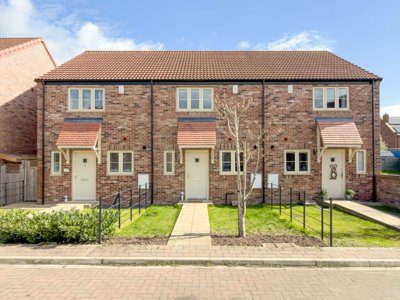
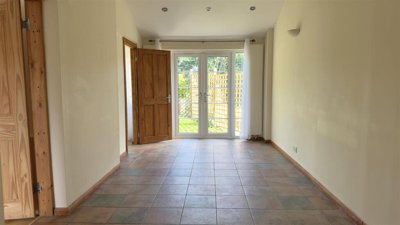
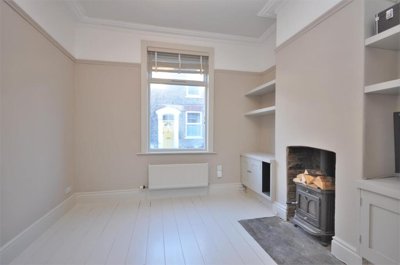
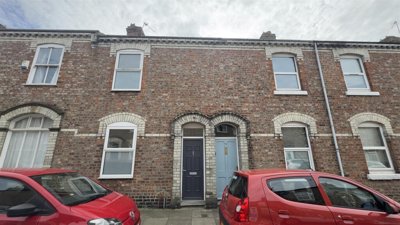
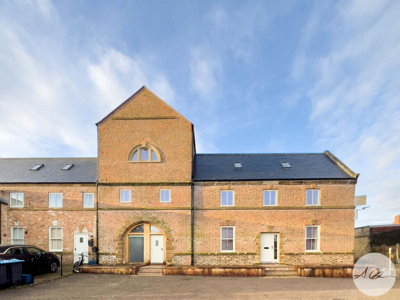
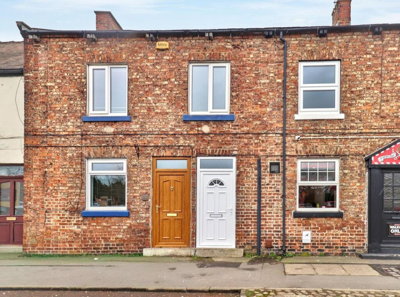
Browse 1,393 rental homes to rent in North Yorkshire from local letting agents.
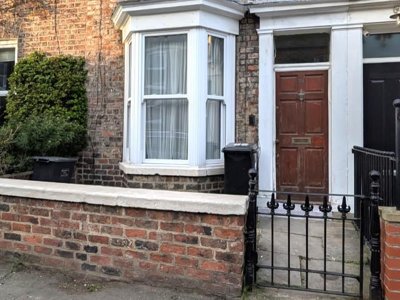
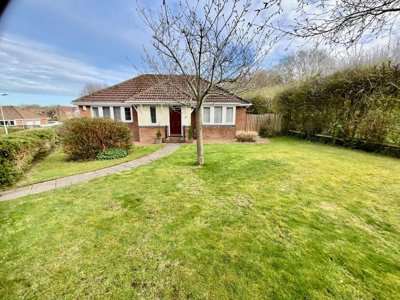
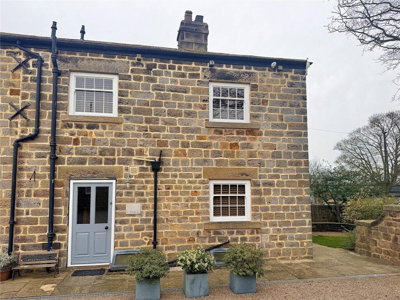
North Yorkshire's rental market reflects the county's unique character as a blend of historic market towns, coastal communities, and rural villages. Our listings include properties ranging from traditional stone-built cottages valued around £155,595 for flats through to substantial detached family homes commanding prices upwards of £447,212. The semi-detached properties, which make up 30% of the county's housing stock, typically offer the best value for renters seeking family accommodation at mid-market prices.
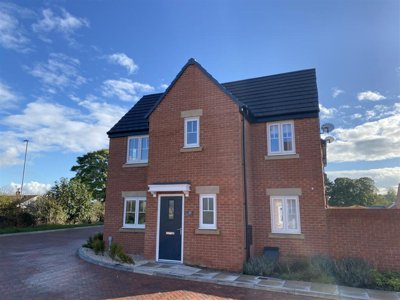
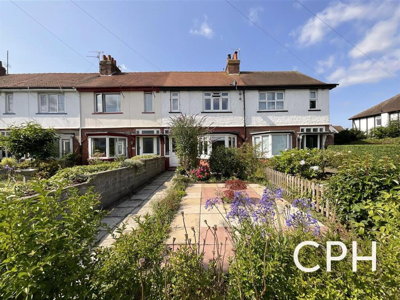
The semi-detached segment averages around £265,479, providing excellent options for families seeking more space without premium detached pricing. Terraced properties, averaging £214,082, remain popular in towns like York, Harrogate, and the coastal communities where they often feature attractive period characteristics. Recent new build developments including Meadow Fields in Boroughbridge (from £299,995), Salisbury Gardens in York (from £349,995), and The Pastures in Thirsk (from £219,950) have expanded options for renters seeking modern accommodation. These developments offer contemporary construction with modern insulation, energy efficiency, and layouts designed for contemporary living, complementing the county's rich heritage of period properties.
Additional new developments worth exploring include Kings Church in York from Avant Homes (from £329,995) offering 3, 4, and 5 bedroom homes, and Sowerby Gateway in Thirsk from Taylor Wimpey (from £265,000) providing 3 and 4 bedroom options. These newer developments often appeal to renters who prioritises modern heating systems, double glazing, and open-plan living spaces. Many renters purchase in these developments after experiencing the lifestyle, making them excellent areas to test before committing to a purchase.

North Yorkshire presents an extraordinary quality of life shaped by its dramatic landscapes, rich heritage, and strong community spirit. The county encompasses the breathtaking Yorkshire Dales and North York Moors national parks, offering residents unparalleled access to outdoor recreation including hiking, cycling, and wildlife watching. Coastal towns like Whitby, Scarborough, and Filey provide classic seaside living with historic piers, independent shops, and some of England's most stunning coastline. The population of approximately 602,300 people across 269,700 households creates communities that feel welcoming yet never overcrowded.
The area's economy benefits from diverse sectors including tourism, agriculture, public sector employment, and growing digital and creative industries concentrated in York and Harrogate. Towns like Knaresborough, Helmsley, and Richmond consistently rank among England's most desirable places to live, offering charming high streets, excellent pubs and restaurants, and thriving local events. The county's housing stock reflects this diversity, with 39.5% detached properties, 30% semi-detached homes, 19.4% terraced properties, and 10.2% flats and apartments. Approximately 24% of properties were built before 1919, giving many towns their distinctive character of period stone buildings and historic architecture.
The county's strategic location creates viable commuting options for those working in Leeds, Newcastle, or Teesside while enjoying a slower pace of life. Catterick Garrison supports significant defence sector employment, while the University of York and surrounding healthcare trusts provide stable public sector roles. Agricultural communities in the Dales and Moors maintain traditional rural economies alongside the growing tourism sector that brings millions of visitors annually to the national parks and heritage sites.

North Yorkshire offers excellent educational opportunities across all levels, making it particularly attractive to families considering renting in the area. The county maintains a strong network of primary schools, many of which are rated Outstanding by Ofsted, while secondary schools across towns including Harrogate, York, Scarborough, Richmond, and Thirsk provide comprehensive secondary education. Grammar schools in selective areas maintain high academic standards, and several schools consistently achieve strong results in GCSE and A-level examinations. Primary schools in towns like Knaresborough, Harrogate, and Boroughbridge frequently receive Outstanding Ofsted ratings, making these areas particularly popular with families.
For higher education, York is home to the University of York, consistently ranked among the UK's top universities, and York St John University offers diverse undergraduate and postgraduate programmes. The University of York attracts students from across the UK and internationally, contributing significantly to the city's cultural and economic life while providing graduate employment opportunities. York College provides excellent further education options alongside vocational routes through Craven College in Skipton and other providers across the county.
Families renting in North Yorkshire can access detailed information about catchment areas, school performance data, and admission policies through the North Yorkshire Council website. School admissions can be highly competitive in popular areas like Harrogate and the York suburbs, so understanding catchment boundaries before signing a tenancy helps ensure your children can attend preferred schools. Renting in these areas allows families to test school accessibility before committing to a longer-term purchase in a specific catchment zone.

North Yorkshire benefits from excellent transport connections despite its predominantly rural character. The East Coast Main Line provides swift rail services from York to London in under two hours, while Harrogate offers direct trains to Leeds in approximately 20 minutes and London King's Cross in around two and a half hours. Towns including Thirsk, Northallerton, and Darlington provide access to the east coast rail corridor, connecting residents to Newcastle, Edinburgh, and beyond. Bus services operated by various providers connect smaller communities to larger towns, though car ownership remains advantageous for those in more rural locations.
Road infrastructure includes the A1(M) motorway running through the eastern part of the county, providing excellent north-south connectivity between Newcastle and Leeds. The A59 connects coastal towns to the A1 and onwards to Preston, while the A66 trans-Pennine route passes through North Yorkshire's eastern towns linking the port of Teesport with the M6. The M1 motorway is accessible from southern areas around Selby and Knottingley, opening routes to Sheffield, Nottingham, and London. Parking provision varies significantly between towns, with York city centre offering park and ride facilities that many residents find preferable to driving into the centre.
Cyclists benefit from National Cycle Network routes traversing the county, including the Way of the Roses coast-to-coast route and scenic routes through the Dales and Moors. The scenic roads attract touring cyclists throughout the year, and many commuters use cycling for shorter journeys into towns like Harrogate and York where parking is limited or expensive. For those considering rural rentals, understanding bus service frequency and timing is essential since rural routes often operate on reduced schedules compared to urban areas.

Determine your monthly budget including rent, council tax, and utility costs. Consider property types ranging from modern flats in York (from £155,595 equivalent value) to detached homes in Harrogate (from £447,212 equivalent value). Getting a rental budget agreement in principle before viewing properties strengthens your position with landlords. Factor in council tax bands which vary across the county's local authorities, from Harrogate and Scarborough to Richmondshire and Ryedale, each setting different rates.
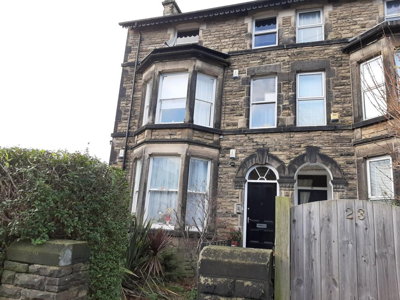
Consider what lifestyle suits you best. Coastal towns like Whitby and Scarborough offer seaside living with access to stunning coastline and tourism amenities. Market towns like Richmond and Thirsk provide community charm with excellent local shops and restaurants. York and Harrogate offer urban amenities with excellent transport links for commuters. Each area has distinct rental markets with different price points and property types, from Victorian terraces in York to stone cottages in the Dales.
Use our comprehensive listings to browse available rentals across North Yorkshire. Arrange viewings of properties that match your requirements, paying attention to property condition, local amenities, and commute times. Many properties in this area date from before 1919 (24% of stock) so consider requesting a thorough inspection. Our team can arrange viewings across all property types, from modern apartments to historic farmhouses.
North Yorkshire's varied geology means some areas have clay soils prone to shrink-swell movement (Vale of York), while others face flood risk from rivers like the Ouse and Swale. Properties in conservation areas around York, Harrogate, and Richmond may have restrictions on modifications. Older stone properties commonly feature traditional construction methods that require specific maintenance knowledge. Historical mining in the Selby district and ironstone mining areas may affect ground stability in some locations.
Once you find your ideal property, you will need to provide references, proof of income, and identification. Tenant referencing services help streamline this process, typically costing between £30 and £100 depending on check depth. Your landlord will also require a deposit, typically equivalent to five weeks' rent, held in a government-approved scheme. Administration fees may apply for processing your tenancy application.
Before moving in, conduct a detailed inventory check to document the property's condition. This protects both you and your landlord. North Yorkshire's strong community spirit means neighbours are often welcoming, and local groups and events provide excellent opportunities to integrate into your new community. Many towns have active community associations, sports clubs, and cultural events that help newcomers settle quickly.
Renting in North Yorkshire requires understanding the area's unique property characteristics and local considerations. The county's varied geology means flood risk assessment is essential for properties in areas like York, Tadcaster, and Malton, where properties near river floodplains may face flooding during periods of heavy rainfall. Coastal properties in Whitby, Scarborough, and Filey require consideration of coastal erosion risks, particularly for properties near cliff edges. Properties built on clay soils, particularly in the Vale of York, may be susceptible to subsidence or heave, especially during extreme weather conditions. The Vale of York's underlying Triassic sandstones and Permian limestones, often covered by glacial tills, create conditions where clay deposits can shrink and swell significantly.
The high concentration of conservation areas across North Yorkshire, including historic towns like York, Harrogate, Knaresborough, Richmond, Helmsley, and Whitby, means many rental properties are listed buildings or within designated conservation zones. These properties often feature traditional construction using local stone, lime mortar, and traditional roofing materials like slate and pantiles. While charming, older properties may require more maintenance and have restrictions on modifications. Understanding service charges for flats, which can vary significantly between developments, helps budget accurately for total housing costs.
Approximately 72.6% of properties in North Yorkshire were built before 1983, meaning the majority of the housing stock is over 50 years old and may exhibit age-related issues. Common defects in older properties include rising damp due to inadequate damp-proof courses, timber rot affecting floorboards and roof structures, and outdated electrical wiring that may not meet current standards. Roof defects such as missing slates or tiles and deteriorated pointing to chimneys are frequently identified during thorough inspections. Many Victorian and Edwardian properties feature solid wall construction without cavity insulation, resulting in higher heating costs than modern equivalents.

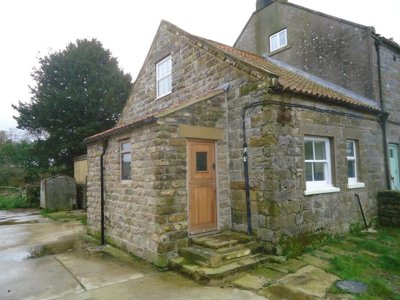
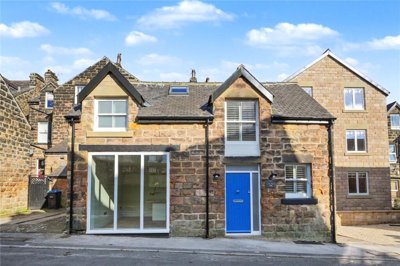
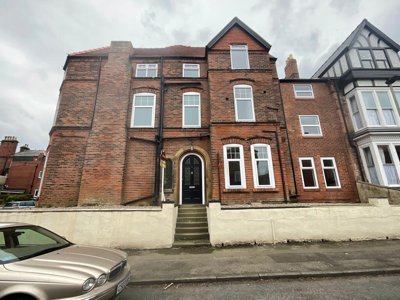
North Yorkshire's diverse geology has shaped its distinctive building traditions over centuries. In the Yorkshire Dales, local gritstone, sandstone, and limestone provide the characteristic grey and golden stone that defines towns like Grassington, Hawes, and Settle. The Vale of York features prevalent red brick construction, particularly in villages and towns away from the traditional stone areas. Pantile roofing is characteristic of the eastern parts of the county, while slate appears more frequently in the Dales where it was quarried locally.
Pre-1919 properties typically feature solid wall construction in stone or brick with lime mortar, timber floors, and traditional roof structures using hand-made tiles or natural slate. These construction methods create the characterful homes many renters seek but require understanding of appropriate maintenance. Lime mortar pointing, for example, allows walls to breathe and should not be replaced with cement-based mortars that can trap moisture and cause stone decay. Cavity wall construction began appearing after 1919, initially alongside continued solid wall building, before becoming standard practice from the 1950s onwards.
Post-war construction through the 1960s and 1970s commonly used concrete blockwork with rendered finishes and concrete roof tiles, creating different maintenance considerations to older properties. Properties built between 1965 and 1982 represent 19.3% of the housing stock and often require attention to insulation upgrades and potential asbestos in older fittings. Modern construction from the 1980s onwards incorporates cavity wall insulation, double glazing, and central heating as standard, though newer builds from the 2007-2011 period may have been affected by the widespread insulation and damp issues reported nationally during that era.
Rental prices in North Yorkshire vary significantly by property type and location, with flats typically representing the most affordable option at around £155,595 equivalent values, while semi-detached and terraced properties offer mid-market options at £265,479 and £214,082 respectively. Detached properties command premium rents reflecting their larger size and often rural locations, with average values around £447,212. Properties in York and Harrogate tend to command higher rents due to strong commuter demand and urban amenities, while coastal towns like Whitby and Scarborough offer more competitive pricing for similar property types. Our listings showcase current rental options across all price points and property types throughout North Yorkshire.
Council tax bands in North Yorkshire vary by property and local authority area, with the county encompassing Harrogate, Scarborough, Selby, Richmondshire, Ryedale, Craven, Hambleton, and the city of York, each setting council tax rates according to their budgetary requirements. You can check specific bandings using the property address on the Valuation Office Agency website, where all properties in England and Wales are registered with their band and valuation. Rental properties typically fall within bands A through H, with average properties in North Yorkshire commonly rated in bands B through E. New build properties may initially be unbanded until first occupation, so check with your letting agent for expected banding.
North Yorkshire offers excellent educational provision across all levels, with primary schools in towns including Knaresborough, Harrogate, and Boroughbridge frequently receiving Outstanding Ofsted ratings. Secondary schools such as King Edward VI in Baldersby and grammar schools in selective areas maintain strong academic records, with consistent strong results in GCSE and A-level examinations. York hosts two universities including the University of York (consistently ranked among UK top universities) and York St John University, alongside further education colleges including York College and Craven College in Skipton. Families should research specific school catchments before renting, as admission policies significantly affect accessibility to popular schools, and catchment boundaries can change annually based on demand.
North Yorkshire benefits from comprehensive rail connections through York station on the East Coast Main Line, providing two-hour services to London and connections to Edinburgh, Newcastle, Birmingham, and Bristol. Harrogate has direct trains to Leeds in approximately 20 minutes, making it practical for daily commuting. Bus services operated by various providers connect smaller communities, though car ownership remains advantageous in rural areas where bus frequencies may be limited. The A1(M) and A59 provide excellent road connections, while York park and ride facilities offer convenient alternatives to city centre driving, with sites at Askham Bar, Poppleton, and Monk Stroud providing affordable parking with frequent bus services into the historic centre.
North Yorkshire consistently ranks among England's most desirable counties for quality of life, offering exceptional natural beauty across two national parks, strong communities, excellent schools, and good transport connections to major cities. The rental market provides diverse options from modern apartments in York to traditional cottages in the Dales, with property types to suit all budgets and household sizes. With approximately 602,300 residents across 269,700 households, the county maintains a friendly atmosphere while offering urban amenities where needed. The stable property market, with only 0.45% price change over 12 months, suggests confident sellers and reliable property values, creating a reassuring environment for renters who may eventually wish to purchase.
Standard deposits for renting in North Yorkshire are typically equivalent to five weeks' rent, which must be protected in a government-approved deposit scheme within 30 days of receiving it, protecting your money during the tenancy and ensuring return at the end subject to any legitimate deductions. Tenant referencing costs typically range from £30 to £100 depending on the depth of checks required, covering credit history verification, employment confirmation, and previous landlord references. Many letting agents charge an administration fee for processing the tenancy, though tenant fee regulations have capped excessive charges since 2019. Budget for the first month's rent plus deposit upfront, plus potential moving costs and connection fees for utilities and internet services.
Flood risk varies significantly across North Yorkshire depending on location, with the greatest concerns in river floodplains around York, Tadcaster, and Malton where the rivers Ouse, Swale, and Derwent can cause significant flooding during periods of heavy rainfall. Coastal areas including parts of Scarborough, Whitby, and Filey face combined risks from tidal flooding and coastal erosion, particularly for properties near cliff edges. Surface water flooding can affect urban areas with poor drainage during heavy rainfall. We recommend requesting flood risk information for any property you are considering, checking the government flood risk checking service and discussing any history of flooding with the current occupier or landlord before committing to a tenancy.
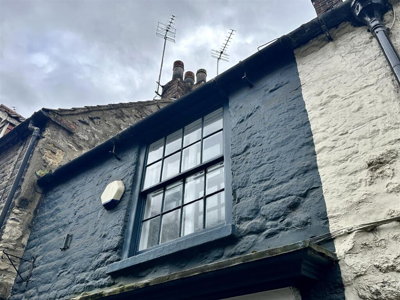
Approximately 24% of North Yorkshire properties were built before 1919, meaning many rental properties are historic buildings requiring specific maintenance approaches and understanding from tenants. Traditional stone and brick properties often feature solid wall construction without cavity insulation, resulting in different heating requirements and potentially higher energy costs than modern equivalents. Lime mortar pointing allows walls to breathe and should be reported if damaged rather than replaced with cement. Period properties frequently feature original features like sash windows, fireplaces, and floorboards that add character but may require careful handling. Conservation area restrictions may limit what modifications tenants can make, so discuss any intended changes with your landlord before signing.
Get pre-approved for your rental budget before property viewings
From 4.5%
Comprehensive referencing services to speed up your rental application
From £30
Professional inventory reports protect your deposit at move-out
From £75
Thorough property surveys for homes over 50 years old
From £450
Understanding the financial requirements for renting in North Yorkshire helps you budget accurately and approach the process with confidence. Standard practice requires a security deposit equivalent to five weeks' rent, which must be protected in a government-approved deposit scheme within 30 days of receiving it. This protection ensures you can recover your deposit at the end of the tenancy, provided there is no damage beyond normal wear and tear or unpaid rent. When viewing older properties in conservation areas or period buildings, a larger deposit may be requested to cover the higher potential for maintenance issues that naturally occur in historic housing stock.
Tenant referencing costs typically range from £30 to £100 depending on the depth of checks required, covering credit history verification, employment confirmation, and previous landlord references. Many letting agents charge an administration fee for processing applications, though regulations have capped excessive charges. First-time renters should budget for removals, potential furniture purchases if renting unfurnished, and connection fees for utilities and internet. Given North Yorkshire's diverse property stock ranging from modern new builds to historic properties over 100 years old, considering a professional inventory check at the start of your tenancy provides valuable protection for both parties and helps avoid disputes when you move out.
Additional costs to factor include annual gas safety certificates and electrical testing requirements that landlords must fulfill, with any remediation costs typically falling to the landlord rather than tenant. Properties in the Selby mining area or coastal erosion zones may require specific insurance considerations that affect overall costs. Utility deposits for properties with electric heating or older systems can sometimes be higher than for modern equivalents. Council tax varies by property band and local authority, with North Yorkshire's various district councils each setting their own rates according to their budgetary needs.
Properties to Rent In London

Properties to Rent In Plymouth

Properties to Rent In Liverpool

Properties to Rent In Glasgow

Properties to Rent In Sheffield

Properties to Rent In Edinburgh

Properties to Rent In Coventry

Properties to Rent In Bradford

Properties to Rent In Manchester

Properties to Rent In Birmingham

Properties to Rent In Bristol

Properties to Rent In Oxford

Properties to Rent In Leicester

Properties to Rent In Newcastle

Properties to Rent In Leeds

Properties to Rent In Southampton

Properties to Rent In Cardiff

Properties to Rent In Nottingham

Properties to Rent In Norwich

Properties to Rent In Brighton

Properties to Rent In Derby

Properties to Rent In Portsmouth

Properties to Rent In Northampton

Properties to Rent In Milton Keynes

Properties to Rent In Bournemouth

Properties to Rent In Bolton

Properties to Rent In Swansea

Properties to Rent In Swindon

Properties to Rent In Peterborough

Properties to Rent In Wolverhampton

Enter your details to see if this property is within your budget.
Loans, cards, car finance
Estimated property budget
Borrowing + deposit
You could borrow between
Typical borrowing
Monthly repayment
Est. at 4.5%
Loan-to-value
This is an estimate only. Your actual budget may vary depending on interest rates, credit history, and personal circumstances. For an accurate affordability assessment, speak to one of our free mortgage advisors.
This calculator provides estimates for illustrative purposes only and does not constitute financial advice. Your home may be repossessed if you do not keep up repayments on your mortgage. Estimates based on 4.5% interest rate, repayment mortgage. Actual rates depend on your circumstances.
Homemove is a trading name of HM Haus Group Ltd (Company No. 13873779, registered in England & Wales). Homemove Mortgages Ltd (Company No. 15947693) is an Appointed Representative of TMG Direct Limited, trading as TMG Mortgage Network, which is authorised and regulated by the Financial Conduct Authority (FRN 786245). Homemove Mortgages Ltd is entered on the FCA Register as an Appointed Representative (FRN 1022429). You can check registrations at NewRegister or by calling 0800 111 6768.

We use cookies to show you personalised content and improve your experience of our website. Find out more in our Privacy policy and Cookie policy.