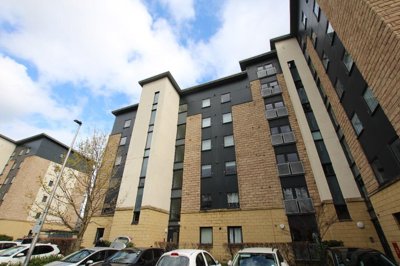
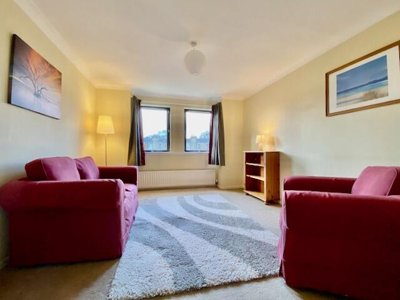
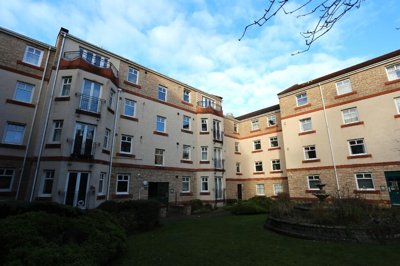
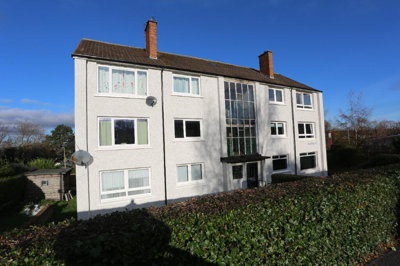
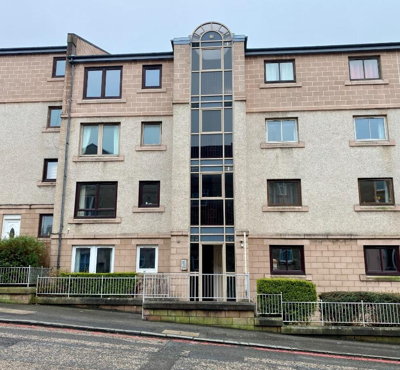
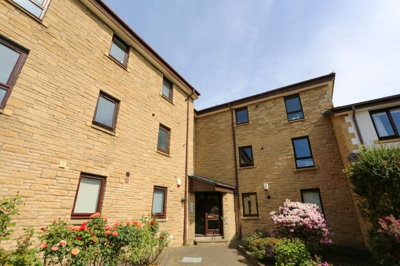
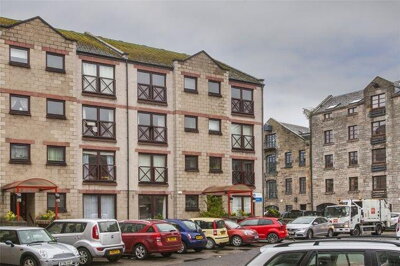
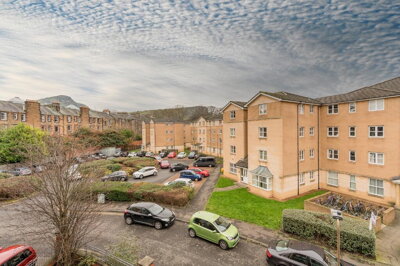
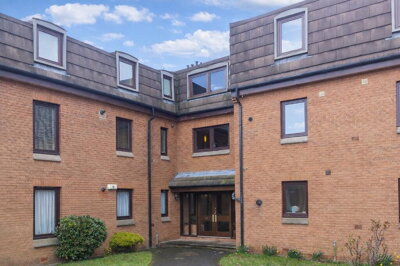
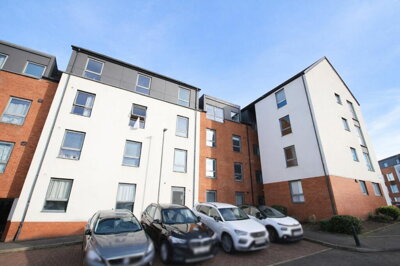
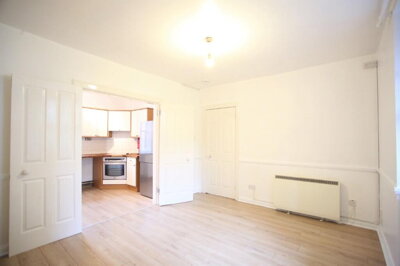
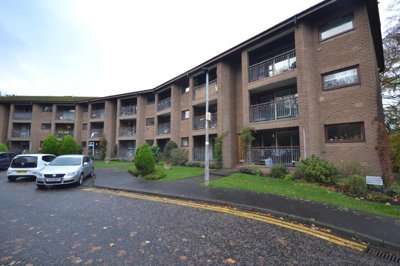
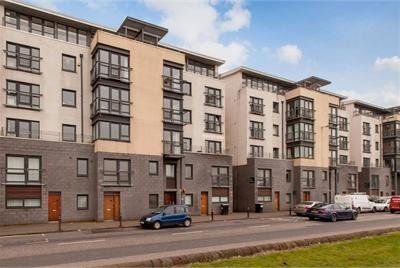
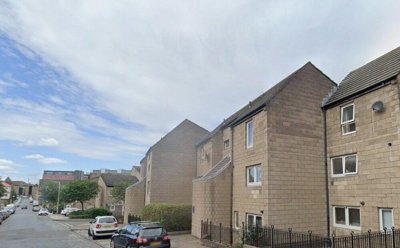
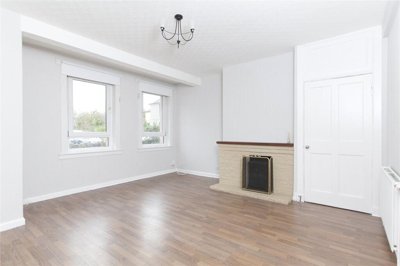
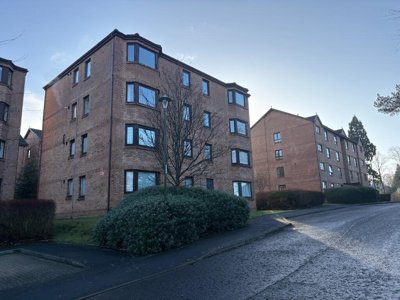
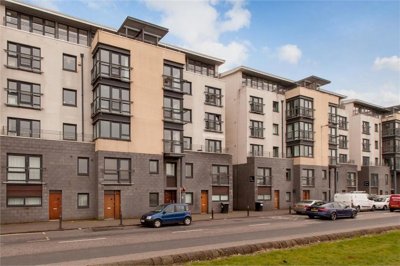
Browse 248 rental homes to rent in Edinburgh, Scotland from local letting agents.
The 2 bed flat sector typically includes two separate bedrooms, dedicated living areas, and bathroom facilities. Properties in Edinburgh span purpose-built blocks, converted period houses, and modern apartment complexes on various floors.
£1,385/m
59
3
43
Source: home.co.uk
Showing 59 results for 2 Bedroom Flats to rent in Edinburgh, Scotland. 3 new listings added this week. The median asking price is £1,385/month.
Source: home.co.uk
Flat
59 listings
Avg £1,393
Source: home.co.uk
Source: home.co.uk
The Edinburgh rental market has demonstrated remarkable resilience and steady growth over recent years, reflecting the city's enduring appeal as a place to live and work. Our data reveals a diverse range of rental properties available across the city, with one-bedroom flats in popular areas such as Bruntsfield, Marchmont, and the New Town typically commanding between £900 and £1,500 per month depending on size, condition, and exact location. Two-bedroom properties in these same areas generally range from £1,200 to £2,200 per month, while larger family homes in suburbs like Cramond, South Queensferry, and Morningside can fetch anywhere from £1,800 to £3,500 per month.
The New Town district offers an exceptional selection of elegant Georgian apartments, many featuring original period features such as fireplaces, cornicing, and sash windows that appeal to renters seeking character properties. Stockbridge and Canonmills provide a village-like atmosphere with independent shops and cafes, where rental prices reflect the premium nature of this sought-after neighbourhood. For those seeking more affordable options, areas like Gorgie, Dalry, and Muirhouse offer competent accommodation at more accessible price points, typically ranging from £700 to £1,100 per month for one and two-bedroom flats.
The rental market in Edinburgh tends to follow strong seasonal patterns, with demand peaking during August and September when students return and professionals relocate for new academic or financial years. This means that renters who can be flexible with their move dates may find better selection and potentially negotiate more favourable terms during the quieter winter months between November and February. The student population significantly influences the rental landscape in areas close to the universities, including the Old Town, Newington, and Marchmont, where demand remains consistently high throughout the year.

Edinburgh is a city of remarkable contrasts, where centuries-old architecture sits comfortably alongside modern developments and where tranquil green spaces are never far from the bustling city centre. The city's unique topography, shaped by its position on a series of volcanic hills, creates a dramatic landscape that has inspired writers, artists, and visitors for centuries. The historic Old Town, with its medieval street pattern and towering tenements, leads down to the elegant Georgian grandeur of the New Town, creating an urban environment unlike anywhere else in the United Kingdom.
The demographics of Edinburgh reflect its status as a major European capital, with a population of approximately 548,000 people making it the seventh-largest city in the United Kingdom. The city has a younger population profile compared to many UK cities, with a significant proportion of residents aged between 20 and 35, drawn by the concentration of universities, financial services firms, and creative industries. This youthful energy is evident in the thriving cafe culture, live music scene, and numerous festivals that take over the city each summer, including the world-famous Edinburgh Festival Fringe and the Edinburgh International Book Festival. Local amenities are excellent throughout the city, with the Princes Street gardens providing a central green lung, while the Royal Botanic Garden offers 70 acres of tranquil plantings just north of the city centre.
Edinburgh's food and drink scene has evolved dramatically in recent years, with the city now boasting an impressive array of restaurants, craft beer bars, and specialist coffee shops. The Stockbridge market draws crowds on Saturdays, while the Omni Centre and Ocean Terminal provide comprehensive shopping and leisure facilities. For outdoor enthusiasts, the Pentland Hills are easily accessible from the south of the city, and the coastal paths around Cramond and South Queensferry offer spectacular walking routes with views across the Firth of Forth to Fife. The Water of Leith walkway provides a scenic 19-mile walking route from Balerno to Leith, passing through several attractive neighbourhoods and offering a car-free route into the city centre.

Edinburgh boasts an exceptional concentration of educational institutions, making it an ideal location for families seeking quality schooling options. The city is home to several highly-regarded state primary schools, including Stockbridge Primary, which consistently achieves excellent Ofsted-equivalent inspection results through Education Scotland. Other standout primary schools include Bruntsfield Primary, known for its strong academic performance and community involvement, and the well-regarded schools in the Liberton and Craigour areas serving the south of the city. Parents should note that Edinburgh operates a catchment area system for state schooling, meaning your rental property's location will determine which school your children can attend.
At secondary level, the city offers several outstanding options. The Royal High School, one of the oldest schools in Scotland with roots dating back to 1828, serves the north of the city and consistently achieves strong exam results. Liberton High School has undergone significant recent investment and serves the south-eastern suburbs effectively. For families considering the independent school route, Edinburgh offers exceptional options including Fettes College, Stewart's Melville College, and the Edinburgh Academy, all of which have strong reputations for academic achievement and extracurricular excellence.
Higher education is a particular strength of Edinburgh, with the city hosting four major universities that collectively attract over 60,000 students each year. The University of Edinburgh, founded in 1583, is one of the world's leading academic institutions and consistently ranks in the top 30 globally. Heriot-Watt University, Napier University, and Queen Margaret University all contribute to the city's vibrant academic community and provide significant employment opportunities in research and associated industries. The concentration of universities also means that the private rented sector remains robust in areas like Newington and Marchmont, as many students and young academics seek accommodation close to campus facilities.

Edinburgh offers excellent transport connections that make commuting into the city centre straightforward regardless of where you choose to rent. The city is served by five mainline railway stations, with Edinburgh Waverley being the principal station offering direct services to London, with journey times of approximately four hours and twenty minutes to King's Cross. Haymarket station, situated in the West End, provides convenient access for residents of areas like Murrayfield, Ravelston, and the western suburbs, with regular services to Glasgow Queen Street taking just 50 minutes.
The Edinburgh Tram system provides a key north-south axis through the city, connecting the airport in the west through Murrayfield, Haymarket, the West End, Princes Street, and down to York Place in the East End. The tram extension to Newhaven, now complete, has improved connectivity for residents of Leith and Ocean Terminal. Lothian Buses operate an extensive network throughout the city, with flat fares making public transport an affordable option for daily commuting. For those driving, the city is connected to the M8 motorway heading west to Glasgow and the M90 heading north to Perth and the A90 providing access to Fife across the Forth Bridge.
Edinburgh Airport, located to the west of the city at Turnhouse, offers an extensive range of domestic and international flights, making it a major asset for both business and leisure travellers. The airport is accessible by tram, bus, or road, with the journey from the city centre taking approximately 30 minutes under normal traffic conditions. For commuters travelling to London regularly, the forthcoming High Speed 2 connections are expected to further reduce journey times to the capital, reinforcing Edinburgh's position as a major UK business centre.

Before beginning your property search, obtain a rental budget agreement in principle from a reputable lender. This document demonstrates to landlords and letting agents that you have the financial capacity to afford the rent, typically requiring proof of income equivalent to 2.5 to 3 times the monthly rent figure. Having this in place before you start viewing properties will give you a clear understanding of what you can afford and prevent wasted time on properties outside your budget.
Explore the different areas of Edinburgh to find the neighbourhood that best suits your lifestyle and requirements. Consider factors such as proximity to work, school catchment areas, transport links, and local amenities. Areas like Marchmont and Bruntsfield suit students and young professionals, while family renters often prefer suburbs like Cramond, South Queensferry, or Currie. Each neighbourhood has its own character and price point, so spending time researching before you commit will help you find the right fit.
Edinburgh's rental market moves quickly, so register with multiple reputable letting agents who manage properties in your target areas. Well-known agencies operating in Edinburgh include Rettie, CKD Galbraith, and Grant Property, among many others. Being registered and ready to move quickly gives you a competitive edge when suitable properties become available. Many agents operate digital registration systems, making it straightforward to register with multiple agencies simultaneously.
Once you find properties that match your criteria, arrange viewings promptly. In competitive areas like the New Town, Stockbridge, and Bruntsfield, properties can receive multiple applications within days of listing. Attend viewings prepared with identification, proof of income, and references from previous landlords or employers. Take photos during viewings to help you compare properties later, and don't hesitate to ask the agent about the landlord's preferences regarding pets, smoking, or other lifestyle considerations.
If you decide to proceed with a property, submit your rental application quickly. Landlords typically require references, proof of identity, employment verification, and a credit check. Having these documents prepared in advance can significantly speed up the process and improve your chances of securing the property. In competitive areas, being first to submit a complete application can make the difference between securing a property and missing out.
Once your application is approved, you will receive a Tenancy Agreement to sign. Ensure you read the terms carefully, noting the duration of the tenancy, rent amount, deposit amount, and any special conditions. In Scotland, deposits are capped at two months' rent and must be protected in a government-approved scheme within 30 days. You should receive confirmation of the deposit protection scheme within this timeframe, and this is a legal requirement that your landlord must fulfil.
Renting property in Edinburgh requires attention to several city-specific considerations that may differ from other UK locations. The vast majority of Edinburgh's housing stock consists of traditional sandstone tenement buildings, many of which date from the Victorian or Georgian periods. These properties offer tremendous character and solid construction, but prospective renters should be aware that older properties may have less effective insulation and may be more susceptible to damp in certain areas. Always check the Energy Performance Certificate rating and ask about recent improvements to heating systems and double glazing when viewing older properties.
Conservation areas in Edinburgh are extensive, particularly in the New Town, Old Town, and the various village conservation areas like Dean Village and Cramond. This means that external alterations to properties are heavily restricted, which preserves the character of the city but can limit what tenants can do to personalise their accommodation. If you are considering a flat in a tenement building, investigate the condition of the roof, common stairwell, and any planned maintenance works or outstanding factoring charges before committing to a tenancy. Factoring charges can vary significantly between properties and buildings, so it is worth asking for this information upfront.
Flood risk should also be considered, particularly for properties near the Water of Leith or in the lower Leith area. While significant flooding events are relatively rare, the topography of Edinburgh, with its hills and valleys, can create localised drainage issues during periods of heavy rainfall. Checking the Scottish Environment Protection Agency flood maps and asking the letting agent about any history of flooding in the property or building is prudent before signing a tenancy agreement. Properties in areas like Stockbridge and Canonmills, which sit in the valleys formed by the Water of Leith, may be more susceptible to localised flooding during extreme weather events.

Average rental prices in Edinburgh vary significantly by area and property type. As of recent market data, one-bedroom flats in popular areas like Bruntsfield, Marchmont, and the New Town typically range from £900 to £1,500 per month. Two-bedroom properties generally cost between £1,200 and £2,200 monthly, while family homes in desirable suburbs like Cramond and South Queensferry can range from £1,800 to £3,500 per month. More affordable areas like Gorgie and Muirhouse offer one-bedroom flats from around £700 to £950 per month. Prices tend to be highest in the New Town, Stockbridge, and along the waterfront at Leith, where premium locations command the top end of the market.
Properties in Edinburgh are banded by the City of Edinburgh Council using the Scottish council tax system. Bands range from A (lowest value properties) to H (highest value properties). Most one and two-bedroom flats in Edinburgh fall into bands A through D, while larger family homes and period properties in prestigious areas like the New Town or Morningside often fall into bands E through G. You can check the specific band for any property on the Scottish Assessors website using the property address, which is useful information to verify before committing to a tenancy.
Edinburgh offers outstanding educational options at all levels. Top-performing state primary schools include Stockbridge Primary, Bruntsfield Primary, and the schools serving the Craiglockhart and Liberton areas. At secondary level, The Royal High School, Boroughmuir High School, and James Gillespie's High School consistently achieve strong results. For families considering private education, notable options include Fettes College, the Edinburgh Academy, and Stewart's Melville College. The city also hosts four major universities including the world-renowned University of Edinburgh, making it attractive to families at all stages of education.
Edinburgh offers excellent public transport connectivity across the city. The tram line runs north-south from the airport through the city centre to York Place, with Haymarket and Waverley stations serving mainline train services. The extensive Lothian Buses network covers virtually every corner of the city with affordable flat fares. Edinburgh Waverley provides direct train services to London, Glasgow (50 minutes), and other major UK destinations. Edinburgh Airport offers domestic and international flights with easy city centre access via tram or bus, taking approximately 30 minutes under normal traffic conditions.
Edinburgh consistently ranks as one of the best places to live in the UK, making it an excellent location for renters. The city offers a unique quality of life combining rich history, cultural attractions, and modern amenities. Employment opportunities are strong in financial services, technology, education, and creative industries. The rental market is competitive but offers good value compared to London, with a wide variety of property types from traditional tenements to modern waterfront apartments. The city's compact size means most areas are easily walkable or accessible by public transport, reducing the need for car ownership.
In Scotland, the standard deposit for renting a property is capped at two months' rent and must be protected in a government-approved scheme (MyDeposits Scotland, SafeDeposites Scotland, or the Dispute Service Scotland) within 30 days of the tenancy start date. You should expect to pay the first month's rent in advance along with the deposit. Letting agent fees were banned in Scotland for private rented properties, so you should not be asked to pay any referencing or administration charges by the agent. However, you may need to budget for a tenant referencing check, typically arranged by the agent but paid for by the landlord, though this practice varies between agencies.
The Edinburgh rental market can move very quickly, particularly in popular areas like the New Town, Stockbridge, Marchmont, and Bruntsfield where properties regularly receive multiple applications within days of listing. During peak seasons in August and September, competition intensifies significantly as students and professionals compete for the limited available stock. Having your documentation ready, including proof of income, employment references, and previous landlord references, can give you a crucial advantage. Being prepared to move quickly and having funds available for the deposit and first month's rent will put you in a strong position when you find the right property.
If you are renting a flat in an Edinburgh tenement building, understanding the maintenance structure is important. Unlike some other UK cities, Scotland has specific laws around tenement maintenance, and all owners (and by extension, their tenants) share responsibility for maintaining common parts including the roof, main walls, stairwell, and structure. Your landlord should be able to provide information about the factoring arrangements for the building and any upcoming maintenance works or outstanding charges. It is worth asking whether there is a sinking fund in place for future major works, as this can indicate a well-managed property.
From 4.5% APR
Understand what you can afford before searching for Edinburgh rentals
From £150
Required checks most landlords will need you to complete
From £350
Understand the full condition of any Edinburgh property before committing
From £95
Check the energy efficiency rating of Edinburgh properties
Understanding the costs involved in renting a property in Edinburgh is essential for budgeting effectively and avoiding any surprises during the application process. The most significant upfront cost will be the security deposit, which in Scotland is legally capped at two months' rent for unfurnished properties and two and a half months' rent for furnished properties. This deposit must be protected in one of the three government-approved schemes within 30 days of your tenancy commencing, and you are entitled to receive information about which scheme holds your deposit. Your landlord must provide this information in writing, and failure to do so is a breach of the repairing standard.
In addition to the deposit and first month's rent, you should budget for tenant referencing costs if applicable. While the Scottish Government banned letting agent fees in 2012, some agents may still pass on the cost of credit checks or referencing to tenants, so it is worth asking about this before you apply. You will also need to consider moving costs, potential purchase of furniture if renting unfurnished, and ongoing costs such as council tax, utilities, and internet services. Council tax in Edinburgh varies by property band but typically ranges from £1,200 to £2,500 per year for a standard band D property, and you should confirm with the letting agent when the property was last valued as this affects the band.
It is worth noting that Edinburgh's rental market can move quickly, particularly in popular areas like the New Town, Stockbridge, and Marchmont where properties may receive multiple applications within days of being listed. Having your finances prepared and readily available documentation including proof of income, employment references, and previous landlord references can give you a competitive advantage. Many landlords in Edinburgh also require a guarantor who is a UK homeowner or who earns sufficient income to cover the rent if you were to experience financial difficulties, so it is worth discussing this requirement with potential landlords or letting agents during the application process.

Properties to Rent In London

Properties to Rent In Plymouth

Properties to Rent In Liverpool

Properties to Rent In Glasgow

Properties to Rent In Sheffield

Properties to Rent In Edinburgh

Properties to Rent In Coventry

Properties to Rent In Bradford

Properties to Rent In Manchester

Properties to Rent In Birmingham

Properties to Rent In Bristol

Properties to Rent In Oxford

Properties to Rent In Leicester

Properties to Rent In Newcastle

Properties to Rent In Leeds

Properties to Rent In Southampton

Properties to Rent In Cardiff

Properties to Rent In Nottingham

Properties to Rent In Norwich

Properties to Rent In Brighton

Properties to Rent In Derby

Properties to Rent In Portsmouth

Properties to Rent In Northampton

Properties to Rent In Milton Keynes

Properties to Rent In Bournemouth

Properties to Rent In Bolton

Properties to Rent In Swansea

Properties to Rent In Swindon

Properties to Rent In Peterborough

Properties to Rent In Wolverhampton

Enter your details to see if this property is within your budget.
Loans, cards, car finance
Estimated property budget
Borrowing + deposit
You could borrow between
Typical borrowing
Monthly repayment
Est. at 4.5%
Loan-to-value
This is an estimate only. Your actual budget may vary depending on interest rates, credit history, and personal circumstances. For an accurate affordability assessment, speak to one of our free mortgage advisors.
This calculator provides estimates for illustrative purposes only and does not constitute financial advice. Your home may be repossessed if you do not keep up repayments on your mortgage. Estimates based on 4.5% interest rate, repayment mortgage. Actual rates depend on your circumstances.
Homemove is a trading name of HM Haus Group Ltd (Company No. 13873779, registered in England & Wales). Homemove Mortgages Ltd (Company No. 15947693) is an Appointed Representative of TMG Direct Limited, trading as TMG Mortgage Network, which is authorised and regulated by the Financial Conduct Authority (FRN 786245). Homemove Mortgages Ltd is entered on the FCA Register as an Appointed Representative (FRN 1022429). You can check registrations at NewRegister or by calling 0800 111 6768.

We use cookies to show you personalised content and improve your experience of our website. Find out more in our Privacy policy and Cookie policy.