Pick the right path and we'll point you to the next step.
I'm the homeowner
Track this property, get market updates, and list it on Home when you're ready to sell or let.
I'm an estate agent
Claim your branch on Home.co.uk, list your properties for free, and reach buyers actively searching your area.

From riverside apartments to country cottages, search hundreds of thousands of properties for sale, to rent, and recently sold, all enriched with three decades of market data.
Browse 13 rental homes to rent in Edinburgh, Scotland from local letting agents.
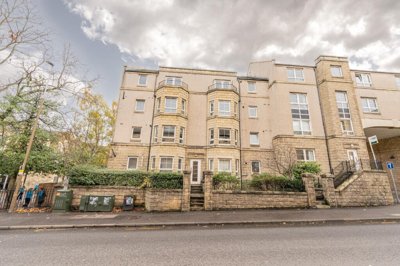
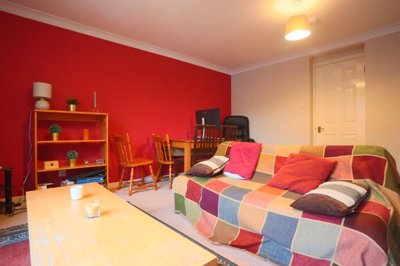
Studio apartments feature open-plan living spaces without separate bedrooms, incorporating sleeping, living, kitchen, and bathroom facilities. The Edinburgh studio market includes properties in modern apartment complexes, converted Victorian and Georgian buildings, and purpose-built developments.
£1,535/m
216
6
51
Source: home.co.uk
Showing 216 results for Studio Flats to rent in Edinburgh, Scotland. 6 new listings added this week. The median asking price is £1,535/month.
Source: home.co.uk
Flat
216 listings
Avg £1,858
Source: home.co.uk
Source: home.co.uk
homedata.co.uk records 11,525 residential sales in the City of Edinburgh in 2024-25, which comes to 22% of all residential sales in Scotland. That is a large share. Even with sales between September and November 2025 running 4.9% lower year on year, the local market is still busy by most standards. For renters, that matters, because active sales usually mean flats, tenements and family homes keep moving into and out of the rental pool. The average sold price of £293,000 also underlines the gap between smaller flats and the larger detached homes at the top end.
By December 2025, average prices stood at £238,000 for flats and maisonettes, £371,000 for terraces, £439,000 for semis and £676,000 for detached homes. That pecking order says a lot. It helps explain why many renters start with central conversions, purpose-built apartments or smaller terraces, where monthly costs are often easier to manage than in bigger suburban houses. New-build activity in Edinburgh is strongest to the west and around the waterfront, with modern apartment schemes and townhouses still coming through beside older housing. We track both established districts and newer developments, so you can weigh the full spread of options.

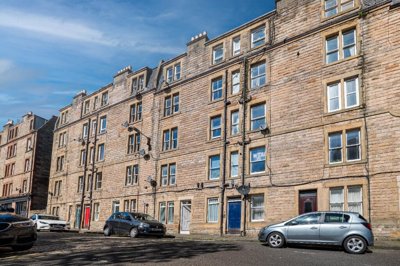
Edinburgh rarely feels like one uniform centre, it reads more as a collection of distinct villages. Across the city you get sandstone tenements, Georgian crescents, Victorian terraces and modern apartment blocks, with warm sandstone, traditional stone, brick and render all part of the local palette. Arthur's Seat, the Castle Rock and the volcanic ridges shape the skyline, while the Water of Leith gives residents one of Scotland's best day-to-day walking routes. For renters, that means real choice, from heritage streets to outer suburbs and waterfront homes, all within the same council area.
Green space is a big part of daily life here. Holyrood Park, Inverleith Park, the Meadows and the shoreline around Portobello give people room to switch off after work or study. Edinburgh also has a high concentration of listed buildings and conservation areas, which helps many neighbourhoods hold their look over time. We usually tell renters not to rush character homes, because details such as stair access, storage or the state of communal upkeep can change how a flat works from one week to the next.
The rental market keeps moving because the city economy is broad. Financial services matter, tourism matters too, and so do higher education, technology and public sector employers. That spread feeds demand across student households, working households and families. Edinburgh also has a marked tilt towards smaller households, so 1 and 2-bedroom homes stay in demand. Good listings do not tend to linger, especially close to universities or on strong bus and rail corridors.
Families looking at Edinburgh usually begin with catchments rather than school names alone. There is a solid spread of state primaries and secondaries, alongside independent names such as George Heriot's School and The Edinburgh Academy. On the state side, Boroughmuir High School and James Gillespie's High School often come up on shortlists. Higher education is central to the city as well, with the University of Edinburgh and Edinburgh Napier University pulling students, researchers and staff into nearby districts. That pressure can shape rents around Marchmont, Bruntsfield, Newington and the south side, particularly for furnished flats.
In Edinburgh, catchment lines can affect a home's value almost as much as the postcode. Two flats that look the same on paper may fall into different primary or secondary areas, so we always suggest checking the current City of Edinburgh Council maps before committing. For renters with children, nursery places, after-school care and the walking route can matter just as much as exam results. If the move is mainly about school access, it also makes sense to line up the tenancy length with the school calendar, so term time does not force a rushed move.
A shortlist helps. Start with the nearest primary, then the likely secondary, then look at sixth-form or FE routes such as Edinburgh College if your children are older. Many families do better by balancing commute time with garden space and realistic school travel, rather than chasing one headline school. We talk through those trade-offs before viewings are booked, because the right answer for one household can be completely wrong for the next.

Rail travel in Edinburgh revolves around Waverley and Haymarket, with direct links out to Glasgow, Dundee, Aberdeen and London. The tram line adds a dependable connection between the airport and the centre, which is handy for frequent flyers or anyone based near the west end. Then there is Lothian Buses. It gives Edinburgh one of the UK's largest local bus networks, so districts away from a station can still have regular daytime and evening services. If you are renting without a car, that combination keeps most central and inner suburban areas workable.
For drivers, the main routes are straightforward enough. The A1 serves the east side, the M8 runs west, and the M9 heads towards Falkirk and Stirling. Parking is often the sticking point in the Old Town, New Town, Leith, Marchmont and around the university district, so off-street space or a resident permit can make a real difference. Cycling has improved as well, with more segregated routes and quieter links through the Water of Leith corridor and across the city centre. When commuting is the deciding factor, we usually check the station walk, the bus frequency and the parking setup before anything else.
Start by comparing central flats with waterfront apartments and suburban houses, then line them up against your budget, commute and school plans.
Before any viewing, we suggest getting a rental budget agreement in principle in place, so your rent, deposit and moving costs are clear from the outset.
Visit more than once if you can. Check stair access, look at storage, listen for noise and pay attention to the condition of shared areas.
Go through the paperwork properly, especially references, inventory terms, deposit protection and any rules on pets, parking or furnishing.
Demand in Edinburgh can move fast. If a place feels right, have your paperwork and supporting evidence ready to send straight away.
Before key collection, confirm the meter readings, the keys themselves, council tax registration and the agreed move-in date.
Older homes in Edinburgh need a closer look than many newer flats. Sandstone facades, slate roofs and traditional tenement blocks can look superb, but they may conceal damp, tired pointing, ageing gutters or draughty windows. Shared staircases are part of the local picture too, so it is worth asking who deals with cleaning, roof repairs, stair lights and whether the block has a clear maintenance arrangement. In conservation areas or listed buildings, changes to windows, doors or external fittings may need permission, which can limit how easily the property can be personalised.
Flood risk is worth checking. That is especially true near the Water of Leith, in lower parts of Leith and along some coastal stretches near the Firth of Forth. Heavy rain can bring surface water issues, and local geology means a small number of areas also have shrink-swell risk that may affect foundations. When we are looking at a ground-floor flat or a garden property, we check for damp, signs of recent repair work and any history of water ingress after storms. A good survey or specialist inspection can be money well spent where access is awkward, because many Edinburgh roofs are steep, narrow and expensive to scaffold.
Lease details deserve as much attention as the building itself. Before signing, ask about service charges, factoring arrangements, insurance responsibilities and the condition of communal parts, especially in flat blocks and tenement conversions. If the property sits in a busy school area or a regular commuting area, make sure the tenancy length matches your likely next step, because the best homes can face stiff competition. Our view is simple, pick the flat that still works on a wet Tuesday in February, not just on a bright viewing day.
We do not have a verified citywide average rent, because Edinburgh rents shift quickly by postcode, property type and whether a home is furnished. For wider context, homedata.co.uk shows an average house price of £293,000 in December 2025, with flats at £238,000. That helps explain why central rentals and larger family homes can sit at very different monthly levels. For a live rent figure, the best comparison is current listings on Homemove. If you want a quick filter, start with EH1-EH17 and compare furnished homes separately from unfurnished ones.
In Edinburgh, council tax runs from Band A to Band H. The band is tied to the individual property, not simply the neighbourhood, and the charge is set by the City of Edinburgh Council. That means a 1-bedroom flat and a larger family house can fall into very different bands even on the same street. Most renters check this before applying, because it can affect monthly outgoings as much as gas or electricity. We always advise asking for the current band and the annual charge at viewing stage.
James Gillespie's High School, Boroughmuir High School, George Heriot's School and The Edinburgh Academy often appear on family shortlists, but the best fit still depends on catchment, admissions and age group. Primary options are just as sensitive to postcode, so it is worth checking the council map before focusing too heavily on one street. Edinburgh also has strong FE and higher education through Edinburgh College and the universities. If school access is the main driver, we would compare commuting patterns just as closely as the rent.
Getting around Edinburgh is usually straightforward without a car. Waverley and Haymarket connect the city to Glasgow, Dundee, Aberdeen and London, and the tram provides a direct route to the airport and the west end. Lothian Buses make most central and inner suburban districts usable day to day, although journey times still depend on the route and the hour. Parking is often the harder part in busier areas, so check early whether a property comes with resident permits or private space.
Yes, in many cases. Edinburgh has a wide employment base, major universities and a large stock of flats and older character homes, which helps keep demand steady among students, working households and families. Competition can be strong in the better-known districts, but the range of stock usually leaves room for different budgets and different ways of living. If you care about getting around easily, having culture close by and keeping green space within reach, Edinburgh remains one of Scotland's most practical rental markets.
Most renters should plan for a deposit, the first month's rent and any holding payment needed while checks are completed. In Scotland, deposits must be protected, and the paperwork should make clear where the money is held and how it will be returned at the end of the tenancy. Some Edinburgh landlords also ask for references, proof of income and identity documents, so we suggest keeping digital copies ready before you apply. It is also sensible to leave a buffer for moving vans, utility set-up and furnishings, especially with an unfurnished flat.
Leith is often considered for waterfront living. Stockbridge comes up for its cafés and its local village feel. Marchmont and Bruntsfield are regularly compared for access to the universities, while Corstorphine and the west side are common picks where families want more space and easier road travel. Portobello suits renters who want the beach and a slower pace, and the city centre can work well if walking distance and quick public transport matter most. The right area depends on whether schools, commute time, green space or a lower-maintenance apartment sits at the top of your list. We usually suggest comparing at least 3 districts before deciding.
Upfront costs usually cover the deposit, the first month's rent and any holding payment used to secure the property while checks are carried out. In Scotland, deposits are protected, and you should receive clear paperwork showing where the money is held and how it will be returned at the end of the tenancy. Some Edinburgh landlords also ask for references, proof of income and identity documents, so it helps to keep digital copies ready before applications start. If the budget is tight, we would leave some headroom for moving vans, utility set-up and furnishings, particularly in larger unfurnished homes.
If you are weighing up renting now and buying later, it also helps to know the current 2024-25 purchase thresholds. The main rates are 0% up to £250,000, 5% from £250,000 to £925,000, 10% from £925,000 to £1.5 million and 12% above £1.5 million. First-time buyer relief is 0% up to £425,000 and 5% from £425,000 to £625,000. Those figures give renters a clearer sense of the jump from monthly rent to ownership costs if they plan to stay in Edinburgh for the long term. For now, the simpler money check is to compare deposits, furnishings and transport costs across a few neighbourhoods before committing.
Properties to Rent In London

Properties to Rent In Plymouth

Properties to Rent In Liverpool

Properties to Rent In Glasgow

Properties to Rent In Sheffield

Properties to Rent In Edinburgh

Properties to Rent In Coventry

Properties to Rent In Bradford

Properties to Rent In Manchester

Properties to Rent In Birmingham

Properties to Rent In Bristol

Properties to Rent In Oxford

Properties to Rent In Leicester

Properties to Rent In Newcastle

Properties to Rent In Leeds

Properties to Rent In Southampton

Properties to Rent In Cardiff

Properties to Rent In Nottingham

Properties to Rent In Norwich

Properties to Rent In Brighton

Properties to Rent In Derby

Properties to Rent In Portsmouth

Properties to Rent In Northampton

Properties to Rent In Milton Keynes

Properties to Rent In Bournemouth

Properties to Rent In Bolton

Properties to Rent In Swansea

Properties to Rent In Swindon

Properties to Rent In Peterborough

Properties to Rent In Wolverhampton

Enter your details to see if this property is within your budget.
Loans, cards, car finance
Estimated property budget
Borrowing + deposit
You could borrow between
Typical borrowing
Monthly repayment
Est. at 4.5%
Loan-to-value
This is an estimate only. Your actual budget may vary depending on interest rates, credit history, and personal circumstances. For an accurate affordability assessment, speak to one of our free mortgage advisors.
This calculator provides estimates for illustrative purposes only and does not constitute financial advice. Your home may be repossessed if you do not keep up repayments on your mortgage. Estimates based on 4.5% interest rate, repayment mortgage. Actual rates depend on your circumstances.
Homemove is a trading name of HM Haus Group Ltd (Company No. 13873779, registered in England & Wales). Homemove Mortgages Ltd (Company No. 15947693) is an Appointed Representative of TMG Direct Limited, trading as TMG Mortgage Network, which is authorised and regulated by the Financial Conduct Authority (FRN 786245). Homemove Mortgages Ltd is entered on the FCA Register as an Appointed Representative (FRN 1022429). You can check registrations at NewRegister or by calling 0800 111 6768.

We use cookies to show you personalised content and improve your experience of our website. Find out more in our Privacy policy and Cookie policy.