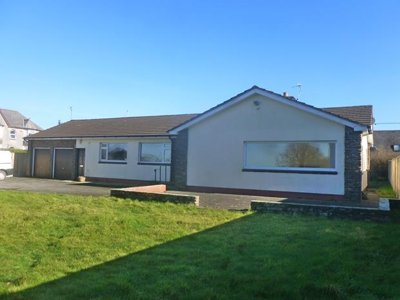
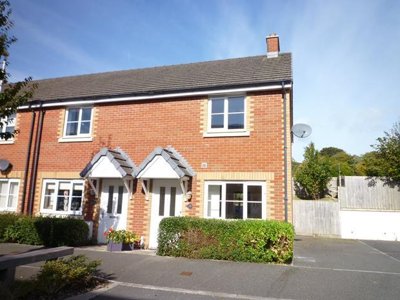
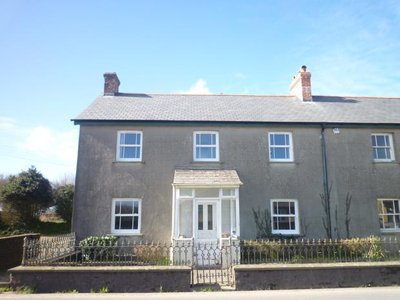
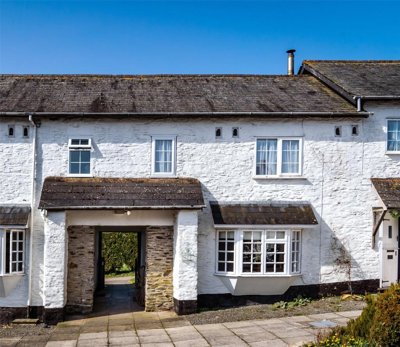
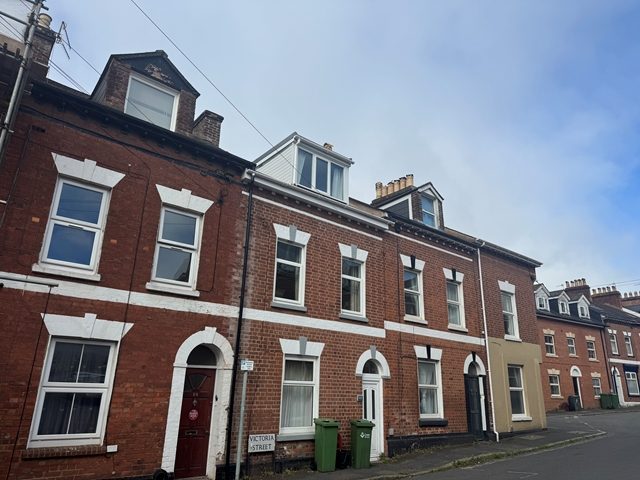
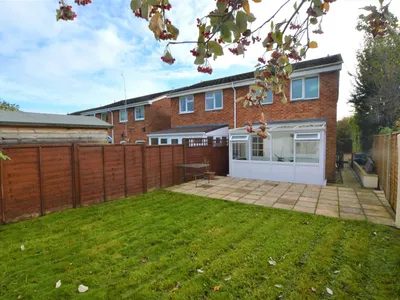
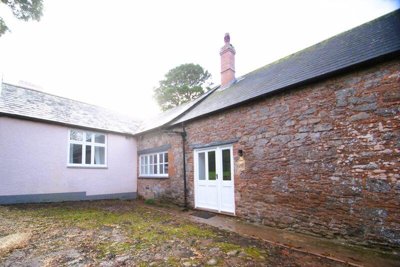
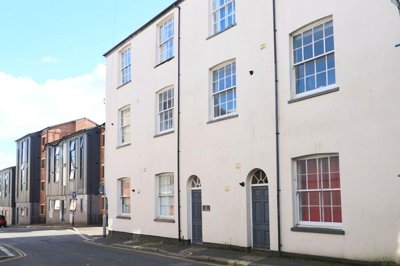
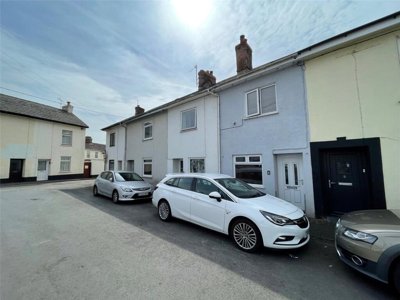
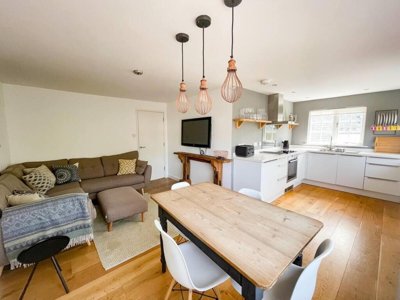
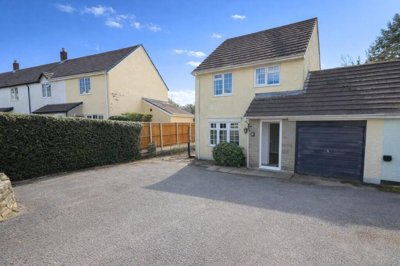
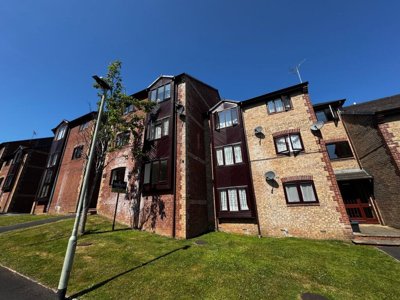
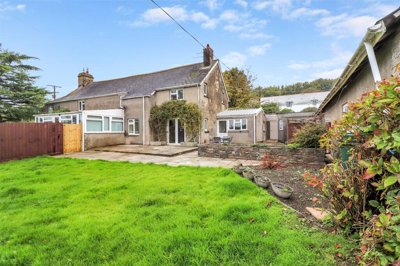
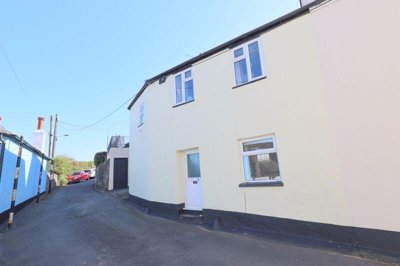
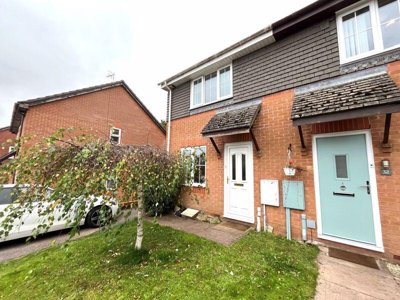
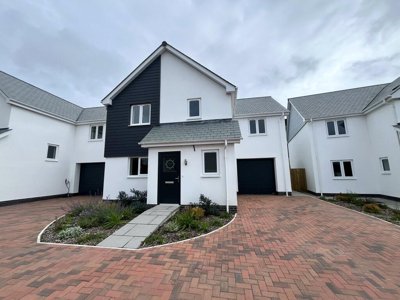
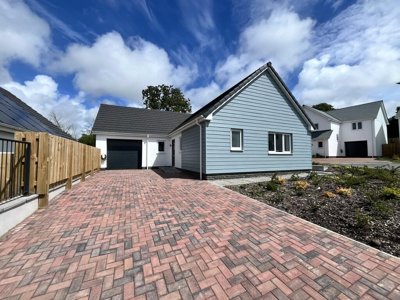
Browse 2,161 rental homes to rent in Devon, England from local letting agents.
£1,000/m
712
40
52
Source: home.co.uk
Source: home.co.uk
Flat
135 listings
Avg £1,044
Apartment
121 listings
Avg £978
Terraced
102 listings
Avg £1,350
House
87 listings
Avg £1,083
Semi-Detached
66 listings
Avg £1,245
Detached
37 listings
Avg £1,620
Studio
26 listings
Avg £715
End of Terrace
21 listings
Avg £1,136
House Share
18 listings
Avg £559
Bungalow
16 listings
Avg £1,098
Source: home.co.uk
Source: home.co.uk
Understanding the Devon property market requires looking at both sales and rental trends, as these often move in tandem. Sales data shows the average property price in Devon stands at approximately £324,000, with detached homes averaging around £470,000 and terraced properties typically reaching £250,000 to £255,000. Flats in the county average approximately £1,022, offering more affordable entry points for first-time buyers and renters alike. Over the past twelve months, property prices in Devon have experienced a modest decline of around 2%, making the market more accessible for renters who may be saving towards future purchases while enjoying the benefits of Devon life.
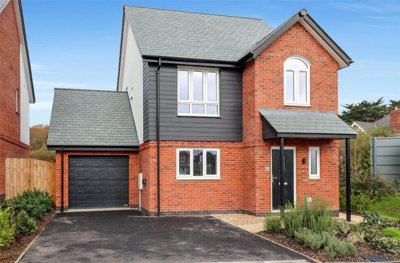
New build activity across Devon remains steady, with approximately 2.5% of all property sales being newly constructed homes. Developments such as those in Dawlish along the coast offer modern three and four-bedroom homes from £289,000, while retirement-focused developments from McCarthy Stone in Cullompton and Dartmouth provide specialist housing options with attractive incentives. For renters, this new build stock often translates into modern rental properties with contemporary fixtures, superior energy efficiency, and lower maintenance requirements. However, the character properties that define much of Devon's housing stock, from Victorian terraces in market towns to traditional cob cottages in villages, offer unique charm that many renters find irresistible.

Devon's geography shapes every aspect of daily life in the county. The landscape varies dramatically from the exposed granite uplands of Dartmoor in the centre, to the gentle rolling farmland of South Devon, the rugged coastline of Exmoor in the north, and the marshy expanse of the Somerset borderlands. The county's geology is equally diverse, with red sandstone underlying much of East Devon, the Carboniferous culm measures of North Devon, and the distinctive Devonian limestones that have given rise to spectacular coastal cliffs and hidden coves. For renters, this geological diversity means that properties can vary significantly in their construction and characteristics depending on their location within the county.
The character of Devon's towns and villages reflects centuries of history and adaptation. Historic market towns like Totnes and Dartmouth retain their medieval layouts and an extraordinary concentration of listed buildings, with conservation areas protecting the architectural heritage that makes these places so distinctive. Exeter, the county capital, offers urban sophistication with its cathedral, cultural venues, shopping districts, and thriving restaurant scene, while still maintaining strong connections to its Roman and medieval past. Coastal towns like Sidmouth, Exmouth, Teignmouth, Brixham, and Torquay each have their own personalities, shaped by their fishing heritage, Victorian tourism boom, and modern coastal living. North Devon towns like Barnstaple and Bideford retain their market town character, serving their surrounding rural communities while offering excellent amenities for residents.

Devon offers an impressive range of educational options for families renting in the county. The secondary school landscape includes highly regarded grammar schools in Exeter, Plymouth, and Torquay, alongside excellent comprehensive schools in towns across the county. For primary education, Devon maintains a strong network of village schools, many of which serve small communities with dedicated teachers and close community connections. The county also hosts several outstanding independent schools, particularly at secondary level, providing options for families seeking alternative educational approaches. When renting in Devon, understanding local school catchment areas is essential, as these can significantly influence property values and demand in specific neighbourhoods.
For older students, Devon provides quality further and higher education opportunities. Exeter College is a widely respected further education institution, offering A-levels, vocational courses, and apprenticeships across a broad range of subjects. The University of Exeter, a member of the Russell Group, attracts students nationally and internationally, contributing significantly to the city's economy and cultural life. Plymouth also offers substantial higher education provision through the University of Plymouth, providing local access to degree-level courses and research opportunities. Parents renting in Devon should research specific school performance data, Ofsted ratings, and admission policies carefully, as competition for places at popular schools can be intense, particularly in towns with strong reputations.

Transport connectivity in Devon varies significantly depending on your location within the county. Exeter serves as the county's main transport hub, with Exeter St Davids and Exeter Central stations providing rail connections to London Paddington (from approximately 2 hours 30 minutes), Bristol, Plymouth, and regional destinations across the South West. The proposed upgrades to the rail network, including improvements to the Exeter to Plymouth line, continue to enhance connectivity for Devon residents. For those renting in coastal or northern areas, journey times to major employment centres may be longer, but the quality of life benefits often outweigh this consideration.
Road transport in Devon relies primarily on the M5 motorway running through Exeter, connecting the county to Bristol and the national motorway network, while the A38 provides the main artery through South Devon towards Plymouth. North Devon is more isolated, with the A361 providing the primary route to the M5 at Tiverton. Bus services connect most towns and villages, though rural areas may have limited frequency, making car ownership practically essential for many residents. For commuters to Exeter or Plymouth, living in towns like Crediton, Kingsteignton, or Newton Abbot offers more affordable rental options while maintaining reasonable access to major employment centres. Those working remotely will find Devon increasingly well-served by digital infrastructure, particularly in towns and villages near Exeter.

Before viewing properties, obtain a rental budget agreement in principle to understand how much rent you can afford. Lenders and estate agents will want to see evidence of your financial capacity, including proof of income and employment status.
Explore different areas of Devon to find the community that suits your lifestyle. Consider factors such as commute times, school catchment areas, local amenities, and property types available in each location.
Once you have identified suitable properties, arrange viewings through Homemove or directly with landlords. Take time to inspect the property thoroughly, checking for signs of damp, roof condition, and any maintenance issues.
Before signing, ensure you fully understand the terms of your tenancy agreement, including the length of the tenancy, rent amount and payment schedule, deposit protection scheme details, and any restrictions on pets or modifications.
Expect to undergo referencing checks, provide proof of identity and residency, and pay your deposit and advance rent. Ensure inventory checks are conducted at the start and end of your tenancy.
Once all checks are complete and keys are handed over, arrange your move and update relevant parties with your new address. Consider arranging a RICS Level 2 Survey if you are renting an older property.
Renting properties in Devon requires attention to several area-specific considerations that may not apply in other parts of the country. The county's older housing stock, particularly in historic towns and villages, means that many rental properties will have traditional construction methods and materials. Cob construction, traditional stone walls, and thatched roofs are common features that require specialist knowledge for maintenance and repair. When renting older properties, ask the landlord about recent works to the roof, plumbing, and electrical systems, as these are common areas where older properties require attention. Damp can be an issue in Devon's often wet climate, so look for signs of condensation, mould, or damp patches on walls and ceilings.
Flood risk is an important consideration for renters in Devon, particularly in properties near rivers, along the coast, or in low-lying areas. Major rivers including the Exe, Taw, Torridge, Dart, and Teign can cause fluvial flooding after heavy rainfall, while coastal towns like Exmouth, Teignmouth, and Lynmouth face risks from tidal surges and coastal erosion. Surface water flooding can occur even in urban areas during intense rainfall, so check whether the property is in a flood risk zone and understand what protections are in place. Many landlords will have flood resilience measures, but it is worth understanding your responsibilities regarding flood preparedness and any insurance implications.

While comprehensive rental price data requires checking current listings, the Devon property market shows average property prices of around £324,000 for sales. Rental prices typically follow similar patterns, with coastal locations and towns with excellent rail connections commanding premium rents. Exeter and coastal towns like Torquay and Dartmouth tend to have higher rental costs, while Mid Devon and North Devon offer more affordable options. One-bedroom flats in Exeter typically range from £812 to £1,022 per month, while larger family homes in towns like Crediton or Barnstaple may be available from £1,156 to £1,235 per month depending on size and condition.
Council tax bands in Devon vary by property and local authority area. Devon is covered by several district councils including Exeter City Council, East Devon District Council, Mid Devon District Council, North Devon District Council, South Hams District Council, Teignbridge District Council, Torridge District Council, and West Devon Borough Council. Each council sets its own rates, though the county council portion remains consistent. Band A properties typically pay around £1,200 to £1,400 per year, while Band H properties can pay £3,600 or more annually. You can check specific bandings through the Valuation Office Agency website using the property address.
Devon offers excellent educational options across all levels. For secondary education, notable schools include Exeter School, St Peter's Church of England School in Exeter, and Torquay Boys' Grammar School. Primary schools across the county consistently achieve good results, with schools in towns like Topsham, Budleigh Salterton, and Ashburton particularly well-regarded. The University of Exeter and University of Plymouth provide quality higher education locally. When renting with children, always verify current Ofsted ratings and catchment area boundaries, as these can change and are critical to school placement.
Public transport connectivity in Devon varies significantly by location. Exeter has the best rail connections, with services to London, Bristol, and Plymouth, plus extensive bus networks. However, rural areas rely heavily on less frequent bus services, making car ownership practically essential for many residents. The M5 motorway passes through Exeter, providing road access to Bristol and the national network. North Devon is more isolated, with the A361 connecting to the M5 at Tiverton. For commuters to London, Exeter St Davids offers journey times of around 2 hours 30 minutes, making regular commuting feasible though demanding.
Devon offers an exceptional quality of life that makes it highly desirable for renters. The county combines stunning natural beauty with good practical amenities, excellent schools, and strong community spirit. The recent modest decline in property prices has made the market more accessible, and rental options are diverse, from modern flats in Exeter to traditional cottages in picturesque villages. Key economic sectors including tourism, public services, technology, and agriculture provide employment opportunities across the county. The main considerations are the often-higher cost of coastal and commuter locations, the importance of car ownership in rural areas, and the prevalence of older properties that may require more maintenance awareness.
Standard deposits for rental properties in Devon are equivalent to five weeks' rent, capped at five weeks' rent where the annual rent exceeds £50,000. A typical rental at £1,156 per month would require a £1,327 deposit. Under the Tenant Fees Act 2019, landlords can only charge permitted payments including rent, deposit (capped as above), and holding deposits of up to one week's rent. You may also need to budget for tenant referencing fees, which vary by provider, and potentially a RICS Level 2 Survey if renting an older property. Always ensure your deposit is protected in a government-approved scheme within 30 days of receiving it.
Devon has a significant proportion of older properties, particularly in its historic towns and villages. Common issues to watch for include damp caused by the county's wet climate, roof condition on traditional slate or thatched properties, and potential subsidence risks in areas with clay soils. Traditional construction methods like cob or local stone require specialist maintenance knowledge. Before signing a tenancy, inspect the property thoroughly and ask landlords about recent maintenance, electrical and plumbing conditions, and any history of flooding or structural issues. Consider commissioning a RICS Level 2 Survey for before committing to a longer tenancy.
From 4.5%
Compare rental budget rates and find the best deal before you start your property search
From £99
Expert referencing services to support your rental application
From £400
Essential survey for older Devon properties with traditional construction
From £80
Energy performance certificate for your new rental property
Understanding the full cost of renting in Devon extends beyond simply the monthly rent. Beyond your monthly payment, you will need to budget for a security deposit, typically five weeks' rent, which must be protected in a government-approved deposit protection scheme within 30 days of the start of your tenancy. A holding deposit of up to one week's rent may also be required while references and checks are completed, and this amount is normally deducted from your final deposit or first month's rent. Tenant referencing fees are permitted under the Tenant Fees Act 2019 and typically range from £50 to £200 depending on the provider and depth of checks required.
For renters in Devon, particularly those considering longer-term commitments in older properties, investing in a RICS Level 2 Survey can provide valuable . These surveys typically cost between £400 and £1,000 depending on property size and value, and are especially worthwhile for Devon properties given the county's prevalence of older construction, traditional materials, and potential issues like damp, roof condition, and clay soil subsidence. Energy Performance Certificates are required by law and typically cost £80 to £150, though landlords are responsible for providing these. When budgeting for your Devon rental, also consider moving costs, contents insurance, and the potential need to upgrade or replace items provided with the property during your tenancy.

Properties to Rent In London

Properties to Rent In Plymouth

Properties to Rent In Liverpool

Properties to Rent In Glasgow

Properties to Rent In Sheffield

Properties to Rent In Edinburgh

Properties to Rent In Coventry

Properties to Rent In Bradford

Properties to Rent In Manchester

Properties to Rent In Birmingham

Properties to Rent In Bristol

Properties to Rent In Oxford

Properties to Rent In Leicester

Properties to Rent In Newcastle

Properties to Rent In Leeds

Properties to Rent In Southampton

Properties to Rent In Cardiff

Properties to Rent In Nottingham

Properties to Rent In Norwich

Properties to Rent In Brighton

Properties to Rent In Derby

Properties to Rent In Portsmouth

Properties to Rent In Northampton

Properties to Rent In Milton Keynes

Properties to Rent In Bournemouth

Properties to Rent In Bolton

Properties to Rent In Swansea

Properties to Rent In Swindon

Properties to Rent In Peterborough

Properties to Rent In Wolverhampton

Enter your details to see if this property is within your budget.
Loans, cards, car finance
Estimated property budget
Borrowing + deposit
You could borrow between
Typical borrowing
Monthly repayment
Est. at 4.5%
Loan-to-value
This is an estimate only. Your actual budget may vary depending on interest rates, credit history, and personal circumstances. For an accurate affordability assessment, speak to one of our free mortgage advisors.
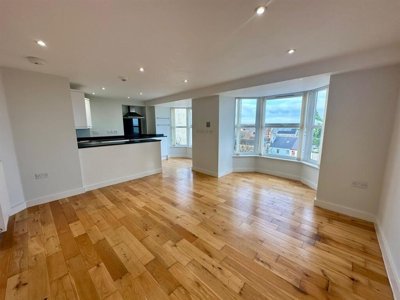
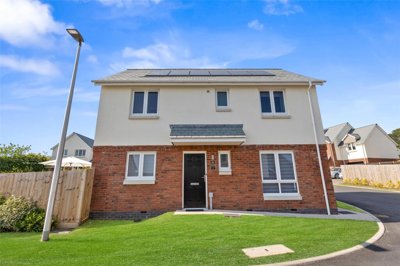
This calculator provides estimates for illustrative purposes only and does not constitute financial advice. Your home may be repossessed if you do not keep up repayments on your mortgage. Estimates based on 4.5% interest rate, repayment mortgage. Actual rates depend on your circumstances.
Homemove is a trading name of HM Haus Group Ltd (Company No. 13873779, registered in England & Wales). Homemove Mortgages Ltd (Company No. 15947693) is an Appointed Representative of TMG Direct Limited, trading as TMG Mortgage Network, which is authorised and regulated by the Financial Conduct Authority (FRN 786245). Homemove Mortgages Ltd is entered on the FCA Register as an Appointed Representative (FRN 1022429). You can check registrations at NewRegister or by calling 0800 111 6768.