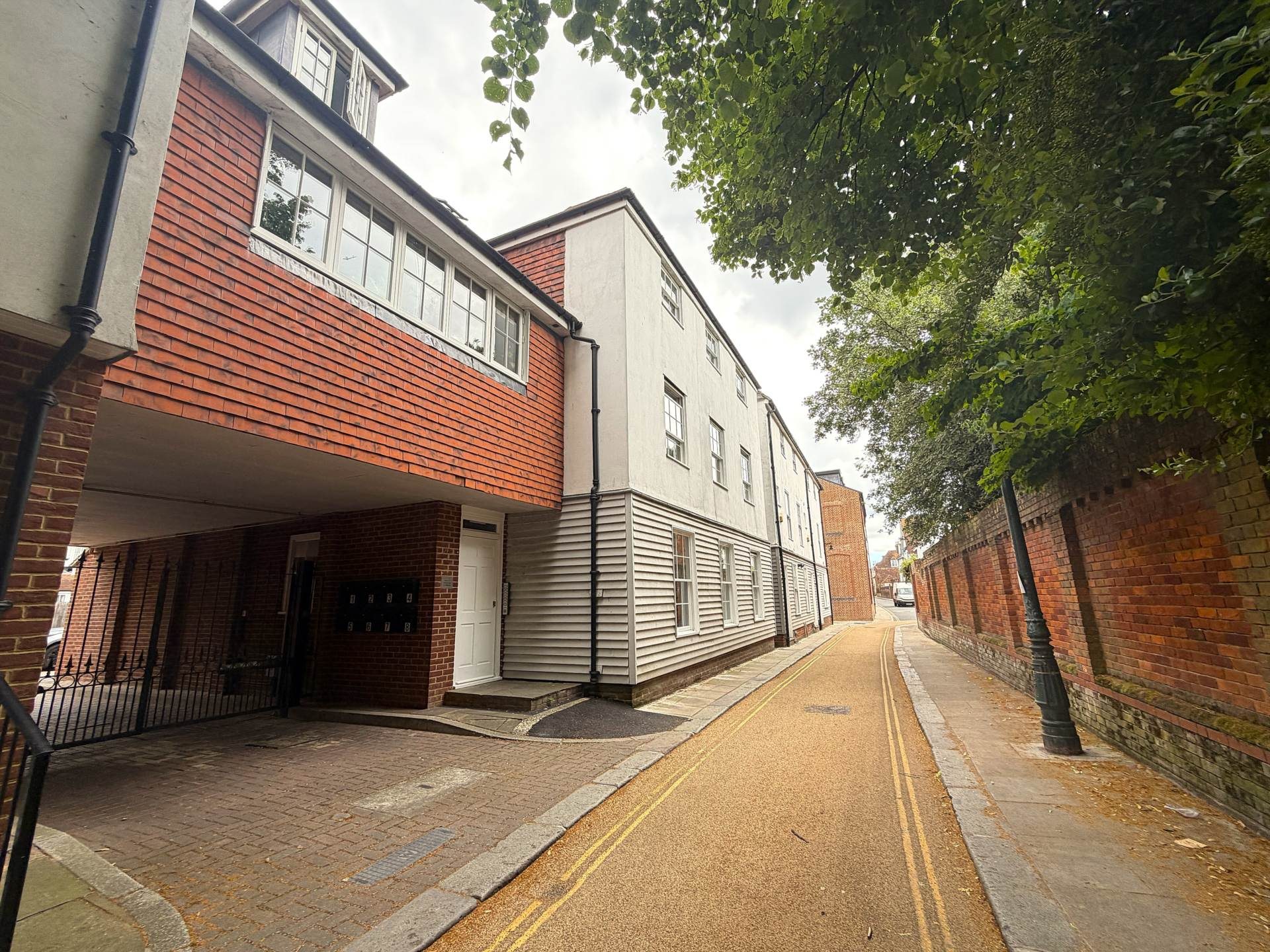
Powered by Home

Properties To Rent in Canterbury, Kent

Browse 935 rental homes to rent in Canterbury, Kent from local letting agents.

935 listings Canterbury, Kent Updated daily

Canterbury, Kent Market Snapshot

Median Rent

£1,200/m

Total Listings

135

New This Week

5

Avg Days Listed

80

Source: home.co.uk

Price Distribution in Canterbury, Kent

Under £500/m
1
£500-£750/m
18
£750-£1,000/m
30
£1,000-£1,500/m
51
£1,500-£2,000/m
23
£2,000-£3,000/m
9
£3,000+/m
3

Source: home.co.uk

Property Types in Canterbury, Kent

18%
18%
15%
13%
12%

Flat

23 listings

Avg £1,023

Terraced

23 listings

Avg £1,357

Apartment

19 listings

Avg £1,134

Semi-Detached

16 listings

Avg £1,606

House

15 listings

Avg £1,148

Studio

9 listings

Avg £832

Detached

8 listings

Avg £2,109

End of Terrace

7 listings

Avg £1,252

Cottage

3 listings

Avg £1,167

House Share

3 listings

Avg £587

Source: home.co.uk

Bedrooms Available in Canterbury, Kent

1 bed 28
£859
2 beds 36
£1,260
3 beds 34
£1,469
4 beds 16
£1,713
5 beds 5
£1,933
6 beds 5
£977

Source: home.co.uk

The Rental Market in Canterbury

Canterbury's rental market reflects the broader property trends across Kent, with recent data showing overall prices have decreased by 1.76% over the past twelve months. This moderation in the sales market has created interesting conditions for tenants, as property values across all categories have experienced slight cooling. Detached properties, which command the highest prices with averages around £623,000 for sales, continue to be the most sought-after option for families seeking space and privacy, while semi-detached homes averaging £393,000 offer excellent value for those needing extra bedrooms without the premium of a detached property.

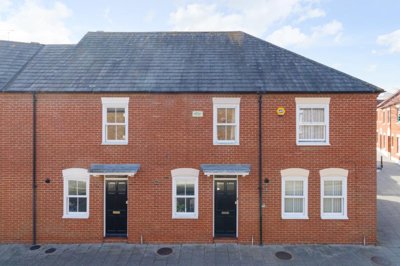
The diversity of Canterbury's housing stock means renters can choose from an impressive range of property types to suit different budgets and lifestyles. Flats, which sell for around £246,000 on average, provide affordable entry points into the rental market and are particularly popular among students and young professionals who want to live close to the city centre. Terraced properties averaging £346,000 offer a popular middle ground, combining period character with practical living spaces that appeal to sharers and small families looking for more room than a flat provides.

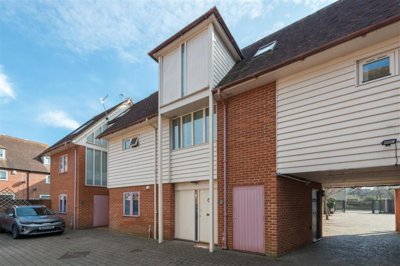
Several significant new build developments are currently underway in Canterbury, adding fresh options to the rental market. Barratt Homes' St Augustine's Park offers 2, 3, and 4-bedroom homes ranging from £380,000 to £580,000, while David Wilson Homes' The Woodlands provides larger family homes from £520,000 to £900,000. Charles Church's Chaucer Gardens and Crest Nicholson's Kingsbrook Park round out the new build options, offering additional choices for renters who prefer modern construction methods and energy-efficient homes. These newer developments often come with the benefit of warranties and lower maintenance requirements compared to period properties, though they may lack the character that many renters find appealing in Canterbury's historic streets.

Find Rentals Canterbury

Living in Canterbury

Canterbury offers an exceptional quality of life that combines historic charm with contemporary conveniences in a way that few English cities can match. The city centre is a UNESCO World Heritage Site, and living within these ancient walls means encountering medieval architecture, cobblestone lanes, and the magnificent cathedral spire on a daily basis. The population of the Canterbury district stands at approximately 163,000 residents across 65,900 households, creating a community that feels substantial enough to offer excellent amenities while retaining a compact, walkable character that makes car ownership optional for most residents.

The local economy benefits from several major employers that drive housing demand and support the wider community. The University of Kent is one of the largest employers in the area, attracting students and academics from around the world and creating a year-round demand for rental properties across all price ranges. Canterbury Christ Church University adds to this academic influence, while Kent and Canterbury Hospital provides essential healthcare employment. The tourism sector, supported by the cathedral and historic attractions, sustains numerous hospitality and retail businesses that offer employment opportunities for residents across various skill levels.

Daily life in Canterbury is enriched by its cultural offerings, independent shopping scene, and excellent dining options that line the historic streets and riverside areas. The King's Mile, connecting the cathedral with the University, hosts an array of independent boutiques, antique shops, and artisan cafes that give the city its distinctive character. Westgate Gardens provides a tranquil escape along the River Stour, while Whitstable's beaches and the Kent countryside remain easily accessible for weekend getaways. The city's two theatres, multiple cinemas, and regular cultural events ensure that residents never lack for entertainment options close to home.

Different neighbourhoods in Canterbury offer distinct atmospheres for renters. The city centre provides unrivalled access to shops, restaurants, and historic sites, making it ideal for those who value walkability and social life. Residential areas like Sturry, Whitstable, and the villages surrounding Canterbury offer quieter family environments with good schools and community facilities. The university campuses at Canterbury and the developments along London Road appeal to those seeking modern amenities within easy reach of the city centre.

Rental Search Canterbury

Schools and Education in Canterbury

Canterbury's educational landscape is one of the city's greatest strengths, making it an exceptionally popular location for families seeking to rent property near excellent schools. The University of Kent, established on a stunning campus at Canterbury's edge, ranks among the top UK universities and attracts thousands of students annually, creating significant demand for rental accommodation throughout the city. Canterbury Christ Church University, based in the heart of the city, adds further academic prestige and contributes to the youthful, dynamic atmosphere that characterises Canterbury's rental market.

For families with school-age children, Canterbury offers a strong selection of primary and secondary schools that consistently perform well in Ofsted inspections. Primary schools such as St Johns' Primary School and Wincheap Primary School serve local communities with good reputations, while the city is within reach of several highly regarded grammar schools that serve students from across Kent. Parents should research specific catchment areas carefully, as school admission policies can significantly impact which properties best suit family needs. The presence of multiple educational options means Canterbury can accommodate children at every stage of their academic journey, from nursery through sixth form.

Several private schools in and around Canterbury provide additional educational choices for families who prefer independent schooling options. These institutions often have their own admissions processes and fee structures, but they add to the overall breadth of educational provision that makes Canterbury attractive to renting families. For students pursuing further education beyond A-levels, Canterbury College and the further education options available through both universities provide clear pathways into higher education or vocational training.

The academic calendar significantly influences Canterbury's rental market, creating predictable patterns of demand throughout the year. Landlords near university campuses often experience intense competition during term starts in September, while summer months may offer more choice and potentially better negotiating positions for tenants. Families with school-age children typically plan their moves around the academic year, often seeking properties during summer months to minimise disruption to their children's education.

Rental Properties Canterbury

Transport and Commuting from Canterbury

Canterbury offers excellent transport connectivity that makes it practical to live here while working elsewhere in the South East, particularly in London. Canterbury West station provides high-speed rail services to London St Pancras International in under an hour, with regular trains throughout the day making commuting a viable option for professionals who work in the capital but prefer Canterbury's more affordable and characterful environment. Canterbury East station serves additional destinations including Dover, providing access to continental Europe via the ferry terminals and the Channel Tunnel.

Within Canterbury itself, the city is remarkably walkable and cyclable, with most daily amenities accessible on foot from central locations. The city council has invested in cycling infrastructure in recent years, and dedicated cycle paths connect the city centre with outlying areas and the university campuses. Bus services operated by Stagecoach and other providers connect Canterbury with surrounding villages and towns, while the A2 trunk road provides straightforward access to the M2 motorway for those who prefer to drive. The Port of Dover, approximately 20 miles away, offers ferry connections to Calais for continental travel.

For those who need to travel further afield, Kent's road network provides connections across the county and into East Sussex. The M25 orbital motorway encircling London is accessible via the M2, making trips to airports including Gatwick, Heathrow, and Stansted practical for international travel. The channel ports mean that European destinations remain within easy reach for those who wish to take their car abroad. This comprehensive transport network significantly enhances Canterbury's appeal as a place to rent, as residents can choose to live in this historic city while maintaining careers and connections across the South East and beyond.

The practical reality of commuting from Canterbury influences which neighbourhoods prove most popular among renters. Properties within walking distance of Canterbury West station command premium rents, particularly among professionals who commute to London regularly. Areas like South Canterbury, St Martin's, and the streets near the station tend to attract commuters who value minimising their daily travel time, while more affordable options exist in areas like Tyler Hill, Bridge, and the villages served by bus routes into the city centre.

Renting Guide Canterbury

Canterbury's Building Heritage and Construction Types

Understanding the construction types you might encounter when renting in Canterbury helps you appreciate the character of different properties and anticipate potential maintenance issues. Canterbury's housing stock spans several centuries of building traditions, from medieval timber-framed structures to contemporary apartments. Traditional properties in the historic city centre often feature Kentish ragstone, flint, or brick built with lime mortar, while timber framing with rendered or brick infill panels represents another common historic construction method found throughout the older residential areas.

Properties built between 1919 and 1980 reflect the standard construction techniques of their eras, predominantly featuring cavity wall brick construction that provides better insulation than the solid walls of earlier properties. Post-war homes often incorporate concrete tiles and modern building materials that simplified construction but may present different maintenance requirements than either older period properties or contemporary new builds. Our inspectors frequently encounter these mid-century properties across Canterbury's residential areas, and understanding their construction helps you appreciate why certain maintenance issues arise.

Modern developments in Canterbury, including those at St Augustine's Park, The Woodlands, Chaucer Gardens, and Kingsbrook Park, predominantly use contemporary brick construction with rendered sections and modern insulation standards. These properties typically benefit from current building regulations that require higher energy efficiency, potentially resulting in lower utility bills compared to older properties. However, even new builds can present issues that benefit from professional assessment before you commit to a tenancy, as construction defects occasionally occur despite modern quality standards.

How to Rent a Home in Canterbury

1

Check Your Budget First

Before viewing any properties, get a rental budget agreement in principle from a qualified provider. This document shows landlords that you can afford the rent and helps you understand exactly how much you can borrow, giving you confidence when making offers on properties. We work with trusted providers who can arrange this quickly, and having your budget agreed in advance streamlines your search significantly.

2

Research Canterbury Neighbourhoods

Explore different areas of Canterbury to find the best fit for your lifestyle. Consider proximity to your workplace, universities, schools if you have children, and the amenities that matter most to you, whether that means riverside walks, pub proximity, or access to gyms and restaurants. Each neighbourhood offers distinct advantages, and visiting areas at different times of day helps you understand what daily life would actually be like.

3

Arrange Property Viewings

Once you have narrowed down your shortlist, contact local estate agents to arrange viewings. Take notes on property condition, ask about the age of the boiler, check window fixtures, and note any signs of damp or maintenance issues that might require attention after you move in. Our team can advise you on what to look for during viewings, particularly for older properties where hidden defects are more common.

4

Book a Survey if Needed

While surveys are more common for purchases, renting in an older property can benefit from a basic condition report. A RICS Level 2 Survey in Canterbury typically costs between £400 and £800 depending on property size and value, and can identify hidden defects in historic buildings that might not be immediately apparent during a viewing. This investment can prevent unexpected repair bills during your tenancy.
5

Submit Your References and Deposit

Once you have chosen a property, you will need to provide references, proof of identity, and proof of income. Most landlords require a deposit equivalent to five weeks' rent, which will be protected in a government-approved deposit scheme within 30 days of the tenancy start date. We can connect you with referencing services that help streamline this process.

6

Sign Your Tenancy Agreement

Your tenancy agreement is a legally binding contract that sets out the terms of your rental, including the rent amount, deposit, length of tenancy, and your responsibilities as a tenant. Read it carefully before signing and ask questions about anything you do not understand. Your landlord should provide copies of the government-approved deposit scheme information within 30 days of receiving your deposit.

What to Look for When Renting in Canterbury

Renting property in Canterbury requires careful consideration of several area-specific factors that can significantly impact your experience as a tenant. Canterbury's geology presents unique considerations for renters, as the underlying chalk bedrock is generally stable, but areas with superficial clay deposits can experience shrink-swell issues that affect properties with shallow foundations. These clay-rich areas are most commonly found near river valleys and in locations with brickearth deposits, so asking about the geological conditions and any history of subsidence claims can save considerable stress later.

Flood risk is another important consideration for anyone renting in Canterbury, particularly in areas close to the River Stour and its tributaries. While the city itself is inland, some properties downstream towards Whitstable may be influenced by tidal effects, and surface water flooding can occur in various locations during periods of heavy rainfall. Landlords are required to provide an Energy Performance Certificate rating before you move in, but requesting information about previous flooding or drainage issues demonstrates due diligence that can prevent unpleasant surprises. Checking the Environment Agency flood risk maps for any specific property address provides valuable protection against these environmental factors.

Canterbury's extensive conservation areas and high concentration of listed buildings mean that many rental properties come with specific restrictions and responsibilities. Living in a listed building often means obtaining Listed Building Consent for alterations, restrictions on external appearance, and requirements to use traditional materials for any repairs. Conservation area restrictions may limit planning permissions for extensions or significant changes. These designations can preserve the character and value of your home, but they also require tenants to be respectful of the property's heritage status during the tenancy.
Older properties in Canterbury commonly present issues that benefit from professional assessment before committing to a tenancy. Our inspectors frequently identify damp problems in period properties, ranging from rising damp due to failed damp-proof courses to penetrating damp caused by deteriorated pointing or damaged gutters. Roof defects including slipped tiles, deteriorating leadwork, and timber rot commonly affect older properties throughout the city, particularly those with complex roof structures. Electrical systems in properties built before the 1980s often require updating to meet modern standards, and timber-framed properties may harbour woodworm or fungal decay that requires specialist treatment. For listed buildings or significant period properties, a more detailed RICS Level 3 Survey may prove appropriate given the specialist repair requirements these properties typically entail.

Rental Market Canterbury

Frequently Asked Questions About Renting in Canterbury

What is the average rental price in Canterbury?

While specific rental price data varies based on property type and location, Canterbury's sales market provides useful context, with overall average prices around £391,000. Flats typically offer the most affordable rental options, while terraced houses and semi-detached properties command mid-range prices. The city centre commands premium rents for period properties with historic character, while suburban areas and new developments offer more competitive pricing. University proximity drives up prices in student-heavy areas, particularly during term time, so timing your search strategically can help you find better value.

What council tax band are properties in Canterbury?

Properties in Canterbury fall under Canterbury City Council's jurisdiction, and council tax bands range from A to H depending on the property's assessed value. Most flats and smaller terraced properties fall into bands A through C, while larger family homes typically occupy bands D through F. Students are generally exempt from council tax, while single occupants may qualify for a 25% discount. You can verify the specific band for any property through the Valuation Office Agency website using the property address.

What are the best schools in Canterbury?

Canterbury offers excellent educational options at all levels, from primary schools through to universities. St Johns' Primary School and Wincheap Primary School serve local communities with strong Ofsted ratings, while Kent's selective grammar school system provides outstanding secondary education for academically able students. Families should research specific catchment areas carefully, as school admissions are determined by proximity. The University of Kent and Canterbury Christ Church University rank among the region's top higher education institutions, attracting students nationally and internationally.

How well connected is Canterbury by public transport?

Canterbury benefits from excellent rail connections that make commuting to London practical and efficient. High-speed trains from Canterbury West reach London St Pancras in under 60 minutes, while Canterbury East station provides additional services to Dover and connections across Kent. Local bus services operated by Stagecoach connect the city centre with residential areas, universities, and surrounding villages. The comprehensive transport network makes car ownership optional for most residents, particularly those living within the city centre and university campuses.

Is Canterbury a good place to rent in?

Canterbury consistently ranks as one of the most desirable places to live in Kent, combining historic charm with practical amenities and excellent transport links. The city attracts a diverse community of students, professionals, families, and retirees who appreciate its cultural offerings, independent shops, and welcoming atmosphere. The presence of two major universities creates a youthful energy while the historic cathedral and UNESCO World Heritage status add genuine prestige. Rental demand remains steady throughout the year, supported by the academic calendar and commuters seeking more affordable housing than London offers.

What deposit and fees will I pay on a property in Canterbury?

Standard deposits in Canterbury are equivalent to five weeks' rent, which must be protected in a government-approved deposit scheme within 30 days of your tenancy start date. You may also need to pay holding deposit equivalent to one week's rent while references are checked, which is typically deducted from your final deposit or first month's rent. Tenants are responsible for obtaining references, and some landlords use referencing services that charge additional fees. As a first-time renter, you may be eligible for relief on stamp duty land tax if purchasing a property, but renting does not attract these charges.

Are there any environmental risks I should be aware of when renting in Canterbury?

Canterbury's geology presents moderate risks in specific areas, particularly where superficial clay deposits create shrink-swell potential that can cause foundation movement in older properties. The River Stour creates flood risk for properties in low-lying areas, and surface water flooding has occurred in several locations during heavy rainfall events due to local topography and drainage capacity. Checking the Environment Agency flood risk maps and asking landlords about any historical flooding or drainage issues provides valuable protection against these environmental factors.

What types of properties are available to rent in Canterbury?

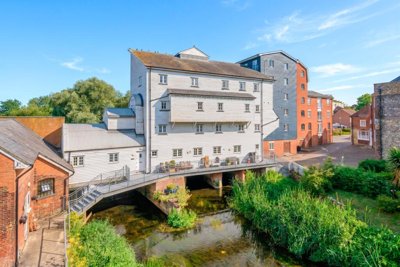
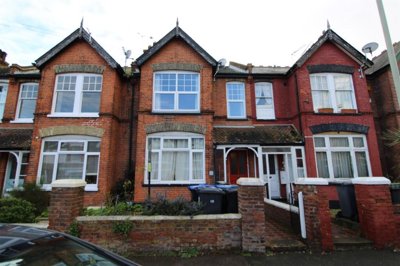
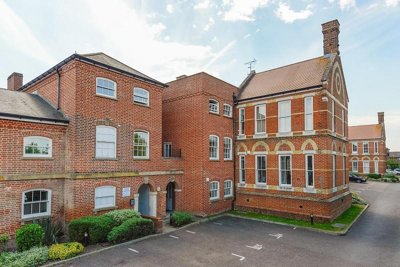
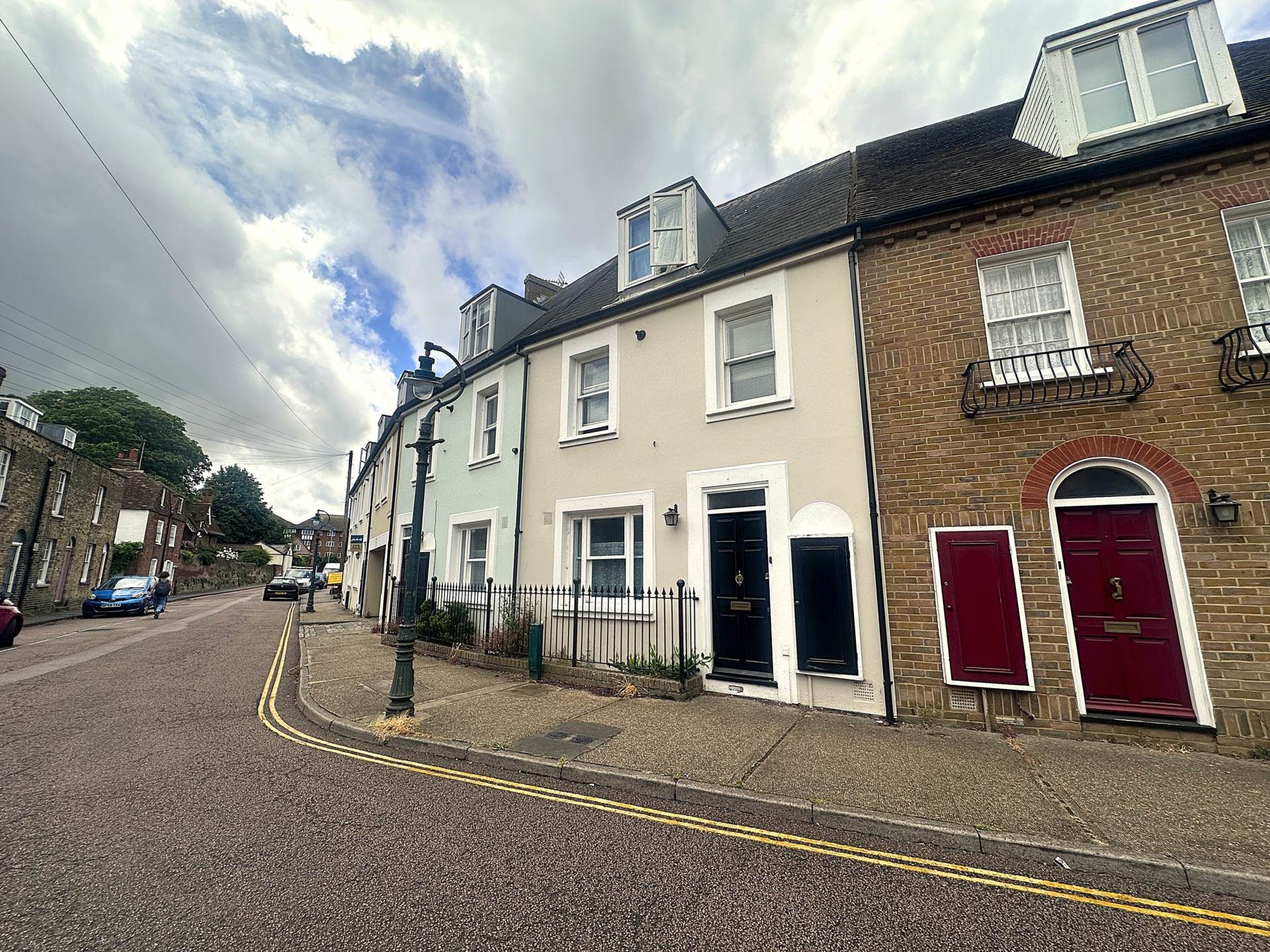
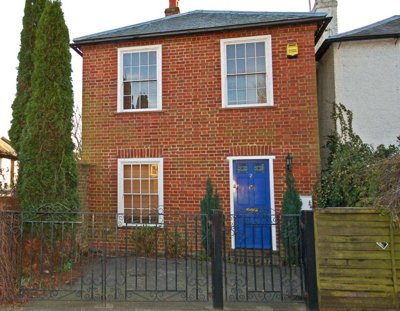
Canterbury's rental market offers remarkable diversity, from medieval timber-framed houses in the historic city centre to contemporary apartments in new developments. Students and young professionals often gravitate toward flats near the universities or city centre, while families typically seek terraced or semi-detached houses in residential areas like Sturry, Bridge, or the villages surrounding Canterbury. New build apartments at developments like St Augustine's Park and Kingsbrook Park appeal to those preferring modern construction with lower maintenance requirements. Period properties throughout Canterbury's conservation areas offer character features that newer builds cannot match, though they may require more maintenance from landlords and present more issues that tenants should understand before committing.

Should I get a survey on a rental property in Canterbury?

While surveys are more commonly associated with property purchases, renting in Canterbury's older housing stock can genuinely benefit from professional assessment. Our inspectors regularly identify issues in period properties that tenants would otherwise discover only after moving in, potentially facing unexpected costs or complications during their tenancy. A basic condition assessment for a Canterbury rental typically ranges from £300 to £500, representing a modest investment against potentially significant repair bills. Properties of particular age, complexity, or heritage significance may warrant a more comprehensive survey approach that our team can advise on based on the specific property you are considering.

Deposit and Fees When Renting in Canterbury

Understanding the full cost of renting in Canterbury helps you budget effectively and avoid surprises during your property search and move-in process. The deposit is typically the largest upfront cost, usually set at five weeks' rent, and must be protected in a government-approved scheme within 30 days of your tenancy start. These schemes include Deposit Protection Service, MyDeposits, and Tenancy Deposit Scheme, and your landlord must provide you with prescribed information about where your deposit is held. This protection ensures you can recover your deposit at the end of the tenancy, subject to any legitimate deductions for damage or unpaid rent.

Beyond the deposit, you should budget for additional costs including the first month's rent in advance, a holding deposit to secure the property while references are checked, and potentially fees for referencing services or inventory checks. Moving costs, furniture purchases if the property is unfurnished, and utility connection charges add to the initial outlay. If you are moving from outside the area, factor in travel costs for viewings and the logistics of establishing yourself in a new city. Building an emergency fund equivalent to a few months' rent provides a safety net for unexpected expenses during your tenancy.

While rent prices in Canterbury vary significantly based on property type, location, and condition, the current market offers options across various budgets. Properties near the universities command premium rents during term time, while suburban locations and properties requiring some modernisation may offer more competitive pricing. The recent moderation in property values, with prices decreasing by approximately 1.76% over the past year, has created a more balanced market that benefits tenants who previously faced intense competition for available properties. Starting your search with a clear budget in mind and obtaining a rental budget agreement in principle demonstrates financial responsibility to landlords and helps you focus your efforts on properties you can realistically afford.

Our local team understands the Canterbury rental market intimately, and we can help you identify properties that match your budget while avoiding areas where rents may be inflated beyond what the market justifies. We have seen how rental prices fluctuate throughout the year, with September typically bringing increased competition as students and university staff seek accommodation, while the summer months often present better opportunities for families and professionals who can be flexible about their move-in dates.

Find Rentals Canterbury

Browse Homes to Rent Across the UK

Terms of use Privacy policy All rights reserved © homemove.com | Properties to Rent » England » South East » Kent » Canterbury, Kent

Homemove is a trading name of HM Haus Group Ltd (Company No. 13873779, registered in England & Wales). Homemove Mortgages Ltd (Company No. 15947693) is an Appointed Representative of TMG Direct Limited, trading as TMG Mortgage Network, which is authorised and regulated by the Financial Conduct Authority (FRN 786245). Homemove Mortgages Ltd is entered on the FCA Register as an Appointed Representative (FRN 1022429). You can check registrations at NewRegister or by calling 0800 111 6768.