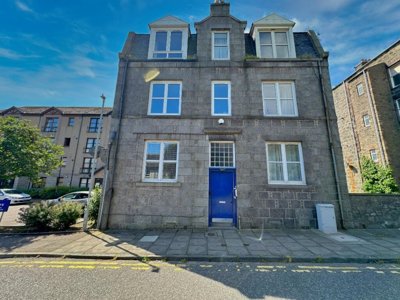
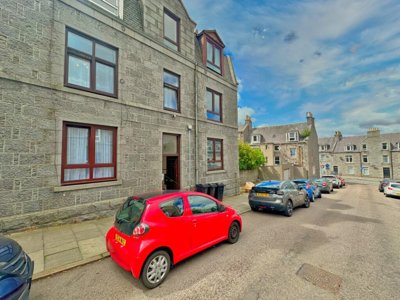
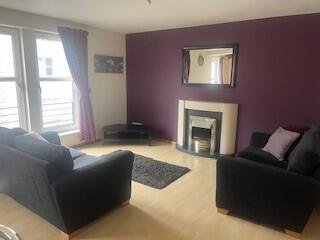
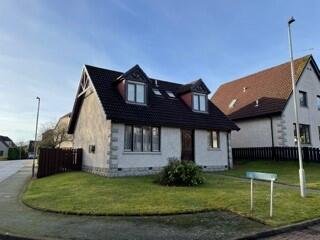
Browse 519 rental homes to rent in Aberdeen, Scotland from local letting agents.
£770/m
54
1
68
Source: home.co.uk
Source: home.co.uk
Flat
42 listings
Avg £718
Detached
4 listings
Avg £1,889
Ground Flat
2 listings
Avg £563
Semi-Detached
2 listings
Avg £1,588
Apartment
1 listings
Avg £750
End of Terrace
1 listings
Avg £1,850
House
1 listings
Avg £1,200
Terraced
1 listings
Avg £995
Source: home.co.uk
Source: home.co.uk
Aberdeen has experienced notable shifts in its property market over recent years, with average house prices standing at £133,000 according to December 2025 provisional data. This figure represents a 7.4% decrease compared to the previous year, contrasting with broader Scottish trends that saw a 4.9% rise across the country. For renters, this market adjustment creates opportunities to secure quality accommodation while the purchasing market softens. The data reveals distinct pricing patterns across property types, with detached properties commanding prices around £305,000, semi-detached homes at approximately £183,000, and terraced properties averaging £147,000. Flats and maisonettes remain the most accessible option at around £95,000, reflecting both their abundance in the local housing stock and current market dynamics.
The rental market in Aberdeen draws heavily from this ownership data, with tenant demand influenced by the city's major employers in oil and gas, renewable energy, life sciences, and academia. The University of Aberdeen and Robert Gordon University create consistent demand for student accommodation and shared houses in neighbourhoods like Old Aberdeen, Froghall, and Rosemount. Meanwhile, professionals working in the energy sector often seek modern apartments in areas such as Union Square, the City Centre, or newer developments around Dyce and Bucksburn. Flat sales in Aberdeen surged by 29.4% between July and September 2025 compared to the same period the previous year, suggesting growing confidence in the property market that may influence rental values going forward. Renters should note that while purchase prices have softened, rental demand remains steady due to the transient nature of the oil and gas workforce and the student population.
The broader Aberdeenshire housing market shows encouraging signs of recovery, with annual house sales rising to 4,470 properties between 2023 and 2025, aligning closely with pre-pandemic transaction volumes. This recovery reflects renewed confidence among buyers and sellers alike, which often translates into a more active rental market with increased options for prospective tenants. Our listings capture properties across this recovering market, from character-filled granite flats in traditional neighbourhoods to modern new builds in expanding areas like Dyce and Bucksburn where recent developments such as Otter Stone Manor and Hopecroft View offer contemporary family homes.

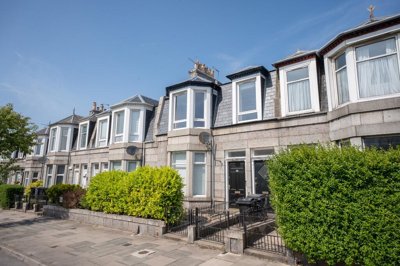
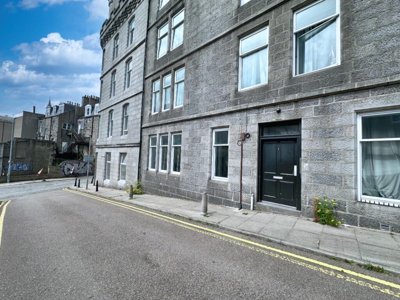
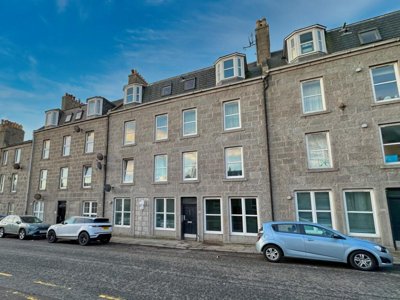
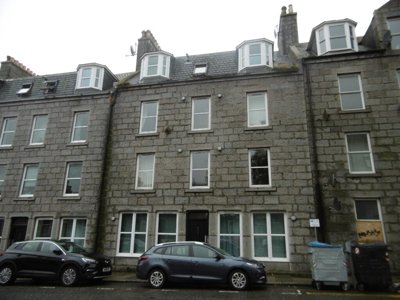
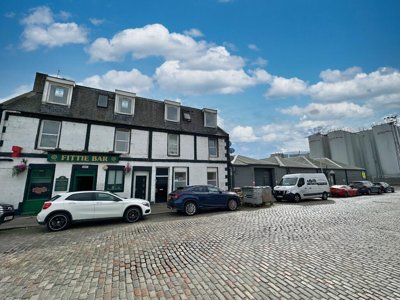
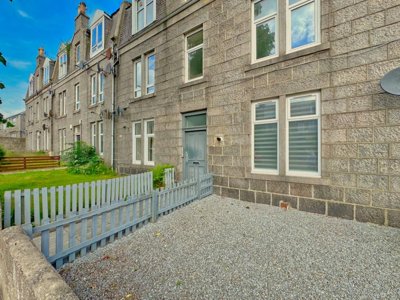
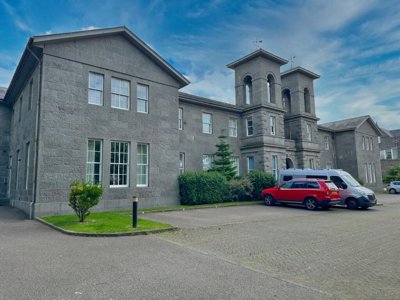
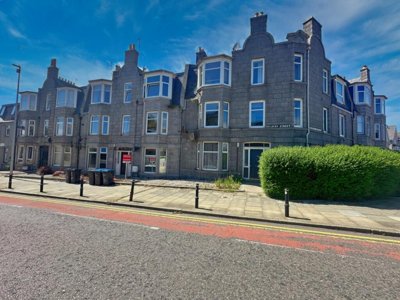
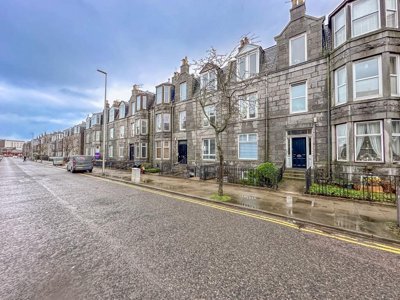
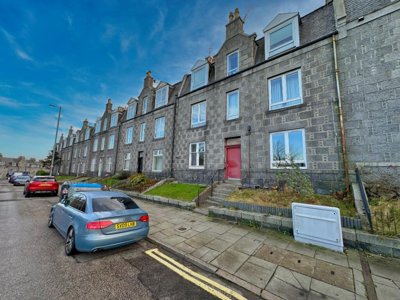
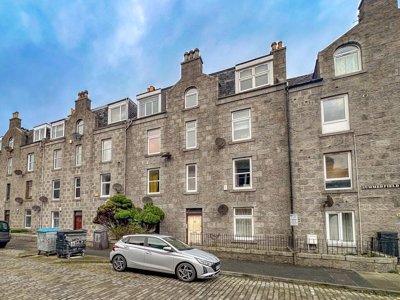
Aberdeen earned its nickname as the Granite City from the extensive use of locally quarried grey granite in its buildings, giving the urban landscape a distinctive silvery appearance that catches the light in unexpected ways. This architectural heritage dates back centuries and remains remarkably preserved, particularly in the city centre around Union Street and in the historic university precinct of Old Aberdeen. Residents living in granite properties benefit from the thermal mass these buildings provide, helping maintain comfortable temperatures year-round despite Aberdeen's northerly latitude. The city's geography sits at the mouth of the River Dee where it meets the North Sea, creating a dramatic coastal setting with two distinctive beach areas at Footdee (known locally as Fittie) and the longer stretch at Cove.
The character of Aberdeen extends beyond its famous granite to encompass vibrant cultural quarters, excellent green spaces, and a food scene that punches above its weight for a city of its size. Union Square shopping centre provides modern retail therapy, while the historic Union Street hosts everything from independent boutiques to well-known high street names. For outdoor enthusiasts, Duthie Park offers vast gardens and the famous Winter Gardens, while the River Dee provides opportunities for walking, cycling, and watersports. The city's economy has evolved beyond oil and gas to embrace renewable energy, life sciences, and digital innovation, creating diverse employment opportunities that attract professionals from across the UK and internationally. Demographics show a cosmopolitan population drawn by these opportunities, with significant expatriate communities contributing to Aberdeen's multicultural character and excellent range of international restaurants and eateries.
When renting in Aberdeen, understanding the distinct character of different neighbourhoods helps you find the right fit for your lifestyle. The city centre and West End offer convenient access to shops, restaurants, and nightlife, with many granite tenement flats providing characterful rental accommodation. Old Aberdeen and the surrounding student areas blend historic architecture with youthful energy, while suburbs like Cults, Banchory, and Peterculter offer larger family homes with garden space and proximity to excellent schools. The riverside and beachfront areas provide popular options for those who value outdoor recreation, with the River Dee corridor particularly popular for commuters and dog walkers alike.

Aberdeen offers an impressive range of educational opportunities from early years through to higher education, making it particularly attractive to families considering renting in the city. The University of Aberdeen, founded in 1495, ranks among Scotland's ancient universities and maintains excellent reputations in medicine, law, and the humanities. Robert Gordon University, based in the Garthdee area, provides strong vocational and professional courses in subjects like nursing, engineering, and business. These institutions not only serve students but employ significant numbers of academic and professional staff who contribute to local rental demand, often seeking family homes in areas with good primary and secondary school options.
For families with school-age children, Aberdeen hosts several well-regarded secondary schools including Aberdeen Grammar School, Harlaw Academy, and St Machar Academy, each serving distinct catchment areas across the city. Primary education is well-catered for throughout residential neighbourhoods, with schools like Ashley Road Primary, Gilcomstoun Primary, and Broomhill School serving their local communities effectively. Parents should research specific catchment areas carefully when selecting a rental property, as school placements in Scotland are determined primarily by geographical proximity. The city also offers denominational schools for those seeking Catholic education, with St Mary's Primary and St Andrew's Secondary providing faith-based options. Private education is available at establishments like Albyn School and the Hamilton School for those seeking alternative educational pathways, with several rental areas offering convenient access to these facilities.
The academic calendar significantly influences rental demand throughout the year, with the university terms creating predictable peaks in tenant activity during August and September when students seek accommodation for the new academic year. Properties in student-heavy neighbourhoods like Old Aberdeen, Froghall, and Rosemount tend to attract tenants very quickly during these peak periods, so prospective renters should act promptly if targeting these areas. Families with school-age children face different timing pressures, as school catchment placements are confirmed before property viewings typically begin, allowing parents to target their rental search more precisely once placements are secured.

Aberdeen serves as a major transport hub for north-east Scotland, offering excellent connectivity that makes renting in the city practical for commuters and those who travel regularly for business. Aberdeen Railway Station provides regular services to major UK destinations including Edinburgh (journey time approximately 2 hours 30 minutes), Glasgow (around 2 hours 45 minutes), and London King's Cross (roughly 7 hours with a change in Edinburgh). These rail connections make Aberdeen accessible for business trips to the capital cities while maintaining the lifestyle benefits of a smaller, more affordable city. The station has undergone significant recent upgrades as part of the Aberdeen Inverness rail improvement programme, enhancing facilities and passenger experience.
For air travel, Aberdeen International Airport located in Dyce offers domestic flights to London, Belfast, and various UK regional destinations, alongside international connections particularly to oil and gas hubs in Scandinavia and Europe. The airport serves as a crucial link for the energy sector workforce who frequently travel to North Sea platforms and international offices. Within the city, public transport options include bus services operated primarily by First Aberdeen, providing comprehensive coverage of residential areas, the city centre, and key destinations like the University of Aberdeen campus and Aberdeen Royal Infirmary. Cyclists benefit from increasingly improved dedicated lanes, particularly along the riverside and beachfront areas, while the city's compact nature makes walking feasible for many daily journeys. Parking availability varies significantly by neighbourhood, with city centre flats often coming without dedicated parking while suburban rentals typically include off-street provision.
Commuting considerations should factor into your rental location decision, particularly if you work in the energy sector hubs around Dyce, Bridge of Don, or Altens industrial estates. Properties in these eastern areas offer shorter commute times for those working in these zones, while the city centre remains convenient for professionals working in offices, retail, or hospitality. The AWPR (Aberdeen Western Peripheral Route) has improved connectivity between different parts of the city, making areas like Kingswells and Westhill more accessible to those who need to travel across Aberdeen. Renters without cars should prioritise locations with good bus connections or within walking distance of their workplace, as taxi costs can add up significantly in a city where public transport options, while improving, may not match the frequency found in larger cities.

Begin by exploring available properties across Aberdeen's distinct neighbourhoods, from the city centre flats near Union Street to family homes in suburbs like Cults, Banchory, or Peterculter. Consider your commute requirements, proximity to schools if applicable, and budget constraints when narrowing your search areas. We regularly update our listings to reflect new properties entering the market, helping you stay ahead in what can be a fast-moving rental landscape.
Before viewing properties, secure a rental budget agreement in principle from a lender to demonstrate your affordability to landlords. In Scotland, tenants typically require to provide references, proof of income (usually 2.5 to 3 times annual rent), and may face background checks including credit searches and previous landlord references. Having your documentation ready speeds up the application process significantly, as desirable properties in popular areas like the West End or near the University of Aberdeen can attract multiple interested parties within days of listing.
Contact letting agents or landlords to schedule viewings of shortlisted properties. Scottish law requires landlords to provide the Tenant Information Pack including the Scottish Government Model Tenancy Agreement before a tenancy begins. Take notes on property condition, ask about included fixtures and fittings, and clarify what is and is not included in the rent. Many viewings in Aberdeen are conducted through local letting agents who manage portfolios of rental properties across the city.
Once you find a suitable property, complete the application process promptly as desirable rentals in Aberdeen can attract multiple interested parties. Provide all required documentation including identification, proof of income, employment references, and previous rental history. The referencing process typically takes a few working days, though this can vary depending on the letting agent and complexity of your circumstances.
Upon successful referencing, you will receive your Scottish Government Model Tenancy Agreement for review and signature. Ensure you understand your rights and responsibilities, the rent amount and payment schedule, the deposit amount (capped at five weeks rent for properties with annual rent under £25,000), and the length of the tenancy. You have the right to seek advice before signing and should not feel pressured to commit before you have read and understood all terms.
Arrange an inventory check at the property with your landlord or letting agent, documenting the condition of the accommodation and any included items. Transfer utility accounts into your name, set up council tax payments with Aberdeen City Council, and ensure buildings insurance is in place. Most Aberdeen rentals require a deposit held in a government-approved scheme within 30 working days of the tenancy start, and your landlord must provide written confirmation of which scheme holds your deposit.
Renting property in Aberdeen requires attention to specific local factors that may not be relevant in other UK cities. The prevalence of granite construction throughout older properties means that potential tenants should carefully assess the condition of external pointing, as granite buildings can suffer from water penetration if mortar work has deteriorated. Signs of damp may appear in properties that lack modern damp-proof courses or have been poorly maintained, particularly in basement or ground floor flats. The hard nature of granite can also make structural alterations challenging and potentially expensive, so renters should ensure any modifications they require are agreed upon before signing a tenancy.
Flood risk represents another important consideration for Aberdeen renters, given the city's coastal location and position at the mouth of the River Dee. While major flooding events are relatively rare, potential tenants should inquire about any history of flooding at the property and consider the floor level of their accommodation. Properties in low-lying areas near the river or in the Footdee coastal neighbourhood may carry slightly higher risk. Surface water flooding can occur during periods of heavy rainfall, particularly in older urban areas where drainage systems may be capacity-constrained. Many modern developments have been designed with improved drainage and flood resilience measures, which may be worth considering for those particularly concerned about this risk.
The age of Aberdeen's housing stock means that many rental properties will have solid walls rather than cavity wall construction, requiring different approaches to insulation and heating. Properties built before modern building regulations may have outdated electrical systems that could benefit from upgrading. When viewing properties, check the condition of the roof on visible sections, look for signs of subsidence or cracking in external walls, and assess the general state of repair. Many landlords in Aberdeen maintain their properties to a good standard, but asking pointed questions about recent maintenance and any known issues protects you from unexpected problems after moving in.

Understanding the full cost of renting in Aberdeen extends well beyond monthly rent to encompass deposits, fees, and ongoing expenses that can significantly impact your moving budget. Scottish tenant protection laws mean that deposits are capped at a maximum of five weeks rent for properties with annual rent under £25,000, providing important protections against excessive upfront costs. This deposit must be protected in a government-approved scheme (such as MyDeposits Scotland, the DPS, or SafeDeposits Scotland) within 30 working days of the tenancy commencing, and you should receive information about which scheme holds your deposit at the start of the tenancy.
Additional upfront costs when renting in Aberdeen typically include the first month's rent in advance, referencing fees (though these are increasingly waived by competitive letting agents), and potentially a holding deposit to secure the property while references are checked. Some landlords may require additional months rent in advance, particularly for tenants with limited UK rental history or those in higher-value properties. Ongoing costs include council tax, which in Aberdeen is set by Aberdeen City Council and varies by property band. Energy bills, water and sewerage charges, internet and mobile phone contracts, and contents insurance all add to the monthly cost of renting.
The average rental prices in Aberdeen reflect the broader property market, with one-bedroom flats in the city centre typically ranging from £500 to £650 per month, two-bedroom apartments from £650 to £950, and larger family houses in suburban areas from £1,000 to £1,500 depending on location and specification. Properties near the University of Aberdeen in Old Aberdeen or along the student corridor through Rosemount command premium rents during term time, while more affordable options exist in areas further from the city centre or in properties requiring some modernisation. Premium locations like the West End, Cults, and beachfront areas command higher rents but offer larger spaces, gardens, and access to Aberdeen's most desirable residential neighbourhoods.

Current rental prices in Aberdeen vary significantly by property type and location. One-bedroom flats in the city centre typically range from £500 to £650 per month, while two-bedroom apartments in good locations command £650 to £950. Larger family homes in suburban areas like Cults, Banchory, or near the beachfront can range from £1,000 to £1,500 per month depending on size and condition. Properties in high-demand areas such as the West End or near the University of Aberdeen tend to sit at the higher end of these ranges, while more affordable options exist in areas like Mastrick, Northfield, or Hayton where rents may fall below these typical bands.
Aberdeen properties are valued by Aberdeen City Council and placed into council tax bands A through H, with the banding based on property value as of April 1991. The actual council tax amount varies depending on which band your property falls into and the current charges set by the local authority. You can check the specific banding for any property through the Scottish Assessors Association website, and you will need to register with Aberdeen City Council for council tax once your tenancy begins. Properties in lower bands pay less council tax, so this is worth considering when comparing rental costs across different properties.
Aberdeen offers excellent educational options including the historic University of Aberdeen and Robert Gordon University for higher education, with the University of Aberdeen ranking particularly highly for medicine and law. For school-age children, Aberdeen Grammar School, Harlaw Academy, and St Machar Academy serve secondary education across different catchment areas throughout the city. Primary schools like Ashley Road, Gilcomstoun, and Broomhill have strong reputations, while Albyn School provides private education options. Parents should verify current catchment boundaries and Education Scotland inspection reports when selecting a rental property, as school placements in Scotland depend primarily on geographical proximity to the school.
Aberdeen provides comprehensive public transport options including regular rail services to Edinburgh (2h 30m), Glasgow (2h 45m), and London via connections at Edinburgh Waverley. Aberdeen International Airport in Dyce offers domestic flights to London, Belfast, and various UK regional destinations, alongside international connections to oil and gas hubs in Scandinavia and Europe. Within the city, First Aberdeen operates extensive bus routes covering all residential areas, the universities, Aberdeen Royal Infirmary, and key destinations. The city's compact nature makes walking and cycling viable for many journeys, particularly in areas with dedicated cycle lanes along the riverside and beachfront areas.
Aberdeen offers an exceptional quality of life for renters, combining the amenities of a major city with the accessibility and community feel of a smaller urban area. The Granite City provides distinctive architecture, excellent cultural attractions including museums and theatres, beautiful green spaces at Duthie Park and the riverside, and stunning coastal scenery at Footdee and Cove. The presence of two major universities, a thriving energy sector (including growing renewables), and excellent healthcare facilities at Aberdeen Royal Infirmary creates diverse employment opportunities. Rental prices remain competitive compared to Edinburgh and Glasgow, making Aberdeen an attractive option for professionals, students, and families alike. The city also provides excellent access to the Scottish Highlands for weekend getaways, with the Cairngorms National Park reachable within a couple of hours.
Scottish tenant protection laws cap deposits at five weeks rent for properties with annual rent under £25,000, providing important consumer protections that exceed those available in England and Wales. This deposit must be protected in a government-approved scheme (MyDeposits Scotland, DPS, or SafeDeposits Scotland) within 30 working days, and your landlord must confirm which scheme holds your deposit in writing. You will typically pay the first month's rent in advance plus the deposit, with referencing fees varying by landlord or letting agent. Many agents have eliminated upfront referencing fees as the market has become more competitive, so always request a full breakdown of all costs before committing to a property. Holding deposits may also be requested to secure a property while references are checked, and these should be deducted from your overall move-in costs.
Different areas of Aberdeen cater to different lifestyles and needs. Students and young professionals often gravitate toward Old Aberdeen, Rosemount, and the city centre where flats are plentiful and amenities are walkable. Families typically consider areas with good school catchments like the West End, Hazlehead, or the suburban areas of Cults and Banchory. Those working in the energy sector may prioritise locations near industrial areas like Dyce, Bridge of Don, or Altens, where shorter commutes add significantly to quality of life. The riverside corridor offers a popular compromise for many, providing scenic walking and cycling routes while maintaining good access to both the city centre and outlying employment hubs.
From 4.5% APR
Get pre-approved for your rental budget to strengthen your application
From £49
Complete your referencing checks before submitting your rental application
From £60
Energy Performance Certificate for rental properties
From £80
Professional inventory documentation to protect your deposit
Properties to Rent In London

Properties to Rent In Plymouth

Properties to Rent In Liverpool

Properties to Rent In Glasgow

Properties to Rent In Sheffield

Properties to Rent In Edinburgh

Properties to Rent In Coventry

Properties to Rent In Bradford

Properties to Rent In Manchester

Properties to Rent In Birmingham

Properties to Rent In Bristol

Properties to Rent In Oxford

Properties to Rent In Leicester

Properties to Rent In Newcastle

Properties to Rent In Leeds

Properties to Rent In Southampton

Properties to Rent In Cardiff

Properties to Rent In Nottingham

Properties to Rent In Norwich

Properties to Rent In Brighton

Properties to Rent In Derby

Properties to Rent In Portsmouth

Properties to Rent In Northampton

Properties to Rent In Milton Keynes

Properties to Rent In Bournemouth

Properties to Rent In Bolton

Properties to Rent In Swansea

Properties to Rent In Swindon

Properties to Rent In Peterborough

Properties to Rent In Wolverhampton

Enter your details to see if this property is within your budget.
Loans, cards, car finance
Estimated property budget
Borrowing + deposit
You could borrow between
Typical borrowing
Monthly repayment
Est. at 4.5%
Loan-to-value
This is an estimate only. Your actual budget may vary depending on interest rates, credit history, and personal circumstances. For an accurate affordability assessment, speak to one of our free mortgage advisors.
This calculator provides estimates for illustrative purposes only and does not constitute financial advice. Your home may be repossessed if you do not keep up repayments on your mortgage. Estimates based on 4.5% interest rate, repayment mortgage. Actual rates depend on your circumstances.
Homemove is a trading name of HM Haus Group Ltd (Company No. 13873779, registered in England & Wales). Homemove Mortgages Ltd (Company No. 15947693) is an Appointed Representative of TMG Direct Limited, trading as TMG Mortgage Network, which is authorised and regulated by the Financial Conduct Authority (FRN 786245). Homemove Mortgages Ltd is entered on the FCA Register as an Appointed Representative (FRN 1022429). You can check registrations at NewRegister or by calling 0800 111 6768.