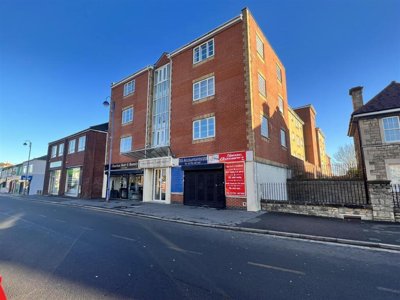
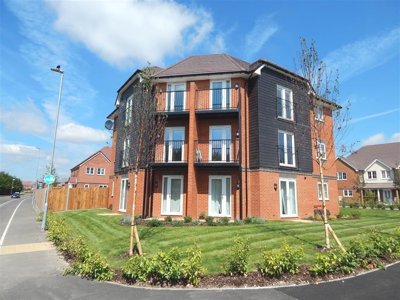
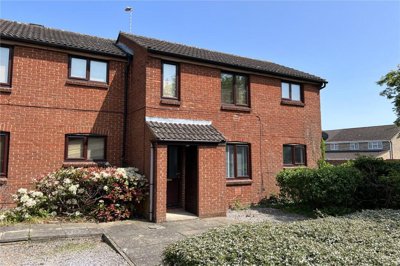
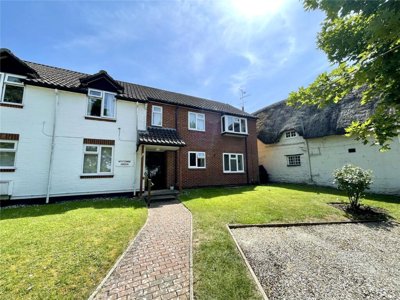
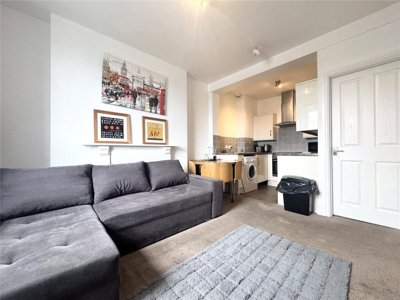
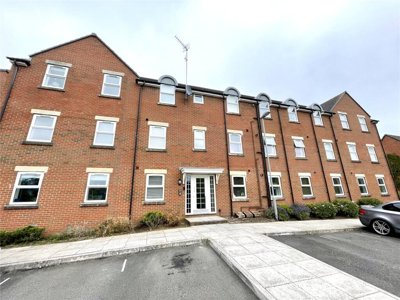
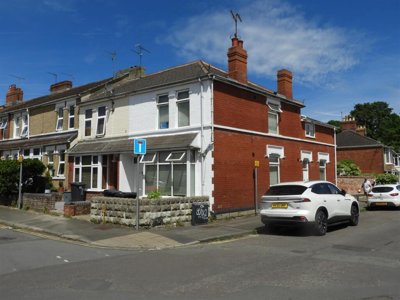
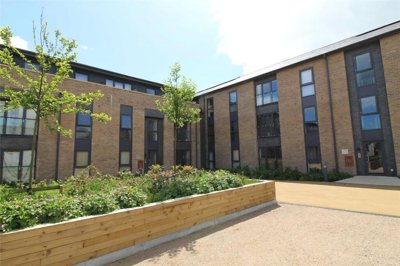
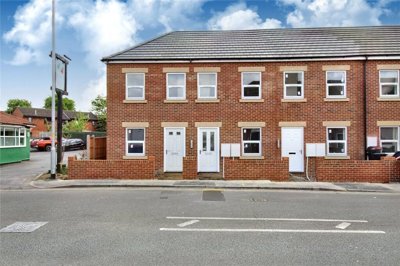
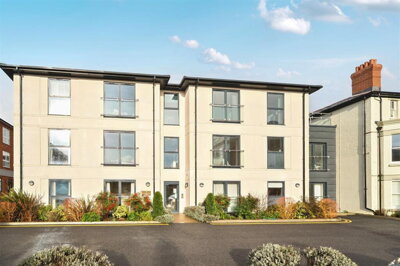
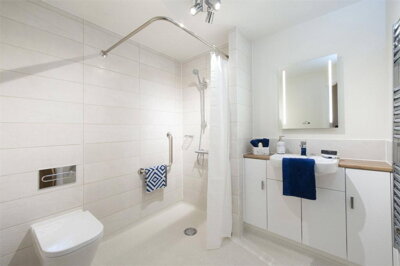
Browse 153 rental homes to rent in Wiltshire, England from local letting agents.
One bed apartments provide a separate bedroom alongside distinct living space, bathroom, and kitchen areas. Properties in Wiltshire are available in various building types including mansion blocks, contemporary developments, and house conversions.
£825/m
22
0
58
Source: home.co.uk
Showing 22 results for 1 Bedroom Flats to rent in Wiltshire, England. The median asking price is £825/month.
Source: home.co.uk
Flat
22 listings
Avg £830
Source: home.co.uk
Source: home.co.uk
The rental market in Wiltshire reflects the county's broader property trends, with semi-detached properties averaging around £332,000 in value, making them a popular choice for families seeking space without the premium attached to detached homes. Terraced properties in Wiltshire typically command values around £268,000, offering an accessible entry point for first-time renters or those seeking the charm of period architecture in towns like Bradford-on-Avon or Castle Combe. Flats and maisonettes, averaging approximately £163,000 in value, provide an attractive option for professionals working in the county's market towns or commuting to nearby cities.
Our data shows that detached properties in Wiltshire continue to command the highest values, with averages reaching £522,000, driven by strong demand from families seeking generous gardens, multiple bedrooms, and the privacy that detached living provides. The new build sector has shown particular strength, with newly built properties averaging £393,000 compared to £337,000 for established properties, reflecting the premium buyers and renters place on modern construction, energy efficiency, and contemporary layouts. Active new-build developments across the county, including sites in Chippenham, Trowbridge, and near Devizes, offer prospective renters opportunities to secure brand-new homes with features like air source heat pumps, underfloor heating, and electric car charging points.

Wiltshire's character is shaped by its extraordinary geology, which has influenced everything from the materials used in its buildings to the landscape that defines the county today. The north-west of Wiltshire sits on Jurassic limestone formations, home to the Cotswold belt that extends into picturesque villages built from golden Bath stone and fine Box Ground varieties. These materials, quarried locally for centuries, gave rise to architectural treasures including Malmesbury Abbey, Lacock Abbey, and the magnificent Longleat House, creating an environment where renters live surrounded by centuries of craftsmanship and design heritage.
The county's population of 523,700 represents growth of 8.4% since 2011, testament to Wiltshire's enduring appeal as a place to put down roots. In the south and east, the landscape shifts dramatically to chalk uplands dominating Salisbury Plain, where ancient flint, chalk, and stone combine in traditional buildings that reflect the unique geology of these areas. Timber frame construction with thatch roofs remains more common in eastern and southern rural communities, creating distinctive village silhouettes that have changed little for generations. The presence of over 20,000 listed buildings across the county, including exceptional Grade I structures like Salisbury Cathedral, means that renters choosing Wiltshire are choosing to live within England's architectural heritage.
Wiltshire's market towns each possess their own distinct identity. Trowbridge serves as the county town and offers excellent transport connections alongside a growing cultural scene. Devizes preserves its historic character with a stunning castle and the famous Kennet and Avon Canal running through its heart. Chippenham provides modern amenities within easy reach of the M4 corridor, while smaller towns like Warminster and Frome offer tight-knit communities where village life still thrives. For renters seeking outdoor recreation, the county offers extensive footpaths, the Ridgeway National Trail, and stunning countryside that has inspired artists and writers for centuries.

Families considering renting in Wiltshire will find a strong education system that serves communities across the county's diverse geography. Primary education is well-distributed, with village schools serving rural communities and larger primary schools in market towns providing excellent foundations for young learners. Many primary schools in Wiltshire benefit from picturesque settings in historic buildings, with excellent outdoor learning opportunities provided by the surrounding countryside. The county maintains a commitment to maintaining school standards, with Wiltshire Council regularly monitoring educational outcomes and supporting school improvement initiatives.
Secondary education in Wiltshire includes a mix of comprehensive schools, academies, and grammar schools serving different areas of the county. Schools in towns like Warminster, St Edmund's in Salisbury, and Laureate Academy in Chippenham serve their local communities with broad curricula and strong extracurricular programmes. For families seeking faith-based education, Catholic and Church of England secondary options are available in several locations. The sixth form provision includes school sixth forms and dedicated sixth form colleges, providing students with pathways to higher education and vocational qualifications.
Wiltshire's proximity to the University of Bath, University of Bristol, and the University of Southampton adds another dimension for families thinking long-term about educational opportunities. The county's Further Education college, Wiltshire College and University Centre, provides vocational courses and Higher Education programmes across multiple campuses, making it practical for students to study locally while continuing to live at home. For renters with school-age children, understanding catchment areas is essential, as Wiltshire's selective admissions policies mean that properties in specific school zones command particular interest from families.

Wiltshire's transport network provides practical connectivity for residents whether they commute locally or travel further afield to major employment centres. The M4 motorway bisects the county from east to west, providing direct access to Bristol to the north-west and Reading and London to the east. This strategic location makes Wiltshire particularly attractive to commuters who work in the M4 corridor but seek more affordable or spacious accommodation than the London area or Greater Bristol can offer. Junction access points at locations including Chippenham, Swindon, and Warminster connect these towns directly to the national motorway network.
Rail services across Wiltshire offer valuable options for commuters seeking to avoid road travel. Great Western Railway operates services connecting towns including Salisbury, Warminster, and Westbury to London Waterloo and Bristol Temple Meads. The West of England Line provides important connectivity for residents in the southern part of the county, while connections to Swindon offer access to the Great Western Main Line. Journey times from Wiltshire stations to London range from approximately 90 minutes to two hours, making day commuting feasible for those working in the capital several days per week.
Local bus services operated by companies including Stagecoach and Wiltshire Bus provide essential connections between smaller communities and market towns, though service frequencies in rural areas may be limited compared to urban centres. For cyclists, the flat terrain in parts of Wiltshire, particularly around the Salisbury Plain area, provides good conditions for cycling, while dedicated cycle routes and quiet lanes make recreational cycling a popular activity. The Kennet and Avon Canal towpaths offer scenic routes for cycling and walking between towns like Devizes and Bradford-on-Avon. Airport access is convenient, with Bristol Airport reachable within approximately an hour by car and Southampton Airport providing additional international travel options.

Before beginning your property search in Wiltshire, arrange a rental budget agreement in principle from a financial provider. This document demonstrates to landlords and letting agents that you can afford the monthly rent and helps you understand exactly what price range you should be targeting. Factor in not just rent but also deposit requirements, which typically amount to five weeks' rent, as well as ongoing costs like council tax, utilities, and insurance.
Take time to understand the distinct character of different areas within Wiltshire before committing to a location. Consider your daily commute requirements, proximity to schools if you have children, and the amenities that matter most to your household. Properties in towns like Chippenham and Trowbridge offer excellent transport connections and comprehensive services, while villages in areas like the Cotswolds fringe provide exceptional countryside living at the cost of reduced local amenities.
Wiltshire's rental market operates primarily through local letting agents rather than national chains, so registering with agents in your target area gives you the best access to available properties. Agents in towns like Devizes, Warminster, and Frome often have detailed knowledge of local properties and can match your requirements to upcoming listings before they reach the wider market. Being prepared with references, proof of income, and identification ready when you register will help you move quickly when you find a suitable property.
Once you have identified promising properties, arrange viewings to assess their condition, location, and suitability for your needs. Pay attention to the property's construction materials, which in Wiltshire may include historic stone, Bath lime, or more modern brick construction, and note any signs of maintenance issues. Take photographs and measurements to help you compare properties later and prepare questions about the tenancy terms, deposit protection scheme, and any restrictions on pets or modifications.
When you have found your ideal rental property, the referencing process will verify your identity, credit history, employment status, and previous landlord references. For properties in Wiltshire, additional checks may be relevant given the number of conservation areas and listed buildings, where landlords may have specific requirements regarding property modifications. Your tenancy agreement will detail the terms of your occupation, and you should read this carefully before signing, paying particular attention to the length of tenancy, rent review clauses, and your responsibilities for maintenance.
Upon signing your tenancy agreement and paying the deposit and first month's rent, you can arrange your move into the property. For Wiltshire properties, this often includes taking meter readings, collecting keys from the letting agent or landlord, and completing a detailed inventory check to document the condition of fixtures and fittings. Submit your inventory report promptly to protect your deposit when the tenancy ends.
Renting a property in Wiltshire requires attention to local-specific factors that may not be apparent when viewing properties in other counties. The county's varied geology means that properties may be constructed from a wide range of materials, from the prized Bath stone of prestigious properties to flint and chalk combinations in rural cottages. Understanding the construction materials and their maintenance requirements helps you assess ongoing costs and potential issues. Older stone properties, while offering tremendous character, may require more maintenance than modern builds, and this responsibility division between tenant and landlord should be clear in your tenancy agreement.
Given Wiltshire's significant number of conservation areas, which include historic parts of towns and villages as well as special landscapes like the canal corridor at Wilcot, renting in these areas brings specific considerations. Properties in conservation areas may have restrictions on modifications, including restrictions on installing satellite dishes, replacing windows, or making alterations to the exterior. Planning consent requirements may be more stringent, and you should discuss any planned changes with your landlord and the local planning authority before committing to a tenancy. The presence of listed buildings, of which Wiltshire has many including exceptional Grade I structures, means similar restrictions apply to any works that might affect the property's historic character.
The potential for shrink-swell movement in clay soils affects parts of Wiltshire, particularly areas underlain by Oxford, Kimmeridge, Gault, or London Clays. When viewing properties, look for signs of cracking that might indicate past movement, though minor cracks are common in older properties and do not necessarily indicate a serious problem. Properties in areas with trees close to foundations, or those with a history of drainage issues, may warrant a more detailed survey before committing to a tenancy. Asking the letting agent or landlord about the property's history of subsidence or flooding will help you make an informed decision about the property's suitability for your needs.

While specific rental price data was not available in our research, the average house price in Wiltshire is £332,000 as of December 2025, with semi-detached properties averaging around £332,000, terraced properties at approximately £268,000, and flats at around £163,000. Properties with higher values generally command corresponding rental prices, so detached family homes in desirable villages or near good schools will command the highest rents, while flats in market towns offer more affordable options. The market has shown resilience with a 3.4% increase in average property values over the past year, suggesting continued demand that supports rental values across the county.
Council tax bands in Wiltshire are set by Wiltshire Council based on property values as assessed in 1991, with bands ranging from A to H. Properties in Wiltshire span all council tax bands, with the specific band depending on the property's assessed value. To find the exact council tax band for a specific property, you can check the Valuation Office Agency website using the property address. Council tax bills also include charges for Wiltshire Council services, Police and Crime Commissioner for Wiltshire and Swindon, and local town or parish councils where applicable.
Wiltshire offers a strong educational provision with good schools across the county. Primary schools in towns like Bradford-on-Avon, Box, and Corsham are well-regarded by parents, while secondary options including St Edmund's in Salisbury, Warminster School, and Bishop Wordsworth's Grammar School serve students through to A-levels. The county's grammar school system means that students in specific catchment areas may access selective education, making school zones an important factor for families renting in the county. Wiltshire College and University Centre provides further and higher education opportunities across multiple campuses.
Wiltshire benefits from practical transport connections despite being a predominantly rural county. The M4 motorway provides east-west road connectivity, while Great Western Railway services connect towns including Salisbury, Warminster, and Westbury to Bristol and London. Bus services operated by Stagecoach and Wiltshire Bus link market towns with smaller communities, though rural services may have limited frequencies. The West of England Line provides important rail connectivity for southern Wiltshire residents, and Bristol Airport is reachable within approximately an hour from northern parts of the county.
Wiltshire consistently ranks as one of England's most desirable counties to live in, combining outstanding natural beauty with practical connectivity to major employment centres. The county's population has grown 8.4% since 2011, reaching 523,700 in 2024, demonstrating sustained appeal. Renters benefit from a wide variety of property types, from historic cottages in conservation areas to modern apartments in market towns, with rental terms typically running for 6 or 12 months initially. The presence of major new-build developments, including sites in Chippenham, Trowbridge, and near Devizes, means that renters can also access brand-new properties with modern specifications and energy-efficient features.
When renting a property in Wiltshire, you will typically need to pay a deposit equivalent to five weeks' rent, which will be protected in a government-approved Tenancy Deposit Scheme within 30 days of the tenancy start date. You will also need to pay the first month's rent in advance. Additional costs may include referencing fees, administration charges from letting agents, and inventory check costs. As of 2024-25, first-time renters can benefit from reduced upfront costs due to relief on fees, though these provisions can change, so checking current regulations before commencing your rental search is advisable.
While comprehensive flood risk data for specific Wiltshire locations was not available in our research, the presence of river systems including the River Avon means that properties in certain valley locations may carry some flood risk. Properties in towns like Downton, situated on the River Avon system, may warrant additional enquiry about flood history and flood resilience measures. The Environment Agency provides detailed flood maps that prospective renters should consult when considering specific properties, particularly those near watercourses or in low-lying areas. Buildings insurance and contents insurance considerations should also be discussed with your landlord or letting agent.
From 4.5%
Compare rental budget rates and find the best deal for your move to Wiltshire
From £50
Expert referencing services to support your rental application
From £350
Professional survey to assess your rental property condition
From £80
Energy performance certificate for your new rental property
Understanding the full financial commitment of renting in Wiltshire helps you budget accurately and avoid surprises during your property search. The most significant upfront cost is the security deposit, typically set at five weeks' rent for properties where annual rent is less than £50,000. This deposit must be protected in a government-authorised Tenancy Deposit Scheme, giving you legal protection and ensuring you can recover your money at the end of the tenancy if no legitimate deductions are made for damage or unpaid rent. Your deposit protection certificate should be provided to you within 30 days of paying the deposit.
First month's rent is payable in advance, often alongside the deposit at the point of signing the tenancy agreement. For a property renting at £1,200 per month, you would need £2,400 upfront to cover the first month plus deposit, plus any additional fees charged by the letting agent or landlord. Additional costs to budget for include referencing fees, which cover credit checks and employment verification, inventory check fees for the check-in report documenting the property's condition, and potential administration charges. First-time renters should note that recent legislative changes have limited the fees landlords and agents can charge, making renting more affordable than it was previously.
Ongoing costs during your tenancy include council tax, which in Wiltshire is collected by Wiltshire Council using bands A through H based on the property's assessed value. Utility bills for gas, electricity, and water will depend on the property's size and your usage patterns, while broadband and television services add further monthly costs. Contents insurance is strongly recommended to protect your belongings, and you may also need to budget for parking permits in towns where these are required. For properties in Wiltshire's rural villages, fuel costs for oil-fired central heating or LPG should be factored into your budget, as not all properties are connected to the mains gas network.

Properties to Rent In London

Properties to Rent In Plymouth

Properties to Rent In Liverpool

Properties to Rent In Glasgow

Properties to Rent In Sheffield

Properties to Rent In Edinburgh

Properties to Rent In Coventry

Properties to Rent In Bradford

Properties to Rent In Manchester

Properties to Rent In Birmingham

Properties to Rent In Bristol

Properties to Rent In Oxford

Properties to Rent In Leicester

Properties to Rent In Newcastle

Properties to Rent In Leeds

Properties to Rent In Southampton

Properties to Rent In Cardiff

Properties to Rent In Nottingham

Properties to Rent In Norwich

Properties to Rent In Brighton

Properties to Rent In Derby

Properties to Rent In Portsmouth

Properties to Rent In Northampton

Properties to Rent In Milton Keynes

Properties to Rent In Bournemouth

Properties to Rent In Bolton

Properties to Rent In Swansea

Properties to Rent In Swindon

Properties to Rent In Peterborough

Properties to Rent In Wolverhampton

Enter your details to see if this property is within your budget.
Loans, cards, car finance
Estimated property budget
Borrowing + deposit
You could borrow between
Typical borrowing
Monthly repayment
Est. at 4.5%
Loan-to-value
This is an estimate only. Your actual budget may vary depending on interest rates, credit history, and personal circumstances. For an accurate affordability assessment, speak to one of our free mortgage advisors.
This calculator provides estimates for illustrative purposes only and does not constitute financial advice. Your home may be repossessed if you do not keep up repayments on your mortgage. Estimates based on 4.5% interest rate, repayment mortgage. Actual rates depend on your circumstances.
Homemove is a trading name of HM Haus Group Ltd (Company No. 13873779, registered in England & Wales). Homemove Mortgages Ltd (Company No. 15947693) is an Appointed Representative of TMG Direct Limited, trading as TMG Mortgage Network, which is authorised and regulated by the Financial Conduct Authority (FRN 786245). Homemove Mortgages Ltd is entered on the FCA Register as an Appointed Representative (FRN 1022429). You can check registrations at NewRegister or by calling 0800 111 6768.