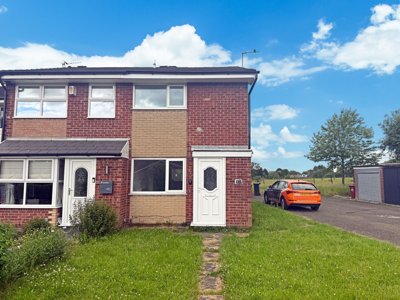
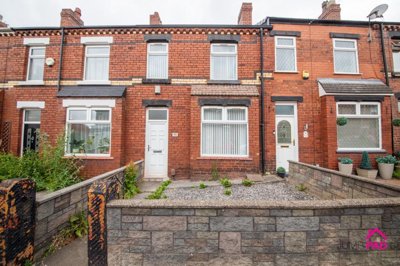
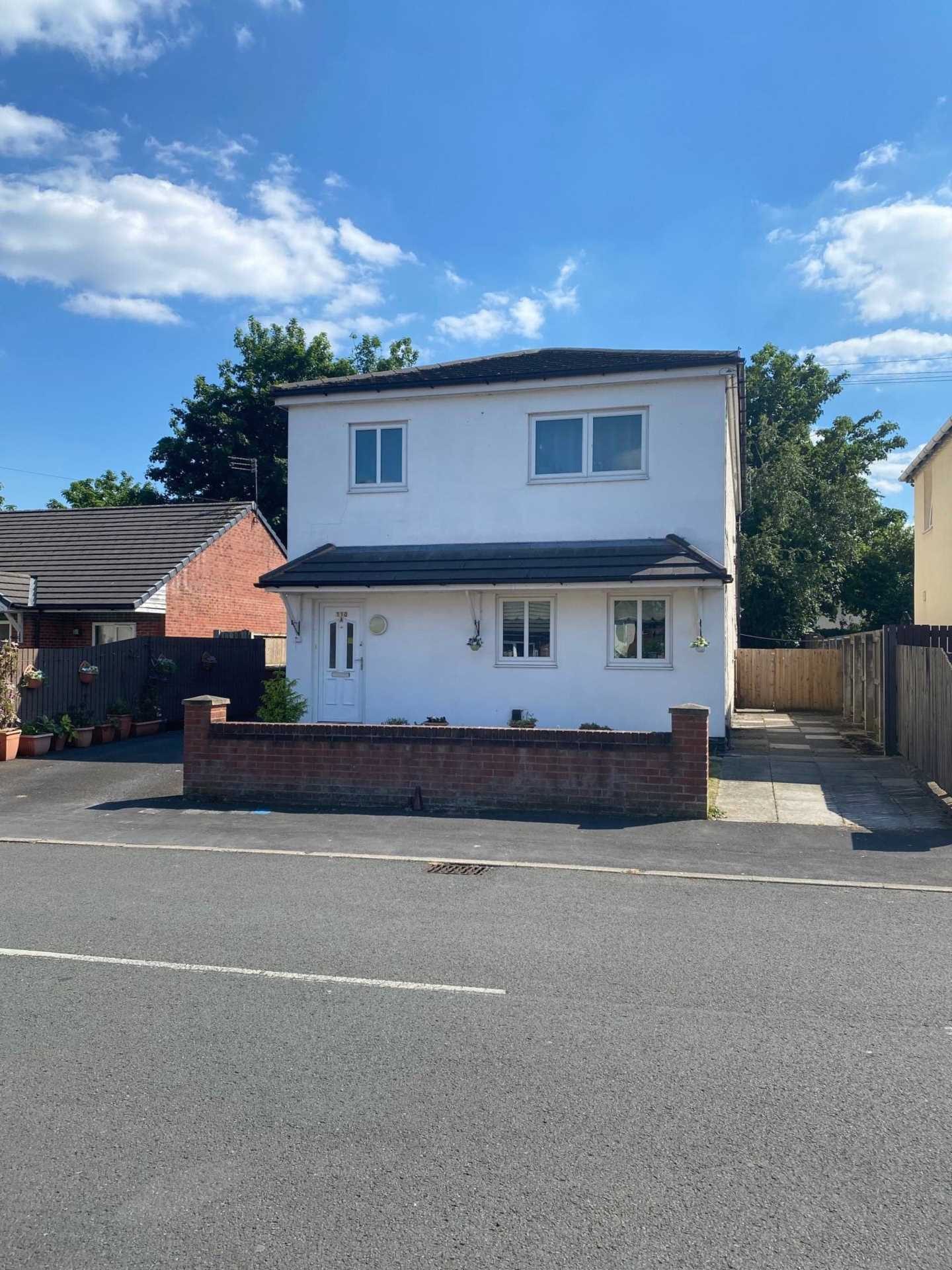
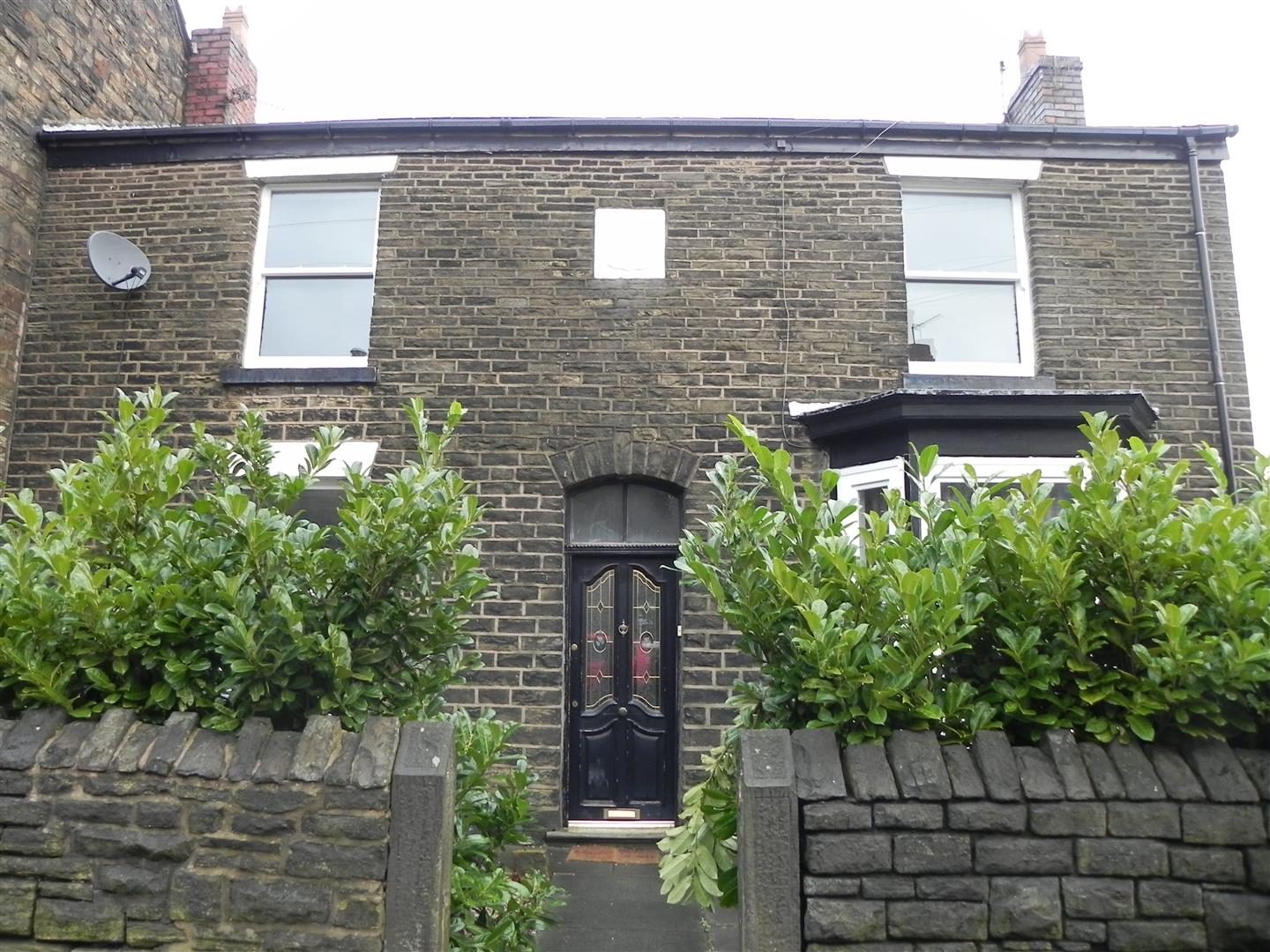
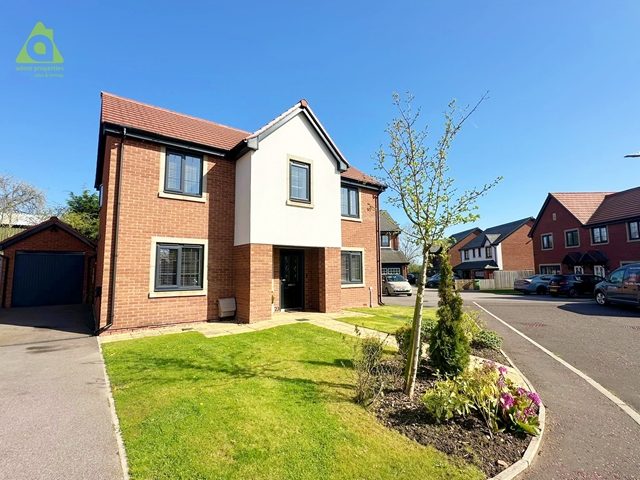
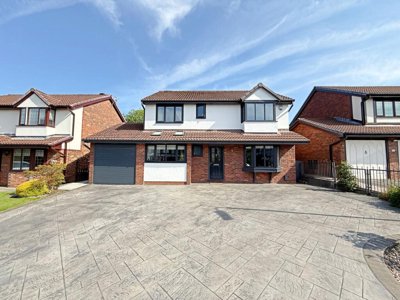
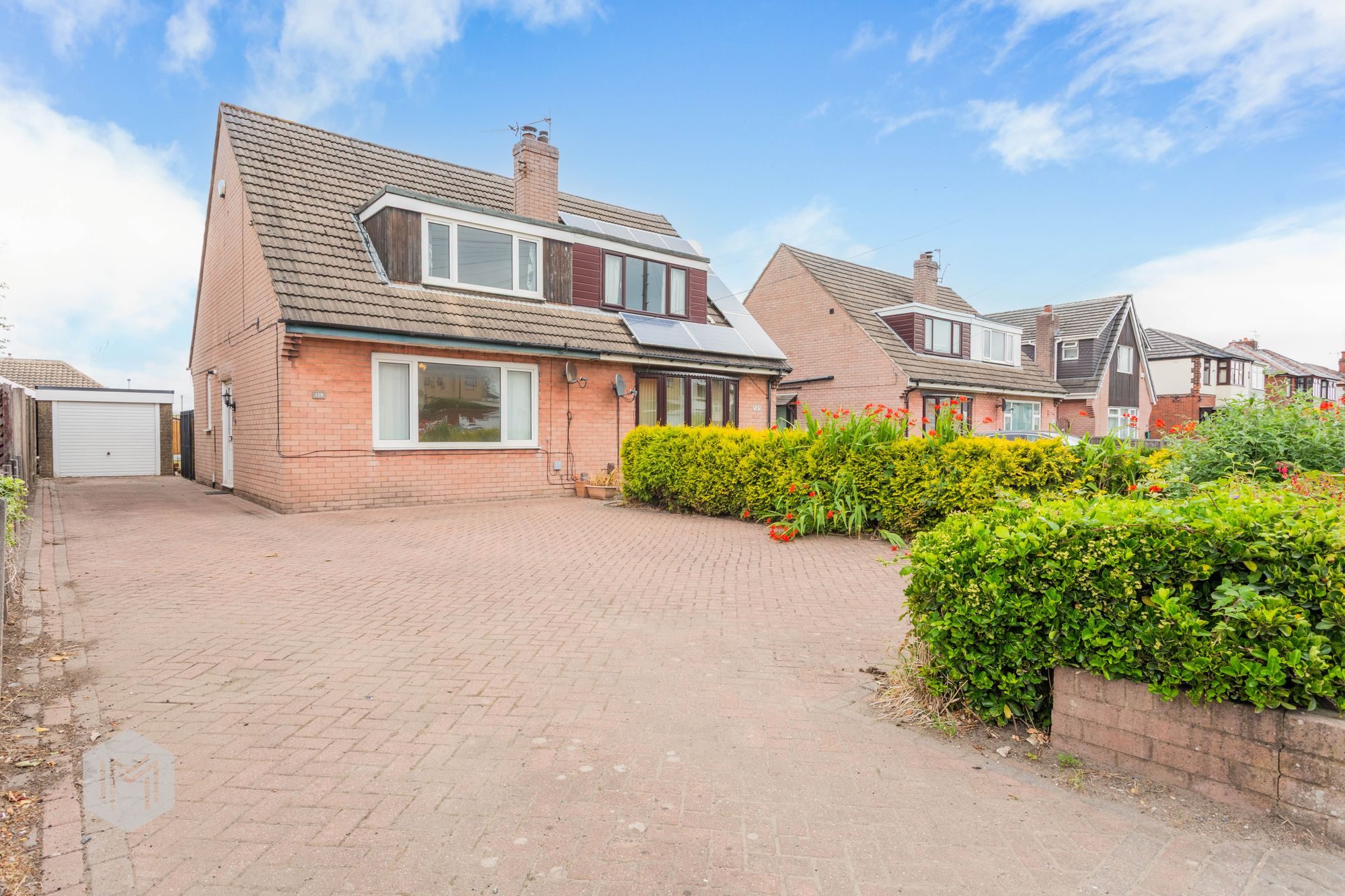
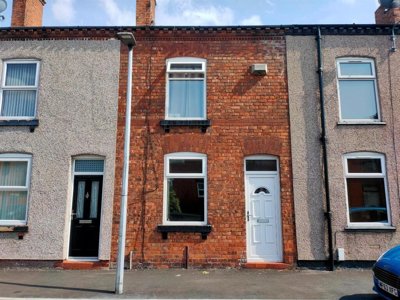
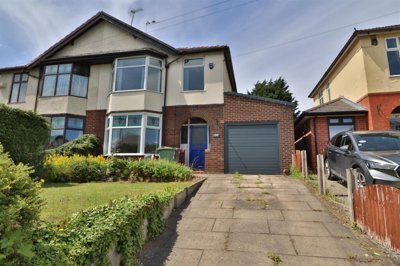
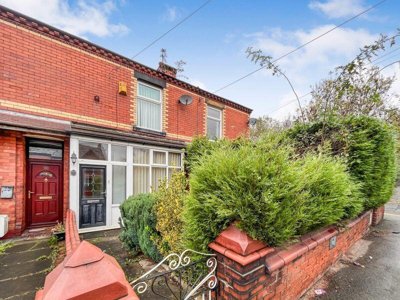
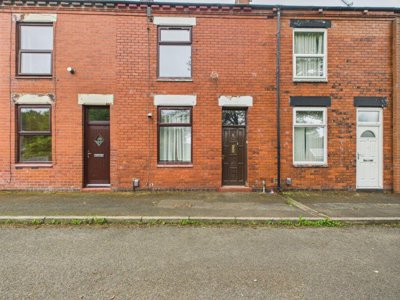
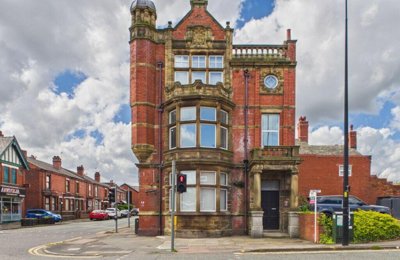
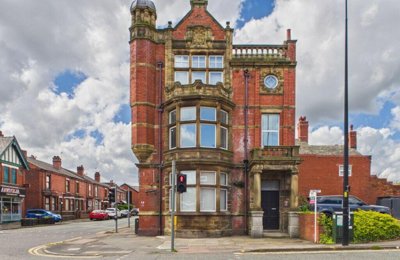
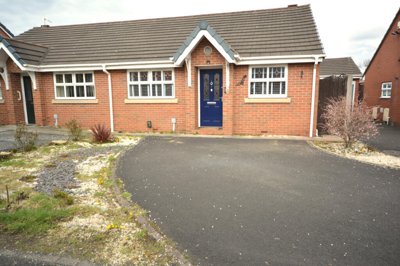
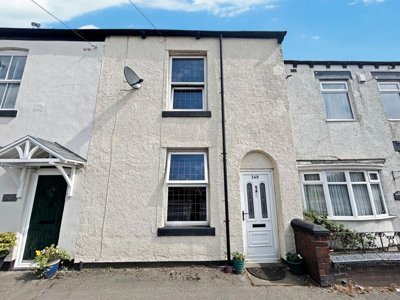
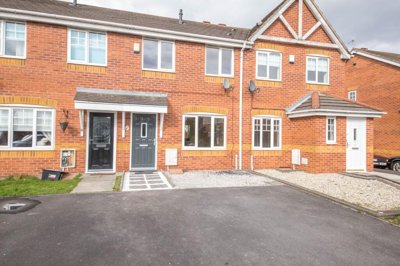
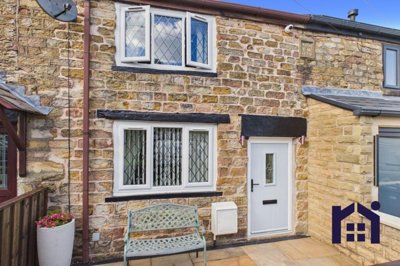
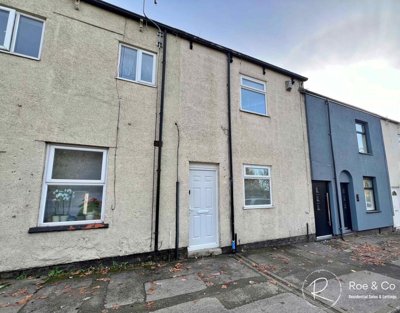
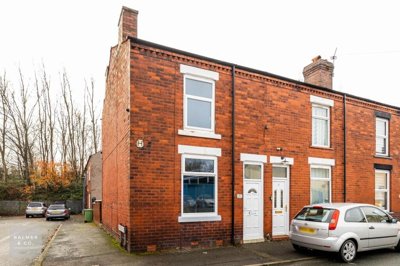
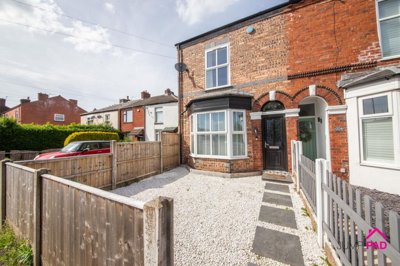
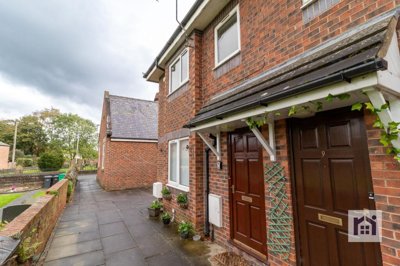
Browse 540 rental homes to rent in Wigan, Greater Manchester from local letting agents.
£850/m
107
1
60
Source: home.co.uk
Source: home.co.uk
Terraced
33 listings
Avg £858
Semi-Detached
16 listings
Avg £1,034
Flat
13 listings
Avg £731
Detached
9 listings
Avg £1,713
End of Terrace
8 listings
Avg £823
Apartment
7 listings
Avg £717
Semi-Detached Bungalow
4 listings
Avg £1,123
House Share
3 listings
Avg £544
Not Specified
3 listings
Avg £792
Ground Flat
2 listings
Avg £698
Source: home.co.uk
Source: home.co.uk
The rental market in Wigan offers exceptional value compared to many other parts of Greater Manchester, making it particularly appealing to first-time renters and families seeking more space for their money. The average rental price in Wigan stands at £1,519 pcm, with terraced properties typically ranging around £891, semi-detached homes at approximately £1,076, and larger detached properties reaching around £1,570. This relatively affordable purchase market translates into competitive rental prices, with flats available from around £763 in terms of monthly rent, meaning monthly rentals for apartments start very accessibly for the area. Over the last 12 months, rental prices in Wigan have remained stable, reflecting a steady market for tenants.
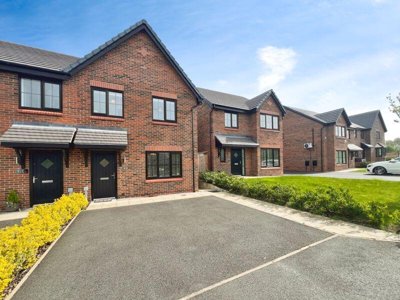
New build developments continue to expand the rental options available in Wigan, with several major housing developments bringing modern homes to the market. The Avenue development by Bellway off Warrington Road in Goose Green (WN3 6XD) offers 3 and 4-bedroom homes from £289,995, while David Wilson Homes' Winstanley Park development on Winstanley Road (WN3 6DA) provides larger 3, 4, and 5-bedroom properties from £1,445. Keepmoat Homes' Hawksley Place development also off Warrington Road offers more affordable new build options including 2, 3, and 4-bedroom homes from £836. These developments not only provide rental options but also contribute to the ongoing growth and regeneration of the Wigan area, attracting new residents and supporting local services.
The Wigan borough saw 1,775 property sales in the last 12 months, indicating active market conditions. Key employers driving housing demand include the logistics and distribution sector, with Wigan's strategic motorway location (M6, M61, M58) attracting large distribution centres. Retail employment at the Grand Shopping Centre and town centre regeneration projects, combined with public sector roles in the NHS, education, and local government, provide stable employment foundations. For renters, this economic diversity means consistent demand for rental properties across all property types.

Wigan is a town with deep roots in Britain's industrial past, yet it has successfully reinvented itself as a modern, welcoming place to call home. The borough is characterised by a strong sense of community, with residents often praising the friendly atmosphere and the way neighbours look out for one another. The local population stands at 329,300 according to the 2021 Census, with approximately 139,300 households spread across the town centre, suburban estates, and rural fringe areas. This mix creates a diverse community where everyone from young professionals to growing families and retirees can find their niche.
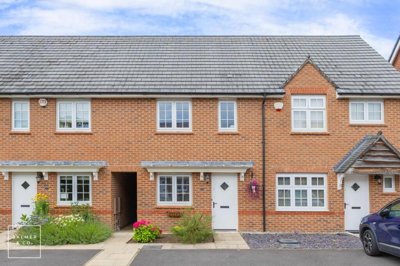
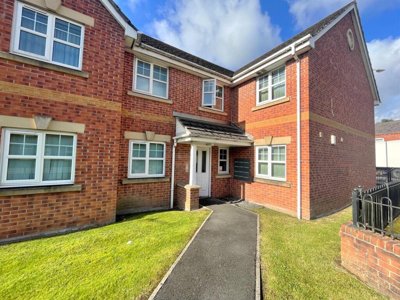
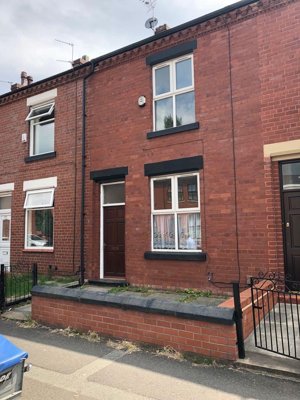
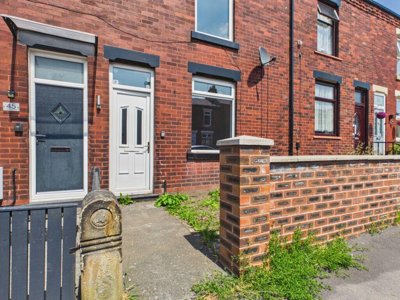
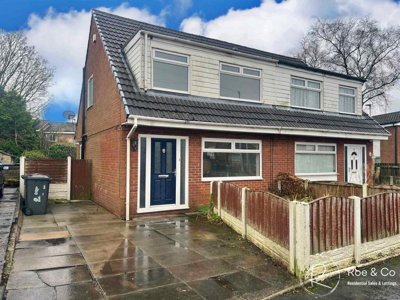
The character of Wigan's housing stock reflects its Victorian and Edwardian industrial heritage, with traditional red brick properties dominating many neighbourhoods. Terraced houses make up 30.2% of the housing stock, semi-detached properties account for 36.3%, while detached homes represent 20.3% and flats comprise 12.8%. Many streets feature characteristic brick-built homes with slate or tile roofs, often with generous gardens and proximity to local parks and green spaces. The town centre offers more contemporary apartment living, while suburban areas like Winstanley, Goose Green, and the surrounding villages provide a quieter, more residential feel.
Residents of Wigan enjoy access to excellent leisure facilities, shopping destinations, and cultural attractions. The Grand Shopping Centre and the recently regenerated town centre provide ample retail therapy, while The Edge entertainment complex offers cinema, restaurants, and leisure activities. For those who love the outdoors, Wigan has much to offer, from the scenic beauty of Haigh Hall and its woodland walks to the extensive network of canals that once transported coal from local mines. The borough also hosts popular events throughout the year, including the Wigan International Jazz Festival and various community celebrations that bring residents together.
Wigan's location within Greater Manchester provides residents with the best of both worlds - affordable housing within a major metropolitan county. The town's industrial heritage has left a distinctive architectural character, with many converted mills and warehouses now serving as unique residential properties. The Wigan Town Centre Conservation Area protects the historic character of the town centre, and numerous listed buildings throughout the borough showcase the architectural heritage from the town's prosperous industrial era.

For families considering renting in Wigan, the borough offers a comprehensive range of educational options from primary through to further education. The area is served by numerous primary schools, many of which have earned good or outstanding Ofsted ratings, providing young children with solid foundations in their education. Primary schools in Wigan include Standish Lower Ground St. Michael's CofE Primary, Wrightington Mossy Lea Primary, and Shevington Vale Primary, each serving their local communities with dedicated teaching staff and engaging curricula that focus on developing both academic abilities and personal skills.
Secondary education in Wigan includes several well-established schools that consistently achieve positive results and strong destinations for their leavers. St. Mary's Catholic High School, Cedar Cross Primary (feeding into various secondary options), and the Dean Trust schools provide secondary education across different areas of the borough. Many parents specifically seek rental properties within the catchment areas of high-performing schools, which can significantly influence where families choose to rent. The borough also benefits from grammar school options for academically able students, with Altrincham Grammar School for Boys and Altrincham Grammar School for Girls attracting students from across Greater Manchester through the selection process.
Beyond secondary education, Wigan offers further and higher education opportunities that keep students local for their studies. Wigan and Leigh College provides a wide range of vocational courses and apprenticeships, while the University of Wigan offers degree programmes and higher education qualifications closer to home. The availability of quality education at all levels makes Wigan an attractive option for families, and renters with school-age children should research specific school catchments before committing to a property, as admission policies can be catchment-area based and competition for places at popular schools can be strong.

Wigan boasts excellent transport connections that make it a practical base for commuters working across Greater Manchester and beyond. The town is served by Wigan North Western and Wigan Wallgate railway stations, offering frequent services to major destinations. Direct trains from Wigan North Western reach Manchester Piccadilly in approximately 35-45 minutes, while services to Liverpool Lime Street take around 40-50 minutes. London Euston is accessible via one change or direct services, with journey times of around two hours. This connectivity makes Wigan particularly attractive to renters who work in Manchester city centre but seek more affordable housing options than the capital offers.
The road network serving Wigan is equally impressive, with the M6 motorway passing close to the town and providing direct access to Birmingham, the Midlands, and the South. The M61 connects Wigan to Preston and the Lake District to the north, while the M58 provides links to the Liverpool area. For those who drive to work, rental properties with parking are often highly sought after, and availability varies significantly across different neighbourhoods. The bus network operated by Stagecoach and other providers connects Wigan town centre with surrounding suburbs and villages, offering an affordable alternative for those without cars.
For commuters who prefer cycling, Wigan has been investing in cycle infrastructure, with various bike paths and routes making cycling safer and more accessible. The Leeds and Liverpool Canal towpaths provide scenic routes for recreational cycling and commuting alike. Wigan is also served by the Manchester Metrolink tram system, with services extending to key locations across the wider region. Those considering renting in Wigan should factor in their typical commute patterns and the availability of suitable transport options from specific neighbourhoods, as journey times and convenience can vary considerably depending on location.

Contact local mortgage brokers or use Homemove's rental budget service to establish how much you can afford in monthly rent. Having a rental budget agreement in principle strengthens your position when making offers and helps estate agents and landlords take you seriously as a prospective tenant. This is particularly important in Wigan where rental prices vary significantly between Victorian terraces in the town centre and modern homes in developments like Winstanley Park or The Avenue.
Spend time exploring different areas of Wigan to find the neighbourhood that best suits your needs. Consider proximity to work, schools if you have children, local amenities, transport links, and the general character of each area from suburban residential streets to the more urban town centre environment. Each area has distinct characteristics - Standish offers village charm, while Ashton-in-Makerfield provides easy access to motorway networks.
Once you have identified suitable properties, contact the listing agent or landlord to arrange viewings. View multiple properties before making a decision, and take notes on condition, location, and any concerns. Ask about lease terms, included utilities, and the responsibilities of both tenant and landlord. For properties in Wigan's older housing stock, pay particular attention to signs of damp, roof condition, and the age of electrical and plumbing systems.
For older properties in Wigan, particularly those in mining-affected areas or with historical construction, we recommend an RICS Level 2 Survey. Survey costs in Wigan typically range from £400-£700 depending on property size and complexity. This investment can identify defects that might not be visible during a viewing, potentially saving you significant money and stress later. Given Wigan's geology on Carboniferous Coal Measures with clay-rich soils, a survey can assess foundation stability and any subsidence risks.
When you find your ideal property, submit a tenancy application promptly with all required documentation. This typically includes proof of identity, proof of income or employment, references from previous landlords, and your credit history. Using a tenant referencing service helps streamline this process. Be prepared to move quickly in competitive areas near good schools, as demand for rental properties in catchments like Standish and Shevington can be high.
Once your references have been checked and accepted, you will receive a tenancy agreement to review carefully before signing. Ensure you understand all terms including the deposit amount, rent payment schedule, length of tenancy, and notice periods. Your deposit will be protected in a government-approved scheme within 30 days of the tenancy starting. In Wigan, where a significant proportion of housing stock dates from the Victorian and Edwardian era, clarify responsibilities for maintaining older features and any restrictions on modifications.
Renting a property in Wigan comes with specific considerations that potential tenants should be aware of before committing to a tenancy. Given the town's industrial heritage, a significant proportion of the housing stock dates back 50 years or more, which means issues such as damp, outdated electrics, and roof condition require careful inspection. Older Victorian and Edwardian terraced properties, which make up a substantial portion of available rentals, may have solid walls rather than cavity walls, making them more susceptible to condensation and requiring different heating strategies to modern properties. Timber defects including woodworm and rot can affect older properties, particularly in poorly ventilated areas.
The geology of Wigan presents particular considerations for renters. The area sits on Carboniferous rocks including Coal Measures, with glacial till and boulder clay deposits creating shrink-swell soil conditions that can affect foundations over time. While most former coal mines are long closed, the mining legacy means some areas may be prone to ground instability and subsidence. Properties on clay soils can be susceptible to subsidence or heave, particularly if trees are nearby or drainage is poor. Prospective tenants should ask about the property's history and any previous structural issues, and consider requesting a mining search as part of their due diligence.
Flood risk is a consideration in parts of Wigan, with the River Douglas running through the area creating fluvial flood risk. Urbanised areas can experience surface water flooding during heavy rainfall when drainage is overwhelmed. Low-lying areas near watercourses are designated as flood zones. Conservation areas and listed buildings require additional consideration when renting in Wigan. The Wigan Town Centre Conservation Area protects the historic character of the town centre, and numerous listed buildings throughout the borough have special protections that affect what alterations tenants can make. If you are considering renting a property in a conservation area or a listed building, discuss any planned modifications with the landlord and local authority beforehand.

While specific rental price data varies based on property type, size, and location within Wigan, the broader property market provides useful context. Average rental prices in Wigan stand at £1,519 pcm, with terraced properties around £891, semi-detached homes at approximately £1,076, flats from around £763, and detached properties reaching £1,570. Rental prices typically correlate with property type, meaning smaller flats and terraced houses offer the most affordable monthly rents at around £620-£891, while larger family homes command higher rental figures at £1,077-£1,570. The Wigan rental market generally offers better value than central Manchester or surrounding commuter towns, making it an excellent choice for renters seeking space and affordability. With 628 active listings across the area, tenants have ample choice.
Council tax in Wigan is set by Wigan Metropolitan Borough Council, and bands range from A through to H depending on property value. Most terraced houses and smaller semi-detached properties in Wigan fall into bands A through C, which represent the lower end of the council tax scale and offer more affordable annual charges. Larger detached properties or those in more prestigious locations may be in higher bands. Prospective tenants should verify the council tax band for any property they are considering, as this forms part of the ongoing cost of renting alongside rent, utilities, and other expenses. You can check current council tax rates on the Wigan Metropolitan Borough Council website.
Wigan offers a strong selection of schools at all levels, with several primary and secondary schools achieving good or outstanding Ofsted ratings. Primary schools such as Standish Lower Ground St. Michael's CofE Primary and Wrightington Mossy Lea Primary are well-regarded by local families. At secondary level, St. Mary's Catholic High School and various Trust schools serve the borough, with grammar schools accessible through the selection process for academically able students. Wigan and Leigh College provides further education opportunities, and the University of Wigan offers higher education locally. Families should research specific school catchments, as admission policies are typically address-based and competition for places at popular schools can be strong.
Wigan benefits from excellent public transport connections that make commuting straightforward. Wigan North Western and Wigan Wallgate stations offer frequent rail services to Manchester (35-45 minutes), Liverpool (40-50 minutes), and beyond including direct services to London Euston taking around two hours. The extensive bus network operated by Stagecoach connects the town centre with suburbs like Winstanley, Standish, and surrounding villages. The M6, M61, and M58 motorways provide road connections across the region, making Wigan particularly attractive to commuters who work in Manchester or Liverpool but want more affordable housing with good transport links.
Wigan is an excellent choice for renters seeking affordable housing with good connectivity and amenities. The borough offers diverse rental properties from Victorian terraces to modern apartments, strong community spirit, excellent schools, and good transport links to major employment centres. The ongoing regeneration of the town centre continues to improve local facilities and attract investment. Key employers in logistics, retail, manufacturing, and the public sector provide stable employment. For those who work in Manchester or Liverpool but want more space and better value than city centre living provides, Wigan ticks many boxes. The combination of affordable rents, quality local services, and strong transport connections makes Wigan an increasingly popular choice for renters across all life stages.
When renting a property in Wigan, you will typically need to pay a security deposit equivalent to five weeks' rent, which is capped under the Tenant Fees Act 2019 for properties with annual rents below £50,000. This deposit must be protected in a government-approved scheme (such as Deposit Protection Service, MyDeposits, or TDS) within 30 days of the tenancy commencing, and you will receive it back at the end of the tenancy minus any deductions for damage or unpaid rent. You may also need to pay a holding deposit equivalent to one week's rent while references are being checked, which is deducted from your final move-in costs. Other permitted fees are limited, and landlords cannot charge for viewing applications or credit checks beyond reasonable costs. Always request a full breakdown of costs before committing to a property.
Given Wigan's significant Victorian and Edwardian housing stock, common defects in rental properties include damp issues such as rising damp, penetrating damp, and condensation, particularly in properties with solid walls rather than cavity wall construction. Roofing problems are frequent in older properties, with slate or tile deterioration, damaged flashing, and failing gutters causing leaks. Properties built on clay soils may show signs of subsidence or heave, especially where mining history has affected ground stability. Outdated electrical wiring in pre-1980 properties may need upgrading for safety compliance. Galvinised steel or lead pipework in older homes can be inefficient or prone to leaks. A professional survey can identify these issues before you commit to a tenancy.
While surveys are often associated with property purchases, renting a property in Wigan without understanding its condition can lead to unexpected costs and disputes with landlords. Given that around 30% of Wigan's housing stock consists of terraced properties dating from the Victorian and Edwardian eras, issues like damp, roof condition, and structural stability warrant investigation. A RICS Level 2 Survey in Wigan typically costs £400-£700 depending on property size, which is a worthwhile investment to identify defects that might not be visible during a viewing. This is particularly important in former coal mining areas where ground stability may be a concern. The survey report can also serve as a baseline condition document to compare against the check-out inventory when your tenancy ends.
Understanding the costs involved in renting a property in Wigan helps you budget accurately and avoid any surprises when you are ready to move. The most significant upfront cost is the security deposit, which is capped at five weeks' rent under the Tenant Fees Act 2019 for properties with annual rents below £50,000. This deposit must be protected in a government-approved scheme (such as Deposit Protection Service, MyDeposits, or TDS) within 30 days of the tenancy commencing, and you will receive it back at the end of the tenancy minus any deductions for damage or unpaid rent. Always document the property condition thoroughly at the start of your tenancy to protect yourself from unfair deductions.
You may also need to pay a holding deposit equivalent to one week's rent while your references and application are being processed. This holding deposit is typically deducted from your move-in costs if you proceed with the tenancy, but it can be retained by the landlord if you provide false information or withdraw without a valid reason after your offer is accepted. Other permitted payments are limited under the Tenant Fees Act, including reasonable amendment fees, capped utility payments, and rent. Landlords cannot charge fees for viewing properties, preparing tenancy agreements, or referencing unless these costs are genuinely incurred and are reasonable amounts.
Beyond the deposit and fees, you should budget for the first month's rent in advance, moving costs, and potentially the cost of a professional inventory check to document the condition of the property at the start of your tenancy. For properties in Wigan, particularly older Victorian or Edwardian homes, you may also want to invest in a rental budget agreement in principle and potentially a property survey to understand the condition of the property before committing. These upfront investments can save significant stress and money by identifying any issues early and ensuring you are fully prepared for the responsibilities of renting in this historic and diverse borough.

From 4.5%
Get a rental budget agreement in principle to strengthen your application
From £75
Comprehensive tenant referencing and credit checks
From £400
Professional property survey for older Wigan homes
From £75
Energy performance certificate for rental properties
Properties to Rent In London

Properties to Rent In Plymouth

Properties to Rent In Liverpool

Properties to Rent In Glasgow

Properties to Rent In Sheffield

Properties to Rent In Edinburgh

Properties to Rent In Coventry

Properties to Rent In Bradford

Properties to Rent In Manchester

Properties to Rent In Birmingham

Properties to Rent In Bristol

Properties to Rent In Oxford

Properties to Rent In Leicester

Properties to Rent In Newcastle

Properties to Rent In Leeds

Properties to Rent In Southampton

Properties to Rent In Cardiff

Properties to Rent In Nottingham

Properties to Rent In Norwich

Properties to Rent In Brighton

Properties to Rent In Derby

Properties to Rent In Portsmouth

Properties to Rent In Northampton

Properties to Rent In Milton Keynes

Properties to Rent In Bournemouth

Properties to Rent In Bolton

Properties to Rent In Swansea

Properties to Rent In Swindon

Properties to Rent In Peterborough

Properties to Rent In Wolverhampton

Enter your details to see if this property is within your budget.
Loans, cards, car finance
Estimated property budget
Borrowing + deposit
You could borrow between
Typical borrowing
Monthly repayment
Est. at 4.5%
Loan-to-value
This is an estimate only. Your actual budget may vary depending on interest rates, credit history, and personal circumstances. For an accurate affordability assessment, speak to one of our free mortgage advisors.

This calculator provides estimates for illustrative purposes only and does not constitute financial advice. Your home may be repossessed if you do not keep up repayments on your mortgage. Estimates based on 4.5% interest rate, repayment mortgage. Actual rates depend on your circumstances.
Homemove is a trading name of HM Haus Group Ltd (Company No. 13873779, registered in England & Wales). Homemove Mortgages Ltd (Company No. 15947693) is an Appointed Representative of TMG Direct Limited, trading as TMG Mortgage Network, which is authorised and regulated by the Financial Conduct Authority (FRN 786245). Homemove Mortgages Ltd is entered on the FCA Register as an Appointed Representative (FRN 1022429). You can check registrations at NewRegister or by calling 0800 111 6768.