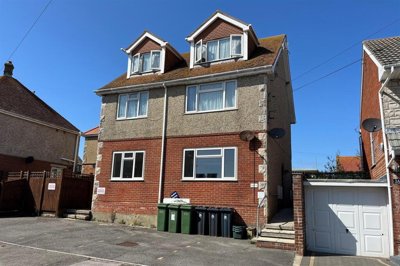
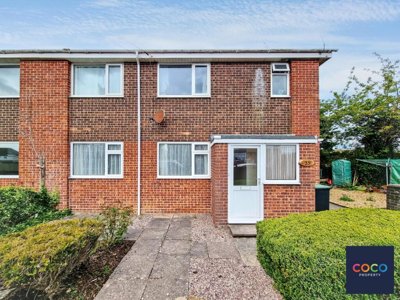
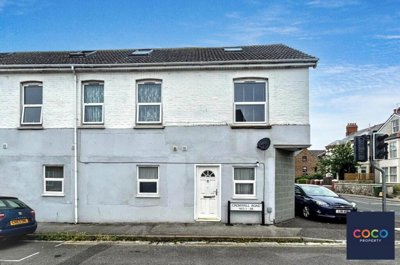
Browse 23 rental homes to rent in Weymouth, Dorset from local letting agents.
Studio apartments feature open-plan living spaces without separate bedrooms, incorporating sleeping, living, kitchen, and bathroom facilities. The Weymouth studio market includes properties in modern apartment complexes, converted Victorian and Georgian buildings, and purpose-built developments.
£900/m
8
0
36
Source: home.co.uk
Showing 8 results for Studio Flats to rent in Weymouth, Dorset. The median asking price is £900/month.
Source: home.co.uk
Flat
8 listings
Avg £866
Source: home.co.uk
Source: home.co.uk
The rental market in Weymouth reflects the broader property trends affecting the town, with average house prices sitting around the £290,000 to £300,000 mark according to recent data. This positions Weymouth as notably more affordable than many other coastal locations in the South of England, creating genuine opportunities for renters who might otherwise be priced out of seaside living. The town has experienced modest price adjustments in recent months, with some sources reporting decreases of around 4-5% compared to previous years, which has opened doors for new entrants to the rental market. According to Property Solvers data, Weymouth and Portland saw 763 residential property sales in the last twelve months, representing a decrease of approximately 15% relative to the previous year.
Property types available for rent span the full spectrum from Victorian terraces lining the historic streets near the harbour to modern apartments in purpose-built developments. Terraced properties dominate the sales market in the DT4 postcode area, suggesting similar patterns in the rental sector, while detached homes tend to command higher rents due to their relative scarcity. Flats represent the most accessible entry point for renters, with average prices significantly lower than terraced or detached options, making them popular among first-time renters and those seeking to maximise their budget in this desirable coastal location. The Bincomb Park development near Weymouth offers newerbuild options including 2 to 4 bedroom detached and semi-detached homes ranging from around £347,950 to £507,950, representing the upper end of the market for those seeking contemporary accommodation.
The average salary in Weymouth ranges between £25,000 and £37,500, reflecting the mix of tourism, retail, and service sector employment that characterises the local job market. Dorset has seen its population of residents aged 65-74 grow by over 26% between recent census periods, indicating the area's growing appeal to retirees seeking a peaceful coastal retirement. This demographic shift influences rental demand patterns, with some properties attracting interest from downsizers seeking single-level living while others appeal to families requiring more space. The prevalence of holiday lets and second homes in Dorset means that some areas of Weymouth experience significant seasonal population fluctuations during the summer tourist season.

Life in Weymouth revolves around its magnificent harbour and beach, which remain the heart and soul of the community throughout the year. The town centre offers a pleasing mix of independent shops, traditional pubs, and restaurants serving fresh local seafood, creating an atmosphere that feels distinctly British yet cosmopolitan enough to satisfy diverse tastes. The esplanade provides a scenic backdrop for evening strolls, while the Inner Harbour bustles with fishing boats, sailing vessels, and pleasure craft that give the town its enduring maritime character. The Nothe Gardens and Nothe Fort offer historic green spaces with panoramic views across Portland Harbour and Lyme Bay.
The local economy benefits significantly from tourism, with the Jurassic Coast World Heritage Site drawing visitors from around the globe to explore the remarkable geology and natural beauty of the area. This creates seasonal employment opportunities and supports a vibrant hospitality sector, though it also means that the population swells considerably during summer months. Weymouth's economy also benefits from its port facilities, with freight and ferry services connecting to the continent, while Portland Harbour provides facilities for sailing and watersports that attract enthusiasts throughout the sailing season. The town's lower crime rates compared to larger urban centres add to its appeal for families and those seeking a safe environment in which to rent property.
The Times recently ranked Weymouth 3rd in their list of the best areas to move to in Dorset when considering amenities, schools and lifestyle, providing independent validation of what local residents have long recognised. This recognition has contributed to growing interest from buyers and renters looking to relocate from more expensive urban areas, particularly those who can work remotely and do not necessarily need to be based in a major city. The combination of natural beauty, practical amenities, and relative affordability makes Weymouth an increasingly attractive option for those seeking to improve their quality of life without compromising on location.

Education provision in Weymouth serves families well across all stages, from primary through to further education, making the town a sensible choice for those with school-age children. Primary schools in the area include a mix of community schools and faith-based establishments, providing parents with options when selecting the right environment for their younger children. The town has several primary schools that have achieved good or outstanding Ofsted ratings, giving parents confidence in the foundation their children will receive before secondary education. Schools such as St Mary's Primary School and Weymouth Primary School serve the town centre and surrounding areas with established reputations for quality education.
Secondary education in Weymouth is served by secondary schools that prepare students for GCSEs and A-levels, with sixth form provision allowing teenagers to continue their education locally without the need to travel to larger towns. The Times recently ranked Weymouth highly for its educational offerings when compiling their list of best areas to move to in Dorset, recognising the efforts of local schools to maintain high standards. Families considering renting in Weymouth should research specific catchment areas, as school admissions are typically determined by geographic proximity, making the location of your rental property crucial for securing places at oversubscribed schools. Properties in the DT3 postcode area, which includes areas like Wyke Regis, often provide good access to popular secondary schools.
For families prioritising educational outcomes, the residential districts surrounding good schools tend to command premium rents, with terraced and semi-detached properties in school catchment areas particularly sought after during the academic year. The Preston and Broadwey areas offer family-friendly environments with access to primary schools and reasonable transport connections to secondary education establishments. Parents should verify current school admissions policies and catchment boundaries with Dorset Council, as these can change and may affect your eligibility for places at your preferred schools.

Weymouth benefits from direct rail connections to major destinations, with services running to London Waterloo via Southampton and Bournemouth, making it practical for commuters who need to travel to the capital regularly. The journey to London takes approximately 2.5 to 3 hours, positioning Weymouth within reasonable reach of the capital for those who can work remotely for part of the week or travel on an occasional basis. Local train services also connect Weymouth to other Dorset towns and the wider south coast, opening up employment opportunities in surrounding areas including Dorchester, Poole, and Bournemouth.
Road connections from Weymouth include the A354 which links the town to the A35 trunk road running through Dorchester and onwards to Exeter and the M5 motorway. The journey to Bournemouth takes approximately 45 minutes by car, while Poole and Sandbanks can be reached within an hour, giving residents access to larger urban centres for work or leisure. Local bus services provided by First Dorset and other operators offer routes across the town and to surrounding villages, making car ownership less essential for those living close to main transport corridors. The ferry port at Portland offers connections to the continent for those seeking European adventures or international travel options.
For renters who work locally, Weymouth town centre and the industrial areas near Portlands provide employment in retail, hospitality, and service sectors within easy reach of most residential areas. Those commuting further afield may find that the train station on Royal Clarence Square offers convenient parking options for those driving to the station. The relatively compact nature of Weymouth means that cycling is viable for many local journeys, with dedicated cycle paths along the seafront making beach and harbour access straightforward for residents of most neighbourhoods.

Before viewing properties, obtain a rental budget agreement in principle from a lender to understand exactly what you can afford. Landlords in Weymouth will expect to see proof of income and may request references from previous landlords. Having your financial documentation ready demonstrates to landlords that you are a serious and financially capable applicant in a competitive rental market where desirable properties can attract multiple interested parties.
Spend time exploring different areas of Weymouth to find the neighbourhood that best suits your lifestyle needs. Consider proximity to work, schools, amenities, and the beach when evaluating different streets and districts. The DT4 postcode covers the town centre and harbour areas, while DT3 extends to districts like Wyke Regis and Preston on the western side of the town. Each area offers distinct character, rental price points, and access to local facilities.
Once you have identified suitable properties, schedule viewings to assess the condition and character of available rentals. Take notes on the property state, ask about the lease terms, and enquire about any restrictions on pets or smoking. Pay particular attention to the condition of windows, doors, plumbing, and any signs of damp or maintenance issues that might indicate larger problems.
When you find a property you wish to rent, submit your application promptly as desirable properties can attract multiple interested parties. Provide all required documentation including ID, proof of income, and references to support your application. Standard referencing fees typically apply, and some landlords may request a holding deposit to secure the property while references are checked.
Carefully review the tenancy agreement before signing, paying particular attention to the deposit amount, lease length, notice periods, and any specific conditions attached to the rental. Ask for clarification on anything you do not understand. In England, deposits are capped at five weeks rent and must be protected in a government-approved Tenancy Deposit Protection scheme.
Arrange for inventory checks, utility transfers, and mail redirection before taking possession of your new Weymouth home. Document the property condition thoroughly with dated photographs to protect your deposit when you eventually move out. Contact local utility providers to set up accounts for gas, electricity, and water, and notify your bank and other important contacts of your change of address.
Prospective renters in Weymouth should pay particular attention to flood risk considerations, given the town's location on the coast and alongside the River Wey. While the town has benefited from improved flood defences over the years, certain low-lying areas near the harbour and river may carry elevated risk during periods of heavy rainfall or storm surge conditions. Discussing flood history with current tenants and reviewing any available flood risk assessments can help you make an informed decision before committing to a rental property in these locations. Properties closer to higher ground, such as those on the hillsides overlooking the town centre, may offer reduced flood risk but typically command higher rents.
The prevalence of holiday lets and second homes in Dorset means that some areas of Weymouth experience significant seasonal population fluctuations during the summer tourist season. This can affect parking availability, noise levels, and the atmosphere of certain neighbourhoods throughout the year. Consider whether proximity to tourist areas appeals to you or whether you would prefer a quieter residential district away from the main visitor hotspots. The balance between accessibility to amenities and peaceful living space is an important consideration when selecting your rental property in this coastal town. Areas like Preston and Broadwey tend to maintain a steadier year-round population compared to those directly adjacent to the harbour and beach.
When viewing rental properties in Weymouth, take time to assess the condition of the property and its fixtures, asking the landlord or letting agent about any recent maintenance or renovations. Older properties in Weymouth may have solid walls and traditional construction that behaves differently from modern buildings, particularly regarding ventilation and insulation. Flats in purpose-built developments may offer more consistent thermal performance but could have service charges and leasehold considerations that affect overall costs. Request copies of the Energy Performance Certificate to understand the property's energy efficiency rating and potential heating costs.

While comprehensive rental price data for Weymouth is more limited than sales figures, the market reflects the broader property values in the town where average house prices sit around £290,000 to £300,000 according to data from Zoopla, Rightmove, and Property Solvers. Flats and one-bedroom properties represent the most affordable rental options, typically renting for significantly less than terraced properties which average around £250,000 to £260,000 in the DT4 postcode area. Detached family homes command premium rents due to their relative scarcity in the town, with the DT3 postcode area tending to offer more detached properties than the town centre. The summer tourist season can influence short-term rental prices significantly, though long-term residential tenancies typically remain stable throughout the year.
Council tax bands in Weymouth are set by Dorset Council, with properties falling into bands A through H depending on their assessed value. Band A properties carry the lowest annual charges while Band H attracts the highest council tax rates. Most terraced properties and smaller flats in Weymouth fall into the lower bands, making them more affordable for renters on modest incomes. You can verify the specific band for any property through the Dorset Council website using the property address, which is useful for budgeting purposes before committing to a tenancy. Council tax payments are typically spread across ten months with a two-month holiday period, though this can vary depending on your payment arrangement with the council.
Weymouth offers solid educational provision across primary and secondary levels, with several schools receiving good or outstanding ratings from Ofsted inspectors. Primary schools such as St Mary's Primary School and Weymouth Primary School serve the town centre and surrounding areas, while secondary options include schools that prepare students well for further education. The town's educational performance contributed to Weymouth ranking 3rd in The Times list of best areas to move to in Dorset, reflecting strong provision across early years and secondary education. Parents should research specific catchment areas as school admissions are determined by geographic proximity, making the location of your rental property crucial for securing places at oversubscribed schools.
Weymouth is served by regular train services connecting the town to London Waterloo, Southampton, Bournemouth, and other destinations along the south coast, with journey times to the capital of approximately 2.5 to 3 hours. Local bus services operated by First Dorset and other providers offer routes across the town and to surrounding villages, though having a car remains advantageous for those living in more peripheral areas. The nearest major airport is Bournemouth Airport, approximately 45 minutes away by car, offering flights to various European destinations, while Exeter Airport provides a wider range of international flights within reach for Weymouth residents seeking longer-haul travel options.
Weymouth offers excellent value for renters seeking coastal living in Dorset, particularly when compared to more expensive locations like Sandbanks or central Bournemouth where property prices can be considerably higher. The town combines natural beauty including the Jurassic Coast World Heritage Site, good amenities, and reasonable property prices in a package that appeals to families, remote workers, and retirees alike. Recent recognition by The Times as one of Dorset's best areas to move to reflects growing awareness of the town's quality of life advantages, making it an increasingly popular choice for renters looking to relocate from more expensive urban areas. The relatively lower crime rates and strong sense of community add to Weymouth's appeal as a place to call home.
Standard practice in Weymouth requires a security deposit equivalent to five weeks rent, held in a government-approved Tenancy Deposit Protection scheme throughout your tenancy to safeguard both tenant and landlord interests. Tenants should budget for an upfront holding deposit to secure a property, which is typically offset against the main security deposit upon signing the tenancy agreement. Additional costs may include referencing fees, administration charges, and inventory check fees, though regulations have limited the upfront costs landlords can charge under the Tenant Fees Act. First-time renters should also budget for moving costs, utility connection fees, and potential purchase of furniture if letting an unfurnished property.
Family-friendly areas in Weymouth include the residential districts of Wyke Regis, Preston, and Broadwey, which offer good access to schools, parks, and family amenities including local shops and healthcare facilities. These areas feature a mix of terraced houses, semi-detached properties, and detached family homes at various rental price points, with the DT3 postcode offering particular variety in housing stock. The town centre suits those who prioritise walkability and access to the harbour and beach, while outer districts provide more space and quieter environments for children to play. Researching school catchment areas is essential for families, as this will significantly influence which neighbourhood best suits your needs and your children's educational opportunities.
Certain areas of Weymouth carry elevated flood risk due to the town's coastal position and proximity to the River Wey, with local authorities have noted calls for improved flood defences along the river. Properties in low-lying areas near the harbour, particularly those close to the river mouth and low-lying coastal areas, may face increased risk during extreme weather events or high spring tides. Landlords are required to provide an Energy Performance Certificate before renting, though flood risk assessments are separate documentation that tenants can request to review before committing to a property. Properties on higher ground in areas like Sutton Poyntz or on the hillside areas overlooking the town generally offer lower flood risk profiles.
The Weymouth rental market offers a diverse range of property types to suit different budgets and lifestyles. Victorian terraces near the harbour and town centre provide characterful accommodation with original features, often at mid-range rental prices. Modern apartments in purpose-built developments offer low-maintenance living with contemporary fittings, particularly popular among young professionals and those seeking sea views. Semi-detached family homes in residential areas like Preston and Broadwey provide more outdoor space and parking, while detached properties remain relatively scarce and command premium rents. Flats represent the most accessible entry point to the rental market, with average values in the DT4 postcode area around £175,000 to £180,000 in the sales market, translating to lower rental costs compared to houses.
From 4.5%
Get your finances in order before renting
From £29.99
Verify your rental history and affordability
From £85
Check energy performance ratings for rental properties
From £350
Professional survey for your potential new home
Renting a property in Weymouth involves several upfront costs that first-time renters should budget for carefully to avoid financial surprises during the moving process. The standard security deposit in England is capped at five weeks rent, held in a government-approved Tenancy Deposit Protection scheme to safeguard both tenant and landlord interests. This deposit is returned at the end of the tenancy, minus any deductions for damage beyond normal wear and tear or unpaid rent, so documenting the property condition at check-in is essential. The main government-approved schemes are the Deposit Protection Service, MyDeposits, and the Tenancy Deposit Scheme.
Additional costs to factor into your moving budget include holding deposits to secure a property, referencing fees to verify your income and rental history, and inventory check fees to establish the condition of fixtures and fittings. Some landlords offer furnished properties which reduce the need to purchase furniture, while unfurnished lets provide a blank canvas but require greater initial investment. The Tenant Fees Act 2019 limits what landlords and letting agents can charge tenants, with holding deposits capped at one week's rent and most other fees now banned. Getting a rental budget agreement in principle before starting your property search is strongly recommended, as this demonstrates to landlords that you are a serious and financially capable applicant in a competitive rental market.
When budgeting for your move to Weymouth, remember to account for council tax which varies by property band, utility connection fees for new accounts, and potential costs for contents insurance to protect your belongings. If you are moving from outside the area, factor in travel costs for property viewings and the eventual cost of moving your belongings. Setting aside a contingency fund equivalent to at least one month's rent is prudent for unexpected expenses in the early weeks of your tenancy.

Properties to Rent In London

Properties to Rent In Plymouth

Properties to Rent In Liverpool

Properties to Rent In Glasgow

Properties to Rent In Sheffield

Properties to Rent In Edinburgh

Properties to Rent In Coventry

Properties to Rent In Bradford

Properties to Rent In Manchester

Properties to Rent In Birmingham

Properties to Rent In Bristol

Properties to Rent In Oxford

Properties to Rent In Leicester

Properties to Rent In Newcastle

Properties to Rent In Leeds

Properties to Rent In Southampton

Properties to Rent In Cardiff

Properties to Rent In Nottingham

Properties to Rent In Norwich

Properties to Rent In Brighton

Properties to Rent In Derby

Properties to Rent In Portsmouth

Properties to Rent In Northampton

Properties to Rent In Milton Keynes

Properties to Rent In Bournemouth

Properties to Rent In Bolton

Properties to Rent In Swansea

Properties to Rent In Swindon

Properties to Rent In Peterborough

Properties to Rent In Wolverhampton

Enter your details to see if this property is within your budget.
Loans, cards, car finance
Estimated property budget
Borrowing + deposit
You could borrow between
Typical borrowing
Monthly repayment
Est. at 4.5%
Loan-to-value
This is an estimate only. Your actual budget may vary depending on interest rates, credit history, and personal circumstances. For an accurate affordability assessment, speak to one of our free mortgage advisors.
This calculator provides estimates for illustrative purposes only and does not constitute financial advice. Your home may be repossessed if you do not keep up repayments on your mortgage. Estimates based on 4.5% interest rate, repayment mortgage. Actual rates depend on your circumstances.
Homemove is a trading name of HM Haus Group Ltd (Company No. 13873779, registered in England & Wales). Homemove Mortgages Ltd (Company No. 15947693) is an Appointed Representative of TMG Direct Limited, trading as TMG Mortgage Network, which is authorised and regulated by the Financial Conduct Authority (FRN 786245). Homemove Mortgages Ltd is entered on the FCA Register as an Appointed Representative (FRN 1022429). You can check registrations at NewRegister or by calling 0800 111 6768.