Powered by Home

Flats To Rent in West Suffolk

Browse 124 rental homes to rent in West Suffolk from local letting agents.

124 listings West Suffolk Updated daily

Studio apartments feature open-plan living spaces without separate bedrooms, incorporating sleeping, living, kitchen, and bathroom facilities. The West Suffolk studio market includes properties in modern apartment complexes, converted Victorian and Georgian buildings, and purpose-built developments.

The Rental Market in West Suffolk

West Suffolk's private rented sector accommodates approximately 22.4% of households, representing a substantial portion of the housing market that serves residents who prefer or require rental accommodation. The district's housing stock includes a variety of property types, from terraced homes (the most common dwelling type in the area) to detached family houses and purpose-built flats, with rental prices reflecting this diversity. Our data shows that property values across West Suffolk average £296,000 for all types, while detached properties command around £450,000 and flats average £147,000, providing context for the rental market that draws from these sale values.

The presence of US Air Force personnel stationed at RAF Mildenhall and RAF Lakenheath significantly influences the local rental market, creating consistent demand particularly for family homes and properties offering good transport links. This demand, combined with economic growth linked to Cambridge and the burgeoning life sciences sector near the Cambridgeshire border, has contributed to rising rents and increased competition for quality rental properties in desirable locations. New build developments such as Saffron Fields in Red Lodge and The Parklands in Haverhill continue to expand the housing stock, offering renters newer options including two, three, and four-bedroom homes from developers like Crest Nicholson and Redrow.

Find Rentals West Suffolk

Living in West Suffolk

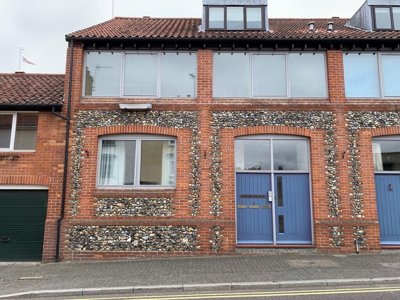
West Suffolk encompasses a diverse landscape of rolling chalk plains overlaid with fertile boulder clay, creating the classic Suffolk countryside of open fields, ancient woodlands, and picturesque villages that have changed little over centuries. The area contains approximately 2,900 listed buildings, including nearly 100 Grade I listed structures such as the magnificent Abbey ruins in Bury St Edmunds and Ickworth House, testament to the historic significance of this part of Suffolk. Towns and villages throughout the district feature traditional building materials including soft red brick, timber framing, render, and flint, with roofs commonly clad in clay pantiles or thatch, giving West Suffolk's settlements their distinctive character.

The district's economy supports a variety of lifestyles, with tourism centred on Bury St Edmunds' heritage attractions, the prestigious horseracing industry in Newmarket, and growing technology and life sciences sectors attracting professional residents. West Suffolk is home to 7,300 businesses including 25 large and 130 medium-sized enterprises, providing employment across manufacturing, renewables, and service industries. The population grew by 5.3% between 2011 and 2021, reaching 179,951 residents, with household numbers increasing even faster at 10.6%, reflecting the area's growing appeal as a place to live and work beyond the major cities. Community life revolves around market towns offering independent shops, traditional pubs, and regular markets, while numerous conservation areas including Clare, Brandon, and Barton Mills preserve the architectural heritage that makes West Suffolk villages so distinctive.

Rental Search West Suffolk

Schools and Education in West Suffolk

Families renting in West Suffolk have access to educational options spanning all levels, from primary schools in village communities to secondary schools serving wider catchment areas. Bury St Edmunds alone contains approximately one-third of the 3,200 listed buildings in the former St Edmundsbury borough, illustrating the historic nature of the main towns where schools often operate from characterful buildings in established residential areas. The West Suffolk College provides further education opportunities, while secondary school pupils may travel to established institutions including King Edward VI School in Bury St Edmunds, a foundation with considerable history and academic reputation.

Newmarket's educational landscape is shaped by its position as Britain's horse racing capital, with dedicated training facilities and colleges offering qualifications in equestrian studies alongside traditional academic routes. Primary education across West Suffolk's villages and towns includes schools in communities such as Clare, Haverhill, and Mildenhall, serving local catchment areas with varying capacities depending on population density. Parents seeking rental properties should research specific school catchment areas and admissions policies, as availability for primary school places can be competitive in more popular locations. Secondary education options include both comprehensive schools and grammar school provision depending on specific locations within the district, with transport arrangements often necessary for families living in smaller villages.

Rental Properties West Suffolk

Transport and Commuting from West Suffolk

West Suffolk's transport connections serve both local movement within the district and longer-distance commuting to employment centres including Cambridge, Ipswich, and London. The West Anglia Main Line provides rail access from towns including Bury St Edmunds and Cambridge, with journey times to Cambridge typically around 30-40 minutes, making West Suffolk attractive to commuters working in the thriving Cambridge economy. Newmarket station offers connections to Cambridge and Peterborough, while the district's position between the A14 trunk route and A11 provides road access to Cambridge to the west and Ipswich to the east.

Bus services connect smaller villages and towns throughout West Suffolk, though frequencies vary considerably between more populated areas and rural settlements, making car ownership practically essential for many residents outside the main towns. The A14 corridor through Suffolk provides HGV-friendly routes connecting Felixstowe port with the Midlands, generating employment in logistics and distribution locally. For renters working at the US Air Force bases, proximity to RAF Mildenhall and RAF Lakenheath influences property desirability and rental values in surrounding areas including Mildenhall, Brandon, and along routes toward Cambridge. Cyclists benefit from quieter country lanes in rural areas, though longer distances between amenities mean cycling is less practical for everyday needs compared to urban living.

Renting Guide West Suffolk

How to Rent a Home in West Suffolk

1

Get Your Rental Budget in Principle

Before viewing properties, obtain a rental budget agreement in principle that confirms how much rent you can afford. This document demonstrates financial capability to landlords and letting agents without affecting your credit rating. Renting in West Suffolk can cost anywhere from around £700 per month for a flat to £1,500 or more for a larger family home, so understanding your budget helps narrow your search effectively.

2

Research West Suffolk Neighbourhoods

Explore different areas within West Suffolk to find the location that best suits your lifestyle and requirements. Consider proximity to your workplace, schools if you have children, public transport options, and local amenities. Bury St Edmunds offers the most comprehensive facilities, while towns like Clare, Newmarket, and Haverhill each have distinct characters and varying rental prices.

3

Arrange and Attend Property Viewings

Once you have identified suitable properties, arrange viewings through Homemove to see rental homes in person. View multiple properties before making a decision, paying attention to condition, storage space, parking availability, and any features specific to West Suffolk properties such as thatched roofs or historic building features that may require more maintenance.

4

Book a Property Survey if Needed

For rental properties, particularly those in older buildings, consider whether a survey would provide useful information about condition. RICS Level 2 Surveys in the Bury St Edmunds area typically range from £420 to £1,550 depending on property size. While surveys are less common for rentals than purchases, they can identify issues like damp, subsidence risk from local clay soils, or roof defects that might affect your decision.

5

Understand Your Tenancy Agreement

Once you have selected a property, carefully review the tenancy agreement before signing. Ensure you understand the deposit protection scheme that will hold your deposit, the length of the tenancy, notice periods, and any restrictions on pets or modifications. West Suffolk's numerous conservation areas may have additional considerations for tenants regarding exterior changes.

6

Complete Your Move

Arrange buildings insurance (which is the tenant's responsibility in most cases), set up utility accounts, and conduct a detailed inventory check-in with your landlord. Document the property's condition thoroughly at the start of your tenancy to protect your deposit when you eventually move out.

What to Look for When Renting in West Suffolk

Renting properties in West Suffolk requires attention to specific local factors that may not be apparent in other areas of the country. The district's underlying geology means that properties built on boulder clay soils face potential subsidence risk during dry periods, as the clay shrinks and swells with moisture changes. This is particularly relevant for older properties with shallower foundations, so ask about the property's construction date and any history of structural issues or underpinning. Properties in areas like Bury St Edmunds and Newmarket that experience groundwater flooding require particular caution, so check whether the property has experienced flooding and what flood prevention measures exist.

West Suffolk's rich heritage brings benefits in terms of character and architectural interest, but also considerations for renters. Properties in the district's numerous conservation areas (including Ampton, Bardwell, Barnham, Barton Mills, Brandon, Clare, Coney Weston, Dalham, and Lidgate) may have restrictions on modifications you can make without consent. Buildings constructed with traditional materials including timber frames, clay lump, and lime mortar require different care than modern properties, so understand your responsibilities for ventilation and maintenance to avoid issues like condensation damp. Energy efficiency varies considerably in older properties, with many lacking cavity wall insulation and potentially featuring single glazing, affecting heating costs.

Tenants should also consider practical matters including parking availability (particularly important in towns and villages where street parking may be limited), broadband connectivity (which can vary significantly between more rural locations and larger towns), and the location of nearest GP surgeries and hospitals, as healthcare facilities may require travel from smaller villages. Properties near the US Air Force bases may experience additional aircraft noise, which is worth assessing during viewings at different times of day.

Rental Market West Suffolk

Frequently Asked Questions About Renting in West Suffolk

What is the average rental price in West Suffolk?

Specific rental price data for West Suffolk varies considerably by property type and location. Flats in the area typically start from around £700 per month, while three-bedroom houses in towns like Bury St Edmunds or Newmarket often range from £1,000 to £1,400 monthly. Larger detached properties and homes in the most desirable villages can command higher rents. The sale values in West Suffolk (averaging £296,000 overall, with detached properties at £450,000 and flats at £147,000) provide context for rental levels, as landlords typically seek rental yields that reflect their investment and operating costs. Demand from US Air Force personnel and Cambridge commuters maintains strong rental demand across the district.

What council tax band are properties in West Suffolk?

Council tax bands in West Suffolk are set by West Suffolk Council, with bands ranging from A (the lowest) to H (the highest) based on property value. The district encompasses properties of all ages and types, from listed buildings and thatched cottages in conservation villages to modern new-build homes in developments like Saffron Fields in Red Lodge. You can check the specific council tax band for any property through the Valuation Office Agency website, and West Suffolk Council's website provides current council tax rates and any applicable discounts for single occupancy or other circumstances.

What are the best schools in West Suffolk?

West Suffolk offers educational options at all levels, with primary schools serving local communities throughout the district's towns and villages. Key secondary schools include King Edward VI School in Bury St Edmunds, with the town also hosting West Suffolk College for further education. Newmarket's educational provision includes options both for general secondary education and specialised equestrian pathways reflecting the local racing industry. School performance data and Ofsted ratings should be consulted for current information, and parents should verify catchment areas as these determine school placement for rental properties. Transport arrangements may be necessary for secondary education in more rural locations.

How well connected is West Suffolk by public transport?

Public transport connectivity in West Suffolk varies significantly between the main towns and more rural villages. Bury St Edmunds provides the most comprehensive bus services and rail connections via the West Anglia Main Line, with Cambridge accessible within around 40 minutes by train. Newmarket station offers connections to Cambridge and Peterborough, while Haverhill has bus services connecting to Cambridge and Bury St Edmunds. However, smaller villages throughout the district often rely on limited bus services, making car ownership practically essential for many residents. The A14 and A11 roads provide the main road connections to Cambridge and Ipswich respectively.

Is West Suffolk a good place to rent in?

West Suffolk offers an attractive quality of life for renters, combining access to beautiful Suffolk countryside with practical amenities in historic market towns. The area's strong economy, diverse employment including the horseracing industry, US Air Force bases, technology sectors, and growing life sciences cluster near Cambridge provides job security for residents. Population growth of 5.3% since 2011 reflects increasing desirability, though this also means competitive rental markets in popular locations. The district offers good access to Cambridge for those working there, while maintaining a more affordable cost of living than the city itself. Historic towns like Bury St Edmunds provide cultural amenities, independent shopping, and dining options that support a comfortable lifestyle.

What deposit and fees will I pay on a rental property in West Suffolk?

Standard deposits for rental properties in West Suffolk typically amount to five weeks' rent, which is capped under the Tenant Fees Act 2019. This means if your monthly rent is £1,000, your deposit would be £1,250. Your deposit must be protected in a government-approved scheme (Tenancy Deposit Protection) within 30 days of receiving it, and you should receive information about which scheme holds your money. Holding deposits (typically one week's rent) may be requested to reserve a property while references are checked, though these are normally offset against your first month's rent or returned if you do not proceed. Other permitted fees are limited, so be cautious of any landlord or agent requesting payments beyond the legal limits.

Rental Costs and Deposits in West Suffolk

Understanding the full cost of renting in West Suffolk helps you budget accurately and avoid surprises during your tenancy. Beyond monthly rent, renters should budget for a security deposit (capped at five weeks' rent under the Tenant Fees Act), a holding deposit if applicable (typically one week's rent), and the first month's rent in advance. Moving costs including removal van hire or professional movers should also be factored in, along with potential furniture purchases if renting an unfurnished property. Utility setup costs including gas, electricity, water, and broadband can add up quickly when moving into a new home.

Renting older properties in West Suffolk's villages and conservation areas may involve additional considerations for your budget. Properties with thatched roofs, historic features, or timber construction may have higher maintenance expectations, and understanding your responsibilities versus the landlord's in the tenancy agreement is important. Energy costs vary significantly between older uninsulated properties and modern new-builds, with older terraced cottages and period properties potentially incurring higher heating bills during Suffolk's cold winters. The average household size in West Suffolk is 2.28 people, and properties are typically sized accordingly, so consider whether a smaller rental property might meet your needs at lower cost than seeking larger accommodation.

Getting a rental budget in principle before property viewings gives you a clear picture of your financial capacity and demonstrates your seriousness to landlords in West Suffolk's competitive rental market. This free or low-cost step, available through Homemove's partner services, provides a certificate showing the rental amount you can afford based on your income and circumstances. With demand for quality rental properties remaining strong due to US Air Force personnel, Cambridge commuters, and local residents seeking flexibility, having your finances organised positions you favourably when applying for properties in desirable locations like Bury St Edmunds, Newmarket, and the villages between them.

Find Rentals West Suffolk

Browse Homes to Rent Across the UK

Terms of use Privacy policy All rights reserved © homemove.com | Properties to Rent » England » West Suffolk

Homemove is a trading name of HM Haus Group Ltd (Company No. 13873779, registered in England & Wales). Homemove Mortgages Ltd (Company No. 15947693) is an Appointed Representative of TMG Direct Limited, trading as TMG Mortgage Network, which is authorised and regulated by the Financial Conduct Authority (FRN 786245). Homemove Mortgages Ltd is entered on the FCA Register as an Appointed Representative (FRN 1022429). You can check registrations at NewRegister or by calling 0800 111 6768.