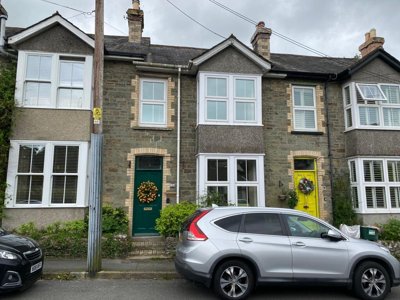
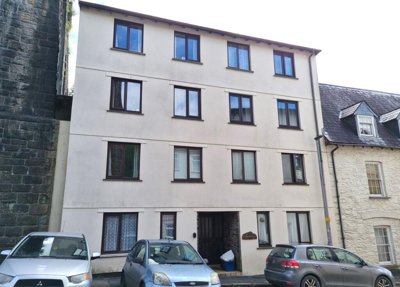
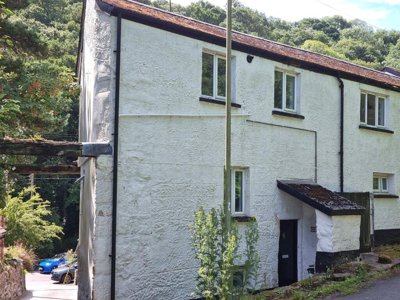
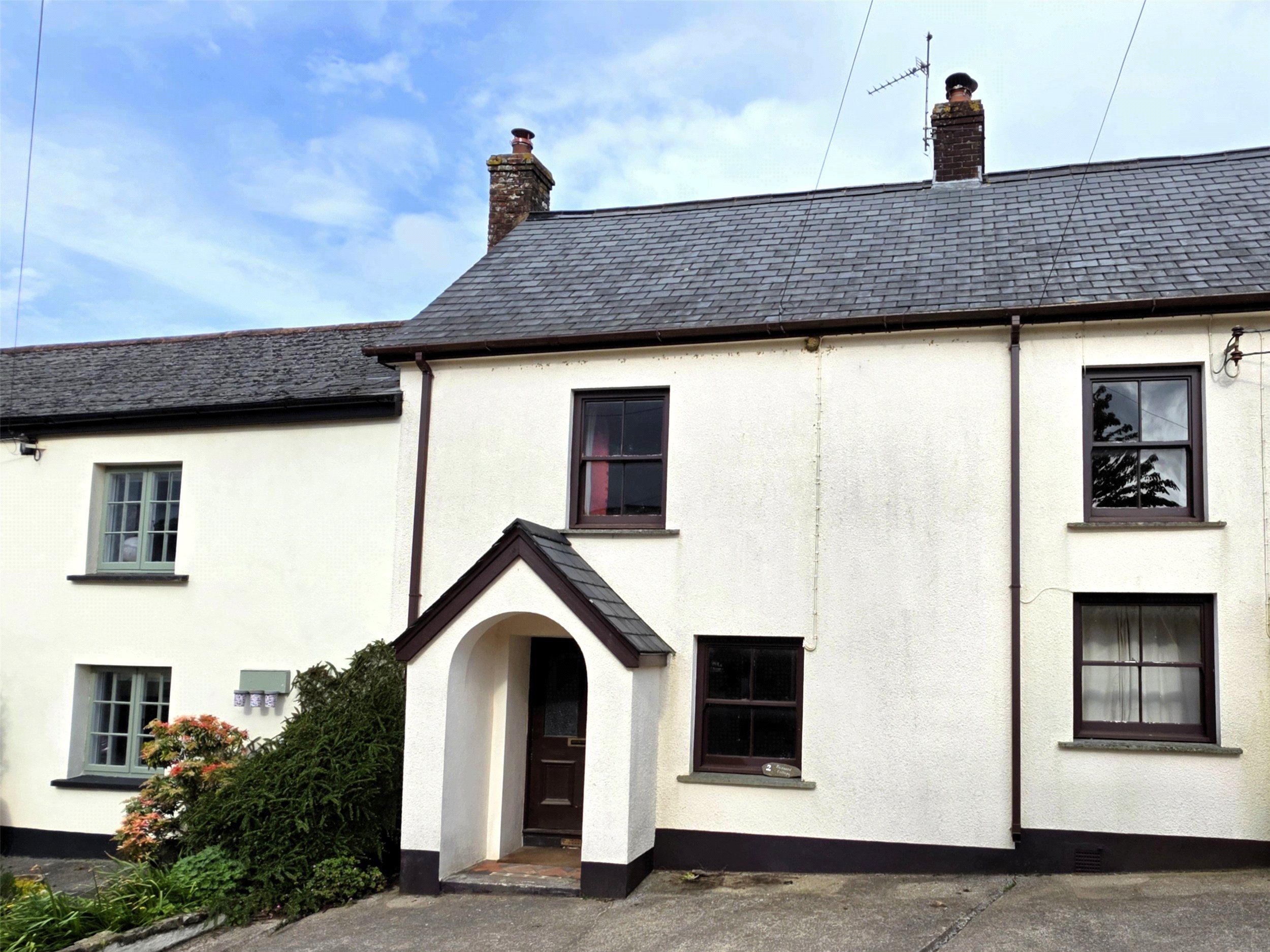
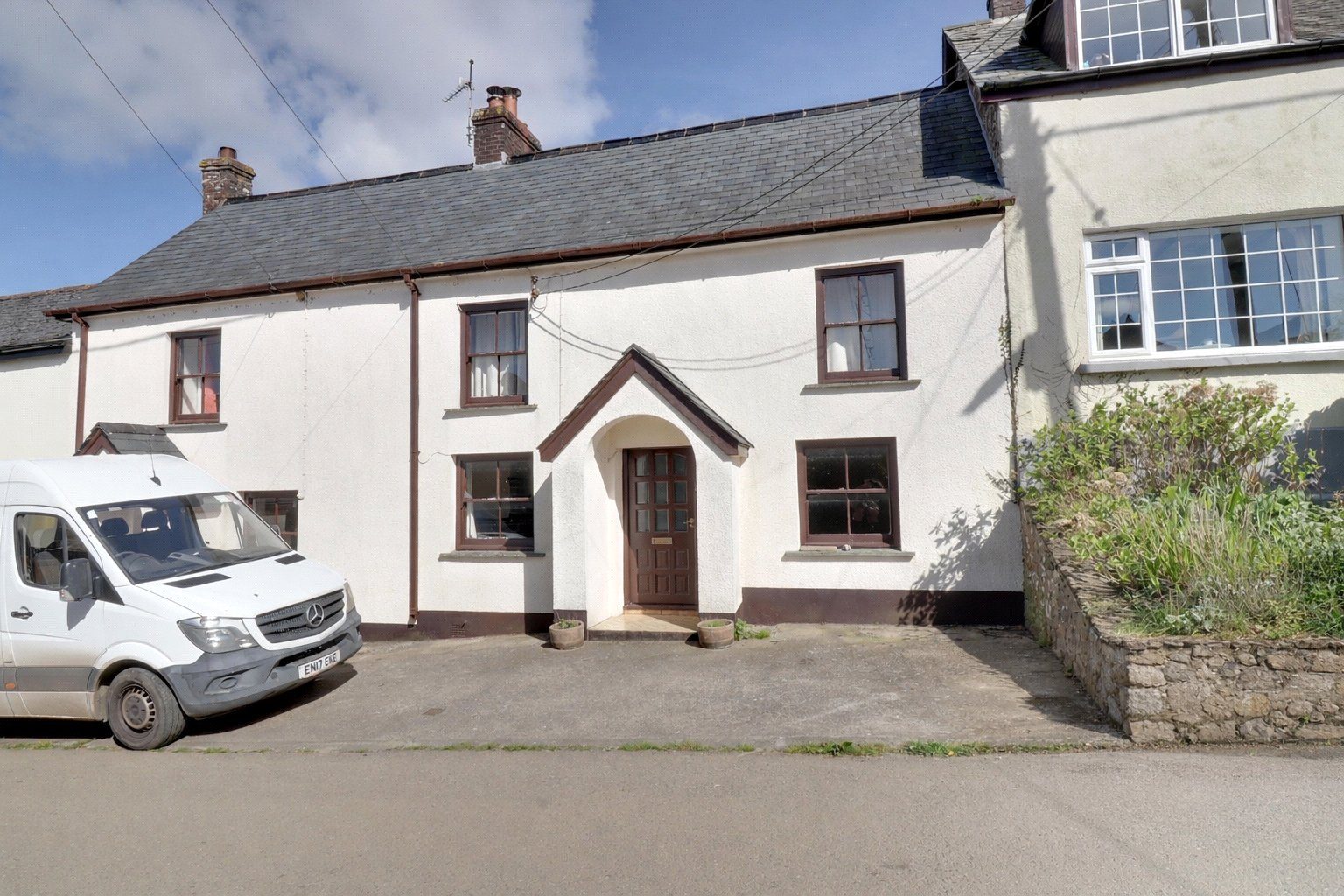
Browse 56 rental homes to rent in West Devon from local letting agents.
The rental market in West Devon reflects the wider property trends in this attractive corner of the South West. With average house prices standing at £309,000 in December 2025, representing a 5.4% increase over the previous year, the rental sector has tightened as more buyers compete for limited stock. This growth has outpaced the broader South West region, where house prices remained relatively flat during the same period. Renters benefit from a range of property types, from traditional stone-built cottages to more contemporary homes, though the supply of rental properties in rural areas like West Devon can fluctuate seasonally.
Property types available for rent span the full range of the local housing stock. Detached properties command the highest values in the sales market at around £466,000, while semi-detached homes average £311,000 and terraced properties sit at £235,000. Flats and maisonettes represent the more affordable end of the market at approximately £158,000 in sale value, which often translates to more accessible rental pricing. The mix of property ages is equally varied, with significant portions of the housing stock pre-dating 1919, alongside properties from subsequent decades and more recent developments. This variety means renters can choose between the charm of period features and the practicality of modern insulation and systems.
Recent market activity shows around 716 property sales in West Devon over the past twelve months, with semi-detached properties leading price growth at 7.2% annually. The Okehampton area (EX20 1) has seen particular activity in new build sales, reflecting ongoing development interest in this part of the district. For renters, this active sales market means competition for quality rental properties can be significant, particularly in towns with good transport connections like Okehampton where the A30 provides access to Exeter and Cornwall.

West Devon offers a quality of life that draws people from across the country, with a population of approximately 55,400 residents spread across its towns, villages, and rural hinterlands. The district is characterised by its stunning natural beauty, from the dramatic landscapes of Dartmoor National Park on its eastern boundary to the rolling farmland and river valleys that define the interior. The market towns of Tavistock and Okehampton serve as the main service centres, offering essential amenities, independent shops, and cultural attractions that sustain vibrant local communities. Tavistock itself holds World Heritage Site status for its historic mining landscape, reflecting the area's deep industrial heritage.
The character of West Devon varies significantly across its geography. The eastern areas near Dartmoor feature granite geology and open moorland, while the river valleys of the Tamar, Tavy, Walkham, and Lew create fertile lowlands with their own distinctive landscape character. The building materials reflect this diversity, with traditional properties often built from local stone, cob, and slate, while newer developments use contemporary methods. This architectural variety contributes to the visual richness of the area and means each neighbourhood has its own personality. Local communities are known for their friendliness and strong volunteer networks, with village halls, pubs, and local events forming the social fabric that makes rural living so rewarding.
The local economy supports a mix of agricultural businesses, tourism enterprises serving Dartmoor visitors, and small enterprises in the market towns. Public sector employment in healthcare and education provides stable income for many residents, while the proximity to Plymouth and Exeter means some residents commute to larger employment centres. This economic diversity means renters can find properties suitable for various circumstances, whether they work locally or need to travel further afield.

Families considering renting in West Devon will find a range of educational options across all levels. Primary education is well-served through a network of village schools and larger primary schools in the market towns, providing local schooling for younger children within reasonable travelling distances. The quality of education is monitored through Ofsted inspections, and several primary schools in the area have earned good ratings, reflecting the commitment of teachers and communities to providing solid foundations for children. Many smaller schools benefit from close relationships between staff and pupils, creating nurturing environments particularly suited to younger learners.
Secondary education options include schools in Tavistock and Okehampton, serving students from across the surrounding areas. These schools typically offer a range of GCSE and A-Level courses, with sixth forms providing pathways to higher education or vocational qualifications. For families prioritising educational excellence, researching specific school performance data and catchment areas becomes essential when choosing where to rent, as admission policies often prioritise geographical proximity. The presence of further education colleges in nearby Plymouth and Exeter also provides opportunities for older students seeking specialised vocational courses or higher education without the need to relocate to larger cities.
When renting with school-age children, it is worth noting that some rural schools have smaller catchment areas but may involve longer travel times. Properties in villages like Sticklepath, Throwleigh, or Northlew might offer attractive rental prices but could require bus journeys to secondary schools in the market towns. Planning your rental search around school catchments early in your house hunt helps avoid disappointment when school offers are made.

Transport connectivity in West Devon balances the realities of rural living with practical access to larger centres. The area is served by a network of bus routes connecting the main towns and villages, though service frequencies are typically lower than in urban areas and often concentrate on weekday working hours. For renters who need to commute, planning journeys carefully becomes important, and understanding local bus timetables before committing to a rental location helps avoid practical difficulties. Car ownership remains common and often essential for those living in more isolated villages, where essential services and employment may require travelling significant distances.
Rail connections are available via stations on the edge of the district and in nearby larger towns, providing access to the national rail network for journeys to Plymouth, Exeter, and beyond. The A30 trunk road passes through the northern part of the district, providing a key artery for road transport and connecting West Devon to Exeter and Cornwall. For those working in Plymouth or Exeter, the commute from West Devon is feasible by car, though the distances involved mean factoring in journey times and fuel costs. Cycling infrastructure exists on some routes, though the hilly terrain and rural road characteristics mean cycling is primarily practical for shorter local journeys rather than daily commuting over longer distances.
Properties along the A30 corridor, particularly around Okehampton, offer the most convenient access for commuters using the trunk road. Okehampton itself has a range of rental properties from apartments above the high street to family houses in residential areas, all within easy reach of the A30. Towns like Tavistock require travel along more minor roads to reach the main transport network, which can add time to commutes but offers a quieter lifestyle in return.

Renting property in West Devon requires attention to factors specific to this rural district. The age of properties is a crucial consideration, as a significant proportion of the housing stock dates from before 1919. These historic buildings offer character and charm but may present challenges including outdated electrical systems, less effective insulation, and original features that require careful maintenance. Understanding the construction materials is important, whether you are moving into a traditional stone cottage with a slate roof or a more modern property built from brick and block.
Flood risk deserves careful attention when choosing a rental property in West Devon. The district is crossed by several rivers including the Tamar, Tavy, Walkham, and Lew, and properties located near watercourses or in low-lying areas face elevated flood risk. Surface water flooding can occur during periods of heavy rainfall, so researching flood risk for any specific property address is advisable before committing to a tenancy. Similarly, the underlying geology includes clay-rich soils in many areas, which can cause shrink-swell ground movement affecting foundations, particularly relevant for older properties with shallower foundations.
Properties within conservation areas or those designated as listed buildings require additional consideration. West Devon has numerous conservation areas and significant concentrations of listed buildings, particularly in towns like Tavistock and Chagford. These properties often carry restrictions on modifications and alterations, which can affect how you use and adapt the property during your tenancy. Tenants should clarify their responsibilities for maintaining historic features and understand any limitations on redecoration or improvement works during the tenancy period.

Before viewing properties, determine your rental budget and research the specific towns and villages that suit your lifestyle needs. West Devon ranges from bustling market towns like Tavistock and Okehampton to quiet villages scattered across the borderlands with Cornwall. Each location offers different amenity levels, commute times, and rental prices. Factor in typical rental prices for property types you are interested in, and remember to budget for additional costs including council tax, utilities, and moving expenses.
Obtain a rental budget agreement in principle before beginning your property search. This demonstrates to landlords and letting agents that you are a serious, financially-vetted applicant. Having this in place streamlines the application process and can make your offer more competitive in areas with high demand. Contact Homemove to arrange a rental budget assessment quickly and efficiently. Our team can provide you with a clear indication of what rent you can realistically afford based on your circumstances.
Once you have identified suitable properties, arrange viewings to assess their condition, location, and suitability. Pay attention to factors specific to West Devon properties, such as the age of the building, construction materials, and proximity to flood risk areas. Take time to explore the neighbourhood at different times of day and speak with local residents about the community. Properties in areas like the river valleys around the River Tavy may have different considerations to those on the edge of Dartmoor.
Before signing a tenancy agreement, ensure you fully understand its terms including the tenancy type, rent amount and payment schedule, deposit amount and protection scheme, notice periods, and responsibilities for maintenance and repairs. In West Devon, many rental properties are older buildings that may have specific maintenance requirements or restrictions related to their historic character. Our team can explain the key points to look for in any tenancy agreement you receive.
For rental properties in West Devon, requesting a thorough inventory check and condition report protects your deposit and highlights any existing issues that the landlord should address before you move in. This is particularly important for older properties with period features, where wear and tear may be more apparent. Homemove offers inventory reports from £75, providing you with documented evidence of the property condition at the start of your tenancy.
Once your tenancy agreement is signed and deposit is protected, arrange your move to West Devon. Take meter readings, collect keys, and complete a detailed inventory check on your first day. Take time to explore your new neighbourhood and connect with local services and community groups to settle into this beautiful part of Devon.
Specific rental price data for West Devon is not published as frequently as sales data, but the wider property market provides useful context. With average house prices at £309,000 in December 2025 (reflecting 5.4% annual growth), rental values tend to correlate with property values and local demand. Renting in West Devon typically offers good value compared to larger South West cities, though prices vary significantly by property type, size, and location within the district. Town centre properties and those with recent renovations generally command higher rents, while village properties further from amenities may be more affordable.
Council tax in West Devon is administered by West Devon Borough Council. Property bands range from A through H, with the specific band determined by the property's assessed value. Most properties in West Devon fall into bands A through D, reflecting the generally more modest property values compared to urban areas, though larger detached properties and those in prestigious locations may be in higher bands. Renters should confirm the council tax band and associated costs before committing to a tenancy, as this forms a significant part of the ongoing cost of renting.
West Devon offers a range of educational options across primary and secondary levels. Primary schools in towns like Tavistock and Okehampton serve their local communities, while village schools provide education for younger children in more rural locations. Secondary education is available at schools within the district, with sixth forms offering post-16 qualifications. For the most current information on school performance and admissions criteria, consulting the Ofsted website and individual school websites provides detailed information to help families make informed decisions about rental locations.
Public transport in West Devon reflects its rural character, with bus services providing the primary public transport option. Routes connect the main towns and villages, though service frequencies are lower than in urban areas and may be reduced on weekends and during evenings. Rail access is available via stations in surrounding areas, connecting to the national rail network for journeys to Plymouth, Exeter, and beyond. For daily commuting or regular travel, car ownership remains advantageous in this rural district, though the scenic bus routes can serve occasional travel needs for those living in towns with regular services.
West Devon offers an excellent quality of life for renters seeking space, natural beauty, and strong community connections. The district combines the benefits of living in South West England with access to stunning landscapes including Dartmoor and river valleys. Rental properties range from historic townhouses to contemporary apartments, often available at lower prices than comparable properties in Plymouth or Exeter. The main considerations are transport needs and access to services, which require careful planning in a rural area. For those who value outdoor recreation, historic character, and community spirit, renting in West Devon provides an attractive alternative to urban living.
Standard deposits for rental properties are equivalent to five weeks rent, capped at five weeks rent where the annual rent exceeds £50,000. Most agents charge an administration fee for processing your application, typically covering referencing and credit checks. These fees are regulated and must be clearly explained before you commit. First-time renters should budget for an initial rent payment plus deposit, plus any applicable fees. Under the Tenant Fees Act 2019, letting agents cannot charge certain fees, and holding deposits are limited to one week's rent. Always request a full breakdown of costs before proceeding with any rental application.
While surveys are more commonly associated with property purchases, renters of older properties in West Devon can benefit from professional assessments. Many properties in this area pre-date 1919 and may have issues such as damp, outdated electrics, or roof defects that a thorough inspection can identify before you commit to a tenancy. An inventory report from Homemove provides documented evidence of the property condition, protecting your deposit and giving you negotiating power if issues need addressing before you move in. For listed buildings or properties in conservation areas, specialist assessments may be particularly valuable given the unique maintenance considerations these properties present.
When viewing properties to rent in West Devon, pay attention to the signs of age-related issues common in the local housing stock. Check for signs of damp, particularly in basements and ground floor rooms of older properties built with solid walls. Examine the roof if visible, looking for missing or damaged slates which can be costly to repair. Ask about the heating system, as older properties may rely on oil or LPG heating rather than mains gas. Properties near rivers like the River Tamar or River Tavy should be researched for flood risk, and those in villages should be assessed for mobile signal and broadband speeds which can vary significantly in rural areas.
Understanding the costs involved in renting a property helps you budget effectively and avoid surprises. The main upfront costs when starting a tenancy are the first month's rent and a security deposit. Standard deposits are capped at five weeks rent under the Tenant Fees Act 2019, though this increases to six weeks rent where annual rent exceeds £50,000. In West Devon, where monthly rents vary based on property type and location, deposits typically range from around £800 to over £1,500 for larger properties. This deposit must be protected in a government-approved scheme within 30 days of receipt, and you should receive information about which scheme is being used.
Administration fees charged by letting agents and landlords have been restricted since 2019, but application fees for referencing and credit checks are still common. These typically cover the cost of processing your application, obtaining references from previous landlords and employers, and conducting right to rent checks. Fees are generally in the range of £100 to £300 per applicant, though you should always request a clear breakdown of all costs before proceeding. Additional costs to budget for include moving expenses, council tax (which varies by property band), utility setup costs, and contents insurance. For furnished properties, you may also need to budget for household items and linens not included in the rental.
Renting in West Devon can be more cost-effective than renting in nearby cities, offering the opportunity to access more space and character properties for your budget. First-time renters should obtain a rental budget agreement in principle before beginning their search, as this demonstrates financial readiness to landlords and can strengthen your application in competitive situations. The investment in obtaining referencing and budget assessments is relatively modest compared to the costs of moving and setting up a new home, and helps ensure a smooth transition to your new West Devon property.

From 4.5% APR
Get financially assessed before your rental search
From £80
Complete referencing checks for your rental application
From £75
Protect your deposit with a detailed condition report
From £60
Energy performance certificate for your rental property
Properties to Rent In London

Properties to Rent In Plymouth

Properties to Rent In Liverpool

Properties to Rent In Glasgow

Properties to Rent In Sheffield

Properties to Rent In Edinburgh

Properties to Rent In Coventry

Properties to Rent In Bradford

Properties to Rent In Manchester

Properties to Rent In Birmingham

Properties to Rent In Bristol

Properties to Rent In Oxford

Properties to Rent In Leicester

Properties to Rent In Newcastle

Properties to Rent In Leeds

Properties to Rent In Southampton

Properties to Rent In Cardiff

Properties to Rent In Nottingham

Properties to Rent In Norwich

Properties to Rent In Brighton

Properties to Rent In Derby

Properties to Rent In Portsmouth

Properties to Rent In Northampton

Properties to Rent In Milton Keynes

Properties to Rent In Bournemouth

Properties to Rent In Bolton

Properties to Rent In Swansea

Properties to Rent In Swindon

Properties to Rent In Peterborough

Properties to Rent In Wolverhampton

Enter your details to see if this property is within your budget.
Loans, cards, car finance
Estimated property budget
Borrowing + deposit
You could borrow between
Typical borrowing
Monthly repayment
Est. at 4.5%
Loan-to-value
This is an estimate only. Your actual budget may vary depending on interest rates, credit history, and personal circumstances. For an accurate affordability assessment, speak to one of our free mortgage advisors.
This calculator provides estimates for illustrative purposes only and does not constitute financial advice. Your home may be repossessed if you do not keep up repayments on your mortgage. Estimates based on 4.5% interest rate, repayment mortgage. Actual rates depend on your circumstances.
Homemove is a trading name of HM Haus Group Ltd (Company No. 13873779, registered in England & Wales). Homemove Mortgages Ltd (Company No. 15947693) is an Appointed Representative of TMG Direct Limited, trading as TMG Mortgage Network, which is authorised and regulated by the Financial Conduct Authority (FRN 786245). Homemove Mortgages Ltd is entered on the FCA Register as an Appointed Representative (FRN 1022429). You can check registrations at NewRegister or by calling 0800 111 6768.