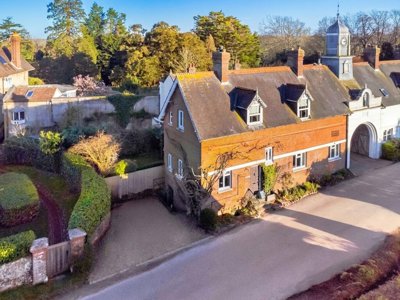
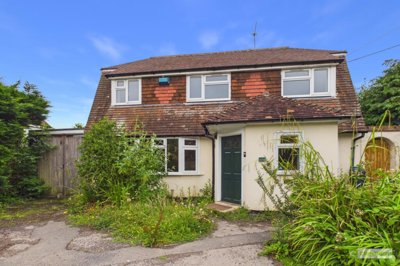
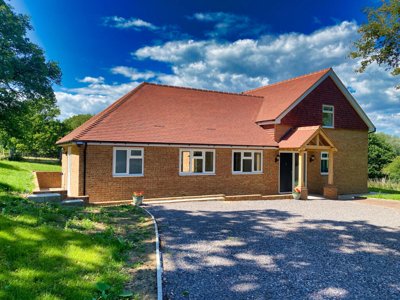
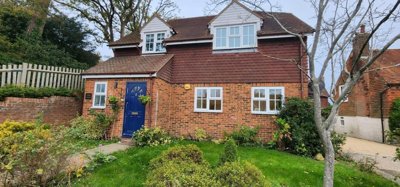
Browse 43 rental homes to rent in Wealden, East Sussex from local letting agents.
The larger property sector typically features multiple bathrooms, substantial reception space, and private gardens or off-street parking. Four bedroom houses in Wealden span detached, semi-detached, and occasionally terraced configurations, with styles ranging from period properties to modern executive homes.
£2,338/m
8
0
56
Source: home.co.uk
Showing 8 results for 4 Bedroom Houses to rent in Wealden, East Sussex. The median asking price is £2,338/month.
Source: home.co.uk
Detached
7 listings
Avg £2,704
Terraced
1 listings
Avg £1,650
Source: home.co.uk
Source: home.co.uk
The Wealden property market has demonstrated remarkable resilience in recent years, with the average house price reaching approximately £400,000 by late 2025 according to provisional data. This represents a modest 1.8% increase compared to December 2024, indicating steady growth rather than the dramatic fluctuations seen in some other regions. For renters, this stability suggests that Wealden remains an attractive proposition, balancing the desire for countryside living with access to employment centres in nearby towns. Property prices have grown at an average rate of 5.3% per year between 2014 and 2023, demonstrating the long-term appeal of the district and its sustained desirability among buyers and renters alike.
When examining property types available for rent in Wealden, detached homes command the highest values at around £604,000 for those seeking to purchase, followed by semi-detached properties at approximately £360,000. Terraced properties average around £298,000, while flats and maisonettes offer more accessible entry points at approximately £190,000. This variety in the sales market translates directly to the rental sector, where renters can find everything from spacious family houses in village locations to compact apartments suitable for first-time renters or those seeking a simpler lifestyle. Recent market data shows that semi-detached properties saw the strongest growth at 3.2% over the twelve months to December 2025, while flats experienced a slight decline of 1.5%.
The most commonly sold property type in Wealden is detached houses, accounting for 41.3% of all sales in 2023, which reflects the semi-rural character of the district with its generous plot sizes and proximity to countryside. Semi-detached properties make up 28.8% of sales, terraced homes 18.4%, and flats represent the smallest share at just 11.5% of transactions. For renters, this means that detached and semi-detached homes form the backbone of the available rental stock, offering generous living spaces and gardens that appeal to families and those working from home. There were 2,044 property sales recorded in Wealden during 2025, indicating an active market with regular turnover of rental properties.

Wealden district encompasses a captivating mix of villages, market towns, and countryside that has attracted residents for centuries. The area is characterised by its distinctive geology, with the High Weald featuring hard sandstone rock and poor soils beneath extensive woodlands, while the Low Weald consists mainly of Weald Clay with softer sandstones. This geological diversity has shaped everything from local building materials to agricultural patterns, creating a landscape that feels genuinely ancient and rooted. Traditional Wealden buildings reflect this heritage, commonly featuring oak timber frames, clay tiles, wattle-and-daub walls, and local sandstone for masonry construction. Some areas feature Kentish ragstone, a lime-rich local building stone that has been used in important structures throughout the region.
The population of Wealden stood at approximately 160,100 at the time of the 2021 Census, representing a significant 7.5% increase from 2011. With around 68,300 households and projections suggesting growth to nearly 196,000 by 2037, the district continues to evolve while maintaining its essential character. The employment rate of 81.6% for working-age residents demonstrates a robust local economy supported by small businesses and proximity to larger employment centres. The high percentage of owner-occupied housing at 77% reflects the desire of residents to put down roots in this attractive corner of East Sussex, though the rental sector provides essential flexibility for those not yet ready to purchase.
Wealden's cultural heritage is evident in its impressive collection of over 2,000 Listed Buildings and 33 designated Conservation Areas, each preserving the architectural character that defines village life in the district. Additional conservation areas within the South Downs National Park, including Alciston, Alfriston, Berwick, and Litlington, showcase the medieval settlement patterns and historic buildings that attract visitors from across the region. The Wealden Heaths Special Protection Area provides important habitats for wildlife, offering residents opportunities for walking, birdwatching, and enjoying the natural environment that surrounds the district. The historic iron-producing legacy of the Weald, including Roman and medieval ironworks, adds another layer to the area's rich heritage that residents can explore.

Education provision in Wealden reflects the district's family-oriented character, with a range of primary and secondary schools serving communities across the area. The district's proximity to larger towns means that families have access to both local village schools and more comprehensive secondary options, though specific Ofsted ratings and school performance data would need to be verified through the official Ofsted website when making decisions about schooling. For families considering renting in Wealden, understanding catchment areas is essential, as school places are allocated based on proximity to the school. Primary schools in villages such as those in the South Downs National Park serve their local communities with the support of the National Park Authority in planning matters.
The demographic projections for Wealden suggest notable growth in the 65+ age group by 2037, indicating that the area appeals to retirees as well as families with children. This demographic mix creates a balanced community where schools benefit from family populations while also supporting services for older residents. The presence of the South Downs National Park and Wealden Heaths Special Protection Area provides educational opportunities for outdoor learning and environmental studies, complementing formal academic provision in the district. Local secondary schools draw students from multiple primary schools, creating established networks that families often tap into when choosing where to rent.
For those considering further education, the proximity of Wealden to Eastbourne, Brighton, and Tunbridge Wells means access to sixth forms, further education colleges, and vocational training providers. The district's strong employment rate of 81.6% suggests that local educational provision aligns well with employment opportunities, whether residents work locally or commute to nearby towns. Families renting in Wealden should research specific school performance and admissions criteria to find the best fit for their children's education, as competition for places at popular schools can be intense in desirable village locations.

Transport connectivity from Wealden reflects its position as a semi-rural district with strong relationships to larger towns just beyond its boundaries. The district's housing market is influenced by commuting patterns to Forest Row, East Grinstead, Crowborough, Tunbridge Wells, Hailsham, and Eastbourne, where residents access broader employment opportunities. Understanding these connections is valuable for renters who may need to commute for work, as journey times and transport costs vary significantly depending on the specific village or town within Wealden. The proximity to the Kent border means some residents also access employment in Tunbridge Wells and its surrounding areas.
The geological characteristics of Wealden, with its mix of clay soils, sandstone outcrops, and areas of superficial deposits, have shaped road networks and transport infrastructure over centuries. Main rivers and their tributaries create natural barriers that affect some routes, while the river terrace and flood plain deposits along watercourses indicate areas where transport planning has needed to address flooding risks. The coastal areas near Pevensey and the Seven Sisters cliffs represent the southern edge of the district, where scenic beauty comes with considerations for coastal erosion and weather-related travel disruptions. The Pevensey Levels to the south represents a low-lying area with particular transport considerations during periods of heavy rainfall.
For those relying on public transport, local bus services connect villages to market towns, while rail connections are available in nearby larger settlements. The proximity of Wealden to Eastbourne, Brighton, Tunbridge Wells, and East Grinstead provides access to rail services for commuting to employment centres further afield. Residents without vehicles should research specific bus routes and timetables for their intended area, as services may be infrequent in rural locations. Cyclists and walkers benefit from the countryside lanes and bridleways that criss-cross the district, though the hilly terrain of the High Weald can present challenges. Planning a move to Wealden requires considering whether a vehicle will be necessary for daily life, as public transport options may be limited in more isolated villages.

Before beginning your rental search, spend time exploring different villages and towns within the Wealden district to find the community that best suits your lifestyle. Consider proximity to schools, transport links, local amenities, and the character of nearby conservation areas. The district's diverse geography means that coastal villages, inland hamlets, and market towns each offer distinct living experiences. Villages like Alfriston provide historic character with local shops and pubs, while larger settlements such as Hailsham offer more comprehensive services.
Obtain a rental budget agreement in principle before viewing properties, as this demonstrates to landlords and letting agents that you are a serious and qualified applicant. Rental budgeting will help you understand what you can afford in terms of monthly rent, deposit requirements, and ongoing costs such as council tax and utilities. In Wealden, rental prices vary considerably depending on property type and location within the district, with village cottages and period properties often commanding premiums over newer developments.
Contact estate and letting agents active in the Wealden area to register your interest and receive alerts about new properties coming to market. The district's popularity means that desirable properties can attract multiple applicants quickly. Having your documentation prepared, including proof of income, references, and identification, will help you move swiftly when you find a suitable home. Agents in towns like Hailsham, Uckfield, and Polegate can provide access to the full range of rental stock across the district.
Visit multiple properties to compare different areas, property conditions, and the overall feel of each neighbourhood. Pay attention to the age and construction of properties, as Wealden's older building stock may require different maintenance considerations. Note any signs of damp, subsidence, or other issues, particularly in properties with clay soil foundations or those near watercourses. Given the prevalence of traditional construction methods including oak timber frames and wattle-and-daub, viewing properties with an understanding of local building methods is advantageous.
Once you have found a property, carefully review the tenancy agreement before signing. Ensure you understand the length of the tenancy, notice periods, deposit protection arrangements, and any restrictions on pets or modifications. In Wealden's conservation areas, there may be additional considerations regarding property alterations, as works affecting Listed Buildings require consent from the local planning authority. Tenants should be aware of their rights regarding the condition of historic properties.
Arrange for a professional inventory check at the start of your tenancy to document the condition of the property and its contents. This protects both you and the landlord, ensuring that you are not held responsible for pre-existing issues when you eventually vacate. Given Wealden's mix of older and newer properties, a thorough inventory is particularly valuable for period properties where wear and tear may be evident but not necessarily indicative of damage caused during tenancy.
Renting in Wealden requires careful attention to local factors that may not be immediately apparent to those unfamiliar with the area. The prevalence of clay soils throughout the district, including the Weald Clay, Gault Clay, and other clay formations that can extend to 460 metres thick in some areas, means that properties may be susceptible to shrink-swell movement during periods of drought or heavy rainfall. This can manifest as subsidence, cracks in walls, or doors and windows becoming difficult to open and close. When viewing properties, look for signs of structural movement and ask about any history of foundation issues. The Kimmeridge Clay, Oxford Clay, Lias, and Mercia Mudstone groups also present throughout the region contribute to these ground conditions.
Flood risk represents another important consideration for renters in Wealden, particularly in areas near main rivers and tributaries or in low-lying coastal areas such as the Pevensey Levels. River terrace and flood plain deposits are present throughout the district, indicating areas naturally prone to waterlogging. Properties near streams or in village centres located in valley bottoms may face higher flood risk than those on higher ground. Reviewing Environment Agency flood maps and asking landlords about any previous flooding can help you make an informed decision. The Pevensey Levels SSSI represents a particularly sensitive area where water management is essential.
The abundance of Listed Buildings and Conservation Areas in Wealden means that many rental properties will be older constructions with traditional building methods. Properties featuring oak timber frames, wattle-and-daub infill, and original clay tile roofs require different maintenance approaches than modern constructions. If renting a period property, ensure that the landlord has appropriate expertise in managing traditional buildings, as improper maintenance can lead to damp, timber decay, and other issues specific to historic construction. Specialist surveys for Listed Buildings may also be recommended to assess condition comprehensively, though the cost of such surveys would typically be borne by the landlord.
Historical mining activity in the Weald, including iron ore extraction and coal mining in the Kent Coalfield, may affect ground stability in certain localised areas. While not all properties will be affected, those in areas with historical mining activity should be investigated further. Boreholes have been drilled for coal throughout the region, and any records of these should be checked when renting older properties. Coastal areas near the Seven Sisters cliffs and Pevensey Bay require awareness of potential coastal erosion risks, which may affect insurance and property management responsibilities.
While specific rental price data was not available in our research, the average property price in Wealden was approximately £400,000 as of December 2025, with detached properties averaging £604,000, semi-detached at £360,000, terraced at £298,000, and flats at £190,000. Rental prices typically fall within a percentage range of these purchase prices when calculated as monthly costs, though individual properties may vary based on condition, location, and amenities. Contacting local letting agents in Hailsham, Uckfield, and Polegate directly will provide the most accurate current rental pricing for specific property types and areas within the district.
Council tax bands in Wealden are set by Wealden District Council and East Sussex County Council, with bands ranging from A through H based on property value. Properties in the district, particularly older cottages and farmhouses in conservation areas, may fall into higher bands due to their assessed value. Newer developments and smaller properties, including flats, often occupy lower bands. Prospective tenants should verify the specific council tax band for any property they are considering, as this forms a significant part of monthly living costs and can vary considerably between adjacent properties of different ages and values.
Wealden offers a range of primary and secondary schools serving communities across the district, with performance varying by institution. Families should consult the official Ofsted website to review current ratings and performance data for specific schools, as these are updated regularly and may have changed since our research. School catchment areas are determined by proximity, so renting within a particular school's area does not guarantee a place. The district's mix of village primary schools and larger secondary options provides educational choices for families at all stages, though competition for places at popular schools can be intense.
Public transport connectivity in Wealden varies considerably depending on the specific location within the district. Larger villages and towns typically have bus services connecting to market towns and railway stations, while more isolated hamlets may have limited services. The proximity of Wealden to Eastbourne, Brighton, Tunbridge Wells, and East Grinstead provides access to rail services for commuting to employment centres. Residents without vehicles should research specific bus routes and timetables for their intended area, as services may be infrequent in rural locations and may not operate on evenings or weekends.
Wealden represents an excellent choice for renters seeking semi-rural living with good connections to larger towns and the coast. The district offers a strong sense of community, beautiful countryside, historic villages with conservation area protections, and access to quality schools and local amenities. The high proportion of owner-occupied housing at 77% reflects resident satisfaction with the area. However, renters should be prepared for the practical considerations of rural living, including potentially limited public transport, the need for a vehicle in some locations, and awareness of flood risk in certain areas.
Rental deposits in England are typically capped at five weeks' rent, subject to certain conditions. Most letting agents will require references, proof of income, and a holding deposit to secure a property while references are checked. First-time renters should budget for the first month's rent plus deposit upfront, along with admin fees that vary between agents. Obtaining a rental budget agreement in principle before starting your search is recommended, as this demonstrates financial capability to landlords and can strengthen your application in competitive situations where multiple applicants may be competing for desirable properties.
Sussex Wealden Homes, a property development company owned by Wealden District Council, focuses on building new homes for purchase rather than rent, with emphasis on first-time buyers and downsizers. However, new build properties occasionally become available for rent from private developers or investors. The Sharnfold Farm site near Stone Cross has been considered for development, which may eventually add to the rental stock in the Hailsham area. renting new build properties can offer benefits such as energy efficiency and modern fixtures, though availability is typically limited.
Wealden's significant heritage, with over 2,000 Listed Buildings and 33 Conservation Areas, means many rental properties are period constructions with traditional features. Oak timber framing, wattle-and-daub walls, and clay tile roofs are common in older properties and require specific maintenance approaches. Tenants should discuss with landlords how maintenance of historic features is handled, as improper care of traditional buildings can lead to damp, timber decay, or structural issues. Any alterations to Listed Buildings require planning permission, which affects what tenants can do to modify their rental home.
Understanding the financial requirements for renting in Wealden is essential for budgeting and avoiding surprises during the application process. The standard financial commitments when starting a tenancy include the first month's rent in advance, a security deposit typically equivalent to five weeks' rent, and potentially a holding deposit to secure the property while references are processed. In competitive rental situations, particularly for desirable village properties near schools or with good transport links, having these funds readily available can make the difference between securing your desired property and missing out to another applicant.
Beyond the initial move-in costs, renters should budget for ongoing monthly expenses including council tax, utility bills, contents insurance, and any service charges applicable to flats or managed properties. Wealden's mix of property types means that some rentals, particularly in older period properties or those in conservation areas, may have higher maintenance requirements or energy costs due to less effective insulation. Energy Performance Certificate ratings provide guidance on expected running costs, though older properties can sometimes be improved through measures agreed with landlords. Properties in the High Weald with sandstone construction may have different thermal properties than those in the Low Weald with more clay soils.
For those planning to eventually purchase property in Wealden, the deposit thresholds for house purchases operate under different rules than rentals. First-time buyers benefit from relief on Stamp Duty Land Tax for properties up to £425,000, with reduced rates applying up to £625,000. For purchased properties, deposits typically range from 5% to 20% of the purchase price depending on mortgage arrangements. The average property price of around £400,000 in Wealden means that first-time buyers with deposits could find properties within the relief thresholds, though higher-value detached homes would attract additional SDLT charges. renting first allows families to save towards purchase deposits while experiencing the area before committing to a buy.

Properties to Rent In London

Properties to Rent In Plymouth

Properties to Rent In Liverpool

Properties to Rent In Glasgow

Properties to Rent In Sheffield

Properties to Rent In Edinburgh

Properties to Rent In Coventry

Properties to Rent In Bradford

Properties to Rent In Manchester

Properties to Rent In Birmingham

Properties to Rent In Bristol

Properties to Rent In Oxford

Properties to Rent In Leicester

Properties to Rent In Newcastle

Properties to Rent In Leeds

Properties to Rent In Southampton

Properties to Rent In Cardiff

Properties to Rent In Nottingham

Properties to Rent In Norwich

Properties to Rent In Brighton

Properties to Rent In Derby

Properties to Rent In Portsmouth

Properties to Rent In Northampton

Properties to Rent In Milton Keynes

Properties to Rent In Bournemouth

Properties to Rent In Bolton

Properties to Rent In Swansea

Properties to Rent In Swindon

Properties to Rent In Peterborough

Properties to Rent In Wolverhampton

Enter your details to see if this property is within your budget.
Loans, cards, car finance
Estimated property budget
Borrowing + deposit
You could borrow between
Typical borrowing
Monthly repayment
Est. at 4.5%
Loan-to-value
This is an estimate only. Your actual budget may vary depending on interest rates, credit history, and personal circumstances. For an accurate affordability assessment, speak to one of our free mortgage advisors.
This calculator provides estimates for illustrative purposes only and does not constitute financial advice. Your home may be repossessed if you do not keep up repayments on your mortgage. Estimates based on 4.5% interest rate, repayment mortgage. Actual rates depend on your circumstances.
Homemove is a trading name of HM Haus Group Ltd (Company No. 13873779, registered in England & Wales). Homemove Mortgages Ltd (Company No. 15947693) is an Appointed Representative of TMG Direct Limited, trading as TMG Mortgage Network, which is authorised and regulated by the Financial Conduct Authority (FRN 786245). Homemove Mortgages Ltd is entered on the FCA Register as an Appointed Representative (FRN 1022429). You can check registrations at NewRegister or by calling 0800 111 6768.