Browse 5 rental homes to rent in Walsham-le-Willows from local letting agents.
The rental market in Walsham-le-Willows reflects the broader property trends affecting this corner of Suffolk. Zoopla data shows an average sold price of £366,583 over the past twelve months, with detached properties commanding the highest values at around £491,667 on average. Semi-detached homes have sold at approximately £251,667, while terraced properties averaged £283,500, providing a clear picture of the property value hierarchy in the area. Rental prices naturally follow these value patterns, with larger detached homes typically commanding premium rents compared to smaller terraced or semi-detached options. Our local knowledge helps us advise clients on realistic rental expectations based on current sale values and comparable properties in the surrounding area.
Over the past year, house prices in Walsham-le-Willows have shown a modest decline of approximately 3% compared to the previous year, and sit around 14% below the 2018 peak of £407,100. This price adjustment has created some interesting opportunities for renters, as property owners may be more open to negotiating favourable rental terms in the current market conditions. The village has seen between 9 and 43 properties sold over the past year, indicating a relatively modest transaction volume typical of smaller rural communities. Detached houses represent the most common property type sold in the village over the past two years, comprising 35.71% of all transactions, with 4-bedroom detached houses and 3-bedroom semi-detached homes forming the bulk of available properties.
For those seeking rental accommodation in Walsham-le-Willows, understanding the relationship between sale values and rental yields provides valuable context for budgeting decisions. When landlords calculate appropriate rental levels, they typically consider the capital value of their property alongside ongoing costs such as mortgage payments, maintenance, insurance, and void periods. A detached home valued at nearly £500,000 will naturally require higher rental income than a terraced property selling for under £300,000. We help our clients understand these market dynamics so they can identify properties that offer genuine value within their budget constraints.

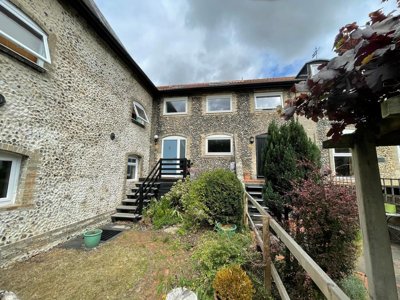
Walsham-le-Willows embodies the charm that makes Suffolk villages so sought after by families and professionals alike. The village name, derived from the Old English for a marshy grove where willows grow, hints at the natural beauty that surrounds this community. The presence of Grade II listed properties throughout the village, including charming cottages with original features such as red-brick floors and timber-framed barns, speaks to the architectural heritage that characterises the area. These historic homes form the backbone of the village character, creating a streetscape that feels genuinely connected to Suffolk's rural past. The village community centre serves as a hub for local activities, while the traditional pub provides a welcoming gathering place for residents.
The surrounding Mid Suffolk countryside offers extensive walking and cycling opportunities, with public footpaths crossing farmland and through woodland throughout the area. Local produce markets and farm shops in nearby villages provide access to fresh Suffolk-grown food, while the wider region is known for its agricultural heritage and picturesque landscapes. The village sits within easy driving distance of several market towns, each offering additional shopping, dining, and entertainment options. Community life in Walsham-le-Willows revolves around seasonal events, village hall activities, and the informal social networks that develop naturally in rural settings. For renters who value space, character properties, and genuine community connection, this village delivers a lifestyle that urban living rarely matches.
Our team has developed strong relationships with local residents and businesses throughout Walsham-le-Willows and the surrounding villages. We can connect prospective tenants with local tradespeople, garden maintenance services, and community groups to help them settle quickly into village life. Understanding which properties have the best aspects of sunlight, which roads are most quiet, and which neighbours are most active in community initiatives adds a layer of practical insight that you cannot find from online listings alone. This local intelligence proves particularly valuable when renting a property unseen or from a distance.

Families considering renting in Walsham-le-Willows will find educational provision organised through the Mid Suffolk district, with primary schools typically serving a cluster of surrounding villages. The village's small size means that local primary education is delivered through village schools or those in nearby communities, with children generally traveling by school transport to reach their allocated school. Primary schools in the surrounding area have historically achieved reasonable outcomes in national assessments, with Ofsted ratings providing a useful benchmark when evaluating options. Parents should check current catchment areas and admission arrangements, as these can affect which schools children from the village can access.
Secondary education options in the area include schools in nearby market towns, with students typically progressing to establishments in towns such as Bury St Edmunds, Stowmarket, or Diss. These larger schools offer broader curriculum choices, specialist facilities, and extracurricular activities that smaller primary schools cannot provide. School transport arrangements are generally well-established for secondary school pupils commuting from rural villages. For families with children of varying ages, the geography of educational provision in Mid Suffolk means that planning school placements carefully is important when choosing where to rent in the area. Sixth form and further education opportunities are concentrated in the nearby towns, requiring some travel commitment from students pursuing higher-level qualifications.
We often advise families to visit potential schools before committing to a rental property, as the reality of daily school runs can differ significantly from what catchment maps suggest. The timing of bus services, the condition of country roads during winter months, and the availability of before and after-school clubs all affect how education logistics work in practice. Our experience helping families relocate to Mid Suffolk villages means we can share insights about which school routes are most reliable and which properties offer the most practical access to educational options.

Transport connectivity from Walsham-le-Willows centres on road networks, as is typical for villages in rural Suffolk. The village sits within reasonable reach of the A14, which provides east-west connectivity across Suffolk and links to Cambridge, Felixstowe, and the wider motorway network. Journey times by car to nearby towns such as Bury St Edmunds typically take around 20-25 minutes, while Stowmarket is similarly accessible. The A143 runs through the village, connecting communities between Bury St Edmunds and Diss. For commuters working in Cambridge, Norwich, or Ipswich, the village position requires careful consideration of realistic journey times and parking arrangements at destination stations.
Public transport options from Walsham-le-Willows are limited, reflecting the reality for most small Suffolk villages. Bus services connect the village to surrounding towns, though frequencies are likely to be modest, making car ownership or careful journey planning essential for those relying on public transport. The nearest railway stations are typically found in Bury St Edmunds or Diss, offering connections to London Liverpool Street, Norwich, Cambridge, and other major destinations. For professionals who need to commute to London or other cities, the driving time to stations with frequent services represents a key factor in evaluating the village as a location. Cycling can be a pleasant option for shorter local journeys, with the flat Suffolk countryside offering manageable terrain for regular cyclists.
We always discuss commuting implications with clients considering a move to Walsham-le-Willows, as the rural location means daily travel patterns look different from town or city living. Working from home has become increasingly common, and many of our clients find that occasional office commuting is manageable from the village with proper planning. We can advise on which properties offer dedicated workspace, reliable broadband speeds, and convenient access to the road network for those days when travelling to an office is necessary.

The housing stock in Walsham-le-Willows predominantly consists of older properties, with a significant proportion built before 1919 and carrying the characterful features that define the village's streetscape. These period homes often feature traditional construction methods including solid brick walls, timber-framed structures, and original red-brick floors that reflect the building techniques used in rural Suffolk for generations. Understanding the construction of a property helps renters appreciate both its charm and its maintenance requirements, as older homes require different care compared to modern construction. Our inspections of properties in this village have identified consistent themes in construction type and condition that affect tenant decisions.
Common issues found in Walsham-le-Willows properties mirror those typical of historic Suffolk villages, with damp penetration, roof condition, and outdated electrical systems appearing frequently during property assessments. Solid-walled properties often have limited insulation compared to modern cavity-wall construction, resulting in higher heating costs and different thermal performance characteristics. Period features such as original windows, exposed beams, and traditional fireplaces add character but may require maintenance or repair during a tenancy. We always recommend that prospective renters understand the condition of these features before signing agreements, as maintenance responsibilities between landlord and tenant can become contentious without clear documentation.
Properties in Walsham-le-Willows with Grade II listing status require particular attention from prospective renters. Listed buildings are protected for their historical significance, meaning that alterations, modifications, or even certain decorative changes require consent from the local planning authority. Renters should discuss permitted changes with landlords before tenancy begins, establishing clear boundaries about what is acceptable during occupation. The presence of timber-framed barns and outbuildings on some properties also affects insurance arrangements and maintenance responsibilities. We help our clients understand these specific considerations, ensuring they enter tenancies with full awareness of their obligations regarding historic property management.

Before viewing properties in Walsham-le-Willows, secure a rental budget agreement in principle from a lender or broker. This documents what you can afford and demonstrates your credibility to landlords and letting agents when you find a property you wish to rent. Include not just rent but also moving costs, insurance, and ongoing maintenance costs in your planning. A clear budget prevents wasted time viewing properties outside your price range and strengthens your position when making offers on competitive properties.
Learn about Walsham-le-Willows, its amenities, schools, and transport connections before committing to a rental. Visit the village at different times of day, check local pub and shop opening hours, and speak to existing residents about what it is really like to live there. Understanding the community character helps ensure the village suits your lifestyle before you sign a tenancy agreement. Our team can provide insights into local school quality, commute reliability, and community atmosphere based on our experience helping tenants settle in the village.
Contact local letting agents or search online property platforms for available rentals in Walsham-le-Willows. View multiple properties to compare condition, value, and landlord responsiveness. Take notes and photographs during viewings so you can compare options afterwards. Ask about the property condition, landlord expectations, and any upcoming maintenance planned. We coordinate viewings across multiple agents and can accompany clients to inspections, providing professional observations about property condition and maintenance implications.
If renting a period property or older home in Walsham-le-Willows, consider booking a professional survey to identify any defects before you move in. Renting a Grade II listed cottage or older property without understanding its condition could lead to unexpected repair bills or disputes with your landlord. A thorough inventory check at the start of your tenancy protects your deposit at the end. Our survey team understands the specific construction types found in this village and can identify issues that general inspectors might overlook.
Once you have chosen a property, your landlord will require references, right-to-rent checks, and potentially a guarantor. Ensure you have payslips, bank statements, and employment references ready. Read your tenancy agreement carefully before signing, paying particular attention to deposit protection arrangements, notice periods, and any restrictions on pets or modifications. We can recommend reliable referencing services and help clients understand the terms and conditions that govern their tenancy.
After signing your tenancy agreement, document the property condition thoroughly with photographs and a written inventory. Your deposit must be protected in a government-approved scheme within 30 days of receiving it. Take meter readings, collect keys, and arrange contents insurance for your belongings. Register with local services and introduce yourself to neighbours as you settle into village life in Walsham-le-Willows.
Renting properties in Walsham-le-Willows often means occupying historic homes with character and charm, but these come with specific considerations that prudent renters should understand. The presence of Grade II listed properties in the village means that certain works, modifications, or even some redecorations may require listed building consent from the local authority. Before signing a tenancy for a listed property, clarify with your landlord what alterations are permitted and what responsibilities you would have regarding the preservation of original features. Understanding these obligations prevents disputes and ensures you can maintain the property to required standards during your tenancy.
Given the rural location and the proportion of older properties in the village, specific building condition issues merit attention during any rental assessment. Properties of traditional construction may have solid walls rather than cavity walls, affecting insulation performance and heating costs. Roof conditions on older properties require careful checking, as replacement or repair costs can be substantial. Electrical systems in period homes may be older and potentially not compliant with current standards, so asking about recent rewiring or electrical inspections is advisable. Drainage arrangements in rural locations can differ from urban properties, with some homes relying on private sewage treatment systems or septic tanks rather than mains drainage. These systems have ongoing maintenance requirements and costs that renters should factor into their budgeting.
The village setting also brings practical considerations that affect daily living. Mobile phone signal strength can vary significantly in rural locations, and some properties may require broadband satellite installations where standard cable services are unavailable. Energy costs often differ from urban properties due to solid-wall construction and potentially older heating systems. We recommend requesting utility cost information from current or previous tenants where possible, and understanding which heating fuel types are used in specific properties. Garden maintenance on larger properties should factor into time and budget planning, as rural homes often have larger outdoor spaces than town equivalents.

Specific rental price data for Walsham-le-Willows is not published separately, but the sold property market provides useful context for prospective renters. Detached properties sell for around £491,667 on average, with semi-detached homes at approximately £251,667 and terraced properties at £283,500. Rental prices typically reflect a percentage yield on these sale values, meaning larger detached homes command the highest rents while smaller properties offer more affordable monthly costs. The modest size of the village means rental availability changes frequently, so monitoring property listings regularly is advisable for those seeking specific property types. Our team can provide current estimates based on comparable properties recently marketed in the village and surrounding area.
Properties in Walsham-le-Willows fall under Mid Suffolk District Council for council tax purposes. The village contains a mix of property ages and types, with older period cottages potentially occupying lower council tax bands while larger modern detached homes may be in higher bands. Properties with special characteristics, such as those with annexes or those meeting specific energy efficiency criteria, may have varying band allocations. Prospective renters should check the specific council tax band for any property they are considering, as this forms part of the regular monthly cost of occupying the home. Council tax bands are searchable by address on the Valuation Office Agency website for anyone wanting to verify bands before committing to a rental.
Walsham-le-Willows itself is a small village without a wide range of schools within its immediate boundary. Local primary education is typically provided through village schools or those in nearby communities, with children attending establishments in surrounding villages or traveling by school transport to their allocated school. Families should research current school performance data, Ofsted ratings, and catchment area arrangements when evaluating educational options. Secondary schools are located in nearby towns such as Bury St Edmunds, with those requiring preparation for the 11-plus examination needing to plan primary school choices carefully. The nearest primary school to Walsham-le-Willows typically serves children from reception through to year six, with school transport provided for longer journeys.
Public transport connectivity in Walsham-le-Willows reflects its status as a small rural village, with bus services providing limited connections to surrounding towns and villages. The nearest railway stations are located in Bury St Edmunds and Diss, requiring car travel to reach them. Bus frequencies are likely to be modest, making car ownership practically essential for most residents who need to commute or access services not available in the village itself. Those relying on public transport should carefully verify current timetables and consider whether the available connections meet their employment and service access needs before committing to a rental. Community transport schemes operate in some rural areas, providing occasional trips to towns for shopping and appointments.
Walsham-le-Willows offers an exceptional quality of life for those who appreciate rural village living and community atmosphere. The village combines historic character with beautiful Suffolk countryside, creating an environment that appeals to families, retired individuals, and professionals seeking an alternative to urban living. Rental availability is limited due to the village size, and the character of available properties means many rentals will be period homes requiring thoughtful maintenance. For renters who value peace, space, and genuine community connection, the village represents an excellent choice despite the limited public transport options and modest local amenities compared to larger towns. The strong community spirit and beautiful surroundings make the trade-offs worthwhile for the right tenant.
Standard deposits on rental properties in England are capped at five weeks rent, calculated based on annual rent below £50,000. This deposit must be protected in a government-approved scheme within 30 days of receipt. In addition to deposits, renters typically pay holding deposits to secure a property while referencing is completed, agency fees for tenancy arrangement, and sometimes check-in fees for inventory documentation. First-time renters should budget for upfront costs including rent in advance, deposit, and moving expenses, while also arranging contents insurance for personal belongings from the start of the tenancy. Holding deposits are typically deducted from the final deposit payment or rent advance once referencing is completed successfully.
Period properties in Walsham-le-Willows often feature original characteristics such as timber beams, inglenook fireplaces, red-brick floors, and traditional windows that form part of the village's architectural heritage. These features require understanding from tenants, as maintenance responsibilities and permitted modifications differ from modern properties. Listed building status affects what changes tenants can make, and decorations may need to use breathable paints appropriate for historic walls. Heating costs in period properties can run higher than modern equivalents, and older electrical systems may limit appliance use. We advise all prospective tenants to request utility cost estimates and understand maintenance responsibilities before committing to a period property rental.
From 4.5%
Get pre-approved for your rental budget to strengthen your application
From £99
Complete referencing checks to secure your tenancy quickly
From £99
Professional inventory protects your deposit at end of tenancy
From £89
Energy performance certificate for rental properties
Understanding the full cost of renting in Walsham-le-Willows extends beyond simply covering monthly rent payments. When you find a property you wish to rent, landlords typically require a security deposit equivalent to five weeks rent, which is capped under the Tenant Fees Act 2019 for properties with annual rent below £50,000. This deposit must be protected in one of three government-approved schemes within 30 days of receipt, and you should receive written confirmation of where your money is held. The purpose of the deposit is to cover any damage beyond normal wear and tear or unpaid rent at the end of your tenancy, and a thorough check-in inventory protects both your interests and those of your landlord.
Before budgeting for moving costs, prospective renters should obtain a rental budget agreement in principle to confirm their borrowing capacity. This financial check demonstrates to landlords that you can afford the rent you are proposing to pay, strengthening your rental application in competitive situations. Other upfront costs include rent in advance, which landlords typically require one month upfront at the start of the tenancy. Agency fees, where applicable, moving van costs, and contents insurance should all feature in your moving budget. For tenants moving into older properties in Walsham-le-Willows, setting aside funds for potential maintenance issues, heating costs, and fuel expenses during winter months represents prudent financial planning for rural village living.
We guide our clients through the complete financial picture when renting in Walsham-le-Willows, ensuring no unexpected costs arise during or after the tenancy process. Our relationships with local letting agents mean we can often negotiate on behalf of clients, and our understanding of the local property market helps tenants present strong applications for desirable properties. Whether you are renting your first home or relocating from another area, our team provides the support and expertise needed to navigate the rental process confidently.

Properties to Rent In London

Properties to Rent In Plymouth

Properties to Rent In Liverpool

Properties to Rent In Glasgow

Properties to Rent In Sheffield

Properties to Rent In Edinburgh

Properties to Rent In Coventry

Properties to Rent In Bradford

Properties to Rent In Manchester

Properties to Rent In Birmingham

Properties to Rent In Bristol

Properties to Rent In Oxford

Properties to Rent In Leicester

Properties to Rent In Newcastle

Properties to Rent In Leeds

Properties to Rent In Southampton

Properties to Rent In Cardiff

Properties to Rent In Nottingham

Properties to Rent In Norwich

Properties to Rent In Brighton

Properties to Rent In Derby

Properties to Rent In Portsmouth

Properties to Rent In Northampton

Properties to Rent In Milton Keynes

Properties to Rent In Bournemouth

Properties to Rent In Bolton

Properties to Rent In Swansea

Properties to Rent In Swindon

Properties to Rent In Peterborough

Properties to Rent In Wolverhampton

Enter your details to see if this property is within your budget.
Loans, cards, car finance
Estimated property budget
Borrowing + deposit
You could borrow between
Typical borrowing
Monthly repayment
Est. at 4.5%
Loan-to-value
This is an estimate only. Your actual budget may vary depending on interest rates, credit history, and personal circumstances. For an accurate affordability assessment, speak to one of our free mortgage advisors.
This calculator provides estimates for illustrative purposes only and does not constitute financial advice. Your home may be repossessed if you do not keep up repayments on your mortgage. Estimates based on 4.5% interest rate, repayment mortgage. Actual rates depend on your circumstances.
Homemove is a trading name of HM Haus Group Ltd (Company No. 13873779, registered in England & Wales). Homemove Mortgages Ltd (Company No. 15947693) is an Appointed Representative of TMG Direct Limited, trading as TMG Mortgage Network, which is authorised and regulated by the Financial Conduct Authority (FRN 786245). Homemove Mortgages Ltd is entered on the FCA Register as an Appointed Representative (FRN 1022429). You can check registrations at NewRegister or by calling 0800 111 6768.