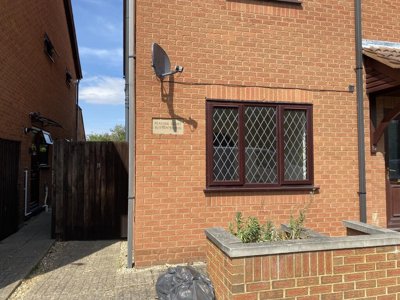
Browse 2 rental homes to rent in Tydd St. Mary from local letting agents.
Mary from local agents. The Tydd St. Mary property market offers detached, semi-detached, and terraced houses spanning various price ranges and neighbourhoods. Each listing includes detailed property information, photographs, and direct contact with the marketing agent.
The rental market in Tydd St. Mary reflects the broader property trends across South Holland, though it operates on a smaller scale typical of village locations. Average property prices in the area sit around £290,000 for ownership, with detached properties commanding approximately £350,000 and semi-detached homes around £220,000. This pricing context helps renters understand the local property values, though rental prices will vary based on property type, condition, and specific location within the village. The market has shown stability with a 2.5% increase in average prices over the past twelve months, indicating steady demand in the area.
Rental properties in Tydd St. Mary predominantly consist of detached and semi-detached homes, reflecting the village character and the predominantly residential nature of the housing stock. Terraced properties make up a smaller portion of available homes, while flats are relatively rare in this village setting. The housing stock spans several eras, from historic farmhouses and cottages in the village centre built pre-1919, through to post-war developments from 1945 to 1980 and more recent infill properties constructed after 1980. This variety means renters can choose between period properties with traditional features and more contemporary homes with modern fittings and insulation.
Approximately 30 properties have changed hands in Tydd St. Mary over the past twelve months, demonstrating consistent activity in the local sales market that often correlates with rental demand. The village attracts tenants who work locally in agriculture, food processing, or logistics sectors, as well as those employed in the nearby market towns of Wisbech and Spalding. For renters seeking long-term accommodation, understanding the local employment landscape helps inform decisions about lease lengths and proximity to potential workplaces.
Living in the Fens presents unique challenges and rewards that renters should understand before committing to a tenancy in Tydd St. Mary. The low-lying nature of the landscape, combined with the underlying geology of clay, silt, and peat deposits, creates specific considerations for property condition and maintenance. Properties in the village may experience issues related to the high water table that characterises Fenland areas, particularly during periods of heavy rainfall or when local drainage systems are under pressure.
The shrink-swell potential of local clay soils means that foundations in Tydd St. Mary properties require particular attention, especially in older buildings constructed before modern building regulations. Where clay content is significant, changes in soil moisture levels can cause ground movement that manifests as subsidence or heave. This movement can lead to cracking in walls, sticking doors or windows, and other structural symptoms that renters should monitor and report to landlords promptly. Properties with mature trees or large shrubs nearby face heightened risk, as root systems draw moisture from the soil throughout the year.
Flood risk in Tydd St. Mary requires careful consideration for prospective renters. The village sits within the flood plain of the River Nene and its tributaries, meaning properties near watercourses such as the Tydd St Mary Drain face elevated flood risk during extreme weather events. Surface water flooding can occur across the flat terrain when drainage systems are overwhelmed, while groundwater flooding represents an additional consideration given the waterlogged nature of the underlying geology. Coastal flood defences protecting The Wash provide some mitigation for the wider area, though renters should inquire about flood history and any existing mitigation measures for specific properties.

Life in Tydd St. Mary centres around community connection and the rhythms of rural English living. The village takes its name from the Church of St Mary, a Grade I listed building that stands as both a spiritual centre and architectural heritage asset for the community. This historic church, with its roots dating back centuries, anchors the village centre and provides a visual reminder of Tydd St. Mary's long history. The presence of this historic building and other period properties throughout the village creates a distinctive character that distinguishes Tydd St. Mary from newer developments found in surrounding towns. The village maintains an unhurried pace that many renters find refreshing, particularly those relocating from busier urban environments where green spaces and quiet streets come at a premium.
Agriculture remains central to the local economy around Tydd St. Mary, shaping both the landscape and the community's identity. The flat terrain of the Fens creates sweeping views across farmland, with drainage channels and dykes characteristic of this unique environment. Local businesses serving the farming community include agricultural suppliers, farm shops, and related trades that provide employment for residents. The proximity to larger towns means that renters can enjoy the best of both worlds: the tranquility of village life with the convenience of urban facilities within a short drive to Wisbech or Spalding.
Residents of Tydd St. Mary typically access essential services locally while travelling to nearby towns for more extensive shopping, healthcare, and entertainment options. The village benefits from its position within South Holland district, which provides local council services and community facilities. For families, the safe streets and extensive countryside provide natural play spaces that urban environments cannot replicate. Weekend activities often centre on countryside walks along the network of public footpaths, visits to local pubs, and participation in community events organised through the village hall or church.
Properties in Tydd St. Mary reflect the traditional building practices of the Fenland region, with red brick construction featuring prominently throughout the village. The characteristic red brick, often handmade using local clay deposits, gives many homes their distinctive warm appearance that harmonises with the surrounding landscape. Roofs throughout the village are typically tiled using clay or concrete tiles, reflecting the practical building choices made by generations of local builders. Some older properties in the village centre incorporate local stone or render, adding visual variety to the housing stock.
The construction methods used in Tydd St. Mary properties vary considerably depending on their age and era of construction. Pre-1919 properties in the village centre typically feature solid wall construction rather than the cavity walls found in modern buildings. Solid walls lack the insulation properties of cavity construction, meaning older properties may have higher heating costs and different thermal performance characteristics. Renters viewing period properties should understand that solid wall insulation options are limited without significant alteration, and some improvements may require listed building consent for properties of heritage significance.
Post-war construction in Tydd St. Mary introduced cavity wall construction, concrete ground floors, and modern building techniques that improved thermal efficiency and structural performance. Properties from the 1945-1980 period often represent a middle ground between traditional solid wall construction and modern cavity wall insulated properties. Timber roof structures predominate throughout the village's housing stock, though the condition of these timbers requires attention in older properties where woodworm or wet rot may have established themselves over decades of exposure.
Families considering renting in Tydd St. Mary will find educational options available both within the village and the surrounding area. Primary education is typically accessed through schools in nearby villages and towns, with many children from Tydd St. Mary attending establishments in the wider South Holland district. The journey to primary school often involves transport arrangements, either through the local council's school transport service or parental drops-offs along the country lanes connecting the village to surrounding communities. Parents should verify catchment areas and admission policies for specific primary schools before committing to a rental property, as these arrangements can significantly impact daily family routines.
Secondary school options in the area include schools in market towns such as Spalding, which offer a range of GCSE and A-Level programmes serving students from across South Holland. Secondary school attendance typically requires longer journeys than primary education, with many students travelling by school bus to Spalding grammar schools or secondary modern establishments. The Lincolnshire countryside surrounding Tydd St. Mary also offers opportunities for further and higher education, with colleges accessible via public transport or car from the village. For families prioritising educational provision, researching specific school performance data through Ofsted reports before committing to a rental is strongly recommended.
The village's small population means that some families may need to factor school transportation arrangements into their daily routines, particularly for secondary education where options may be more limited locally. Rental properties near bus routes serving school services provide practical advantages for families with secondary school children. Despite these considerations, many families are drawn to the area for its safer streets, outdoor spaces, and community atmosphere that complement formal educational provision.

Transport connectivity from Tydd St. Mary relies primarily on road networks, with the village situated in the flat landscape of the Fens where major routes connect to surrounding towns and cities. The A47 provides an important arterial route to the north and west, linking Tydd St. Mary with Wisbech and connecting onwards to Peterborough and the broader Cambridgeshire road network. Journey times to larger employment centres vary, with Peterborough accessible within approximately 45 minutes by car, making day commuting feasible for those working in the city. The flat terrain of the Fens lends itself well to cycling, though weather conditions throughout the year require appropriate preparation and clothing for comfortable journeys.
Public transport options serving Tydd St. Mary include bus services connecting the village to nearby market towns, providing essential connectivity for those without private vehicles. These services typically operate on less frequent schedules than urban routes, so renters are advised to check timetables carefully when planning daily commutes or shopping trips. The nearest railway stations are located in larger towns, with Peterborough offering connections to London and major cities including Leeds, Newcastle, and Birmingham. For renters considering Tydd St. Mary, assessing personal transport requirements and planning accordingly ensures that rural living remains practical and convenient for individual circumstances.
The proximity to Wisbech, approximately 20 minutes by car, provides access to additional local services including supermarkets, healthcare facilities, and employment opportunities in the retail and logistics sectors. Spalding, slightly further north, offers similar facilities plus access to secondary schools and further education colleges. For renters working in agriculture or food processing, local employment in the surrounding farmland may reduce the need for long-distance commuting altogether.
Before viewing properties in Tydd St. Mary, obtain a rental budget agreement in principle to understand exactly how much you can afford monthly. This document from financial providers helps landlords see you are a serious applicant and speeds up the rental process considerably. Budget agreements typically consider your income, existing commitments, and credit history to establish a realistic monthly rental ceiling that you can sustain comfortably.
Spend time exploring Tydd St. Mary to understand its character, amenities, and transport connections. Visit local shops, check journey times to your workplace, and speak with residents about their experience of living in the village. This research ensures the location genuinely matches your lifestyle requirements and helps you understand what daily life would actually be like before committing to a tenancy.
Contact estate agents and landlords to arrange viewings of available rental properties in Tydd St. Mary. View multiple properties to compare conditions, maintenance standards, and rental values before making a decision. Take notes and photographs during viewings to help remember each property's features, and don't hesitate to ask landlords about maintenance history, recent upgrades, and any issues they have experienced with the property.
Given the Fenland setting, arrange for a thorough inspection of the property condition before signing. Properties in Tydd St. Mary may have specific issues related to damp from high water tables, ground conditions affecting foundations, or age-related deterioration that require careful assessment. Consider requesting a professional survey for older properties to identify any defects that might require maintenance during your tenancy.
Once you have chosen a property, your landlord will require references, proof of income, and potentially a tenant referencing check. Ensure all documentation is prepared and respond promptly to requests to avoid delays in securing your rental. The referencing process typically takes one to two weeks, after which you can sign your tenancy agreement and receive confirmation of your move-in date.
Before taking keys, complete a detailed inventory check documenting the property condition, fixtures, and fittings. This protects both you and your landlord by ensuring any damage at the end of your tenancy can be properly identified and addressed. Take dated photographs of all rooms and note any existing damage or wear and tear on the inventory form, ensuring both you and the landlord sign to confirm the documented condition.
Renting in Tydd St. Mary requires attention to specific local factors that affect property condition and suitability. The village's location within the Fens brings particular considerations regarding flood risk and ground conditions that renters should evaluate carefully. Properties situated near watercourses such as the Tydd St Mary Drain carry elevated flood risk, and potential renters should inquire about flood history and any existing flood mitigation measures. The underlying geology of the area, which includes clay and peat deposits, can contribute to ground movement that manifests as subsidence or heave in properties with inadequate foundations.
The age of properties in Tydd St. Mary varies considerably, with many homes predating modern building regulations and construction standards. Older properties may feature solid wall construction rather than cavity walls, resulting in different insulation performance and heating requirements compared to newer builds. Electrical wiring and plumbing systems in period properties may be original or partially updated, and renters should clarify what maintenance and upgrades the landlord is responsible for during the tenancy. Properties with thatched roofs or those constructed with local stone may require specialist insurance and maintenance arrangements that differ from standard rental properties.
Common defects in Tydd St. Mary properties reflect the local environment and construction history of the village. Rising damp and penetrating damp frequently affect older properties due to the high water table characteristic of the Fens, requiring adequate ventilation and potentially damp-proof course maintenance. Roof condition on period properties often requires attention, with slipped tiles, failing pointing, and deteriorated felt representing typical issues found during property surveys. Timber elements may show signs of woodworm or wet rot where moisture has penetrated, particularly in properties with solid ground floors or inadequate roof ventilation. Outdated electrical systems, including older consumer units and wiring that does not meet current standards, appear in many pre-1970s properties throughout the village.

While specific rental price data for Tydd St. Mary was not available, rental values in the village align with the broader South Holland market where owner-occupied average prices sit around £290,000. Detached properties typically command the highest rents, with semi-detached homes at lower price points and terraced properties offering the most affordable options in the village. Actual rental costs depend on property size, condition, location within the village, and included amenities. We recommend contacting local estate agents for current rental listings to obtain accurate pricing for your requirements.
Properties in Tydd St. Mary fall under South Holland District Council jurisdiction for council tax purposes. Council tax bands in the village range across all bands from A through to H, depending on the property's assessed value. Properties in the village centre with historic features may have different bandings compared to more recently constructed homes. Prospective renters should verify the specific council tax band for any property they are considering, as this forms part of the monthly rental cost alongside rent payments.
Tydd St. Mary is a small village without its own primary or secondary school on-site, so children typically attend schools in surrounding villages and towns. Primary schools in nearby communities serve the local catchment area, with some families choosing schools based on academic performance as well as proximity. Secondary education options include schools in Spalding and Wisbech, both accessible by school transport from the village. Parents should research specific school Ofsted ratings and admission policies, as catchment areas can be competitive for popular establishments.
Public transport options from Tydd St. Mary include local bus services connecting to nearby market towns, though frequencies are lower than urban routes with services typically running every few hours rather than continuously throughout the day. The village is primarily car-dependent for daily commuting, with the A47 providing road access to Wisbech and onwards to Peterborough where regular train services connect to London and other major cities. The nearest railway stations are located in larger towns, with Peterborough offering direct services to London Kings Cross. Renters without private vehicles should carefully review bus timetables and consider whether available services meet their employment and shopping needs.
Tydd St. Mary offers renters an authentic Fenland village experience with strong community connections and rural character that appeals to those seeking a quieter lifestyle away from urban pressures. The village suits those who appreciate quiet living, scenic countryside with expansive skies, and traditional English village atmosphere where neighbours often know each other by name. However, the limited local amenities and reliance on nearby towns for extensive services mean renters should consider whether village living aligns with their lifestyle requirements. Those seeking proximity to major employment centres should factor commuting times, as day commuting to Peterborough or Cambridge is feasible by car but requires private vehicle access.
Standard deposits on rental properties in England are capped at five weeks rent where annual rent is below £50,000, meaning most properties in Tydd St. Mary fall within this threshold as village rental values remain modest. This deposit is held in a government-approved scheme and returned at the end of the tenancy, subject to any deductions for damage or unpaid rent. Additional costs may include referencing fees, administration charges from letting agents, and the first month's rent upfront. Renters should budget for these costs alongside removal expenses when calculating total moving costs.
Properties in Tydd St. Mary require attention to issues related to the Fenland environment, including damp from high water tables and potential flooding near watercourses that may affect properties close to the Tydd St Mary Drain. Ground conditions involving clay and peat soils can cause subsidence or heave affecting foundations, with signs including cracking to walls, sticking doors or windows, and uneven floors. Older properties may have outdated electrics with consumer units that do not meet current safety standards, original plumbing systems, or heating systems requiring updating. A thorough inspection and survey for period properties helps identify these issues before committing to a tenancy agreement.
Get pre-approved for your rental budget before searching
From 4.5%
Complete referencing checks required by landlords
From £25
Identify defects in older properties with a professional survey
From £450
Check energy performance before committing to a tenancy
From £80
Understanding the full cost of renting in Tydd St. Mary extends beyond monthly rent to include deposits, fees, and initial payments required when securing a tenancy. The tenant fees ban in England caps security deposits at five weeks rent for properties with annual rent below £50,000, meaning most properties in Tydd St. Mary fall within this threshold. This deposit is held in a government-approved scheme and returned at the end of the tenancy, subject to any deductions for damage or unpaid rent. Renters should document the property condition thoroughly at move-in to protect themselves against unjustified claims at tenancy end.
First-time renters in England benefit from relief on stamp duty land tax for properties up to £425,000, though this primarily applies to property purchases rather than rentals. For renting, additional costs include reference checks, administration fees charged by letting agents, and inventory reports conducted at check-in and check-out. A rental budget agreement in principle helps renters understand their financial capacity and demonstrates serious intent to landlords, providing a competitive edge in the Tydd St. Mary rental market where available properties may attract multiple applicants.

Properties to Rent In London

Properties to Rent In Plymouth

Properties to Rent In Liverpool

Properties to Rent In Glasgow

Properties to Rent In Sheffield

Properties to Rent In Edinburgh

Properties to Rent In Coventry

Properties to Rent In Bradford

Properties to Rent In Manchester

Properties to Rent In Birmingham

Properties to Rent In Bristol

Properties to Rent In Oxford

Properties to Rent In Leicester

Properties to Rent In Newcastle

Properties to Rent In Leeds

Properties to Rent In Southampton

Properties to Rent In Cardiff

Properties to Rent In Nottingham

Properties to Rent In Norwich

Properties to Rent In Brighton

Properties to Rent In Derby

Properties to Rent In Portsmouth

Properties to Rent In Northampton

Properties to Rent In Milton Keynes

Properties to Rent In Bournemouth

Properties to Rent In Bolton

Properties to Rent In Swansea

Properties to Rent In Swindon

Properties to Rent In Peterborough

Properties to Rent In Wolverhampton

Enter your details to see if this property is within your budget.
Loans, cards, car finance
Estimated property budget
Borrowing + deposit
You could borrow between
Typical borrowing
Monthly repayment
Est. at 4.5%
Loan-to-value
This is an estimate only. Your actual budget may vary depending on interest rates, credit history, and personal circumstances. For an accurate affordability assessment, speak to one of our free mortgage advisors.
This calculator provides estimates for illustrative purposes only and does not constitute financial advice. Your home may be repossessed if you do not keep up repayments on your mortgage. Estimates based on 4.5% interest rate, repayment mortgage. Actual rates depend on your circumstances.
Homemove is a trading name of HM Haus Group Ltd (Company No. 13873779, registered in England & Wales). Homemove Mortgages Ltd (Company No. 15947693) is an Appointed Representative of TMG Direct Limited, trading as TMG Mortgage Network, which is authorised and regulated by the Financial Conduct Authority (FRN 786245). Homemove Mortgages Ltd is entered on the FCA Register as an Appointed Representative (FRN 1022429). You can check registrations at NewRegister or by calling 0800 111 6768.