Properties To Rent in Troston, West Suffolk

Browse 6 rental homes to rent in Troston, West Suffolk from local letting agents.

6 listings Troston, West Suffolk Updated daily

Troston, West Suffolk Market Snapshot

Median Rent

£1,725/m

Total Listings

2

New This Week

0

Avg Days Listed

38

Source: home.co.uk

Price Distribution in Troston, West Suffolk

£1,000-£1,500/m
1
£2,000-£3,000/m
1

Source: home.co.uk

Property Types in Troston, West Suffolk

100%

Detached

2 listings

Avg £1,725

Source: home.co.uk

Bedrooms Available in Troston, West Suffolk

3 beds 1
£1,100
4 beds 1
£2,350

Source: home.co.uk

The Rental Property Market in Troston

The rental market in Troston reflects the broader characteristics of rural West Suffolk, where demand consistently outstrips supply due to the limited number of properties available. Our data shows that the average house price in Troston stands at £442,500 as of February 2026, with property values having increased by 10.6% over the past twelve months. This strong price appreciation indicates continued desirability of the area, which translates into both competitive sales and rental markets. With only 4 property sales recorded in the village over the past year, the tight supply means that rental opportunities appear infrequently but attract significant interest when they do.

The housing stock in Troston is predominantly detached properties, accounting for approximately 60.5% of all homes according to ONS Census 2021 data. Detached homes in the village command an average price of around £495,000, while semi-detached properties average approximately £350,000. Semi-detached properties represent 26.3% of the housing stock, while terraced homes make up 10.5% and flats comprise just 2.6% of available accommodation. This distribution means that renters in Troston typically find larger family homes rather than apartment-style living, making the village particularly suitable for families or those seeking spacious properties with gardens. The scarcity of flats indicates that the rental market skews toward tenants with higher budgets seeking family-sized accommodation.

Given the prevalence of detached family homes in Troston's housing stock, rental prices for these properties tend to reflect their size and the rural premium associated with village living. Tenants searching for rental properties in Troston should expect to find homes with generous gardens, traditional brick construction, and features that complement the village's historic character. The limited number of rental properties available at any given time means that prospective tenants should act quickly when suitable properties become available, as the tight market sees rentals let rapidly to qualified applicants.

Find Rentals Troston

Living in Troston

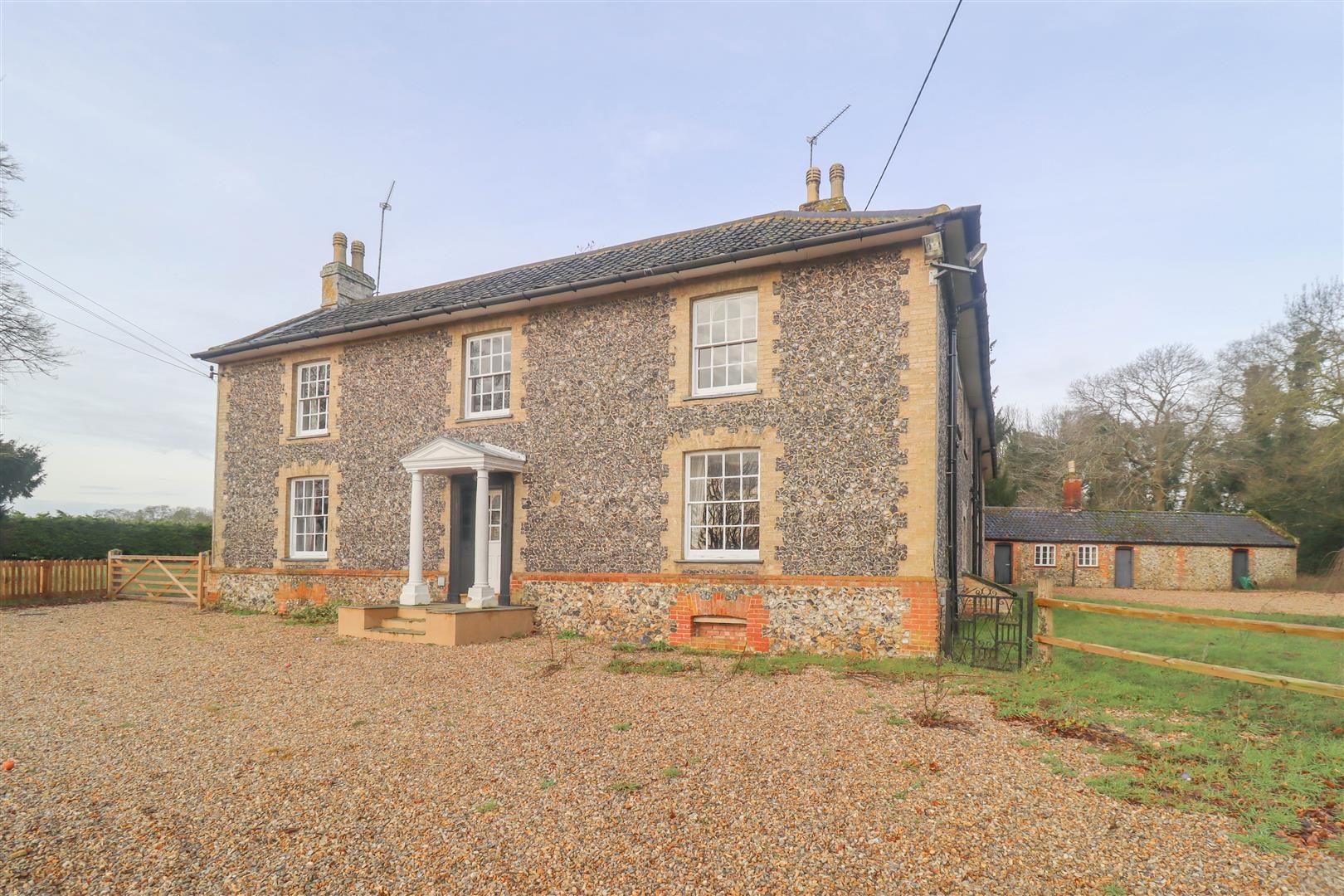
Troston embodies the essence of rural Suffolk living, offering residents a pace of life that contrasts sharply with urban environments. The village maintains a traditional English character with a range of historic properties featuring the distinctive red brick construction common throughout Suffolk. Many homes incorporate local building materials including flint and render, reflecting the area's vernacular architecture and historical building traditions. The presence of listed buildings such as St Mary's Church and Troston Hall adds architectural interest to the village and underscores its historical significance within the local landscape.

As a civil parish with a population of approximately 304 residents, Troston offers an intimate community atmosphere where neighbours often know one another and local events foster a strong sense of belonging. The village lifestyle centres around community connections, with local amenities potentially including a village hall, church, and countryside walks that showcase the beautiful Suffolk landscape. The rural economy here is influenced by agriculture and local services, while many residents commute to nearby Bury St Edmunds for employment in retail, healthcare, and professional services. The surrounding Suffolk countryside provides excellent opportunities for walking, cycling, and enjoying the natural beauty of East Anglia throughout the seasons.

The property age distribution in Troston reflects its historic character, with a significant proportion of homes built pre-1919 alongside properties from subsequent eras. Traditional construction methods using solid brick walls, timber roof structures with clay tile or slate coverings, and original timber windows are common features of older properties throughout the village. Some properties may have been modernised with cavity wall insulation and updated services, while others retain their period features including exposed beams, inglenook fireplaces, and original floorboards. Renters viewing properties in Troston should appreciate that older homes may require ongoing maintenance and may have different characteristics compared to newerbuild accommodation.

Rental Search Troston

Schools and Education in Troston

Families considering renting in Troston will find educational options available within reasonable travelling distance across the West Suffolk area. The village's small scale means that younger children may attend primary schools in nearby villages or the surrounding towns, with the specific school allocation depending on the property's exact location within the parish. Primary school-aged children in Troston typically access schools in surrounding villages or travel to larger settlements in the Bury St Edmunds area, where Ofsted-rated good and outstanding schools provide quality education from an early age.

Several primary schools within a reasonable distance of Troston serve the local village population, with some located in nearby villages such as Honington, Sapiston, and Barnham. These smaller rural primary schools often benefit from close community ties and smaller class sizes, providing younger children with a solid educational foundation in a supportive environment. Parents should check specific catchment areas and admission policies, as school allocation depends on residence location and availability of places at individual schools.

Secondary education in the area is predominantly served by schools in Bury St Edmunds, approximately 8-10 miles from Troston, which offers a range of secondary options including grammar schools for academically gifted students. The town's secondary schools include King Edward VI School and Bury St Edmunds County Upper School, both offering comprehensive curricula and strong extracurricular programmes. Sixth form provision and further education opportunities are well-served by the town's colleges and sixth form centres, providing clear progression pathways for older students. Parents renting in Troston should research specific catchment areas and school admission policies, as these can vary and may influence travel times and transportation requirements.

Rental Properties Troston

Transport and Commuting from Troston

Transport connectivity from Troston relies primarily on road networks, with the village situated within easy driving distance of the A14 corridor that runs through Suffolk connecting Felixstowe to the midlands. This major road provides direct access to Bury St Edmunds, Cambridge, and the wider motorway network beyond. For residents who commute to work, the road links from Troston make car travel the most practical option for reaching employment centres, though the peaceful rural setting rewards those who work from home or seek minimal daily commuting requirements.

The A14 junction near Bury St Edmunds provides convenient access to the national road network, with connections to Cambridge approximately 45 minutes drive and the motorway network around Birmingham accessible within around two hours. Many residents of Troston commute to Bury St Edmunds for daily employment, with the journey taking approximately 20-25 minutes by car. The town offers employment opportunities in retail, healthcare, professional services, and manufacturing sectors, making it a practical commuting destination for village residents.

Public transport options serving Troston include bus services that connect the village to nearby towns and villages, providing essential connectivity for those without private vehicles. Bus routes serving the surrounding area provide connections to Bury St Edmunds, though service frequencies are typically limited compared to urban areas, with perhaps one or two services per day on certain routes. The nearest railway stations are located in Bury St Edmunds and Thetford, with connections to mainline services at Ely and Cambridge that reach London Liverpool Street in approximately 90 minutes to two hours. For international or long-distance travel, Stansted Airport is accessible within approximately 90 minutes by car, offering flights across Europe and beyond. Cyclists and walkers will appreciate the network of country lanes and public footpaths that traverse the surrounding Suffolk countryside, though those commuting by bike should plan routes carefully given the rural nature of local roads.

Renting Guide Troston

What to Look for When Renting in Troston

Renting a property in Troston requires careful consideration of several factors specific to rural Suffolk properties and the village setting. The presence of clay soils throughout the Suffolk region, including boulder clay deposits, means that properties may be susceptible to shrink-swell ground movement. This can affect foundations and lead to subsidence issues, particularly in older properties with shallower foundations or those with large trees positioned close to the building. Prospective tenants should investigate the property's foundation history and any previous structural work when viewing potential homes.

Common defects found in older rural properties throughout the Troston area include damp issues affecting walls and floors, timber defects such as rot and woodworm, and roof problems including slipped tiles, failing felt, and deteriorated leadwork. Properties constructed using traditional methods with solid walls may lack modern damp-proof courses, making them more susceptible to rising damp, particularly if ground levels have been raised or drainage is inadequate. The timber roof structures common in older properties can suffer from decay if roof covering maintenance has been neglected, and tenants should look for signs of water ingress in ceiling spaces and around roof windows.

Flood risk represents another consideration for renters in Troston, as the nearby River Lark and its surrounding watercourses create potential flooding risk during periods of heavy rainfall or prolonged wet weather. Surface water flooding can also affect low-lying areas where drainage may be insufficient, so understanding the specific flood risk associated with a property's position is essential. The village's character as a conservation-conscious community with listed buildings means that planning restrictions may apply to certain properties, potentially limiting permitted alterations or requiring Listed Building Consent for significant changes.

Electrical and plumbing systems in older Troston properties may require updating to meet modern safety standards. Original wiring installed in properties built before the 1960s often requires complete replacement, and tenants should ask about the condition of consumer units, fusing, and socket outlets when viewing properties. Similarly, plumbing systems using lead or galvanised steel pipes may be present in the oldest properties and would benefit from replacement. Properties that have been recently renovated should include certification for any electrical and gas work carried out, providing tenants with assurance regarding the safety of building services.

Rental Market Troston

How to Rent a Home in Troston

1

Research the Area and Set Your Budget

Before searching for properties in Troston, establish your rental budget and understand what the market offers. Consider rental prices for similar properties in West Suffolk, factor in council tax bands, and ensure you have funds available for deposit and upfront costs. A rental budget agreement in principle helps you understand your affordability and demonstrates seriousness to landlords. Factor in commuting costs if you will be travelling to employment in Bury St Edmunds or further afield, as transport requirements can significantly affect the overall cost of living in a rural village location.

2

Arrange Property Viewings

Once you have identified suitable rental properties in Troston, arrange viewings to assess the property's condition, location, and suitability. Pay attention to the property's proximity to transport links, the condition of the building, garden space if applicable, and any signs of damp or structural issues common in older rural properties. When viewing, ask about the age of the property, any recent renovations or maintenance carried out, and the reason the current occupants are leaving. Take photographs and notes during viewings to help compare properties later.

3

Understand Your Tenancy Agreement

Before signing any tenancy agreement, carefully review the terms including rent amount, deposit requirements, lease length, and landlord responsibilities. In Troston, older properties may have specific clauses regarding maintenance of gardens, outbuildings, or boundaries. Ensure you understand your obligations as a tenant and what is included in the rental price, including which utility bills and council tax you are responsible for paying. Ask about procedures for reporting maintenance issues and expected response times for repairs.

4

Complete Referencing and Documentation

Landlords will require tenant referencing to assess your suitability, including credit checks, employment verification, and landlord references if you have rented previously. Prepare necessary documentation including proof of identity, proof of income, and references in advance to streamline the process. Some landlords may require a guarantor who can guarantee rent payments if you encounter financial difficulties, particularly for tenants without extensive rental history or stable employment. Referencing fees in the Troston area typically range from £100 to £300 depending on the letting agent or landlord.

5

Conduct a Pre-Move Property Inspection

Before moving into your Troston rental, document the property's condition with photographs and video. This protects you from potential disputes at the end of your tenancy regarding deposit deductions. Consider arranging an inventory check to ensure all contents and condition details are formally recorded, including the condition of fixtures, fittings, appliances, and outdoor spaces. The inventory should note any existing damage or wear and tear that was present before your tenancy commenced, providing clear evidence should any deposit disputes arise at the end of your tenancy.

Deposit and Fees When Renting in Troston

Understanding the financial requirements for renting in Troston helps prospective tenants budget accurately for their move. Standard deposits in the private rental sector typically amount to five weeks' rent, held in a government-approved deposit protection scheme for the duration of the tenancy. First-time renters should also budget for upfront rent payments, typically one month in advance, along with the deposit, meaning significant funds are required before taking occupation of a property. Deposit protection schemes ensure that your money is safeguarded and returned at the end of your tenancy, provided there are no legitimate deductions for damage or unpaid rent.

Additional costs to consider when renting in Troston include tenant referencing fees, which cover credit checks and employment verification conducted by letting agents or landlords. These fees typically range from £100 to £300 depending on the provider and the depth of referencing required. Some properties managed by letting agents may also incur administration fees, though these have been largely eliminated following legislation restricting tenant fees in England. First-time renters should budget carefully for these additional costs alongside the deposit and first month's rent.

Council tax costs vary depending on the property's band and the local authority's current rates, with West Suffolk Council responsible for setting these charges. Properties in Troston may fall into various council tax bands depending on their valuation, and prospective tenants should confirm the specific band and associated annual cost before committing to a tenancy. Utility bills including gas, electricity, water, and internet services should also be factored into the overall monthly budget, as older properties with solid walls may have higher heating costs than modern cavity-walled accommodation. Contents insurance is strongly recommended for tenants in rural properties, where outbuildings and garden equipment may represent additional assets requiring protection.

Find Rentals Troston

Frequently Asked Questions About Renting in Troston

What is the average rental price in Troston?

Specific rental price data for Troston is limited due to the village's small size and low number of rental properties available at any given time. The sales market indicates an average property price of £442,500 as of February 2026, with detached properties averaging around £495,000 and semi-detached homes at approximately £350,000. Rental prices in rural West Suffolk typically reflect property size and condition, with detached family homes commanding higher rents than smaller properties. For current rental pricing in Troston, we recommend searching our live property listings which are updated regularly as new rentals become available in the village.

What council tax band are properties in Troston?

Properties in Troston fall under West Suffolk Council's jurisdiction for council tax purposes. The specific council tax band depends on the property's valuation, with bands ranging from A through to H based on the 1991 valuation list used for most properties. Band D is commonly used as a reference point for council tax comparisons across UK local authorities, though the distribution of bands in a village like Troston with predominantly older properties may skew towards mid-range bands. Prospective tenants should confirm the council tax band and associated annual costs before committing to a tenancy, as these charges form a significant part of monthly housing costs that will be your responsibility as a tenant.

What are the best schools in the Troston area?

Troston itself is a small village without its own primary school, so families will typically access primary education in surrounding villages such as Honington, Sapiston, or Barnham, all within a few miles of the village. The Bury St Edmunds area, approximately 8-10 miles away, offers additional primary school options including several rated good or outstanding by Ofsted. Secondary education options include schools in Bury St Edmunds such as King Edward VI School, with grammar school places available for academically eligible students who pass the selection test. Parents should research specific school catchment areas and admission policies relevant to their circumstances, as these can affect travel times and transportation arrangements from Troston.

How well connected is Troston by public transport?

Public transport connectivity from Troston is limited due to its rural village setting, and car ownership is practically essential for most residents. Bus services provide connections to Bury St Edmunds and surrounding villages, though service frequencies are typically reduced compared to urban areas, with perhaps one or two buses per day on certain routes. The nearest railway stations are located in Bury St Edmunds and Thetford, with mainline connections available at larger stations in the region including Ely and Cambridge. For residents working in Bury St Edmunds, the approximately 20-25 minute drive along the A143 provides reasonable commuting access, though walking and cycling are only viable for local journeys given the distances involved.

Is Troston a good place to rent in?

Troston offers an exceptional quality of life for those seeking peaceful rural living within reach of urban amenities. The village provides a strong sense of community, beautiful Suffolk countryside with extensive footpaths and bridleways, and proximity to Bury St Edmunds for shopping, healthcare, and employment. The main considerations for renters include the scarcity of available rental properties, the typically higher cost of larger detached family homes, and the practical requirement for private transport given limited public transport options. For those who value village life, historic character, and access to Suffolk's natural beauty, renting in Troston can be highly rewarding, particularly for families seeking spacious accommodation in a tranquil setting.

What deposit and fees will I pay on a property in Troston?

Standard deposits for rental properties in Troston typically amount to five weeks' rent, protected in a government-approved scheme throughout the tenancy such as the Deposit Protection Service, MyDeposits, or Tenancy Deposit Scheme. Additional fees may include referencing fees for credit checks and employment verification, typically ranging from £100 to £300 depending on the letting agent or landlord. First-time renters should budget for the deposit plus one month's rent in advance, along with potential tenant referencing costs. Council tax, utilities, and contents insurance represent ongoing monthly costs that should be factored into your overall rental budget for a property in Troston.

Are there any flooding risks for properties in Troston?

Properties in Troston should be assessed for flood risk given the village's proximity to the River Lark and its associated watercourses. The Environment Agency's flood risk mapping indicates that areas near watercourses may be at risk of river flooding during periods of heavy rainfall or prolonged wet weather, and surface water flooding can affect low-lying areas where drainage is insufficient. Prospective tenants should ask about any historical flooding incidents at the property and check the specific flood risk assessment for the location. Buildings insurance typically covers flood damage, and tenants should confirm that appropriate coverage is in place before taking occupation of a rental property.

What type of properties are available to rent in Troston?

The housing stock in Troston is dominated by detached properties, which account for approximately 60.5% of all homes according to ONS Census 2021 data, meaning renters are most likely to find larger family homes with gardens rather than apartments or terraced housing. Semi-detached properties represent 26.3% of the housing stock, while terraced homes make up just 10.5% and flats comprise only 2.6% of available accommodation. This distribution means that renters seeking smaller properties or apartment-style living may find limited options within Troston itself and may need to consider nearby towns or larger villages for a broader range of property types and price points.

Services You'll Need When Renting

Browse Homes to Rent Across the UK

Terms of use Privacy policy All rights reserved © homemove.com | Properties to Rent » England » Troston, West Suffolk

Homemove is a trading name of HM Haus Group Ltd (Company No. 13873779, registered in England & Wales). Homemove Mortgages Ltd (Company No. 15947693) is an Appointed Representative of TMG Direct Limited, trading as TMG Mortgage Network, which is authorised and regulated by the Financial Conduct Authority (FRN 786245). Homemove Mortgages Ltd is entered on the FCA Register as an Appointed Representative (FRN 1022429). You can check registrations at NewRegister or by calling 0800 111 6768.