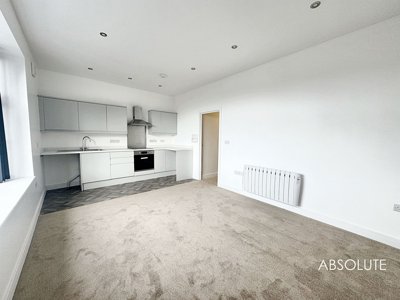
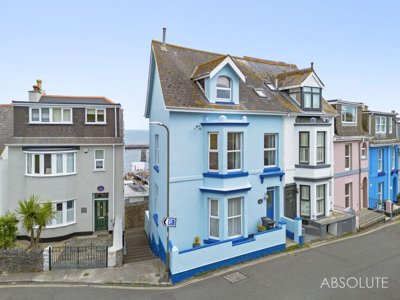
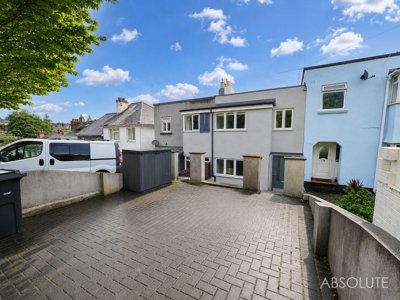
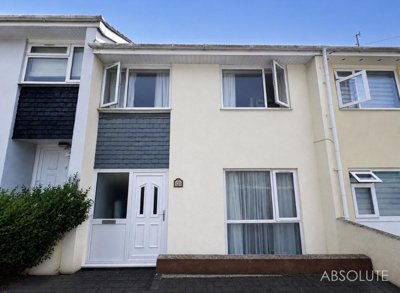
Powered by Home

Properties To Rent in Torquay, England

Browse 168 rental homes to rent in Torquay, England from local letting agents.

168 listings Torquay, England Updated daily

Torquay, England Market Snapshot

Median Rent

£1,000/m

Total Listings

77

New This Week

1

Avg Days Listed

47

Source: home.co.uk

Price Distribution in Torquay, England

Under £500/m
1
£500-£750/m
13
£750-£1,000/m
24
£1,000-£1,500/m
38
£1,500-£2,000/m
1

Source: home.co.uk

Property Types in Torquay, England

25%
14%
14%
14%

Flat

16 listings

Avg £859

Apartment

9 listings

Avg £814

House

9 listings

Avg £914

Terraced

9 listings

Avg £1,177

Semi-Detached

6 listings

Avg £1,213

End of Terrace

4 listings

Avg £1,119

Not Specified

4 listings

Avg £1,116

Detached

3 listings

Avg £1,383

Ground Flat

3 listings

Avg £825

Coach House

2 listings

Avg £825

Source: home.co.uk

Bedrooms Available in Torquay, England

1 bed 19
£693
2 beds 33
£1,005
3 beds 18
£1,243
4 beds 2
£1,275
5 beds 1
£1,450

Source: home.co.uk

The Rental Property Market in Torquay

The Torquay property market has experienced a correction in recent months, with house prices declining approximately 6-8% compared to previous years according to multiple data sources. Property Market Intel reports an 8% decline representing approximately £30,886 in value, while home.co.uk shows properties around 6% down on the previous year. This shift has created opportunities for renters who may find that some properties are more competitively priced than in previous market peaks. GetAgent data shows asking prices changed on average -3.4% in the past six months alone, suggesting continued market adjustment.

The Torquay property market has experienced a correction in recent months, with house prices declining approximately 6-8% compared to previous years according to multiple data sources. Property Market Intel reports an 8% decline representing approximately £30,886 in value, while home.co.uk shows properties around 6% down on the previous year. This shift has created opportunities for renters who may find that some properties are more competitively priced than in previous market peaks. GetAgent data shows asking prices changed on average -3.4% in the past six months alone, suggesting continued market adjustment.

Property types in Torquay are fairly evenly distributed, with terraced properties comprising approximately 30.6% of the housing stock, followed closely by detached homes at 30.1%. Semi-detached properties account for 21.1% of stock, while flats make up 18.2%. This diversity means renters can find everything from compact studio apartments to spacious family homes within the town. New build activity remains limited, with only around 63 new properties completed in the last twelve months, representing just 1.6% of total sales, which suggests the rental market relies heavily on established housing stock that may include character properties with original features. Most new properties were concentrated in the TQ4 7 postcode sector, which serves the western edge of Torquay.

Find Rentals Torquay

Living in Torquay

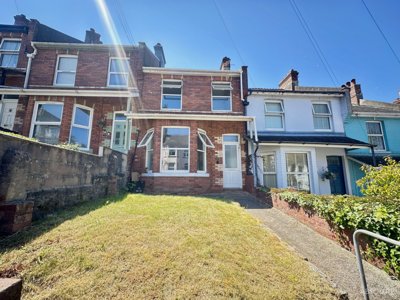
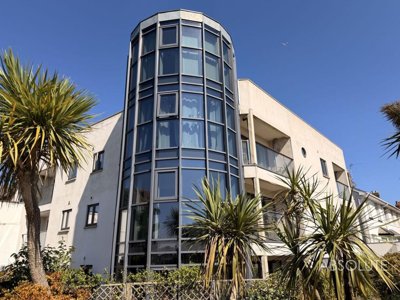
Torquay radiates a distinctive coastal atmosphere that distinguishes it from other seaside towns along the English coast. The towncentre features an elegant mix of Victorian and Edwardian architecture that reflects its development as a fashionable resort destination during the 19th century. Rental properties in areas like Chelston, St Marychurch, and the harbour front offer residents the chance to live in buildings with historical character while benefiting from modern interiors and amenities. The palm trees that line parts of the seafront create an almost Mediterranean ambiance, particularly during the summer months when tourists flock to enjoy the beaches and waterfront attractions. Many of these older properties were built using traditional construction methods common to the South West of England, featuring solid walls and period details that add to their charm.

The local economy centres significantly on tourism and hospitality, with the wider Torbay area promoting itself as the English Riviera. This means residents benefit from a good selection of restaurants, cafes, and entertainment venues that cater to both visitors and locals throughout the year. The town also attracts retirees, which influences the demographic composition and creates demand for certain property types. Everyday amenities include supermarkets in the towncentre and at Willand near the ring road, independent shops along Fleet Street and the harbour area, healthcare facilities including Torbay Hospital, and leisure centres offering swimming and fitness facilities. The coastline provides obvious recreational opportunities, with beaches, coastal walks including the South West Coast Path, and water sports available to residents who appreciate an active outdoor lifestyle.

The English Riviera offers a quality of life that many find hard to replicate elsewhere in the UK. The natural harbour, sheltered bay, and favourable climate attract visitors year after year, supporting a thriving hospitality sector that provides employment opportunities for residents. Rental properties near the harbour front command premium rents due to their desirable location and views, but more affordable options exist in areas like Shiphay, which offers good family amenities while remaining within easy reach of the towncentre. The community atmosphere in Torquay is notably welcoming, with local events throughout the year, from the Torquay Seafood Festival to traditional regatta events, creating opportunities for renters to integrate into community life quickly.

Rental Search Torquay

Schools and Education in Torquay

Families renting in Torquay have access to a range of educational establishments across all phases. Primary schools in the area include St Marychurch Primary School, which serves the St Marychurch neighbourhood, and Sherwell Valley Primary School serving the Chelston area. Other well-regarded primary options include Currock House Children's Centre and Roselands Primary School. For secondary education, Torquay Academy provides schooling for students aged 11-16, while St Cuthbert Mayne Catholic School offers faith-based education for secondary-aged children. The presence of these schools influences rental demand in their respective catchment areas, with properties near good-performing schools often attracting family tenants who value the convenience of shorter school runs.

The wider Torbay area includes additional secondary options at Collaton St Mary School and Churston Ferrers Grammar School Academy in the neighbouring town of Brixham. For families seeking grammar school provision, several grammar schools in Devon accept students from Torquay, including those in Exeter, though transport arrangements need careful consideration. For sixth form education, students can access courses at St Cuthbert Mayne Catholic School, Torquay Academy, or explore further education options at South Devon College in Paignton. Some students also choose to commute to specialist grammar school sixth forms in Exeter or Totnes.

When searching for rental properties, families should verify current school catchment boundaries and admission criteria directly with the relevant school or Torbay Council, as these can change and may affect your ability to secure a place at your preferred school. Properties in postcodes like TQ1 and TQ2 offer different school options depending on their specific location within Torquay. Families may find that properties in the TQ1 area around St Marychurch are convenient for St Marychurch Primary School, while those in TQ2 may offer easier access to Torquay Academy or other central options. Visiting schools and speaking with local parents can provide valuable insights beyond official inspection reports, helping families make informed decisions about which neighbourhood best suits their educational needs.

Rental Properties Torquay

Transport and Commuting from Torquay

Torquay benefits from rail connections that link the town to major cities along the Great Western Railway network. Torquay railway station provides direct services to Exeter, Plymouth, and Bristol, with journey times to Exeter taking approximately 40-50 minutes depending on the service. Commuters travelling to Plymouth can expect journey times of around 30-40 minutes, making day trips or regular commuting feasible. These rail connections make Torquay practical for commuters who work in larger cities but prefer the quality of life that coastal living offers. The train station is located in the towncentre on Rathmore Road, making it accessible for residents living in central rental properties, with local bus connections serving the station forecourt.

Bus services operated by Stagecoach and other local providers connect Torquay with surrounding towns including Paignton and Brixham, providing affordable travel options for residents without cars. The number 12 service connects Torquay with Paignton via the seafront route, while services to Brixham operate via Churston. For travel further afield, regular bus routes connect Torquay with Exeter, with the journey taking approximately 1.5-2 hours depending on traffic on the A380. The A380 dual carriageway connects Torquay to the M5 motorway at Exeter, giving access to the wider national road network for those who drive. Journey times to Exeter by car typically take around 30-40 minutes outside of peak traffic.

Exeter Airport, located approximately 20 miles away near Clyst Honiton, offers domestic flights and some European routes, expanding travel options for residents who need to fly for business or leisure. The airport has undergone significant expansion in recent years and now serves destinations including London City, Edinburgh, Glasgow, and various European cities. Within Torquay itself, cycling is popular along the seafront promenade and dedicated cycle paths connect the towncentre with beaches and surrounding areas. The relatively compact towncentre means many daily amenities including supermarkets, banks, and the retail area around Union Square can be reached on foot from centrally located rental properties, making car ownership optional for many residents.

Renting Guide Torquay

How to Rent a Home in Torquay

1

Get Your Rental Budget in Principle

Contact lenders or use Homemove to arrange a rental budget agreement in principle before starting your property search. This document shows landlords that you can afford the monthly rental payments and strengthens your application against other potential tenants. The process typically involves a basic financial assessment and costs from around 4.5% depending on the provider you choose. Having this agreement in place demonstrates to landlords and letting agents that you are a serious and financially prepared applicant in a competitive rental market.

2

Research Torquay Neighbourhoods

Explore different areas of Torquay including St Marychurch, Chelston, Shiphay, and the towncentre to find the neighbourhood that best matches your lifestyle needs, budget, and commute requirements. Consider factors like distance to schools, transport links, and local amenities when choosing your preferred area. St Marychurch offers a village atmosphere with good local shops, while Chelston provides easy access to parks and schools. The towncentre suits those who want to be the action, while areas like Wellswood offer a quieter residential feel.

3

Search and View Properties

Browse available rental listings in Torquay and arrange viewings for properties that meet your criteria. Take notes during viewings and ask about the condition of appliances, heating systems, and any recent renovations or planned maintenance. Given that 98.4% of properties in Torquay are established homes, pay particular attention to the age and condition of the boiler, roof, and any signs of damp or subsidence. Ask the landlord or agent about the property's flood risk history, especially for ground floor flats or properties near the harbour.

4

Understand Your Tenancy

Once you find a property, review the tenancy agreement carefully before signing. Understand the length of the tenancy, notice periods, rent payment schedule, and any clauses regarding pets, smoking, or modifications to the property. Given Torquay's numerous conservation areas and listed buildings, discuss any plans for decorating or minor alterations with your landlord before signing, as consent may be required. Standard tenancies in Torquay typically run for 6 or 12 months, with most landlords requiring five weeks deposit held in a government-approved scheme.

5

Prepare for Move-In

Coordinate with your landlord or letting agent about the inventory check, key collection, and any move-in procedures. Consider arranging utilities to be transferred to your name and set up council tax with Torbay Council. Budget for moving expenses, contents insurance, and connection fees for broadband and other services. Contact the local water, electricity, and gas suppliers to set up accounts in your name from your move-in date.

What to Look for When Renting in Torquay

Renting in Torquay requires attention to certain area-specific factors that may not be concerns in other locations. Coastal properties may be exposed to salt air and sea breezes, which can accelerate wear on external fixtures and affect the condition of windows, doors, and exterior paintwork. When viewing rental properties, ask about the age and condition of the boiler and heating system, particularly given that 98.4% of properties in Torquay are established homes that may have older infrastructure. Properties with sea views often command premium rents but may also have higher heating costs due to exposure to wind and salt air, and the salt spray can cause corrosion to external door hardware and window hinges over time.

Torquay has numerous conservation areas and listed buildings, which can affect what modifications tenants are permitted to make to rental properties. If you are considering a property in one of these designated areas, discuss any plans for decorating or minor alterations with your landlord before signing the tenancy agreement. Properties in areas like the harbourside or along Cary Parade may be listed, restricting what changes can be made. Check what the service charges and ground rent arrangements are for flats, as these ongoing costs can vary significantly between properties and may not always be clearly explained in listings.

Flood risk is worth considering given Torquay is a coastal town with potential for both coastal and surface water flooding. Properties near the harbour or in low-lying coastal areas may be more susceptible to surface water flooding during periods of heavy rainfall or high tides. Ask the landlord or letting agent about any history of flooding or water damage, and check whether the property has appropriate flood resilience measures in place. Surface water flood risk varies across Torquay, with some areas near the River Fleet being more prone to surface water accumulation during extreme weather events. As a coastal town, Torquay also faces potential coastal erosion concerns, though these are primarily relevant for properties very close to cliff edges rather than the general housing stock.

Rental Market Torquay

Frequently Asked Questions About Renting in Torquay

What is the average rental price in Torquay?

Understanding the broader sales market helps renters gauge the rental context. Average sold prices vary across sources, ranging from £257,053 on home.co.uk to £336,000 according to Plumplot data for 2025. Detached properties average between £397,500 and £508,083 depending on the data source and location, while semi-detached homes range from £283,027 to £313,471. Terraced properties, which comprise the majority of Torquay's housing stock, average around £225,909 to £265,696, making them accessible options for renters looking for more space. Flats command around £174,162 to £192,360 depending on location and condition, and these often represent the most affordable entry point to the Torquay rental market.

What council tax band are properties in Torquay?

While specific Torquay rental price data varies by source, one-bedroom flats in central Torquay often start from around £681 per month, rising to £839 for better-positioned or recently renovated properties. Two-bedroom apartments typically range from £1,014 monthly, while larger family homes with three or more bedrooms may command £1,268 monthly depending on location, condition, and proximity to the seafront. Properties in desirable areas like the harbour front or St Marychurch village command premium rents, while more affordable options can be found in areas like Shiphay or near the towncentre away from the seafront. Contact local letting agents for current rental listings to get accurate pricing for your specific requirements, as the rental market moves quickly in popular coastal towns.

What are the best schools in Torquay?

Torquay offers several well-regarded schools including St Marychurch Primary School for primary education, which serves the St Marychurch and Watcombe areas, and Sherwell Valley Primary School for pupils in Chelston and the surrounding neighbourhoods. For secondary education, St Cuthbert Mayne Catholic School in King Street serves students across the Torquay area, while Torquay Academy on Cricketfield Road provides comprehensive secondary education. Families should research current Ofsted ratings on the official Ofsted website and consider catchment areas when choosing rental properties, as school admissions are based on proximity to the school. Properties in postcodes TQ1 and TQ2 fall within different admission zones, so families should verify which schools serve their intended rental location before committing to a tenancy.

How well connected is Torquay by public transport?

Torquay railway station provides direct rail connections to Exeter St Davids, Plymouth, and Bristol Temple Meads along the Great Western Railway network, with Exeter reachable in approximately 40-50 minutes and Plymouth in 30-40 minutes. Local bus services operated by Stagecoach and other providers connect Torquay with Paignton, Brixham, and surrounding areas, with the number 12 bus providing a scenic route along the seafront between Torquay and Paignton. For travel to Exeter, the X46 and 39 bus services operate from Torquay bus station, with journey times of around 1.5-2 hours depending on traffic. The relatively compact towncentre means many amenities are walkable from central locations, and the seafront promenade provides pleasant walking and cycling routes between different areas of Torquay.

Is Torquay a good place to rent in?

Torquay offers an attractive combination of coastal living, reasonable property prices compared to major UK cities, and strong community spirit that makes it an excellent place to rent long-term. The English Riviera location provides excellent quality of life with beaches, coastal walks along the South West Coast Path, and leisure activities including water sports and sailing available on your doorstep. The town has good transport links for commuters to Exeter and Plymouth, and a range of amenities including shops, restaurants, healthcare facilities at Torbay Hospital, and entertainment venues. The rental market benefits from diverse property types ranging from Victorian flats to modern developments, though competition for the most desirable properties near the seafront can be keen. Properties in areas like St Marychurch, Chelston, and Shiphay are particularly popular with renters seeking a balance of character, convenience, and community atmosphere.

What deposit and fees will I pay on a property in Torquay?

Properties in Torquay fall under Torbay Council's jurisdiction, and council tax bands range from A through to H depending on the property value. Band A properties face the lowest annual charges while Band H properties pay the most, with the average property in Torquay typically falling in bands B to D. You can check the specific council tax band for any property through Torbay Council's online portal at torbay.gov.uk or by requesting this information from your landlord or letting agent before committing to a tenancy. The current Band A annual charge with Torbay Council is approximately £1,500, while Band D properties pay around £2,100 annually, though these figures should be verified with the council directly as they are subject to annual review.

Are there flood risks for rental properties in Torquay?

As a coastal town, Torquay has potential flood risks that renters should be aware of, though the level of risk varies significantly by location. Properties near the harbour, in low-lying coastal areas, or near watercourses like the River Fleet may face increased flood risk during periods of heavy rainfall combined with high tides. Surface water flooding can occur in some urban areas during extreme weather events. When viewing rental properties, ask the landlord or agent about any history of flooding and consider whether the property has flood resilience features. Buildings insurance is the landlord's responsibility, but tenants should arrange their own contents insurance to protect personal belongings. Your rental budget agreement should account for potential increases in utility costs that may occur if properties require additional heating or dehumidification following water damage.

What types of rental properties are available in Torquay?

The Torquay rental market offers diverse property types to suit different needs and budgets. Flats and apartments comprise around 18.2% of the housing stock and are often the most affordable option, particularly in areas like the towncentre and near the harbour. Terraced properties make up approximately 30.6% of housing stock and offer more space, typically with two or three bedrooms suitable for families. Semi-detached homes at 21.1% of stock often provide good value for families seeking garden space and separate living areas. Detached properties at 30.1% are available but less common in the rental market and command higher monthly rents. Many rental properties are established homes with period features including bay windows, original fireplaces, and high ceilings, though this means they may have older heating systems and infrastructure that should be checked during viewings.

Rental Costs and Deposits in Torquay

Understanding the full financial picture of renting in Torquay helps you budget accurately and avoid surprises during the application process. The standard security deposit required by most landlords in Torquay equals five weeks rent, held in a government-approved deposit protection scheme for the duration of your tenancy. In addition to the deposit, you will typically need to pay the first month rent in advance upon signing your tenancy agreement. If you have pets, some landlords may request a higher deposit or additional pet insurance, though many properties welcome well-behaved pets with appropriate deposits.

Before committing to any tenancy, obtaining a rental budget agreement in principle is strongly advisable, particularly in popular rental areas like Torquay where competition for desirable properties can be high. This document confirms how much you can comfortably afford in monthly rent based on your income and existing financial commitments. The process typically involves a basic financial assessment and costs from around 4.5% depending on the provider you choose. Having this agreement in place demonstrates to landlords and letting agents that you are a serious and financially prepared applicant, strengthening your position against other potential tenants. Some landlords in Torquay specifically request to see budget agreements before considering applications.

If you are considering purchasing after renting, our inspectors check the property condition thoroughly. From £350

Find Rentals Torquay

Browse Homes to Rent Across the UK

Terms of use Privacy policy All rights reserved © homemove.com | Properties to Rent » England » South West » Devon » Torquay, England

Homemove is a trading name of HM Haus Group Ltd (Company No. 13873779, registered in England & Wales). Homemove Mortgages Ltd (Company No. 15947693) is an Appointed Representative of TMG Direct Limited, trading as TMG Mortgage Network, which is authorised and regulated by the Financial Conduct Authority (FRN 786245). Homemove Mortgages Ltd is entered on the FCA Register as an Appointed Representative (FRN 1022429). You can check registrations at NewRegister or by calling 0800 111 6768.