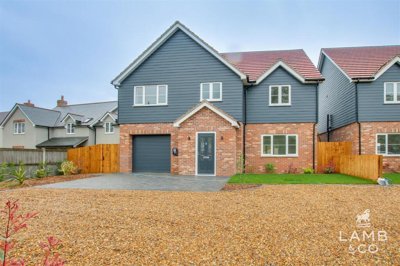
Browse 11 rental homes to rent in Tendring from local letting agents.
The rental market in Tendring reflects the broader property trends of this coastal Essex district. Average house prices in Tendring stood at £268,000 as of December 2025, with detached properties averaging £378,000 and semi-detached homes at approximately £260,000. This price structure translates to a rental market offering various options, from more affordable terraced properties averaging £205,000 in value to spacious detached homes that command premium rents. Recent market data shows semi-detached properties have increased by 1.2% over the past year, while flats have seen a modest decline of 3.9%, suggesting a stable rental environment with opportunities across property types. The flat market decline may reflect changing preferences among renters seeking more space following the pandemic period.
Property types available for rent in Tendring include traditional cottages, period homes with original features, inter-war bungalows, and newer constructions from developments like Samphire Meadow in nearby Frinton-on-Sea. The Taylor Wimpey development at Samphire Meadow offers 2, 3, 4, and 5-bedroom homes, providing modern rental options for families seeking newer construction. Other newer developments in the CO16 postcode area include Barleyfields in Weeley, Connaught Fields at Weeley Heath, The Meadows in Little Clacton, and The Oaks at Thorpe-le-Soken, each offering bungalow options that appeal to renters seeking single-level living.
The area features a significant proportion of older properties, with Tendring village itself containing numerous buildings of various ages behind continuous brick frontage walls, many dating from the inter-war period and beyond. For renters, this means access to characterful properties with features such as original fireplaces, timber floors, and traditional construction methods that reflect the local geology and building traditions. The Tendring District contains over 960 listed building entries, including 23 Grade I buildings of exceptional interest, indicating a substantial stock of historic properties that attract renters seeking character and heritage. Many of these period properties require understanding of their construction materials and maintenance needs, which differs from modern buildings.

Understanding the local construction materials helps prospective renters appreciate the character of Tendring properties and recognise features common to the area. The geology of Tendring has shaped building traditions for centuries, with materials sourced from local deposits including sand and gravel from ancestral Thames deposits, flint from local seabed formations, and ferricrete used in medieval church construction. London Clay, the dominant bedrock geology laid down about 50 million years ago, was traditionally used for brick and tile making, creating the distinctive red and brown brickwork visible throughout the district. Properties behind continuous brick frontage walls, common in Tendring village, reflect this local brick-making heritage.
The Red Crag deposits at The Naze, a sandy formation rich in fossil shells, create the geological foundation visible at Walton-on-the-Naze where the famous cliff section experiences rotational landslips. This geological instability affects some coastal properties and is relevant for renters considering homes near the cliffs or coastal margins. Properties on the Tendring Plateau benefit from brickearth deposits that create fertile agricultural soils, while the interaction between overlying sands and gravels and the underlying clay creates specific drainage patterns that affect foundations. Our team regularly inspects properties across Tendring and understands how local geology influences building conditions.
The presence of London Clay bedrock creates potential for shrink-swell movement in properties with clay foundations, particularly during periods of drought or heavy rainfall. Properties with mature trees nearby require additional consideration, as tree root moisture extraction can cause ground movement affecting foundations. Flint, ubiquitous in local geology, appears in boundary walls and building foundations throughout the area, and some historic properties incorporate this distinctive local stone in their construction. When renting older properties in Tendring, prospective tenants should look for signs of movement or cracking that may indicate foundation issues related to local soil conditions.
Life in Tendring offers a distinctive blend of rural charm and coastal accessibility that appeals to renters seeking an escape from urban intensity. The parish sits on the Tendring Plateau, an area characterised by fertile brickearth soils that have supported agriculture since prehistoric times. The local geology, dominated by London Clay with overlying Red Crag deposits at The Naze, has shaped both the landscape and the traditional building materials used locally, including sand, gravel, flint, and ferricrete. This geological heritage is visible in the architecture of historic buildings throughout the area, creating a visual connection to the land that renters come to appreciate over time.
The broader Tendring District, with a population of approximately 151,500 residents, offers comprehensive amenities while maintaining a community-focused atmosphere. The 60-kilometre coastline includes popular destinations like Clacton-on-Sea with its pier and seafront attractions, and the historic port of Harwich with its maritime heritage and international ferry connections. The district has over 960 listed building entries comprising more than 1,100 Listed Buildings and 20 Conservation Areas, reflecting the architectural heritage that contributes to the character of towns and villages throughout the area. Tendring village itself contains a designated Conservation Area, meaning that certain properties may be subject to planning restrictions affecting what tenants can do to the exterior or interior of period features.
Local economic activity centres on tourism, maritime industries, and agriculture, with the Tendring District Council publishing an Economic Development Strategy to support continued growth and opportunity for residents. The area has historically been shaped by extractive industries including sand and gravel quarrying at Ardleigh, brick and tile making from local clay, and salt extraction from coastal waters. The fertile brickearth soils continue to support agricultural production, with farmland visible throughout the parish and surrounding villages. For renters, this economic mix translates to a diverse local community with employment opportunities across sectors, while the slower pace of life distinguishes Tendring from more urbanised parts of Essex.

Families considering renting in Tendring will find a range of educational options across the district, with schools serving communities throughout the area. Primary schools in the Tendring area include Tendring Primary School in the village, Weeley St. Nicholas Primary School in Weeley, and Frinton Primary School in Frinton-on-Sea, each serving their local communities with varying capacities and facilities. The Tendring region also includes secondary schools such as Tendring Technology College in Clacton-on-Sea and Colchester High School and Sixth Form accessible via the regional transport network. Parents should research individual school performance through official Ofsted reports and league tables when selecting a rental property, as school quality and catchment areas significantly affect educational placement.
While specific Ofsted ratings for schools in the immediate Tendring village area vary, the district as a whole maintains educational facilities that serve both the local population and families moving from surrounding areas. Catchment areas for primary schools in Tendring typically align with village boundaries, meaning that living in Tendring village generally provides priority access to Tendring Primary School. Secondary school catchments are larger and may require consideration of transport arrangements, with students potentially travelling to schools in nearby towns. The district's population growth of 7.4% over the past decade reflects its appeal to families, suggesting that educational provision continues to evolve to meet local demand.
For older students, further and higher education opportunities are available across Essex, with colleges and universities accessible via the regional transport network. Clacton County High School provides sixth form options for students remaining in the district, while Colchester Institute and University of Essex offer higher education courses accessible via the A133 and rail connections. The presence of significant older housing stock in Tendring, including listed buildings and properties of various periods, means that some schools may be located in historic buildings with unique architectural character, such as the buildings used by Tendring Primary School. Families should also consider the proximity of schools to their potential rental property, as transport arrangements can add complexity to daily routines.
Transport connectivity from Tendring links this Essex parish to the wider region through a combination of road and rail options. The area benefits from connections to the A120 and A133 roads, providing routes to Colchester and the wider Essex road network. The A133 provides direct access to Clacton-on-Sea and connects with the A12 for journeys to Chelmsford and London. The A120 offers routes to Harwich and Stansted Airport, making the area accessible for air travel and continental ferry connections. For local travel, the B1035 and other minor roads connect Tendring village with surrounding settlements including Thorpe-le-Soken, Weeley, and Little Clacton.
For commuters working in London or other major centres, the rail network offers services from Manningtree station, approximately 8 miles from Tendring village, with journey times to London Liverpool Street of around 65 minutes. Rail services from Manningtree connect to the mainline network, providing access to employment centres throughout southeast England. Clacton-on-Sea station offers direct services to London Liverpool Street via Colchester, with journey times of approximately 90 minutes to the capital. The proximity to Harwich also offers ferry connections for those travelling further afield, maintaining the area's historic role as a gateway to the continent for freight and passengers.
Local bus services operate throughout the Tendring District, connecting villages and towns with larger centres offering retail, healthcare, and recreational facilities. The ESX bus network provides routes between major towns including Clacton-on-Sea, Frinton-on-Sea, Walton-on-the-Naze, and Harwich, with varying frequencies depending on the route and day. For those who prefer sustainable travel, cycling infrastructure exists in various forms across the district, with National Cycle Route 51 passing through parts of Tendring. However, rural roads may require consideration for less experienced cyclists, particularly during winter months when reduced daylight hours and surface conditions create additional challenges. Parking availability varies by location, with coastal towns experiencing higher demand during peak summer seasons.

Begin by exploring the Tendring property market and understanding which villages or neighbourhoods best match your requirements. Consider factors such as proximity to schools, transport links, and local amenities when narrowing your search. Our platform provides area guides covering each part of Tendring, helping you understand the character of different locations from the conservation area of Tendring village itself to the coastal towns of Frinton-on-Sea and Walton-on-the-Naze.
Before viewing properties, obtain a rental budget agreement in principle from a lender or financial institution. This demonstrates your financial credibility to letting agents and landlords, strengthening your position in a competitive market where desirable properties may attract multiple applications. Having your budget confirmed helps you focus your search on properties within your affordability range and reduces the risk of disappointment later in the process.
Once you have identified suitable properties, schedule viewings to assess their condition, location, and suitability. Pay attention to factors specific to Tendring properties, such as the age of the building, construction materials, and proximity to the coastline. We recommend viewing properties at different times of day to assess noise levels, natural light, and the general atmosphere of the neighbourhood before committing to an application.
Familiarise yourself with local factors that may affect your tenancy, including conservation area restrictions if applicable, coastal flood risk, and the terms of any leasehold arrangements for flats in the district. Properties in Tendring village may be subject to conservation area controls affecting external alterations, while coastal properties near The Naze or Holland Brook valleys require specific flood risk enquiries. Understanding these local factors before committing helps prevent issues during your tenancy.
When you find the right property, submit your tenancy application through the letting agent or directly to the landlord. Provide all required documentation, including proof of income, references, and identification. Applications in popular areas like Tendring may face competition, so ensuring your documentation is complete and your references are arranged in advance gives you the best chance of securing your chosen property.
Once approved, review your tenancy agreement carefully, ensuring you understand your rights and responsibilities as a tenant, including deposit protection arrangements and notice periods. Your deposit must be protected in a government-approved scheme within 30 days of payment, and you should receive information about this protection from your landlord or letting agent. We recommend documenting the property condition at move-in through photographs or an inventory check to protect your deposit at the end of the tenancy.
Renting in Tendring requires attention to several local-specific factors that may not be apparent in other areas. The geology of the region, characterised by London Clay bedrock, means that some properties may be susceptible to shrink-swell movement, particularly during periods of drought or heavy rainfall. Tenants should look for signs of subsidence, cracking, or movement in walls and floors during property viewings. Properties with mature trees nearby may require additional attention, as tree roots can interact with clay soils in ways that affect building foundations over time. The Red Crag formations at Walton-on-the-Naze experience coastal erosion and landslips, which affects properties near the cliffs, though most residential areas in Tendring are situated safely inland.
The coastal location of Tendring means that flood risk is a consideration for some properties, particularly those near the 60-kilometre coastline or close to stream valleys such as Holland Brook south of Tendring village. While many properties are situated safely inland on the Tendring Plateau, prospective tenants should enquire about flood risk for specific locations and consider the potential impact on buildings insurance and their own belongings. Properties in low-lying areas near stream valleys may face surface water flooding during heavy rainfall, while coastal areas can be affected by tidal flooding during extreme weather events. The Environment Agency provides flood risk information that should be consulted before committing to any rental property in the area.
The presence of multiple conservation areas and over 960 listed building entries in the district also means that planning restrictions may affect what tenants can do to properties, including restrictions on alterations or modifications to period features. If you are considering renting a listed building, discuss any planned modifications with your landlord and the local planning authority before signing the tenancy agreement. Properties in new developments like Samphire Meadow in Frinton-on-Sea or Barleyfields in Weeley are likely to be exempt from such restrictions, offering more flexibility for tenants who wish to personalise their rental home.

While specific rental price data for Tendring village was not available, the broader Tendring District provides useful context for the local market. Average house prices in Tendring stood at £268,000 as of December 2025, with detached properties averaging £378,000, semi-detached at £260,000, terraced at £205,000, and flats at £138,000. Rental prices typically correlate with property values, so renters can expect terraced properties and flats to offer more affordable options, while detached homes command higher rents. The market has shown stability with overall prices remaining flat over the past year, suggesting a balanced rental environment with options across different price points. Newer developments like Samphire Meadow in Frinton-on-Sea may command premium rents reflecting their modern construction and amenities.
Properties in Tendring fall under Tendring District Council for council tax purposes. The specific council tax band of a property depends on its valuation band, which is assessed by the Valuation Office Agency based on the property's value as of April 1991. Prospective tenants should enquire about the council tax band for any specific property they are considering, as this forms part of the overall cost of renting. Bands range from A to H, with lower bands applying to properties of lower value, typically flats and smaller terraced properties, while larger detached homes often fall into higher bands. You can check specific band details using the government valuation services website, and you should factor this cost alongside rent and utility bills when budgeting for your tenancy.
Tendring offers educational options across primary and secondary levels, with schools serving the local community throughout the district. Primary schools include Tendring Primary School serving the village itself, Weeley St. Nicholas Primary School in the nearby village of Weeley, and Frinton Primary School serving the town of Frinton-on-Sea. Families should research individual school performance through official Ofsted reports and league tables when selecting a rental property, as ratings vary between institutions. The district includes secondary schools with different specialisms and admission policies, with Tendring Technology College in Clacton-on-Sea providing technical education options. Catchment areas can significantly affect school placement, so parents should verify which schools serve their intended rental address before committing to a tenancy.
Public transport connectivity in Tendring includes bus services operating throughout the district, connecting villages with larger towns and providing access to rail stations for regional travel. The ESX bus network links Tendring with Clacton-on-Sea, Frinton-on-Sea, Walton-on-the-Naze, and Harwich, with varying frequencies depending on the route. The road network, including the A120 and A133, provides routes to Colchester and other Essex centres, with the A133 providing the main artery connecting the coastal towns to Colchester. Rail connections from Manningtree station, approximately 8 miles from Tendring village, offer services to London Liverpool Street with journey times of around 65 minutes, making the area viable for commuters working in the capital. The proximity of Harwich also provides ferry connections for international travel to the continent.
Tendring offers an appealing combination of coastal access, rural character, and community atmosphere that makes it attractive to renters. The area benefits from the natural beauty of the Essex coastline, including the iconic Red Crag cliffs at Walton-on-the-Naze, and historic architecture reflecting centuries of building tradition using local materials including flint, brick, and ferricrete. The district population has grown by 7.4% over the past decade, indicating sustained demand for housing that supports a stable rental market. The planned new developments, including garden villages at Horsley Cross, Hare Green, and Weeley, suggest continued investment in local infrastructure that will enhance the area for residents. However, prospective tenants should consider factors such as flood risk for coastal locations, the potential for shrink-swell issues in clay areas, and the availability of local services when evaluating whether Tendring suits their specific circumstances.
When renting a property in Tendring, you will typically be required to pay a security deposit equivalent to five weeks' rent, which must be protected in a government-approved deposit scheme by your landlord within 30 days of receiving it. Tenants may also need to pay a holding deposit to reserve a property while references are checked, usually equivalent to one week's rent, which is typically deducted from your move-in costs but may be retained if you withdraw without good reason. Other potential costs include background and credit checks, often arranged by letting agents, and in some cases, the first month's rent in advance. First-time renters should budget for these costs alongside removal expenses and any furnishing requirements, as total upfront costs can exceed one month's rent plus deposit. Always request a full breakdown of fees before committing to a tenancy.
Several new developments in the Tendring area offer modern rental properties built to contemporary standards. Samphire Meadow in Frinton-on-Sea, developed by Taylor Wimpey, offers 2, 3, 4, and 5-bedroom homes that may be available for rent as the development matures. Other developments including Barleyfields in Weeley, Connaught Fields at Weeley Heath, The Meadows in Little Clacton, and The Oaks at Thorpe-le-Soken offer bungalow options particularly suitable for renters seeking single-level accommodation. New builds typically offer lower maintenance concerns compared to period properties, though they may command higher rents reflecting their modern construction, energy efficiency, and amenities. Our platform monitors listings across these developments to help you find modern rental options in the Tendring area.
From 4.5% APR
Get pre-approved for your rental budget to strengthen your tenancy application
From £25
Complete your referencing checks quickly with our fast turnaround service
From £85
Check the energy efficiency rating of your potential rental property
From £100
Document property condition at move-in to protect your deposit
Understanding the full costs of renting in Tendring helps prospective tenants budget accurately and avoid surprises during the application process. The initial costs typically include a holding deposit equivalent to one week's rent, which secures the property while references and checks are completed. This deposit is usually deducted from the final move-in costs but may be retained if you withdraw from the application without good reason. Tenants should also budget for the security deposit, typically five weeks' rent, which must be protected in a government-approved scheme and returned at the end of the tenancy, minus any deductions for damage or unpaid rent beyond fair wear and tear.
Beyond deposits and rent in advance, renters should consider the costs of moving, including removal services or van hire, and potential furnishing expenses if the property is unfurnished. Buildings insurance is typically the landlord's responsibility, but contents insurance for your belongings is advisable, particularly in areas with any flood risk considerations near the coastline or stream valleys. For properties in Tendring's older housing stock, including Victorian and Edwardian buildings, potential tenants may wish to budget for professional surveys to assess condition, though this is less common for standard lettings than for property purchases. The local property market offers options across various price ranges, allowing tenants to find properties that match their financial circumstances while enjoying the distinctive character of this coastal Essex parish.
When budgeting for your rental property in Tendring, remember to factor in ongoing costs including council tax, which varies by property band and is paid to Tendring District Council, along with utility bills that may be higher in older properties with less insulation. If your rental property is a flat or part of a leasehold development, you may also contribute to service charges and maintenance fees for communal areas. Our platform provides information about specific properties to help you understand the full cost of renting in Tendring before you begin your search.

Properties to Rent In London

Properties to Rent In Plymouth

Properties to Rent In Liverpool

Properties to Rent In Glasgow

Properties to Rent In Sheffield

Properties to Rent In Edinburgh

Properties to Rent In Coventry

Properties to Rent In Bradford

Properties to Rent In Manchester

Properties to Rent In Birmingham

Properties to Rent In Bristol

Properties to Rent In Oxford

Properties to Rent In Leicester

Properties to Rent In Newcastle

Properties to Rent In Leeds

Properties to Rent In Southampton

Properties to Rent In Cardiff

Properties to Rent In Nottingham

Properties to Rent In Norwich

Properties to Rent In Brighton

Properties to Rent In Derby

Properties to Rent In Portsmouth

Properties to Rent In Northampton

Properties to Rent In Milton Keynes

Properties to Rent In Bournemouth

Properties to Rent In Bolton

Properties to Rent In Swansea

Properties to Rent In Swindon

Properties to Rent In Peterborough

Properties to Rent In Wolverhampton

Enter your details to see if this property is within your budget.
Loans, cards, car finance
Estimated property budget
Borrowing + deposit
You could borrow between
Typical borrowing
Monthly repayment
Est. at 4.5%
Loan-to-value
This is an estimate only. Your actual budget may vary depending on interest rates, credit history, and personal circumstances. For an accurate affordability assessment, speak to one of our free mortgage advisors.
This calculator provides estimates for illustrative purposes only and does not constitute financial advice. Your home may be repossessed if you do not keep up repayments on your mortgage. Estimates based on 4.5% interest rate, repayment mortgage. Actual rates depend on your circumstances.
Homemove is a trading name of HM Haus Group Ltd (Company No. 13873779, registered in England & Wales). Homemove Mortgages Ltd (Company No. 15947693) is an Appointed Representative of TMG Direct Limited, trading as TMG Mortgage Network, which is authorised and regulated by the Financial Conduct Authority (FRN 786245). Homemove Mortgages Ltd is entered on the FCA Register as an Appointed Representative (FRN 1022429). You can check registrations at NewRegister or by calling 0800 111 6768.