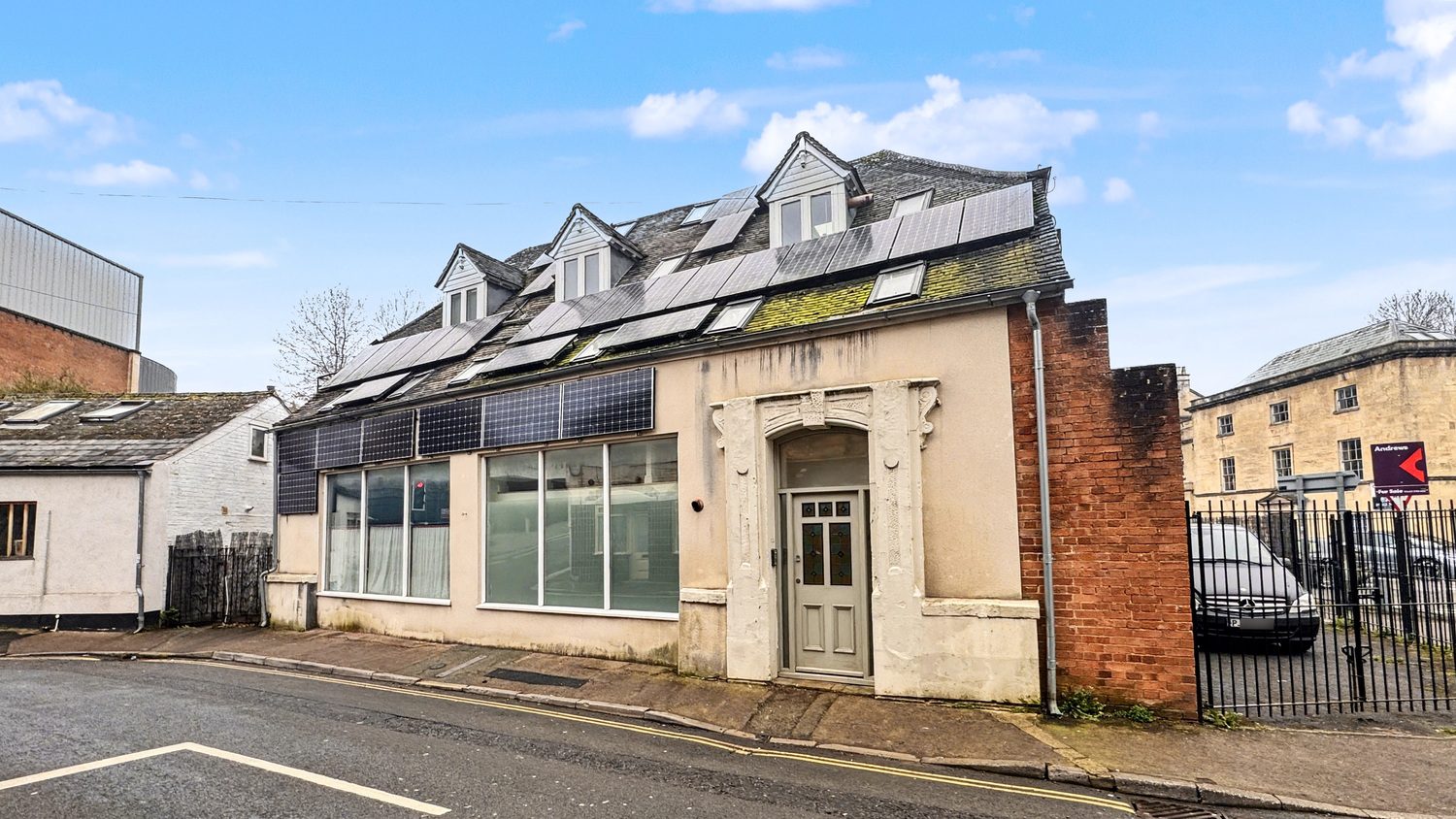
Browse 27 rental homes to rent in Stroud, Stroud from local letting agents.
£1,250/m
3
0
60
Source: home.co.uk
Source: home.co.uk
Semi-Detached
2 listings
Avg £1,350
other
1 listings
Avg £900
Source: home.co.uk
Source: home.co.uk
The Stroud rental market benefits from a combination of period properties and modern developments that cater to various budgets and lifestyles. While rental prices vary depending on property type, size, and condition, tenants can expect to find terraced houses starting from around £800 per month, with larger family homes commanding rents of £1,400 to £2,000 or more depending on location and features. Flats and apartments in the town centre typically range from £650 to £1,100 per month, offering convenient access to local amenities and transport connections. The premium Cotswold location ensures that rental prices remain competitive, reflecting both the desirability of the area and the quality of housing stock available.
New build developments such as The Steppes on GL5 bring contemporary rental options to the market, offering modern energy-efficient homes with open-plan layouts that appeal to young professionals and downsizers. These properties often include allocated parking and private gardens, features that are highly sought after in the Stroud area where historic housing stock may lack such amenities. The mix of old and new creates a balanced rental ecosystem where tenants can choose between the charm of a Cotswold stone property and the convenience of a newly constructed home. Property values in the sales market have shown relative stability over the past twelve months, with average prices hovering between £350,000 and £370,000, a factor that influences rental demand and pricing across the district.
For tenants specifically searching for properties to rent in Stroud, the market offers particular value in areas further from the town centre, where Victorian terraces on roads like Folly Lane and York Street provide excellent character at more accessible price points. Semi-detached family homes in neighbourhoods such as Cainscross Road and The Leazes command premium rents due to their proximity to sought-after schools and generous garden sizes. The recent completion of the A419 corridor improvements has also made properties in the eastern reaches of the district more attractive to commuters, with villages like Stonehouse benefiting from enhanced connectivity while retaining lower rental costs than central Stroud.

Stroud district is home to approximately 120,000 residents spread across around 50,000 households, creating a community that feels welcoming yet substantial enough to support a thriving local economy. The area has evolved from its industrial heritage as a centre for wool and cloth production into a modern hub where creative industries, artisan manufacturing, and professional services coexist harmoniously. Residents enjoy access to an award-winning weekly farmers market, independent bookshops, craft studios, and a cinema that reflects the towns cultural appetite. The presence of the Stroud Valleys as a stunning backdrop encourages an outdoor lifestyle, with countless footpaths, cycling trails, and recreational spaces that contribute to an exceptional quality of life for those renting in the area.
The housing stock in Stroud district reflects its historical development, with around 30% of properties being detached homes, 30% semi-detached, 20% terraced, and approximately 10-15% apartments and flats. This variety means that renters can find accommodation to suit their household composition, whether they are a single professional seeking a compact flat or a growing family looking for a spacious Victorian semi-detached home. The architectural character is defined by traditional Cotswold stone construction, with many pre-1919 properties featuring thick solid walls, original fireplaces, and charming period details that newer builds simply cannot replicate. Modern developments provide alternative options for those prioritising energy efficiency and low-maintenance living, ensuring that the rental market offers genuine choice across all property types and price points.
The demographics of Stroud renters span a wide spectrum, from young creative professionals drawn to the towns artistic reputation to retired couples downsizing from larger family homes in surrounding villages. The presence of Stroud General Hospital and Stroud District Council provides stable public sector employment that underpins local rental demand, while the growing creative and artisan sector attracts residents who prioritise lifestyle over proximity to major employment centres. Properties to rent in Stroud are particularly popular with those seeking to escape the higher costs of Bristol and Cheltenham while maintaining reasonable commuting options, making the town a strategic choice for cost-conscious renters who refuse to compromise on quality of life.

Families considering renting in Stroud will find a comprehensive network of educational establishments that serve the local community from early years through to further education. The town and surrounding villages host a mix of primary schools, many of which are rated highly by Ofsted and serve distinct catchment areas that renters should research carefully before committing to a tenancy. Secondary education options include both comprehensive schools and specialist institutions, with performance data readily available through government transparency measures that allow parents to make informed decisions about their childrens education. The presence of Stroud Primary School and Marling School as established institutions provides educational anchors that families relocating to the area frequently cite as factors in their decision-making process.
For older students, Stroud High School sixth form and the local college provide further education pathways that keep young people within the district for their studies. The academic calendar and term dates follow the Gloucestershire Local Authority schedule, and families should verify these details when planning a move to ensure continuity with their childrens current educational provision. Transport arrangements for secondary school students often involve dedicated school bus services, though the proximity of many schools to residential areas means that cycling and walking are viable options for older children. The quality of local education contributes significantly to Strouds appeal as a place to raise a family, and rental properties within good school catchments frequently command premium rents as a result.
Beyond traditional schooling, Stroud offers a range of extracurricular activities and alternative education options that reflect the towns progressive character. Several Waldorf and alternative primary schools serve families seeking different educational approaches, while the local college provides vocational courses that complement academic A-level pathways. Parents searching for properties to rent in Stroud should note that school catchment boundaries can be complex in rural areas, with villages like Amberley and Woodchester potentially falling into different admission areas than their geographic proximity might suggest. Consulting the Gloucestershire County Council school admissions portal before finalising a tenancy ensures that children can access preferred schools without lengthy daily journeys.

Stroud railway station provides direct connections to some of the regions major employment centres, with regular services to Gloucester and Cheltenham taking approximately 30 and 45 minutes respectively. The station also offers direct trains to Swindon and London Paddington, with journey times to the capital averaging around 90 minutes, making Stroud a viable base for commuters who work in the capital but wish to enjoy Cotswold living. Bristol can be reached in approximately 50 minutes by train or just over an hour by road, opening up employment opportunities in the south west while maintaining a manageable daily commute. The station itself benefits from parking facilities and good cycling access, supporting multi-modal journeys for those who prefer not to drive every day.
The M5 motorway is accessible within a short drive, providing road connections to Birmingham, Exeter, and the wider national motorway network for those who travel by car. Local bus services operated by Stagecoach and other providers connect Stroud with surrounding villages and towns, offering essential transport links for residents without vehicles. The topography of the Five Valleys can make cycling challenging in places, but dedicated cycling routes and the relatively compact nature of the town centre make local journeys feasible by bike for many residents. For tenants relocating from larger urban areas, the contrast between Strouds transport connectivity and their previous location will be notable, with less traffic congestion and shorter commute times contributing to an improved overall quality of life.
The A419 and A46 road corridors provide additional commuting options for those working in Swindon or the M4 corridor, with the improved dual carriageway reducing journey times significantly compared to previous routes. Residents renting in villages like Dursley or Stonehouse may find these arterial routes particularly convenient, though they should factor in the additional commuting costs when calculating their overall rental budget. Park-and-ride facilities at Stroud station provide an option for those living slightly further from the town centre, allowing commuters to avoid town centre parking charges while still accessing direct rail services to major cities.

Obtain a rental budget agreement in principle before viewing properties. This document from a mortgage broker or financial adviser confirms how much rent you can afford, giving landlords confidence in your application and helping you focus your search on realistic options in the Stroud rental market. Budget agreements are particularly useful in competitive areas like Stroud where multiple applications on popular properties are common.
Browse current listings on Homemove and register with local letting agents who manage rental properties in Stroud. Attend viewings of properties that match your requirements, taking notes on condition, location, and any features that differentiate one property from another. Agents operating in the Stroud area often have properties across the price spectrum, from compact flats near the station to substantial family homes in surrounding villages.
Before signing your tenancy agreement, consider booking a RICS Level 2 Survey on the property. For Strouds older housing stock, where over 70% of properties predate 1976, a professional survey can identify issues such as damp, roof defects, or subsidence risk that may affect your decision or provide leverage for negotiating terms. Survey costs for a typical 3-bedroom property in Stroud range from £450 to £700, representing a modest investment against the cost of unexpected repairs.
Once you have found a property you wish to rent, submit your application through the letting agent with references, proof of income, and your rental budget agreement. Be prepared to provide identification and permission for credit checks as part of the tenant referencing process. Applications in high-demand areas like Stroud may require supporting documentation within 24 hours, so having paperwork organised in advance gives you a competitive advantage.
Review the tenancy agreement carefully before signing, ensuring you understand your obligations regarding rent payments, maintenance responsibilities, and the length of the tenancy term. Your letting agent or solicitor can clarify any clauses that seem unclear or require legal advice. Standard Assured Shorthold Tenancies in Stroud typically run for 6 or 12 months, with rent usually payable monthly in advance.
Arrange your deposit protection scheme registration, inventory check, and utility transfers before moving into your new Stroud home. Document the condition of the property with dated photographs to protect yourself against any disputes at the end of your tenancy. The inventory check is particularly important for period properties where pre-existing wear may be evident, and thorough documentation prevents disputes over deposit deductions.
Properties in Stroud present unique considerations that prospective tenants should evaluate carefully before committing to a rental agreement. The prevalence of Cotswold stone construction means that many rental properties feature solid walls without cavity insulation, which can lead to higher heating costs and condensation issues during winter months. Tenants should inspect properties for signs of damp, particularly in ground floor rooms and basements where moisture ingress is more likely. The traditional stone-tiled roofs found on period properties require regular maintenance, and a survey can reveal any existing defects that might become the tenants responsibility under the terms of their tenancy agreement.
Flood risk is a practical consideration for certain areas of Stroud, given the towns valley location and proximity to the River Frome. Properties located near watercourses or in low-lying areas may face increased insurance premiums or restrictions on contents cover. Conservation area designations affect many residential streets in Stroud, meaning that external alterations to rented properties typically require both landlord consent and planning permission from the local authority. These restrictions are important for tenants who may wish to personalise their accommodation, as making unauthorised changes could breach tenancy conditions and risk the landlord losing their planning consent.
The clay geology underlying parts of the Stroud area creates potential for subsidence and heave issues, particularly in properties with mature trees or inadequate drainage. A professional survey will assess the stability of foundations and identify any signs of movement that might require remediation. Properties with large gardens should be evaluated for tree root proximity, as roots can cause damage to foundations and underground services over time. Understanding these local factors helps renters make informed decisions and factor potential maintenance costs into their budgeting for the tenancy.
Electrical and plumbing systems in older Stroud properties frequently require attention, with many homes built before 1980 still containing original wiring that would not meet current safety standards. Tenants should check the Consumer Unit (fusebox) for modern RCBO protection and ask whether the property has had recent electrical testing. Similarly, plumbing from the mid-twentieth century may use materials prone to corrosion or leaks, and properties with original lead pipes should prompt requests for replacement as part of the tenancy negotiations. The presence of asbestos in properties constructed before 2000 remains a consideration, with materials such as Artex ceiling finishes, pipe lagging, and old floor tiles potentially requiring specialist assessment before any works that might disturb them.

While specific rental data varies by property type and condition, tenants in Stroud can expect to pay approximately £650-£1,100 per month for flats and apartments, £800-£1,400 for terraced and semi-detached houses, and £1,400-£2,000 or more for larger detached family homes. Prices reflect the premium Cotswold location and strong demand from tenants seeking the quality of life that Stroud offers. Properties with parking, gardens, or recent renovations typically command rents at the higher end of these ranges. Flats near Stroud railway station command premium rents due to commuter appeal, while properties in villages like Painswick may price differently despite similar travel times.
Properties in Stroud fall under Stroud District Council and are assigned council tax bands A through H depending on the propertys assessed value. Band A properties may pay around £1,200-£1,400 annually, while Band H properties can exceed £3,600 per year. Tenants should confirm the council tax band with the letting agent or landlord before signing a tenancy, as this forms part of the ongoing cost of renting in the area. The banding system means that larger period properties with multiple bedrooms often fall into higher bands, significantly affecting the overall cost of renting in premium areas like the historic town centre.
Stroud offers several well-regarded educational establishments, including Stroud Primary School, Marling School, and Stroud High School, which serve the town and surrounding villages. Ofsted ratings and performance data should be consulted when choosing a rental property, as school catchment areas can significantly affect which institutions your children can access. Parents are advised to verify current admission arrangements with Gloucestershire County Council before committing to a tenancy. Schools in the Stroud valley area such as Thomas Keble Primary and Redley Primary serve distinct village catchments that may differ from properties just a few miles apart, making geographic verification essential before accepting a tenancy.
Stroud railway station provides direct services to Gloucester (30 minutes), Cheltenham (45 minutes), and London Paddington (90 minutes). Local bus services connect the town with surrounding villages and towns, while the M5 motorway is easily accessible by car. For tenants who commute to larger cities or prefer sustainable travel options, Stroud offers better connectivity than many comparable Cotswold towns. The station serves as a key hub for the district, with Arriva and First Group buses providing routes to Dursley, Berkeley, and Thornbury that connect with train services for onward journeys.
Stroud consistently ranks as one of the most desirable places to live in the south west, combining scenic beauty, a strong community atmosphere, and practical connectivity to major employment centres. The rental market offers genuine variety across property types and price points, while the towns independent shops, cafes, and cultural venues create an enviable lifestyle offer. Tenants should be prepared for competitive demand in popular areas, particularly during summer months when the Cotswolds attract increased interest from prospective residents. The towns vibrant Saturday market, array of festivals, and proximity to stunning countryside walks make it particularly attractive to families and creative professionals seeking a balanced lifestyle.
Standard deposits in Stroud are equivalent to five weeks rent, protected in a government-approved scheme within 30 days of the tenancy start date. Tenant referencing fees typically range from £100-£200, with additional costs possible for guarantor arrangements or right-to-rent checks. As of 2024-25, first-time renters paying rent on properties up to £425,000 may qualify for relief on certain upfront costs, though this varies by individual circumstances. Always request a full breakdown of fees from your letting agent before proceeding with an application. Some letting agents in the Stroud area have moved to zero-fee models, so tenants should compare costs across multiple agents when budgeting for their move.
When viewing properties to rent in Stroud, pay particular attention to the construction materials and age of the property, as Cotswold stone and solid-wall construction can present different challenges than modern cavity-wall properties. Check for signs of damp in corners and behind furniture, examine the roof for missing or slipped tiles, and verify that the boiler has been recently serviced. Properties with large gardens should be assessed for maintenance responsibilities under the tenancy agreement, as Strouds clay soil can cause significant subsidence issues if trees are positioned too close to foundations.
While Stroud is generally a desirable area, certain considerations apply to specific locations. Properties near the River Frome in low-lying areas may face elevated flood risk, and insurance premiums for such properties can be substantially higher. Areas with heavy commuter parking, such as streets near the railway station, may prove less suitable for those without vehicles due to limited availability. Conversely, villages at higher elevation in the Cotswolds may experience stronger mobile signal but fewer local amenities, requiring residents to travel to Stroud centre for shopping and services.
From 4.5%
Affordability check before renting, from 4.5%
From £99
Employment and credit checks for landlords
From £450
Detailed survey for Stroud properties, from £450
From £85
Energy performance certificate for rental properties
Understanding the upfront costs of renting in Stroud helps tenants budget effectively and avoid surprises during the application process. The security deposit, capped at five weeks rent under the Tenant Fees Act 2019, must be protected in a government-approved deposit scheme such as mydeposits, DPS, or TDS within 30 days of receiving it. This protection ensures that tenants can reclaim their deposit at the end of the tenancy, minus any legitimate deductions for damage or unpaid rent. Holding funds equivalent to six weeks rent in total is advisable, as the deposit is held separately from your first months rent payment.
Tenant referencing typically costs between £100 and £200, covering credit checks, employment verification, and landlord references from previous tenancies. Some letting agents include these costs within their administration fees, while others pass them directly to applicants. For tenants without UK rental history, guarantors may be required, which can involve additional costs and paperwork. First-time renters in England may benefit from reduced upfront costs on properties meeting certain criteria, though eligibility should be confirmed with your letting agent or financial adviser before assuming any relief applies.
Practical moving costs should also be factored into your budget, including removals services, utility connection fees, and contents insurance. Properties in Stroud with larger gardens may incur additional garden maintenance costs if this falls within tenant responsibilities under the tenancy agreement. The comprehensive approach to budgeting ensures that new tenants can settle into their Stroud home without financial strain, allowing them to focus on building their life in this distinctive corner of the Cotswolds. Tenants moving from London or other major cities may find that despite higher monthly rents in desirable Stroud postcodes, the reduced costs of commuting, parking, and general living expenses make the overall financial picture more favourable than their previous situation.

Properties to Rent In London

Properties to Rent In Plymouth

Properties to Rent In Liverpool

Properties to Rent In Glasgow

Properties to Rent In Sheffield

Properties to Rent In Edinburgh

Properties to Rent In Coventry

Properties to Rent In Bradford

Properties to Rent In Manchester

Properties to Rent In Birmingham

Properties to Rent In Bristol

Properties to Rent In Oxford

Properties to Rent In Leicester

Properties to Rent In Newcastle

Properties to Rent In Leeds

Properties to Rent In Southampton

Properties to Rent In Cardiff

Properties to Rent In Nottingham

Properties to Rent In Norwich

Properties to Rent In Brighton

Properties to Rent In Derby

Properties to Rent In Portsmouth

Properties to Rent In Northampton

Properties to Rent In Milton Keynes

Properties to Rent In Bournemouth

Properties to Rent In Bolton

Properties to Rent In Swansea

Properties to Rent In Swindon

Properties to Rent In Peterborough

Properties to Rent In Wolverhampton

Enter your details to see if this property is within your budget.
Loans, cards, car finance
Estimated property budget
Borrowing + deposit
You could borrow between
Typical borrowing
Monthly repayment
Est. at 4.5%
Loan-to-value
This is an estimate only. Your actual budget may vary depending on interest rates, credit history, and personal circumstances. For an accurate affordability assessment, speak to one of our free mortgage advisors.
This calculator provides estimates for illustrative purposes only and does not constitute financial advice. Your home may be repossessed if you do not keep up repayments on your mortgage. Estimates based on 4.5% interest rate, repayment mortgage. Actual rates depend on your circumstances.
Homemove is a trading name of HM Haus Group Ltd (Company No. 13873779, registered in England & Wales). Homemove Mortgages Ltd (Company No. 15947693) is an Appointed Representative of TMG Direct Limited, trading as TMG Mortgage Network, which is authorised and regulated by the Financial Conduct Authority (FRN 786245). Homemove Mortgages Ltd is entered on the FCA Register as an Appointed Representative (FRN 1022429). You can check registrations at NewRegister or by calling 0800 111 6768.