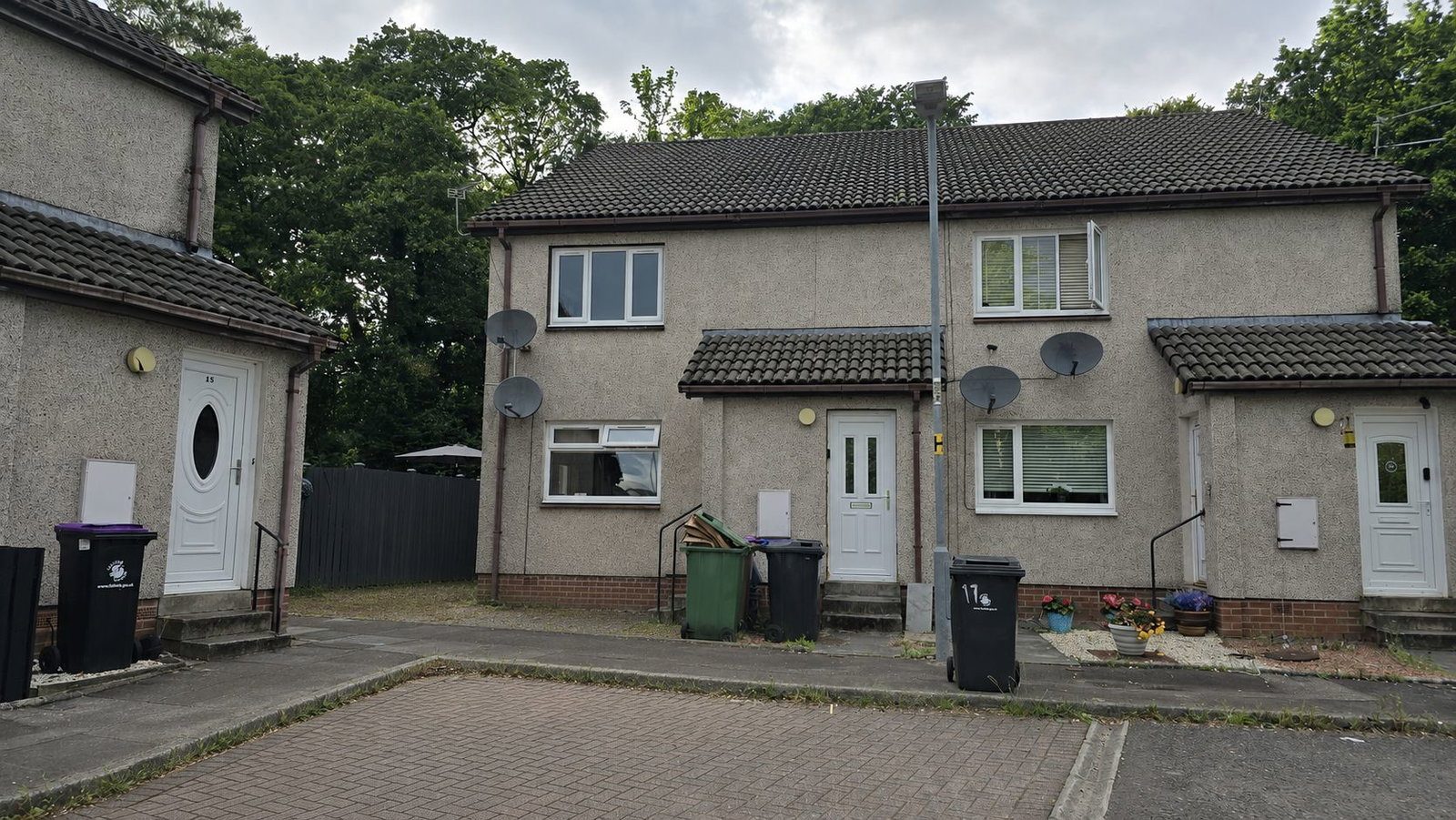
Browse 137 rental homes to rent in Stirling, Scotland from local letting agents.
£1,050/m
37
0
38
Source: home.co.uk
Source: home.co.uk
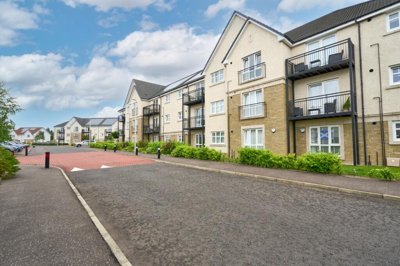
Flat
25 listings
Avg £1,188
Apartment
10 listings
Avg £1,127
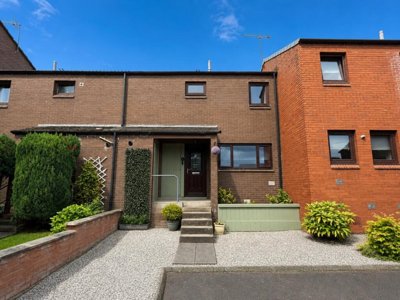
End of Terrace
1 listings
Avg £1,050
Terraced
1 listings
Avg £1,195
Source: home.co.uk
Source: home.co.uk
The private rental sector in Stirling offers a diverse range of property types to suit different lifestyles and budgets. Flats and apartments account for approximately 34.2% of the housing stock in the Stirling council area, according to ONS Census 2021 data, making them the most common property type available to renters. These range from modern apartments in purpose-built complexes to traditional first-floor flats in Victorian and Edwardian sandstone tenements that characterise many residential streets close to the city centre. Terraced properties comprise around 19.3% of the housing stock, offering renters more space and often small private gardens, while semi-detached homes at 25.4% provide family-friendly accommodation in quieter residential suburbs. Detached properties, representing 20.3% of the housing stock, offer the most space but command higher rents, typically available from £1,200 per month upwards.
New build rental properties are becoming increasingly available in Stirling as the city continues to grow. Developments such as The Meadow offering three, four and five-bedroom homes from £264,995, Highfield with properties starting from £310,000, and Wallace View with homes from £269,995 are expanding the housing options for those seeking modern accommodation. These new developments often feature energy-efficient designs, private parking, and contemporary fittings that appeal to renters seeking modern conveniences. The High Street development by Ogilvie Homes and its Phase 2 continue to add quality homes to the local market. For renters who prefer character properties, Stirling's historic core offers Victorian and Edwardian homes with original features such as high ceilings, fireplaces, and traditional sash windows, though these may require updating of electrical and plumbing systems to meet modern standards.
The average rental prices in Stirling vary considerably by property type and location. One-bedroom flats typically range from £550-£700 per month, with two-bedroom properties commanding £700-£950 monthly depending on condition and proximity to the city centre. Three-bedroom family homes generally start from £950 and can reach £1,400 per month for properties in desirable areas such as Bridge of Allan or Causewayhead. Detached homes with four or five bedrooms can exceed £1,500 per month, particularly those offering modern amenities and generous garden space. Properties near the University of Stirling often command premium rents during the academic year, while suburban locations provide more competitive pricing for families seeking additional space.

Stirling occupies a unique position in Scotland, sitting at the crossroads of the country where the Lowlands meet the Highlands. The city serves as a historic capital of Scotland, with Stirling Castle playing a central role in the nation's story including the Wars of Independence. The population of the Stirling settlement stands at approximately 37,910 residents, creating a city that feels vibrant yet retains a strong sense of community. The city centre centres around the Thistles Shopping Centre and the surrounding streets lined with independent shops, cafes, and restaurants. The Old Town features narrow wynds and closes leading up to the castle esplanade, while the broader city area encompasses diverse neighbourhoods from the Victorian terraces of Cornton to the quieter suburban streets surrounding the University of Stirling campus.
The character of housing in Stirling reflects its rich history and geographical setting. Sandstone is the predominant building material for older properties, ranging from warm red tones to grey Craigleith stone, giving the city its distinctive appearance. Properties built before 1919 account for 20.3% of the housing stock, representing a significant proportion of character homes with solid walls and traditional construction methods. A further 10.1% of properties date from the inter-war period of 1919-1944, typically featuring cavity wall construction and more modern facilities. The post-war period from 1945-1982 saw significant expansion, with 36.5% of the current housing stock built during these decades, characterised by concrete construction and larger gardens. More recent development since 1983 accounts for 33.1% of properties, bringing modern insulation standards and contemporary designs to the rental market.
The geology of Stirling plays an important role in understanding local property conditions. The area features Carboniferous sedimentary rocks including sandstones, shales, and limestones, which have historically provided the building materials for the city's distinctive architecture. Glacial till, known as boulder clay, is widespread across the area and can present moderate to high shrink-swell risk in certain locations, particularly where clay content is elevated. This geological factor means that properties in some areas may experience minor movement during periods of extreme wet or dry weather. Alluvial deposits are found along the River Forth floodplain, contributing to the fertile land surrounding the city and influencing which areas face higher flood risk during heavy rainfall.

Education plays a central role in Stirling's identity, making the city particularly attractive to families seeking rental properties. The University of Stirling, consistently ranked among Scotland's top universities, sits in a beautiful 330-acre campus on the outskirts of the city. The campus features excellent facilities including swimming pools, a cinema, and extensive sports amenities that are available for community use. The university employs significant numbers of academic and administrative staff, many of whom choose to rent in the city rather than commute from Glasgow or Edinburgh. Stirling's school catchment areas are organised according to the local authority boundaries, with primary schools such as Stirling Primary, St Mary's Primary, and Riverside Primary serving different neighbourhoods, while Stirling High School and Wallace High School serve as the main secondary options.
Beyond government schools, Stirling offers several denominational and independent education options. St Mary's RC/MRC Primary School and St Margaret's Primary School provide Catholic education at primary level, while St Modan's High School serves secondary Catholic students. Parents seeking additional educational choices will find several independent schools in the wider area, though these typically require additional fees. For families considering rental properties in Stirling, understanding school catchment areas is essential as these can significantly affect both the availability of suitable properties and rental values in specific postcodes. Properties within the catchment for high-performing schools often attract premium rents, particularly during the main school application period in the autumn term.

Transport connectivity is one of Stirling's strongest assets, making it an ideal location for renters who need to commute to Scotland's major cities. Stirling railway station sits on the Edinburgh to Glasgow via Falkirk line, offering regular services to Glasgow Queen Street in approximately 50 minutes and to Edinburgh Waverley in around 65 minutes. Direct services to Perth take approximately 30 minutes, while connections to Inverness, Aberdeen, and other Scottish destinations are readily available. The station has undergone significant improvements in recent years, with enhanced facilities including a new station building, improved passenger information systems, and better cycling infrastructure. For commuters to London, the East Coast Main Line from Edinburgh provides connections to the capital in under four and a half hours, making Stirling viable for occasional business travel to the south.
Road connections from Stirling are equally impressive, with the M80 providing direct access to Glasgow and the motorway network heading north. The M9 connects Stirling to Edinburgh via the Bridge of Allan, while the A9 trunk road runs north through the city, providing access to the Highlands and Cairngorms National Park. For renters who drive to work, parking provisions vary significantly between neighbourhoods. City centre flats typically offer limited or permit parking, while suburban areas such as Causewayhead, Bridge of Allan, and the university's peripheral areas generally provide more generous parking availability. Bus services in Stirling are operated by various providers, connecting residential areas to the city centre and surrounding towns, though frequencies on some routes may be limited outside peak hours.
Edinburgh Airport is approximately 40 minutes away by road from Stirling, accessible via the M9 and M8 motorway network. Direct bus services also operate from Stirling bus station to the airport, providing a convenient option for air travel without the hassle of parking. The proximity to a major international airport enhances Stirling's appeal for renters who travel frequently for business or leisure. For those working in Glasgow or Edinburgh, the excellent rail connections make day commuting practical, while the more affordable rental prices in Stirling compared to both major cities offer significant financial benefits.

Renting a property in Stirling requires attention to several area-specific factors that could affect your living experience and investment. Flood risk is a particular consideration in certain areas of Stirling, with properties near the River Forth and its tributaries facing potential flood issues during periods of heavy rainfall. The low-lying areas adjacent to the river have experienced flooding in the past, and surface water flooding can affect various parts of the urban area due to local topography and drainage capacity. When viewing rental properties, ask the letting agent about any history of flooding and check whether the property sits within a designated flood risk zone. Properties in these areas may face higher insurance premiums, and you should consider the potential disruption and damage that flooding could cause.
The age of Stirling's housing stock means that many rental properties were built using traditional construction methods that differ significantly from modern standards. Approximately 66.9% of properties in Stirling were built before 1983, meaning they are now over 40 years old and may exhibit common issues associated with older construction. These can include dampness affecting solid walls, outdated electrical wiring that may not meet current regulations, and plumbing systems that have not been updated in decades. Timber suspended floors, common in pre-war properties, may show signs of rot or woodworm if not properly maintained. When renting an older property, request an inventory check at the start of your tenancy and document any existing damage to avoid disputes when you move out.
Common defects found in Stirling's older rental properties include issues with slate and tile roofs, particularly lead flashing, gutters, and downpipes which frequently require attention in properties over 50 years old. Spalling brickwork and stonework can occur where mortar joints have eroded, allowing water penetration that leads to damp problems internally. Properties in areas with high clay content in the soil may experience some foundation movement during periods of extreme weather, though this is generally limited to specific locations rather than a city-wide issue. Before committing to a longer-term rental in an older property, consider arranging a professional condition report to identify any structural concerns or essential repairs that might affect your tenancy.

Understanding the costs associated with renting in Stirling helps you budget effectively and avoid unexpected expenses. The standard deposit when renting a property is equivalent to five weeks' rent, held in a government-approved tenancy deposit scheme for protection throughout your tenancy. In addition to the deposit, most letting agents require the first month's rent upfront before taking occupation of the property. This means moving into a property renting at £800 per month requires approximately £3,200 in total: £800 for the first month and £4,000 for the security deposit. Some landlords may require additional fees for referencing, credit checks, and tenancy agreements, though these have been largely eliminated by tenant fees legislation introduced in Scotland.
Before you begin viewing properties in Stirling, securing a rental budget agreement in principle is highly recommended. This document from a mortgage lender or financial provider confirms how much you could potentially borrow or afford for rent, demonstrating to landlords and letting agents that you are a serious and financially prepared tenant. For most renters in Stirling, monthly rental budgets range from £550-£700 for a one-bedroom flat, £700-£950 for two-bedroom properties, and £950-£1,500 for larger family homes with three or four bedrooms. Additional monthly costs to budget for include council tax (Stirling Council Band D properties typically pay around £1,800 annually), utility bills, internet, contents insurance, and potential service charges if renting a flat in a managed development.
Council tax charges in Stirling vary according to property valuation band. Band A properties typically pay around £1,200 annually, while Band D properties (common for three-bedroom semi-detached houses) charge approximately £1,800 per year. Higher bands E through H attract progressively higher charges. Students and individuals living alone may qualify for a 25% discount, while certain exemptions apply for other categories. Most households pay council tax by monthly direct debit for convenience. When calculating your total monthly housing costs, remember to include estimates for gas and electricity (which can be higher in older properties with poorer insulation), water and sewerage charges, internet connectivity, and contents insurance to protect your belongings.

Before viewing any properties in Stirling, obtain a rental budget agreement in principle from a financial provider. This document confirms your borrowing capacity and demonstrates to landlords that you are a serious applicant with verified finances. Most letting agents and private landlords in Stirling will require this before proceeding with a referencing check.
Explore different areas of Stirling to find the neighbourhood that best suits your lifestyle. Consider proximity to your workplace, school catchment areas if you have children, local amenities, and transport links. Areas close to the university offer a lively atmosphere with cafes and bars, while suburbs like Causewayhead and Bridge of Allan provide quieter residential settings.
Once you have identified suitable properties, arrange viewings through Homemove or directly with local letting agents. View properties in person where possible, taking note of the property's condition, any signs of damp or disrepair, and the neighbourhood's character at different times of day. Ask about the length of the current tenancy and reason for leaving.
When you find a property you wish to rent, carefully review the tenancy agreement before signing. Scottish tenancy agreements typically run for an initial period of six or twelve months. Understand your rights regarding repairs, deposit return procedures, and notice periods. The Tenancy Deposit Scheme protects your deposit, and you should receive details of this within thirty days of the tenancy start date.
Your letting agent or landlord will require references from your employer, a previous landlord, and a credit check. Have these documents ready to avoid delays. Once referencing is complete and you have paid the deposit and first month's rent, you will receive the keys to your new Stirling home. Arrange a thorough inventory check on move-in day to document the property's condition.
While specific rental figures vary by property type and location, one-bedroom flats in Stirling typically rent from £550-£700 per month, two-bedroom properties from £700-£950 monthly, and larger family homes from £950-£1,500 per month. The overall average house price in Stirling stands at approximately £215,627, with the market showing 11% growth over five years, though recent months have seen a slight 2% softening. Rental prices tend to be higher for properties close to the city centre, university, and railway station, with suburban areas offering more competitive rates for families seeking additional space. Properties in Bridge of Allan and Causewayhead often command premium rents due to their desirable locations and proximity to good schools.
Council tax in Stirling is collected by Stirling Council, with bands ranging from A to H based on property valuations. A typical three-bedroom semi-detached house in Stirling usually falls into Band C or D, with annual charges around £1,500-£1,800. Flats and smaller terraced properties may be in Band A or B with lower annual charges. Students and certain other exemptions may qualify for council tax discounts, and direct debits are available for convenient monthly payments. The council offers various payment methods including online, telephone, and bank transfer options for residents.
Stirling offers excellent educational options at all levels. Primary schools including Stirling Primary and Riverside Primary serve the city centre, while secondary education is available through Stirling High School and Wallace High School. The University of Stirling ranks among Scotland's leading universities with particular strengths in sports, sciences, and business. For families renting in Stirling, school catchment areas are determined by residential address, so checking catchments before committing to a tenancy is essential for those with school-age children. Denominational schools including St Mary's RC Primary and St Modan's High School serve Catholic families within the local authority area.
Stirling offers excellent public transport connections, making it attractive to commuters. Stirling railway station provides regular services to Glasgow (approximately 50 minutes), Edinburgh (approximately 65 minutes), and Perth (approximately 30 minutes). Bus services operated by various providers connect Stirling to surrounding towns and villages, with the main bus station located near the city centre. For international travel, Edinburgh Airport is approximately 40 minutes away by road or via direct bus services from Stirling bus station. The M80 and M9 motorways provide convenient road access to Glasgow, Edinburgh, and the wider motorway network for those who prefer to drive.
Stirling is an excellent choice for renters seeking a balanced lifestyle with good career prospects. The city combines historic character, quality amenities, and excellent transport connections to Scotland's major cities. The University of Stirling and public sector provide stable employment, while tourism supports a vibrant local economy. The private rental sector offers diverse properties from traditional sandstone flats to modern family homes, with rental prices that remain competitive compared to Edinburgh or Glasgow. The city centre offers urban conveniences while surrounding areas provide more spacious suburban living with good schools and green spaces. The presence of major employers including NHS Forth Valley and Stirling Council ensures consistent demand for rental properties throughout the year.
The standard deposit when renting in Stirling is five weeks' rent, protected in a government-approved tenancy deposit scheme. You will also pay your first month's rent upfront before taking occupation. Referencing fees have been largely eliminated by tenant fees legislation introduced in Scotland, meaning you should not be asked to pay additional charges for credit checks or references. Additional costs to budget include council tax (Stirling Council Band D averages around £1,800 annually), utility bills, internet, and contents insurance. Obtaining a rental budget agreement in principle before property viewings is strongly recommended to demonstrate your financial readiness to landlords and letting agents.
Properties near the River Forth and its tributaries face potential flood risk during periods of heavy rainfall, particularly in low-lying areas adjacent to the river. Surface water flooding can also affect various parts of the urban area due to local topography and drainage capacity. Before committing to a rental property, ask the letting agent about any flood history and check whether the property sits within a designated flood risk zone. Properties in these areas may face higher insurance premiums, and tenants should consider the potential disruption flooding could cause to belongings and daily life. Allan Water and the River Teith also present fluvial flooding risks for properties in their vicinity.
Approximately 66.9% of properties in Stirling were built before 1983, meaning most rental homes are over 40 years old and may exhibit issues common to older construction. These include dampness affecting solid walls, outdated electrical wiring, and plumbing systems requiring updating. Timber suspended floors in pre-war properties may show signs of rot or woodworm if not properly maintained. Properties built on areas with high clay content in the soil may experience minor foundation movement during extreme weather conditions. Request a thorough inventory check at the start of your tenancy and document any existing damage to protect yourself from disputes when moving out.
Get pre-approved for your rental budget
From 4.5% APR
Employment and credit checks for tenants
From £50
Energy performance certificates for rental properties
From £85
Professional condition surveys for longer-term rentals
From £400
Properties to Rent In London

Properties to Rent In Plymouth

Properties to Rent In Liverpool

Properties to Rent In Glasgow

Properties to Rent In Sheffield

Properties to Rent In Edinburgh

Properties to Rent In Coventry

Properties to Rent In Bradford

Properties to Rent In Manchester

Properties to Rent In Birmingham

Properties to Rent In Bristol

Properties to Rent In Oxford

Properties to Rent In Leicester

Properties to Rent In Newcastle

Properties to Rent In Leeds

Properties to Rent In Southampton

Properties to Rent In Cardiff

Properties to Rent In Nottingham

Properties to Rent In Norwich

Properties to Rent In Brighton

Properties to Rent In Derby

Properties to Rent In Portsmouth

Properties to Rent In Northampton

Properties to Rent In Milton Keynes

Properties to Rent In Bournemouth

Properties to Rent In Bolton

Properties to Rent In Swansea

Properties to Rent In Swindon

Properties to Rent In Peterborough

Properties to Rent In Wolverhampton

Enter your details to see if this property is within your budget.
Loans, cards, car finance
Estimated property budget
Borrowing + deposit
You could borrow between
Typical borrowing
Monthly repayment
Est. at 4.5%
Loan-to-value
This is an estimate only. Your actual budget may vary depending on interest rates, credit history, and personal circumstances. For an accurate affordability assessment, speak to one of our free mortgage advisors.
This calculator provides estimates for illustrative purposes only and does not constitute financial advice. Your home may be repossessed if you do not keep up repayments on your mortgage. Estimates based on 4.5% interest rate, repayment mortgage. Actual rates depend on your circumstances.
Homemove is a trading name of HM Haus Group Ltd (Company No. 13873779, registered in England & Wales). Homemove Mortgages Ltd (Company No. 15947693) is an Appointed Representative of TMG Direct Limited, trading as TMG Mortgage Network, which is authorised and regulated by the Financial Conduct Authority (FRN 786245). Homemove Mortgages Ltd is entered on the FCA Register as an Appointed Representative (FRN 1022429). You can check registrations at NewRegister or by calling 0800 111 6768.