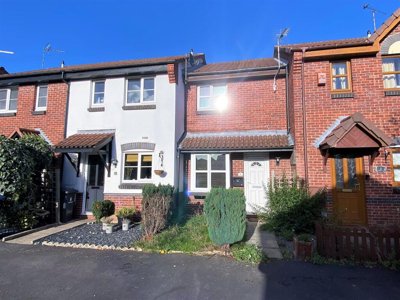
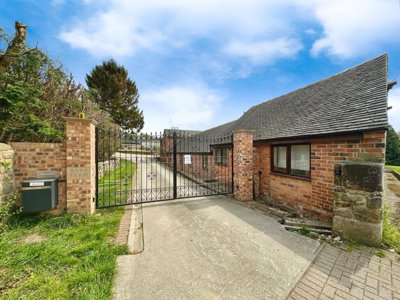
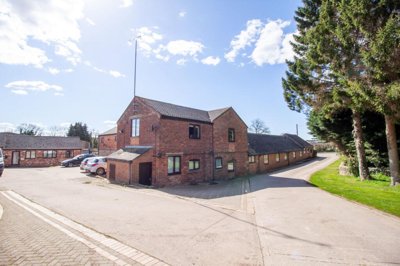
Browse 7 rental homes to rent in Stanley and Stanley Common from local letting agents.
The rental market in Stanley and Stanley Common reflects the broader property trends across the DE7 postcode area, which has experienced steady growth over the past twelve months. House prices in the wider Stanley area have increased by approximately 1.6% over the last year, indicating sustained demand for properties in this part of Derbyshire. This upward trajectory in values naturally influences rental expectations, as landlords adjust pricing to reflect current market conditions and the desirability of the location for commuters and families alike.
Property types available for rent in Stanley and Stanley Common include semi-detached houses, terraced homes, and some detached properties. The average price for semi-detached properties in the broader Stanley area sits around £194,000, while terraced homes average approximately £165,000. Detached properties command higher values, with averages around £316,667, which often translates to premium rental rates for families seeking additional space and privacy. Rental prices will vary based on property condition, exact location within the parish, number of bedrooms, and included amenities such as gardens or parking.
With approximately 30 property sales recorded in the wider Stanley area over the past twelve months, the market demonstrates consistent activity. New build developments specifically within Stanley and Stanley Common remain limited, meaning most rental stock consists of existing properties that may have varied ages and construction types. This existing housing stock provides character and established gardens but also means prospective renters should consider factors such as property condition, potential maintenance needs, and the age of key systems like heating and electrical installations. Unlike city centre locations where new build apartments dominate rental stock, properties in this village parish offer the charm of established residential areas with mature trees and landscaping.

Life in Stanley and Stanley Common centres around community connection and access to Derbyshire countryside. The village setting provides a slower pace of life compared to urban centres, yet essential amenities remain within easy reach. Local facilities typically include convenience shops, a village pub or two, and community spaces where residents gather for events and social occasions. The parish maintains a village green and several walking routes that showcase the surrounding agricultural landscape and woodland areas, making it ideal for those who appreciate outdoor pursuits and rural scenery.
The demographic profile of Stanley and Stanley Common suggests a mix of long-term residents, young families, and commuters who value the village atmosphere while working in nearby towns. The proximity to Derby makes this area particularly attractive to those employed in the city but preferring residential settings with more space and lower costs than city centre living would offer. Major employers in the wider Derby area include Rolls-Royce in aerospace, Toyota in automotive manufacturing, and Bombardier in rail infrastructure, all accessible via regular transport connections from the village. The presence of these major employers provides job security for residents and supports the local economy through commuting patterns.
The underlying geology of Stanley and Stanley Common consists of Carboniferous bedrock, typically featuring mudstones, siltstones, and sandstones, overlaid with superficial deposits including till or boulder clay. This clay-rich substrate is characteristic of much of Derbyshire and brings specific considerations for property owners and renters. The moderate to high shrink-swell risk associated with clay soils means that properties, particularly older ones with potentially shallower foundations, may be susceptible to movement during periods of extreme weather. Understanding this geological context helps residents appreciate the local environment and any property maintenance considerations that may arise from ground conditions.

Families considering rental properties in Stanley and Stanley Common will find educational facilities available both within the village and in nearby towns. Primary education needs are typically served by schools in the immediate surrounding area, with several options within a short drive or bus journey from the village. The Erewash borough of Derbyshire maintains a network of primary schools serving communities across the area, with most children attending their nearest available school based on catchment area boundaries. Parents should verify which schools serve specific addresses before committing to a rental property, as catchment areas can vary even within the same postcode.
Secondary education options include schools in nearby towns such as Ilkeston, Long Eaton, and Eastwood, all within reasonable commuting distance from Stanley and Stanley Common. These schools offer a range of GCSE and A-Level programmes, with varying specialisms in areas such as arts, sciences, and technical subjects. The journey time from Stanley and Stanley Common to secondary schools in these towns typically ranges from 15 to 30 minutes by car, though school bus services may extend travel times. Parents are advised to research specific school performance data, Ofsted ratings, and admission policies when selecting a rental property, as school placements can significantly impact family logistics and daily routines.
For those requiring childcare or early years education, nurseries and preschool facilities may be available in the village or nearby settlements. Several childcare providers operate within the DE7 postcode area, offering flexible childcare arrangements for working parents. Sixth form and further education provision is accessible in Derby, where colleges and school sixth forms offer diverse academic and vocational pathways including A-Levels, BTECs, and apprenticeship programmes. Transport arrangements for secondary and further education students typically involve school bus services or family transport, making location selection an important factor for households with school-age children.

Transport connectivity from Stanley and Stanley Common is well-served by road networks, with the village positioned to provide relatively straightforward access to surrounding towns and cities. The A52 trunk road runs nearby, connecting Derby to Nottingham and providing routes to the M1 motorway for longer distance travel. This positioning makes the village particularly suitable for commuters working in either Derby or Nottingham, two of the largest employment centres in the East Midlands region. The A52 provides direct access to the Toyota plant at Burnaston and the Bombardier facility in Derby, two major automotive and rail employers in the area.
Public transport options include bus services connecting Stanley and Stanley Common with nearby towns including Ilkeston and Derby. These bus routes serve daily commuting needs and allow residents without cars to access shopping, healthcare, and employment opportunities in larger settlements. Bus services typically operate from early morning through evening, though frequencies reduce at weekends and during school holidays. Train services are available from stations in the surrounding area, with East Midlands Railway providing connections to major destinations including Nottingham, Derby, Leicester, and London St Pancras International from stations within reasonable travelling distance.
For those who drive, parking provision varies by property type, with houses typically offering off-road parking or garage facilities while flats may have limited parking arrangements. The village location means that most properties offer driveways or garage spaces, which can be valuable for households with multiple vehicles. Cycling infrastructure exists in some nearby towns, though the rural nature of Stanley and Stanley Common means that cycling for commuting purposes is most practical for shorter distances. The village location provides reasonable access to the countryside for recreational cycling and walking routes, with the Peak District National Park accessible for weekend excursions and outdoor activities.

Several property-specific factors merit consideration when renting in Stanley and Stanley Common. The geological conditions of the area include a moderate to high shrink-swell risk due to underlying clay soils, which can affect properties with inadequate foundations or those with mature trees nearby. Signs of subsidence or ground movement may be visible in some properties, and a thorough property survey can identify any structural concerns before commitment. Properties built on clay substrates may require specific insurance considerations, and landlords typically maintain buildings insurance covering structural elements.
Surface water flooding represents a noted risk in some parts of Stanley and Stanley Common, particularly during periods of heavy rainfall. While major river flooding from the River Derwent is not a direct concern for this location, local drainage systems and smaller watercourses can contribute to localised flooding issues in low-lying areas. The Environment Agency flood risk maps show varying levels of surface water flood risk across different parts of the parish, with some areas having higher risk than others. Prospective renters should enquire about flood risk history with landlords or letting agents and consider the proximity of any property to known drainage channels or areas with previous flooding incidents.
The historical mining activity in the East Midlands Coalfield means that Stanley and Stanley Common falls within a former mining area. While active mining has ceased, legacy issues from past shallow mining works can occasionally result in ground instability or subsidence concerns. A mining report, often referred to as a Con29M search, is frequently recommended for properties in former coal mining areas to identify any historical mining features that might affect the property. This additional due diligence provides for tenants and helps avoid unexpected issues after moving in. Your landlord should be able to provide information about the mining history affecting any specific property.

Before beginning your property search in Stanley and Stanley Common, secure a rental budget agreement in principle from a lender. This document confirms how much rent you can afford based on your income and expenditure, demonstrating financial credibility to landlords and letting agents when you submit applications. Having this agreement ready speeds up the application process significantly, as you can immediately show serious intent when viewing properties you wish to rent.
Explore the Stanley and Stanley Common area to understand the neighbourhood character, local amenities, transport options, and school catchments. Review property types available for rent, considering space requirements, garden needs, and proximity to your workplace or essential services. Use our related services links to get rental budget quotes and understand the full costs involved before committing to viewings.
Once you have identified suitable properties, arrange viewings through local letting agents or online listings. Attend multiple viewings to compare properties, assess condition, and ask questions about tenancy terms, included facilities, and any property-specific considerations such as parking or maintenance responsibilities. Take photographs during viewings to help compare properties later and note any concerns that warrant further investigation.
Consider booking a RICS Level 2 Survey on any property you are seriously considering, particularly for houses or older properties. Survey costs in the Stanley and Stanley Common area typically range from £400 to £700 or more depending on property size and type. This investment can identify defects that may not be visible during a standard viewing and provide negotiating leverage if issues are discovered. Given the age of many properties in the village and the clay soil conditions, a professional survey is particularly valuable here.
Before signing your tenancy agreement, ensure you fully understand the terms including rent amount, deposit requirements, lease length, and notice periods. In England, deposits are capped at five weeks rent for properties with annual rents below £50,000. Additional costs may include referencing fees, admin charges, and inventory check costs. Always request a written breakdown of all costs before committing.
Once your offer is accepted and referencing is complete, coordinate with your landlord or agent to sign the tenancy agreement and pay your deposit and first month rent. Arrange buildings insurance for your contents, set up utility accounts, and plan your move to your new home in Stanley and Stanley Common. Take meter readings on moving day and photograph the property condition for your records.
Properties in Stanley and Stanley Common predominantly feature brick construction, reflecting the building traditions of Derbyshire where local brick has been a primary material for centuries. Older properties may incorporate stone elements or rendering, while more recent constructions typically use cavity wall techniques for improved insulation. Roofs in the area are commonly pitched designs covered with clay tiles or slate, though some flat roof extensions or modern constructions may use alternative materials. The use of local red brick gives the village its characteristic appearance, with different brick shades and bonding patterns reflecting various construction periods.
The age distribution of housing stock in Stanley and Stanley Common includes properties from several construction periods, given the village character and established residential areas. Properties built before 1919 may feature solid wall construction, original timber windows, and older heating systems that could require higher maintenance or update costs. Inter-war properties from the 1920s and 1930s often include characteristic features such as bay windows and decorative brickwork, while post-war construction typically offers more modern layouts and potentially updated infrastructure. The mix of property ages means rental stock includes both period features and more contemporary layouts.
Common defects identified in properties of varying ages include damp issues, roof deterioration, timber defects such as rot or woodworm, and problems with older electrical or plumbing systems. Properties on clay soils may show signs of movement or subsidence, particularly if foundations are shallow or drainage conditions have changed over time. A professional survey can assess these potential issues and help prospective renters make informed decisions about property condition and any maintenance priorities. For older properties or those showing signs of wear, a detailed survey before signing your tenancy can save significant hassle later.

Specific rental price data for Stanley and Stanley Common is not published separately, but rental rates in the area are influenced by broader market values and the proximity to Derby. The average property price in Stanley is approximately £217,994, with semi-detached properties averaging £194,000 and detached properties reaching around £316,667. Rental prices typically run between 4-6% of property value annually, so semi-detached homes might rent for £650-950 per month depending on condition, location, and included amenities. Derby city centre rents tend to be higher, making Stanley and Stanley Common an attractive option for those seeking more affordable rental costs while maintaining access to urban employment centres.
Properties in Stanley and Stanley Common fall under Erewash Borough Council for council tax purposes, with the council offices located in Long Eaton. Band charges vary depending on property valuation, with Band A properties typically paying significantly less than Band H properties. You can check the specific council tax band for any property through the Valuation Office Agency website or by contacting Erewash Borough Council directly. Council tax payments fund essential local services including rubbish collection, street cleaning, and local authority services, with rates typically paid monthly or annually depending on your preference.
The quality of schools near Stanley and Stanley Common varies, and the best school depends on your specific needs and the age of your children. Primary schools in the surrounding area serve the local community, with many within a few miles of the village. Several primary schools in the DE7 postcode area have good Ofsted ratings, serving communities in Stanley, Ilkeston, and nearby villages. Secondary education options include schools in nearby towns such as Ilkeston, Long Eaton, and Eastwood, with varying examination results and specialisms. Parents should research individual school Ofsted ratings, examination results, and admission policies when choosing a rental property, as catchment areas can significantly affect school placement.
Public transport from Stanley and Stanley Common includes bus services connecting the village to nearby towns including Ilkeston and Derby. Bus routes operate at varying frequencies, with more frequent services during peak commuting hours for those working in Derby city centre. Train services are accessible from stations in surrounding areas, with Ilkeston and Langley Mill stations providing connections to Nottingham, Derby, and East Midlands Airport via East Midlands Railway. The A52 road provides direct access to both Derby and Nottingham, while the M1 motorway is reachable for longer distance travel to Sheffield, Leicester, or London. Those relying heavily on public transport should check specific bus and train timetables for their commute requirements before committing to a rental property.
Stanley and Stanley Common offers an appealing combination of village character and accessibility that makes it a good choice for many renters. The community atmosphere, local amenities, and proximity to countryside make it attractive for families and those seeking more space than urban living provides. The strong commuting connections to Derby and Nottingham open employment opportunities, while rental costs remain competitive compared to city centre locations. The main considerations include limited public transport frequency outside peak hours, the need for a car for some daily activities, and understanding local property conditions related to clay soil geology. Overall, the area provides a balanced lifestyle option for those who value community and accessibility.
When renting a property in England, your deposit is capped at five weeks rent if the annual rent is below £50,000. This deposit must be protected in a government-approved Tenancy Deposit Protection scheme within 30 days of receiving it, and your landlord must provide you with prescribed information about where it is protected. Additional costs may include an administration fee for tenancy setup, tenant referencing fees to verify your credit history and employment status, and an inventory check cost to document the property condition at move-in. First month rent is payable in advance along with the deposit. Always request a full breakdown of all fees before committing to a rental property, as transparency in charges is a legal requirement for letting agents and landlords.
Renting a property involves several costs beyond the monthly rent, and understanding these expenses helps you budget accurately for your move to Stanley and Stanley Common. The tenancy deposit, capped at five weeks rent for properties with annual rents under £50,000, must be paid before moving in and is returnable at the end of your tenancy minus any deductions for damage or unpaid rent beyond normal wear and tear. This deposit will be protected in a government-approved scheme, giving you legal protection and ensuring its return at the end of your tenancy.
Tenant referencing fees typically cover credit checks, employment verification, and previous landlord references. These costs vary between letting agents and landlords, ranging from nothing at some agencies to £200 or more at others. Inventory check costs cover the detailed condition report completed when you move in and out of the property, ensuring you are not charged for pre-existing issues when you leave. Some landlords also charge admin fees for tenancy amendments, renewals, or late payment processing, though many reputable agents have moved away from charging excessive admin fees.
When budgeting for a rental property, remember to account for utility bills if they are not included in the rent, council tax payments, contents insurance to protect your belongings, and moving costs. For properties in Stanley and Stanley Common, the relatively accessible rental market compared to major cities means that overall housing costs may be more manageable, though transport requirements if you need a car add to monthly expenditure. Getting quotes for rental budget agreements before viewing properties helps you understand your financial parameters and speeds up the application process when you find a suitable home.

From 4.5%
Secure a rental budget agreement in principle to demonstrate your financial credibility to landlords and estate agents in Stanley and Stanley Common.
From £99
Professional tenant referencing services to verify your credit history, employment status, and previous landlord references for rental applications.
From £400
A professional survey to identify defects in rental properties, particularly valuable given the age of housing stock and clay soil conditions in the area.
From £85
Energy Performance Certificate assessment required for rental properties, showing the energy efficiency rating of the property.
Properties to Rent In London

Properties to Rent In Plymouth

Properties to Rent In Liverpool

Properties to Rent In Glasgow

Properties to Rent In Sheffield

Properties to Rent In Edinburgh

Properties to Rent In Coventry

Properties to Rent In Bradford

Properties to Rent In Manchester

Properties to Rent In Birmingham

Properties to Rent In Bristol

Properties to Rent In Oxford

Properties to Rent In Leicester

Properties to Rent In Newcastle

Properties to Rent In Leeds

Properties to Rent In Southampton

Properties to Rent In Cardiff

Properties to Rent In Nottingham

Properties to Rent In Norwich

Properties to Rent In Brighton

Properties to Rent In Derby

Properties to Rent In Portsmouth

Properties to Rent In Northampton

Properties to Rent In Milton Keynes

Properties to Rent In Bournemouth

Properties to Rent In Bolton

Properties to Rent In Swansea

Properties to Rent In Swindon

Properties to Rent In Peterborough

Properties to Rent In Wolverhampton

Enter your details to see if this property is within your budget.
Loans, cards, car finance
Estimated property budget
Borrowing + deposit
You could borrow between
Typical borrowing
Monthly repayment
Est. at 4.5%
Loan-to-value
This is an estimate only. Your actual budget may vary depending on interest rates, credit history, and personal circumstances. For an accurate affordability assessment, speak to one of our free mortgage advisors.
This calculator provides estimates for illustrative purposes only and does not constitute financial advice. Your home may be repossessed if you do not keep up repayments on your mortgage. Estimates based on 4.5% interest rate, repayment mortgage. Actual rates depend on your circumstances.
Homemove is a trading name of HM Haus Group Ltd (Company No. 13873779, registered in England & Wales). Homemove Mortgages Ltd (Company No. 15947693) is an Appointed Representative of TMG Direct Limited, trading as TMG Mortgage Network, which is authorised and regulated by the Financial Conduct Authority (FRN 786245). Homemove Mortgages Ltd is entered on the FCA Register as an Appointed Representative (FRN 1022429). You can check registrations at NewRegister or by calling 0800 111 6768.