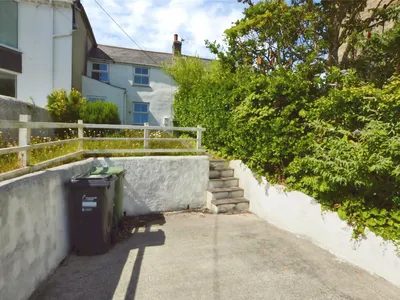
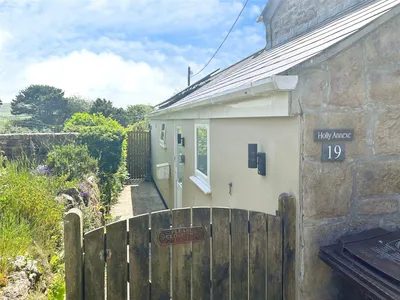
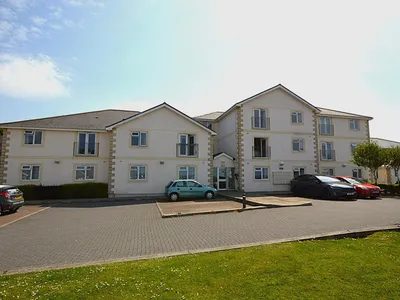
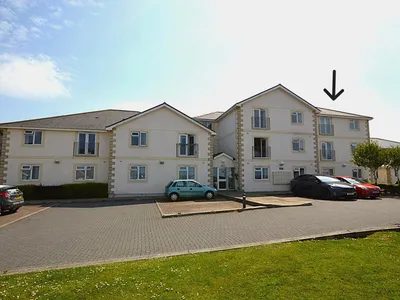
Browse 16 rental homes to rent in St. Ives from local letting agents.
The rental market in St. Ives reflects the town's unique position as both a residential community and a major tourist destination. Property types available to rent include traditional granite cottages perfect for couples seeking a romantic retreat, spacious family homes in residential areas like Carbis Bay and Lelant, and modern apartments that offer low-maintenance living with stunning sea views. The mix of period properties and contemporary developments gives renters plenty of choice when selecting their ideal home in this Cornish coastal setting.
Rental prices in St. Ives vary considerably depending on property type, location, and seasonal demand. Flats and studio apartments typically offer the most accessible entry point to the local rental market, while family-sized homes with gardens command premium rents due to limited supply. Properties near the harbour and beachfront command higher prices, particularly during peak summer months when the town's temporary population swells significantly. Our platform provides up-to-date listings so you can compare options and find a property that matches your budget and requirements.
The seasonal nature of St. Ives tourism creates distinct rental market dynamics that prospective tenants should understand. Landlords with properties in prime locations may prefer short-term holiday lets during summer when nightly rates can exceed monthly rental income, meaning long-term rentals become more available outside the peak season. October through March often sees reduced competition for quality long-term rentals, making this period advantageous for tenants seeking to negotiate on price or secure properties in particularly desirable locations. Those requiring a year-round home would be wise to begin their search in late summer or early autumn when the market transitions and landlords become more receptive to longer commitments.

St. Ives is a town that rewards those who choose to make it their home, offering a quality of life that few places in Britain can match. The town centre retains much of its historic charm, with narrow winding streets, traditional pubs, independent shops, and art galleries that celebrate the creative legacy of artists like Barbara Hepworth and Bernard Leach. The four beautiful beaches, Porthmeor, Porthminster, Harbour Beach, and Porthgwidden, provide year-round recreation opportunities for surfers, swimmers, and families who enjoy the Cornish coastline.
The local community in St. Ives is welcoming and diverse, comprising long-standing Cornish families alongside newcomers drawn by the town's unique appeal. The town supports a good range of everyday amenities including supermarkets, bakeries, fishmongers, and specialist food shops that reflect Cornwall's strong food culture. Dining options are excellent, with restaurants serving fresh local seafood and traditional pub fare using ingredients from the surrounding countryside and coast. Cultural attractions include the Tate St. Ives gallery and the Barbara Hepworth Museum and Sculpture Garden, which draw visitors from around the world and enrich the local cultural calendar throughout the year.
Beyond the immediate town centre, the surrounding peninsula offers access to spectacular coastal walks and natural landscapes that define the Cornish experience. The South West Coast Path passes through St. Ives, providing walking routes to nearby beaches and headlands with breathtaking views across the Atlantic. The nearby St. Ives Bay offers a protected environment perfect for watersports including sailing, kayaking, and paddleboarding, while the surrounding countryside includes protected heathland and farmland that forms part of the Cornwall Area of Outstanding Natural Beauty. For those renting long-term, these natural assets represent an everyday quality of life benefit that distinguishes St. Ives from typical urban rental locations.
The town functions well as a year-round community rather than purely a holiday destination, which is important for those considering long-term rental. Local services including healthcare facilities, banking, and essential retail remain operational throughout winter months, unlike some more seasonal coastal locations. The community hosts various events and festivals throughout the year, from the St. Ives Food and Drink Festival in April to Christmas lights and community markets during the winter season, providing ongoing social engagement opportunities for residents regardless of when you move to the area.

Families considering renting in St. Ives will find a good selection of educational options for children of all ages. The town is served by several primary schools including St. Ives Infant School and St. Ives Junior School, which provide solid foundations for younger children within the community. For secondary education, St. Ives School offers comprehensive education for students aged 11 to 18, with the school serving as a hub for local families and offering a range of GCSE and A-Level courses.
The surrounding area provides additional educational options for families willing to travel slightly further afield. Truro and Penwith College offers excellent sixth-form provision for older students seeking a broader range of A-Level subjects and vocational courses, while various primary schools in nearby communities like Hayle and Marazion serve families living in those areas. Parents should research specific school catchments and admission arrangements with Cornwall Council, as availability can be competitive in this popular coastal area where school-aged children from families drawn by the lifestyle are plentiful.
Beyond state education, St. Ives and the surrounding area offer various enrichment activities that complement formal schooling. The town supports several art schools and creative workshops reflecting its artistic heritage, while local sports clubs provide opportunities for children to participate in football, rugby, tennis, and sailing. Music tuition is available through Cornwall Music Service, and the Tate St. Ives runs educational programmes that provide unique cultural learning experiences for young people growing up in this creative community. These extra-curricular options add significant value for families renting long-term, offering children access to experiences that urban environments cannot easily replicate.

Transport connections from St. Ives have improved significantly in recent years, making the town more accessible for commuters and those who need to travel regularly. The St Erth railway station, located just two miles from St. Ives town centre, provides direct services to Truro, Plymouth, and London Paddington via the scenic train line that runs along the coast. Journey times to Truro typically take around 30 minutes, while London can be reached in approximately five hours for those travelling further afield for work.
Local bus services operated by First Cornwall connect St. Ives with surrounding towns including Penzance, Camborne, and Hayle, providing essential public transport options for those without cars. The A30 trunk road passes near St. Ives and provides the main road connection to the rest of Cornwall, though traffic can be heavy during summer peak season when tourist numbers increase substantially. For air travel, Newquay Airport offers connections to various UK and European destinations and is located approximately 45 minutes drive from St. Ives, while Exeter Airport provides additional options for longer-haul flights. Cycling is popular in the area with the Coast and Castles cycle route passing nearby, though the hilly terrain can be challenging for less experienced cyclists.
Daily commuting to major employment centres is feasible from St. Ives for those whose work allows remote arrangements or flexible hours. The reliable train service to Truro takes approximately 30 minutes, making day commuting to Cornwall's administrative capital practical for some workers. However, the distance to major employment centres beyond Truro makes daily commuting to cities like Exeter or Plymouth difficult, meaning St. Ives rental is best suited to those whose work is local, remote, or who can work hybrid schedules with occasional office days. Parking availability at St Erth station is limited, so those planning to drive to the station should check availability of station parking permits or consider the bus connection from St. Ives town centre.

Before beginning your property search, arrange a rental budget agreement in principle to understand how much you can afford in monthly rent and upfront costs. This document from mortgage brokers or financial advisors shows landlords you are a serious applicant with verified finances. Having your budget agreed in writing before you start viewing properties prevents disappointment and helps you focus your search on properties you can genuinely afford, including accounting for council tax, utility bills, and the initial deposit and fee outlay.
Browse available rentals in St. Ives using Homemove to see current listings from local letting agents and private landlords. Set up alerts to be notified when new properties matching your criteria become available, as desirable rentals in this popular area can be secured quickly. Consider setting up alerts for multiple property types and areas within and around St. Ives, including neighbouring communities like Carbis Bay and Lelant which offer similar coastal living at potentially lower rental costs.
Contact letting agents to schedule viewings of properties that interest you. St. Ives is a popular area so being prepared and responsive helps you secure a good property ahead of other applicants. When attending viewings, take notes on property condition, note any maintenance concerns, and prepare questions about the tenancy terms, included utilities, and landlord expectations. Viewing multiple properties helps you understand the local market and identify which properties represent genuine value versus those priced optimistically.
Once you have found a property you wish to rent, submit your application promptly with all required documentation including proof of identity, income verification, and references from previous landlords or employers. Applications in competitive areas like St. Ives can move quickly, so having your documentation organised in advance speeds up the process considerably. Be prepared for landlords to request additional information or to wait while they review multiple applications for desirable properties.
After your references have been approved, you will need to review and sign the tenancy agreement, pay your deposit (usually five weeks rent) and first month's rent in advance. Take time to read the tenancy terms carefully, noting the length of the agreement, any break clause provisions, and responsibilities for maintenance and repairs. Ask for clarification on any terms you do not understand before signing, as once signed the agreement is legally binding for the tenancy period.
Before moving in, your landlord or letting agent will conduct a detailed inventory check of the property condition. Review this carefully and report any discrepancies to avoid disputes when you eventually vacate. Photograph all rooms and any existing damage during your move-in inspection, keeping copies of these images alongside your signed inventory for reference throughout your tenancy. The inventory protects both you and your landlord, ensuring that normal wear and tear is distinguished from damage when you eventually move out.
Renting in St. Ives requires careful consideration of several local factors that differ from inland towns and cities. The coastal environment means that properties may be exposed to salt air and stronger weather conditions, so inspecting the condition of windows, doors, roofing, and any external features becomes particularly important. Properties near the cliff tops or harbour may also be subject to higher maintenance requirements due to the harsh marine climate, and prospective tenants should discuss these considerations with landlords before committing.
Holiday let considerations are significant in St. Ives given the town's tourism economy. Some properties in residential areas may be subject to planning conditions restricting holiday lets, while others may be specifically marketed for holiday rental income. If you plan to let your rental property short-term, check with Cornwall Council regarding planning permissions and any conditions attached to the tenancy agreement. Additionally, conservation area restrictions apply to many properties in the historic town centre, limiting what modifications tenants can make without permission from the local planning authority.
Flood risk is worth considering when renting near the harbour area, though St. Ives itself has lower flood risk compared to some other coastal towns. Properties on elevated positions offer views but may involve more stairs and less garden space, while lower-lying areas might provide easier access but could be more susceptible to damp in older properties. Always ask about the EPC rating, any recent renovations, and the condition of heating systems, as older properties can be expensive to heat in winter months when the tourist season ends and permanent residents remain.
The quality of insulation and heating systems deserves particular attention when renting older Cornish properties, many of which were built with solid walls rather than cavity insulation. Ask specifically about the type of heating, whether the property has double glazing, and request information about recent energy efficiency improvements. Properties with poor insulation can be expensive to heat during Cornwall's mild but damp winters, and high heating costs can significantly impact your overall rental budget. Requesting recent utility bills from the landlord or previous tenants can provide a realistic picture of ongoing energy costs before committing to a tenancy.

Rental prices in St. Ives reflect the town's premium coastal location and consistent demand from renters seeking the Cornish lifestyle. One-bedroom flats typically start from around £700 per month, while two-bedroom properties in good locations generally range from £950 to £1,400 per month. Larger family homes with three or more bedrooms can command rents of £1,500 to £2,500 per month depending on proximity to the beach and sea views. Prices tend to be highest during summer months when holiday demand pushes some landlords to seek short-term tenants, so those seeking long-term rentals may find better value outside the peak season from October to March.
Properties in St. Ives fall under Cornwall Council jurisdiction and are assigned council tax bands from A to H depending on the property's assessed value. Most flats and smaller terraced properties in St. Ives fall into bands A to C, while larger family homes and properties with sea views may be in bands D to F. Cornwall Council publishes current band rates on their website, and tenants should factor these costs into their monthly budget alongside rent and utility bills. The council tax year runs from April to April, and bands can be looked up using the property address on the Valuation Office Agency website.
St. Ives Junior School and St. Ives Infant School provide strong primary education options within the town itself, both rated Good by Ofsted in recent inspections. St. Ives School offers comprehensive secondary education through to sixth form and serves as the main secondary provider for the area. For families seeking alternative education, there are primary schools in nearby communities like St. Erth and Hayle, while older students may attend Truro and Penwith College for sixth-form studies. Always check current Ofsted ratings and admission catchment areas as these can affect your options, as catchment boundaries can change and competition for places in popular coastal schools is strong.
St. Ives is connected to the national rail network via St Erth station, which sits on the scenic branch line running through West Cornwall to Truro and onwards to Plymouth and London Paddington. St Erth station is approximately two miles from St. Ives town centre with bus connections making the transfer. Local bus services operated by First Cornwall provide connections to Penzance, Camborne, and other North Cornwall towns. For travel further afield, Newquay Airport offers domestic and some European flights approximately 45 minutes away by car. Daily commuting to Truro is feasible with a journey time of around 30 minutes by train.
St. Ives offers an exceptional quality of life for renters who value coastal living, natural beauty, and a strong sense of community. The town has a vibrant year-round population alongside seasonal visitors, meaning restaurants, shops, and amenities remain active even outside summer months. The creative community continues to thrive with galleries, workshops, and cultural events throughout the year. Potential downsides include higher rental costs compared to inland Cornwall areas and the fact that some streets can become busy with tourists during peak season. For those who prioritise beach access, stunning scenery, and a relaxed Cornish atmosphere, St. Ives remains one of the most desirable locations in Britain to rent a home.
Standard deposits for rental properties in St. Ives are typically equivalent to five weeks rent, held in a government-approved deposit protection scheme for the duration of your tenancy. First months rent is usually due in advance along with the deposit before taking occupancy. Additional costs may include referencing fees, admin charges from letting agents, and inventory check fees, though regulations under the Tenant Fees Act 2019 limit what landlords and agents can legitimately charge. You may also need to budget for a rental budget agreement in principle if you are arranging finance, removal costs, and the initial setup of utilities and internet services at your new home.
Many properties in St. Ives town centre fall within the conservation area, meaning restrictions apply to modifications and alterations even for tenants. Planning permission may be required for certain changes including external decorations, satellite dish installation, and structural alterations. Some residential areas have conditions relating to holiday letting, so if you intend to sublet the property or run a holiday let business from your rented home, you should confirm this is permitted under your tenancy agreement and any relevant planning permissions. Cornwall Council's planning portal can provide guidance on specific restrictions affecting particular streets or properties.
When viewing rental properties in St. Ives, pay particular attention to the condition of the building given the coastal environment. Check window frames and doors for signs of rot or weathering, inspect the roof for missing or damaged tiles, and look for evidence of damp particularly in ground floor properties and those without modern damp-proof courses. Ask about the heating system and its efficiency, as older Cornish properties can be expensive to heat. Request information about recent renovations or maintenance work, and check the EPC rating to understand the property's energy performance. If possible, visit the property on multiple occasions including different times of day to assess noise levels, light, and the surrounding neighbourhood.
Understanding the full costs of renting in St. Ives helps you budget accurately and avoid surprises when you find your ideal property. The initial outlay when moving into a rental home typically includes the first months rent in advance plus a security deposit equivalent to five weeks rent. These amounts alone can represent a significant sum, particularly for premium properties in desirable locations near the beach or harbour. It is worth noting that deposits must be protected in a government-approved scheme within 30 days of receipt under the Tenant Fees Act 2019 regulations.
Renting in Cornwall's coastal towns has become more expensive in recent years as demand from remote workers and those seeking lifestyle changes has increased property values and rents. However, some costs that tenants previously had to pay directly are now restricted or banned under consumer protection legislation. Letting agents cannot charge certain fees, and holding deposits are limited to one weeks rent while referencing and right-to-rent checks must be completed within a set timeframe. Before committing to a property, ask your landlord or agent for a full breakdown of all costs and ensure you receive written confirmation of what is included in your monthly rent such as water rates, communal area maintenance, or internet provision.
When budgeting for your rental in St. Ives, remember to account for ongoing costs beyond rent and council tax. Utility bills including gas, electricity, and water can be significant in older coastal properties, particularly during winter when heating usage increases. Internet and phone contracts, contents insurance, and potential TV licence fees should all be factored into your monthly budget. If the property includes parking, establish whether this is included in the rent or charged separately. For those moving from urban areas, the cost of owning a car may increase as public transport options in Cornwall, while improving, are less comprehensive than major cities, so factor in vehicle costs including fuel, insurance, and maintenance when comparing rental costs between properties.

Get your budget in principle before you start searching for rentals in St. Ives
From 4.5%
Complete your referencing before you apply for properties to rent in St. Ives
From £199
Check the energy efficiency of rental properties in St. Ives
From £85
Protect yourself with a professional inventory when moving into your St. Ives rental
From £120
Properties to Rent In London

Properties to Rent In Plymouth

Properties to Rent In Liverpool

Properties to Rent In Glasgow

Properties to Rent In Sheffield

Properties to Rent In Edinburgh

Properties to Rent In Coventry

Properties to Rent In Bradford

Properties to Rent In Manchester

Properties to Rent In Birmingham

Properties to Rent In Bristol

Properties to Rent In Oxford

Properties to Rent In Leicester

Properties to Rent In Newcastle

Properties to Rent In Leeds

Properties to Rent In Southampton

Properties to Rent In Cardiff

Properties to Rent In Nottingham

Properties to Rent In Norwich

Properties to Rent In Brighton

Properties to Rent In Derby

Properties to Rent In Portsmouth

Properties to Rent In Northampton

Properties to Rent In Milton Keynes

Properties to Rent In Bournemouth

Properties to Rent In Bolton

Properties to Rent In Swansea

Properties to Rent In Swindon

Properties to Rent In Peterborough

Properties to Rent In Wolverhampton

Enter your details to see if this property is within your budget.
Loans, cards, car finance
Estimated property budget
Borrowing + deposit
You could borrow between
Typical borrowing
Monthly repayment
Est. at 4.5%
Loan-to-value
This is an estimate only. Your actual budget may vary depending on interest rates, credit history, and personal circumstances. For an accurate affordability assessment, speak to one of our free mortgage advisors.
This calculator provides estimates for illustrative purposes only and does not constitute financial advice. Your home may be repossessed if you do not keep up repayments on your mortgage. Estimates based on 4.5% interest rate, repayment mortgage. Actual rates depend on your circumstances.
Homemove is a trading name of HM Haus Group Ltd (Company No. 13873779, registered in England & Wales). Homemove Mortgages Ltd (Company No. 15947693) is an Appointed Representative of TMG Direct Limited, trading as TMG Mortgage Network, which is authorised and regulated by the Financial Conduct Authority (FRN 786245). Homemove Mortgages Ltd is entered on the FCA Register as an Appointed Representative (FRN 1022429). You can check registrations at NewRegister or by calling 0800 111 6768.