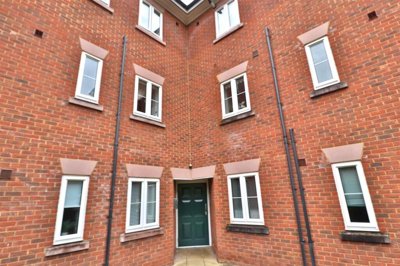
Browse 56 rental homes to rent in St Helens from local letting agents.
Studio apartments feature open-plan living spaces without separate bedrooms, incorporating sleeping, living, kitchen, and bathroom facilities. The St Helens studio market includes properties in modern apartment complexes, converted Victorian and Georgian buildings, and purpose-built developments.
The St Helens rental market presents an attractive proposition for tenants seeking value without compromising on quality or location. Current market data shows average property prices around £179,357 for those purchasing, which translates to competitive rental rates across all property types. Terraced properties in desirable areas such as Earlestown, Newton-le-Willows, and Parr typically command the most affordable rents, while semi-detached homes in neighbourhoods like Eccleston, Sutton, and Thatto Heath offer additional space for families at reasonable prices. Flats above commercial premises in the town centre provide an excellent entry point for young professionals seeking proximity to local amenities and transport connections.
Several new build developments are currently active in St Helens, with options ranging from affordable shared ownership schemes through to private developments offering contemporary homes. The Pastures development (WA11 9XQ) and The Print Works (WA10 1LA) by Torus Homes provide quality apartments and houses available through shared ownership and affordable rent schemes, making them ideal for first-time renters seeking a pathway to homeownership. Meanwhile, private developments such as Mere Grange by David Wilson Homes (WA9 4BX), Sankey Valley by Bellway (WA9 1RQ), Spinners Brook by Keepmoat Homes (WA10 3RN), The Green by Lovell Homes (WA10 3RN), and North Road by St. Modwen Homes (WA10 2TP) offer 2, 3, and 4-bedroom homes for those seeking modern rental accommodation. These developments demonstrate the ongoing investment in St Helens and the growing appeal of the area to both renters and developers alike.
Our team has observed that rental demand in St Helens remains steady throughout the year, with particular interest in properties near Newton-le-Willows station due to its excellent rail connections. The price variations between property types reflect both size and condition, with detached homes averaging around £304,917 in purchase value commanding premium rents, while terraced properties at an average of £132,668 offer the most accessible entry point for renters on tighter budgets.

Life in St Helens offers a distinctive combination of industrial heritage and community-focused living that sets it apart from surrounding towns in the Liverpool City Region. The borough has transformed significantly over recent decades, moving from its roots as a centre of glass manufacturing and coal mining toward a more diversified economy. Despite these changes, the character of St Helens remains firmly rooted in its working-class heritage, with friendly neighbourhoods, strong local traditions, and a genuine sense of community that newcomers frequently cite as reasons for choosing to rent here. The town centre has benefited from significant regeneration investment, bringing new restaurants, shops, and leisure facilities that serve both local residents and visitors from surrounding areas.
The housing landscape of St Helens reflects its historical development, with property age distribution showing that roughly 20.2% of homes were built before 1919, many of these being the solid terraced houses found in established inner-town neighbourhoods. A further 15.4% date from the interwar period (1919-1944), with significant post-war development occurring through the 1950s and 1960s that created many of the semi-detached homes now popular with families. The traditional brick construction methods used throughout St Helens, often featuring red brick with pebbledash or render finishes, give the area a cohesive aesthetic character. Green spaces are well-distributed throughout the borough, with parks and recreational areas providing residents with accessible outdoor amenities.
The local economy benefits from major employers including Pilkington Glass and the NSG Group, as well as significant healthcare sector employment through St Helens and Knowsley Teaching Hospitals NHS Trust. Our inspectors regularly note that renters choosing properties near these employment hubs can significantly reduce their commuting costs and time. The logistics and distribution sector has also grown substantially due to St Helens strategic motorway position, creating additional employment opportunities that attract renters seeking work-life balance without sacrificing career prospects.

Families considering renting in St Helens will find a comprehensive selection of educational establishments across all levels, with the area served by numerous primary and secondary schools that cater to diverse learning needs and preferences. The borough maintains several primary schools that have earned strong reputations for academic achievement and nurturing environments, with many situated in residential neighbourhoods convenient for families renting terraced or semi-detached homes. Primary schools in areas such as Eccleston, Sutton, and Rainford particularly appeal to families seeking smaller community settings, while those closer to the town centre offer excellent transport connections for parents working in Liverpool or Warrington.
Secondary education in St Helens includes a mix of community schools, academies, and faith schools, providing parents with genuine choice when selecting education for their children. Several secondary schools in the area have achieved above-average results in GCSE examinations, making them sought-after options for families renting long-term in the borough. St Helens also has access to further education provision through colleges that offer vocational courses and A-levels, ensuring young people have clear pathways into higher education or skilled employment. For families considering grammar school options, nearby areas within the Liverpool City Region provide additional selective school choices accessible to St Helens residents.
Our team often advises families renting in St Helens to factor school catchment areas into their property search, as proximity to desirable schools can significantly impact both family convenience and long-term rental costs. Properties in the Eccleston Park and Dentons Green conservation areas, for example, offer access to established local schools while benefiting from the character of these historically significant neighbourhoods. The combination of established educational infrastructure and ongoing investment in school facilities makes St Helens an increasingly popular choice for families prioritising education when selecting their rental property.

Transport connectivity stands as one of St Helens most significant advantages for renters, with the borough benefiting from strategic motorway access that places major employment centres within easy reach. The M6 corridor runs to the east of St Helens, providing direct access to Manchester to the north and Birmingham to the south, while the M62 connects Liverpool with Leeds and passes through the southern portion of the borough. This motorway network makes St Helens particularly attractive to commuters who work in logistics, manufacturing, or distribution sectors, with major industrial areas in Warrington and Liverpool easily accessible by car. The strategic location has also attracted significant distribution and logistics companies to the area, creating local employment opportunities that reduce the need for long-distance commuting.
Rail services from St Helens provide additional commuting options, with local stations offering connections to the broader Northern Rail network. Newton-le-Willows station serves as a key interchange providing access to both the West Coast Main Line and Northern services, putting Manchester, Liverpool, and other major cities within reasonable journey times. Bus services throughout St Helens connect residential neighbourhoods with the town centre and surrounding areas, providing essential transport links for those without access to private vehicles. Our inspectors note that renters should consider transport options carefully when choosing between town centre flats and suburban properties, as parking availability and public transport access vary significantly across different neighbourhoods.
For cyclists, ongoing investment in cycling infrastructure has improved local connections, though the hilly topography in some areas may require consideration when planning commutes. Properties in areas such as Rainford and Billinge, while offering more rural character, present greater cycling challenges due to elevation changes compared to flatter routes near the town centre. Parking availability varies across the borough, with town centre flats often offering limited parking while suburban properties typically provide more generous arrangements, an important factor for renters who own vehicles.

Begin by exploring available properties across different neighbourhoods in St Helens, comparing rental prices against your budget and checking what facilities are within reach of each location. Consider factors such as proximity to your workplace, schools if you have children, and access to public transport when narrowing your search to specific areas. Our team recommends creating a shortlist of at least three properties to view, allowing you to compare not just rental costs but also the condition and character of different neighbourhoods.
Before arranging viewings, obtain a rental budget agreement in principle to understand how much rent lenders are willing to factor into your affordability assessment. This financial groundwork strengthens your position when applying for properties and demonstrates to landlords that you are a serious, prepared tenant. Most lenders will assess rental affordability based on your income and existing commitments, typically allowing rent payments up to a certain percentage of your monthly take-home pay.
Visit multiple properties across different neighbourhoods in St Helens to compare conditions, facilities, and landlord responsiveness. Pay attention to the property's state of repair, check for signs of damp or structural issues, and ask about the length of the tenancy and any specific requirements from the landlord. Our inspectors recommend taking photographs during viewings to help remember property details and comparing findings across multiple visits.
Once you have identified a property, consider arranging a RICS Level 2 Survey to assess the condition of the home before committing to a tenancy. Given that approximately 70% of St Helens properties were built before 1975, professional surveys commonly identify issues such as damp, outdated electrics, or potential mining-related subsidence that you should understand before signing. Survey prices in St Helens typically range from £350 to £700 depending on property size and type, representing a worthwhile investment before committing to a tenancy.
Your chosen landlord will require tenant referencing checks, which typically include credit checks, employment verification, and landlord references from previous tenancies. Ensure you have all necessary documentation ready, including proof of identity, proof of income, and references from previous landlords. We advise reading the tenancy agreement carefully before signing, paying particular attention to clauses regarding repairs, maintenance responsibilities, and notice periods.
Once your referencing is approved and your tenancy agreement is signed, arrange your move-in date and ensure you complete a thorough inventory check documenting the condition of the property and its contents. This protects both you and your landlord throughout the tenancy period. Our inspectors always recommend challenging any inventory discrepancies at the start of your tenancy to avoid disputes when you eventually move out.
Renting a property in St Helens requires careful consideration of several local factors that may not be immediately obvious to those unfamiliar with the area's specific characteristics. The geological foundation of St Helens, which features Carboniferous rocks including Coal Measures and glacial till deposits, means that certain properties may be susceptible to ground movement. Properties in areas with historical mining activity should be approached with particular caution, and renters are advised to request mining reports and consider properties in these locations carefully before committing to a tenancy. While not every property will be affected, understanding the local mining legacy helps tenants make informed decisions about their rental choices.
Our inspectors frequently identify issues in St Helens properties that prospective tenants should be aware of. The prevalence of properties built before 1975 means that damp remains a common finding, whether rising damp due to defective damp-proof courses, penetrating damp from damaged rainwater goods, or condensation resulting from inadequate ventilation. Roof condition on older properties also warrants attention, with slipped tiles, damaged flashing, and general wear potentially leading to leaks that may not be immediately apparent during viewings. Electrical systems in older properties often fail to meet current standards, and our surveys regularly note wiring that requires upgrading for safety compliance.
Flood risk represents another important consideration for renters in St Helens, particularly for properties located in low-lying areas or near watercourses such as the River Sankey and Black Brook. Surface water flooding can occur in various parts of the borough during periods of heavy rainfall, so prospective tenants should investigate flood risk for any specific property they are considering. Conservation areas exist in parts of St Helens including Eccleston Park and Dentons Green, where planning restrictions may affect what alterations tenants can make to properties. Those renting flats should also carefully review leasehold terms, service charges, and ground rent arrangements to understand their financial commitments fully.

While specific rental price data requires checking current listings, St Helens offers generally more affordable rents compared to nearby Liverpool and Manchester. The average property purchase price is around £179,357, with terraced properties averaging £132,668 and flats around £94,849, which translates to competitive rental rates for these property types. Rental prices typically reflect property type, location within the borough, and condition, with town centre flats offering the most affordable entry point while semi-detached family homes command higher rents. New build developments in areas like Mere Grange and Sankey Valley may offer premium rents for contemporary accommodation, while older properties in Newton-le-Willows and Earlestown often provide excellent value given their proximity to rail stations.
Council tax bands in St Helens range across all bands from A through to H, with the majority of residential properties falling within bands A through D. Band A properties typically include smaller flats and terraced houses, while larger detached properties and those in more desirable neighbourhoods often attract higher bands. Prospective renters should check the specific council tax band for any property they are considering, as this forms part of the ongoing cost of renting in addition to monthly rent payments. St Helens Metropolitan Borough Council sets the annual charges, and you can verify bands through the Valuation Office Agency website before committing to a tenancy.
St Helens offers a range of educational options with several primary and secondary schools that have achieved positive Ofsted ratings and strong academic outcomes. Families should research specific schools based on their children's needs, considering factors such as location, religious affiliation if applicable, and extracurricular provision. The area also benefits from further education colleges that provide vocational and A-level courses for older students. Our team recommends visiting school websites and reviewing recent Ofsted reports to make informed decisions, particularly for families renting long-term who want to ensure their children can attend preferred schools from their rental property.
St Helens benefits from good public transport connections including bus services throughout the borough and rail access via Newton-le-Willows station, which provides connections to the West Coast Main Line and Northern Rail network. The M6 and M62 motorways provide excellent road connections to Liverpool, Manchester, Warrington, and beyond, making car travel particularly convenient for those working in these larger employment centres. Bus routes operated by Stagecoach and other providers connect residential areas to the town centre and surrounding towns, with Journey Planner apps helping residents plan routes in advance. For commuters working in Liverpool, Newton-le-Willows station offers direct trains taking approximately 30-40 minutes to Liverpool Lime Street.
St Helens offers excellent value for renters seeking affordable accommodation within the Liverpool City Region while maintaining good access to major employment centres. The town combines competitive rental costs with strong community spirit, decent local amenities, and ongoing regeneration investment that continues to improve facilities and services. Families benefit from good school options and green spaces, while professionals appreciate the motorway access to surrounding cities. The mix of traditional housing stock and new build developments ensures options across different budgets and preferences. Our inspectors have noted increasing interest from renters who previously looked at Liverpool or Manchester but found St Helens offered better value for money with acceptable commute times.
Standard practice in St Helens requires tenants to pay a security deposit, typically equivalent to five weeks rent, which is held in a government-approved deposit protection scheme throughout the tenancy. Tenant referencing fees, agreement preparation costs, and inventory check fees may also apply at the start of a tenancy. First-time renters should budget for these upfront costs in addition to the first month's rent. Our team advises requesting a full breakdown of all fees from your landlord or letting agent before committing to a property, as transparency around costs helps avoid unexpected expenses during the application process.
Properties in St Helens may be affected by historical coal mining activity, with ground subsidence possible in certain areas due to the borough's mining legacy that dates back to the Industrial Revolution. Surface water and fluvial flood risk exists in low-lying areas near watercourses including the River Sankey and its tributaries such as Black Brook. The presence of shrink-swell clay soils in some locations, particularly where glacial till deposits are significant, can contribute to ground movement, especially where large trees are present near foundations. Our inspectors always recommend requesting a mining report for properties in St Helens, as this provides specific information about historical mining activity beneath the property and surrounding area.
Understanding the full financial commitment of renting in St Helens requires careful budgeting that goes beyond simply calculating monthly rent payments. The upfront costs of entering a rental property typically include a security deposit equivalent to five weeks rent, which must be protected in a government-approved scheme within 30 days of the tenancy start date. This deposit provides the landlord with financial security against potential damages or unpaid rent during your tenancy, and you should receive it back in full at the end of your tenancy provided the property is left in the same condition as when you moved in, accounting for reasonable wear and tear.
Additional fees to budget for include tenant referencing costs, which cover credit checks, employment verification, and previous landlord references. Some letting agents also charge administration fees for preparing the tenancy agreement, though these have become less common following regulatory changes that limited what agents can charge tenants. An inventory check conducted at the start of your tenancy establishes the baseline condition of the property and its contents, protecting both you and your landlord from disputes at the end of the tenancy. Our inspectors recommend attending the check-out inventory in person when possible, as this provides an opportunity to address any questions about property condition before final deposit deductions are agreed.
Given that approximately 70% of properties in St Helens were built before 1975, prospective tenants may also want to consider the potential costs of maintaining older properties during their tenancy. Older homes often require more heating due to less effective insulation, and renters should budget accordingly for energy costs during winter months. We also advise understanding your responsibilities for minor repairs and maintenance as outlined in your tenancy agreement, as the condition of the property at move-in sets the baseline against which any damage at move-out will be assessed.

From 4.5%
Understand your borrowing capacity before renting in St Helens
From £499
Complete referencing checks for landlords
From £350
Professional property condition survey before you commit
From £85
Energy performance certificate for your rental property
Properties to Rent In London

Properties to Rent In Plymouth

Properties to Rent In Liverpool

Properties to Rent In Glasgow

Properties to Rent In Sheffield

Properties to Rent In Edinburgh

Properties to Rent In Coventry

Properties to Rent In Bradford

Properties to Rent In Manchester

Properties to Rent In Birmingham

Properties to Rent In Bristol

Properties to Rent In Oxford

Properties to Rent In Leicester

Properties to Rent In Newcastle

Properties to Rent In Leeds

Properties to Rent In Southampton

Properties to Rent In Cardiff

Properties to Rent In Nottingham

Properties to Rent In Norwich

Properties to Rent In Brighton

Properties to Rent In Derby

Properties to Rent In Portsmouth

Properties to Rent In Northampton

Properties to Rent In Milton Keynes

Properties to Rent In Bournemouth

Properties to Rent In Bolton

Properties to Rent In Swansea

Properties to Rent In Swindon

Properties to Rent In Peterborough

Properties to Rent In Wolverhampton

Enter your details to see if this property is within your budget.
Loans, cards, car finance
Estimated property budget
Borrowing + deposit
You could borrow between
Typical borrowing
Monthly repayment
Est. at 4.5%
Loan-to-value
This is an estimate only. Your actual budget may vary depending on interest rates, credit history, and personal circumstances. For an accurate affordability assessment, speak to one of our free mortgage advisors.
This calculator provides estimates for illustrative purposes only and does not constitute financial advice. Your home may be repossessed if you do not keep up repayments on your mortgage. Estimates based on 4.5% interest rate, repayment mortgage. Actual rates depend on your circumstances.
Homemove is a trading name of HM Haus Group Ltd (Company No. 13873779, registered in England & Wales). Homemove Mortgages Ltd (Company No. 15947693) is an Appointed Representative of TMG Direct Limited, trading as TMG Mortgage Network, which is authorised and regulated by the Financial Conduct Authority (FRN 786245). Homemove Mortgages Ltd is entered on the FCA Register as an Appointed Representative (FRN 1022429). You can check registrations at NewRegister or by calling 0800 111 6768.