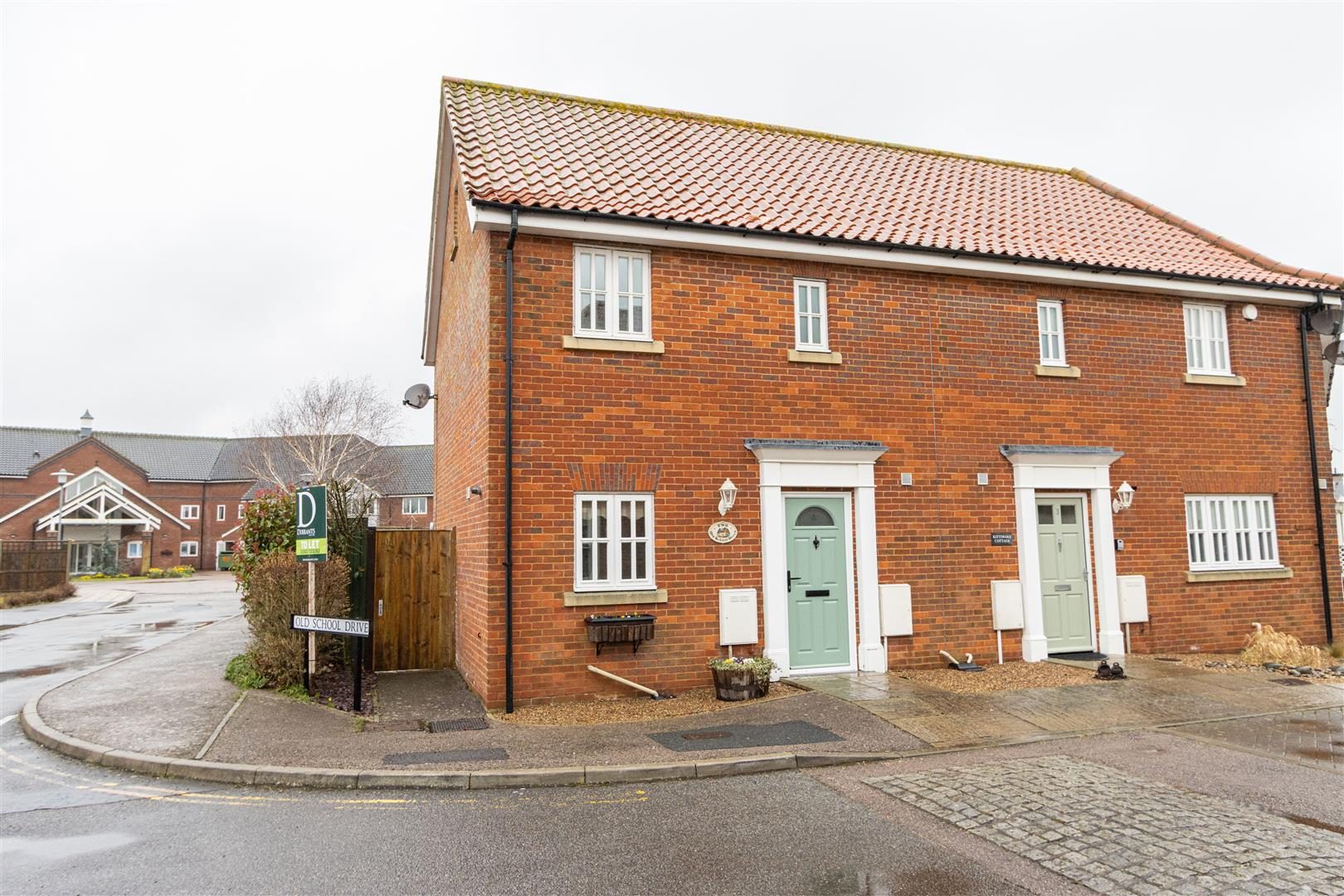
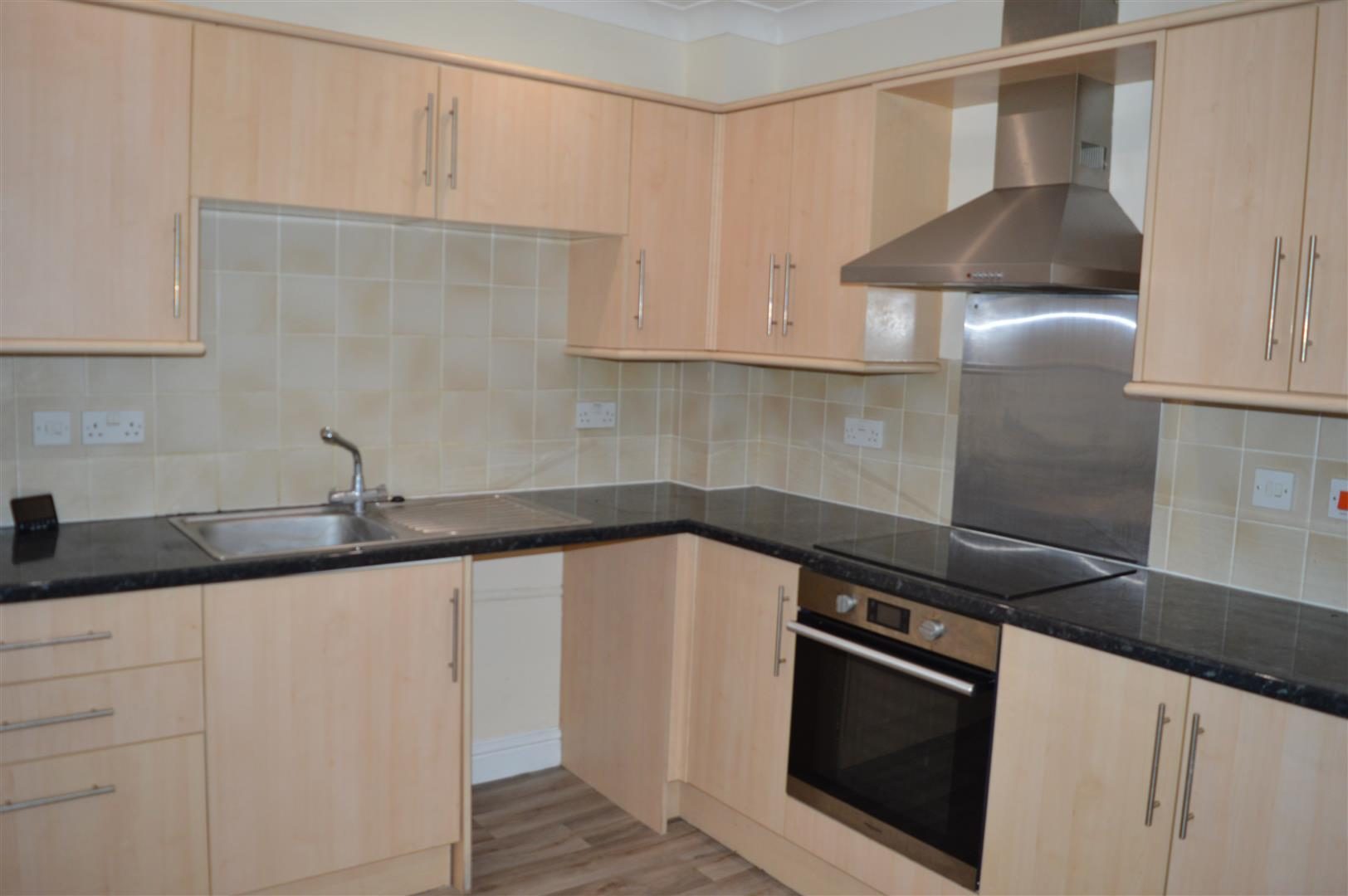
Browse 6 rental homes to rent in South Cove from local letting agents.
The rental market in South Cove and the broader NR34 postcode district offers a varied selection of property types for prospective tenants. Recent market data shows the NR34 area recorded 168 property sales over the past twelve months, with semi-detached homes comprising 55 of these transactions, detached properties accounting for 50 sales, terraced houses at 45, and flats representing 18 sales. This distribution indicates a healthy mix of housing stock available, though the extremely limited number of properties within South Cove itself means most rentals will be found in neighbouring villages and towns. Rental prices in the area typically reflect the broader East Suffolk market, with terraced properties commanding around £280,000 in capital value, while flats in the NR34 district average approximately £190,000.
Property prices across the NR34 postcode have shown modest but consistent growth over the past year, with an overall increase of 1.7 percent. Detached properties led the market with 2.5 percent growth, reflecting continued demand for larger homes with garden space in rural locations. Semi-detached properties rose by 0.7 percent, terraced homes increased by 0.5 percent, and flats showed growth of 0.9 percent. For renters considering long-term investment, these stable price trends suggest the rental market in this part of East Suffolk remains resilient, with demand supported by the area's desirable location within the AONB and proximity to the coast. The modest price growth also indicates reasonable rental values for those seeking homes in this picturesque corner of Suffolk.

South Cove embodies the essence of rural Suffolk life, offering residents an escape to one of England's most unspoiled coastal landscapes. The parish sits within the Suffolk Coast and Heaths Area of Outstanding Natural Beauty, a designation that protects the area's heathland, marshland, and cliff-top scenery for future generations. The village is mentioned in the Domesday Book, confirming its ancient origins and deep historical roots in the Suffolk landscape. Historically, the area supported 38 households in the late 19th century, though modern South Cove has become an intimate community of fewer than 25 residents, creating an atmosphere of genuine seclusion and tranquility that is increasingly rare in contemporary England.
The local environment around South Cove combines agricultural farmland with diverse wetland habitats that attract significant wildlife interest. The marshland areas, particularly those bordering the coast, provide crucial habitats for coastal birds and other species, making the area popular with nature enthusiasts and those who appreciate outdoor pursuits. Traditional Suffolk architecture defines the built environment, with many properties constructed using local red or gault brick and featuring timber-framed designs, some with rendered infill panels. The presence of thatched roofs on older buildings, including the historic St Lawrence's Church, adds to the area's distinctive character. Local amenities are primarily concentrated in nearby Southwold, a charming coastal town known for its pier, brewery, and array of independent shops and restaurants, which serves as the commercial hub for the surrounding parishes.

Families considering a move to South Cove will find educational facilities available in the surrounding East Suffolk area, though the village's tiny population means local schooling options are necessarily limited. The broader NR34 postcode district and East Suffolk local authority area offer a network of primary and secondary schools serving rural communities across the region. Primary education in nearby villages and towns provides essential early years and Key Stage 1 and 2 provision, with Ofsted-inspected schools offering parents reassurance about educational standards. For secondary education, students typically travel to schools in larger settlements such as Southwold, Beccles, or Halesworth, which offer comprehensive secondary curricula alongside sixth-form provision for older students.
The East Suffolk area is served by several well-regarded secondary schools, with grammar schools available in nearby towns for academically selective students. Parents should research specific school catchments and admission arrangements carefully, as rural catchments can span significant distances and transport arrangements may be necessary for secondary-age children. For families prioritising educational choice, the availability of school transport and parking facilities at destination schools may influence property selection within the broader rental market. Sixth-form students have access to further education colleges in the wider Suffolk area, including the East Coast College campus in Lowestoft and other sixth-form providers offering A-level and vocational courses. The rural setting of South Cove means that educational considerations should factor into any decision about renting property in the surrounding area.

Transport connectivity from South Cove reflects its rural character, with residents relying primarily on private vehicles and limited bus services for daily travel. The village sits approximately 8 miles from the market town of Beccles, which provides access to the A146 road linking to Norwich and Lowestoft. For commuters working in larger urban centres, the nearest railway stations are located in Beccles and Halesworth, offering connections to Norwich and London's Liverpool Street via the East Anglia rail network. Journey times to Norwich typically range from 40 minutes to an hour by car, while the rail journey from Norwich to London takes approximately 90 minutes to two hours, positioning South Cove as a feasible location for occasional commuters who can work flexibly.
Bus services in rural East Suffolk operate on reduced frequencies compared to urban areas, making car ownership effectively essential for most residents. The coastal road network provides scenic routes for leisure travel, with the A12 trunk road running inland through Suffolk and connecting to Ipswich, Felixstowe, and the wider motorway network. For cyclists and walkers, the area offers an extensive network of quiet country lanes and public rights of way traversing the AONB landscape. The proximity to the coast means that some residents also utilise ferry services from nearby ports for travel to Europe, though these are primarily leisure-focused rather than practical commuting options. Those considering renting in South Cove should factor in the practical transport requirements of rural living, including potential journey times for essential shopping, schooling, and healthcare appointments.

Before searching for properties in the South Cove area, obtain a mortgage in principle or rental budget agreement to understand your borrowing capacity. Our rental budget service helps you compare rates and find the best deal for your circumstances, ensuring you focus your search on properties within your genuine price range.
Spend time exploring South Cove and surrounding villages to understand the neighbourhood character, local amenities, and practical considerations. Visit at different times of day and week to gauge traffic patterns, noise levels, and community atmosphere. The marshland and coastal proximity mean flood risk should be factored into your assessment.
Once you have identified suitable properties, schedule viewings through local estate agents and letting agents operating in the East Suffolk market. Request to see the property during wet weather if possible, as the age of local housing stock and coastal environment means damp issues can be more apparent during such conditions.
Given the age of properties in the South Cove area and the presence of clay soils and coastal elements, consider a RICS Level 2 Survey before committing to a tenancy. This professional assessment can identify issues such as damp, subsidence risk, or timber defects that may be costly to address. Survey costs for a typical 2-3 bedroom property range from £400-£700 depending on size.
Carefully examine your tenancy agreement, ensuring it clearly outlines rent, deposit amount, maintenance responsibilities, and any restrictions. In East Suffolk, deposits are typically capped at five weeks' rent for properties with annual rent below £50,000. Ensure you understand your obligations regarding utility bills, council tax, and property maintenance.
Arrange for inventory checks, utility transfers, and council tax registration before taking occupation. Document the property condition thoroughly with dated photographs to protect your deposit at the end of the tenancy.
Renting property in the South Cove area requires careful attention to factors specific to this coastal and rural location. The presence of clay soils across parts of the parish creates potential for ground movement that can affect property foundations, particularly during periods of drought or heavy rainfall. Prospective tenants should look for signs of cracking in walls, doors that stick or fail to close properly, and uneven floors that might indicate subsidence or heave issues. Properties with mature trees nearby are particularly susceptible to clay-related ground movement, as tree roots extract moisture from the soil, causing it to shrink. A thorough survey can identify these risks before you commit to a tenancy.
The coastal environment and low-lying marshland around South Cove mean that flood risk requires careful consideration when selecting a rental property. The marshland areas within the parish have historically been subject to flooding, and climate change projections suggest such risks may increase over time. Check whether the property is located in a flood risk zone and enquire about the property's flood history. Buildings insurance may be more expensive for properties in flood-prone areas, and you should clarify landlord and tenant responsibilities regarding flood damage. Properties within the Suffolk Coast and Heaths AONB may also be subject to planning restrictions that limit alterations or extensions, which could affect your ability to modify the property to suit your needs.
The age of housing stock in South Cove and the surrounding area means that many properties will have construction features that differ significantly from modern buildings. Traditional Suffolk brick construction, timber-framed structures, and solid wall buildings offer character but may have different insulation performance compared to newer properties. Energy bills could be higher in older properties with less effective thermal performance, particularly those with single-glazed windows or limited insulation. Enquire about the property's EPC rating and recent energy efficiency improvements when viewing properties. Listed buildings and those within the AONB may have restrictions on the type of improvements that can be made, so understanding these constraints before committing to a tenancy is essential for any planned modifications.

While specific rental data for South Cove itself is limited due to the village's small size, the surrounding NR34 postcode district provides useful context. Average house prices in the area stand at approximately £345,714 for all property types, with detached properties averaging £492,000, semi-detached homes around £290,000, terraced properties at £280,000, and flats at £190,000. Rental prices will typically be lower than these purchase prices and will depend on property size, condition, and exact location within the East Suffolk area. Properties in the nearby coastal town of Southwold command premium rents due to their sought-after location.
South Cove falls under the East Suffolk Council local authority area. Council tax bands in this part of Suffolk vary depending on property value and type, ranging from Band A for lower-value properties through to Band H for the most expensive homes. The historic and rural nature of the area means many properties will fall in mid-range bands. Prospective tenants should confirm the council tax band and annual charge before committing to a tenancy, as this forms a significant part of the ongoing cost of renting a property. East Suffolk Council maintains detailed records of all properties within the district.
The South Cove area is served by primary schools in nearby villages and market towns, with secondary education available in schools such as Sir John Leman High School in Beccles and other providers across East Suffolk. The area does not have schools within the village itself given its tiny population, so families should factor in travel requirements when selecting a rental property. Schools in the wider area have received various Ofsted ratings, and parents are encouraged to research current performance data directly through official Ofsted resources to identify the best options for their children's educational needs.
Public transport connectivity in South Cove is limited, reflecting its rural character and small population. The nearest railway stations are in Beccles and Halesworth, offering connections to Norwich and onwards to London Liverpool Street. Bus services operate in the surrounding area but on frequencies far below urban levels, making car ownership effectively essential for most residents. The A12 trunk road provides road connectivity to larger towns and cities, while the village's location within the AONB means the road network comprises primarily scenic but winding country lanes. Cyclists benefit from quiet routes through the countryside, though the marshland terrain can be challenging.
South Cove offers an exceptional quality of life for those seeking a peaceful, rural existence within one of England's most protected and picturesque landscapes. The village's location within the Suffolk Coast and Heaths AONB provides direct access to stunning coastal scenery, heathland walks, and abundant wildlife. The historic environment, including the Norman St Lawrence's Church and 16th-century architecture, creates a distinctive atmosphere that appeals to those who appreciate heritage and traditional character. However, the very limited local amenities, sparse population, and reliance on transport to larger settlements mean South Cove suits those who value seclusion over convenience. For the right tenant seeking coastal countryside living, it represents an increasingly rare opportunity.
Under current tenant fee legislation, deposits for rental properties in England are capped at five weeks' rent where the annual rent is below £50,000. This means most residential rentals in the South Cove area will require a deposit equivalent to five weeks' rent. Holding deposits are typically capped at one week's rent. You may also need to budget for referencing fees, which can include credit checks and employment verification. First-time renters should note that they do not benefit from stamp duty relief on rental properties, as such relief applies only to purchase transactions. Always request a full breakdown of fees before committing to a tenancy.
From 4.5%
Compare rental budget rates from multiple lenders to find the best deal for your circumstances
From £25
Expert referencing services to support your rental application
From £99
Professional inventory reports to protect your deposit
From £85
Energy performance certificates for your rental property
Understanding the full financial commitment of renting in the South Cove area requires careful budgeting beyond simply the monthly rent payment. The most significant upfront cost will be your security deposit, which is legally capped at five weeks' rent for properties with annual rental values below £50,000. This deposit is held in a government-approved tenancy deposit scheme and is returned at the end of your tenancy, subject to any deductions for damage beyond normal wear and tear or unpaid rent. Given the age of properties in the South Cove area and the coastal environment, tenants should document the property condition thoroughly when moving in to protect their deposit when they leave.
Additional fees to budget for include referencing costs, which typically cover credit checks, employment verification, and landlord references from previous tenancies. These services are increasingly offered by specialist referencing companies and typically cost between £25 and £100 per applicant. Holding deposits, capped at one week's rent, may be required to secure a property while references are checked, but these are generally deducted from the final deposit or first month's rent. First-time renters should also budget for moving costs, including hiring a van or professional removal service, and connection charges for utilities such as gas, electricity, and internet. Council tax is payable to East Suffolk Council and varies by property band, typically ranging from around £1,400 to over £3,000 annually depending on the property valuation.
Obtaining a rental budget agreement in principle before beginning your property search offers significant advantages in the competitive rental market around South Cove and East Suffolk. This document demonstrates to landlords and letting agents that you have been financially assessed and can afford the rent you are offering, strengthening your application against other prospective tenants. Our rental budget comparison service allows you to compare rates from multiple providers, helping you find the most favourable terms before committing to a viewing. Being mortgage-ready or having your rental budget agreed also speeds up the process once you find the perfect property, as delays can sometimes result in losing a desirable rental to another applicant.

Properties to Rent In London

Properties to Rent In Plymouth

Properties to Rent In Liverpool

Properties to Rent In Glasgow

Properties to Rent In Sheffield

Properties to Rent In Edinburgh

Properties to Rent In Coventry

Properties to Rent In Bradford

Properties to Rent In Manchester

Properties to Rent In Birmingham

Properties to Rent In Bristol

Properties to Rent In Oxford

Properties to Rent In Leicester

Properties to Rent In Newcastle

Properties to Rent In Leeds

Properties to Rent In Southampton

Properties to Rent In Cardiff

Properties to Rent In Nottingham

Properties to Rent In Norwich

Properties to Rent In Brighton

Properties to Rent In Derby

Properties to Rent In Portsmouth

Properties to Rent In Northampton

Properties to Rent In Milton Keynes

Properties to Rent In Bournemouth

Properties to Rent In Bolton

Properties to Rent In Swansea

Properties to Rent In Swindon

Properties to Rent In Peterborough

Properties to Rent In Wolverhampton

Enter your details to see if this property is within your budget.
Loans, cards, car finance
Estimated property budget
Borrowing + deposit
You could borrow between
Typical borrowing
Monthly repayment
Est. at 4.5%
Loan-to-value
This is an estimate only. Your actual budget may vary depending on interest rates, credit history, and personal circumstances. For an accurate affordability assessment, speak to one of our free mortgage advisors.
This calculator provides estimates for illustrative purposes only and does not constitute financial advice. Your home may be repossessed if you do not keep up repayments on your mortgage. Estimates based on 4.5% interest rate, repayment mortgage. Actual rates depend on your circumstances.
Homemove is a trading name of HM Haus Group Ltd (Company No. 13873779, registered in England & Wales). Homemove Mortgages Ltd (Company No. 15947693) is an Appointed Representative of TMG Direct Limited, trading as TMG Mortgage Network, which is authorised and regulated by the Financial Conduct Authority (FRN 786245). Homemove Mortgages Ltd is entered on the FCA Register as an Appointed Representative (FRN 1022429). You can check registrations at NewRegister or by calling 0800 111 6768.