Browse 15 rental homes to rent in Shotley Low Quarter from local letting agents.
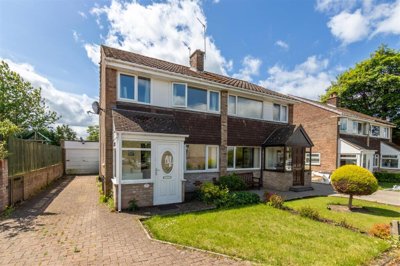
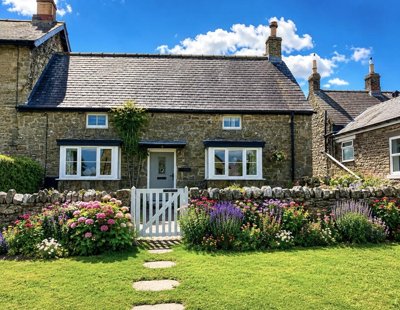
The rental market in Shotley Low Quarter operates within the broader context of rural Northumberland, where rental availability tends to be more limited than in urban centres. Properties in this civil parish are characterised by their traditional stone construction, reflecting the area's historic building heritage dating back to the Victorian era and earlier. The housing stock includes farmhouses, cottages, and properties associated with the Shotley Hall Estate, alongside more recent developments that have expanded the village's residential footprint over the twentieth century. Rental properties in this area typically consist of whole houses or bungalows, with a smaller proportion of flats and apartments compared to national averages.
Given the rural nature of Shotley Low Quarter and its status as a civil parish rather than a large town, rental listings tend to appear less frequently on major property portals. Those seeking to rent in the area should register with local letting agents covering the Derwent Valley corridor, including properties in nearby towns such as Consett, Hexham, and Corbridge. The limited supply means that properties coming to market can attract multiple enquiries, particularly those offering character features such as original stonework, fireplaces, or access to countryside walks. Prospective renters are advised to act promptly when suitable properties become available and to have their rental budget agreement in principle prepared before beginning their search.
The Shotley Bridge Conservation Area significantly influences the local rental market, with properties within the designated boundary subject to specific planning considerations. The conservation area, which includes the western bank of the River Derwent within Shotley Low Quarter, is dominated by scattered farmsteads and historic cores that contribute to its character. Properties in conservation areas often feature traditional construction methods including solid wall build, which renters should factor into their assessment of heating costs and thermal comfort. Our local expertise can help you understand the implications of renting a property within this designated area.

Life in Shotley Low Quarter is defined by its relationship with the natural landscape and the area's rich industrial heritage. The civil parish takes its name from the Low Quarter, a historic division of the area, and encompasses several hamlets and scattered farmsteads set against the backdrop of the Derwent Valley. The River Derwent itself is a defining feature, flowing through a wooded valley that provides habitat for wildlife and recreational opportunities for residents. The area's ancient agricultural origins remain visible in the landscape, where working farms sit alongside former industrial sites that now form part of the area's historical character.
The Shotley Bridge Conservation Area plays a significant role in defining the character of Shotley Low Quarter. The western bank of the River Derwent, situated within the parish, is dominated by the Shotley Hall Estate and scattered farmsteads, considered distinct historic cores of the conservation area. Historic buildings in the vicinity predominantly use locally quarried sandstone for walling, with squared coursed stonework for prominent elevations and random rubble for secondary walls. Roofing materials typically include slate and terracotta tile, reflecting the traditional building practices of north Northumberland. The Hopper Mausoleum in St Andrew's Churchyard on Greymare Hill holds Grade I listed status, testament to the area's architectural significance, while Shotley Hall itself, built in 1863 with dressed sandstone and ashlar dressings, exemplifies the grand Victorian architecture that characterises much of the parish.
For renters considering Shotley Low Quarter, the area offers a rare combination of rural tranquility and historical depth. The North Pennines Area of Outstanding Natural Beauty lies within easy reach, providing extensive walking and cycling opportunities along bridleways and public footpaths. Local community facilities, while modest given the rural setting, are complemented by the broader network of villages and towns along the Derwent Valley. The nearby town of Consett, historically associated with the steel industry, has undergone significant regeneration since the works closed in 1980 and now provides a range of shopping, educational, and healthcare facilities for surrounding communities. Our team regularly assists renters navigating life in this unique corner of Northumberland.
The area's history as part of the Derwent Valley's industrial heritage adds another dimension to living in Shotley Low Quarter. While the heavy industry has long since departed, remnants of the industrial past are woven into the landscape, alongside medieval field patterns and ancient trackways. Properties associated with former collieries and ironworks may exist within the parish boundaries, and renters should satisfy themselves about the history and condition of any property they are considering. The civil parish also includes St John's Church at Snods Edge, a Grade II listed building that reflects the area's ecclesiastical heritage and community roots.

Families considering renting in Shotley Low Quarter will find educational facilities available within reasonable travelling distance. The parish falls within Northumberland's education system, with primary schools serving the surrounding villages and larger secondary schools located in nearby towns. St Andrew's Church on Greymare Hill stands as one of the notable landmarks in the area, reflecting the historical presence of religious institutions in rural communities. The proximity to County Durham means some families may also access educational options across the county boundary, depending on catchment areas and school admissions policies.
For secondary education, students typically travel to schools in Consett, which offers several options for secondary-aged children. The broader Northumberland area includes well-regarded schools with good Ofsted ratings, and the county's rural character means that school transport links are established for families living in more scattered communities. Sixth form provision is available in larger towns including Hexham and Consett, with further education colleges accessible in Newcastle upon Tyne and the wider North East region. Families are advised to research specific school catchments and admission arrangements, as these can vary and may influence property preferences in the area.
The rural nature of Shotley Low Quarter means that primary school options require travel to nearby villages or the edge of Consett. School transport arrangements are typically managed through Northumberland County Council, with established bus routes serving scattered communities. The academic calendar and term dates follow the Northumberland local authority schedule, and families relocating from other areas should factor this into their moving timeline. We can provide guidance on the educational options most relevant to specific locations within the parish.

Transport connectivity in Shotley Low Quarter reflects its rural character, with residents relying primarily on private vehicles and local bus services for day-to-day travel. The A68 runs through the broader area, providing a key route connecting Northumberland with County Durham and onward to the A1(M) motorway. This makes car travel to larger employment centres in Newcastle upon Tyne, Durham, and Sunderland relatively straightforward, with journey times typically ranging from 30 to 60 minutes depending on destination and traffic conditions. The scenic quality of routes through the Derwent Valley makes these journeys more pleasant than typical urban commutes.
Public transport options are more limited than in urban areas, with bus services providing the main form of scheduled public transport. Services connect Shotley Low Quarter and surrounding villages with larger towns including Consett, where further connections by rail and bus are available. The nearest railway stations are typically found in larger towns, with Hexham offering direct services to Newcastle upon Tyne and Carlisle. For commuters working in regional centres, the availability of a private vehicle is generally considered essential for Shotley Low Quarter residents, though the peaceful nature of the area and the proximity to beautiful countryside make this trade-off worthwhile for many.
Cyclists can access a network of rural lanes and bridleways throughout the Derwent Valley, though the hilly terrain requires a reasonable level of fitness. The North Pennines AONB offers excellent opportunities for outdoor recreation, and many residents enjoy cycling as a leisure activity rather than purely for transport. For those working remotely, the area's peaceful setting can be an advantage, though broadband speeds should be verified before committing to a rental property as they can vary across the parish. Our team can advise on typical connectivity levels for different locations within Shotley Low Quarter.

Renting a property in Shotley Low Quarter requires careful consideration of several factors specific to rural Northumberland. The prevalence of older, stone-built properties means that issues such as damp, roof condition, and outdated electrics are more commonly encountered than in newer housing stock. Many properties in the conservation area will have solid walls rather than cavity wall insulation, which affects heating efficiency and may require different approaches to thermal comfort. Prospective renters should query the heating system, insulation standards, and any recent renovation work when considering a property, as these factors significantly impact living costs and comfort during Northumberland's cooler months.
The geology of the Derwent Valley, characterised by slowly permeable, seasonally wet, acid loamy and clayey soils, presents considerations for property condition. Clay soils can be subject to shrink-swell movement, which may affect foundations over time, particularly during periods of drought or sustained wet weather. Historical mining activity in the broader Consett area, including the coalfield character of Shotley Bridge, means that some properties may be situated in former mining areas where subsidence risk warrants consideration. Properties within or adjacent to the Shotley Bridge Conservation Area may be subject to specific planning restrictions affecting alterations, extensions, or external changes.
The River Derwent, while a beautiful feature of the landscape, also means that flood risk should be assessed for any property situated close to the watercourse. Surface water flooding can occur during periods of heavy rainfall, particularly in low-lying areas of the valley floor. We recommend checking the Environment Agency's flood risk maps for specific property locations and enquiring about any historical flooding with current or previous occupants. Properties in elevated positions within the parish generally face lower flood risk but may incur higher heating costs due to exposed locations.
Prospective renters should also consider the practical implications of rural living in Shotley Low Quarter. Broadband speeds, while improved in recent years, may be more variable than in urban areas, and this should be verified with current providers. Mobile phone reception can also vary depending on location and network provider. The availability of local services such as shops, pubs, and post offices varies between the different hamlets within the parish, with residents typically travelling to nearby towns for larger shops and specialist services. Understanding these practicalities before committing to a rental helps ensure that rural living in Shotley Low Quarter meets expectations.

Contact lenders or use Homemove's rental budget service to obtain an agreement in principle before viewing properties. This demonstrates your financial credibility to letting agents and helps you understand exactly what you can afford in rental terms, including all associated costs such as council tax, utilities, and insurance. Having your budget confirmed makes you a more competitive applicant in Shotley Low Quarter's limited rental market.
Spend time exploring Shotley Low Quarter and the surrounding Derwent Valley. Visit local amenities, check travel times to your workplace, and get a feel for the community. Understanding the local character will help you choose the right neighbourhood within the parish. Consider the specific location within the conservation area and how proximity to the River Derwent might affect your daily life.
Given the limited rental supply in rural areas, register with multiple letting agents covering the Shotley Bridge and Derwent Valley corridor. Agents often have access to properties before they appear on major portals. Our network of local agent contacts can help streamline this process and ensure you are among the first to hear about new listings.
Once suitable properties are identified, arrange viewings promptly. In rural Shotley Low Quarter, competition for quality rental properties can be unexpected. Prepare questions about property condition, maintenance responsibilities, and any conservation area restrictions that might affect your occupation of the property.
If offered a property, you will typically need to pass referencing checks including credit history, employment verification, and landlord references. Your letting agent or landlord will guide you through the tenancy agreement process. Ensure you understand your responsibilities for maintenance and any restrictions on alterations to properties in the conservation area.
Upon signing your tenancy agreement, coordinate your move logistics. Rural locations may require advance planning for internet connection, deliveries, and access to local services. An inventory check at move-in protects both tenant and landlord interests and provides a documented record of property condition. We recommend scheduling this before collecting keys.
Specific rental price data for Shotley Low Quarter is not published separately due to the small number of properties in this civil parish. Rental prices in the broader Northumberland area vary considerably by property type and location, with two-bedroom cottages starting from around £600 per month and larger family homes commanding higher rents. Properties with character features such as original stonework, fireplaces, or conservation area status may attract premium rents. For accurate current pricing, we recommend registering with local letting agents who can alert you to new listings as they come to market. Our team can connect you with agents specialising in Derwent Valley properties.
Properties in Shotley Low Quarter fall under Northumberland County Council's jurisdiction for council tax purposes. Bands range from A to H based on property value, with many traditional stone cottages and farmhouses likely falling in bands A to D given their older construction and rural locations. The exact band for any specific property can be checked on the Valuation Office Agency website using the property address. Council tax payments in Northumberland fund local services including education, highways, and waste collection.
As a small rural parish, Shotley Low Quarter does not have schools within its immediate boundary. Primary education is served by schools in surrounding villages, while secondary students typically attend schools in Consett or Hexham. Northumberland maintains good standards of education with several schools achieving strong Ofsted ratings. Parents should verify current catchment areas and admissions policies with Northumberland County Council before committing to a property, as catchment boundaries can affect school placements.
Public transport connectivity in Shotley Low Quarter is limited compared to urban areas. Bus services provide the main public transport option, connecting the parish with Consett and surrounding villages. Train services require travel to larger stations in Hexham or Newcastle upon Tyne. Residents generally regard private vehicle ownership as essential for daily commuting and accessing services. However, the A68 provides good road connections to County Durham and the A1(M) motorway network, making regional travel straightforward by car.
Shotley Low Quarter offers an exceptional quality of life for those seeking rural living with access to beautiful countryside. The area is particularly suitable for renters who work in or around the Derwent Valley corridor, those who value outdoor activities and scenic landscapes, and families who prioritise community atmosphere over urban conveniences. The conservation area status and historic architecture, including the Grade I listed Hopper Mausoleum and Victorian Shotley Hall, add character. The limited rental supply and rural transport constraints require consideration, but for the right tenant, Shotley Low Quarter provides a rare opportunity to live in one of Northumberland's most picturesque locations.
Standard deposits for rental properties in England are equivalent to five weeks' rent, capped at a maximum of five weeks' rent where the annual rent is below £50,000. In addition to the deposit, renters typically pay a holding deposit to secure a property equivalent to one week's rent, referencing fees, and potentially inventory check costs. As of the 2024-25 rental regulations, tenants are provided with specific protections regarding deposit holding and return timescales. First-time renters should budget for these upfront costs alongside moving expenses.
Shotley Low Quarter is situated on the western bank of the River Derwent, and properties close to the river or in low-lying areas may carry some flood risk. The Derwent Valley's geography means that surface water flooding can occur during periods of heavy rainfall. Prospective renters should enquire about flood history with current or previous occupants and check the Environment Agency's flood risk maps for specific property locations. Properties in higher positions within the parish generally face lower flood risk.
The rental market in Shotley Low Quarter primarily consists of traditional stone-built properties including cottages, farmhouses, and properties associated with local estates. The area's historic building heritage means many rentals feature locally quarried sandstone construction with slate or terracotta tile roofing. Newer properties constructed in the twentieth century also exist within the parish. Whole houses and bungalows predominate, with a smaller number of apartments. Many rental properties in the area will be period homes with character features, though modernised options are also available. The conservation area context means that some properties may have planning restrictions affecting alterations.
From 4.5%
Our team can help you understand your rental budget before you start searching for properties in Shotley Low Quarter.
From £49
Complete referencing checks required by landlords before you can secure your rental property.
From £75
Professional inventory documentation to protect both tenant and landlord interests at move-in.
From £60
Energy performance certificates required for all rental properties in England.
Understanding the full cost of renting in Shotley Low Quarter requires budgeting beyond simply the monthly rent figure. Upfront costs typically include a holding deposit equivalent to one week's rent to secure the property, followed by a security deposit equivalent to five weeks' rent. The deposit cap rules introduced in recent legislation mean that deposits are capped at five weeks' rent for annual rents below £50,000, providing some protection for renters. Referencing fees, which cover credit checks, employment verification, and landlord references, typically range from £100 to £300 depending on the provider and the number of applicants.
Ongoing costs during the tenancy include monthly rent, council tax payable to Northumberland County Council, utility bills, and contents insurance. Rural properties with solid wall construction may have higher heating costs than modern insulated homes, a consideration for budgeting during Northumberland's colder months. Properties with extensive gardens will incur maintenance costs during spring and summer months. Tenants are responsible for minor maintenance as outlined in the tenancy agreement, while landlords typically handle structural repairs and major maintenance.
For first-time renters in England, there is no longer stamp duty land tax on rental properties, but the upfront cash requirement remains significant. We recommend saving at least three months' rent before moving to cover the deposit, first month's rent, referencing fees, and moving costs. Obtaining a rental budget agreement in principle before beginning your property search gives you clarity on your financial position and demonstrates readiness to letting agents and landlords in Shotley Low Quarter's competitive rental market. Our team can guide you through the budgeting process and connect you with appropriate financial services.

Properties to Rent In London

Properties to Rent In Plymouth

Properties to Rent In Liverpool

Properties to Rent In Glasgow

Properties to Rent In Sheffield

Properties to Rent In Edinburgh

Properties to Rent In Coventry

Properties to Rent In Bradford

Properties to Rent In Manchester

Properties to Rent In Birmingham

Properties to Rent In Bristol

Properties to Rent In Oxford

Properties to Rent In Leicester

Properties to Rent In Newcastle

Properties to Rent In Leeds

Properties to Rent In Southampton

Properties to Rent In Cardiff

Properties to Rent In Nottingham

Properties to Rent In Norwich

Properties to Rent In Brighton

Properties to Rent In Derby

Properties to Rent In Portsmouth

Properties to Rent In Northampton

Properties to Rent In Milton Keynes

Properties to Rent In Bournemouth

Properties to Rent In Bolton

Properties to Rent In Swansea

Properties to Rent In Swindon

Properties to Rent In Peterborough

Properties to Rent In Wolverhampton

Enter your details to see if this property is within your budget.
Loans, cards, car finance
Estimated property budget
Borrowing + deposit
You could borrow between
Typical borrowing
Monthly repayment
Est. at 4.5%
Loan-to-value
This is an estimate only. Your actual budget may vary depending on interest rates, credit history, and personal circumstances. For an accurate affordability assessment, speak to one of our free mortgage advisors.
This calculator provides estimates for illustrative purposes only and does not constitute financial advice. Your home may be repossessed if you do not keep up repayments on your mortgage. Estimates based on 4.5% interest rate, repayment mortgage. Actual rates depend on your circumstances.
Homemove is a trading name of HM Haus Group Ltd (Company No. 13873779, registered in England & Wales). Homemove Mortgages Ltd (Company No. 15947693) is an Appointed Representative of TMG Direct Limited, trading as TMG Mortgage Network, which is authorised and regulated by the Financial Conduct Authority (FRN 786245). Homemove Mortgages Ltd is entered on the FCA Register as an Appointed Representative (FRN 1022429). You can check registrations at NewRegister or by calling 0800 111 6768.