Pick the right path and we'll point you to the next step.
I'm the homeowner
Track this property, get market updates, and list it on Home when you're ready to sell or let.
I'm an estate agent
Claim your branch on Home.co.uk, list your properties for free, and reach buyers actively searching your area.

From riverside apartments to country cottages, search hundreds of thousands of properties for sale, to rent, and recently sold, all enriched with three decades of market data.
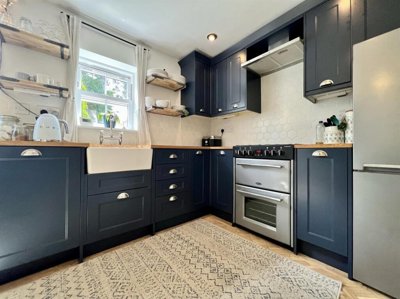
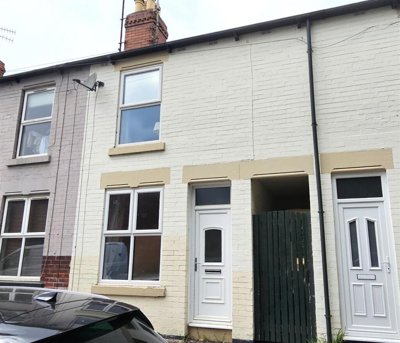
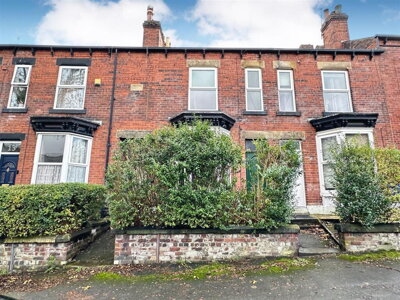
Browse 3 rental homes to rent in Sheffield, South Yorkshire from local letting agents.
The 2 bed house market features detached, semi-detached, and terraced properties with two separate bedrooms plus living spaces. Properties in Sheffield range from Victorian and Edwardian period homes to modern new builds, with pricing varying across different neighbourhoods.
£900/m
26
0
47
Source: home.co.uk
Showing 26 results for 2 Bedroom Houses to rent in Sheffield, South Yorkshire. The median asking price is £900/month.
Source: home.co.uk
Terraced
17 listings
Avg £907
Semi-Detached
8 listings
Avg £906
Detached
1 listings
Avg £850
Source: home.co.uk
Source: home.co.uk
Sheffield’s rental picture makes more sense once you look at the wider sales market. Demand is spread across apartments, terraces and family homes, rather than sitting in one corner of the city. homedata.co.uk records show detached homes averaged £424,664 in December 2025, newly built homes averaged £285,000 and established homes £219,000. Flats were much lower at around £142,468 to £145,200, which goes a long way to explaining why city-centre apartment living stays so common with renters looking for lower running costs and shorter commutes.
Over the last 12 months, Sheffield recorded 15,118 property sales, and transactions were down 20.6% year on year. So the market is still active, just not overheated. Semi-detached homes accounted for the largest share at 5,900 sales, with terraced homes at 4,500, detached homes at 3,400 and flats at 1,200. In practice, that usually feeds through to a rental market where terraces and semis are easier to find around the outer edge of the centre, while newer flats gather in regeneration areas.
New-build schemes show where Sheffield is moving next. Furnace Hill is planned for around 750 homes in the city centre, and Neepsend is set for about 430 new homes. Then there are developments such as The Barclay, Cotton Mill and Velocity Tower, all pointing to continued apartment growth in the core. For renters, that can mean more modern stock, better insulation in some blocks and more landlords in the mix. The catch is simple, the best homes do not sit around for long, so we always suggest having paperwork ready.

One of Sheffield’s strengths is how different its districts feel from one another. In the centre, you get tram stops, cafés and converted flats. Kelham Island brings industrial character, bars, offices and waterside routes. Move west or south-west and the feel changes again, with larger gardens and quieter streets around Nether Edge, Ecclesall, Millhouses and Dore. That spread gives renters real choice without crossing the city boundary.
There is a lot of variety in Sheffield’s housing stock, not least because more than 40% of the city’s homes were built before 1939. The industrial past still shows. homedata.co.uk and local planning records point to older stone terraces, red-brick villas, inter-war semis and post-war estates sitting side by side. Sheffield also has 38 conservation areas, including the City Centre, Nether Edge and Endcliffe, protected for their architectural interest. That range gives the city its look, but it also means renters need to watch repair quality, insulation and the standard of upkeep in older homes.
Geology leaves its mark here. Sheffield sits on Carboniferous rocks, and local sandstone with red brick turns up again and again in older buildings. The hills and valleys follow the lines of the Don, Sheaf, Rivelin, Loxley and Porter rivers. Open space is woven into daily life too, from Endcliffe Park and Weston Park to Graves Park, Millhouses Park and the Botanical Gardens. For a city of this size in the UK, Sheffield gives unusually quick access to green space without giving up city living.
For many family renters, the search starts with school catchment, not postcode. In Sheffield, access can shift from one street to the next. The city has a broad spread of primary and secondary schools, then further education through Sheffield College and major university options at the University of Sheffield and Sheffield Hallam University. There is no single citywide grammar-school system to work around, so most families end up checking local admissions rules and the latest Ofsted report for each school.
Some rental areas in Sheffield get attention for a simple reason, the school journey works. Quieter streets in the west and south-west often come up first for families wanting more space. In parts of the north and east, tenants may focus instead on value and easier access to tram or bus routes. We regularly see renters give up a shorter commute in exchange for a bigger garden or a layout that makes more sense day to day. The priciest house is not always the one that works best for school runs.
Before agreeing a tenancy with children in tow, the small details matter. Check the exact walking route. See whether the school gate sits on a bus corridor. Ask if parking restrictions make drop-off awkward. We would also ask how quickly repairs are dealt with, because a broken boiler or a damp problem can turn a normal school week into a difficult one. In Sheffield, a good family rental is not just about the monthly budget, it has to fit the routine.

Sheffield is a city you can get around without too much fuss once you know the layout. Direct rail services run to Leeds, Manchester, Nottingham and London. The Supertram covers useful cross-city ground between the centre, the universities, Hillsborough and Meadowhall, and local bus routes fill many of the gaps. That gives plenty of renters the option of living without a car, provided they pick the right district. Flats close to the centre or near tram stops tend to stay in demand for that reason.
If you drive, the M1 is a major plus. Access from the north and south of the city is fairly straightforward, although peak-time journeys can still slow down near the universities, the city centre and the main ring roads. We think it is worth testing any commute at the same time of day you would actually travel. Parking is often simpler in outer suburbs than in tighter central areas, and some older terrace streets depend on permits or limited on-street space. That can be a deciding factor before you sign a tenancy.
Cycling has become more practical than it used to be, with more routes now linking green corridors, parks and the centre. Sheffield’s hills are real, and some trips can be hard work. Shorter commutes help, and tram connections can take the edge off. People based in the centre, at the universities or in Meadowhall usually have the broadest set of travel options. When we assess a rental for day-to-day convenience, we look at the home, the route to work and parking together, not as separate points.
Flood risk is one of the first local checks we raise in Sheffield, especially near the rivers and in lower-lying parts of the city. The Strategic Flood Risk Assessment says surface water flooding is the larger issue, with about 11.56% of properties at risk from surface water and around 6.36% affected by river and sea flooding. Riverside, West Bar and Castlegate are all known for higher flood exposure. That is why we suggest asking how drainage has been managed and whether the property has ever had water ingress.
Older Sheffield homes need a careful eye. The city has a lot of pre-1939 housing, and many properties were built with local sandstone, red brick and traditional masonry. Terraces and villas can look attractive, but the checks matter, damp, roof wear, weak ventilation and old repairs that do not suit the original structure. Cement repointing on a stone property, for instance, can trap moisture. Converted buildings in former industrial areas may also need closer scrutiny for warmth and sound insulation. A Victorian terrace and a newer apartment can carry very different running costs even if the headline rent looks much the same.
Ground conditions matter here as well. Sheffield sits on carboniferous geology with some clay components, and historic coal mining adds another risk in certain parts of the city. Shrink-swell movement can affect some soils, while old mine workings may still raise questions, so we would ask about any structural history when viewing an older house. Flats have their own checklist, including service charge cover, lift maintenance, communal heating and parking rules. Houses need a closer look at rooflines, gutters and garden drainage. The right Sheffield rental has to suit the property type as much as the postcode.

The research here gives us a solid view of Sheffield’s wider market, but it does not produce one verified citywide average rent. homedata.co.uk records show the average house price was £220,000 in December 2025, with flats around £142,468 and newly built homes around £285,000. That helps explain why rents can differ so sharply by district and by property type. For current asking rents, we would look at live listings on home.co.uk, because city-centre apartments, student-adjacent homes and suburban family houses all sit at different price points. A rental budget agreement in principle can help set a sensible ceiling before viewings start.
Council tax in Sheffield is set by Sheffield City Council, and the band depends on the individual property rather than just the postcode. Smaller flats and terraces often sit in lower bands. Larger family homes and detached properties are usually higher. The exact band can shift from one street to the next, especially where flats, maisonettes or mixed housing types are involved. We always advise checking the exact address you are viewing instead of relying on the neighbourhood name.
There is no single answer to the best schools question in Sheffield. Catchment rules matter, and so do travel times. Many families begin on the west or south-west side of the city, then narrow the search by checking the latest Ofsted report and the admissions map for the exact street. Sheffield also has strong post-16 provision through Sheffield College, along with the University of Sheffield and Sheffield Hallam University. If school access is central to the move, we recommend trying the route at school-run time before the tenancy is signed.
Getting around Sheffield is usually straightforward once you match the area to the journey you actually make. Rail links run direct to Leeds, Manchester, Nottingham and London. The Supertram covers the centre, the universities, Hillsborough and Meadowhall, while bus services pick up most of the rest. Drivers also have the M1. In the centre and around the university districts, parking can be tighter, so we think travel needs should shape the search from the start.
Yes, Sheffield works well for renters. There is a real spread of housing, from older homes built before 1939 to newer schemes in regeneration areas such as Furnace Hill and Neepsend, and the city also contains 38 conservation areas. That leaves room to choose between period terraces, modern apartments and family houses without moving outside the city boundary. Sheffield has a clear local identity, and the choice is broad enough to make renting here a practical option for many people.
Across England, landlords can usually take a security deposit of up to 5 weeks' rent where the annual rent is under £50,000, and up to 6 weeks where the rent is above that figure. A holding deposit is normally capped at one week's rent. Letting agent admin fees are no longer allowed in the way they once were. On top of that, you should budget for the first month's rent, moving costs and any upfront bills such as broadband or utility connections. If you are weighing up several Sheffield homes, check whether parking or furnishings are included so the true monthly cost is clear.
If older housing is what you want, focus on areas with more pre-1939 stock, especially in the west and south-west of Sheffield. Nether Edge, Crookes, Walkley and parts of Hillsborough often come up for terraces, stone houses and conversions. They can be very appealing homes to rent, but we would still check carefully for damp, insulation issues and the maintenance record. During a viewing, pay attention to the roofline, the windows and any signs of patch repairs.
Renting can be a sensible way to learn Sheffield before buying, because the city’s districts do not feel the same from one to the next. homedata.co.uk records show an average house price of £220,000, with new builds at £285,000 and flats around £142,468, so the long-term choice may depend on how quickly you want to build equity. If buying later is part of the plan, the current purchase thresholds are 0% up to £250,000, 5% from £250,000 to £925,000, 10% from £925,000 to £1.5 million and 12% above that. First-time buyers currently pay 0% up to £425,000 and 5% from £425,000 to £625,000, with no relief above £625,000.
For most Sheffield renters, the largest upfront bill is the deposit, then the first month's rent. In England, a tenancy deposit is usually capped at five weeks' rent if the annual rent is below £50,000, and six weeks if it is above that threshold. Holding deposits are normally limited to one week's rent. You should not be asked for the old-style admin fees that used to complicate a move. Even so, we think it is sensible to keep a little extra aside for removals, utility set-up and any basic furnishings.
Monthly costs can shift a lot across Sheffield, even where two homes look similar in an online listing. City-centre apartments can offset rent with lower travel costs. Older terraces may come in cheaper on rent, yet cost more to heat. Family houses in greener districts can bring higher council tax and more car-related spending, especially if parking permits apply or there is more than one vehicle. We always suggest comparing the full monthly total, not just the headline rent.
If renting in Sheffield might lead to buying later, it helps to keep the current purchase thresholds in mind. The current rates are 0% up to £250,000, 5% from £250,000 to £925,000, 10% from £925,000 to £1.5 million and 12% above £1.5 million. First-time buyers currently pay 0% up to £425,000 and 5% from £425,000 to £625,000, with no relief above £625,000. That is not a rental cost, but it is useful when comparing the long-term cost of staying flexible against moving into ownership later.
Properties to Rent In London

Properties to Rent In Plymouth

Properties to Rent In Liverpool

Properties to Rent In Glasgow

Properties to Rent In Sheffield

Properties to Rent In Edinburgh

Properties to Rent In Coventry

Properties to Rent In Bradford

Properties to Rent In Manchester

Properties to Rent In Birmingham

Properties to Rent In Bristol

Properties to Rent In Oxford

Properties to Rent In Leicester

Properties to Rent In Newcastle

Properties to Rent In Leeds

Properties to Rent In Southampton

Properties to Rent In Cardiff

Properties to Rent In Nottingham

Properties to Rent In Norwich

Properties to Rent In Brighton

Properties to Rent In Derby

Properties to Rent In Portsmouth

Properties to Rent In Northampton

Properties to Rent In Milton Keynes

Properties to Rent In Bournemouth

Properties to Rent In Bolton

Properties to Rent In Swansea

Properties to Rent In Swindon

Properties to Rent In Peterborough

Properties to Rent In Wolverhampton

Enter your details to see if this property is within your budget.
Loans, cards, car finance
Estimated property budget
Borrowing + deposit
You could borrow between
Typical borrowing
Monthly repayment
Est. at 4.5%
Loan-to-value
This is an estimate only. Your actual budget may vary depending on interest rates, credit history, and personal circumstances. For an accurate affordability assessment, speak to one of our free mortgage advisors.
This calculator provides estimates for illustrative purposes only and does not constitute financial advice. Your home may be repossessed if you do not keep up repayments on your mortgage. Estimates based on 4.5% interest rate, repayment mortgage. Actual rates depend on your circumstances.
Homemove is a trading name of HM Haus Group Ltd (Company No. 13873779, registered in England & Wales). Homemove Mortgages Ltd (Company No. 15947693) is an Appointed Representative of TMG Direct Limited, trading as TMG Mortgage Network, which is authorised and regulated by the Financial Conduct Authority (FRN 786245). Homemove Mortgages Ltd is entered on the FCA Register as an Appointed Representative (FRN 1022429). You can check registrations at NewRegister or by calling 0800 111 6768.

We use cookies to show you personalised content and improve your experience of our website. Find out more in our Privacy policy and Cookie policy.