Powered by Home

2 Bed Flats To Rent in Royal Borough of Kensington and Chelsea

Browse 1,906 rental homes to rent in Royal Borough of Kensington and Chelsea from local letting agents.

1,906 listings Royal Borough of Kensington and Chelsea Updated daily

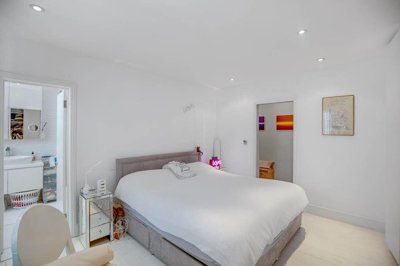
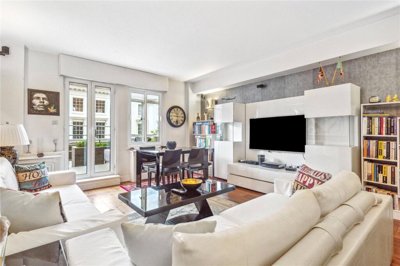
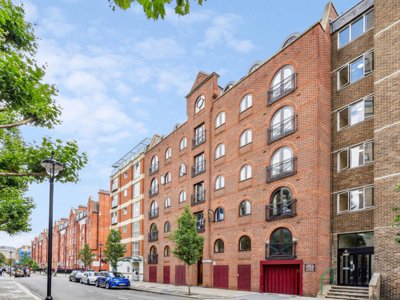
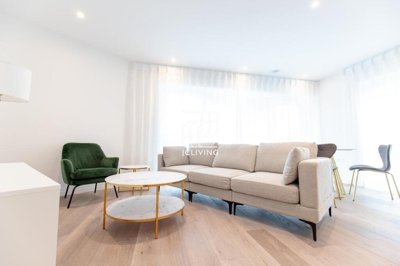
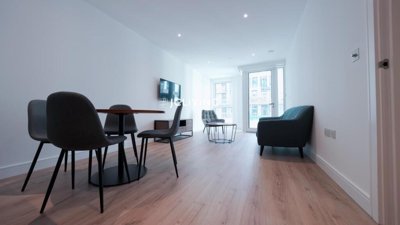
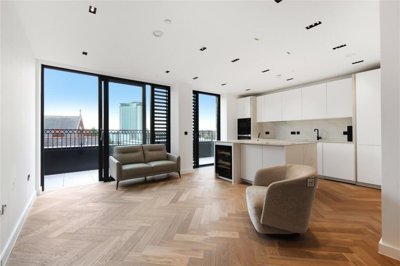
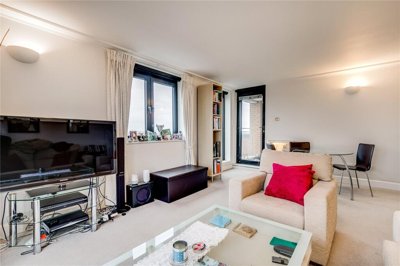
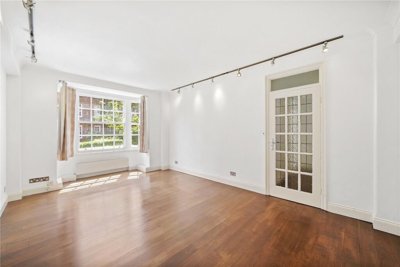
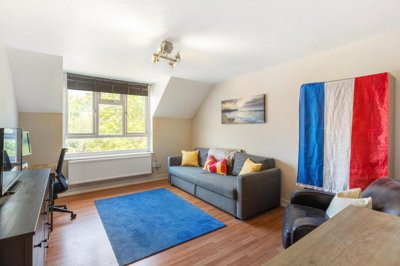
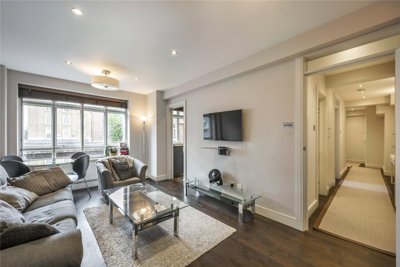
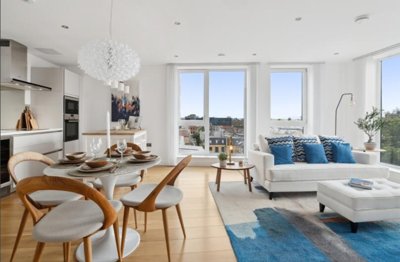
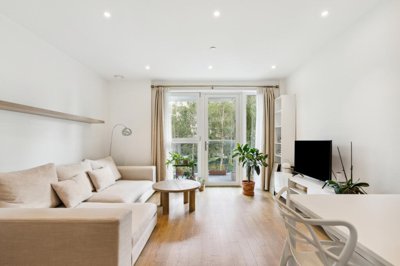
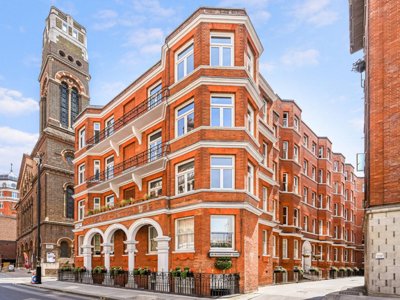
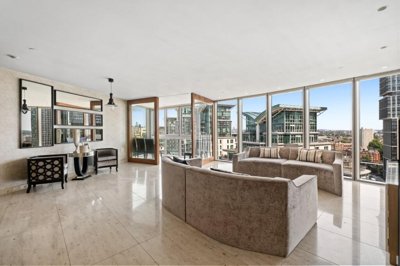
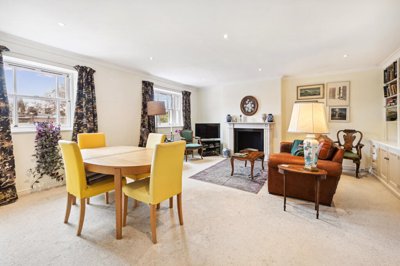
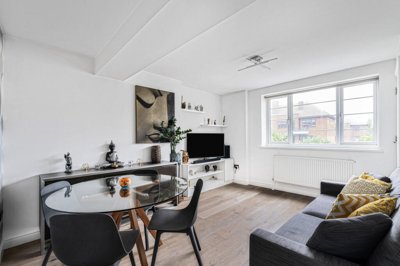
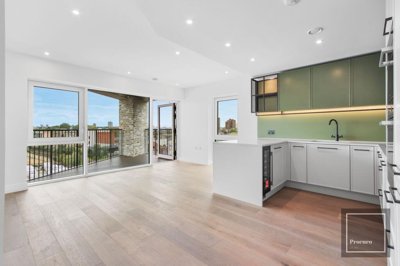
The 2 bed flat sector typically includes two separate bedrooms, dedicated living areas, and bathroom facilities. Properties in Royal Borough Of Kensington And Chelsea span purpose-built blocks, converted period houses, and modern apartment complexes on various floors.

The Property Market in Kensington and Chelsea

The rental market in the Royal Borough of Kensington and Chelsea reflects the prestige of one of London's most exclusive addresses. Our data shows that properties here command some of the highest rents in Britain, with one-bedroom flats in prime locations typically ranging from £3,200 to £4,200 per month, while two and three-bedroom apartments in Chelsea or Kensington can easily exceed £6,000 to £13,000 monthly. The borough's property stock is remarkably diverse, encompassing elegant mansion blocks along Exhibition Road and Queen's Gate, converted Victorian terraces throughout South Kensington and Earl's Court, and modern developments including the riverside apartments near Chelsea Harbour. Despite recent price adjustments in the sales market, with average house prices falling around 11-14% from their 2022 peak, rental values have remained robust due to persistent demand from professionals, families, and international renters seeking access to this prestigious postcode.

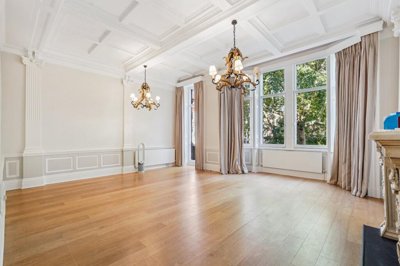
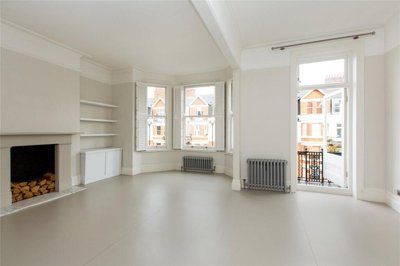
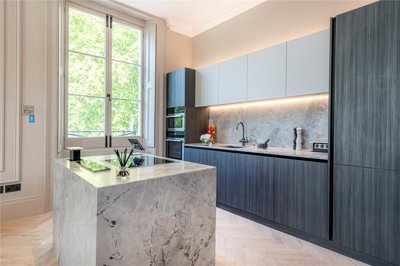
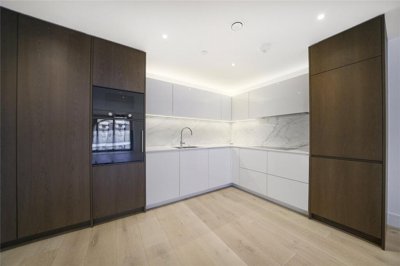
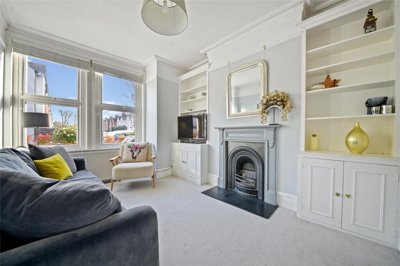
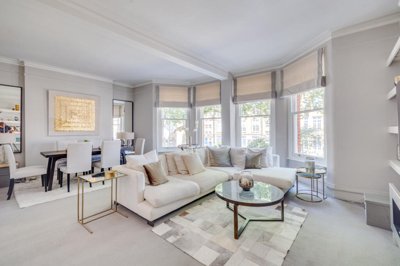
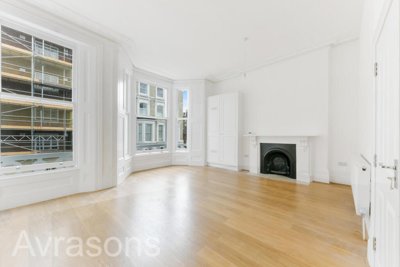
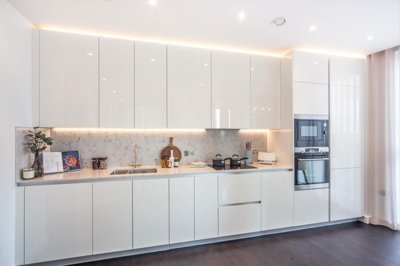
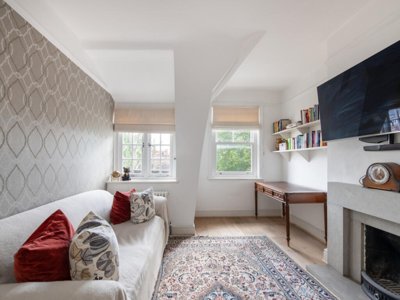
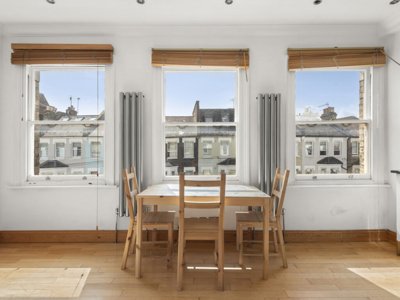
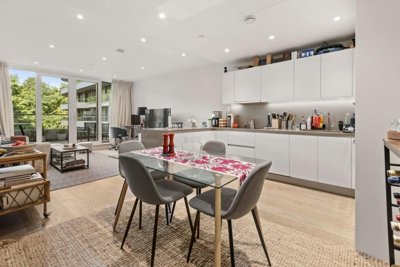
Property types available for rent include compact studio apartments ideal for young professionals, spacious one and two-bedroom flats within handsome period buildings featuring original cornicing and high ceilings, and occasionally larger family houses in quieter residential enclaves such as Redcliffe Square or Phillimore Gardens. The Victorian and Edwardian architecture that dominates the borough features characteristic sash windows, original fireplaces, and sometimes basements that have been converted into useful additional living space. Many rental properties have been thoughtfully modernised to include contemporary open-plan kitchens and sleek bathrooms while retaining their period character and architectural details that define the borough's streetscapes. The market sees consistent turnover throughout the year, though demand intensifies during the summer months when relocating professionals and international renters arrive in the capital seeking properties near major employers and transport connections.

Recent market analysis indicates that flat prices in the Royal Borough have seen significant movement, with average values for apartments falling by up to 17% in recent years, bringing some properties below the £950,000 threshold for sales. While the sales market has experienced this correction, the rental sector has remained more stable, supported by strong tenant demand and limited supply of quality rental stock, with average two-bedroom apartment rents at approximately £6,257 per month. For renters, this means competitive conditions where desirable properties can receive multiple applications within days of listing, making swift decision-making and prepared documentation essential for securing your chosen home in this sought-after borough.

Find Rentals Royal Borough Of Kensington And Chelsea

Living in the Royal Borough of Kensington and Chelsea

The Royal Borough of Kensington and Chelsea offers an unparalleled quality of life that attracts renters from across the globe. This densely populated yet remarkably elegant borough combines the energy of central London with village-like neighbourhoods where residents know their local shopkeepers and where tree-lined streets feel a world away from the City. The area is celebrated for its distinctive architecture, featuring Victorian and Edwardian terraces alongside white stucco-fronted townhouses that create the timeless streetscapes celebrated in films and photographs. Our local knowledge shows that the borough's population of approximately 156,000 residents across 75,000 households enjoys access to some of the finest parks, museums, and restaurants in Britain, all within walking distance of most residential streets.

The local economy centres on high-end retail, hospitality, and professional services, with Kensington High Street, King's Road, and the boutique shops of Notting Hill providing employment alongside the cultural attractions that draw millions of visitors annually. Young professionals are drawn by the proximity to major employment districts in the City, Canary Wharf, and Westminster, while families appreciate the exceptional parks including Hyde Park and Kensington Gardens bordering the borough's western edge. The area boasts excellent restaurants ranging from neighbourhood bistros along Devonport Road to Michelin-starred establishments along the King's Road and Pavilion Road, alongside vibrant markets at Portobello Road and Pembridge Villas where local traders offer everything from antiques to artisan food.

The borough maintains a reputation for exclusivity while remaining accessible to renters who value walkability, culture, and community. World-class cultural venues including the Royal Albert Hall, the Victoria and Albert Museum, the Natural History Museum, and the Science Museum are all located within the borough or immediately adjacent, providing an extraordinary range of exhibitions, concerts, and educational programmes on your doorstep. The Royal Hospital Chelsea, home to the Chelsea Pensioners, adds historical significance to the area, while the physical proximity to the River Thames provides scenic walks and access to riverside pubs and restaurants in Chelsea and Battersea. These amenities contribute significantly to why rental demand remains consistently strong in this distinguished corner of London.

Rental Search Royal Borough Of Kensington And Chelsea

Schools and Education in Kensington and Chelsea

Education provision in the Royal Borough of Kensington and Chelsea ranks among the finest in London, making the borough particularly attractive to families seeking rental properties. The area hosts several highly-regarded primary schools, including institutions that have achieved Outstanding Ofsted ratings such as Hillgate Village School in the Queens Gate area and Derwentwater School in the Earl's Court neighbourhood, serving the borough's diverse residential communities. Parents benefit from a strong selection of schools within walking distance of most rental properties, reducing the need for lengthy school runs in this central London location where traffic congestion and parking restrictions can make car journeys time-consuming.

Secondary education in the borough includes notable options such as The London Oratory School in Brook Green, which admits students through its Catholic selection process and has a strong academic record, and Chelsea Academy serving the eastern areas of the borough with excellent facilities. Fox Primary School and Oratory Catholic Primary are also highly sought-after options for families seeking faith-based education within the borough. Many families in Kensington and Chelsea opt for private education, with the borough hosting several prestigious independent preparatory schools including Wetherby Preparatory School and Falkner House that prepare pupils for entry to eminent senior schools.

The presence of Imperial College London at the borough's western boundary adds to the area's academic credentials, while the proximity to universities throughout central London including King's College London, the London School of Economics, and University College London ensures excellent higher education opportunities for older students. Families renting in the area should research catchment areas carefully, as popular state schools can have significant waiting lists and specific residency requirements that may affect access. The cost of private education should be factored into overall budget planning, as annual fees for leading independent schools in the area typically range from £20,000 to over £30,000 per year, representing a significant ongoing commitment alongside rental costs.

Rental Properties Royal Borough Of Kensington And Chelsea

Transport and Commuting from Kensington and Chelsea

Transport connectivity from the Royal Borough of Kensington and Chelsea ranks among the best in London, with multiple Underground stations providing rapid access across the capital. Notting Hill Gate station serves the Circle, District, and Central lines, connecting residents to the City, West End, and Canary Wharf within minutes. Lancaster Gate on the Central line offers direct access to the shopping destinations of Oxford Street and Bond Street, while Gloucester Road and High Street Kensington provide Circle and District line services for travel to the City and eastern districts. South Kensington serves the Piccadilly line, reaching Heathrow Airport in under an hour and providing direct access to the West End's theatre district and shopping.

The Elizabeth line, accessed via nearby Bond Street, Tottenham Court Road, and Farringdon stations, has transformed east-west travel from the borough, reducing journey times to destinations including Stratford, Abbey Wood, and Reading. This major infrastructure improvement has made areas like Canary Wharf and the emerging business districts east of the City more accessible for commuters, expanding employment options for residents. Bus services throughout the borough complement the Underground network with frequent connections to destinations across London, including direct routes to Chelsea, Westminster, and the West End, making car ownership less essential than in outer London boroughs where public transport options are more limited.

Cyclists appreciate the growing network of protected cycle lanes along major routes including Cromwell Road and the connections to the Cycle Superhighway leading into central London. The proximity to Hyde Park, Kensington Gardens, and Richmond Park provides excellent opportunities for recreational cycling away from busy roads. For professionals working in the City or Canary Wharf, typical commute times by public transport range from 25 to 45 minutes depending on the specific destination and chosen route, with the most convenient stations varying by neighbourhood. The A4 and A40 trunk roads provide road connections to the West and the M4 motorway for those travelling further afield, though traffic congestion during peak hours can significantly extend journey times and make public transport the faster option for commuting.

Renting Guide Royal Borough Of Kensington And Chelsea

How to Rent a Home in Kensington and Chelsea

1

Get Your Rental Budget in Principle

Before viewing properties in this competitive market, arrange a mortgage in principle or secure a rental budget agreement to demonstrate financial capacity to agents and landlords who frequently require proof of income or referencing before accepting viewing requests. Our rental budget calculator helps you understand what you can realistically afford based on your monthly income and existing commitments, ensuring you focus your search on properties within your means.

2

Research the Neighbourhoods

Kensington and Chelsea encompasses distinct neighbourhoods from the boutique atmosphere of Notting Hill with its famous market and colourful terraced houses, to the elegant garden squares of Chelsea and the cultural hub around Kensington High Street with its museums and restaurants. Each area offers different characteristics, price points, and amenity access, with properties near Underground stations typically commanding premium rents but offering superior connectivity. Spend time exploring before committing to a specific location, noting the proximity to schools, shops, and transport options that matter most to your household.

3

Arrange Property Viewings

Once you have identified suitable properties, schedule viewings promptly as desirable rental homes in Kensington and Chelsea can receive multiple applications within days of listing. View properties in person to assess condition, natural light, noise levels from neighbouring properties and streets, and the general atmosphere of the building and neighbourhood. Take measurements to ensure your furniture will fit, particularly important in this area where period properties may have unusual room dimensions or layouts that differ from modern standards.

4

Get a Professional Inventory Report

Before moving in, commission a professional inventory check to document the property's condition thoroughly, recording every scratch, mark, and defect across all rooms and any included appliances. This protects your deposit when you eventually leave by establishing clear evidence of the property's condition at the start of your tenancy. For leasehold properties, also review the inventory to understand what maintenance responsibilities fall to the tenant versus the landlord, as the terms of your tenancy agreement will govern these obligations.
5

Review Your Tenancy Agreement

Your solicitor or licensed conveyancer should review the tenancy terms, deposit protection arrangements, and any special conditions before you commit to the agreement. For leasehold properties in this borough, examine the service charge details, ground rent obligations, and what restrictions apply to the property, as many buildings have clauses governing noise, pets, and alterations that reflect the character of the building and expectations of other residents.

6

Complete the Tenancy and Move In

Finalise the agreement, pay your deposit capped at five weeks' rent under the Tenant Fees Act 2019 and first month's rent, and arrange the handover with keys and meter readings for gas, electricity, and water. Ensure the deposit is protected in a government-approved scheme within 30 days and keep records of all correspondence throughout your tenancy, including any repairs reported and responses received from the landlord or managing agent.

What to Look for When Renting in Kensington and Chelsea

Renting in the Royal Borough of Kensington and Chelsea requires attention to specific local factors that can significantly impact your tenancy experience and ongoing costs. The borough's geology presents particular considerations, as the underlying London Clay creates a moderate to high shrink-swell risk that can affect building foundations and lead to structural movement over time, manifesting as cracking to walls, sticking doors, or uneven floors. This risk intensifies near mature trees, which extract moisture from the soil during dry periods, causing the clay to contract and potentially damaging foundations that were designed for different ground conditions. When viewing properties, examine walls and ceilings for repaired or visible cracking, and ask the landlord or agent about any history of structural issues or foundation work.

The borough's exceptional heritage means large areas fall within conservation designations, and many buildings carry listed status from Grade II through to Grade I for landmark structures like Kensington Palace, the Royal Albert Hall, and numerous church buildings throughout the borough. These protections restrict what alterations tenants can undertake, potentially limiting plans for redecorating or renovations, and you may need specific consents for even minor works. Permitted development rights may be limited for listed buildings, and any changes that affect the external appearance or historic fabric of the property typically require approval from the local planning authority. Before committing to a tenancy, verify whether permitted development rights apply and understand any restrictions on changes to the property that might affect your occupation.
Asbestos-containing materials may be present in buildings constructed or refurbished before the year 2000, commonly found in insulation, floor tiles, pipe lagging, and some textured coatings used in older properties. Professional surveys may be appropriate before any significant works or if you plan to decorate or make alterations that might disturb hidden materials. Properties adjacent to the River Thames, particularly in Chelsea and along the western boundary, carry flood risk that warrants investigation, including checking the property's position relative to flood zones and any past insurance claims for water damage. The proximity to Hyde Park and Kensington Gardens provides valuable green space but also means some areas experience higher moisture levels that can affect properties with poor ventilation or damp-proofing.

Rental Market Royal Borough Of Kensington And Chelsea

Frequently Asked Questions About Renting in Kensington and Chelsea

What is the average rental price in Kensington and Chelsea?

Rental prices in the Royal Borough of Kensington and Chelsea rank among the highest in Britain, reflecting the borough's prestige and central London location. One-bedroom flats typically command between £3,200 and £4,200 per month depending on location and condition, while two-bedroom properties range from £5,500 to £7,000 or more in areas like Chelsea, South Kensington, and along the borders of Hyde Park. Premium addresses overlooking the park, or properties in sought-after mansion blocks such as those along Ennismore Gardens or Pelham Crescent, can exceed these figures significantly. Prices fluctuate based on property quality, proximity to Underground stations, and current market conditions, so comparing several similar properties helps establish fair market value in your chosen neighbourhood.

What council tax band are properties in Kensington and Chelsea?

Council tax bands in the Royal Borough of Kensington and Chelsea range from Band A for the smallest properties through to Band H for the most valuable homes in this prestigious area. Given the borough's exceptionally high property values, many rental properties fall in Bands D through G, with annual charges typically ranging from around £1,500 to over £3,000 depending on the band and property value. Tenants should confirm the specific band before budgeting, as the charge forms part of monthly outgoings alongside rent and utility bills, and the high property values in the borough mean even average-sized flats often sit in higher council tax bands than comparable properties in other London boroughs.

What are the best schools in Kensington and Chelsea?

The borough offers exceptional educational provision, with several primary schools rated Outstanding by Ofsted including Hillgate Village School in the Queens Gate conservation area and Derwentwater School serving the Earl's Court neighbourhood. Secondary options include The London Oratory School in Brook Green and Chelsea Academy serving the eastern areas, while families throughout the borough have access to numerous highly-regarded independent schools within easy reach. Many families in Kensington and Chelsea opt for private education given the exceptional concentration of prestigious preparatory and senior schools, with institutions like Wetherby Preparatory and Falkner House preparing pupils for entry to leading senior schools. The presence of Imperial College London at the borough's western boundary adds to the area's strong academic reputation.

How well connected is Kensington and Chelsea by public transport?

The borough enjoys excellent public transport connectivity with multiple Underground stations serving the Circle, District, Central, and Piccadilly lines, providing access to destinations across London without requiring a car. Notting Hill Gate, Gloucester Road, High Street Kensington, South Kensington, and Earl's Court provide comprehensive coverage across different neighbourhoods, with stations typically within a short walk of most rental properties. Bus services run frequently throughout the area, while the Elizabeth line at nearby Bond Street, Tottenham Court Road, and Farringdon has improved east-west travel to destinations including Stratford, the City, and beyond. Most central London destinations are reachable within 30-45 minutes by public transport from properties throughout the borough.

Is Kensington and Chelsea a good place to rent in?

Renting in the Royal Borough of Kensington and Chelsea offers access to one of London's most desirable lifestyles, combining world-class cultural attractions, exceptional restaurants, and beautiful architecture with outstanding transport links and access to major parks. The borough's village-like neighbourhoods from the colourful streets of Notting Hill to the elegant squares of Chelsea create an exceptional living environment where residents can walk to shops, restaurants, and cultural venues that other Londoners travel across the city to enjoy. Tenants should expect to pay premium rents for the privilege, with typical one-bedroom flats starting from around £3,200 per month, though the quality of life and convenience of central London living often justifies these costs for those who can afford them. The competitive rental market means properties require swift decision-making, and budget planning must account for the higher cost of living in this prestigious central London location.

What deposit and fees will I pay on a property in Kensington and Chelsea?

Deposits on rental properties in the UK are capped at five weeks' rent under the Tenant Fees Act 2019 for annual tenancies below £50,000, providing protection against excessive demands. For a typical one-bedroom flat at £3,667 per month, this means a deposit of £4,233, along with the first month's rent of £3,667, bringing total initial housing costs to £7,900 before considering any administrative charges. Additional upfront costs include referencing fees typically ranging from £100 to £300 per tenant and inventory report costs of approximately £150 to £300, though permitted holding deposit charges are also capped under the legislation. For leasehold properties, clarify whether service charges and ground rent are included in the rent or are additional costs that your budget must accommodate separately, as these can add hundreds of pounds monthly to your housing costs.

Are there any flood risk concerns for properties near the Thames in Chelsea?

Properties adjacent to the River Thames, particularly along Chelsea Embankment, Cheyne Walk, and the western riverside areas of the borough, carry a degree of river flood risk that prospective tenants should investigate before committing to a tenancy. While major flooding events in this area are uncommon, climate change has increased the frequency of extreme weather events, and properties on lower floors near the river should be assessed for their vulnerability. Surface water flooding can also affect low-lying areas throughout the borough during heavy rainfall, especially where drainage systems become overwhelmed. Checking the property's position relative to flood zones and any history of flooding or insurance claims provides valuable reassurance, while ensuring buildings have appropriate insurance coverage for flood damage is a reasonable condition to confirm with the landlord or managing agent.

Deposit and Fees for Renting in Kensington and Chelsea

Renting a property in the Royal Borough of Kensington and Chelsea requires careful financial planning, as upfront costs extend well beyond the first month's rent in this premium London market. The Tenant Fees Act 2019 caps deposits at five weeks' rent for annual tenancies below £50,000, providing some protection against excessive demands, though this still represents a substantial sum given the borough's rental levels. For a typical one-bedroom flat at £3,667 per month, this means a deposit of £4,233, along with the first month's rent of £3,667, bringing total initial housing costs to £7,900 before considering any agency fees or moving expenses. Budget an additional £500 to £1,000 for referencing, inventory checks, and any administrative charges permitted under the legislation, with costs varying between letting agents and landlords.

Tenants should account for service charges when renting leasehold properties, as these annual costs can significantly impact affordability and are often not included in quoted rent figures. Service charges for flats in Kensington and Chelsea typically range from £2,000 to £10,000 or more annually, depending on the property type, building facilities, lift access, concierge services, and management arrangements. These charges cover building insurance, maintenance of communal areas, cleaning, lift servicing, and contributions to reserve funds for major works. Ground rent obligations vary considerably between properties, from nominal amounts to several hundred pounds per year, and understanding these costs before signing is essential for accurate budgeting as these amounts may increase over time.

Utility setup costs including deposits for gas, electricity, and water can total £300 to £500 depending on the provider and your credit rating, while council tax for the Royal Borough of Kensington and Chelsea ranges from approximately £1,500 to over £3,000 annually depending on the property's council tax band. Removal expenses for moving from within London typically range from £500 to £2,000 depending on the volume of belongings and distance moved, though this can be reduced for those with fewer possessions or using self-storage options. When budgeting for your move to Kensington and Chelsea, factor in the premium cost of living in this prestigious area where everyday expenses from groceries to restaurants typically exceed London averages, ensuring your rental budget comfortably accommodates not just the rent but all associated costs of maintaining your household in this distinguished borough.

Find Rentals Royal Borough Of Kensington And Chelsea

Browse Homes to Rent Across the UK

Terms of use Privacy policy All rights reserved © homemove.com | Properties to Rent » England » Royal Borough of Kensington and Chelsea

Homemove is a trading name of HM Haus Group Ltd (Company No. 13873779, registered in England & Wales). Homemove Mortgages Ltd (Company No. 15947693) is an Appointed Representative of TMG Direct Limited, trading as TMG Mortgage Network, which is authorised and regulated by the Financial Conduct Authority (FRN 786245). Homemove Mortgages Ltd is entered on the FCA Register as an Appointed Representative (FRN 1022429). You can check registrations at NewRegister or by calling 0800 111 6768.