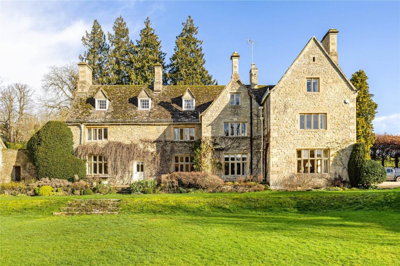
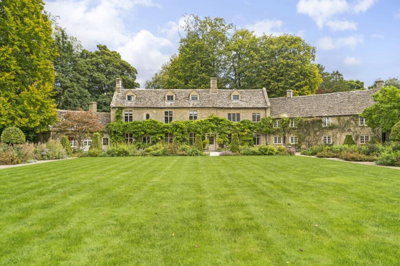
Browse 2 rental homes to rent in Quenington, Cotswold from local letting agents.
The Quenington property market offers detached, semi-detached, and terraced houses spanning various price ranges and neighbourhoods. Each listing includes detailed property information, photographs, and direct contact with the marketing agent.
£0/m
0
0
0
Source: home.co.uk
Showing 0 results for Houses to rent in Quenington, Cotswold.
The rental market in Quenington reflects the character of this historic Cotswold village, with properties typically ranging from traditional stone cottages to more substantial period farmhouses. Our data shows that the overall average house price in Quenington over the last year was £523,750, though rental prices vary depending on property type, size, and condition. Detached properties command higher values, with average prices around £662,500, while terraced cottages typically fetch around £385,000. Understanding these market dynamics helps renters appreciate the investment value of the area and what they might expect to pay in monthly rent.
Property values in Quenington have shown significant movement over recent years, with prices rising 40% year on year as of early 2026. However, current prices remain approximately 59% below the peak seen in 2022 when properties were selling for an average of £1,280,474. This adjustment has created interesting conditions for the rental market, with landlords potentially more willing to negotiate on rents for longer-term lets. The village's limited housing stock, combined with its desirability as a Cotswold location, means that available rental properties can attract multiple interested parties. The broader GL7 postcode area sees an average of 78 home sales per month since January 2024, indicating active market conditions.
Many rental properties in Quenington come to market as period cottages requiring varying degrees of renovation. A detached house available on The Green in Quenington has been marketed as an ideal project, representing a refurbishment opportunity that may require significant investment. Properties described as renovation opportunities often present opportunities for tenants willing to undertake decorative improvements, though renters should clarify with landlords what modifications are permitted under rental agreements, particularly for listed buildings.

Quenington is a small but vibrant village community located in the Cotswold District of Gloucestershire, positioned within the Cotswolds Area of Outstanding Natural Beauty. The village centre features a historic church, traditional pub, and community facilities that bring residents together throughout the year. The surrounding countryside offers extensive walking and cycling opportunities, with public footpaths crossing farmland and woodland to nearby villages including Fairford, where the River Coln provides scenic riverside walks. The village's position within this protected landscape ensures strict planning controls that maintain its historic character for future generations.
The GL7 5BN postcode area, which includes Quenington, is characterised by period houses built predominantly between 1800 and 1911, reflecting the village's agricultural heritage. Properties here showcase traditional Cotswold architecture with honey-coloured stone walls, stone slate roofs, and charming cottage gardens. A terraced house available on Mawley Road in Quenington exemplifies these characteristics, described as a delightful period Cotswold stone cottage with traditional features. The village has retained its rural charm despite being within easy reach of larger towns, with local events, village clubs, and community initiatives creating a strong sense of belonging for residents.
New residents often comment on the welcoming atmosphere and the opportunity to participate in village life through various social groups and activities. The community spirit in Quenington makes it particularly suitable for families and those seeking to put down roots in the countryside. Community events throughout the year bring residents together, from summer fetes and harvest celebrations to winter gatherings in the local pub. The village pub serves as a focal point for social life, offering regular meals, local ales, and community hire facilities for private events and celebrations.

Families considering renting in Quenington will find several educational options available within the local area. The village is served by primary schools in nearby villages, with schools in Fairford and surrounding communities providing education for children up to age eleven. These smaller rural schools often benefit from close community ties and individual attention for pupils, with many receiving positive Ofsted ratings for teaching quality and pupil development. Parents should research specific school catchment areas and admission policies when considering a move to the village, as rural school admissions can be competitive for popular establishments.
Primary education in the area includes schools in Fairford, which is within easy walking or driving distance of Quenington. These village primary schools typically serve small cohorts, allowing teachers to provide personalised attention to each child's learning needs. Many families renting in Quenington choose these local primaries rather than travelling to larger towns, appreciating the community environment and shorter journey times for younger children. School transport arrangements may be available for children living in Quenington, though parents should confirm current arrangements with the local education authority.
Secondary education is available in nearby market towns, with several well-regarded schools within reasonable commuting distance. Cirencester, located approximately eight miles from Quenington, offers additional educational options including secondary schools and further education facilities. The Barnes International School in Cirencester provides secondary education, while the Royal Agricultural University in the same town serves higher education needs locally. Families should factor school transportation arrangements into their decision-making process, as rural locations may require bus travel for older children attending secondary school or college.

Transport connections from Quenington combine the charm of rural living with practical access to larger centres. The nearest railway station is Kemble, located approximately seven miles away, offering regular services to London Paddington with journey times of around ninety minutes. This connection makes Quenington viable for commuters who need to access the capital or other major cities while enjoying countryside living. Kemble station also provides connections to Bristol and the West Country, expanding travel options for residents who need to reach employment centres beyond the M4 corridor.
The village sits within easy reach of the A417 and A419 trunk roads, providing road connections to Cirencester, Swindon, and the wider motorway network. The A417 runs through nearby Fairford and connects to the M4 motorway at Swindon, while the A419 links to the M5 near Gloucester for those travelling north. Daily bus services operate between Quenington and surrounding towns, though residents without their own vehicles should verify current timetables as rural bus routes can be limited. The journey to Cirencester by bus typically takes around thirty minutes, providing access to the town's shops, supermarkets, and additional amenities.
Cycling is popular in the area, with quiet country lanes and designated routes making cycling a viable option for shorter journeys to local villages. The flat terrain around Quenington, combined with the scenic Cotswold countryside, makes cycling an enjoyable way to explore the local area. Many residents cycle to nearby Fairford for daily shopping and amenities, while more adventurous cyclists can reach Cirencester via the A417 cycle route. Secure bicycle storage at rental properties is worth confirming with landlords, particularly for properties without dedicated outbuildings.

Quenington contains numerous listed buildings and properties within or near conservation areas, which can significantly affect what modifications tenants can make to properties. A Grade II* Listed country house near Springfield Road, Quenington, represents the heritage importance of properties in the village, though such significant listed buildings typically remain in private ownership rather than entering the rental market. Before committing to a tenancy on any period property, clarify with your landlord what changes are permitted under the listing or conservation area restrictions. External alterations, painting in non-traditional colours, or structural changes may require listed building consent from Cotswold District Council.
Period properties in Quenington, many of which are built from Cotswold stone with traditional construction methods, may have different maintenance requirements compared to modern homes. Issues such as damp, roof condition, and outdated electrical systems are more common in older properties built before 1911. The stone slate roofs typical of Cotswold properties require periodic inspection and can be susceptible to slippage in severe weather conditions. Electrical wiring in older properties may not meet current standards, and tenants should check when the property was last inspected and whether any electrical testing certificates are available.
Properties near the River Coln or in low-lying areas may have increased flood risk, and renters should enquire about flood history and any flood resilience measures in place. While specific flood risk data for Quenington itself was not available, the presence of the River Coln running through nearby Fairford indicates potential river-related flood considerations for properties close to watercourses. Renters should request information about any previous flooding incidents and the property's position relative to local flood zones when viewing properties in the village.
The predominant construction material in Quenington is Cotswold stone, which gives the village its distinctive golden appearance but requires specific maintenance approaches. Traditional solid stone walls have different insulation properties compared to modern cavity wall construction, meaning that heating costs in period properties may be higher than expected. Tenants should understand how the heating system operates, whether through traditional radiators, underfloor heating, or a combination, and what fuel sources are used. Properties with solid fuel heating or oil-fired boilers require separate fuel arrangements, which add to ongoing living costs.
Many properties in Quenington feature original features such as inglenook fireplaces, exposed beam ceilings, and flagstone floors that form part of their charm but require care during tenancy. Open fireplaces should be inspected and swept before use, and tenants should clarify whether they are permitted to light fires during their tenancy. Flagstone floors can be cold underfoot and may require rugs for comfort during winter months. These traditional features add character to rental properties but do require tenants to understand their care requirements and any restrictions on their use.
Ground rent and service charges apply to some rental properties, particularly apartments within converted period buildings. These ongoing costs can significantly affect the true monthly rent expenditure, and prospective tenants should clarify exactly what is included in the rent and what additional charges apply. Some properties may also have shared maintenance responsibilities for communal areas, driveways, or gardens. The GL7 postcode area has seen various property types come to market recently, including properties described as renovation opportunities, so understanding the condition and potential costs of any property is essential before committing.
Before viewing properties in Quenington, obtain a rental budget agreement in principle from a lender. This document confirms how much you can afford to spend on monthly rent, helping you focus your search on properties within your budget and demonstrating your seriousness to landlords. Budget agreements typically consider your income, existing debts, and credit history to determine an appropriate rental figure.
Spend time exploring Quenington and surrounding villages to understand the local lifestyle, amenities, and community. Visit the village at different times of day, check travel options to your workplace, and speak to existing residents about their experience living in the area. Consider practical factors such as mobile phone coverage, broadband speeds, and nearest shops, as these can significantly affect daily life in rural locations.
Once you have found suitable rental properties, schedule viewings through Homemove or directly with local estate agents. Take notes during each viewing, photograph the property interior, and prepare questions about the tenancy terms, deposit amount, and included facilities. For period properties, ask specifically about listed building restrictions, heating systems, and any recent maintenance or upgrades completed by the landlord.
Given that many properties in Quenington are period homes built before 1911, consider booking a RICS Level 2 survey before committing to a tenancy. This inspection can identify structural issues, damp, roof problems, or outdated electrics that might require attention during your tenancy. While surveys are typically arranged by buyers rather than tenants, requesting permission to have a survey conducted can provide valuable information about the property's condition.
Review the tenancy agreement carefully before signing, paying particular attention to the length of the tenancy, notice periods, deposit protection arrangements, and any restrictions on pets or modifications. Your solicitor can help explain complex terms and ensure your interests are protected. For properties in conservation areas or listed buildings, ensure the agreement clearly states what alterations are permitted.
Once your tenancy agreement is signed and deposit is paid, arrange your move to Quenington. Document the property condition with an inventory check, transfer utilities to your name, and notify relevant parties of your change of address. The inventory check, typically conducted by a professional service, protects both tenant and landlord interests by recording the condition of fixtures, fittings, and furnishings at the start of your tenancy.
While specific rental price data for Quenington was not available, the overall average house price in the village over the last year was £523,750. Detached properties averaged around £662,500, while terraced properties averaged approximately £385,000. Rental prices typically follow similar patterns, with larger detached homes commanding higher monthly rents than smaller cottages or apartments. Contact local estate agents in the GL7 postcode area for current rental listings and pricing. Given the village's limited housing stock and desirable Cotswold location, rental properties tend to be priced at a premium compared to similar-sized homes in larger towns.
Properties in Quenington fall under Cotswold District Council for council tax purposes. Specific council tax bands vary by property depending on the valuation band assigned by the Valuation Office Agency. Period properties and cottages in the village may be in various bands depending on their size, condition, and market value. Prospective renters should confirm the council tax band for any property they are considering, as this forms part of the ongoing monthly cost of renting. Council tax payments in the Cotswold District fund local services including waste collection, road maintenance, and community facilities.
Quenington itself has limited schooling facilities, with primary education typically provided by schools in nearby villages such as Fairford, approximately two miles away. Several primary schools in the surrounding area have received positive Ofsted ratings, reflecting the quality of education available in rural Gloucestershire. Secondary education is available in Cirencester and other nearby market towns, accessible by school transport or daily bus services. The Royal Agricultural University in Cirencester provides higher education opportunities locally for older students. Parents should verify current school admissions policies and transport arrangements before committing to a rental property in Quenington.
Public transport options in Quenington include daily bus services connecting the village to Fairford and Cirencester, though frequencies may be limited compared to urban routes. The nearest railway station is Kemble, approximately seven miles away, offering regular services to London Paddington in around ninety minutes. The A417 and A419 roads provide road connections to Swindon, Gloucester, and the motorway network. Residents without cars should factor transport availability into their decision to rent in Quenington, as rural bus services may not operate during evenings or on weekends.
Quenington offers an excellent quality of life for renters seeking countryside living within the Cotswolds. The village provides a peaceful environment, beautiful architecture featuring characteristic Cotswold stone, and strong community spirit, making it particularly suitable for those who enjoy rural pursuits, walking, and village life. The proximity to larger towns like Cirencester and good transport connections to London make it viable for commuters who work in the capital or surrounding cities. However, the limited local amenities and rural bus services mean that access to a car is generally necessary for day-to-day living in Quenington.
Standard rental deposits in England are capped at five weeks' rent where the annual rent is less than £50,000. This deposit must be protected in a government-approved tenancy deposit scheme within thirty days of receipt, providing you with government-backed protection for your money. Additional fees may include referencing fees, inventory check costs, and administration charges. An inventory check, which documents the condition of the property at the start of your tenancy, typically costs between £85 and £150 and protects you from incorrect deductions at the end of your tenancy. First-time renters should budget for these upfront costs alongside the first month's rent and deposit.
From 4.5%
Get a rental budget agreement in principle to understand how much you can afford
From £99
Credit checks and employment verification for rental applications
From £85
Professional inventory report to protect your deposit
From £85
Energy performance certificate for rental properties
Understanding the full cost of renting in Quenington extends beyond the monthly rent figure to include various upfront fees and ongoing costs. The standard security deposit for a rental property in England is capped at five weeks' rent where the annual rent is below £50,000. This deposit must be protected in a government-approved tenancy deposit scheme within thirty days of receipt, providing you with government-backed protection for your money. Always obtain a receipt for your deposit and understand which scheme your landlord uses. The main approved schemes are Deposit Protection Service, MyDeposits, and Tenancy Deposit Scheme.
Additional costs to budget for include the first month's rent in advance, which is typically required before receiving keys to the property. Tenant referencing fees, which cover credit checks and employment verification, can range from £50 to £200 depending on the agency used. An inventory check, which documents the condition of the property at the start of your tenancy, costs approximately £85 to £150 and protects you from incorrect deductions at the end of your tenancy. Some landlords also charge administration fees, though these have been restricted under recent legislation to protect tenants from excessive charges.
For renters moving into older properties in Quenington, additional considerations include potential costs for maintaining heating systems, septic tanks or private drainage, and traditional building materials. Properties with solid fuel heating or oil-fired boilers require separate fuel arrangements, with annual costs varying depending on property size and heating requirements. Annual gas safety certificates and electrical testing are landlord responsibilities, but understanding the condition of these systems helps you anticipate potential issues during your tenancy. First-time renters should factor in these various costs when calculating their total moving budget for a property in Quenington.

Properties to Rent In London

Properties to Rent In Plymouth

Properties to Rent In Liverpool

Properties to Rent In Glasgow

Properties to Rent In Sheffield

Properties to Rent In Edinburgh

Properties to Rent In Coventry

Properties to Rent In Bradford

Properties to Rent In Manchester

Properties to Rent In Birmingham

Properties to Rent In Bristol

Properties to Rent In Oxford

Properties to Rent In Leicester

Properties to Rent In Newcastle

Properties to Rent In Leeds

Properties to Rent In Southampton

Properties to Rent In Cardiff

Properties to Rent In Nottingham

Properties to Rent In Norwich

Properties to Rent In Brighton

Properties to Rent In Derby

Properties to Rent In Portsmouth

Properties to Rent In Northampton

Properties to Rent In Milton Keynes

Properties to Rent In Bournemouth

Properties to Rent In Bolton

Properties to Rent In Swansea

Properties to Rent In Swindon

Properties to Rent In Peterborough

Properties to Rent In Wolverhampton

Enter your details to see if this property is within your budget.
Loans, cards, car finance
Estimated property budget
Borrowing + deposit
You could borrow between
Typical borrowing
Monthly repayment
Est. at 4.5%
Loan-to-value
This is an estimate only. Your actual budget may vary depending on interest rates, credit history, and personal circumstances. For an accurate affordability assessment, speak to one of our free mortgage advisors.
This calculator provides estimates for illustrative purposes only and does not constitute financial advice. Your home may be repossessed if you do not keep up repayments on your mortgage. Estimates based on 4.5% interest rate, repayment mortgage. Actual rates depend on your circumstances.
Homemove is a trading name of HM Haus Group Ltd (Company No. 13873779, registered in England & Wales). Homemove Mortgages Ltd (Company No. 15947693) is an Appointed Representative of TMG Direct Limited, trading as TMG Mortgage Network, which is authorised and regulated by the Financial Conduct Authority (FRN 786245). Homemove Mortgages Ltd is entered on the FCA Register as an Appointed Representative (FRN 1022429). You can check registrations at NewRegister or by calling 0800 111 6768.

We use cookies to show you personalised content and improve your experience of our website. Find out more in our Privacy policy and Cookie policy.