Pick the right path and we'll point you to the next step.
I'm the homeowner
Track this property, get market updates, and list it on Home when you're ready to sell or let.
I'm an estate agent
Claim your branch on Home.co.uk, list your properties for free, and reach buyers actively searching your area.

From riverside apartments to country cottages, search hundreds of thousands of properties for sale, to rent, and recently sold, all enriched with three decades of market data.
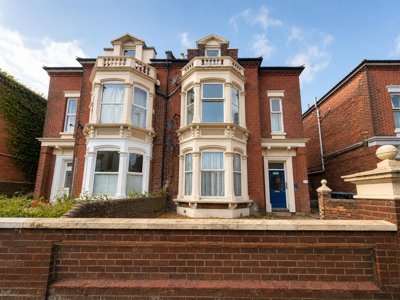
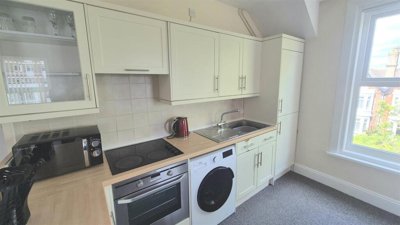
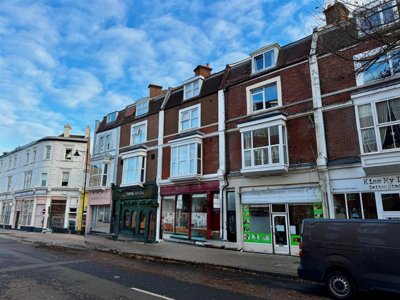
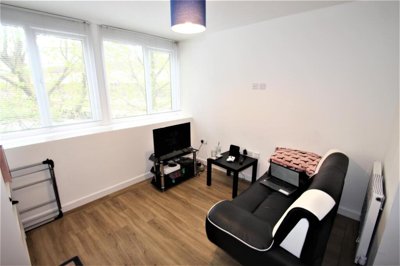
Browse 5 rental homes to rent in Portsmouth, England from local letting agents.
One bed apartments provide a separate bedroom alongside distinct living space, bathroom, and kitchen areas. Properties in Portsmouth are available in various building types including mansion blocks, contemporary developments, and house conversions.
£950/m
63
1
48
Source: home.co.uk
Showing 63 results for 1 Bedroom Flats to rent in Portsmouth, England. 1 new listing added this week. The median asking price is £950/month.
Source: home.co.uk
Flat
63 listings
Avg £972
Source: home.co.uk
Source: home.co.uk
We are seeing Portsmouth move back towards a steadier market after a softer year. homedata.co.uk puts the average house price across the city at £249,000 in December 2025, which is 2.7% lower year on year, while flats were down 5.2% and terraces eased by 1.6%. That matters in a city where apartments and terraces make up a big share of the housing stock, because they usually account for much of the rental choice. Detached homes still sit far higher at £512,000, which keeps a noticeable gap between bigger family houses and the smaller homes found across central streets and the seafront.
Sales volume has held up. From August 2024 to July 2025, 10,369 Portsmouth properties changed hands. Terraced homes led with 3,379 sales, semi-detached houses followed at 2,526, detached homes reached 2,407 and flats totalled 2,057. We read that as a sign that the market is most active in the same parts of the stock many renters focus on, especially one and two-bedroom flats and traditional terraces near stations. Fresh supply is also coming through schemes including Somers Orchard in Somerstown, along with the approved development near Rivers Casino, and both should feed into the city’s housing pipeline over time.

Street by street, Portsmouth changes tone quickly. Old Portsmouth has a historic feel and tighter grain, Southsea moves to the seafront, and Fratton, Milton and Portsea tend to feel more functional day to day, with quick reach to shops, stations and regular services. The coast shapes daily life here. Salt air, strong winds and exposed waterfront roads are simply part of the setting. For renters who want promenades, harbour views and an urban edge, Portsmouth has a character that is hard to mistake anywhere else on the South Coast.
The city’s economy rests on maritime and defence work, the University of Portsmouth, and a wide spread of health, engineering and retail employers. That combination brings in students, naval personnel, professionals and families who want to stay near work while still living by the sea. Portsmouth’s housing profile also stands apart from much of Hampshire, with terraced homes and flats making up around 70% of households, against much lower shares across the wider county and region. We find that gives the rental market a more distinct shape, especially across its walkable districts.
For many families, the search starts with school catchment rather than the front door. Our local housing data shows that 3-bedroom homes are the most common dwelling size at 41%, while 1-bedroom homes make up 16% and 4-bedroom-plus homes account for 14%. That spread leaves room to weigh up smaller flats near the centre against larger homes in quieter residential pockets, where school runs, bus routes and after-school routines may be easier to handle. In some admission areas, demand shifts fast.
Across Portsmouth, the education picture runs from primary schools to secondary schools, sixth forms and further education, with the University of Portsmouth adding a major higher-education presence. We always suggest checking the latest Ofsted reports, admission rules and catchment maps before committing to a street, because places do move and some addresses feed into more competitive schools than others. The route matters too. Bus access, safe walking routes and childcare can carry just as much weight as the school itself. Where education comes first, we would shortlist schools before narrowing the rental search.

For a coastal city, Portsmouth gives renters a solid rail choice. Portsmouth Harbour, Portsmouth & Southsea and Fratton all play a part, and direct services run to London Waterloo. Wider rail connections also help with journeys across Hampshire and further afield, which suits households with different work patterns. Then there are the ferries, especially useful for the Isle of Wight or harbour-based jobs. Homes near the stations often hold attention for good reason, because rail access can make daily life much simpler here.
On the road, the M275 is the key link, connecting Portsmouth to the M27 and the wider motorway network. That helps with regional travel, though parking is often tighter around older terraces and busier central roads. Cycling can work well for short trips, particularly by the seafront and across flatter parts of the city, but exposed weather means covered storage is worth having. Without a car, many renters still find Portsmouth workable because train, bus and ferry routes cover a lot of daily needs.
We would begin with the districts themselves. Southsea, Old Portsmouth, Fratton and Milton each come with their own budget range and day-to-day feel. Before booking viewings, check the transport options, the school catchments, local parking pressure and how open the street is to coastal weather.
Before viewings start, sort out a rental budget agreement in principle so the numbers are clear. We would total the rent, the deposit, moving costs, council tax, utility setup and any extras tied to flats or shared buildings. It saves time later.
Try not to rely on a single viewing slot. We recommend seeing properties at different times of day, especially near the seafront, on busy roads or around station areas. Ask directly about damp, ventilation, parking permits, flood protection and any previous water ingress.
Paperwork matters here. Go through the tenancy terms, the EPC rating, the inventory, deposit protection and any rules attached to the building or estate. Where the property is a flat, we would also check the service arrangements, refuse collection and who is expected to deal with repairs.
Have the documents ready before the right place appears. Employer details, previous landlord references, ID and proof of income can all help you move quickly. Around the university, the harbour and the central transport corridors, Portsmouth can become competitive, and delays may mean losing the property you wanted.
On day one, we would photograph everything, test the appliances and note each issue on the inventory before signing it. Keep copies of meter readings, contact numbers and repair responsibilities as well. A careful start gives you a much firmer position later.
Portsmouth’s coastal setting means we look for different warning signs than we might in an inland city. Flood exposure can affect low-lying streets near the harbour and along the coastline, while salt spray and strong winds can wear roofs, windows and metalwork faster than many renters expect. In older terraces, damp, mould and weak ventilation also show up more often, especially where there have been roof leaks or patchy upkeep. During a viewing, ask how the landlord deals with gutters, extractor fans, trickle vents and any earlier water ingress.
Protected areas are another local point to watch. Old Portsmouth, Portsea, Southsea and the area around the Naval Dockyard all include conservation areas or clusters of listed buildings. That can mean tighter planning rules, so external changes, replacement windows and roof repairs may take longer to approve. Portsmouth also has a large share of terraces and flats, which makes service charges, communal repairs and ground rent more relevant than they would be in a mainly detached suburban market. With flats, we would always ask who controls the building, whether major works are planned and how communal costs are split.
Much of Portsmouth’s housing is a mix of older solid wall property and newer cavity-wall construction, with pitched roofs common on terraces and semis. Ground conditions matter as well. Clay soils and reclaimed ground can increase the chance of movement in some parts of the city, so internal cracks or uneven floors deserve more than a quick glance. In exposed streets, a careful viewing is especially useful, because coastal weather can hide small defects until they become expensive repairs. If a home feels unusually cold, humid or hard to ventilate, we would take that as a cue to ask more before committing.

We do not have a live average rent figure so we cannot quote one with confidence. The nearest market context is from homedata.co.uk, which shows an average house price of £249,000 in December 2025, with flats at £167,000 and terraces at £273,000. In practice, that often points renters towards lower-cost options in smaller flats and older terraces, especially near the centre, Southsea and the main stations. We would use a rental budget agreement in principle to set the ceiling before any viewings are booked.
Portsmouth falls under Portsmouth City Council, and homes here can sit in any standard council tax band from A to H. Many smaller flats and terraces are found in the lower bands, while larger semis and detached houses often sit higher, though the exact band comes down to the individual address. Check it before moving in. Council tax needs to be built into the monthly budget, and for flat renters it sits alongside, not instead of, any service charges.
There is no universal answer on schools. The right choice depends on catchment, age group and the travel route each day. Portsmouth has a broad spread of primary, secondary, sixth form and further education options, and the University of Portsmouth covers older learners. Before choosing an area, we would check Ofsted reports, admissions rules and local catchment maps. A shorter trip to school can matter more than extra floor space when work and family life have to fit together.
Getting around Portsmouth is usually straightforward. Portsmouth Harbour, Portsmouth & Southsea and Fratton provide several rail options, including direct services to London Waterloo and wider links across Hampshire and beyond. Ferry routes add another useful layer, especially for the Isle of Wight, while buses and the M275 help with local and regional travel. Homes near stations often attract strong demand because they cut daily journey times.
For many renters, yes. Portsmouth has 223,300 residents and 92,800 households, and the housing stock is weighted heavily towards terraces and flats, which tends to give more choice in the parts of the market most people actually use. Demand is supported by defence work, maritime activity, the university and a wider services base. Add the coastal setting and the city’s strong local identity, and Portsmouth makes a convincing South Coast base with practical access to both transport and the waterfront.
In most private rentals across Portsmouth, the usual England rules apply. That means a holding deposit of up to one week’s rent, a tenancy deposit of up to five weeks’ rent and the first month’s rent paid upfront. Banned tenant fees cannot be charged by landlords, but you still need to allow for utilities, council tax, broadband and contents insurance. If the property is a flat, we would also ask about communal charges or parking permits before agreeing the tenancy. Clear budgeting and good referencing make the move easier.
They can be. Low-lying streets near the harbour and along the coast are the places we would check most carefully. Portsmouth’s maritime climate, strong winds and salt air can speed up wear on roofs, gutters and external joinery compared with more sheltered inland locations. Older homes can also pick up damp where ventilation is poor or maintenance has slipped. During viewings, look closely at the windows, the ceilings, any loft space and the base of the outside walls.
The upfront cost of renting in Portsmouth is usually driven more by standard tenancy rules than by the city’s size. In most cases, expect a holding deposit of up to one week’s rent, a tenancy deposit of up to five weeks’ rent and the first month’s rent before move-in. After that come council tax, utilities, broadband and contents insurance, all of which can be significant in a city where flats and terraces dominate the stock. We would get a rental budget agreement in principle sorted before viewings start, so the search stays focused on homes that fit the monthly limit.
The city’s housing mix affects spending in practical ways as well. With 43% terraced homes, 26% flats, 17% semis and just 4% detached homes in Portsmouth’s household profile, many renters start with flats or smaller terraces, where deposits and ongoing bills may be easier to manage. That can help if the move is tied to work at the University of Portsmouth, in defence or around the harbour and keeping the commute short matters. Before signing, we would ask about the inventory checks, deposit protection and any extra building costs, so nothing catches you out after move-in day.
Properties to Rent In London

Properties to Rent In Plymouth

Properties to Rent In Liverpool

Properties to Rent In Glasgow

Properties to Rent In Sheffield

Properties to Rent In Edinburgh

Properties to Rent In Coventry

Properties to Rent In Bradford

Properties to Rent In Manchester

Properties to Rent In Birmingham

Properties to Rent In Bristol

Properties to Rent In Oxford

Properties to Rent In Leicester

Properties to Rent In Newcastle

Properties to Rent In Leeds

Properties to Rent In Southampton

Properties to Rent In Cardiff

Properties to Rent In Nottingham

Properties to Rent In Norwich

Properties to Rent In Brighton

Properties to Rent In Derby

Properties to Rent In Portsmouth

Properties to Rent In Northampton

Properties to Rent In Milton Keynes

Properties to Rent In Bournemouth

Properties to Rent In Bolton

Properties to Rent In Swansea

Properties to Rent In Swindon

Properties to Rent In Peterborough

Properties to Rent In Wolverhampton

Enter your details to see if this property is within your budget.
Loans, cards, car finance
Estimated property budget
Borrowing + deposit
You could borrow between
Typical borrowing
Monthly repayment
Est. at 4.5%
Loan-to-value
This is an estimate only. Your actual budget may vary depending on interest rates, credit history, and personal circumstances. For an accurate affordability assessment, speak to one of our free mortgage advisors.
This calculator provides estimates for illustrative purposes only and does not constitute financial advice. Your home may be repossessed if you do not keep up repayments on your mortgage. Estimates based on 4.5% interest rate, repayment mortgage. Actual rates depend on your circumstances.
Homemove is a trading name of HM Haus Group Ltd (Company No. 13873779, registered in England & Wales). Homemove Mortgages Ltd (Company No. 15947693) is an Appointed Representative of TMG Direct Limited, trading as TMG Mortgage Network, which is authorised and regulated by the Financial Conduct Authority (FRN 786245). Homemove Mortgages Ltd is entered on the FCA Register as an Appointed Representative (FRN 1022429). You can check registrations at NewRegister or by calling 0800 111 6768.

We use cookies to show you personalised content and improve your experience of our website. Find out more in our Privacy policy and Cookie policy.