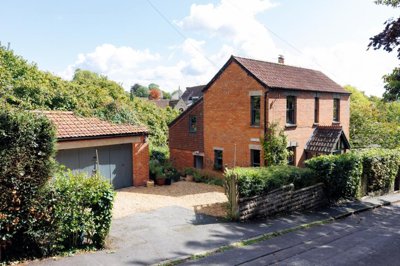
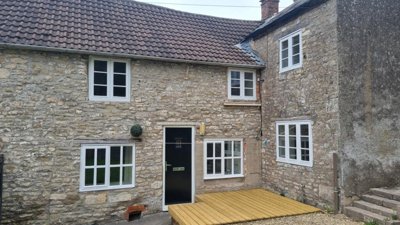
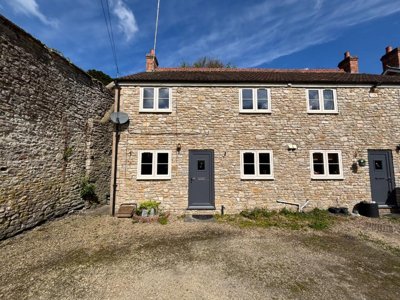
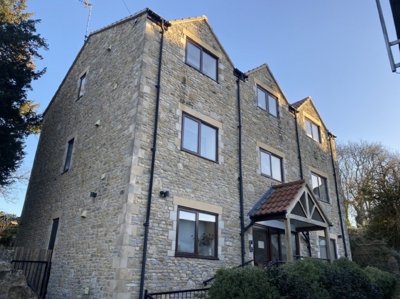
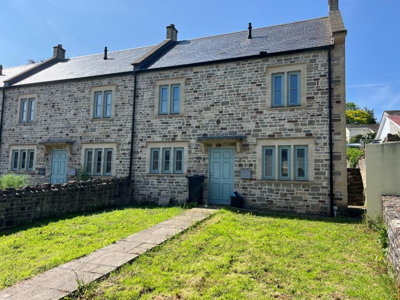
Browse 14 rental homes to rent in Pilton, Somerset from local letting agents.
£0/m
0
0
0
Source: home.co.uk
The rental market in Pilton, Somerset reflects its character as a small rural village, with a limited but dedicated supply of quality rental properties. Properties available for rent typically include traditional stone cottages, semi-detached village houses, and occasionally converted farm buildings that offer modern living within period character. Given the village's proximity to Glastonbury, Street, and Shepton Mallet, renters often benefit from access to larger town amenities while enjoying the peace and quiet of countryside living. The local market attracts interest from professionals, families, and retirees seeking the Somerset countryside lifestyle.
Rental prices in Pilton and the surrounding area generally fall within the £800 to £1,200 per month range for standard family homes, with larger properties or those with exceptional features commanding higher rents. The local market sees turnover throughout the year, though the summer months often attract additional interest due to the Glastonbury Festival's proximity. Homemove works with local letting agents to ensure our listings remain current and reflect the true availability of rental properties in this competitive Somerset village market. Properties with land, gardens, or stunning views of the surrounding Mendip Hills often generate significant interest from prospective tenants.
The seasonal nature of the rental market in Pilton means that availability can fluctuate throughout the year. During the spring and summer months, particularly leading up to and following the Glastonbury Festival in June, there may be increased activity as people explore the area. Families often prefer to move during school holidays to minimize disruption, which can create opportunities for those flexible with their moving timeline. Understanding these patterns can help prospective renters time their search effectively and secure a property that meets their needs in this desirable rural location.

Pilton is a quintessential English village set within the rolling Somerset countryside, offering residents a peaceful lifestyle surrounded by natural beauty and historic charm. The village features a historic church, a welcoming pub, and a strong sense of community that brings together long-time residents and newcomers alike. The surrounding landscape includes farmland, rolling hills, and protected countryside that forms part of the Mendip Hills Area of Outstanding Natural Beauty, providing excellent walking and cycling opportunities right on the doorstep. The village pub often serves as a social hub for community events and gatherings throughout the year.
The village's proximity to Glastonbury adds a unique cultural dimension to life in Pilton, with the famous festival bringing international attention to the area each summer. Beyond the festival, Glastonbury town offers additional amenities including supermarkets, independent shops, cafes, and restaurants, all within a short drive or bus journey from the village. The larger towns of Street and Wells are also easily accessible, providing further shopping, healthcare, and recreational facilities for residents who need more than the village itself can offer. Wells, England's smallest city, offers a magnificent cathedral and regular markets that draw visitors from across the region.
Daily life in Pilton is characterized by the rhythms of countryside living, with scenic walks, local produce, and community events forming the backbone of village life. The surrounding farmland provides beautiful walking routes through fields and lanes, while the nearby Mendip Hills offer more challenging terrain for outdoor enthusiasts. The village hall hosts various activities throughout the year, from craft fairs to quiz nights, providing opportunities for residents to connect with their neighbours. For those who appreciate rural tranquility while remaining within reach of urban amenities, Pilton offers an attractive balance that is increasingly rare in modern Britain.

Families considering renting in Pilton will find a selection of educational options available within the local area, with several primary schools serving the surrounding villages and communities. The nearest primary schools include those in nearby villages such as West Pennard, East Pennard, and Glastonbury, many of which are rated well by Ofsted and provide education for children from reception through to Year 6. These village schools benefit from small class sizes and strong community connections that many families find valuable. The pastoral care and individual attention available at smaller rural schools often exceed what is possible in larger urban settings.
Secondary education options in the area include schools in Glastonbury, Street, and Shepton Mallet, with several offering sixth form provision for older students. Strode College in Street provides further education opportunities and is well-regarded for its vocational and academic courses. Millfield School in Street is one of the largest boarding schools in the UK, though day places may be available for local students. Parents should research specific catchment areas and school admissions policies, as these can affect placement decisions for rented properties in rural areas where school transport arrangements may also be a consideration.
For families renting in rural areas like Pilton, planning school transport is an important practical consideration. Many village schools operate school bus services or there may be Somerset County Council transport provision for eligible students. The distances to secondary schools in nearby towns mean that most students will require transport arrangements, either by car, public bus, or dedicated school transport. Families should factor these logistics into their decision-making process when considering a rental property in Pilton, ensuring that education arrangements are sustainable for the duration of their tenancy.

Transport connectivity from Pilton reflects its rural village character, with residents typically relying on private vehicles as the primary means of daily transport. The village sits near the A361 road, which provides direct connections to Glastonbury, Street, and the wider Somerset road network. For commuters working in Bristol, the journey takes approximately 45 minutes to an hour by car, making Pilton a viable option for those with remote or flexible working arrangements who wish to enjoy countryside living while maintaining city employment. The A39 provides access to the Mendip Hills and the coastal towns of Burnham-on-Sea and Weston-super-Mare.
Public transport options include bus services that connect Pilton with Glastonbury, Wells, and surrounding villages, though frequencies are limited compared to urban areas. The 29 bus service connects Glastonbury with Wells, providing access to these important local centres. The nearest railway stations are located in Castle Cary and Bridgwater, both offering connections to Bristol Temple Meads, Exeter, and London Paddington. Castle Cary station is approximately 15 miles from Pilton and provides regular services, though accessing it typically requires a car or taxi journey.
Residents planning commutes from Pilton should carefully consider their transport requirements before committing to a rental property. Many remote workers find that the rural location suits their lifestyle perfectly, particularly those whose work is primarily conducted from home with occasional office requirements. The village has seen improvements in broadband connectivity in recent years, making remote working more viable for professionals. For those who need to commute regularly, car sharing schemes with neighbours working in nearby towns can provide a cost-effective solution while reducing the environmental impact of daily travel.

The rental properties available in Pilton and the surrounding area reflect the village's historic character and rural setting. Traditional stone-built cottages represent a significant portion of the rental market, often featuring original features such as exposed beams, inglenook fireplaces, and flagstone floors that appeal to those seeking period charm. These properties typically offer one to three bedrooms and are popular with singles, couples, and small families who appreciate the character that older properties provide. Many stone cottages in the village fall within conservation area considerations, which helps preserve their distinctive appearance.
Semi-detached and terraced village houses provide practical family accommodation with the benefit of gardens and internal space that many renters require. These properties often date from the Victorian or Edwardian periods and may have been updated to include modern kitchens and bathrooms while retaining their original character. Detached houses are less common in the village but do become available periodically, offering additional space and privacy for families or those working from home. Converted farm buildings and barns provide an alternative option for those seeking more contemporary living spaces within traditional agricultural structures.
Rural properties in the Pilton area may include land or paddocks attached to the main residence, which can be attractive to those with horses or wishing to pursue smallholding activities. These properties command higher rents but offer a lifestyle opportunity that is difficult to find in urban or suburban settings. Properties with outbuildings, stables, or workshops are particularly sought after by those with hobbies or businesses requiring additional space. When renting properties with land, prospective tenants should clarify maintenance responsibilities with the landlord before signing a tenancy agreement.

Before viewing properties, explore Pilton and the surrounding villages to understand what daily life would be like. Consider your commute requirements, proximity to schools, and access to local amenities like shops and healthcare facilities. Visiting the village at different times of day and on different days of the week can give you a fuller picture of what living there would be like.
Contact local lenders to obtain a rental budget agreement in principle. This demonstrates to landlords that you can afford the rent and helps streamline the application process once you find a property you want. Having your referencing documentation ready in advance can give you a competitive edge when applying for properties in desirable rural areas.
Browse our listings for properties to rent in Pilton and arrange viewings with local letting agents. Take time to assess the property condition, garden access, parking, and any specific requirements you have for rural living. Ask about heating systems, drainage arrangements, and any rural property considerations during viewings.
Once you find a suitable property, complete the referencing application promptly. Landlords in popular rural areas often receive multiple enquiries, so quick and comprehensive applications can improve your chances. Ensure all required documentation is included with your application to avoid delays in the process.
Review the tenancy terms carefully, including the length of agreement, rent amount, deposit requirements, and any specific conditions. Ensure you understand your responsibilities for property maintenance and any rural property considerations such as septic tank maintenance or oil deliveries.
Arrange buildings insurance for your belongings, set up utilities at the property address, and conduct a thorough move-in inspection to document the property condition. Take dated photographs of all rooms and any existing damage to protect yourself when your deposit is returned at the end of your tenancy.
Renting a property in a rural village like Pilton requires consideration of several factors specific to countryside living that may not apply in urban areas. Properties may sit within flood zones given the Somerset Levels proximity, so investigating the Environment Agency flood risk maps for the specific property address is essential. Conservation area restrictions may apply to certain properties, affecting what modifications tenants can make, and period properties may require additional maintenance awareness regarding damp proofing, roof condition, and heating efficiency.
Rural properties often feature private drainage systems such as septic tanks or cesspits rather than mains sewerage, with associated maintenance responsibilities that should be clarified before signing a tenancy. Oil-fired central heating is common in rural Somerset properties without gas main connections, requiring consideration of heating costs and oil tank maintenance. Properties with land or gardens may offer excellent outdoor space but also involve ongoing maintenance responsibilities that should be clearly defined in the tenancy agreement.
When viewing rental properties in Pilton, prospective tenants should pay particular attention to the condition of the property structure, roof, and any outbuildings. Period properties may have solid walls rather than cavity walls, which affects insulation and heating efficiency. Double glazing may not be present in older properties, and single-glazed windows can significantly impact heating costs during Somerset's damp winters. Understanding these characteristics helps prospective tenants budget accurately for their monthly outgoings and avoid unexpected costs during their tenancy.

The rental market in Pilton is relatively small, which means prices can vary significantly based on property type and condition. Typical monthly rents for family homes in the surrounding Glastonbury and Shepton Mallet area range from around £800 to £1,200, with larger period properties commanding higher rents. Properties with exceptional features, modern conversions, or substantial land may exceed these ranges. Properties in the village itself are often priced at a premium compared to nearby towns due to the desirable rural location and character of available homes.
Properties in Pilton fall under Mendip District Council administration, with council tax collected to fund local services and Somerset County Council provisions. Council tax bands range from A through H, with Band A properties paying the lowest rates and higher bands paying proportionally more. Most traditional village cottages and houses typically fall within Bands A to C, though converted properties and larger homes may be in higher bands. Prospective tenants can check the Valuation Office Agency website for specific property bands using the property address.
The nearest primary schools include those in nearby villages like West Pennard and East Pennard, which serve the local rural community with small class sizes and strong community connections. Secondary education options include schools in Glastonbury, Millfield in Street, and Whitstone in Shepton Mallet, with several offering sixth form provision for older students. Families should research specific school catchments and admission arrangements, as these can be competitive for popular rural schools. Strode College in Street provides further education opportunities for students completing their secondary education.
Public transport options from Pilton are limited, reflecting its rural village character, with bus services connecting the village to Glastonbury and Wells at reduced frequencies compared to urban areas. The nearest railway stations are in Castle Cary and Bridgwater, approximately 15-20 miles away, providing connections to major cities including Bristol and London. Many residents find that a car is essential for daily life in Pilton, though the village is accessible by bus for trips to nearby towns when planned in advance. For commuters to Bristol, the drive takes approximately 45 minutes to an hour depending on traffic conditions.
Pilton offers an excellent quality of life for families seeking countryside living with a strong community atmosphere and access to good local primary schools. Children benefit from safe village environments for outdoor play, extensive countryside for exploration, and smaller class sizes at local schools that often provide more individual attention. However, families should consider transport requirements for secondary school, after-school activities, and access to healthcare facilities, all of which may require travel to nearby towns. The village hall and local community groups provide regular activities for children and families throughout the year.
Standard deposits in the private rental sector are equivalent to five weeks' rent, held in a government-approved deposit protection scheme throughout your tenancy. Tenant referencing fees, credit checks, and administration charges may apply, and these vary between letting agents operating in the Glastonbury and Shepton Mallet area. First-time renters should budget for the first month's rent plus deposit upfront, plus any applicable fees charged by the letting agent or landlord. Some landlords may request additional months' rent in advance for properties with exceptional features or in particularly high demand.
Rural properties often require additional maintenance awareness compared to urban homes, and prospective tenants should consider the condition of boundaries, fencing, and gates when viewing properties. Properties on private water supplies or septic tanks require understanding of maintenance obligations that do not apply to properties connected to mains services. Garden maintenance should be discussed with the landlord to establish clear expectations for tenants, including who is responsible for hedge cutting, lawn maintenance, and general garden upkeep throughout the seasons.
Parts of Somerset, including some rural properties in low-lying areas, fall within flood risk categories given the county's geography and proximity to watercourses that traverse the Levels. Prospective tenants should check the Environment Agency flood risk maps for any specific property address and discuss any flood resilience measures with the landlord or agent before committing to a tenancy. Properties in Pilton village itself are generally situated above the flood plain, though surrounding farmland and lower-lying areas may be affected during periods of heavy rainfall. Many rural properties have lived with these conditions for generations and have appropriate insurance arrangements in place.
Pilton village itself is a small community with limited on-site amenities, centered around the historic St Mary's Church and a traditional village pub that serves as the social heart of the community. The village is approximately 2 miles from Glastonbury, where residents can access supermarkets including Tesco and Morrisons, independent shops, cafes, restaurants, and healthcare facilities including a GP surgery and pharmacy. The market town of Glastonbury provides most daily necessities, while larger shopping centres in Street and Bridgwater are within easy reach by car for more extensive retail needs.
Understanding the full costs of renting a property in Pilton, Somerset helps prospective tenants budget accurately and avoid surprises during the application process. The standard deposit requirement in the private rental sector is five weeks' rent, protected in a government-approved scheme within 30 days of receiving it. This deposit is returned at the end of the tenancy, subject to any deductions for damage beyond normal wear and tear or unpaid rent. The Tenancy Deposit Protection scheme ensures that tenants receive their money back promptly provided they leave the property in good condition.
Beyond the deposit, renters should budget for the first month's rent in advance, plus any tenant referencing fees charged by the letting agent or landlord. These fees typically cover credit checks, employment verification, and right to rent checks, though the exact charges vary between agencies. First-time renters setting up a new home will also need to consider moving costs, furniture purchases if the property is unfurnished, and connection fees for utilities and internet services. Obtaining a rental budget agreement in principle before viewing properties puts you in a stronger position when applying for homes in competitive rural areas like Pilton.
Rural rental properties may have additional costs that urban renters do not encounter, including oil deliveries for heating systems, septic tank emptying and maintenance, and potentially water rates from private supplies rather than mains water. These ongoing costs should be factored into your monthly budget when considering a rural property. Properties with large gardens or land will also require consideration of maintenance costs, whether you undertake the work yourself or pay for professional services. Requesting information about typical utility costs from the current or previous tenants can help you budget more accurately before committing to a tenancy.

Properties to Rent In London

Properties to Rent In Plymouth

Properties to Rent In Liverpool

Properties to Rent In Glasgow

Properties to Rent In Sheffield

Properties to Rent In Edinburgh

Properties to Rent In Coventry

Properties to Rent In Bradford

Properties to Rent In Manchester

Properties to Rent In Birmingham

Properties to Rent In Bristol

Properties to Rent In Oxford

Properties to Rent In Leicester

Properties to Rent In Newcastle

Properties to Rent In Leeds

Properties to Rent In Southampton

Properties to Rent In Cardiff

Properties to Rent In Nottingham

Properties to Rent In Norwich

Properties to Rent In Brighton

Properties to Rent In Derby

Properties to Rent In Portsmouth

Properties to Rent In Northampton

Properties to Rent In Milton Keynes

Properties to Rent In Bournemouth

Properties to Rent In Bolton

Properties to Rent In Swansea

Properties to Rent In Swindon

Properties to Rent In Peterborough

Properties to Rent In Wolverhampton

Enter your details to see if this property is within your budget.
Loans, cards, car finance
Estimated property budget
Borrowing + deposit
You could borrow between
Typical borrowing
Monthly repayment
Est. at 4.5%
Loan-to-value
This is an estimate only. Your actual budget may vary depending on interest rates, credit history, and personal circumstances. For an accurate affordability assessment, speak to one of our free mortgage advisors.
This calculator provides estimates for illustrative purposes only and does not constitute financial advice. Your home may be repossessed if you do not keep up repayments on your mortgage. Estimates based on 4.5% interest rate, repayment mortgage. Actual rates depend on your circumstances.
Homemove is a trading name of HM Haus Group Ltd (Company No. 13873779, registered in England & Wales). Homemove Mortgages Ltd (Company No. 15947693) is an Appointed Representative of TMG Direct Limited, trading as TMG Mortgage Network, which is authorised and regulated by the Financial Conduct Authority (FRN 786245). Homemove Mortgages Ltd is entered on the FCA Register as an Appointed Representative (FRN 1022429). You can check registrations at NewRegister or by calling 0800 111 6768.