Powered by Home

Flats To Rent in Old Town

Browse 209 rental homes to rent in Old Town from local letting agents.

209 listings Old Town Updated daily

Studio apartments feature open-plan living spaces without separate bedrooms, incorporating sleeping, living, kitchen, and bathroom facilities. The Old Town studio market includes properties in modern apartment complexes, converted Victorian and Georgian buildings, and purpose-built developments.

The Rental Property Market in Old Town, Edinburgh

The Old Town rental market in Edinburgh operates at a premium compared to many UK cities, reflecting both the area's international reputation and its limited housing supply. Rental prices in this historic core typically range from around £900 per month for a compact studio or one-bedroom tenement flat to £2,500 or more for larger two or three-bedroom properties with period features or exceptional views. Flats in converted merchant buildings along the Royal Mile and Cowgate command particular interest from professionals working in the city centre, while the quieter residential closes off the main thoroughfares offer relative bargains for those willing to negotiate or consider longer lets.

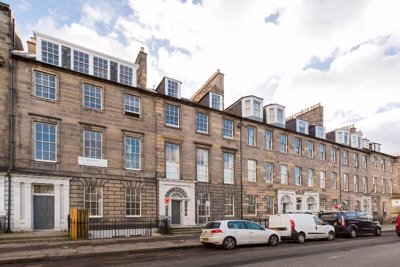
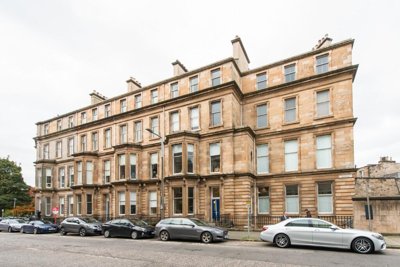
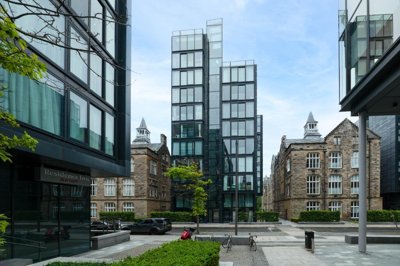
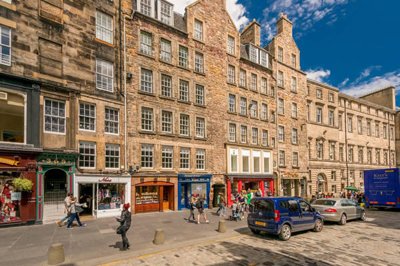
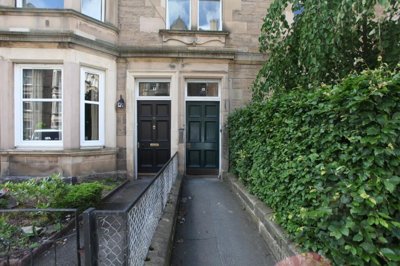
Property types available for rent in the Old Town predominantly consist of traditional sandstone tenement flats built between the late 18th and early 20th centuries, characterised by their high ceilings, cornicing, fireplaces, and shared garden areas. You will also find purpose-built flats from various eras, including inter-war developments near the Bridges and more contemporary conversions of commercial buildings. The Victoria Street and Cockburn Street areas feature distinctive curved-fronted shops and flats that reflect the Victorian commercial development of the lower Old Town, while the Cowgate corridor has seen significant residential conversion of former warehouses and industrial spaces over the past two decades.

The market sees consistent turnover throughout the year, though demand intensifies during the summer months when students arrive and the festival period attracts temporary renters seeking the true Edinburgh experience. The Canongate and Abbeyhill areas tend to offer slightly more stable rental conditions with families and long-term residents, while the Grassmarket and High Street areas experience greater seasonal fluctuation. Prospective renters should set up instant property alerts and be prepared to move quickly when suitable properties become available, particularly for properties priced below the £1,200 per month threshold where competition is most fierce.

Find Rentals Old Town

Living in Old Town, Edinburgh

Life in Edinburgh's Old Town unfolds against a backdrop of centuries-old architecture, cobbled streets, and dramatic landscape contrasts that few urban areas can match. The neighbourhood sits atop a series of volcanic hills and crags, creating the dramatic topography that shaped its medieval layout and continues to define daily life for residents navigating its steep closes and stepped passages. The Castle looms over the western end of the Royal Mile, while Arthur's Seat and Holyrood Park anchor the eastern reaches, providing immediate access to outdoor recreation within the city boundary. The dramatic variation in elevation across the Old Town means that properties on the upper floors of tenements on the south side of the Royal Mile often enjoy panoramic views that extend across the city to the Firth of Forth.

The Old Town community balances the needs of residents with the demands of an estimated four million annual visitors, yet those who live here learn to navigate the tourist seasons with ease. Local amenities include traditional pubs such as The White Hart Inn, where scholars and writers have gathered for centuries, alongside contemporary cafes, independent shops, and galleries that line the historic thoroughfares. The Grassmarket area has evolved into one of Edinburgh's most vibrant evening economy hubs, while the Cowgate offers a different character with its arched viaduct and mix of nightlife venues and affordable eateries. Victoria Street, with its distinctive curved shopfronts descending toward the Grassmarket, hosts a mix of artisan businesses, vintage shops, and popular bars that attract both locals and visitors.

Local residents enjoy access to the Edinburgh City Libraries network, community centres in the Canongate and Tron Kirk areas, and the year-round cultural programme that transforms the streets into stages during the August festivals. The Scott Monument and Princes Street Gardens provide green space at the northern edge of the Old Town, while the Meadows to the south offer extensive parkland popular with joggers, dog walkers, and families. The Tron Kirk community centre in the historic Mercat Cross building hosts regular events, markets, and community gatherings that help maintain the neighbourhood's strong sense of identity despite the constant flow of tourism through its historic streets.

Rental Search Old Town

Schools and Education in Old Town, Edinburgh

The Old Town and its surrounding areas in Edinburgh offer access to a strong selection of educational institutions, making the neighbourhood particularly attractive to families and academic professionals. Primary education is served by schools including the Royal Mile Primary School, which serves the historic core and has earned positive recognition for its community engagement and curriculum delivery. Other nearby primaries include James Gillespie's Primary School in the Marchmont area to the south, which consistently achieves strong inspection results and serves families from various parts of the Old Town catchment. The catchment areas in Edinburgh can be complex due to the city's topography, so families should verify school placements with the City of Edinburgh Council before committing to a rental property.

Secondary education options include several well-established schools within easy reach, including the Royal High School in the Drylaw area, which has a long tradition and serves students from across north Edinburgh. For families seeking denominational education, St Mary's Primary Catholic School and St Teresa's College provide faith-based options in the surrounding areas. The Old Town's proximity to the University of Edinburgh's main campus, located immediately south of the Grassmarket in the George Square area, adds an additional dimension to the educational landscape, with the university consistently ranked among the UK's leading institutions and offering access to world-class facilities, libraries, and cultural events for residents.

The university also shapes the local rental market significantly, with a substantial proportion of rental properties in the Old Town occupied by students or rented by parents as investment properties targeting the student market. This creates both opportunities and considerations for non-student renters. During term time, demand for properties near the university remains consistently high, which can drive up prices in the Grassmarket, Lauriston, and West Port areas. However, during university holiday periods, particularly at Christmas and in the summer months, some properties become available as student tenants return home, potentially creating short-term rental opportunities for those seeking flexible tenancy arrangements.

Rental Properties Old Town

Transport and Commuting from Old Town, Edinburgh

Edinburgh's Old Town enjoys exceptional connectivity despite its historic street layout, with multiple transport options serving residents throughout the week. Edinburgh Waverley station sits at the eastern end of the Old Town, providing direct rail connections to London King's Cross (approximately 4.5 hours), Glasgow Queen Street (50 minutes), and destinations across Scotland including Aberdeen, Inverness, and Stirling. The station offers comprehensive facilities and serves as a major hub for intercity and regional services, making the Old Town particularly attractive to commuters who need regular access to other major cities. The station's central location means most properties in the Old Town are within a 15-minute walk, though navigating the steep closes and stepped passages from the lower Cowgate area requires some physical effort.

Within Edinburgh, the Lothian Bus network provides extensive coverage throughout the Old Town and connects the area to all parts of the city, with services running 24 hours on key routes. The number 41, 42, and 67 buses provide regular connections to the south side of the city and the Royal Infirmary, while services along Princes Street connect the Old Town to the West End, Haymarket, and Murrayfield areas. The tram line runs along Princes Street at the northern boundary of the Old Town, connecting the city centre to the airport in approximately 35 minutes and also serving the waterfront areas of Leith and Newhaven to the north. For residents living on the southern slopes of the Old Town near the Meadows, the direct cycle and footpath routes through the university area provide efficient access to many city centre destinations without the need for public transport.

For cycling enthusiasts, the city has invested significantly in cycle infrastructure, with dedicated lanes connecting the Old Town to Leith, the Waterfront, and the cycle paths heading south toward the Pentlands. The National Cycle Route 1 passes through Edinburgh, offering long-distance cycling connections along traffic-free paths where possible. Walking remains one of the most pleasant options for local journeys, with most destinations in the Old Town and New Town accessible within 15 to 20 minutes on foot. However, residents should be aware that the Old Town's medieval street layout can make navigation challenging for newcomers, with many closes, wynds, and steps that do not appear on standard maps creating shortcuts that reward exploration.

Renting Guide Old Town

How to Rent a Home in Old Town, Edinburgh

1

Get Your Rental Budget in Principle

Before beginning your property search in Edinburgh's Old Town, secure a rental budget agreement in principle from a reputable lender. This document demonstrates to landlords and letting agents that you can afford the monthly rent and helps streamline your application when you find the right property. Our partnered lenders can provide this service quickly, giving you a competitive edge in this sought-after market where properties can receive multiple applications within days of listing.

2

Research the Old Town Neighbourhood

Edinburgh's Old Town encompasses diverse micro-neighbourhoods with distinct characters. The Canongate near Holyrood offers a quieter residential feel with community gardens and the Scottish Parliament nearby, while Grassmarket buzzes with nightlife and hosts one of Edinburgh's best-known weekly farmers' markets. The Royal Mile attracts tourists year-round and features a concentration of short-term lets, and the Cowgate provides a middle-ground atmosphere with its mix of residential flats and entertainment venues. Spend time walking different streets at various times of day to find the balance of energy and quiet that suits your lifestyle.

3

Search and View Properties

Browse available rentals in the Old Town through Homemove and set up instant alerts for new listings. The Old Town market moves quickly, particularly during the summer festival period when the population swells dramatically and when university terms begin. Schedule viewings promptly and attend with questions prepared about the specific property, lease terms, and the responsibilities of both tenant and landlord under Scottish tenancy law. Ask about the heating system age and efficiency, any planned maintenance on the building, and how the landlord handles repairs and maintenance requests.

4

Submit Your Application

When you find a property you love, submit your rental application promptly with all required documentation. In Scotland, landlords must provide the Tenant Information Pack and cannot charge fees beyond the security deposit and first month's rent. Ensure your references, proof of income, and previous landlord details are ready to expedite the process. For properties in high demand, having your documentation prepared in advance can make the difference between securing a tenancy and losing out to another applicant.

5

Sign Your Tenancy Agreement

Scottish tenancies operate under the Private Housing (Tenancies) Act 2016, providing strong tenant rights including the right to remain in the property unless the landlord has specific grounds for eviction. Review your tenancy agreement carefully, confirm the inventory report, and understand your responsibilities for utilities, council tax, and maintenance reporting before signing. Pay particular attention to clauses regarding garden maintenance, shared areas, and any building maintenance schedules that may affect your enjoyment of the property.

6

Move Into Your New Home

Once your tenancy begins, conduct a thorough move-in inspection and photograph all rooms and any existing damage. Report any issues to your landlord or letting agent immediately to ensure you are not held responsible for pre-existing problems when your tenancy ends. In older properties like those common in the Old Town, document any wear and tear on original features, stonework, or period fixtures that were present before your tenancy.

What to Look for When Renting in Old Town, Edinburgh

Renting in Edinburgh's Old Town requires particular attention to property condition and lease terms given the age of the housing stock in this historic area. Many properties are listed buildings or located within the Old Town conservation area, which places restrictions on external alterations, chimney maintenance, and even the type of window treatments you may install. Before committing to a tenancy, verify that the property meets your needs regarding heating efficiency, as older sandstone buildings can be beautiful but challenging to heat, and confirm whether the landlord has addressed any known issues with damp, insulation, or historic structural repairs. The solid sandstone construction of many Old Town buildings is excellent for thermal mass but can be difficult to insulate without specialist intervention that preserves the historic character.

Scottish tenancy law provides robust protections for renters, but understanding your rights and responsibilities remains essential. The Private Housing (Tenancies) Act 2016 established the modern Scottish secure tenancy framework, which limits deposits to no more than two months' rent and requires landlords to register with their local authority and protect deposits in an approved scheme. Tenants have the right to challenge excessive rent increases through the rent officer service, and eviction can only occur on specific grounds that must be stated in writing. For properties in the Old Town, pay particular attention to the terms regarding garden maintenance, shared areas, and any building maintenance schedules that may affect your enjoyment of the property.

The physical characteristics of Old Town properties require specific consideration when renting. Many tenement flats share entrance stairs with multiple households, and responsibility for maintaining common areas is shared between all flat owners or managed by a factoring company. Ask about the arrangements for snow clearing on external steps, which can be significant during Edinburgh winters, and whether the building has been retrofitted with insulation or modern heating systems. Properties near the Castle Esplanade or along the Royal Mile may experience noise during major events including the Hogmanay celebrations, the Military Tattoo, and the Edinburgh Festival, so consider whether this is acceptable to you before committing to a tenancy.

Rental Market Old Town

Frequently Asked Questions About Renting in Old Town, Edinburgh

What is the average rental price in Old Town, Edinburgh?

Rental prices in Edinburgh's Old Town typically range from around £900 to £1,500 per month for one and two-bedroom flats, with larger properties commanding higher rents. The premium location and historic character of the area mean that rents generally exceed the Edinburgh average by approximately 15 to 25 percent. Properties with original period features, views of the Castle or Firth of Forth, or locations on the Royal Mile itself can attract rents at the higher end of this range or above. Flats in the Canongate and Abbeyhill areas often offer slightly more competitive pricing while maintaining excellent access to the Old Town's amenities and transport links.

What council tax band are properties in Old Town, Edinburgh?

Council tax in Edinburgh is administered by the City of Edinburgh Council, and bands range from A to H based on property value. Most flats in the Old Town fall into bands B through E, though some high-value properties, particularly those with exceptional views or in prestigious converted buildings, may be in higher bands. Students are exempt from council tax with appropriate certification, and single-person households receive a 25 percent discount. The Old Town's mix of property types and values means that council tax bands can vary significantly even within the same building, depending on the size and features of individual flats.

What are the best schools near Old Town, Edinburgh?

Families renting in the Old Town have access to several well-regarded schools including Royal Mile Primary School within the historic core, James Gillespie's Primary School to the south, and the Royal High School for secondary education. The area's proximity to the University of Edinburgh adds further educational options, and several independent schools in surrounding areas provide additional choices for families seeking denominational or private education. The City of Edinburgh Council school admissions process operates on a catchment area basis, and parents should verify which schools serve their specific rental address before committing to a tenancy.

How well connected is Old Town, Edinburgh by public transport?

Edinburgh's Old Town benefits from excellent public transport connections despite its historic street layout. Edinburgh Waverley station at its eastern end provides direct rail services to London, Glasgow, and destinations across Scotland. The Lothian Bus network covers all major routes through and around the Old Town, while the tram line on Princes Street connects the area to Edinburgh Airport in approximately 35 minutes. Most city centre destinations are also easily reached on foot, and the integrated transport system makes it straightforward to reach suburbs including Leith, Stockbridge, and the waterfront areas without a car.

Is Old Town, Edinburgh a good place to rent?

Edinburgh's Old Town offers an exceptional living experience for those who appreciate history, architecture, and urban culture. The area provides easy access to city centre employment, world-class cultural institutions, and outdoor recreation in Holyrood Park. The main considerations for renters include the premium cost compared to other Edinburgh neighbourhoods, the challenges of heating older stone buildings, and the seasonal tourist volumes during festival periods. However, for many renters, the unique character and central location more than justify these factors. The Old Town's compact layout means that most daily needs can be met without travel, and the sense of living in a place of genuine historical significance adds a dimension rarely found in modern rental accommodation.

What deposit and fees will I pay when renting in Old Town, Edinburgh?

Under Scottish tenancy law, landlords can only request a security deposit of up to two months' rent, which must be protected in an approved deposit scheme. Unlike England, Scotland banned letting agent fees in 2012, meaning you cannot be charged for referencing, administration, or inventory checks by a third party. Your upfront costs will typically include the first month's rent and the security deposit, along with a contribution to council tax from your start date. You may also need to budget for tenant referencing if not already secured, and for contents insurance which many landlords now require as a condition of tenancy.

Are properties in Old Town typically furnished or unfurnished?

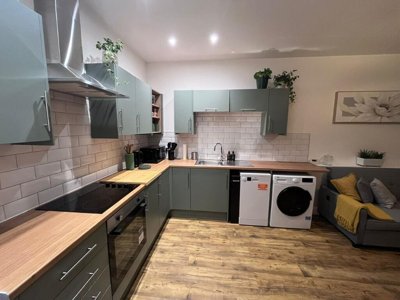
The Old Town rental market offers a mix of furnished and unfurnished properties, though furnished lets are particularly common given the high proportion of student tenants and short-term renters in the area. Furnished properties typically include white goods, basic furniture, and window coverings, but the quality and condition of furnishings can vary significantly. Unfurnished properties often appeal to professionals relocating to Edinburgh for longer terms or families seeking to bring their own furniture. Before committing to a tenancy, verify exactly what is included and check the condition of any furnished items against the inventory report.

What should I know about living near the Edinburgh Festival?

Living in the Old Town during the Edinburgh Festival in August brings both opportunities and challenges. The festival transforms the area into a vibrant cultural hub, with street performers, outdoor shows, and a global audience arriving in the city. However, tourist volumes increase dramatically, making the streets and sometimes noisy, particularly in the Grassmarket and Royal Mile areas. Properties on upper floors or away from the main thoroughfares may be more comfortable during the festival period. Some residents choose to sublet their properties during August to take advantage of premium short-term rental rates, though this requires careful compliance with licensing requirements that now apply to short-term lets across Edinburgh.

Deposit and Fees When Renting in Old Town, Edinburgh

Renting a property in Edinburgh's Old Town involves understanding the cost structure under Scottish tenancy law, which provides strong protections for tenants regarding fees and deposits. The upfront costs you will encounter include the first month's rent, payable in advance, and a security deposit limited by law to a maximum of two months' rent. Unlike the private rental market in England, Scotland banned letting agent fees in September 2012, meaning you cannot be charged for referencing, credit checks, administration, or inventory preparation by a letting agent or landlord. This creates a more transparent cost structure for renters in Edinburgh compared to other UK cities.

Your security deposit must be protected in one of three approved Scottish tenancy deposit schemes within 30 working days of receiving it, and you are entitled to receive information about which scheme holds your deposit. At the end of your tenancy, the deposit must be returned within 10 working days of both parties agreeing the amount to be returned, with any deductions itemised and evidenced. You should request a professional inventory check at the start and end of your tenancy to protect yourself from unjustified deductions. In the Old Town's older properties, the inventory process is particularly important given the number of period features, stone floors, and original fixtures that may be subject to wear and tear over time.

Additional costs to budget for include council tax (check with the council for rates on your specific property band), utility connections, and contents insurance, which is increasingly required by landlords in Edinburgh's competitive rental market. Some landlords in the Old Town also require tenants to join a factoring company for building maintenance, with charges typically ranging from £100 to £500 per year depending on the property and services provided. Energy costs in older sandstone properties can be higher than average due to the challenges of heating thick stone walls, so prospective tenants should ask about the property's energy efficiency rating and the age and type of heating system installed.

Find Rentals Old Town

Browse Homes to Rent Across the UK

Terms of use Privacy policy All rights reserved © homemove.com | Properties to Rent » England » Old Town

Homemove is a trading name of HM Haus Group Ltd (Company No. 13873779, registered in England & Wales). Homemove Mortgages Ltd (Company No. 15947693) is an Appointed Representative of TMG Direct Limited, trading as TMG Mortgage Network, which is authorised and regulated by the Financial Conduct Authority (FRN 786245). Homemove Mortgages Ltd is entered on the FCA Register as an Appointed Representative (FRN 1022429). You can check registrations at NewRegister or by calling 0800 111 6768.