Pick the right path and we'll point you to the next step.
I'm the homeowner
Track this property, get market updates, and list it on Home when you're ready to sell or let.
I'm an estate agent
Claim your branch on Home.co.uk, list your properties for free, and reach buyers actively searching your area.

From riverside apartments to country cottages, search hundreds of thousands of properties for sale, to rent, and recently sold, all enriched with three decades of market data.
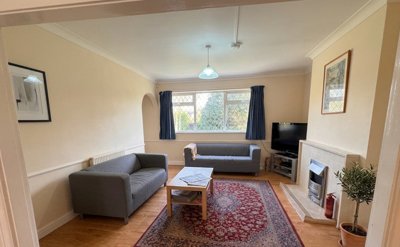
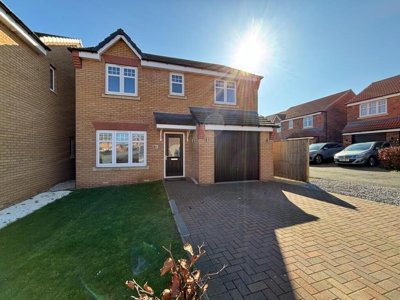
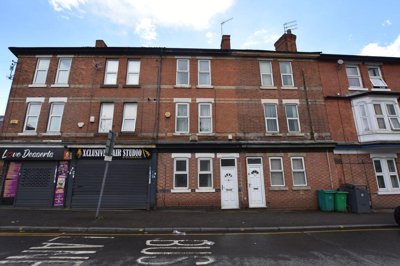
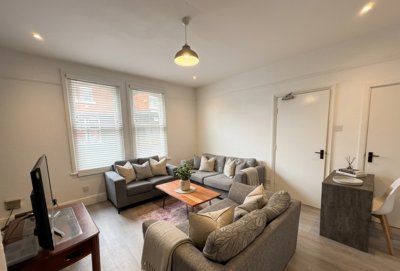
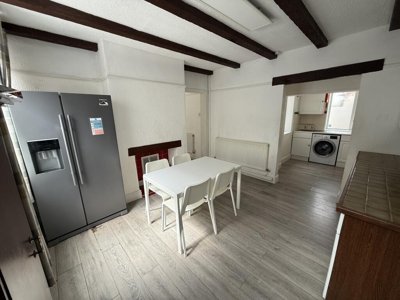
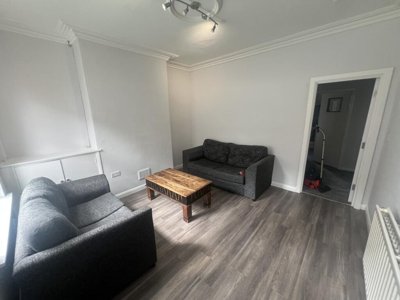
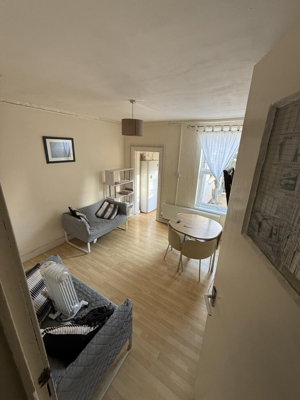
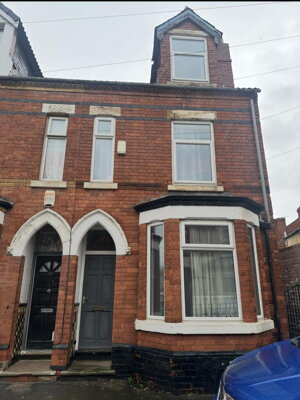
Browse 9 rental homes to rent in Nottingham, East Midlands from local letting agents.
The larger property sector typically features multiple bathrooms, substantial reception space, and private gardens or off-street parking. Four bedroom houses in Nottingham span detached, semi-detached, and occasionally terraced configurations, with styles ranging from period properties to modern executive homes.
£1,450/m
17
0
76
Source: home.co.uk
Showing 17 results for 4 Bedroom Houses to rent in Nottingham, East Midlands. The median asking price is £1,450/month.
Source: home.co.uk
Terraced
8 listings
Avg £1,674
Detached
7 listings
Avg £1,008
Semi-Detached
2 listings
Avg £1,450
Source: home.co.uk
Source: home.co.uk
Nottingham's sold market tells us quite a lot about rental pressure. homedata.co.uk records put the average sold price at £194,000 in December 2025, and the overall average was up 0.5% over the year by that point. Terraced homes rose 1.7%, while flats fell 2.8%. That fits the split between family terraces and apartment-heavy central districts, and it usually points to steady competition for well-placed homes in good condition, rather than sharp swings in rent.
There is plenty of variety in the stock. Older housing is often brick, with stone, render and some cladding appearing on newer schemes. Traditional terraces are still a big part of inner Nottingham, while semi-detached homes and flats cover different budgets and space needs. Local data shows 2,593 sales in the last year, which is a solid level of movement. When supply tightens, homes near the universities and Nottingham Station often disappear first.
Across the wider Nottingham market, new-build supply is available, although some schemes sit outside the city boundary in NG14 and NG12. We would treat The Seacombe near Colwick Loop Road and Princes Place in Radcliffe on Trent as fringe comparators, not core Nottingham stock. That postcode detail matters. It can alter your commute, your council tax and the feel of the area. For a live check against those wider signals, home.co.uk is the quickest place to compare current rental listings.

Nottingham reads more like a patchwork of neighbourhoods than one uniform centre. In the Lace Market, converted warehouses, creative spaces and a busy evening scene shape the area. Park Estate and Standard Hill pull in a different direction, with grand Victorian streets and conservation-led living. Head north or west and you see more terraces, family houses and student rentals, especially around Lenton and Radford. So the right area comes down to what matters most to you, nightlife, parking, outdoor space or simply a quieter road.
Geography has a real effect here. Nottingham sits on ground underlain by Mercia Mudstone and Sherwood Sandstone, and the clay-rich mudstone can bring shrink-swell risk in some spots. Near the River Trent, floodplain issues matter. After heavy rain, surface water can also collect in built-up streets with lots of paving. That is one reason our team always suggests checking the exact street, not just the neighbourhood label, before committing.
For day-to-day living, the centre packs a lot into one area, shopping, food, culture and travel options all sit together. The universities, the hospitals and the wider service economy keep the rental market busy, so listings range from compact flats to larger houses for families and sharers. Nottingham also has river walks, parks and older streets that change the feel from one district to the next. Many renters end up looking just outside the core, where there is often more space without losing the run into the centre.
For families renting in Nottingham, schooling can matter as much as the commute. The city has two major universities, the University of Nottingham and Nottingham Trent University, and that wider education picture feeds straight into rental demand. For younger children, catchment rules can shift quickly from one street to the next, especially around popular primaries or stronger secondary intakes. Exact postcode checks are not optional here, they are part of choosing the tenancy sensibly.
Local detail varies by exact address, so we work from your property rather than a town-wide figure. The safer route is Nottingham City Council admissions first, then Ofsted reports and catchment maps for the exact road you are considering. On the ground, family renters often look for quieter streets, dependable bus routes and enough parking for the school run. Edge-of-centre locations can work well if you want access to city schools as well as the wider commuter network.
Student renters should start with location, especially in relation to campus and nightlife. Lenton, Radford and parts of the centre are shaped by a strong student letting market, so smaller flats and house shares are common. Families usually lean towards areas with a calmer evening pattern and more room around the property, which is where the inner suburbs often come into their own. In Nottingham, it is quite normal to find HMOs, converted flats and family homes on the same stretch, so the exact let type always needs checking.

Nottingham Station is the main rail gateway, and that keeps the city practical for people splitting time between home and office. Services run to London St Pancras, Derby, Leicester, Sheffield and Birmingham. The tram network adds another layer, particularly for trips into the centre and across the south side of the city. If travel is central to your move, being near the station or a tram stop can save more time than a slightly lower rent ever will.
Road travel is strong as well. The A52, A453 and M1 link Nottingham to the wider East Midlands and further afield. Bus corridors cover a large part of the city, though peak-hour timings can be less tidy than they look on a map. Cycling works in many inner areas, but route quality and hillier streets can make one neighbourhood feel very different from the next. For renters with a car, parking often settles the decision, since inner districts can be tight and permit rules may come into play.
Central neighbourhoods make rail and tram travel easier, but everyday parking can be more awkward. Further out, terraces and suburban streets often give you simpler on-street options, though the trade-off may be a longer walk to the transport hub. If you travel regularly for work or study, check the nearest stop, the late-evening service pattern and the route from there to your front door. In Nottingham, convenience on paper is not always the same as comfort in practice.
Before you book viewings, compare the Lace Market, Lenton, Radford, Sherwood and riverside streets. Then look closely at parking, noise, flood exposure and the distance to the tram, Nottingham Station or campus.
Get a rental budget agreement in principle sorted early. Set a firm ceiling for rent, deposit, bills and commuting costs, so a smart-looking home does not leave you stretched once council tax and utilities are added in.
Good rentals in Nottingham do not hang around, especially near the universities and Nottingham Station. If you can, view in daylight and again in the evening. Traffic, parking and street noise can feel very different.
Ask direct questions about damp, heating, insulation, service charges on flats and any known problems with older wiring. Older brick homes in Nottingham can come in at an attractive rent, but they need a careful eye on maintenance and ventilation.
A solid tenancy should come with clear referencing, a current EPC and a proper inventory. If the property sits in a conservation area or inside a converted building, make sure you understand any restrictions before signing.
On day one, take photos, read the meters and keep copies of the inventory and tenancy paperwork. It makes deposit issues easier to handle later, and it helps if any dispute turns up.
Nottingham's older housing stock can be appealing, but the small print matters. Pre-1919 terraces and conversions in the Lace Market, Park Estate and around the Castle may sit within conservation areas, and that usually brings tighter rules on alterations, windows and external changes. If you are thinking about decorating or making minor improvements, check the tenancy agreement and the building status first. That matters even more in converted flats, where communal rules and service charges can shape what is and is not allowed.
Flood risk and ground conditions both deserve a proper look. The River Trent creates known flood exposure near lower streets, and parts of Nottingham sit on clay-rich Mercia Mudstone that can lead to shrink-swell movement. The city also has a coal mining legacy in the north and east, so a mining report can be useful in those affected pockets. During a viewing, we would pay attention to damp, movement, uneven floors and weak ventilation, especially in older brick properties.
Electrical condition is another point that should not be skipped. Homes built before the 1960s are more likely to have outdated wiring, weaker earthing, older fuse boxes and worn sockets, so ask for the EICR and check when it was last updated. Flats may also come with service charges, ground rent or building management rules, even if those costs are not obvious in the advert. In Nottingham, those extra layers can change the real monthly cost quite a bit.
Rent in Nottingham shifts by postcode, and city-centre flats, student lets, terraces and family homes all sit in different bands. The clearest way to judge the current market is to compare live listings on home.co.uk, filtered by area, bedrooms and furnishing level. Before you start booking viewings, match the monthly rent against council tax, bills and parking as well.
Council tax bands in Nottingham run from A to H, with the exact band set by Nottingham City Council and the property's valuation. Centre flats often fall into lower bands, while larger suburban houses can sit higher. Always check the band before you sign. It can shift your monthly budget more than the quoted rent suggests. When you compare two homes, the one with the lower rent is not always the cheaper home overall once council tax is included.
The right school option depends on the exact street and the intake year, because catchments can move from one area to the next. Nottingham also has two universities. For family renters, that means checking Nottingham City Council admissions, Ofsted reports and local catchment maps for nearby primary and secondary choices. We would not rely on a neighbourhood name alone, especially where one area borders several catchments. If schooling is a key factor, book viewings with the admissions route in mind.
Rail, tram and bus all play a part in Nottingham, with Nottingham Station as the main hub and the tram helping many central and southside moves. The A52, A453 and M1 keep road access strong across the East Midlands. Inner-city parking can be tight, so dedicated parking is a genuine plus. If you travel every day, check the nearest stop and walk the route at peak times rather than relying on the map.
Yes, in many cases it is, especially if you want a wide spread of homes and an active local market. Nottingham has universities, major employers and a broad mix of terraces, flats and family homes, which helps keep demand firm across many neighbourhoods. The compromise is speed, the most convenient areas can be competitive, so you often need to act quickly when the right place appears. We would say Nottingham suits renters who want choice, city access and straightforward links across the East Midlands.
In England, the tenancy deposit is usually capped at five weeks' rent when annual rent is under £50,000, or six weeks above that level, and holding deposits are usually one week's rent. You should also allow for the first month's rent in advance, plus moving costs, furniture and utilities. If you are renting now and thinking about buying later, the current purchase deposit and fee thresholds are 0% up to £250,000, 5% from £250,000 to £925,000, 10% from £925,000 to £1.5m and 12% above £1.5m, with first-time buyer relief at 0% up to £425,000 and 5% from £425,000 to £625,000. Looking at the wider picture can help you decide whether to stay flexible now or save harder for a future Nottingham home.
Lenton, Radford and parts of the city centre are closely tied to student life because of the universities. In those areas, you are more likely to find shared houses, compact flats and later-night activity, which can suit shorter journeys and a more active social pattern. Still, check noise, parking and the tenancy type before you commit, because competition can rise with student demand. Sometimes the better long-term choice is simply a quieter street a few minutes away from a busy main road.
Some low-lying streets near the River Trent do carry flood risk, especially during heavy rain. Ask for the exact postcode, check flood maps and watch for signs of previous water ingress, damp or raised thresholds. Surface water can matter too in heavily paved streets, so a road on higher ground or with better drainage may justify a premium. If you are torn between two similar homes, the flood-exposed one needs careful pricing and insurance checks.
In Nottingham, the headline rent is only part of the monthly picture. Budget for the tenancy deposit, a holding deposit if one is needed, the first month in advance and any furnishing or moving costs, then add council tax, utilities and broadband. Central flats can look manageable at first glance, but the numbers may change once parking, commuting or service charges are included. Our team usually recommends putting a rental budget agreement in principle in place before viewings start, because it helps stop overcommitting when a strong listing appears.
The extra costs in Nottingham often come down to the kind of property you choose. Older terraces may rent for less but cost more to heat, while flats in converted buildings can bring service charges or managed-building rules that affect monthly outgoings. Council tax bands vary by property and by Nottingham City Council valuation, so it is better to check the band at the start rather than after moving in. If the home is in a conservation area or near the river, insurance and maintenance questions can also shape what you are likely to spend over a year.
Planning ahead helps when the rental move is part of something longer. If you may buy later, the current deposit and fee thresholds for purchases are 0% up to £250,000, 5% from £250,000 to £925,000, 10% from £925,000 to £1.5m and 12% above £1.5m, with first-time buyer relief at 0% up to £425,000 and 5% from £425,000 to £625,000. That can make it easier to judge whether to stay flexible now or save harder for a future home in Nottingham. For live rental options, home.co.uk is the place to compare current stock against the local budget you have set.
Properties to Rent In London

Properties to Rent In Plymouth

Properties to Rent In Liverpool

Properties to Rent In Glasgow

Properties to Rent In Sheffield

Properties to Rent In Edinburgh

Properties to Rent In Coventry

Properties to Rent In Bradford

Properties to Rent In Manchester

Properties to Rent In Birmingham

Properties to Rent In Bristol

Properties to Rent In Oxford

Properties to Rent In Leicester

Properties to Rent In Newcastle

Properties to Rent In Leeds

Properties to Rent In Southampton

Properties to Rent In Cardiff

Properties to Rent In Nottingham

Properties to Rent In Norwich

Properties to Rent In Brighton

Properties to Rent In Derby

Properties to Rent In Portsmouth

Properties to Rent In Northampton

Properties to Rent In Milton Keynes

Properties to Rent In Bournemouth

Properties to Rent In Bolton

Properties to Rent In Swansea

Properties to Rent In Swindon

Properties to Rent In Peterborough

Properties to Rent In Wolverhampton

Enter your details to see if this property is within your budget.
Loans, cards, car finance
Estimated property budget
Borrowing + deposit
You could borrow between
Typical borrowing
Monthly repayment
Est. at 4.5%
Loan-to-value
This is an estimate only. Your actual budget may vary depending on interest rates, credit history, and personal circumstances. For an accurate affordability assessment, speak to one of our free mortgage advisors.
This calculator provides estimates for illustrative purposes only and does not constitute financial advice. Your home may be repossessed if you do not keep up repayments on your mortgage. Estimates based on 4.5% interest rate, repayment mortgage. Actual rates depend on your circumstances.
Homemove is a trading name of HM Haus Group Ltd (Company No. 13873779, registered in England & Wales). Homemove Mortgages Ltd (Company No. 15947693) is an Appointed Representative of TMG Direct Limited, trading as TMG Mortgage Network, which is authorised and regulated by the Financial Conduct Authority (FRN 786245). Homemove Mortgages Ltd is entered on the FCA Register as an Appointed Representative (FRN 1022429). You can check registrations at NewRegister or by calling 0800 111 6768.

We use cookies to show you personalised content and improve your experience of our website. Find out more in our Privacy policy and Cookie policy.