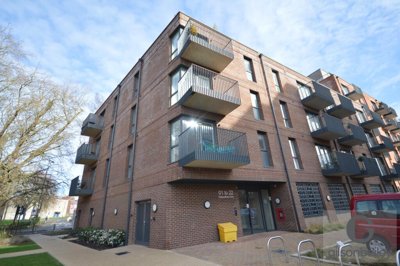
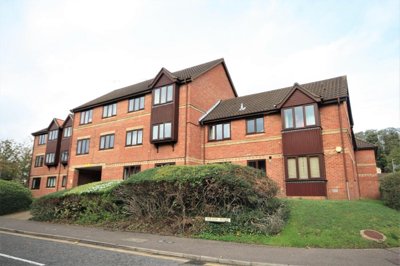
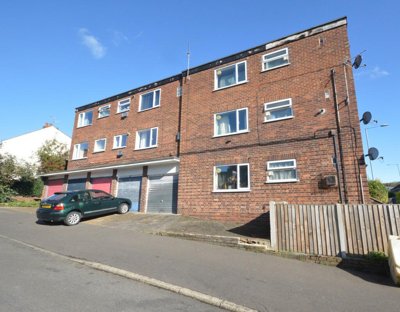
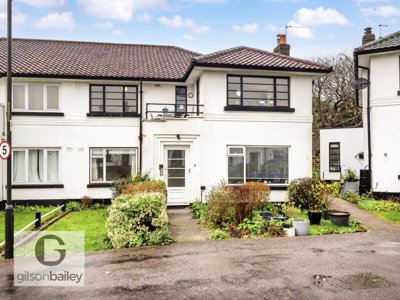
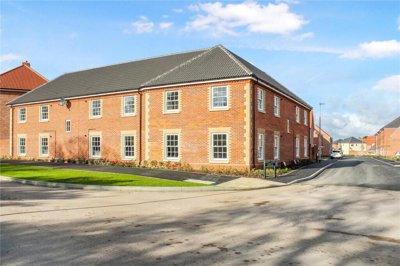
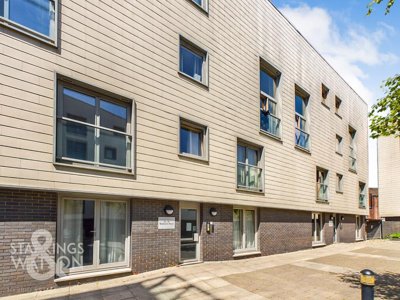
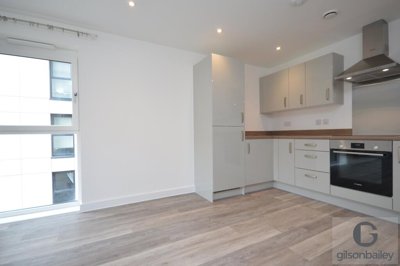
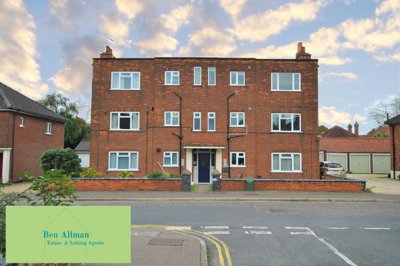
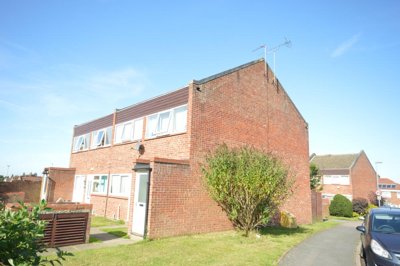
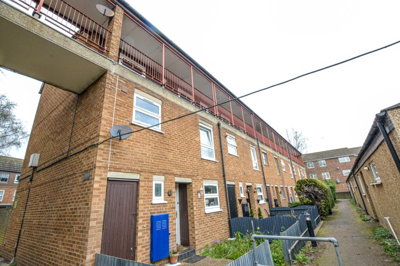
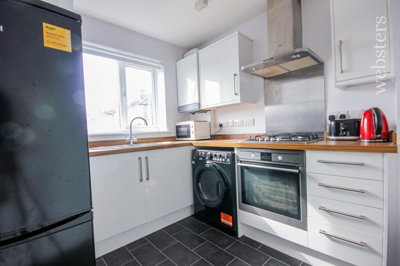
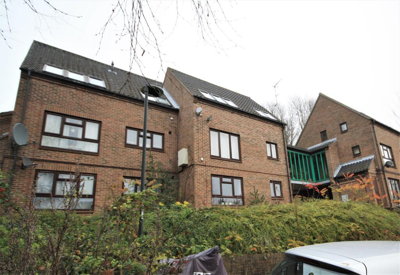
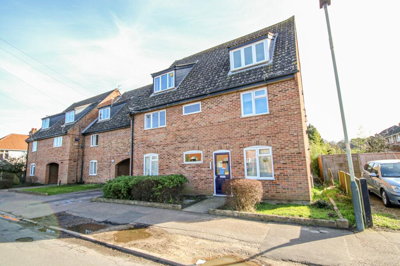
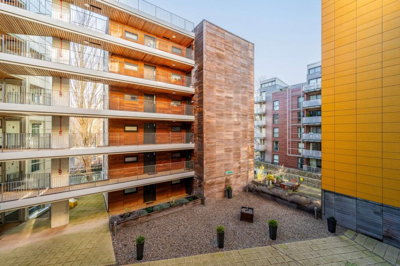
Browse 260 rental homes to rent in Norwich, Norfolk from local letting agents.
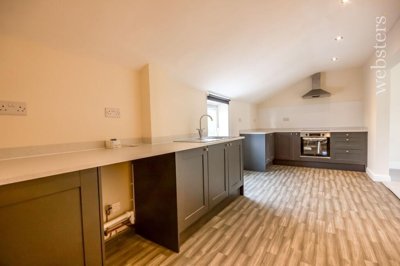
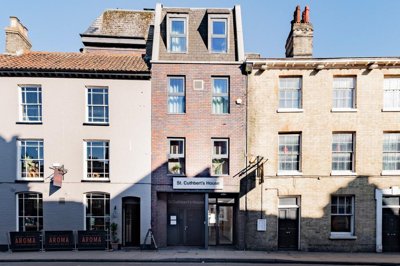
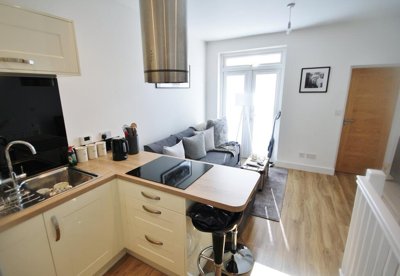
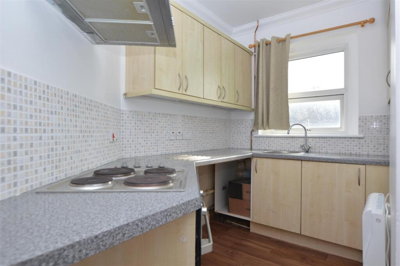
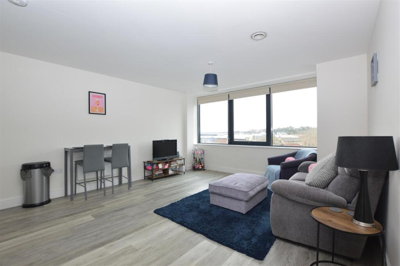
Studio apartments feature open-plan living spaces without separate bedrooms, incorporating sleeping, living, kitchen, and bathroom facilities. The Norwich studio market includes properties in modern apartment complexes, converted Victorian and Georgian buildings, and purpose-built developments.
£900/m
28
1
40
Source: home.co.uk
Showing 28 results for Studio Flats to rent in Norwich, Norfolk. 1 new listing added this week. The median asking price is £900/month.
Source: home.co.uk
Flat
28 listings
Avg £982
Source: home.co.uk
Source: home.co.uk
The Norwich rental market demonstrates steady growth and resilience, driven by strong demand from students, professionals, and families drawn to the city's expanding economy. Our listings data shows a diverse property portfolio spanning studio apartments from £600 per month through to substantial family homes commanding rents of £1,800 to £2,500 monthly. Terraced houses in popular suburbs such as Thorpe Hamlet, Eaton, and Golden Triangle typically range between £950 and £1,400 per month, offering excellent value for couples and small families seeking character properties with period features. Flats in the city centre and around the Norwich Research Park start from £700 per month for basic studio accommodation, rising to £1,200 for luxury one and two-bedroom apartments with parking and gym facilities.
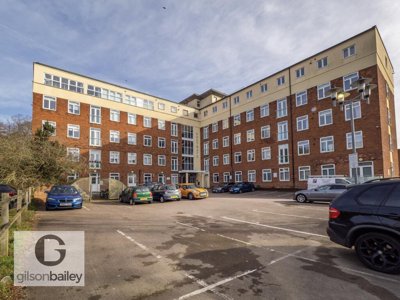
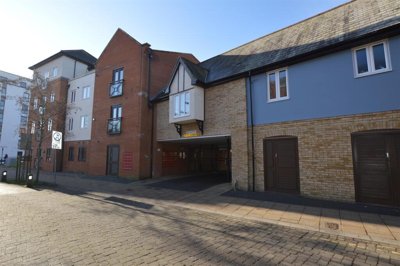
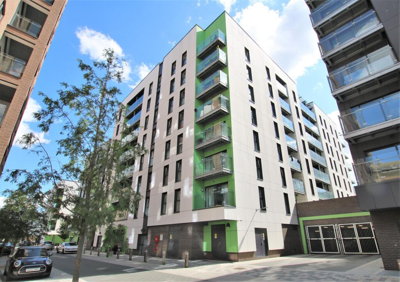
New build developments continue to shape the rental landscape, with recent schemes delivering modern apartments to the Riverside, Prince of Wales Road, and St Anne's Quarter areas. These properties often command premium rents reflecting their energy efficiency ratings, contemporary interiors, and proximity to employers including the Norfolk and Norwich University Hospital and the University of East Anglia. The private rental sector in Norwich has expanded significantly over the past decade, with professional landlords and property management companies increasingly competing with traditional letting agents to offer tenants flexible lease terms and inclusive utility packages. Our inspectors regularly assess rental properties across these developments, noting construction quality and any recurring defects in newer builds.
Norwich rewards exploration with a labyrinthine medieval centre where independent shops, artisan cafes, and centuries-old pubs cluster around the magnificent Norman cathedral and its peaceful cloisters. The city walls, though fragmentary, still mark the boundary of the ancient settlement, with sections particularly visible along St Martin's Lane and King Street where modern development has respected the historic footprint. Riverside provides contemporary living with waterside apartments overlooking the Wensum, while the adjoining streets of Elm Hill and Bishopgate showcase timber-framed merchant houses dating from the fourteenth and fifteenth centuries, their curved doorsteps worn smooth by generations of residents. Our team frequently guides new arrivals through these distinctive neighbourhoods, helping them understand the character of each area before committing to a tenancy.
The demographic makeup of Norwich reflects its role as eastern England's principal cultural and educational hub. Approximately 41,000 students attend the University of East Anglia and Norwich University of the Arts, lending the city a youthful energy evident in its vibrant nightlife, independent music venues, and eclectic restaurant scene. The creative industries have flourished in converted warehouses along Fishergate and in the repurposed shoe factories of Ketts Park, where artists' studios neighbour craft breweries and vintage furniture shops. Families gravitate toward suburbs offering good schools and garden access, including Salhouse, Sprowston, Thorpe St Andrew, and the village settlements within easy commuting distance such as Blofield, Brundall, and Acle on the Norfolk Broads. The Golden Triangle area, bounded by Earlham, Unthank Road, and St Giles Street, particularly appeals to young professionals seeking period properties within walking distance of the city centre.

Education provision in Norwich serves students across all age ranges, from nursery through to postgraduate study, with several schools consistently achieving excellent Ofsted ratings and strong academic results. The University of East Anglia, situated on the western edge of the city in parkland beside the River Wensum, ranks among the UK's top thirty universities and attracts over 15,000 students annually to its faculties of medicine, arts, sciences, and social sciences. Norwich University of the Arts on Duke Street has established an international reputation for courses in animation, gaming, and graphic communication, feeding talent directly into the creative industries both locally and nationally. Our team often receives enquiries from families prioritising school catchment areas, particularly those seeking properties near theOutstanding-rated primary schools in the city.
Families renting in Norwich have access to a strong selection of primary and secondary schools, with the city and surrounding borough offering numerous good and outstanding options. Primary schools including Avenue Junior School, Magdalen Gates Primary School, and Hellington Community Primary School serve different catchment areas across the city, while notable secondary schools include Norwich School (an independent historic foundation), The Hewett School (recently rebuilt on a new site), and City Academy Norwich, which specialises in STEM subjects. The grammar school system in Norfolk means students from Norwich may qualify for places at schools including Warren School, depending on examination performance and proximity. The process of moving to Norwich often begins with families securing rental accommodation in a specific catchment area before formalising school applications, making early property searches essential for those with school-age children.

Norwich railway station at the eastern edge of the city centre provides regular services on the Great Eastern Main Line, with fast trains reaching London Liverpool Street in approximately one hour forty minutes. This direct connection to the capital has encouraged commuting patterns, with Norwich increasingly popular as a base for workers who travel to London several days per week while enjoying significantly lower housing costs. Birmingham New Street is reachable in around two and a half hours, while Cambridge station, gateway to the science parks and technology corridor, lies just ninety minutes away. Norwich also connects to Cambridge and East Anglia via the Bittern Line serving Thorpe, Salhouse, Wroxham, and Hoveton on the Norfolk Broads, a scenic route particularly popular with tourists visiting the waterways during summer months.
Bus services across Norwich operate from the Norwich Bus Station on Prince of Wales Road, with comprehensive routes serving the University of East Anglia, the Norfolk and Norwich University Hospital, the airport at Horsham St Faith, and suburbs extending to Costessey, Taverham, and Dussindale. The A47 trunk road circles the city to the west and south, connecting to the A11 toward Cambridge and the M11 beyond, while the A140 provides a direct route north to Cromer on the coast. Norwich Airport offers domestic flights and limited European destinations, with Ryanair services to destinations including Amsterdam Schiphol and Spain's Alicante making the city surprisingly well-connected for international travel. Our inspectors note that properties within walking distance of the railway station command premium rents, particularly those in Thorpe Hamlet and the riverside areas, reflecting the value commuters place on reducing journey times to London.

Prospective tenants should investigate several Norwich-specific factors before committing to a rental property, beginning with understanding the city's distinctive flood risk geography. Properties in riverside locations along the Wensum, particularly in areas like Trowse, St Clements, and parts of the Golden Triangle, may be subject to flooding during severe weather events, and comprehensive contents insurance becomes essential rather than optional. The Environment Agency designates specific flood zones throughout Norwich, and we recommend requesting flood risk documentation from landlords before signing any tenancy agreement. Properties elevated above street level on upper floors generally present lower flood risk, while ground floor accommodation in low-lying areas requires particular scrutiny during the inspection process.
The historic character of many Norwich properties brings additional considerations for prospective tenants. Older buildings may contain asbestos in Victorian-era insulation, have outdated electrical systems requiring updating, or suffer from damp penetration through solid brick walls lacking modern cavity wall insulation. Our inspectors frequently identify properties with single-glazed windows, inefficient heating systems, and inadequate insulation in roof spaces, all of which contribute to higher energy costs during the cold East Anglian winters. Always request copies of the property's Energy Performance Certificate before signing, as Norwich's older housing stock includes many properties rated D or below, potentially resulting in substantial heating costs. Conservation area designations cover extensive portions of the city centre, Thorpe Hamlet, and characterful suburbs such as Keswick, meaning landlords may face restrictions on external alterations including window replacement, satellite dish installation, and roof modifications.

Obtain a mortgage in principle before contacting agents or landlords, as most will require evidence of financial capability to meet monthly rent payments reliably throughout the tenancy. Our team recommends calculating the total upfront costs including deposit, first month's rent, and moving expenses to avoid financial surprises. Norwich rental agents typically require proof of income equivalent to two and a half times the annual rent, with self-employed applicants needing SA302 tax documents.
Explore different Norwich areas matching your priorities for commute time, school access, amenities, and property type, noting that city centre rents differ substantially from suburban alternatives. The Golden Triangle offers walkable access to the city centre with Victorian character, while suburbs like Sprowston and Thorpe St Andrew provide family-friendly environments with larger gardens. Our neighbourhood guides break down each area's characteristics, average rents, and transport connections to help you narrow your search effectively.
Arrange viewings through Homemove's comprehensive listings, taking notes on property condition, natural light, noise levels from neighbours and traffic, and the responsiveness of landlords or agents to your enquiries. Our inspectors recommend checking window orientations, checking for signs of damp or mould, testing taps and appliances where possible, and noting the general state of maintenance during any viewing. Evening viewings can reveal noise issues from nearby pubs or entertainment venues that daytime visits might miss.
Once you have identified a suitable property, provide references, proof of income, and identification to the landlord or agent promptly, as competitive Norwich properties may attract multiple applications. Standard referencing includes credit checks, employer verification, and previous landlord references. Our team can arrange professional referencing services through vetted providers, ensuring all documentation meets the standards expected by Norwich letting agents and private landlords.
Review the Assured Shorthold Tenancy terms carefully, confirming the rent amount, deposit protection scheme, notice period, and any special conditions negotiated before signing. Norwich deposits must be protected within thirty days using a government-approved scheme. We recommend photographically documenting the property's condition before moving in and requesting a written inventory to avoid disputes at the end of your tenancy.
Arrange an inventory check documenting the property's condition, transfer utilities to your name, and update your address with banks, employers, and relevant subscriptions before taking occupation. Our inspectors can conduct professional inventory reports that provide detailed condition records protected against future landlord disputes. Remember to take meter readings on moving day and notify Anglian Water, your energy supplier, and Norwich City Council of your new occupancy.
Rental prices in Norwich vary considerably by property type and location, with studio apartments starting from around £600 per month in the city centre, one-bedroom flats typically ranging from £750 to £950 monthly, and two-bedroom houses or larger flats generally commanding £1,000 to £1,400 per month. Family homes in desirable suburbs such as Eaton, Cringleford, and Thorpe St Andrew can reach £1,500 to £2,200 per month depending on size and condition. The average monthly rent across all property types in Norwich sits below the UK national average, making the city particularly attractive for renters seeking value without sacrificing urban amenities. Premium postcodes around the university and hospital tend to command the highest city-centre rents, while Victorian terraces in areas like Heigham and Lakenham offer mid-range pricing with excellent character.
Norwich falls under Norwich City Council administration, with properties banded from Council Tax Band A (the lowest charge) through to Band H (the highest). Victorian and Edwardian terraced houses in areas like Earlham, Heigham, and the Golden Triangle typically fall into Bands B to D, while larger detached properties in suburbs such as Taverham and Costessey may attract Bands E or F. You can check the specific band for any Norwich property through the Valuation Office Agency website or on your local council tax bill, which will also confirm any discounts or exemptions you may claim. Students, individuals living alone, and those with disabilities may qualify for council tax reductions, reducing the overall cost of renting in Norwich.
Norwich offers excellent educational provision at every level, with the University of East Anglia ranking among the UK's top universities and Norwich University of the Arts providing specialist creative courses. At secondary level, Norwich School (independent), The Hewett School, and City Academy Norwich all receive positive Ofsted assessments, while primary options including Avenue Junior School and Magdalen Gates Primary School serve their communities well. The Grammar School system in Norfolk operates differently from many areas, with selective places available at schools including Warren School, subject to examination performance, offering academically gifted students a pathway to extended secondary education. Properties within specific school catchments often command higher rents, and families relocating for school places frequently begin their property search up to twelve months before their intended move date.
Norwich railway station provides the primary rail connection, with regular services to London Liverpool Street taking approximately one hour forty minutes and direct routes to Cambridge, Birmingham, and Liverpool. The bus network operated by First Group and other providers covers the entire city and surrounding areas comprehensively, with routes to the University of East Anglia, the hospital, the airport, and most residential suburbs running throughout the day and into the evening. Cyclists benefit from dedicated paths along the Wensum Valley and connections to the National Cycle Network, making sustainable commuting practical for those working within the city or at the research park. The Bittern Line railway provides scenic access to the Norfolk Broads, with stops at Wroxham, Hoveton, and other villages popular with Norwich residents seeking weekend recreation.
Norwich consistently ranks as one of the UK's most liveable cities, offering an exceptional combination of cultural amenities, natural beauty, and economic opportunity at rental prices significantly below those in London, Manchester, or Bristol. The city centre provides excellent walkability with most daily needs accessible without car ownership, while the surrounding Norfolk countryside and coastline offer outstanding recreational opportunities. The University of East Anglia and Norfolk and Norwich University Hospital provide substantial employment, creating stable rental demand and reducing the risk of void periods for landlords. Tenants report high satisfaction with Norwich's friendly atmosphere, manageable scale, and excellent pub and restaurant scene. The city's compact size means that even properties in outlying suburbs remain within easy cycling distance of the city centre, reducing transport costs significantly compared to larger urban areas.
Standard practice in Norwich requires a security deposit equivalent to five weeks' rent, held in a government-approved Tenancy Deposit Protection scheme such as the Deposit Protection Service, MyDeposits, or the Tenancy Deposit Scheme. This deposit protects landlords against unpaid rent or property damage and is returned in full at the end of the tenancy if no issues arise. Additional upfront costs typically include the first month's rent in advance and references including credit checks and employer verification. The Tenant Fees Act 2019 bans most charges previously demanded by agents, meaning you should not be asked to pay for inventory checks, administration, or renewal fees by law. Our team can arrange inventory services independently if you prefer to commission your own professional condition report before moving in.
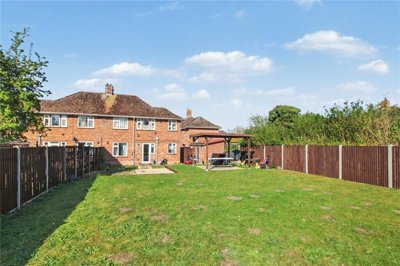
The Norwich private rental sector offers exceptional variety, from Victorian and Edwardian terraced houses with original fireplaces and bay windows in Heigham, Lakenham, and Pottergate to modern luxury apartments in the redeveloped riverside and city centre areas. Purpose-built student accommodation clusters around the University of East Anglia campus and in the inner city, while family houses with gardens predominate in suburbs like Sprowston, Old Catton, and Thorpe St Andrew. Barn conversions and character cottages in nearby villages such as Bramerton, Framingham Earl, and Rackheath appeal to those seeking rural character within daily commuting distance, commanding premium rents for their unique features. New apartments in the St Anne's Quarter, Prince of Wales Road, and alongside the Wensum provide contemporary options with on-site parking and concierge services for those prioritising modern convenience.
From 4.5%
Our team can help you calculate what rent you can afford before beginning your Norwich property search
From £30
Professional referencing services accepted by Norwich letting agents and private landlords
From £60
Energy performance certificates required by law when renting property
From £90
Professional inventory reports protect tenants and landlords from disputes
Understanding the full financial commitment of renting in Norwich helps you budget accurately and avoid surprises during your tenancy. Beyond the monthly rent, new tenants should budget for a security deposit typically set at five weeks' rent, which must be protected in a government-approved scheme by your landlord within thirty days of receiving it. The first month's rent is usually payable in advance before taking occupation, meaning your initial outlay commonly totals six weeks' rent plus moving costs. Our team recommends creating a detailed spreadsheet including all known costs before beginning your property search, ensuring you never commit to a property beyond your true financial capacity.
Ongoing costs to factor into your monthly budget include council tax (Norwich City Council sets annual charges for each property band, ranging from approximately £1,400 for Band A properties up to £4,200 for Band H), utility bills if not included in rent, contents insurance, and television licence fees. The water supply in Norwich is managed by Anglian Water, with sewerage charges appearing on your council tax bill rather than as a separate utility. Internet and mobile phone costs vary by provider and package selected, though full fibre broadband coverage continues to expand across Norwich, with Virgin Media, BT, and Sky all offering competitive deals for the city. Setting aside a contingency fund equivalent to two months' rent provides a sensible buffer against unexpected costs or temporary financial difficulties during your tenancy, a practice our financial advisors consistently recommend for all Norwich renters regardless of their rental history.

Properties to Rent In London

Properties to Rent In Plymouth

Properties to Rent In Liverpool

Properties to Rent In Glasgow

Properties to Rent In Sheffield

Properties to Rent In Edinburgh

Properties to Rent In Coventry

Properties to Rent In Bradford

Properties to Rent In Manchester

Properties to Rent In Birmingham

Properties to Rent In Bristol

Properties to Rent In Oxford

Properties to Rent In Leicester

Properties to Rent In Newcastle

Properties to Rent In Leeds

Properties to Rent In Southampton

Properties to Rent In Cardiff

Properties to Rent In Nottingham

Properties to Rent In Norwich

Properties to Rent In Brighton

Properties to Rent In Derby

Properties to Rent In Portsmouth

Properties to Rent In Northampton

Properties to Rent In Milton Keynes

Properties to Rent In Bournemouth

Properties to Rent In Bolton

Properties to Rent In Swansea

Properties to Rent In Swindon

Properties to Rent In Peterborough

Properties to Rent In Wolverhampton

Enter your details to see if this property is within your budget.
Loans, cards, car finance
Estimated property budget
Borrowing + deposit
You could borrow between
Typical borrowing
Monthly repayment
Est. at 4.5%
Loan-to-value
This is an estimate only. Your actual budget may vary depending on interest rates, credit history, and personal circumstances. For an accurate affordability assessment, speak to one of our free mortgage advisors.
This calculator provides estimates for illustrative purposes only and does not constitute financial advice. Your home may be repossessed if you do not keep up repayments on your mortgage. Estimates based on 4.5% interest rate, repayment mortgage. Actual rates depend on your circumstances.
Homemove is a trading name of HM Haus Group Ltd (Company No. 13873779, registered in England & Wales). Homemove Mortgages Ltd (Company No. 15947693) is an Appointed Representative of TMG Direct Limited, trading as TMG Mortgage Network, which is authorised and regulated by the Financial Conduct Authority (FRN 786245). Homemove Mortgages Ltd is entered on the FCA Register as an Appointed Representative (FRN 1022429). You can check registrations at NewRegister or by calling 0800 111 6768.

We use cookies to show you personalised content and improve your experience of our website. Find out more in our Privacy policy and Cookie policy.