Pick the right path and we'll point you to the next step.
I'm the homeowner
Track this property, get market updates, and list it on Home when you're ready to sell or let.
I'm an estate agent
Claim your branch on Home.co.uk, list your properties for free, and reach buyers actively searching your area.
From riverside apartments to country cottages, search hundreds of thousands of properties for sale, to rent, and recently sold, all enriched with three decades of market data.
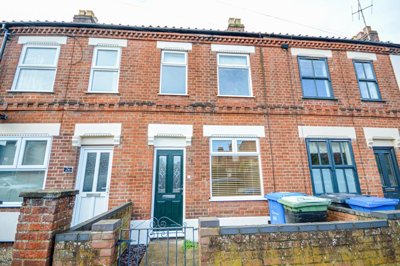
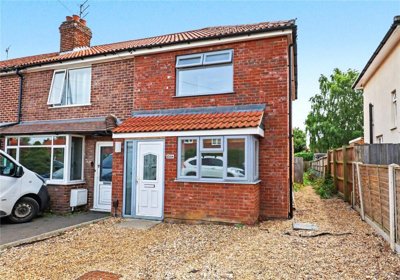
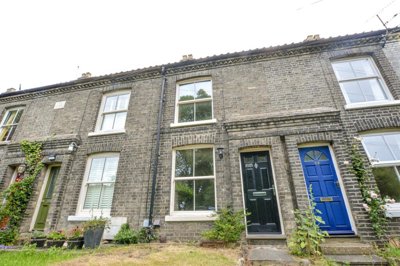
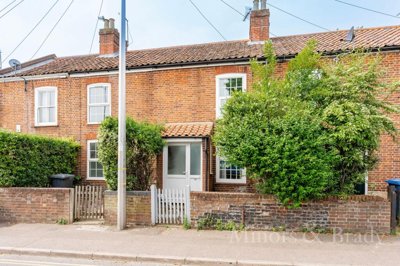
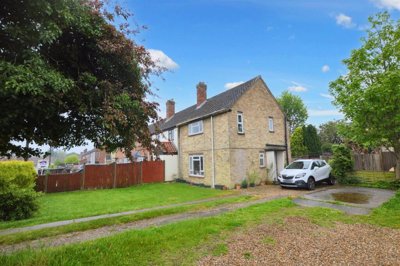
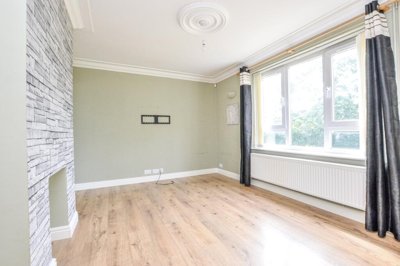
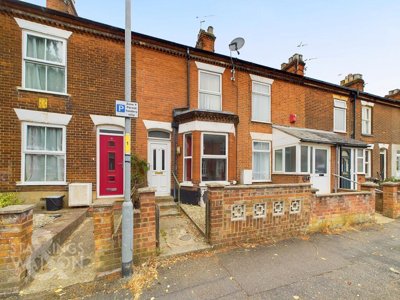
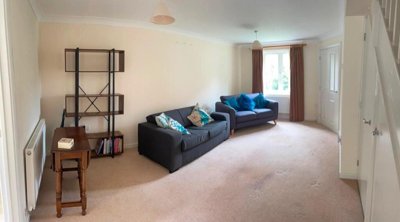
Browse 17 rental homes to rent in Norwich, Norfolk from local letting agents.
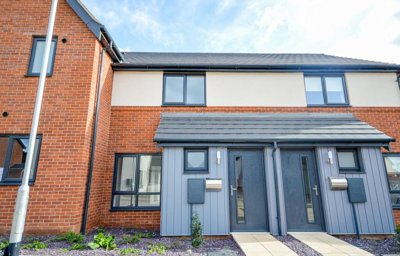
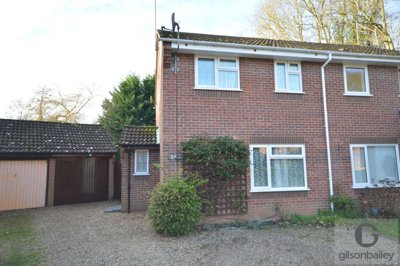
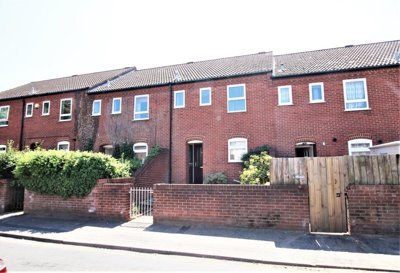
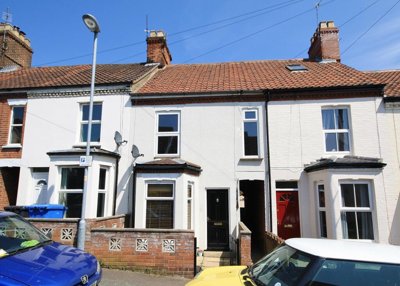
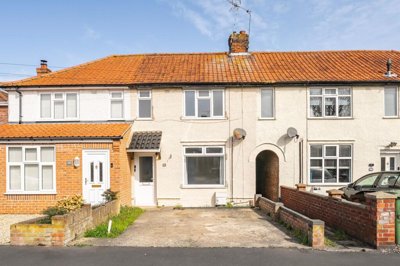
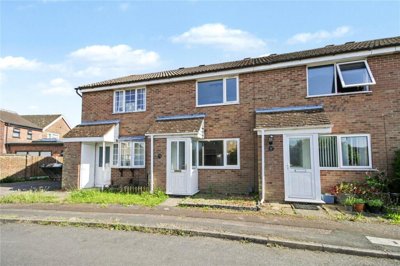
The 2 bed house market features detached, semi-detached, and terraced properties with two separate bedrooms plus living spaces. Properties in Norwich range from Victorian and Edwardian period homes to modern new builds, with pricing varying across different neighbourhoods.
£1,150/m
19
0
72
Source: home.co.uk
Showing 19 results for 2 Bedroom Houses to rent in Norwich, Norfolk. The median asking price is £1,150/month.
Source: home.co.uk
Terraced
19 listings
Avg £1,142
Source: home.co.uk
Source: home.co.uk
homedata.co.uk records 2,700 property sales in Norwich city over the last 12 months, with 10,100 sales across the wider postcode area in the previous twelve months. That is busy enough to suggest a liquid market. For renters, it matters, because strong owner-occupier demand often goes hand in hand with well-kept homes and a regular stream of landlords bringing property to let. Terraced homes still make up a big share of local stock, and the latest sold-price trend shows terraces down 3.3% and flats down 7.1% over the year. Prices have softened, but demand has not disappeared, and some parts of Norwich are now more accessible than they were a year ago.
home.co.uk also shows a broad mix of new-build stock across Norwich. In the centre there is St James Quay, then Woodland Heath in Sprowston, and Cringleford Heights to the south-west. Woodland Heath ranges from £329,995 to £491,995. Roundhouse Gate starts from £324,950. Cringleford Heights runs from £468,995 to £632,995, which points to where higher-spec family houses are clustering. Sewell Meadow, Heather Gardens and The Alders widen the choice again, giving renters more to compare across apartments, terraces and newer family homes. That usually leaves plenty to weigh up, especially if you are balancing commute time, garden space and budget.

Norwich is compact, though it never feels hemmed in. The city centre still sits within its medieval walls and conservation areas, and around 17 conservation areas plus roughly 1,500 listed buildings shape the street scene. You see flint-fronted terraces in one stretch, then brick townhouses or older cottages with lucams and steep roofs in the next. The River Wensum cuts through the walkable core, while routes out towards the suburbs and green spaces stop the place feeling overbuilt. Eaton Park helps. So do the riverside walks. Then there is the cathedral, the castle and the market, which keep weekends occupied.
Geology plays its part in Norwich. Much of the city sits on glacial drift over chalk, with clay-rich soils that shrink and swell as moisture changes. That puts tree cover, drainage and older foundations higher on our checklist, especially in period terraces and converted flats. Brick is the material you will see most often, but flint is common across older Norfolk buildings and gives many homes their distinct appearance. In practice, that leaves a patchwork of traditional masonry, modern render and the odd timber-framed detail across the city.
Rental demand makes more sense once you look at household makeup. Norwich has 25,098 one-person households and 20,646 two-person households, which fits a city shaped by students, graduates, hospital staff, office workers and people moving for jobs at Aviva, Marsh, Swiss Re, Norwich Research Park or the universities. The population is estimated at 147,182. Big enough to support busy local centres, still small enough that plenty of residents know their own high street, park or pub. Day to day, that gives Norwich an even balance between city-centre convenience and quicker access to calmer suburban streets.
There is no single education pocket driving Norwich. It is broader than that. The University of East Anglia, Norwich University of the Arts and City College Norwich all feed a steady student and early-career population, and the UEA keeps over 40% of its graduates in the area. Norwich Research Park adds weight as well, with about 15,000 people working there across Greater Norwich and a clear life sciences and agri-tech base. That combination keeps rental demand active near campus routes, on city bus corridors and in homes with flexible layouts.
School choice changes quickly by postcode, so catchment lines can matter just as much as reputation. This varies street to street, so we go on your exact address rather than a town-wide average. Moving with children changes the search. A shorter school run helps, and so does realistic parking for busy mornings. Renters often find that widening the search slightly can bring more garden space, better storage and quieter streets without cutting off access to the city.

For rail travel, Norwich Station is the main anchor. A lot of renters also depend on the A47 and A11 when they are travelling across Norfolk or into Cambridgeshire. Inside the city, bus routes matter because parking is often tighter on central streets and within conservation areas, especially near older terraces and converted flats. Cyclists usually fare better here than in many East Anglian cities, but secure bike storage or easy ground-floor access is still worth asking about.
If work takes you outside the centre, road access starts to matter more. The ring road helps with cross-city journeys and sidesteps some of the older street layout. Homes close to Norwich Station, the university corridor or main bus routes often suit renters trying to keep commuting costs under control. Inner-city parking can be thin on the ground, so a driveway, an allocated bay or permit eligibility can make a real difference. For a professional household or a family, that calculation can matter as much as the rent.
Before booking viewings, get a rental budget agreement in principle sorted and set your maximum monthly rent and move-in costs. It makes acting quickly much easier when the right Norwich home appears.
Try a few parts of Norwich rather than sticking to one. The city centre, the Golden Triangle, Cringleford, Sprowston and riverside streets each give a different mix of space, parking and walkability.
On every viewing, check natural light, street noise, storage, heating and parking. We would also ask how close the home is to the bus network, Norwich Station or your main commute.
Keep an eye out for damp, condensation, patch repairs, roof issues and any flood wording in the tenancy notes. That matters even more in older property and in homes near the riverside.
Have your ID ready, along with income evidence, guarantor information and previous landlord details. A tidy application can help when good homes are moving fast.
On day one, photograph the inventory, meter readings and any marks already on walls or floors. Then keep copies of the tenancy agreement and repair contacts somewhere safe.
Norwich rewards a careful eye. Its housing stock runs from medieval streets to Victorian terraces and newer infill developments, so condition can shift quickly from one road to the next. Flood risk needs proper attention near the Rivers Wensum and Yare, and surface water is more likely in the west and south-west of the city centre around Unthank Road and Earlham Road, then along the north-south corridor from Catton Grove Road and Oak Lane down towards Magdalen Street. The city also sits on clay-rich ground that can shrink and swell. Cracks, sticking doors and patchy repairs should not be brushed aside. Homes near mature trees, former stream courses or old excavation sites deserve more than a quick look.
Protected status can affect the practical side of renting in Norwich, not just the look of a street. In the city centre, the whole medieval core sits within protected boundaries, and around 1,500 listed buildings plus 24 scheduled monuments mean alterations, windows, external paint colours and even small works may need approval on some streets. Flats need extra questions as well. Service charges, lease terms and ground rent can all shape the real cost, so it is worth asking who pays for what instead of relying on the asking rent alone. A place that looks cheap at first can turn costly if parking, heating efficiency or communal charges are poor.
For a live picture of rents, home.co.uk is the place to check current asking levels because they shift with supply and demand. For wider context, homedata.co.uk records Norwich's average home value at £223,000, which helps explain why central flats and terraces remain so common in the rental market.
In Norwich, council tax follows the standard English bands from A to H, and Norwich City Council is the billing authority. The band is set by the property, not simply by the street, so neighbouring homes can land in different bands. Smaller flats and terraces often sit lower. Larger detached houses are usually higher. It is worth checking the exact band before you set a budget.
For most families, catchment, travel time and the latest inspection report matter more than one headline score. The city also benefits from the University of East Anglia, Norwich University of the Arts and City College Norwich, which strengthens the wider education offer.
For a city of this size, Norwich works well day to day. The station, local buses and the ring road do most of the heavy lifting. Inner-city parking can be tighter, especially around conservation areas, which makes a strong bus route or a secure bike store genuinely useful.
For many renters, yes. Norwich brings together heritage streets, a busy centre and a solid local job market without feeling oversized. homedata.co.uk records show a median home value of £223,000 and 2,700 property sales in the city over the last 12 months, both signs of a market with steady movement. The city also has 147,182 residents, a large student and graduate base, and a wide spread of neighbourhoods, from central flats to family suburbs.
Most renters in England pay a tenancy deposit capped at five weeks' rent where annual rent is under £50,000, then the first month's rent and any holding deposit. Some tenancies may also involve charges for referencing, inventory check-ins or a replacement key if the agreement allows it, but banned fees should not appear. If renting in Norwich later turns into buying, the 2024-25 stamp duty thresholds are 0% up to £250,000, 5% from £250,000 to £925,000, 10% from £925,000 to £1.5 million and 12% above that. First-time buyer relief runs up to £425,000, with a tapered band to £625,000.
Look hard at damp, ventilation, parking and any flood wording in the tenancy notes, especially in riverside areas and older terraces. Norwich has clay-rich ground, and its older housing stock can make cracks, condensation and roof defects more likely than a quick viewing suggests. Ask for the Energy Performance Certificate. Ask for the inventory too, and any repair history, before signing.
Upfront costs catch a lot of movers out. The deposit, the first month's rent and any holding deposit should be in the plan before the search starts. In England, a standard tenancy deposit is usually capped at five weeks' rent when annual rent is under £50,000, which gives you a clear ceiling for comparisons. Reference checks, guarantor paperwork and the inventory can also slow things down if the application is more involved, especially for students or sharers. We usually suggest a rental budget agreement in principle first, because it helps you judge affordability quickly and cuts out wasted viewings.
Anyone comparing renting with buying in Norwich later on should keep the 2024-25 stamp duty thresholds in view. They are 0% up to £250,000, 5% from £250,000 to £925,000, 10% from £925,000 to £1.5 million and 12% above that. First-time buyers get relief up to £425,000, then a 5% band from £425,000 to £625,000, with no relief above £625,000. That matters more to buyers than renters, but it is still useful if you are weighing a move from a flat rental into a purchase in the same neighbourhood. If you are staying put as a renter, the more useful saving is to ask early about bills, parking charges, council tax band and whether white goods are included.
Properties to Rent In London

Properties to Rent In Plymouth

Properties to Rent In Liverpool

Properties to Rent In Glasgow

Properties to Rent In Sheffield

Properties to Rent In Edinburgh

Properties to Rent In Coventry

Properties to Rent In Bradford

Properties to Rent In Manchester

Properties to Rent In Birmingham

Properties to Rent In Bristol

Properties to Rent In Oxford

Properties to Rent In Leicester

Properties to Rent In Newcastle

Properties to Rent In Leeds

Properties to Rent In Southampton

Properties to Rent In Cardiff

Properties to Rent In Nottingham

Properties to Rent In Norwich

Properties to Rent In Brighton

Properties to Rent In Derby

Properties to Rent In Portsmouth

Properties to Rent In Northampton

Properties to Rent In Milton Keynes

Properties to Rent In Bournemouth

Properties to Rent In Bolton

Properties to Rent In Swansea

Properties to Rent In Swindon

Properties to Rent In Peterborough

Properties to Rent In Wolverhampton

Enter your details to see if this property is within your budget.
Loans, cards, car finance
Estimated property budget
Borrowing + deposit
You could borrow between
Typical borrowing
Monthly repayment
Est. at 4.5%
Loan-to-value
This is an estimate only. Your actual budget may vary depending on interest rates, credit history, and personal circumstances. For an accurate affordability assessment, speak to one of our free mortgage advisors.
This calculator provides estimates for illustrative purposes only and does not constitute financial advice. Your home may be repossessed if you do not keep up repayments on your mortgage. Estimates based on 4.5% interest rate, repayment mortgage. Actual rates depend on your circumstances.
Homemove is a trading name of HM Haus Group Ltd (Company No. 13873779, registered in England & Wales). Homemove Mortgages Ltd (Company No. 15947693) is an Appointed Representative of TMG Direct Limited, trading as TMG Mortgage Network, which is authorised and regulated by the Financial Conduct Authority (FRN 786245). Homemove Mortgages Ltd is entered on the FCA Register as an Appointed Representative (FRN 1022429). You can check registrations at NewRegister or by calling 0800 111 6768.

We use cookies to show you personalised content and improve your experience of our website. Find out more in our Privacy policy and Cookie policy.