Powered by Home

Houses To Rent in North Tyneside

Browse 181 rental homes to rent in North Tyneside from local letting agents.

181 listings North Tyneside Updated daily

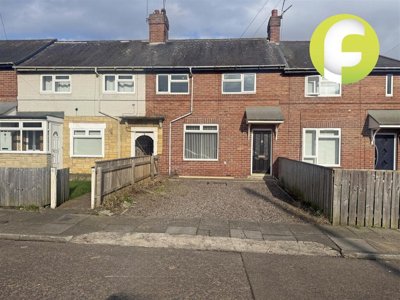
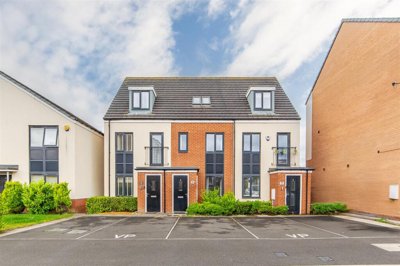
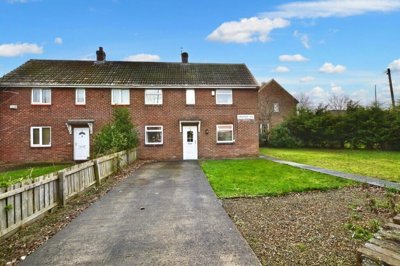
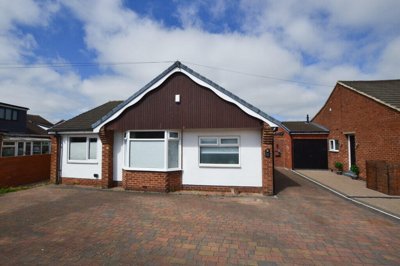
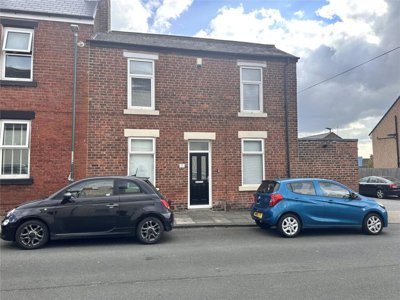
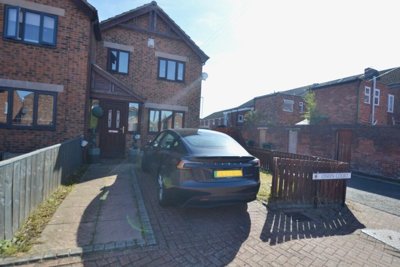
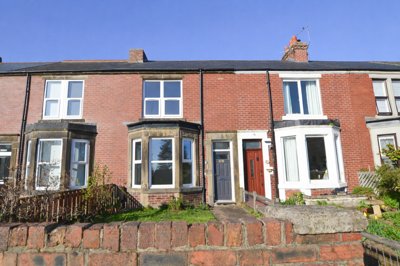
The North Tyneside property market offers detached, semi-detached, and terraced houses spanning various price ranges and neighbourhoods. Each listing includes detailed property information, photographs, and direct contact with the marketing agent.

The Rental Property Market in North Tyneside

The rental property market in North Tyneside reflects the broader dynamics of the North East property sector, offering more affordable options compared to many other UK regions. Current data shows overall average rental prices around £3,270 pcm, with significant variation between property types. Semi-detached homes, which make up a portion of the housing stock, average around £1,296 pcm, while terraced properties typically rent for around £1,560 pcm. Flats remain the most accessible option with average prices around £771 pcm, making them popular among first-time renters and those seeking city-connected living without premium costs. ---NEXT---

Property prices in North Tyneside have shown modest but consistent growth, with the overall market rising approximately 2% over the past year according to home.co.uk listings data, and a 3.9% increase recorded by the ONS between December 2024 and December 2025. Semi-detached properties have been particularly strong performers, rising by 5.0% in the year to December 2025, which often translates to stronger rental demand for this property type. Flats have remained stable over the same period, offering consistent options for renters seeking more affordable accommodation. The market dynamics mean that renters in North Tyneside benefit from relative price stability compared to more volatile regions.

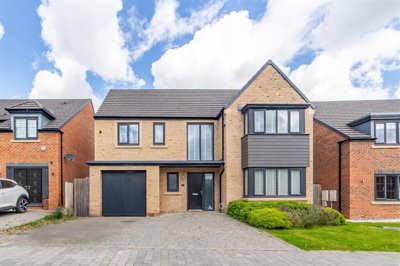
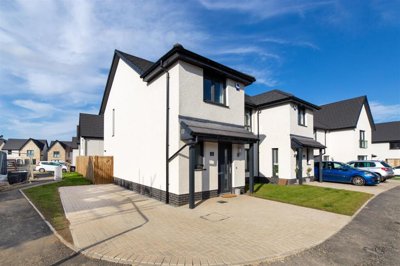
New build activity continues to shape the rental landscape, with developments like Eccleston Park in Backworth offering three, four, and five-bedroom detached and semi-detached homes from around £1,981 pcm for comparable rental properties, while Robinson Fields in North Shields provides additional options from around £1,981 pcm for similar home types. These new developments often feature heritage brick and sandstone finishes, appealing to renters who appreciate quality construction and modern layouts. For renters who prioritize energy efficiency and modern conveniences, new build properties offer significant advantages including lower utility costs and reduced maintenance requirements. We recommend considering both established properties and new builds when searching for your ideal rental home in North Tyneside. ---NEXT---

Find Rentals North Tyneside

Living in North Tyneside

North Tyneside offers an exceptional quality of life that attracts renters from across the region and beyond. The borough encompasses a rich variety of neighbourhoods, from the bustling coastal towns of Tynemouth and Whitley Bay to the quieter suburban streets of Benton and Longbenton. Approximately 34% of the housing stock was built between 1900 and 1949, giving many areas an established character with mature tree-lined streets and traditional architecture, while 51% of properties date from the post-war period through to 1995, offering practical family homes in well-established communities.

The local economy supports diverse employment opportunities, with major companies including Proctor and Gamble, Accenture, EE, and Greggs providing jobs across various sectors. Over 85% of businesses in North Tyneside are micro firms with 0-9 employees, creating a dynamic small business environment that contributes to the area's economic resilience. The largest employment sector in North Tyneside is business administration and support, followed by retail, healthcare, and growing sectors including digital, health and life sciences, and renewable energy. This economic diversity means renters can often find employment locally without commuting to Newcastle, though the city remains easily accessible for those who prefer urban work environments.

The tourism sector plays a significant role in the local economy, attracting approximately 6 million visitors annually and contributing £401 million to the area while supporting over 3,000 full-time jobs. Popular attractions include the stunning coastline at Tynemouth and Whitley Bay, the historic Fish Quay in North Shields, and the beautiful St Mary's Island near Cullercoats. The River Tyne also serves as a key strategic industrial area important for clean energy and green manufacturing growth, with sites like Swans Energy Park and Royal Quays Enterprise Park contributing to the borough's economic development. For renters, this means a vibrant local economy with good employment prospects across multiple sectors. ---NEXT---

North Tyneside has 17 designated Conservation Areas, including Tynemouth Village, Cullercoats, Monkseaton, and Killingworth Village, preserving the character of historically significant neighbourhoods. There are also 226 listed buildings of special architectural or historic interest across the borough, with Tynemouth Ward having the highest concentration at 80 listed buildings. Living in these areas means appreciating traditional architecture and established streetscapes, though it may also involve additional planning considerations for any property modifications.

Rental Search North Tyneside

Schools and Education in North Tyneside

Education provision in North Tyneside serves families well, with a range of primary and secondary schools across the borough. The area maintains several well-regarded educational institutions that consistently achieve positive Ofsted ratings, making North Tyneside attractive to families considering rental properties. Primary schools in areas like Monkseaton, Whitley Bay, and Tynemouth particularly benefit from strong community support and good academic results, while secondary education options include both comprehensive schools and selective grammar school placements for academically able students.

The presence of quality schools influences rental demand significantly, with properties in strong catchment areas often commanding premium rents. Families renting in North Tyneside should research specific school catchment boundaries before committing to a property, as these can vary considerably even within small geographical areas. For older students, further education opportunities are available at colleges in the wider North Tyneside area, while Newcastle's universities are easily accessible for those pursuing higher education. The combination of good local schools and proximity to excellent university facilities makes North Tyneside practical for families at all stages of their educational journey.

The North East region generally features semi-detached and terraced houses as the most frequent property types, which provides practical accommodation for families seeking rental properties near good schools. Family-sized homes with multiple bedrooms in areas with strong educational provision tend to see consistent rental demand throughout the year. We recommend beginning your property search early if school catchment areas are a priority, as availability in popular catchments can be limited. Contacting local schools directly or consulting North Tyneside Council's admission policies can provide clarity on specific catchment boundaries and any applicable priority criteria.

Rental Properties North Tyneside

Transport and Commuting from North Tyneside

Transport connectivity ranks among North Tyneside's strongest advantages for renters who need to commute or travel regularly. The Tyne and Wear Metro system provides efficient rail connections throughout the borough, linking communities including Tynemouth, Whitley Bay, North Shields, and Benton directly to Newcastle city centre. Metro services run frequently throughout the day, with journey times from Tynemouth to Newcastle Central taking approximately 30 minutes, making car-free commuting highly practical for city workers. The Metro also extends to Newcastle Airport, providing international travel connections for business and leisure travellers.

Local bus services operated by Stagecoach and other providers offer additional routes throughout North Tyneside, connecting areas less well-served by the Metro system. Bus routes cover communities including West Moor, Wide Open, and other residential areas that fall between Metro stations. For those who drive, the A19 trunk road passes through the eastern part of the borough, providing rapid access to Sunderland and the wider North East road network. The River Tyne tunnel provides additional crossing capacity, reducing congestion on older routes and improving connectivity across the region.

The combination of excellent public transport and road connections makes North Tyneside particularly attractive to commuters working in Newcastle, Sunderland, or across the wider North East region. Many renters find that living in coastal areas like Tynemouth or Whitley Bay provides an excellent quality of life while maintaining practical access to employment in urban centres. We recommend testing your typical commute before committing to a rental property, particularly if you plan to use public transport regularly. Journey planning apps and local transport authority websites can provide up-to-date information on routes, frequencies, and any planned service changes.

Renting Guide North Tyneside

What to Look for When Renting in North Tyneside

Prospective renters in North Tyneside should be aware of several local factors that can affect their tenancy experience and property condition. Flood risk represents a significant consideration, as North Tyneside faces challenges from coastal, river, and surface water flooding. The North Sea coast at Whitley Bay, Cullercoats, and Tynemouth experiences flood risk during high tides and severe weather conditions, with specific at-risk locations including the Whitley Sands Refreshment Kiosk, Robinson Crusoe's Cafe at Tynemouth Longsands, Tynemouth Sailing Club, and the area around Cullercoats Bay. The River Tyne estuary areas can also be affected by tidal surges, particularly around the Quayside and Lower Derwenthaugh areas.

Surface water flooding poses particular concern, with approximately 2,500 properties potentially at risk during significant rainfall events. The borough experienced extensive surface water flooding in 2012 that highlighted local susceptibility to this type of flooding. We strongly recommend checking specific flood risk for your intended postcode through government flood maps before committing to a rental property. Properties in areas with elevated flood risk may require additional contents insurance considerations, and tenants should understand their responsibilities regarding flood prevention measures during their tenancy.

The local geology presents another consideration for renters, as North Tyneside is predominantly underlain by the Pennine Middle Coal Measures Formation with interbedded grey mudstones and pale grey sandstones. The northern section of the borough features slowly permeable seasonally wet clay soils that can affect property foundations, particularly for older buildings or those with changes in drainage patterns. While clay-related ground movement is generally less severe in northern Britain compared to southern regions due to older, less water-absorbent clay formations, renters considering properties in areas with potential shrink-swell clay should factor this into their decision-making. Properties in the borough's 17 designated Conservation Areas, including Tynemouth Village, Cullercoats, and Monkseaton, may have additional planning restrictions affecting alterations or extensions.

Rental Market North Tyneside

How to Rent a Home in North Tyneside

1

Get Your Finances in Order

Before viewing properties, obtain a rental budget agreement in principle to understand how much rent you can afford. Most landlords require tenants to demonstrate income at least 2.5 to 3 times the monthly rent, and having proof of financial capacity strengthens your application in competitive rental situations. Consider any additional costs such as council tax, utilities, and contents insurance when calculating your overall housing budget. Getting pre-approved for your rental budget helps you focus your search on properties you can genuinely afford.

2

Research the Neighbourhood

Spend time exploring different areas within North Tyneside to find the community that suits your lifestyle. Consider proximity to work, schools if relevant, public transport connections, local amenities, and factors like flood risk for specific postcodes. Visit at different times of day to gauge noise levels and atmosphere, and speak to local residents about their experiences in the neighbourhood. Each area in North Tyneside has distinct characteristics, from the bustling coastal atmosphere of Tynemouth to the suburban quiet of Benton and Longbenton.

3

Arrange and Attend Viewings

Once you have identified suitable properties, arrange viewings through local estate agents and landlords. Prepare questions about the property condition, tenancy terms, included fixtures and fittings, and any potential upcoming changes to the property. Take notes and photographs to help compare options later, and don't hesitate to ask about the reason for the property becoming available. We recommend viewing multiple properties before making a decision, as this helps you understand the range of options available in your target areas.

4

Submit Your Application

When you find a property you want, complete the application process promptly. This typically involves providing references, proof of identity, employment verification, and permission for credit checks. First-time renters should also arrange tenant referencing through a specialist provider to streamline the process. Having your documentation ready in advance can significantly speed up the application process and improve your chances of securing a popular property.

5

Sign Your Tenancy Agreement

Once your application is approved, carefully review the tenancy agreement before signing. Check the tenancy length, rent amount and payment dates, deposit amount and protection scheme details, responsibilities for repairs and maintenance, and any clauses regarding pets or modifications. Your deposit must be protected in a government-approved scheme within 30 days of receiving it, and you should receive written confirmation of which scheme is being used. Don't rush this step, as the tenancy agreement is a legally binding contract.

6

Complete the Moving-In Process

Arrange inventory check at the start of your tenancy to document the property condition thoroughly. Your deposit must be protected in a government-approved scheme within 30 days of receiving it, and you should receive information about which scheme is being used. Set up utility accounts, council tax, and any other recurring payments before moving in, and take meter readings on your first day. Keep copies of all correspondence and documentation related to your tenancy for your records.

Deposit and Fees for Renting in North Tyneside

Understanding the costs involved in renting a property in North Tyneside helps you budget effectively and avoid surprises. The most significant upfront cost is usually the security deposit, which is typically equivalent to five weeks rent. For a typical 2-bedroom property averaging £1,043 pcm, this would amount to approximately £1,200. This deposit must be protected in a government-approved scheme by your landlord within 30 days of receiving it, and you should receive information about which scheme is being used. The deposit protection scheme ensures you can receive it back at the end of your tenancy, minus any legitimate deductions for damage or unpaid rent. If your landlord fails to protect your deposit correctly, they can face financial penalties. ---NEXT---

Beyond the deposit, renters should budget for additional fees including tenant referencing costs, which typically range from £150 to £250 depending on the provider and depth of checks required. Some landlords and letting agents charge administration fees, though these have become less common following transparency regulations introduced to protect tenants. You will also need to budget for the first month's rent in advance, plus potential moving costs, contents insurance, and ongoing utility bills. First-time renters may be eligible for support through government rental schemes, though eligibility criteria apply. ---NEXT---

The deposit protection schemes operating in England include the Deposit Protection Service, MyDeposits, and the Tenancy Deposit Scheme. Your landlord must place your deposit in one of these schemes and provide you with the prescribed information within 30 days of receiving it. At the end of your tenancy, you should receive your deposit back within 10 days of agreeing on any deductions. If there is a dispute about deposit deductions, the scheme provides a free dispute resolution service. Getting a clear breakdown of all costs before committing to a tenancy helps ensure a smooth start to your new home in North Tyneside.

Find Rentals North Tyneside

Frequently Asked Questions About Renting in North Tyneside

What is the average rental price in North Tyneside?

While specific rental price data was not available in the current research, North Tyneside benefits from more affordable property prices compared to many UK regions, with average sale prices around £248,745. Rental prices typically correlate with sale prices in an area, meaning North Tyneside offers competitive rents relative to cities like London or the South East. Flats and one-bedroom properties generally command lower rents, while family homes with multiple bedrooms will attract premium prices, particularly in desirable areas like Tynemouth and Whitley Bay. Contact local estate agents for current rental listings to get accurate pricing for specific property types. ---NEXT---

What council tax band are properties in North Tyneside?

Council tax bands in North Tyneside range from Band A through to Band H, with the majority of properties falling in the lower to middle bands due to the area's more affordable property values compared to national averages. The specific band depends on the property's assessed value, with Band A being the lowest and Band H the highest. North Tyneside Council manages local council tax collection, and all tenants are responsible for paying council tax during their tenancy unless otherwise agreed with the landlord. You can check the council tax band for a specific property through the Valuation Office Agency website before committing to a tenancy.

What are the best schools in North Tyneside?

North Tyneside offers several well-regarded educational institutions across primary and secondary levels. Areas like Monkseaton, Whitley Bay, and Tynemouth particularly benefit from schools with strong academic records and positive Ofsted assessments. Families should research specific school catchments, as admission policies typically prioritize children living within defined geographic areas. The presence of quality educational options makes North Tyneside popular among families, so renting near popular schools may involve higher competition for available properties. Checking current Ofsted reports and admission policies on the North Tyneside Council website helps you make informed decisions about school catchment areas.

How well connected is North Tyneside by public transport?

North Tyneside enjoys excellent public transport connections through the Tyne and Wear Metro system, which serves major communities including Tynemouth, Whitley Bay, North Shields, and Benton with direct links to Newcastle city centre. Metro services run frequently throughout the day and evening, making car-free commuting highly practical. Local bus services operated by Stagecoach and others provide additional coverage for areas beyond the Metro network. Newcastle Airport is accessible via Metro, offering domestic and international flight connections for business and leisure travel.

Is North Tyneside a good place to rent in?

North Tyneside offers excellent value for renters seeking quality homes in a well-connected location with strong local amenities. The borough combines coastal living with practical urban access, diverse employment opportunities from major employers including Greggs, EE, and Accenture, and a range of properties from affordable flats to family homes. The local economy supports approximately 6 million visitors annually, generating £401 million in tourism value and creating jobs that sustain rental demand. The presence of good schools, extensive transport links, and varied neighbourhoods means renters can find options to match most requirements and budgets. ---NEXT---

What deposit and fees will I pay on a property in North Tyneside?

Renters in North Tyneside typically pay a security deposit equivalent to five weeks rent. For a typical 2-bedroom property averaging £1,043 pcm, this would amount to approximately £1,200, which must be protected in a government-approved scheme within 30 days. Additional costs include tenant referencing fees of approximately £150 to £250, plus the first month's rent in advance. Some landlords may charge administration fees, though these have become less common following recent regulations. First-time renters should budget for moving costs and set up utility accounts, council tax, and contents insurance alongside their tenancy commitments. ---NEXT---

What flood risk considerations should I know about when renting in North Tyneside?

North Tyneside faces significant flood risk from coastal, river, and surface water sources that prospective renters should understand. Coastal areas at Whitley Bay, Cullercoats, and Tynemouth can experience flooding during high tides and severe weather events, with specific at-risk locations including popular cafes and sailing facilities along the coast. River Tyne estuary areas may be affected by tidal surges. Surface water flooding represents a particular concern, with approximately 2,500 properties potentially at risk during significant rainfall events, and the borough experienced extensive flooding in 2012. Checking specific flood risk for your intended postcode through government flood maps helps inform your property selection.

What types of properties are available to rent in North Tyneside?

North Tyneside's housing stock includes a good variety of property types suitable for different rental requirements. Semi-detached homes comprise approximately 33.8% of the housing stock, making them the most common property type and offering practical family accommodation. Flats and maisonettes account for about 24.8% of properties, providing more affordable rental options particularly popular with young professionals and first-time renters. Terraced properties offer a middle ground, while detached homes and bungalows provide options for those seeking more space or quieter residential settings.

Are there any new rental developments in North Tyneside?

Several new housing developments in North Tyneside offer modern rental options for tenants seeking contemporary accommodation. Robinson Fields in North Shields by Story Homes provides three, four, and five-bedroom detached and semi-detached homes from around £1,981 pcm for comparable rental properties, while Woodland Edge in Killingworth Village from Ashberry Homes offers a mix of two to five-bedroom homes from around £1,043 pcm for 2-bedroom properties. These new developments typically feature heritage brick and sandstone finishes alongside modern internal layouts. New build properties often provide superior energy efficiency, which can result in lower utility bills for renters, though availability for rent rather than purchase may vary.

Browse Homes to Rent Across the UK

Terms of use Privacy policy All rights reserved © homemove.com | Properties to Rent » England » North Tyneside

Homemove is a trading name of HM Haus Group Ltd (Company No. 13873779, registered in England & Wales). Homemove Mortgages Ltd (Company No. 15947693) is an Appointed Representative of TMG Direct Limited, trading as TMG Mortgage Network, which is authorised and regulated by the Financial Conduct Authority (FRN 786245). Homemove Mortgages Ltd is entered on the FCA Register as an Appointed Representative (FRN 1022429). You can check registrations at NewRegister or by calling 0800 111 6768.