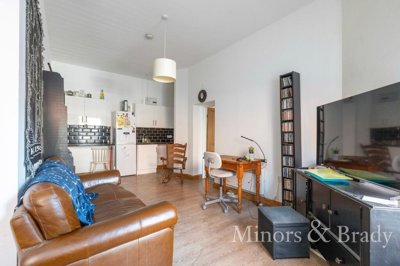
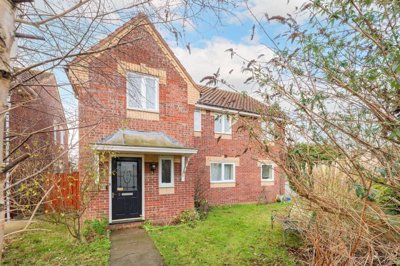
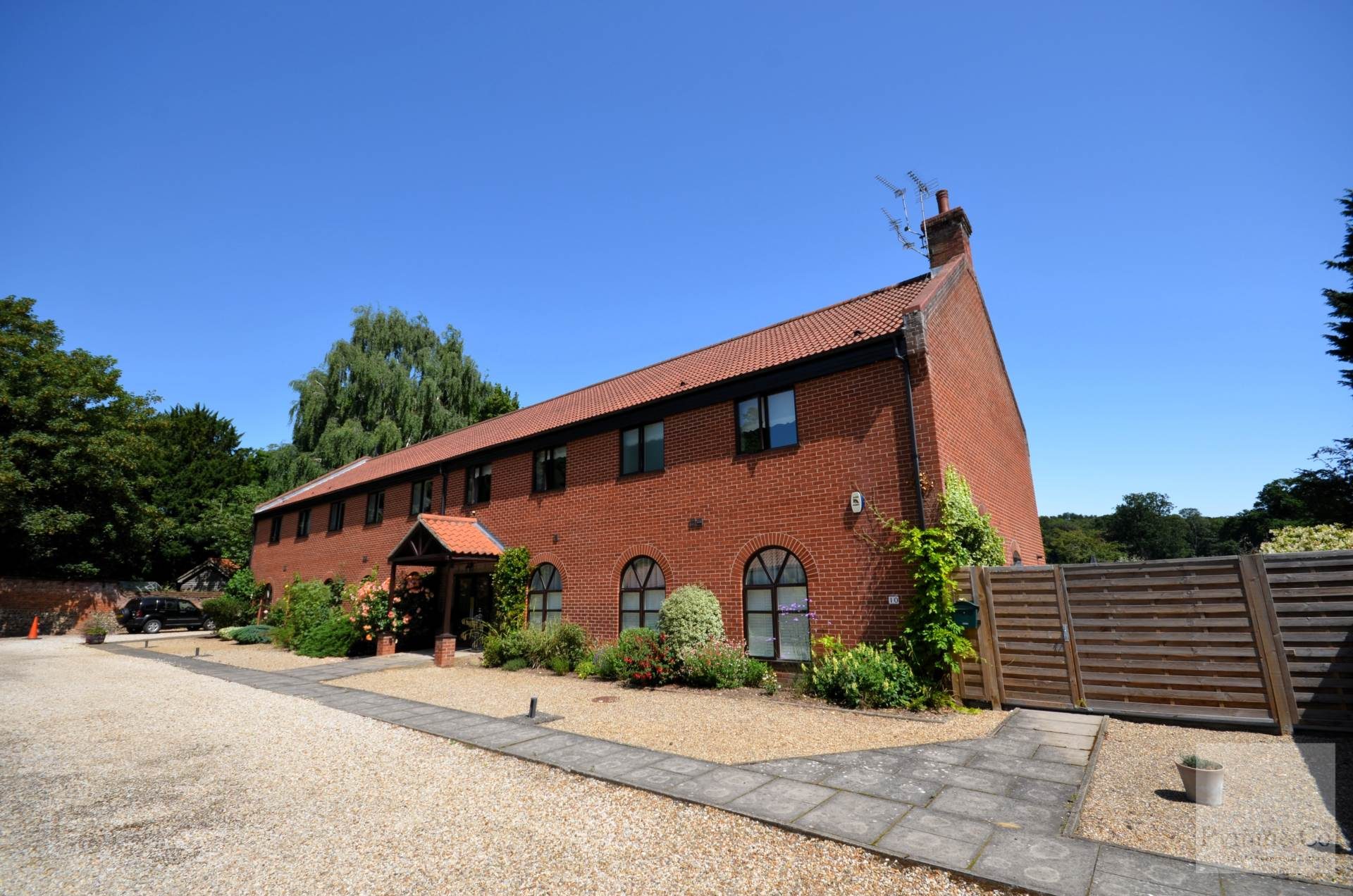
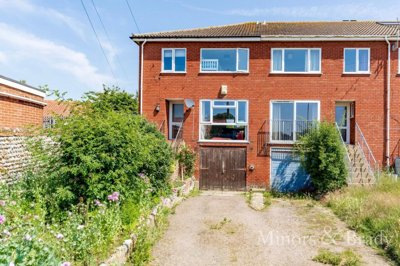
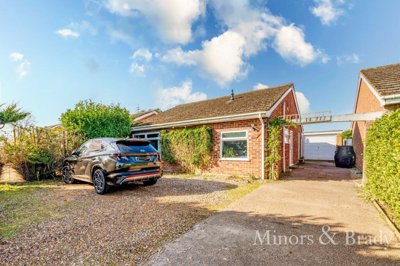
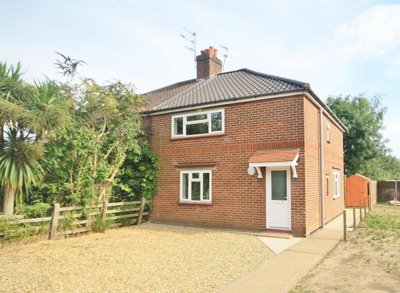
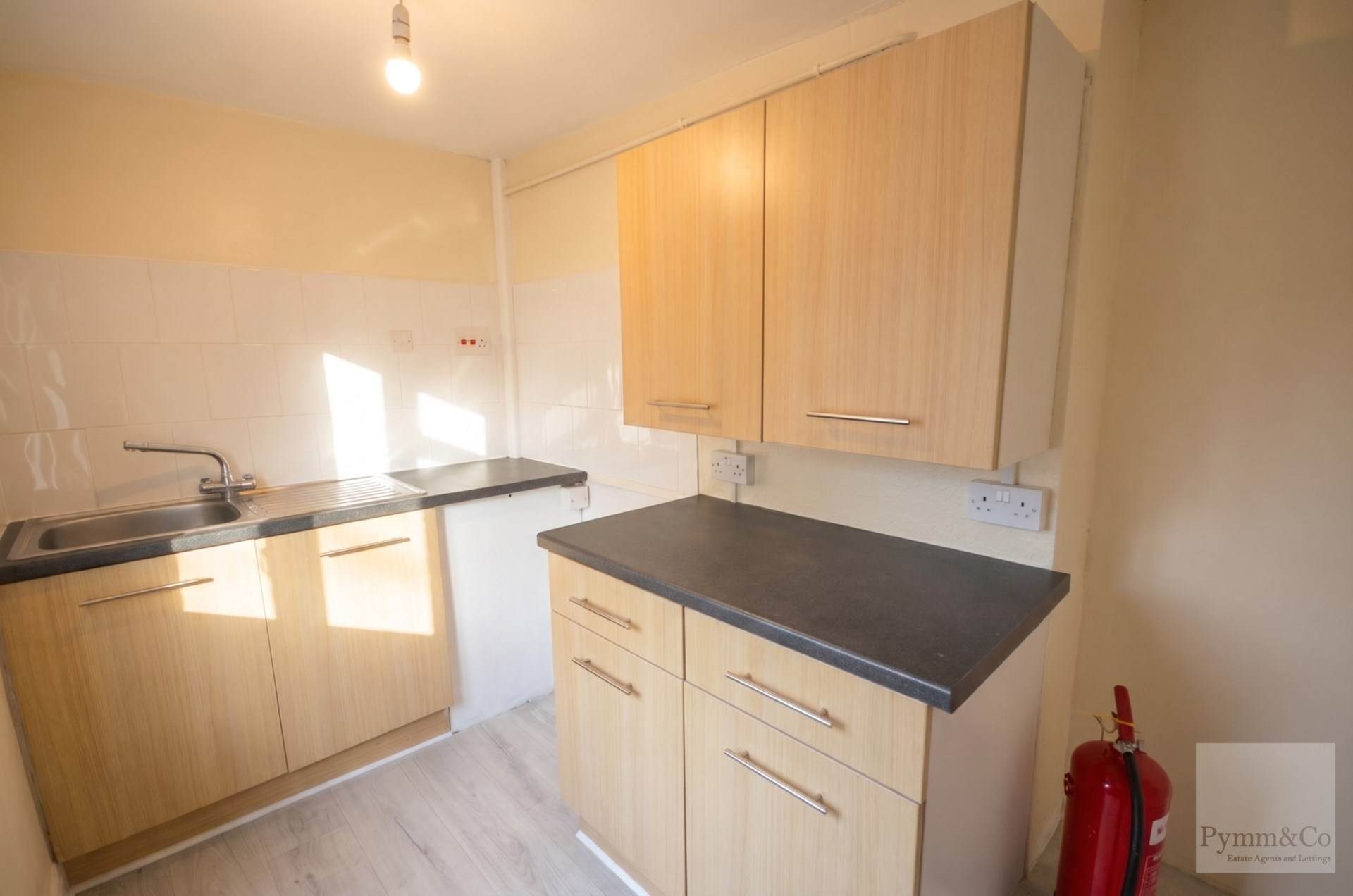
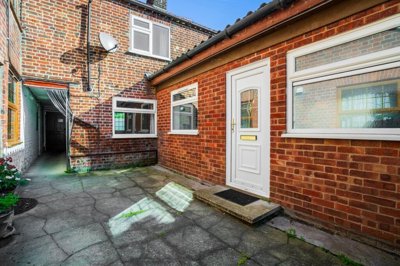
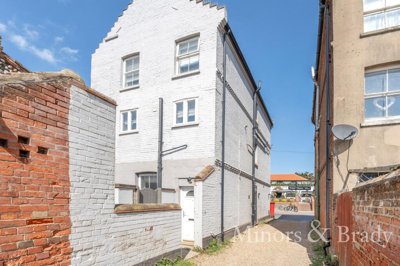
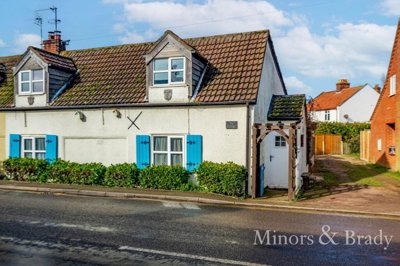
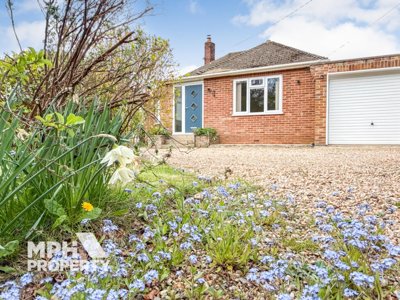
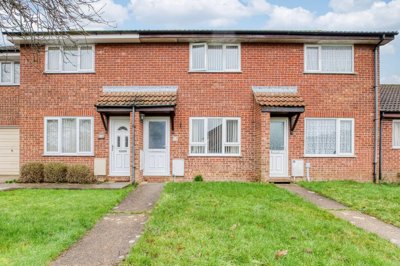
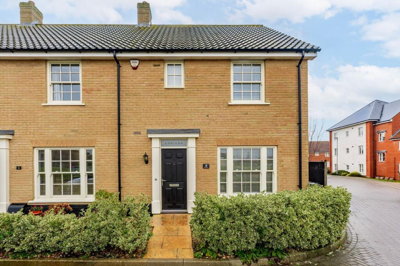
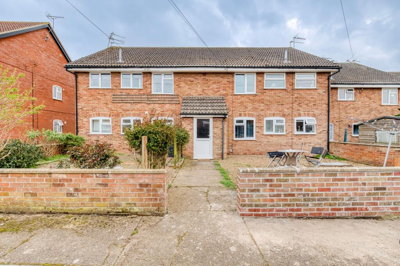
Browse 142 rental homes to rent in North Norfolk from local letting agents.
While comprehensive rental price data for North Norfolk requires direct consultation with local letting agents, the sales market provides valuable context for the broader property landscape. The average house price in North Norfolk was £289,000 in December 2025, reflecting a 3.6% decrease from the previous year, which indicates a market that has seen some cooling following post-pandemic peaks. home.co.uk reported an overall average of £356,942 over the last year, which was 5% down on the previous year and 7% down on the 2022 peak of £385,845, while home.co.uk reported an average price paid of £342,000 as of February 2026, representing a fall of 9.0% over the last 12 months.
For homes purchased with a mortgage, the average price stood at £281,000 in December 2025, with first-time buyers paying approximately £236,000 on average. These figures suggest that rental properties in the area are likely to span a wide range of price points, from more affordable terraced homes and flats to premium detached properties in desirable coastal locations. The median property price to median earnings ratio in North Norfolk was 10 in 2024, compared to the England and Wales ratio of 7.54, indicating that external wealth and second-home ownership play a significant role in the local market.
Property types available to rent in North Norfolk are diverse, reflecting the area's varied architectural heritage. Detached properties command the highest prices, with an average of £402,000 in the sales market, while semi-detached homes average £268,000 and terraced properties around £225,000. Flats and maisonettes remain the most affordable option at an average of £153,000. Across Norfolk county, the sales split was 39.9% detached, 26.0% semi-detached, 25.0% terraced, and 9.0% flats, a distribution that provides a useful guide to the rental market composition. Renters will find that this mix translates to similarly varied rental options, from compact flats in market towns to spacious family homes with generous gardens.
The presence of traditional thatched cottages, Victorian townhouses, and modern developments ensures that North Norfolk caters to different tastes and budgets. New build activity in the area includes developments such as modern detached houses on Brick Kiln Road in Fakenham, indicating that contemporary rental options are also available. The new build price across Norfolk county averaged £349,000 in December 2025, with most new properties selling in the £300,000-£400,000 price range.

North Norfolk is a district that captures the essence of traditional English countryside and coastal living. The area is characterised by its stunning landscapes, from the dramatic chalk and limestone cliffs of Hunstanton to the sweeping beaches of Wells-next-the-Sea and the tranquil waterways of the Norfolk Broads. Hunstanton's distinctive striated cliffs, formed from limestone and chalk, create one of the most photographed coastal scenes in Norfolk and reflect the unique geology that has shaped local building materials over centuries. The region is home to a network of picturesque market towns and villages, many of which feature conservation areas and listed buildings that preserve the architectural heritage of the area.
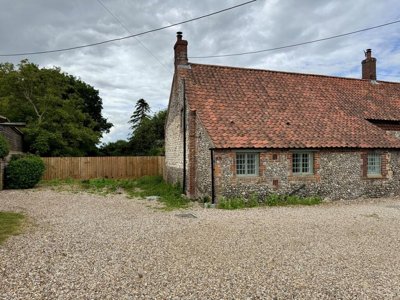
Traditional building materials such as flint, red brick, and thatch dominate the vernacular architecture, giving villages like Syderstone and the surrounding countryside an unmistakable charm that renters find deeply appealing. A Grade II Listed cottage dating back to 1830 in Syderstone exemplifies the quality of historic properties available in desirable villages near the North Norfolk coastline. The district's commitment to preserving its architectural heritage means that renting in North Norfolk often means living in buildings with genuine character and history, from Victorian terraces in Cromer to converted barns in the surrounding farmland.
The demographic character of North Norfolk is distinctive, with one of the oldest populations in England and the highest levels of outright home ownership in the country, with 49.9% of homes owned outright in 2024. This reflects the area's appeal to those seeking a peaceful, established community with excellent healthcare facilities and a slower pace of life. The presence of the Sandringham Estate adds a touch of royal heritage to the district, while the strong tourism industry supports a vibrant local economy centred on hospitality, food, and visitor attractions. Second-home ownership is significant in coastal areas, creating a seasonal rhythm to community life that brings both visitors and economic activity throughout the year.
For renters, this means access to excellent pubs, restaurants, and cultural events, while still enjoying the intimacy of a close-knit neighbourhood where neighbours become friends. The area's market towns offer weekly farmers' markets, independent shops, and community events that foster a strong sense of belonging. Cromer's Victorian pier and seafront attractions, Holt's independent shopping district, and the maritime heritage of Sheringham and Blakeney all contribute to a rich cultural life that enhances the appeal of renting in this part of Norfolk.

Families considering renting in North Norfolk will find a range of educational options across the district. Primary education is well-served through a network of village schools and larger primary schools in market towns, many of which have good Ofsted ratings and strong community ties. The area's commitment to education is evident in the investment put into local schools, which often benefit from smaller class sizes and dedicated teaching staff who know their pupils well. Village primary schools in communities like Salle, Aldborough, and Gimingham provide intimate learning environments, while larger primaries in towns such as Holt and Cromer serve wider catchment areas.
Secondary education is provided through secondary schools in towns such as Cromer Academy, where students can access a broad curriculum and extracurricular activities including sports, music, and drama. The school serves students from across the northern part of the district and offers a range of GCSE and A-level courses. Stalham High School serves the eastern areas of North Norfolk, providing another option for secondary education in the district. For families prioritising academic excellence, the presence of grammar schools in Norfolk provides additional options, with schools such as King Edward VII School in King's Lynn and Norwich High School for Girls offering selective admission based on the eleven-plus examination and catchment areas that may extend into parts of North Norfolk.
Sixth form provision is available at secondary schools in larger towns, while further and higher education opportunities are accessible in Norwich, approximately 30 minutes from most North Norfolk towns. The University of East Anglia in Norwich offers a full range of undergraduate and postgraduate courses, making it a practical option for older children and adult learners. The Norfolk and Norwich University Hospital provides healthcare training opportunities, while Norwich City College offers vocational courses. Renting families should research specific school catchments and admission policies, as these can significantly influence property desirability in particular villages and towns throughout the district.

Transport connectivity is a key consideration for renters in North Norfolk, and the area offers a range of options for getting around. The Bittern Line railway connects Cromer, Sheringham, Roughton Road, and other coastal towns to Norwich, providing a scenic and convenient commute for those working in the city. Journey times from Sheringham to Norwich take approximately 30 minutes, making day-to-day commuting feasible for professionals who prefer coastal living. The line passes through attractive countryside, offering passengers views of rolling farmland and coastal scenery that make the journey itself a pleasure rather than a chore.
The North Norfolk coast is well-served by the Coast Hopper bus service, which links the seaside villages and is popular with tourists and residents alike, reducing car dependency for daily errands. Local bus services connect market towns with surrounding villages, though frequency can be limited in more rural areas. For those who need to travel further afield, Norwich provides direct rail connections to London Liverpool Street, with journey times of approximately two hours. Norwich Airport offers domestic flights and some European connections, expanding travel options for business and leisure travellers who need to reach destinations beyond the rail network.
Within North Norfolk itself, car travel remains the primary means of getting around, and renters should factor in the cost of vehicle ownership when budgeting for a tenancy. Parking availability varies by town, with coastal areas particularly busy during peak season and summer weekends. Cromer and Sheringham offer public car parks, though these fill quickly during holidays and events. Cyclists will find scenic routes across the district, and the National Cycle Network passes through parts of North Norfolk, offering car-free alternatives for commuting and recreation along traffic-calmed lanes and coastal paths. For those working remotely, fast broadband availability varies across the district, with some rural villages still relying on slower connections.

Before searching for properties, arrange a rental budget agreement in principle from a reputable lender. This demonstrates to landlords that you are a serious tenant with the financial capacity to meet monthly rent payments. Given the desirability of North Norfolk and its relatively high property price-to-earnings ratio of 10, competition for quality rental properties can be strong, so having your finances arranged in advance gives you a competitive edge.
Explore the different towns and villages within North Norfolk to find the area that best suits your lifestyle. Consider factors such as distance to work, school catchments, access to amenities, and proximity to the coast. Cromer offers convenience and amenities, Holt provides a vibrant independent shopping scene, while villages like Burnham Market appeal to those seeking a quieter pace of life. Take time to visit different areas before committing to a tenancy.
Use Homemove to browse available rental properties across North Norfolk. Once you have identified properties of interest, arrange viewings to assess their condition, location, and suitability. Take notes and photographs to help compare options, and don't hesitate to ask the letting agent about the property's flood risk history, recent renovations, or any issues with the building's structure or utilities.
When you find a property you wish to rent, submit your application through the letting agent or landlord. Be prepared to provide references, proof of income, and identification. Tenant referencing services can help streamline this process and strengthen your application, and arranging this in advance can speed up the tenancy process considerably.
Before signing, carefully review the tenancy agreement, paying attention to the length of the tenancy, rent amount and payment schedule, deposit amount and protection arrangements, and any clauses relating to pets, smoking, or modifications. North Norfolk's older housing stock may include properties with restrictions related to listed building status or conservation area requirements, so clarify what changes you are permitted to make during your tenancy.
Once your application is approved and contracts are signed, arrange your move. On the day you collect your keys, complete a thorough inventory check with the landlord or letting agent to document the condition of the property and protect your deposit at the end of the tenancy. For older properties, take particular care to note any existing wear and tear, as well as the condition of features like thatched roofs, flint walls, or period fireplaces that may require specialist maintenance.
Renting in North Norfolk comes with specific considerations that differ from urban areas. The district's coastal location means that flood risk is a relevant factor for some properties, particularly those near the shoreline in areas like Wells-next-the-Sea, Stiffkey, or close to the Norfolk Broads. The region contains parts of the Broads characterised by picturesque waterways and inherent river and surface water flooding risk. Before committing to a tenancy, prospective renters should inquire about the property's flood history and whether it lies within a flood risk zone, as coastal erosion is also a known issue along parts of the Norfolk coastline. Properties with elevated flood risk may require specialist insurance, and renters should consider whether their belongings are adequately covered under their own contents policy.
The age and character of North Norfolk's housing stock is another important consideration. The district has a high proportion of older properties, including Victorian terraces, Edwardian semis, and traditional cottages dating back to the early nineteenth century. The presence of thatched roofs, common in conservation villages like Syderstone and throughout the district, introduces specific maintenance considerations and potential insurance implications. While these homes are full of character, they may require more maintenance than newer properties and could have issues such as damp, outdated electrics, or poor insulation. Solid wall construction methods used in older properties often result in less effective thermal performance than modern builds, meaning higher energy costs during Norfolk's cold winters.
Renters should view properties carefully and request information about the condition of the roof, heating system, and any recent renovations. A RICS Level 2 Survey can identify defects in older properties before you commit to a tenancy, potentially saving thousands in unexpected repair costs. Listed buildings and properties in conservation areas may have restrictions on modifications, so it is worth clarifying what changes you are permitted to make during your tenancy and whether the landlord has made any recent improvements to insulation, heating, or double glazing that might affect your comfort and energy bills.
Common defects in North Norfolk's older properties include rising damp in properties without modern damp proof courses, roof condition issues in thatched properties requiring specialist roofers, timber defects such as rot and woodworm in structural beams and floorboards, and outdated electrics that may not meet current safety standards. Properties built before modern building regulations may have plumbing systems that struggle with water pressure in upland areas. Requesting evidence of recent electrical testing, gas safety certificates, and energy performance certificates can help you assess the condition of a property before committing to a tenancy.

While comprehensive rental price data requires consultation with local letting agents, the broader North Norfolk property market provides useful context. The average house price was £289,000 in December 2025, with detached properties averaging £402,000 and flats around £153,000. Rental prices will vary based on property type, size, location, and condition, with coastal properties in villages like Brancaster, Burnham Market, and Blakeney typically commanding premium rents due to strong demand from second-home buyers and holidaymakers. Properties in market towns like Holt and Cromer offer more accessible rental options, while village locations may provide better value for those willing to commute.
Council tax bands in North Norfolk are set by North Norfolk District Council. Bands range from A to H, with most residential properties falling in bands A through D, though larger detached homes and period properties in desirable locations may fall into higher bands. Exact bands vary by property, and prospective renters should check with the local council or property listing for specific band information. Council tax bills typically include charges for refuse collection, police, and local services. Some older, character properties may have higher heating costs due to less efficient insulation, so factor these ongoing costs into your overall budget when comparing rental properties.
North Norfolk offers a range of primary and secondary schools, with many primary schools achieving good or outstanding Ofsted ratings. Village primaries such as those in Salle and Aldborough provide intimate learning environments, while larger primary schools in Holt and Cromer serve wider catchments. Cromer Academy serves secondary students from across the northern part of the district, offering GCSE and A-level courses alongside extracurricular activities. Families should research specific school catchments and admission criteria, as popular schools can fill quickly. Grammar schools in Norfolk operate selective admission based on eleven-plus results, with catchment areas that may include parts of North Norfolk for some schools.
North Norfolk is served by the Bittern Line railway, connecting Cromer, Sheringham, and Roughton Road to Norwich in approximately 30 minutes. The Coast Hopper bus service provides connections between coastal villages and seaside towns, though rural bus services may have limited frequency outside peak hours. Norwich offers direct rail services to London Liverpool Street with journey times of approximately two hours. However, car travel remains essential for accessing many rural areas, amenities, and attractions within the district, particularly for those living in villages away from the main transport corridors.
North Norfolk is widely regarded as an excellent place to live, offering a high quality of life in a beautiful coastal and rural setting. The area is characterised by strong community spirit, low crime rates, and excellent access to natural landscapes including beaches, chalk hills, and the Norfolk Broads. The Sandringham Estate adds royal heritage to the district, while market towns like Holt and Cromer offer independent shops, restaurants, and cultural events. Renting in North Norfolk is suitable for families, professionals, and retirees alike. Prospective renters should be aware of seasonal tourism traffic in coastal areas during summer and school holidays, the higher cost of living compared to some urban centres, and the property price-to-earnings ratio of 10 which reflects the area's desirability.
As of April 2024, the government cap on deposits means that most residential tenancies require a deposit equivalent to five weeks' rent, capped at £2,250 for properties with annual rent below £50,000. This means that for a property renting at £800 per month, the maximum deposit would be £2,000. Tenants are also protected from unreasonable holding fees, though referencing costs may apply. A holding deposit to secure a property is typically limited to one week's rent. Before viewing properties, obtaining a rental budget agreement in principle demonstrates financial readiness and strengthens your application in a competitive market where quality rental properties can attract multiple interested tenants.
From 4.5% APR
Arrange your finances before searching for properties to rent. Demonstrates serious intent to landlords.
From £99
Complete referencing checks to strengthen your rental application. Required by most landlords and letting agents.
From £350
Identify defects in older properties before committing to a tenancy. Essential for thatched cottages and listed buildings.
From £80
Check the energy efficiency of your potential new home. Required by law and helps estimate heating costs.
Understanding the full cost of renting in North Norfolk is essential for budgeting effectively. Beyond monthly rent, tenants should account for council tax, utility bills, building insurance (usually paid by the landlord), and contents insurance. North Norfolk District Council sets council tax rates based on property valuation bands, and these costs are payable regardless of whether you rent or buy. Properties in the district cover a range of bands from A through to H, with monthly bills varying accordingly. The age and character of many North Norfolk properties, including solid wall construction and period features, can mean higher heating costs during winter months, so obtaining an Energy Performance Certificate before moving in can help you estimate ongoing energy expenditure.
The government ban on letting fees means that most upfront costs when renting are limited to the deposit, any rent in advance required by the landlord, and a holding deposit to secure the property. A deposit is typically capped at five weeks' rent for properties with annual rent below £50,000, and it must be protected in a government-approved deposit scheme within 30 days of the tenancy start date. The three approved schemes are the Deposit Protection Service, MyDeposits, and the Tenancy Deposit Scheme, and your landlord must provide you with information about which scheme holds your deposit.
Before viewing properties in North Norfolk, arranging a rental budget agreement in principle strengthens your application and helps you understand how much you can afford to spend on rent each month. This proactive approach is particularly valuable in a desirable area like North Norfolk, where rental properties can attract multiple applicants. Given that the district has the highest levels of outright home ownership in England and a strong second-home market, quality rental properties in prime locations may be relatively scarce, making financial preparation even more important for prospective tenants.

Properties to Rent In London

Properties to Rent In Plymouth

Properties to Rent In Liverpool

Properties to Rent In Glasgow

Properties to Rent In Sheffield

Properties to Rent In Edinburgh

Properties to Rent In Coventry

Properties to Rent In Bradford

Properties to Rent In Manchester

Properties to Rent In Birmingham

Properties to Rent In Bristol

Properties to Rent In Oxford

Properties to Rent In Leicester

Properties to Rent In Newcastle

Properties to Rent In Leeds

Properties to Rent In Southampton

Properties to Rent In Cardiff

Properties to Rent In Nottingham

Properties to Rent In Norwich

Properties to Rent In Brighton

Properties to Rent In Derby

Properties to Rent In Portsmouth

Properties to Rent In Northampton

Properties to Rent In Milton Keynes

Properties to Rent In Bournemouth

Properties to Rent In Bolton

Properties to Rent In Swansea

Properties to Rent In Swindon

Properties to Rent In Peterborough

Properties to Rent In Wolverhampton

Enter your details to see if this property is within your budget.
Loans, cards, car finance
Estimated property budget
Borrowing + deposit
You could borrow between
Typical borrowing
Monthly repayment
Est. at 4.5%
Loan-to-value
This is an estimate only. Your actual budget may vary depending on interest rates, credit history, and personal circumstances. For an accurate affordability assessment, speak to one of our free mortgage advisors.
This calculator provides estimates for illustrative purposes only and does not constitute financial advice. Your home may be repossessed if you do not keep up repayments on your mortgage. Estimates based on 4.5% interest rate, repayment mortgage. Actual rates depend on your circumstances.
Homemove is a trading name of HM Haus Group Ltd (Company No. 13873779, registered in England & Wales). Homemove Mortgages Ltd (Company No. 15947693) is an Appointed Representative of TMG Direct Limited, trading as TMG Mortgage Network, which is authorised and regulated by the Financial Conduct Authority (FRN 786245). Homemove Mortgages Ltd is entered on the FCA Register as an Appointed Representative (FRN 1022429). You can check registrations at NewRegister or by calling 0800 111 6768.