Powered by Home

Properties To Rent in Newport

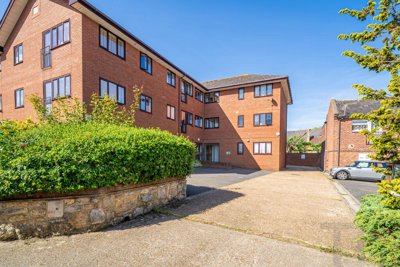
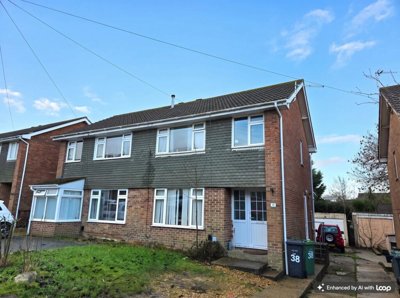
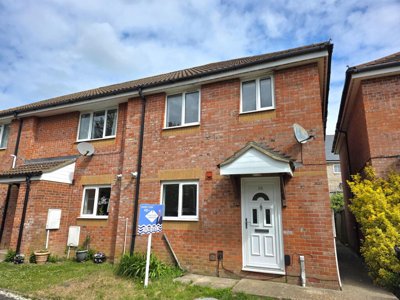
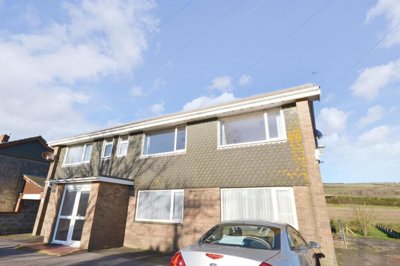
Browse 27 rental homes to rent in Newport from local letting agents.

27 listings Newport Updated daily

The Rental Market in Newport, Isle of Wight

The rental market in Newport reflects the broader property trends of the Isle of Wight, with terraced properties forming the largest segment of available homes at approximately 40.5% of sales volume. Semi-detached homes account for around 28.8% of the market, while detached properties represent roughly 24.3%, offering generous space for families seeking more room both indoors and out. Flats and maisonettes make up approximately 6.4% of available properties, providing affordable options for first-time renters and professionals looking for low-maintenance living in a central location.

Property prices in Newport have shown modest stability over recent periods, with the average sold price hovering between £227,000 and £245,000 depending on the reporting period and data source. Detached properties command the highest prices, averaging around £343,000 to £398,000, while terraced homes typically sell for approximately £187,000 to £214,000. This pricing landscape translates into a varied rental market where tenants can find everything from compact one-bedroom flats to spacious four-bedroom family homes. New build activity remains limited in the immediate Newport area, with only about 2.4% of recent sales being newly constructed properties, meaning most rental stock consists of established homes with character and history.

For tenants specifically, the Newport rental market offers one-bedroom flats typically ranging from £500-700 per month, two-bedroom houses from £800-1,200 per month, and larger family homes from £1,200-1,800 per month. These figures vary based on property condition, exact location, and included amenities, so we recommend requesting specific details from each listing. The summer season traditionally sees increased demand as holidaymakers explore the island, which can temporarily reduce available long-term rental stock.

Find Rentals Newport Isle Of Wight

Living in Newport, Isle of Wight

Newport town centre is characterised by its imposing Victorian buildings along the High Street, creating a charming streetscape that reflects the town rich history as the administrative heart of the Isle of Wight. The town strikes an excellent balance between historic character and modern convenience, with independent shops, cafes, and restaurants sitting alongside high street favourites and essential services. The River Medina flows through the heart of Newport, providing attractive riverside walks and green spaces that residents enjoy throughout the year. This waterside location adds considerable appeal to the town, offering peaceful spots for relaxation without sacrificing access to urban amenities.

The Isle of Wight is renowned as a haven for sailing enthusiasts, and Newport residents benefit from easy access to coastal waters, beautiful beaches, and the island many outdoor pursuits. The town serves as a gateway to exploring the rest of the island, whether you fancy visiting the iconic Needles at the western tip, exploring the dinosaur fossils and stunning coastline of the south, or discovering charming villages scattered across this designated Area of Outstanding Natural Beauty. Community life in Newport thrives around regular markets, local events, and the strong network of independent businesses that give the town its distinctive character.

St Mary's Hospital on Fairlee Road serves as a significant local employer and landmark, with many rental properties advertised for their proximity to this facility. The surrounding Fairlee and Parkhurst areas offer residential streets within cycling distance of both the hospital and town centre, making them popular choices for NHS staff and other key workers seeking convenient access to employment. The overall lifestyle here combines the best of island living with the practical benefits of having excellent local services and transport connections.

Rental Search Newport Isle Of Wight

Schools and Education in Newport

Newport offers a comprehensive range of educational options for families renting in the area, with primary and secondary schools within easy reach of most neighbourhoods. The town and its surrounding villages host several primary schools serving different catchment areas, providing young families with flexibility when choosing where to rent based on school admissions criteria. Secondary education is well catered for through schools in Newport and nearby towns, with sixth form options available for students continuing their education beyond GCSE level. Parents should research specific school performance data and catchment boundaries when planning a rental property in Newport, as admission policies can be catchment-area based.

For further education, the Isle of Wight College located in Medina Way, Newport, provides a wide range of vocational and academic courses for students of all ages. The college offers various pathways including A-levels, vocational qualifications, and apprenticeship opportunities, making it a valuable resource for young people and adults seeking to develop their skills or change career direction. Families moving to Newport from other areas should note that school terms and holiday patterns on the Isle of Wight may differ slightly from mainland England, and this is worth considering when coordinating moves around academic calendars.

Early application is recommended for popular schools, as rental properties in certain catchment areas can be in high demand during school intake periods. The overlap between school catchment zones and desirable rental areas means that families should factor school proximity into their property search alongside other priorities such as transport links and budget. Speaking directly with schools about their current admissions position can help clarify which postcodes and streets fall within their priority admission areas.

Rental Properties Newport Isle Of Wight

Transport and Commuting from Newport

Newport benefits from convenient ferry connections that link the Isle of Wight to the mainland, with nearby ports at Cowes and Fishbourne providing regular crossings to Portsmouth and Southampton. The Red Funnel ferry service from Southampton East Docks and the Wightlink ferry from Portsmouth both offer car and passenger services, with journey times of approximately 45 minutes to an hour. These ferry connections make it feasible for some residents to commute to mainland workplaces, though this lifestyle adjustment requires careful consideration of costs, time commitments, and the practicalities of daily ferry travel. For those working remotely or running businesses online, Newport offers reliable broadband infrastructure alongside its peaceful island setting.

Within Newport itself, local bus services connect the town centre with surrounding villages and beach destinations, making car-free living possible for those who prefer not to maintain a vehicle. Southern Vectis operates bus routes throughout Newport and across the island, with the number 1, 2, and 5 routes providing regular connections to popular destinations including Ryde, Sandown, and Ventnor. The island road network is generally less congested than mainland equivalents, though some rural roads can be narrower and more winding than what mainland drivers may be accustomed to, and traffic can slow during peak summer tourist season.

Cycling is a popular way to get around Newport and explore the wider island, with dedicated routes and lanes available in many areas. The Medina cycle path provides a scenic traffic-free route along the river between Newport and East Cowes, popular with both commuters and recreational cyclists. For air travel, Southampton Airport and Bournemouth Airport on the mainland are accessible via the ferry services, providing connections to destinations across the UK and Europe for business and leisure travel.

Renting Guide Newport Isle Of Wight

How to Rent a Home in Newport

1

Get Your Rental Budget in Principle

Contact local mortgage brokers or use Homemove comparison tools to establish exactly how much you can afford in monthly rent. Having a rental budget agreement in principle strengthens your position when applying for properties and demonstrates to landlords that you are a serious, financially prepared tenant. Include all monthly costs such as rent, council tax, utilities, and insurance when calculating your budget. This document shows estate agents and landlords that you have been financially assessed and can afford the rental payments.

2

Research Newport Neighbourhoods

Explore different areas within Newport and surrounding villages to find the location that best suits your lifestyle needs. Consider proximity to your workplace, schools if you have children, local amenities, and public transport options when narrowing down your search. Each neighbourhood offers different advantages, from riverside locations near the River Medina to quieter residential cul-de-sacs in areas like Fairlee and Parkhurst. The surrounding villages of Carisbrooke, Merstone, and Havenstreet also offer rental options with their own distinct characters.

3

Arrange Property Viewings

Use Homemove to browse available rentals in Newport and schedule viewings with listed estate agents. Attend viewings with questions prepared about the property condition, lease terms, included appliances, and any specific requirements you have. Take photos during viewings to help compare properties later and note any concerns about condition or maintenance that need addressing with the landlord. The summer months can see increased competition for rentals as holiday lets return to the long-term market after the peak season.

4

Submit Your Rental Application

Once you have found a property you wish to rent, your estate agent will guide you through the application process. This typically involves completing reference checks, providing proof of identity and income, and paying a holding deposit to secure the property while references are verified. Tenant referencing usually takes around 5-7 working days to complete, and some landlords may request additional information such as character references or employment verification beyond standard credit checks.

5

Sign Your Tenancy Agreement

After successful referencing, you will receive your tenancy agreement detailing the terms of your rental, including the monthly rent, deposit amount, lease length, and landlord responsibilities. Review the agreement carefully before signing and ask for clarification on anything you do not understand. Most tenancies in Newport are for an initial 6-12 month period, with the option to renew or switch to a periodic tenancy afterwards. Ensure you receive a copy of the government-prescribed "How to Rent" guide from your landlord or agent.

6

Complete the Move-In Process

Arrange the transfer of your first month rent and security deposit, typically capped at five weeks rent for properties with annual rent under £50,000. Your landlord or agent will conduct an inventory check at this point, documenting the condition of the property to protect both parties at the end of the tenancy. Arrange insurance for your belongings and set up utility accounts in your name before collecting your keys. Take meter readings on the day you move in and forward them to your energy suppliers promptly.

What to Look for When Renting in Newport

Newport is situated beside the River Medina, which means some properties near the river may carry a degree of flood risk that prospective tenants should investigate before committing to a tenancy. When viewing properties in riverside locations or low-lying areas, ask about the property history regarding flooding and check whether appropriate insurance is in place. Properties along the river frontage and in areas such as the lower parts of the town may be more susceptible to river flooding during periods of heavy rainfall, so understanding the specific location of any property you are considering is important. Inland areas of Newport generally sit at higher elevation and away from immediate flood risk, offering for tenants who may be concerned about this environmental factor.

The town centre and surrounding residential streets contain Victorian properties alongside more modern developments, and this mix of property ages brings both character and potential maintenance considerations. Newport High Street is lined with imposing Victorian buildings that reflect the town prosperous past as the island administrative centre. Older Victorian terraces may feature original fireplaces, sash windows, and period features that require ongoing maintenance, which landlords should manage but tenants should be aware of. When renting older properties, ask about recent maintenance work, the condition of the roof, and whether the property has been updated with modern heating systems and adequate insulation.

Properties in Newport may fall within or near conservation areas, which can affect permissions for certain modifications, so clarify these restrictions with your landlord or agent if you plan to make changes to the property. The historic character of the town centre means that many properties are listed buildings or located within designated conservation zones, placing restrictions on external alterations. Interior modifications may also require consent depending on the property tenure and specific listing status. These designations help preserve Newport distinctive character but are worth understanding before committing to a tenancy if you anticipate wanting to personalise your rental.

Many rental properties in Newport are offered on a leasehold basis, particularly flats and apartments, which means understanding ground rent terms and any service charges is essential before signing. Service charges can vary significantly between properties and may include maintenance of communal areas, building insurance, and management company fees. Ask for a clear breakdown of all costs associated with the property beyond basic rent, including council tax band, utility costs, and any communal facility charges. This transparency helps you budget accurately and avoids unexpected costs during your tenancy.

Rental Market Newport Isle Of Wight

Frequently Asked Questions About Renting in Newport

What is the average rental price in Newport, Isle of Wight?

While specific rental prices fluctuate based on property type and condition, the average sold price in Newport is approximately £227,000 to £245,000, which provides context for the broader property market. Terraced properties average around £187,000 to £214,000, semi-detached homes around £241,000 to £244,000, and detached properties between £343,000 and £398,000. Flats represent the most affordable option at approximately £117,000. These sale prices translate into a rental market where one-bedroom flats typically range from £500-700 per month, two-bedroom houses from £800-1,200 per month, and larger family homes from £1,200-1,800 per month, though exact prices depend on property condition, location, and included amenities.

What council tax band are properties in Newport?

Council tax bands in Newport are set by the Isle of Wight Council, and bands range from A through to H based on property value. Most terraced properties and smaller flats fall into bands A to C, with monthly costs typically ranging from £100 to £150 depending on the specific band. Larger semi-detached and detached family homes typically occupy bands D to F, with monthly costs potentially reaching £180 or more. You can check the specific council tax band for any property through the Isle of Wight Council website using their online valuation search, and tenants are responsible for paying council tax during their tenancy so confirming the band helps you budget for this regular cost alongside your monthly rent and utility bills.

What are the best schools in Newport?

Newport offers several well-regarded primary schools serving local catchment areas, with generally positive Ofsted ratings across many options for families with young children. Secondary education is available through schools in Newport and the surrounding area, with sixth form provision for students continuing their education post-GCSE. The Isle of Wight College provides further education and vocational courses for older students and adults seeking professional development or career changes. When searching for rental property in Newport, families should research specific school catchments and admission criteria on the Isle of Wight Council website, as popular schools can be oversubscribed and living in the catchment area does not guarantee a place during competitive admission rounds.

How well connected is Newport by public transport?

Newport is well served by local bus services operated by Southern Vectis that connect the town with surrounding villages and popular destinations across the Isle of Wight including Ryde, Sandown, and Ventnor. The town sits between ferry ports at Cowes and Fishbourne, providing regular crossings to Portsmouth and Southampton with journey times of approximately 45 minutes to an hour. Within Newport, most amenities are accessible on foot, and the relatively compact town centre means cycling is a practical option for daily transport. Train services on the island connect Newport to other towns along the island line, though the island does not have a direct rail link to the mainland.

Is Newport a good place to rent?

Newport offers an excellent quality of life for renters seeking island living with all the conveniences of a county town. The town combines historic character with practical amenities, strong community spirit, and beautiful natural surroundings that make it particularly appealing to families, professionals, and retirees alike. The rental market offers variety across different property types and price points, making it accessible for first-time renters and families seeking more space. Ferry connections to the mainland mean residents are not isolated from mainland opportunities, while the island setting provides a peaceful lifestyle that many find impossible to replicate on the congested mainland. Properties along the River Medina offer attractive waterside living, while residential areas like Fairlee and Parkhurst provide quieter suburban options within easy reach of the town centre.

What deposit and fees will I pay on a property in Newport?

Standard deposits on rental properties in Newport are capped at five weeks rent for properties with annual rent below £50,000, as set by the Tenant Fees Act 2019. This means a property renting for £1,000 per month would require a £1,150 deposit, which must be protected in a government-approved deposit scheme within 30 days of the tenancy start date. You may also need to pay a holding deposit of up to one weeks rent to secure the property while references are checked, which is usually deducted from your final deposit or first months rent. Permitted payments beyond rent and deposit include council tax, utilities, TV licence, and reasonable costs for late payment or lost keys. Tenant referencing, which typically costs between £100-200, is usually covered by landlords but may be charged to tenants in some cases.

Are there any conservation areas in Newport that affect renting?

Newport town centre contains several conservation areas that reflect its Victorian heritage and historic architecture, particularly along the High Street where imposing period buildings create a distinctive streetscape. Living in a conservation area or listed building can affect what modifications tenants can make to a property, as planning permission may be required for external alterations or significant interior changes. These restrictions help preserve Newport character but are worth understanding before committing to a tenancy if you anticipate wanting to make changes. Your landlord or letting agent should be able to confirm whether a property falls within a conservation area and explain any implications for the tenancy.

What is the flood risk for rental properties in Newport?

Properties located near the River Medina in Newport may be subject to some degree of flood risk, particularly those in low-lying areas close to the river or in the town lower sections. When viewing properties in riverside locations, ask about the property history regarding flooding and request information about any flood insurance in place. Inland areas of Newport generally sit at higher elevation and away from immediate river flood risk. The Environment Agency publishes flood risk maps that prospective tenants can check before applying for any rental property, and estate agents should be able to provide information about known flood history for specific properties.

Deposit and Fees for Renting in Newport

Understanding the full cost of renting in Newport goes beyond simply calculating monthly rent, and prospective tenants should budget for several upfront costs before moving into a new property. The security deposit, capped at five weeks rent for properties with annual rent under £50,000, is the largest initial outlay and must be protected in a government-approved deposit scheme within 30 days of the tenancy start date. This deposit is held as security against any damage or unpaid rent during the tenancy and is returned at the end of your lease, subject to any legitimate deductions for damage beyond normal wear and tear or outstanding payments.

Before searching for rental properties, obtaining a rental budget agreement in principle is highly recommended, as this document from a mortgage broker or financial provider confirms exactly how much you can afford in monthly rent. This financial preparedness strengthens your rental application and demonstrates to landlords and agents that you are a serious tenant with verified affordability. Additional costs to factor into your budget include moving expenses, potential furniture purchases if relocating from furnished accommodation, connection fees for utilities and internet services, and contents insurance to protect your belongings. Many tenants find it helpful to set aside a contingency fund equivalent to two to three months rent for unexpected costs during the first months in a new home.

The Isle of Wight Council sets council tax bands for all properties in Newport, and tenants are responsible for paying this charge throughout their tenancy. Most rental properties in Newport fall into bands A through D, with monthly costs typically ranging from £100 to £180 depending on the band. Utility costs vary significantly based on property size, insulation quality, and personal usage patterns, but tenants should budget approximately £100-150 per month for combined gas and electricity, plus additional costs for water, broadband, and mobile phone services. Properties with higher energy efficiency ratings will generally cost less to heat and power, so checking the EPC rating when viewing properties can help estimate ongoing utility costs. An EPC certificate should be provided by the landlord before you commit to renting, and this document contains useful information about the property energy performance.

Find Rentals Newport Isle Of Wight

Browse Homes to Rent Across the UK

Terms of use Privacy policy All rights reserved © homemove.com | Properties to Rent » England » South East » Isle of Wight » Newport

Homemove is a trading name of HM Haus Group Ltd (Company No. 13873779, registered in England & Wales). Homemove Mortgages Ltd (Company No. 15947693) is an Appointed Representative of TMG Direct Limited, trading as TMG Mortgage Network, which is authorised and regulated by the Financial Conduct Authority (FRN 786245). Homemove Mortgages Ltd is entered on the FCA Register as an Appointed Representative (FRN 1022429). You can check registrations at NewRegister or by calling 0800 111 6768.