Pick the right path and we'll point you to the next step.
I'm the homeowner
Track this property, get market updates, and list it on Home when you're ready to sell or let.
I'm an estate agent
Claim your branch on Home.co.uk, list your properties for free, and reach buyers actively searching your area.

From riverside apartments to country cottages, search hundreds of thousands of properties for sale, to rent, and recently sold, all enriched with three decades of market data.
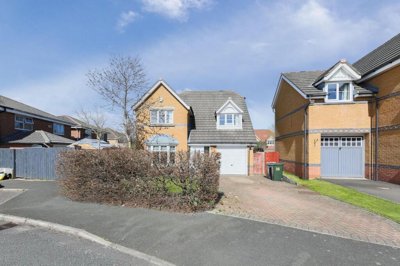
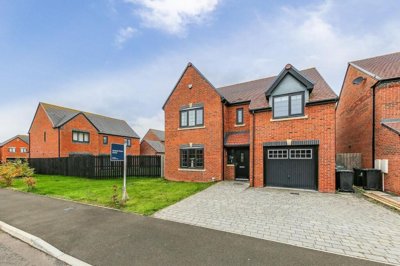
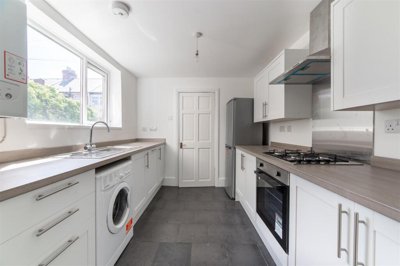
Browse 10 rental homes to rent in Newcastle, North East from local letting agents.
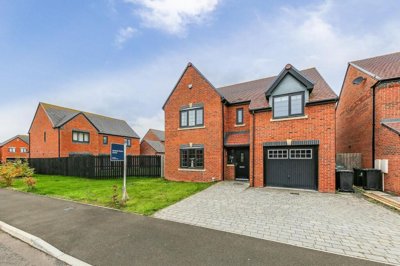
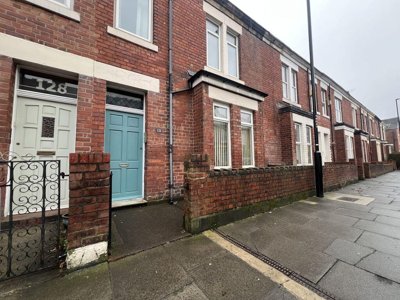
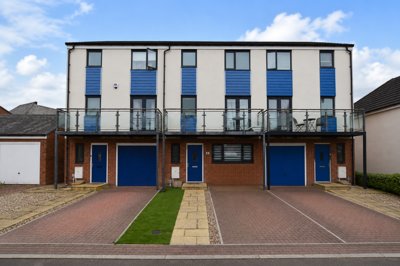
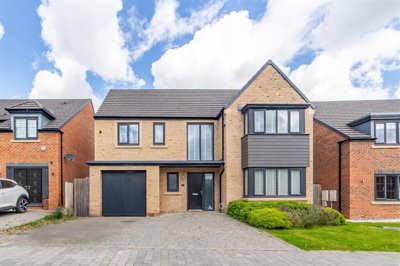
The larger property sector typically features multiple bathrooms, substantial reception space, and private gardens or off-street parking. Four bedroom houses in Newcastle span detached, semi-detached, and occasionally terraced configurations, with styles ranging from period properties to modern executive homes.
£1,596/m
14
0
83
Source: home.co.uk
Showing 14 results for 4 Bedroom Houses to rent in Newcastle, North East. The median asking price is £1,596/month.
Source: home.co.uk
Terraced
7 listings
Avg £1,804
Semi-Detached
4 listings
Avg £1,723
Detached
3 listings
Avg £1,750
Source: home.co.uk
Source: home.co.uk
homedata.co.uk records show 13,700 property sales in Newcastle upon Tyne between January 2025 and December 2025, which tells us the wider market was busy. By December 2025, average values stood at £404,000 for detached homes, £238,000 for semi-detached houses, £207,000 for terraces and £129,000 for flats and maisonettes. For renters, that usually feeds through into a wide spread of stock. Compact apartments sit in the same city as larger family houses, so Newcastle can work for short-term moves and for people planning to stay put a while.
New-build numbers can tell us a lot about the homes coming through the pipeline. Across the Newcastle upon Tyne postcode area, 544 newly built properties sold between January and December 2025, making up 4.0% of all sales. The average new-build price reached £293,000, up 9% over 12 months, and the £300,000-£400,000 bracket alone accounted for 151 sales. Schemes currently active in and around the city include Portland Green in Ouseburn, City Edge in Fenham, The Rise in Scotswood and The Sycamores in Callerton, although some of the wider NE postcode developments sit outside the immediate city boundary. Modern stock is part of the story here, but so are older terraces.

One thing Newcastle does clearly is hold on to a recognisable housing mix from area to area. homedata.co.uk sales records suggest terraced homes make up 33.0% of transactions, semi-detached houses 31.6%, detached homes 18.3% and flats 17.1%. Those proportions help explain why one part of the city feels more suburban and another leans towards apartment living. For tenants, that means real choice across the wider Newcastle area, from a Victorian terrace to a newer flat.
The 2021 Census recorded 300,196 residents and 132,197 households in Newcastle. That size supports the basics and a lot more besides, from the city centre retail core to local pubs, parks and day-to-day services. Newcastle Hospitals NHS Foundation Trust, Newcastle University and Northumbria University are major employers, and the Port of Tyne also adds to local demand. So housing pressure comes from several directions at once, including professionals, students, families and people relocating for work.
Ground conditions matter in Newcastle, and so does what has been built on top of them. Many older streets carry sandstone and red brick homes, and large parts of the city sit over Carboniferous rocks with glacial till deposits beneath. In some spots that can mean a moderate to high shrink-swell risk, which is why we would always want older properties checked carefully. Then there is the setting. The Quayside, Ouseburn, Jesmond Dene and the Town Moor all shape how the city feels once the working day or study day is done.
Education has a direct effect on Newcastle's rental market, even for tenants who are not choosing a place for a school catchment. Newcastle University and Northumbria University bring in a large student population, which keeps demand high for one and two-bedroom homes near the centre and on routes with easy travel. Landlords tend to watch flats and terraces in those locations closely. During term time, some areas noticeably pick up pace.
For families, the detail often comes down to the street rather than the district name on the map. Catchments can shift across Newcastle, so it is worth checking current Ofsted reports and the Newcastle City Council admissions map before settling on an area. In practice, renters with children often focus on parts of Gosforth, Jesmond, Heaton and the wider north of the city. Quieter patches tend to matter, and so do straightforward school runs into the centre.
Higher education changes the shape of the stock on offer. In the city centre, apartments, purpose-built blocks and smaller terraces often suit postgraduates and new graduates, while larger semis and detached homes tend to appeal to renters after more room or moving with a family. Newcastle's employment base in health, education, retail, technology and the public sector also helps people stay near work without pushing too far out. That matters for longer lets, and for shorter assignments too.
There is rarely just one route to take in and out of Newcastle. Newcastle Central Station handles regional and national rail travel, and day-to-day journeys are helped along by the Tyne and Wear Metro, local bus routes and main roads such as the A1 and A167. For renters, that can mean living a few stops away from work or study without losing touch with the city centre. It is a practical set-up, especially for people who do not want to depend on a car every day.
Cycling works well in the flatter parts of Newcastle. Shorter trips between neighbourhoods, the Quayside and the university corridor can be easier that way. Parking is a different story, because it can change sharply from one street to the next, with denser central areas and older terraces often giving less off-road space than suburban homes. For anyone travelling to Gateshead, Sunderland, Durham or North Tyneside, the wider network makes Newcastle a workable base across the week.
Before we book viewings, it helps to agree a rental budget in principle so the monthly rent, deposit and moving costs are clear from the start.
It is worth comparing city-centre apartments with suburban terraces and larger family homes in Gosforth, Jesmond, Heaton, Fenham and Ouseburn.
Homes that fit the brief can go quickly in Newcastle. If a property matches your location, space and commute needs, we would arrange the viewing straight away.
Read the small print properly. Check the rent, the deposit, the term length, any break clauses, maintenance responsibilities and any rules covering pets or furnishings.
Keep the paperwork ready before you apply, including ID, income details, previous landlord information and employer references. That way the application is less likely to stall.
At check-in, we would take photos, note the meter readings and confirm the inventory before handing over the deposit and the first month's rent.
Older Newcastle houses can be lovely, but they need a proper look. In Victorian and Edwardian terraces, especially where sandstone or red brick has taken years of weather, we would check for damp, slipped slates, blocked gutters and worn pointing. The local geology can bring shrink-swell movement in some locations, so cracks around openings and uneven floors should not be brushed off. In historic parts of the city, ask how long the current owners or agents have been monitoring any structural movement.
Flood risk deserves a place on the checklist. Parts of the city near the River Tyne and tributaries such as the Ouseburn can be exposed to river flooding, and streets with a lot of hard surfacing may see more surface water after heavy rain. Conservation areas including Grainger Town, Jesmond and Gosforth may also come with planning restrictions that affect external changes and ongoing upkeep. If the rental is a flat, ask about service charges, ground rent and responsibility for communal repairs, because those details can shape day-to-day living as much as the monthly rent.
Tenants can learn quite a bit from the tenure. Leasehold and freehold details often show how a building is run and where repairs are likely to be organised from. In a leasehold block, good management usually means clearer arrangements for maintenance, bins, entry systems and shared spaces, while poor management can become a problem quickly. Newcastle's coal-mining history also means some homes may need a closer look at subsidence records, although the Coal Authority will often help clarify the risk.
We do not have a live average rent figure for Newcastle. What homedata.co.uk does show is an average house price of £208,000 in December 2025, up 6.1% year on year, which gives us a useful sense of the wider market. Flats averaged £129,000, so there is still a broad spread of property types across the city. For current asking rents, we would check the live listings on home.co.uk.
Council tax in Newcastle depends on the property's valuation, not simply the street name. Newcastle City Council is the local authority, so we would always confirm the exact band before a tenancy is agreed. Smaller flats in the city often sit in lower bands, while larger homes in Jesmond or Gosforth can fall higher. If bills are not included, check the band on the listing or with the letting agent.
Rather than rely on a town-wide figure, we check the specifics for your exact address. Families usually compare current Ofsted reports, admissions rules and catchments before narrowing things down. In Newcastle, that often leads people towards Gosforth, Jesmond and parts of Heaton. The best place to check before committing to a move is Newcastle City Council admissions information.
Newcastle is one of the simpler North East cities to manage without a car. Newcastle Central Station, the Tyne and Wear Metro and the bus network make cross-city travel fairly direct, and the A1 with the A167 gives drivers a clear route towards Gateshead, Durham, Sunderland or North Tyneside. Shorter journeys can suit cycling too, particularly around the centre and the Quayside.
On balance, Newcastle is a strong rental location if choice, travel and a busy jobs base matter to you. The 2021 Census counted 300,196 residents and 132,197 households, and local employment stretches across healthcare, universities, retail, leisure and tech. That keeps demand coming from students, professionals and families at the same time. It also leaves renters with a broad run of stock, from flats to terraces and larger homes in the suburbs.
For most new tenancies in England, the deposit is usually capped at five weeks' rent. On top of that, there may be a holding deposit and the first month's rent in advance. Some letting agents charge for optional extras, but the main costs are normally upfront and fairly easy to map out once the budget is set. If buying later is part of the plan, the 2024-25 stamp duty thresholds are 0% up to £250,000, 5% from £250,000 to £925,000, 10% from £925,000 to £1.5 million, and 12% above that. First-time buyers get 0% up to £425,000 and 5% from £425,000 to £625,000.
Newcastle's housing market is mixed, and that shows up quickly as you move from one neighbourhood to the next. homedata.co.uk sales records suggest 33.0% of activity comes from terraced homes, with semi-detached houses at 31.6%, detached homes at 18.3% and flats at 17.1%. So inner suburban areas tend to show more terraces and semis, while the centre has a stronger run of apartments. For renters, it is one of the reasons the city can feel varied without stretching over a huge distance.
Moving into a Newcastle rental usually costs more than the first month's rent alone. There may be a holding deposit, a tenancy deposit and removals to pay for, and we would also budget for utilities, broadband and contents insurance. If the property is furnished, ask exactly what comes with it. That one step can stop you paying twice for items you already own, and a clear budget makes it easier to move quickly when the right home turns up.
For anyone comparing renting now with buying later, Newcastle's sales figures give useful context. homedata.co.uk records show prices ranging from £129,000 for flats to £404,000 for detached homes, and new-build properties averaged £293,000 in 2025. That leaves some renters looking ahead to the ladder, with the 2024-25 stamp duty thresholds helping them plan the next step. For the present, we would keep the rental budget tight, compare live homes on home.co.uk and focus on the neighbourhoods that fit the commute and day-to-day routine.

Properties to Rent In London

Properties to Rent In Plymouth

Properties to Rent In Liverpool

Properties to Rent In Glasgow

Properties to Rent In Sheffield

Properties to Rent In Edinburgh

Properties to Rent In Coventry

Properties to Rent In Bradford

Properties to Rent In Manchester

Properties to Rent In Birmingham

Properties to Rent In Bristol

Properties to Rent In Oxford

Properties to Rent In Leicester

Properties to Rent In Newcastle

Properties to Rent In Leeds

Properties to Rent In Southampton

Properties to Rent In Cardiff

Properties to Rent In Nottingham

Properties to Rent In Norwich

Properties to Rent In Brighton

Properties to Rent In Derby

Properties to Rent In Portsmouth

Properties to Rent In Northampton

Properties to Rent In Milton Keynes

Properties to Rent In Bournemouth

Properties to Rent In Bolton

Properties to Rent In Swansea

Properties to Rent In Swindon

Properties to Rent In Peterborough

Properties to Rent In Wolverhampton

Enter your details to see if this property is within your budget.
Loans, cards, car finance
Estimated property budget
Borrowing + deposit
You could borrow between
Typical borrowing
Monthly repayment
Est. at 4.5%
Loan-to-value
This is an estimate only. Your actual budget may vary depending on interest rates, credit history, and personal circumstances. For an accurate affordability assessment, speak to one of our free mortgage advisors.
This calculator provides estimates for illustrative purposes only and does not constitute financial advice. Your home may be repossessed if you do not keep up repayments on your mortgage. Estimates based on 4.5% interest rate, repayment mortgage. Actual rates depend on your circumstances.
Homemove is a trading name of HM Haus Group Ltd (Company No. 13873779, registered in England & Wales). Homemove Mortgages Ltd (Company No. 15947693) is an Appointed Representative of TMG Direct Limited, trading as TMG Mortgage Network, which is authorised and regulated by the Financial Conduct Authority (FRN 786245). Homemove Mortgages Ltd is entered on the FCA Register as an Appointed Representative (FRN 1022429). You can check registrations at NewRegister or by calling 0800 111 6768.

We use cookies to show you personalised content and improve your experience of our website. Find out more in our Privacy policy and Cookie policy.