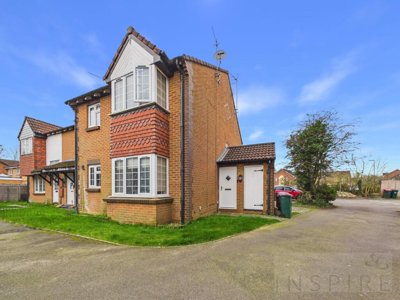
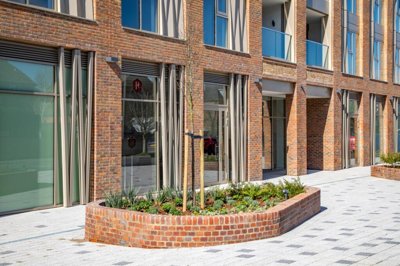
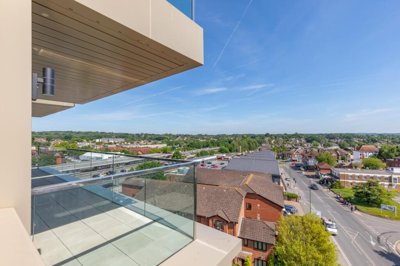
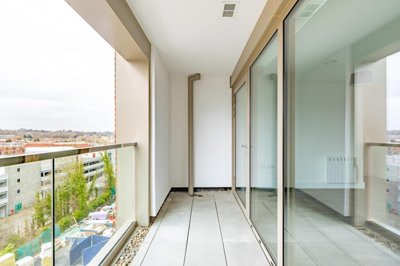
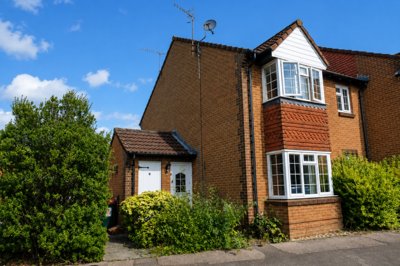
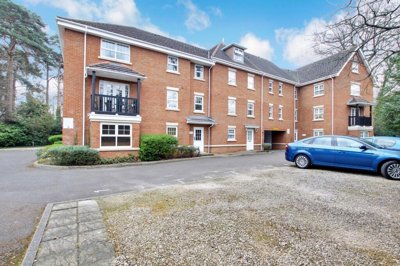
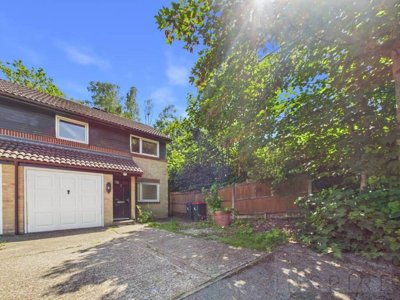
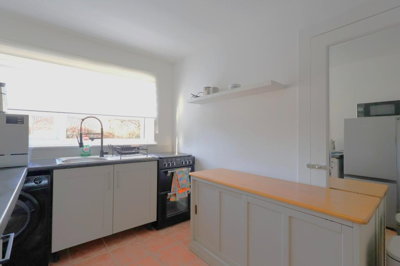
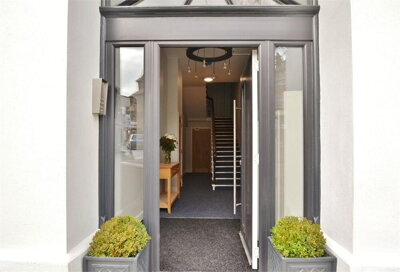
Browse 261 rental homes to rent in Mid Sussex from local letting agents.
The Mid Sussex rental market reflects the broader property trends in this sought-after district of West Sussex. Recent data from home.co.uk indicates that historical sold prices in Mid Sussex over the last year were 16% down on the previous year and 17% down on the 2019 peak of £590,726, though the Office for National Statistics reports a slight increase of 1.4% from December 2024 to December 2025. These market dynamics create opportunities for renters, as property availability tends to increase when sales prices experience downward pressure. The area has seen approximately 2,344 property transactions in the last year, indicating a healthy level of market activity that benefits both buyers and renters seeking their ideal home.
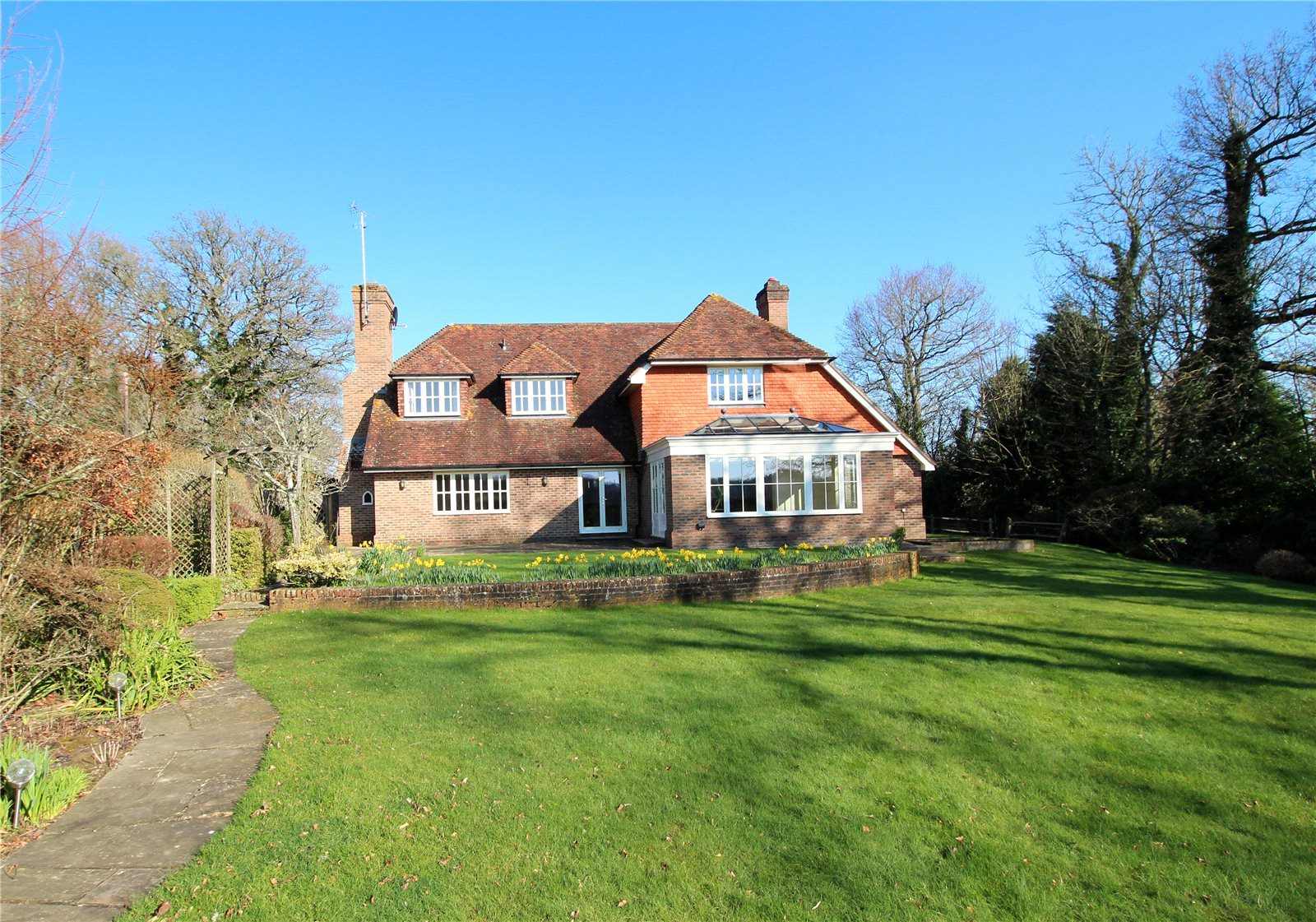
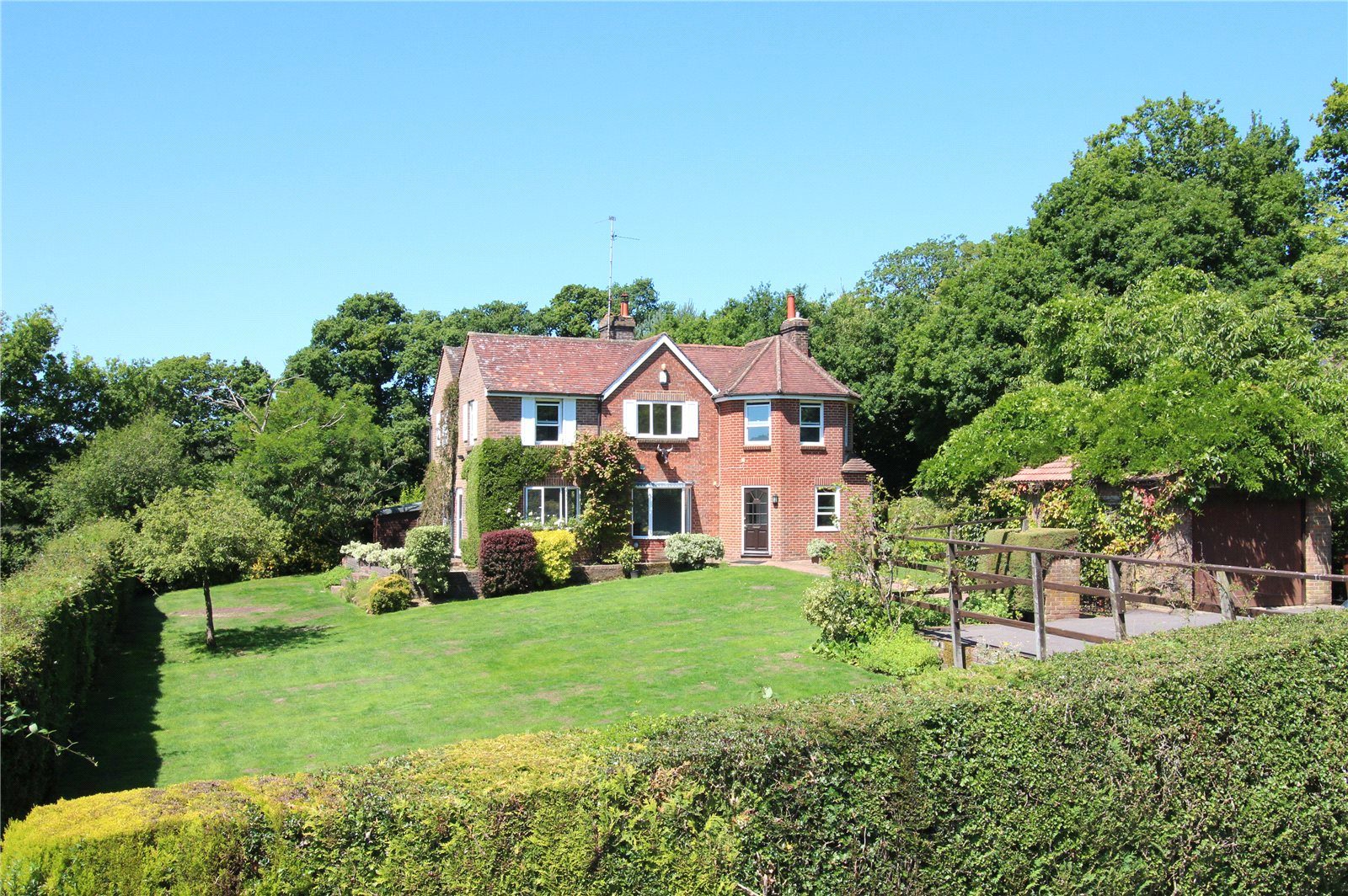
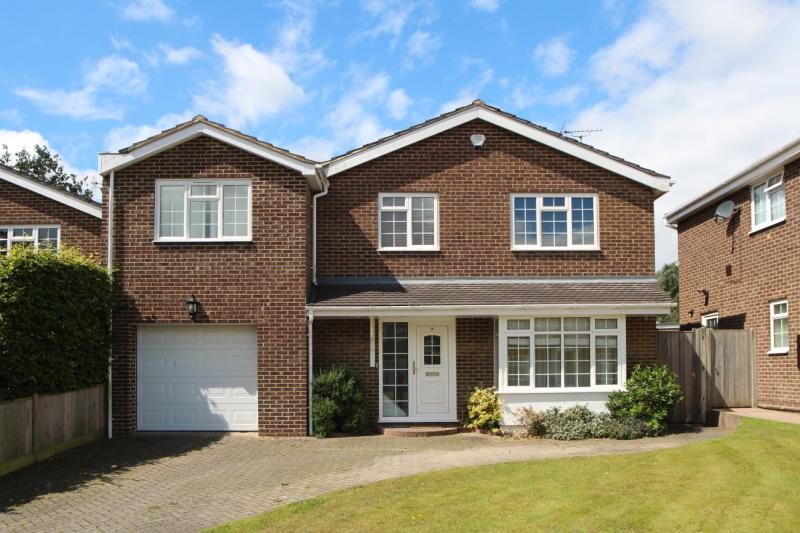
Property types available for rent in Mid Sussex span a diverse range to accommodate different household needs and budgets. Detached properties command the highest prices, with average values around £651,293 to £798,813 depending on the source and specific location. Semi-detached homes typically range from £432,409 to £551,324, offering excellent value for families seeking additional space without the premium associated with detached properties. Terraced properties, particularly those in historic conservation areas, provide character-filled homes at more accessible price points, while flats and apartments starting from around £222,963 on average offer an affordable entry point into the Mid Sussex rental market. The district has a notably high proportion of larger homes, with 30.4% of all properties featuring four or more bedrooms compared to just 21.1% across England generally.
The housing stock in Mid Sussex demonstrates considerable variety in age and style, from historic properties dating to the 16th and 17th centuries in villages like Balcombe to contemporary developments such as The Vale in Burgess Hill, which offers luxury homes with designer interiors and high-end appliances. The Fairfield Conservation Area in Burgess Hill contains the largest concentration of small Victorian terraced housing in Mid Sussex, providing renters with access to period properties featuring the characteristic brick construction typical of 19th-century development in the area. Newer developments like Ockley Park in Haywards Heath offer two and three-bedroom homes starting from £400,000, while the Northern Arc development in Burgess Hill will eventually deliver around 3,500 of the planned 5,000 new homes in the area, along with new schools, community facilities, and green spaces.

Mid Sussex District offers an exceptional quality of life that attracts renters from across the South East and beyond. The area combines the charm of traditional English villages with the conveniences of modern town living, creating communities where residents can truly put down roots. According to the 2021 Census, the population stands at 152,600 residents, representing a growth of 9.1% from the 2011 figure of 139,860, demonstrating the increasing popularity of this attractive corner of West Sussex. The district is ranked 312th out of 317 council areas based on the English Indices of Multiple Deprivation 2019, reflecting its relative prosperity and desirability as a place to live. With a median annual earnings figure of £38,880 for full-time working residents, Mid Sussex enjoys strong economic fundamentals that support both thriving local businesses and stable residential communities.
The character of Mid Sussex is shaped by its distinctive architecture, which draws from a rich palette of traditional building materials. Properties in this area commonly feature clay tile roofs, locally characteristic sandstone typical of the High Weald area, red brick with headers, and flintwork particularly in the southern part of the district. Traditional building techniques using brick, clay tile hanging, and render dominate the residential streetscape, creating the warm, honey-coloured aesthetic that defines many Mid Sussex villages and towns. The district boasts over 1,000 listed buildings of special architectural or historic interest, with numerous designated Conservation Areas including Balcombe, Albourne, Ardingly, and several areas within Burgess Hill. These protected areas ensure that the historic character of the district is preserved for future generations while providing renters with access to properties of genuine architectural significance.
The demographic composition of Mid Sussex reveals a maturing population with significant implications for the rental market. The median age increased from 42 to 43 years between 2011 and 2021, and the proportion of retired residents grew from 14.17% to 23.92% during the same period. This aging population, combined with the strong proportion of families drawn to the area's excellent schools and rural character, creates diverse rental demand across property types. The proportion of households owning their home decreased from 74.3% in 2011 to 72.6% in 2021, while private renting increased from 12.8% to 15.3%, indicating growing opportunities in the private rental sector that benefit both tenants seeking homes and landlords investing in the area.

Education provision in Mid Sussex makes the district particularly attractive to families seeking rental properties, with a strong network of primary and secondary schools serving communities across the area. The district's commitment to educational excellence is reflected in the quality of its schools, many of which achieve consistently strong results in national assessments and examinations. Parents researching rental properties in Mid Sussex will find a good selection of both state and independent educational establishments, with several primary schools feeding into well-regarded secondary schools in the district. The presence of quality educational options significantly influences rental values in certain neighbourhoods, with properties located within desirable catchment areas often commanding premium rents.
The Mid Sussex District Plan recognises the importance of education infrastructure, with planned developments including new schools to serve expanding communities. The Northern Arc development in Burgess Hill, which represents the largest planned expansion in the district, will include new educational facilities to accommodate the influx of families moving to the area. For renters with children, understanding school catchment areas is essential when searching for a rental property, as properties in sought-after school zones tend to have strong rental demand. The district's relative prosperity, with 85% of working-age residents in employment as of September 2022, supports well-funded educational provision that benefits students at all levels. Families moving to Mid Sussex should research specific schools and their admission policies well in advance of securing a rental property to ensure alignment with their educational preferences.

Transport connectivity is one of Mid Sussex's greatest assets, making the district particularly popular with commuters who work in London or other major employment centres. The area is served by several railway stations offering regular services to London, with journey times to the capital typically ranging from 30 to 60 minutes depending on the specific destination. The proximity to Gatwick Airport further enhances the area's connectivity, providing international travel links that attract professionals who need to travel abroad regularly for business or pleasure. The Gatwick Airport corridor has historically driven significant economic activity in the area, supporting local employment and contributing to the strong rental market that characterises Mid Sussex.
Road transport in Mid Sussex is well-developed, with the district benefiting from good connections to the national motorway network via nearby major routes. For renters who prefer to drive, the accessibility of the area reduces commute times and provides flexibility for weekend trips and family outings across the South East. Bus services operate throughout the district, connecting smaller villages with the main towns and providing essential transport options for those without access to a car. The Mid Sussex District Plan includes provisions for improving cycling infrastructure, with new routes planned as part of major development projects like the Northern Arc in Burgess Hill. Parking availability varies across the district, with town centre apartments typically offering limited parking while suburban and village properties more commonly feature dedicated parking spaces or garages.
The economic landscape of Mid Sussex supports the strong transport connectivity, with 7,360 VAT and/or PAYE registered businesses providing local employment opportunities. The district plan aims to create over 10,000 new jobs through developments including two new business parks called The Hub and another as part of the Northern Arc, along with potentially a science and technology park. This planned job growth will further enhance the appeal of renting in Mid Sussex, as residents benefit from shortened commutes and reduced travel costs compared to those living further from employment centres. The average house price to earnings ratio of 10.16 (residence-based) reflects the area's desirability while also indicating that renting remains an attractive option for many households who cannot afford to purchase in this prosperous corner of West Sussex.

Begin by exploring different neighbourhoods within Mid Sussex to find areas that match your lifestyle preferences and daily commute requirements. Consider factors such as school catchment areas, local amenities, and transport links when narrowing down your search. The district offers diverse housing options ranging from Victorian terraces in Burgess Hill's Fairfield Conservation Area to modern apartments in Haywards Heath, so understanding each location's character helps narrow your choices effectively. Obtaining a rental budget agreement in principle before viewing properties strengthens your position as a serious tenant and demonstrates financial credibility to landlords and letting agents.
Use Homemove to browse available rental properties in Mid Sussex, filtering by property type, number of bedrooms, and price range. Once you have identified suitable properties, arrange viewings to assess the condition of the home, check for any maintenance issues, and get a feel for the neighbourhood. Take photographs and notes during viewings to help compare properties later in the decision-making process. Pay particular attention to the construction materials and condition of period properties, as older homes with sandstone or flint construction may have different maintenance requirements than modern brick-built properties.
When you find a property you wish to rent, submit your application promptly as rental properties in desirable areas of Mid Sussex can attract multiple interested parties. Prepare to provide references from previous landlords, employers, and credit checks. Letting agents and landlords will typically conduct tenant referencing as part of the application process to verify your suitability as a renter. With 15.3% of households in Mid Sussex now renting privately, competition for quality rental properties can be significant, particularly in areas with excellent schools and transport connections.
Before signing any tenancy agreement, read through all terms and conditions thoroughly to understand your rights and responsibilities as a tenant. Pay particular attention to the deposit amount, rent payment schedule, length of tenancy, and any clauses relating to maintenance responsibilities. If you are renting a period property in one of Mid Sussex's numerous conservation areas, be aware that certain modifications may be prohibited or require landlord consent and planning permission. A RICS Level 2 survey can be valuable if you have concerns about the property condition, particularly for older properties or those with potential structural or maintenance issues.
Once your tenancy agreement is signed, coordinate your move-in date and arrange for the deposit to be paid. A thorough inventory check at the start of your tenancy protects both you and the landlord by documenting the condition of the property and its contents. Take date-stamped photographs of all rooms and note any existing damage to ensure you receive your full deposit back at the end of your tenancy. Properties with clay tile roofs, sandstone walls, or flintwork features should be carefully documented, as these traditional materials may show expected signs of age that should not be charged against your deposit.
Renting in Mid Sussex requires careful consideration of several area-specific factors that can significantly impact your tenancy experience. The prevalence of conservation areas and listed buildings throughout the district means that many rental properties are subject to planning restrictions and special maintenance requirements. If you are renting a period property, understand that certain modifications may be prohibited or require landlord consent and planning permission. The character of these historic homes, while appealing, can also bring additional responsibilities in terms of maintenance and care that differ from modern properties.
The housing stock in Mid Sussex demonstrates considerable variety in construction methods and materials, from traditional timber-framed cottages with clay tile roofs to more recent developments built to contemporary standards. Older properties may have features such as smaller windows, different heating systems, or structural elements that require adaptation. The predominant use of brick, render, and clay tiles throughout the district means that external maintenance is generally straightforward, though flat roofs on some properties may require more frequent attention. Properties near the High Weald may feature sandstone construction, which requires specific maintenance approaches to prevent weathering and water penetration.
Before committing to a rental property, particularly in the older housing stock found in villages like Balcombe, Albourne, and Ardingly, consider commissioning a thorough condition report. The 2021 Census data shows that 72.6% of Mid Sussex households own their home, meaning a significant proportion of the housing stock consists of older properties that may have accumulated maintenance issues over decades. A detailed inspection helps identify potential problems with damp, roof condition, outdated electrics, or structural movement before you sign your tenancy agreement. This is especially important for properties with non-standard construction or those dating from the 16th and 17th centuries, which may require specialist knowledge of traditional building techniques.

While comprehensive rental price data for Mid Sussex is limited, the sales market provides useful context for the wider property values in the area. Detached properties average between £651,293 and £798,813, semi-detached homes range from £432,409 to £551,324, and terraced properties typically fall between £353,838 and £374,000. Flats and apartments generally start from around £222,963. Rental prices in Mid Sussex will typically sit at a proportionate level to these values, with properties in prime locations near good schools and transport links commanding the highest rents. The district's strong desirability, with 85% of working-age residents in employment, supports a robust rental market that maintains values despite broader market fluctuations.
Council tax bands in Mid Sussex District are set by Mid Sussex District Council, with most residential properties falling within bands A through H depending on their assessed value. Band A properties have the lowest council tax charges, while band H properties pay the highest rates. Specific band information for individual properties can be found through the Mid Sussex District Council website or your tenancy agreement, which should clearly state the council tax banding. Properties in conservation areas or those with historic status may have different valuations reflecting their unique characteristics, so it is worth checking the specific banding for any property you are considering renting.
Mid Sussex offers a strong selection of educational establishments at all levels, with several primary and secondary schools achieving above-average results in national assessments. The district features a mix of community schools, academy converters, and independent schools, providing parents with genuine choice when selecting educational provision for their children. Properties located within desirable school catchment areas tend to command premium rents due to sustained demand from families. Research specific schools and their admission policies, as catchment boundaries can change and competition for places in popular schools can be intense, particularly in areas like Burgess Hill and Haywards Heath where new development is increasing population.
Public transport in Mid Sussex is well-developed, with railway stations providing regular services to London and connections to Brighton, Gatwick Airport, and other regional destinations. Several bus routes operate throughout the district, connecting the main towns with surrounding villages and providing essential services for residents without private vehicles. The proximity to Gatwick Airport enhances the area's national and international connectivity, making Mid Sussex particularly attractive to frequent travellers and professionals who need international access for work. For commuters working in London or Brighton, train services offer a practical alternative to driving, with journey times typically ranging from 30 to 60 minutes depending on the specific destination.
Mid Sussex is widely regarded as one of the most desirable districts in West Sussex for renters, offering an exceptional combination of rural character, strong communities, and urban conveniences. The area ranks 312th out of 317 council areas on the Indices of Multiple Deprivation, reflecting its relative prosperity and quality of life. With a median age of 43 years and a population that grew by 9.1% between 2011 and 2021, Mid Sussex attracts professionals, families, and retirees seeking a high standard of living. The strong local economy, excellent transport links, and good schools make Mid Sussex particularly appealing to renters who value both career opportunities and quality of life, while the significant planned development through the Northern Arc and other schemes ensures continued investment in community infrastructure.
Standard deposits for rental properties in Mid Sussex are typically equivalent to five weeks rent, which is the maximum amount landlords can legally request under the Tenant Fees Act 2019. You should expect to pay your first month's rent in advance along with the security deposit before receiving the keys to your new home. Additional fees may include referencing charges, administration costs, and inventory check fees, though many letting agents now offer properties with reduced or waived fees to attract tenants. Always request a full breakdown of all costs before committing to a tenancy to avoid unexpected charges, and remember that budget agreement services starting from 4.5% can help you understand your true affordability before beginning your property search.
The Mid Sussex rental market offers an impressive variety of property types to suit different household needs and budgets. Victorian terraces are particularly concentrated in Burgess Hill's Fairfield Conservation Area, offering characterful homes with period features typical of 19th-century brick construction. Detached and semi-detached family homes are plentiful throughout the district's towns and villages, with 30.4% of all properties featuring four or more bedrooms, well above the national average of 21.1%. Modern apartments and houses are available in newer developments like The Vale in Burgess Hill, which offers luxury rentals with high-end finishes, while more affordable options can be found in purpose-built blocks throughout Haywards Heath and East Grinstead.
Several significant developments are shaping the future of the Mid Sussex rental market and may influence your decision about where to rent. The Northern Arc project in Burgess Hill is the most substantial, planned to deliver around 3,500 new homes along with schools, community facilities, and green spaces as part of the district's goal to create 5,000 new homes. New build-to-rent developments may become more common as developers respond to the growing private rental sector, which increased from 12.8% of households in 2011 to 15.3% in 2021. Affordable housing schemes through Mid Sussex District Council's affordable housing list offer rental options at below-market rates, though demand significantly exceeds supply with nearly 2,400 households currently on the housing waiting list.
From 4.5%
Get pre-approved for your rental budget to strengthen your application
From £49
Complete referencing checks to speed up your rental application
From £350
Professional survey for rental properties over £500,000
From £60
Energy performance certificate for your rental property
Understanding the costs associated with renting a property in Mid Sussex is essential for budgeting effectively and avoiding financial surprises during your move. The security deposit, typically capped at five weeks rent under the Tenant Fees Act 2019, is the largest upfront cost you will encounter. This deposit must be protected in a government-approved tenancy deposit scheme within 30 days of receiving it, and you should receive detailed information about how it will be protected and returned at the end of your tenancy. A thorough inventory check at the start of your tenancy, documented with photographs and written descriptions, provides crucial evidence to support your claim for the full deposit return when you move out.
Additional costs to budget for include the first month's rent in advance, which is standard practice across the rental market. Some letting agents charge referencing fees to process your application and verify your identity, employment status, and rental history, though many now offer zero-fee lets as a competitive incentive. An inventory check fee, typically ranging from £100 to £300 depending on the property size, covers the detailed inspection of the property's condition at check-in and check-out. If you are renting a larger family home or a property in poor condition, you might consider a RICS Level 2 survey before committing to the tenancy, with costs typically ranging from £350 to £600 depending on property size and value. For properties in Mid Sussex with 4+ bedrooms, which represent 30.4% of the housing stock, survey costs may be at the higher end of this range.
The overall affordability of renting in Mid Sussex should be considered alongside the strong fundamentals supporting the local market. With median annual earnings of £38,880 for full-time working residents and 85% of working-age residents in employment, the local economy supports sustainable rental demand. However, the significant shortage of affordable housing, with nearly 2,400 households on the housing waiting list, reflects broader challenges in the district's property market. Prospective renters should use budget agreement services to understand their true affordability before beginning their property search, ensuring they can comfortably meet rental payments alongside other living costs in this prosperous corner of West Sussex.

Properties to Rent In London

Properties to Rent In Plymouth

Properties to Rent In Liverpool

Properties to Rent In Glasgow

Properties to Rent In Sheffield

Properties to Rent In Edinburgh

Properties to Rent In Coventry

Properties to Rent In Bradford

Properties to Rent In Manchester

Properties to Rent In Birmingham

Properties to Rent In Bristol

Properties to Rent In Oxford

Properties to Rent In Leicester

Properties to Rent In Newcastle

Properties to Rent In Leeds

Properties to Rent In Southampton

Properties to Rent In Cardiff

Properties to Rent In Nottingham

Properties to Rent In Norwich

Properties to Rent In Brighton

Properties to Rent In Derby

Properties to Rent In Portsmouth

Properties to Rent In Northampton

Properties to Rent In Milton Keynes

Properties to Rent In Bournemouth

Properties to Rent In Bolton

Properties to Rent In Swansea

Properties to Rent In Swindon

Properties to Rent In Peterborough

Properties to Rent In Wolverhampton

Enter your details to see if this property is within your budget.
Loans, cards, car finance
Estimated property budget
Borrowing + deposit
You could borrow between
Typical borrowing
Monthly repayment
Est. at 4.5%
Loan-to-value
This is an estimate only. Your actual budget may vary depending on interest rates, credit history, and personal circumstances. For an accurate affordability assessment, speak to one of our free mortgage advisors.
This calculator provides estimates for illustrative purposes only and does not constitute financial advice. Your home may be repossessed if you do not keep up repayments on your mortgage. Estimates based on 4.5% interest rate, repayment mortgage. Actual rates depend on your circumstances.
Homemove is a trading name of HM Haus Group Ltd (Company No. 13873779, registered in England & Wales). Homemove Mortgages Ltd (Company No. 15947693) is an Appointed Representative of TMG Direct Limited, trading as TMG Mortgage Network, which is authorised and regulated by the Financial Conduct Authority (FRN 786245). Homemove Mortgages Ltd is entered on the FCA Register as an Appointed Representative (FRN 1022429). You can check registrations at NewRegister or by calling 0800 111 6768.