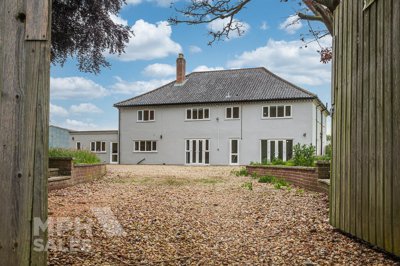
Browse 3 rental homes to rent in Lyng, Breckland from local letting agents.
£0/m
0
0
0
Source: home.co.uk
The rental market in Lyng reflects the character of this small Norfolk village, where housing stock includes a mix of traditional cottages, semi-detached family homes, and larger detached properties. Given that the village has 360 households and limited new development, available rental properties tend to be relatively scarce, making early viewing essential for prospective tenants. The predominant housing style draws from Norfolk's rich architectural heritage, with many homes built using traditional materials such as flint, brick, and clay-lump construction that characterise the region. We maintain relationships with local landlords who list properties with us before they appear on larger national portals, giving you a potential head start on available rentals.
Property prices across Norfolk have experienced modest fluctuations, with the county seeing a decline of approximately £5,800 (2%) over the twelve months to December 2025, while Lyng itself has shown more stable valuations. Recent sales data indicates terraced properties in the area average around £210,000, semi-detached homes at approximately £280,000, and detached properties reaching £350,000. For renters, these sale prices provide context for understanding local rental valuations, which typically correlate with property size, condition, and amenity level. The exclusive development at The Heaths on Heath Road represents the upper end of the market, with five-bedroom architect-designed homes marketed at £1,100,000, though such premium properties are rare within the village itself and are more commonly sold than rented.
The village's position within the NR9 postcode places it among a varied range of Norfolk villages, each with distinct character. East Lynng (which may refer to the broader NR9 area) recorded 117 total sales with a median price of £315,000 in 2025, showing active market movement despite the village's small size. This data suggests that rental demand remains steady, driven by commuters seeking more affordable housing options compared to Norwich while maintaining reasonable access to employment centres.

Life in Lyng centres on the River Wensum, which flows through the village and contributes to its tranquil, countryside atmosphere. The village forms part of the Breckland district, an area known for its distinctive landscape of heathland, woodland, and agricultural land that offers residents ample opportunities for outdoor pursuits. With a population that grew from 807 in 2011 to 860 by the 2021 Census, Lyng has maintained its intimate village character while benefiting from its proximity to larger settlements. The community includes essential local amenities, with the broader NR9 area offering access to village shops, pubs, and recreational facilities. We can help you identify which properties offer the best access to local amenities based on your specific needs and lifestyle preferences.
Norfolk's economy provides important context for Lyng residents, as the county ranks 15th for jobs among upper-tier authorities, with over 33,000 businesses and 365,000 employees across sectors including energy, advanced engineering, food and agri-tech, and tourism. The county's lower-than-average operating and living costs compared to London and the South-East make village living financially accessible, while the Norwich functional economic area serves as a key driver for employment and growth. For renters considering Lyng, the village offers an authentic Norfolk lifestyle with the flexibility of commuting to East Dereham or Norwich for work, shopping, and entertainment. The nearby Scottow Enterprise Park, located just 8 miles from Norwich, is 91% occupied with 193 businesses, providing additional local employment opportunities in STEAM sectors.
The Breckland landscape offers diverse recreational opportunities, from walking along the River Wensum to exploring the heathlands that give the district its character. Norfolk's tourism sector contributes approximately £2.8bn annually and supports over 54,000 jobs, reflecting the county's appeal as a destination for visitors seeking coastal, rural, and cultural experiences. For Lyng residents, this means access to local pubs, farmers' markets, and community events that bring village life together throughout the year. The lower cost of living compared to major urban centres allows renters to enjoy a higher quality of life while potentially saving more of their income.
Families considering renting in Lyng will find educational options across the Breckland district, with primary schools serving the village's youngest residents and secondary education available in nearby market towns. The closest primary schools to Lyng are typically located in surrounding villages and towns within a reasonable driving distance, offering education for children from Reception through Year 6. For secondary education, students often travel to schools in East Dereham, Norwich, or other nearby towns, with school transport arrangements varying based on catchment areas and specific admissions criteria. We recommend checking Breckland Council's school admissions portal to verify which schools serve your specific address before committing to a rental property.
Norfolk maintains a diverse educational landscape, with grammar schools available in certain areas for academically selective students and sixth-form colleges providing pathways to higher education and vocational qualifications. The county's further education colleges offer comprehensive programmes for students completing their secondary education, including A-levels, vocational qualifications, and apprenticeship opportunities. The Norwich area provides particularly strong educational options, with the city offering specialist subjects and facilities that may not be available in smaller towns. Prospective renters with school-age children should consult Breckland Council's admissions information to understand catchment areas, application deadlines, and transportation options relevant to their specific circumstances and the properties they are considering.
Higher education opportunities are accessible from Lyng, with the University of East Anglia located in Norwich, offering undergraduate and postgraduate programmes across multiple faculties. Norwich also hosts Norwich University of the Arts for creative subjects, expanding options for students pursuing specialised fields. For families prioritising educational provision, viewing the school landscape as part of your property search helps ensure your rental choice aligns with your children's academic needs and your family's daily routine.
Lyng benefits from its strategic position between East Dereham and Norwich, offering residents multiple transport options for commuting and accessing services. The village sits approximately 10 kilometres from East Dereham, which provides regular bus services and local amenities including supermarkets, healthcare facilities, and retail shopping. Norwich, located around 20 kilometres to the south-west, offers comprehensive rail connections with services to London Liverpool Street, Cambridge, and other major destinations, as well as an extensive bus network serving the city and surrounding areas. Many Lyng residents find that a combination of driving to a park-and-ride facility near Norwich and using public transport for city travel provides an effective balance.
For those who drive, the A47 trunk road passes through the region connecting Norwich to King's Lynn and the wider Norfolk road network, while the A1066 provides access to surrounding villages and towns. The A47 is a key artery for Norfolk, carrying significant traffic between major towns and providing connections to the A1 for longer journeys north-south. Bus services operated by Norfolk Green and other providers connect Lyng with nearby settlements, though rural bus routes typically operate less frequently than urban services, making private vehicle ownership advantageous for residents. Cycling is popular in the flatter areas of Norfolk, though the rural nature of country lanes requires appropriate caution and reflective equipment for winter commuting.
Norwich Airport offers domestic and international flights, providing connectivity beyond the region for business and leisure travellers, with routes to destinations across the UK and Europe. For commuters working in Norwich itself, the journey from Lyng takes approximately 30-40 minutes by car outside peak hours, though traffic on the A47 can extend this during busy periods. Rail services from Norwich to London Liverpool Street take approximately 90 minutes to two hours, making day commuting to the capital feasible for those with roles requiring London presence. Understanding your typical commute pattern helps inform which rental properties in Lyng best suit your lifestyle, particularly regarding proximity to bus stops or car storage facilities.
Before searching for properties, secure a rental budget agreement in principle to understand your borrowing capacity and budget for monthly rent and upfront costs including deposit, agency fees, and moving expenses. Most landlords in Lyng will require proof of income equivalent to at least 2.5 times the annual rent, and having documentation ready speeds up the application process significantly.
Explore Lyng's village amenities, nearby schools, transport links, and community atmosphere to ensure the location matches your lifestyle needs and practical requirements. Consider visiting the village at different times of day to gauge noise levels, traffic patterns, and the availability of parking if you own a vehicle.
Browse available rental listings, schedule viewings of properties that meet your criteria, and ask questions about lease terms, included appliances, and property condition during visits. Given the limited rental stock in Lyng, acting quickly on new listings is advisable, and we can alert you to new properties matching your requirements as they become available.
Once you find a suitable property, complete the referencing application, provide required documentation including proof of identity, income verification, and references from previous landlords or employers. Applications in competitive situations may require additional information or a cover letter explaining your circumstances and why you would be an ideal tenant.
Review the tenancy terms carefully, confirm the deposit amount and protection arrangements, and sign the agreement before taking occupation of your new home. Ensure you receive copies of all relevant documents, including the How to Rent guide from the government and gas safety certificates if applicable.
Conduct a thorough inventory check with your landlord or agent, document the property's condition with photographs, and ensure you receive keys and relevant information about utilities and council services. The inventory report protects both parties by establishing a clear baseline for the property's condition at the start of your tenancy.
Renting properties in Lyng requires attention to several area-specific considerations that reflect the village's age and construction heritage. Many homes in this part of Norfolk feature traditional building methods including flint, brick, clay-lump, and timber frame construction, each with their own maintenance requirements and potential issues. Flint construction, prevalent throughout Norfolk due to the lack of suitable building stone, creates characteristic walls that require skilled maintenance, while clay-lump buildings (popular in Norfolk's clayland areas in the early 19th century) often have rendered exteriors that can mask underlying moisture issues. Prospective tenants should look for signs of dampness, which is a common concern in older properties, particularly those with solid walls or original damp-proof courses that may have deteriorated over time. During viewings, check for musty odours, discoloured walls, and peeling paint, which may indicate ongoing moisture problems.
Roof condition is equally important, as thatched roofs and pantiled roofs require specialist knowledge to assess properly. Norfolk reed thatch can last 60-100 years, but its condition depends heavily on maintenance history, and problems may not be visible from ground level. Pantiled roofs, fired alongside traditional Norfolk bricks, exhibit distinctive colours but can be susceptible to slippage as fixings corrode over time. Timber frame construction with wattle and daub infill, common in early East Anglian buildings, may show signs of movement or deterioration in hidden areas, particularly where modern repairs have used inappropriate materials that trap moisture. We recommend requesting information about recent maintenance and any building survey reports the landlord may have obtained.
The geology of Norfolk presents specific considerations for renters, as the region contains clay-rich soils susceptible to shrink-swell behaviour that can cause subsidence in properties with shallow foundations. Properties near trees require particular attention, as vegetation can contribute to ground movement during dry periods, with the broader King's Lynn district rated around 1.091 times the UK average for subsidence risk. Lyng's location on the River Wensum means flood risk assessment should form part of your property evaluation, with particular attention to the property's position relative to the river and any history of flooding. Properties in conservation areas, where applicable, may have restrictions on alterations and improvements, so understanding any planning conditions is advisable before committing to a tenancy. The Environment Agency's flood risk maps for Norfolk show areas at potential risk from rivers, seas, surface water, and groundwater, helping you assess any property's vulnerability before signing a lease.
Understanding the construction methods common to Norfolk properties helps you evaluate rental homes more effectively in Lyng. The county's building heritage reflects its geological constraints, with flint being extensively used in villages like Happisburgh due to its availability from chalk deposits and local fields. Rubble flint walls were often faced with carefully knapped flints, with larger boulders or bricks used to tie the facing to the infill, creating distinctive Norfolk character. These walls can be surprisingly thick, sometimes exceeding 500mm, which provides good thermal mass but can complicate hanging shelves or making decorations without specialist fixings.
Brick construction in Norfolk includes the distinctive "Norfolk Reds" and "Suffolk Whites," with local brickworks operating until the 20th century producing characteristic rich colours. Many Norfolk properties feature brick plinths or string courses that contrast with flint walls, reflecting the combination of materials available to local builders. Timber frame buildings in the region typically used hazel wattle for infill panels, with daub made from clay, animal dung, and straw, all materials that require careful maintenance to prevent deterioration. Modern energy efficiency improvements can sometimes create problems in these traditional buildings if impermeable materials are used, trapping moisture that would normally evaporate through breathable lime mortars and renders.
For renters, this construction heritage means that properties may require more maintenance than modern builds, and landlord responsiveness to repair requests is an important consideration. Buildings with single-skin wall construction (common in older properties) are particularly vulnerable to moisture penetration and heat loss, requiring tenants to maintain adequate heating and ventilation. Properties with original sash windows, common in Georgian and Victorian buildings, offer character but may have single-glazing and draughts that increase heating costs. Documenting the condition of traditional features during your inventory check protects you from being charged for wear that reflects the property's age rather than tenant damage.

Understanding the financial requirements for renting in Lyng helps you budget accurately and avoid unexpected costs during your move. The most significant upfront cost is the security deposit, which is legally capped at five weeks' rent for properties with annual rents below £50,000. This deposit must be protected in a government-approved tenancy deposit scheme within 30 days of receipt, and you will receive information about the scheme used when you sign your tenancy agreement. The deposit protects landlords against unpaid rent or damage beyond normal wear and tear, so documenting the property's condition thoroughly at the start of your tenancy is essential. We strongly recommend completing a check-in report with photographs to create a clear record.
Since the Tenant Fees Act 2019 came into force, most fees charged to tenants have been banned, meaning you should not pay referencing fees, administration charges, or check-out fees to letting agents or landlords. Permitted payments include rent, a refundable tenancy deposit capped at five weeks' rent, a refundable holding deposit capped at one week's rent, and payments for defaults such as late rent or lost keys. When budgeting for your Lyng rental, remember to account for the first month's rent in advance alongside your deposit, as well as ongoing costs including council tax (Bands A through H under Breckland Council), utility bills, and contents insurance to protect your belongings.
Council tax in Lyng falls under Breckland Council's jurisdiction, with Band A properties paying around £1,171 to £1,259 annually and Band D properties averaging approximately £1,600 to £1,700 per year. Most family homes in the village fall within Bands A through C, though larger detached properties may attract higher bands. You can verify the specific council tax band for any property through the Valuation Office Agency website using the property address. Utility costs vary significantly depending on the property's construction, insulation quality, and heating system, with older traditional buildings potentially requiring higher heating costs than modern equivalents.

Specific rental price data for Lyng is not publicly available, but rental values in the village typically reflect property sale prices ranging from £210,000 for terraced homes to £350,000 for detached properties. Monthly rents generally fall in the range of £800 to £1,500 depending on property size, condition, and location within the village or surrounding area. Properties with gardens, parking, or modern fittings command premium rents, while smaller cottages and apartments offer more affordable options for those on tighter budgets. The NR9 postcode area covers multiple villages, so rental prices can vary depending on proximity to local amenities and transport links.
Properties in Lyng fall under Breckland Council's jurisdiction, with council tax bands ranging from A through H based on property valuation. Band A properties (the lowest band) typically pay around £1,171 to £1,259 annually, while Band D properties average approximately £1,600 to £1,700 per year. Most family homes in the village fall within Bands A through C, though larger detached properties may be Band D or above. You can verify the specific band for any property through the Valuation Office Agency website, and the band will be listed on your tenancy agreement as part of the property information required by law.
Lyng itself is a small village without its own school, but families have access to primary schools in surrounding villages and towns, with the nearest typically located within a few miles of the village centre. Secondary education options include schools in East Dereham and other nearby market towns, with some families choosing grammar schools accessible through Norfolk's selective admission system. The closest further education college is likely in Norwich or King's Lynn, offering comprehensive post-16 programmes including A-levels, vocational qualifications, and apprenticeships. Breckland Council publishes school catchment maps that help identify which schools serve specific addresses in and around Lyng.
Public transport options in Lyng are limited due to its rural village setting, with bus services operating less frequently than in urban areas, typically with one or two services per day on most routes. The nearest railway stations are located in Norwich and possibly Attleborough or Ely, offering connections to London, Cambridge, and the wider national rail network. Most residents rely on private vehicles for daily commuting and accessing services, though some may combine public transport with cycling for local journeys to nearby towns. Norwich provides the most comprehensive public transport hub in the region, with frequent trains to London and buses serving the city and surrounding areas.
Lyng offers an excellent quality of life for those seeking peaceful village living with access to Norfolk's countryside and proximity to larger towns. The village community is welcoming and tight-knit, with the River Wensum providing attractive local scenery and walking routes. Renters benefit from lower living costs compared to major cities, proximity to Norwich for employment and amenities, and the opportunity to live in a property with traditional Norfolk character. The main considerations include limited local amenities within the village itself and the need for private transport, but for those who value rural tranquility, Lyng represents an attractive renting destination. The village's stable property values and steady demand suggest landlords maintain properties to good standards, benefiting long-term tenants.
Standard deposits for rental properties in England are capped at five weeks' rent where the annual rent is less than £50,000, meaning most Lyng properties would require a deposit equivalent to around four to five weeks' rent. Tenant fees were largely banned under the Tenant Fees Act 2019, so you should not be charged for referencing, administration, or inventory checks by landlords or agents. Budget additionally for the first month's rent in advance, moving costs, and potentially a holding deposit to secure a property while referencing is completed. The holding deposit, capped at one week's rent, is refundable and goes towards your main deposit once your tenancy is confirmed.
When viewing properties in Lyng, pay particular attention to signs of damp and moisture issues, which are common in traditional Norfolk buildings with solid walls and original damp-proof courses. Check the condition of roofs carefully, especially on thatched or pantiled properties, and ask about maintenance history and any previous repairs. Properties with timber frame construction may show signs of movement or deterioration in hidden areas, so ask about recent surveys or building reports. Given the clay soils in Norfolk, look for any cracks in walls or evidence of subsidence, particularly near trees, and consider requesting information about the property's flood risk history given its location on the River Wensum.
The rental market in Lyng is relatively small, with only 360 households in the village and limited turnover in the rental stock. Available properties tend to come to market infrequently, making it worthwhile registering with multiple local agents and monitoring property portals regularly. Properties may range from traditional cottages to family homes, with rental terms typically running for 6-12 months initially before potentially renewing. The village's proximity to East Dereham and Norwich means that some renters consider properties in surrounding villages as alternatives, expanding their options while remaining within commuting distance.
Get pre-approved for your rental budget
From 4.5%
Complete your referencing checks quickly
From £35
Document your property condition thoroughly
From £90
Check energy efficiency ratings
From £85
Properties to Rent In London

Properties to Rent In Plymouth

Properties to Rent In Liverpool

Properties to Rent In Glasgow

Properties to Rent In Sheffield

Properties to Rent In Edinburgh

Properties to Rent In Coventry

Properties to Rent In Bradford

Properties to Rent In Manchester

Properties to Rent In Birmingham

Properties to Rent In Bristol

Properties to Rent In Oxford

Properties to Rent In Leicester

Properties to Rent In Newcastle

Properties to Rent In Leeds

Properties to Rent In Southampton

Properties to Rent In Cardiff

Properties to Rent In Nottingham

Properties to Rent In Norwich

Properties to Rent In Brighton

Properties to Rent In Derby

Properties to Rent In Portsmouth

Properties to Rent In Northampton

Properties to Rent In Milton Keynes

Properties to Rent In Bournemouth

Properties to Rent In Bolton

Properties to Rent In Swansea

Properties to Rent In Swindon

Properties to Rent In Peterborough

Properties to Rent In Wolverhampton

Enter your details to see if this property is within your budget.
Loans, cards, car finance
Estimated property budget
Borrowing + deposit
You could borrow between
Typical borrowing
Monthly repayment
Est. at 4.5%
Loan-to-value
This is an estimate only. Your actual budget may vary depending on interest rates, credit history, and personal circumstances. For an accurate affordability assessment, speak to one of our free mortgage advisors.
This calculator provides estimates for illustrative purposes only and does not constitute financial advice. Your home may be repossessed if you do not keep up repayments on your mortgage. Estimates based on 4.5% interest rate, repayment mortgage. Actual rates depend on your circumstances.
Homemove is a trading name of HM Haus Group Ltd (Company No. 13873779, registered in England & Wales). Homemove Mortgages Ltd (Company No. 15947693) is an Appointed Representative of TMG Direct Limited, trading as TMG Mortgage Network, which is authorised and regulated by the Financial Conduct Authority (FRN 786245). Homemove Mortgages Ltd is entered on the FCA Register as an Appointed Representative (FRN 1022429). You can check registrations at NewRegister or by calling 0800 111 6768.