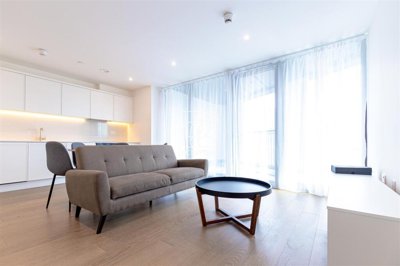
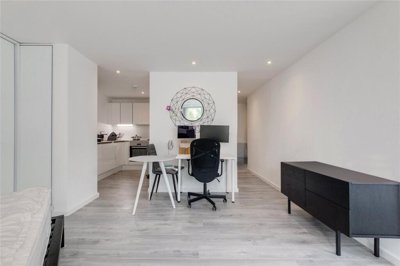
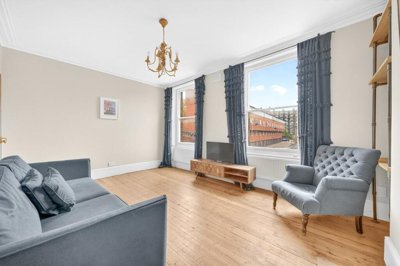
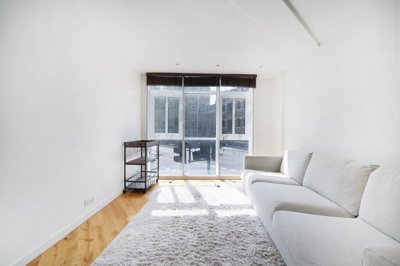
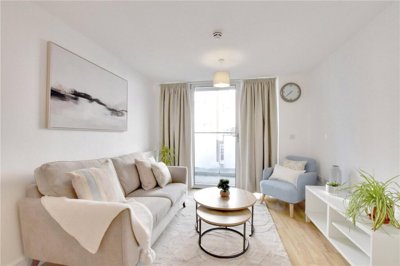
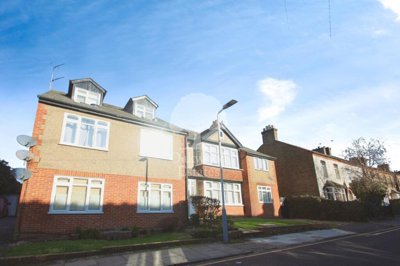
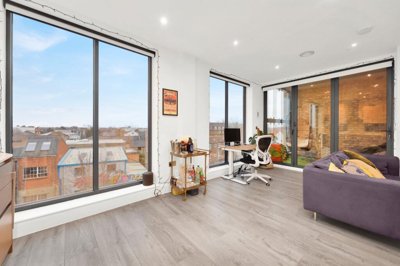
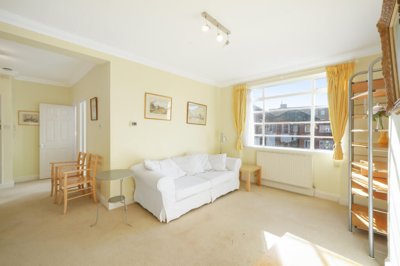
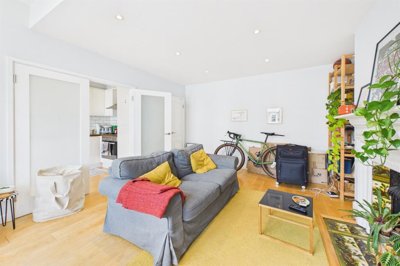
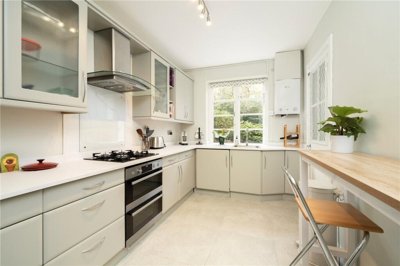
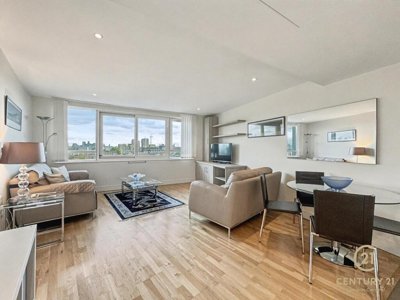
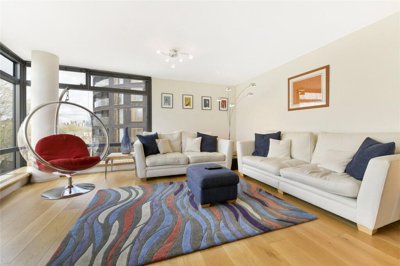
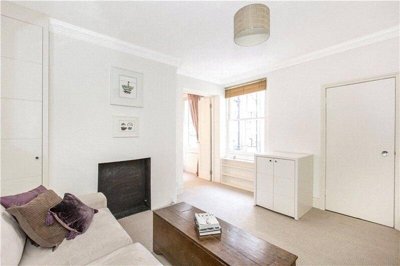
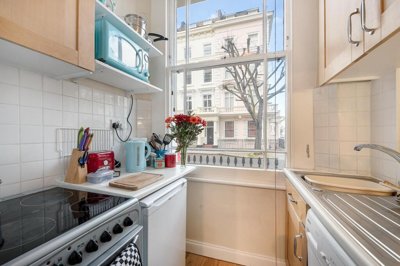
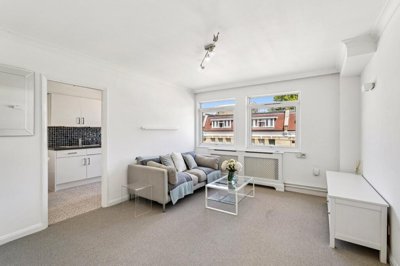
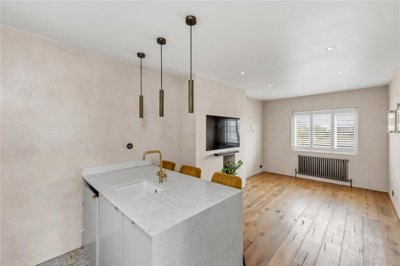
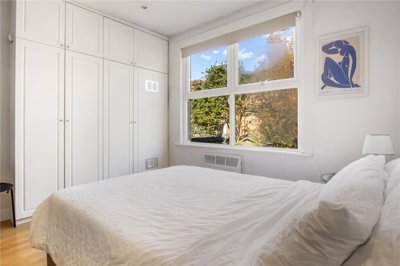
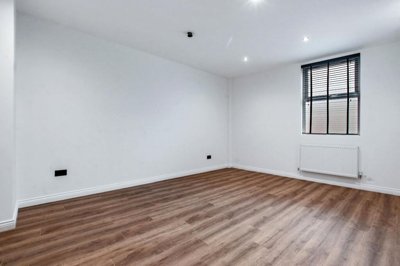
Browse 10,000 rental homes to rent in London, England from local letting agents.
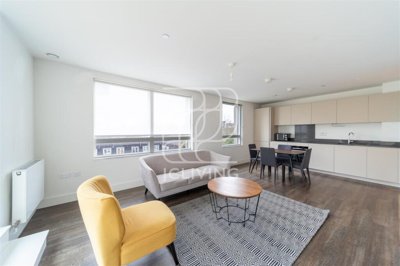
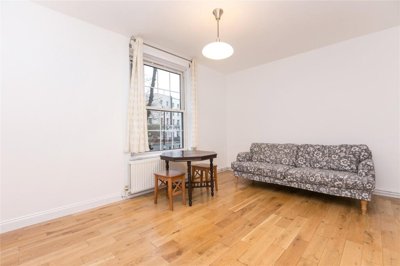
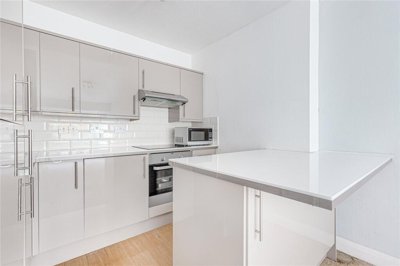
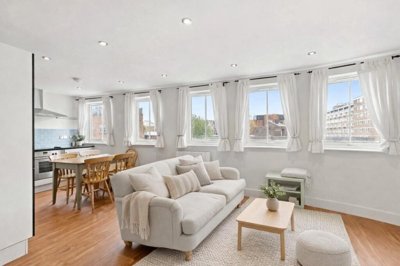
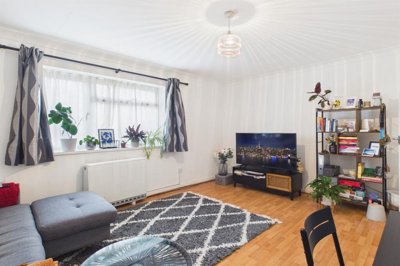
Studio apartments feature open-plan living spaces without separate bedrooms, incorporating sleeping, living, kitchen, and bathroom facilities. The London studio market includes properties in modern apartment complexes, converted Victorian and Georgian buildings, and purpose-built developments.
£2,038/m
3,266
127
53
Source: home.co.uk
Showing 3,266 results for Studio Flats to rent in London, England. 127 new listings added this week. The median asking price is £2,038/month.
Source: home.co.uk
Flat
3,266 listings
Avg £2,426
Source: home.co.uk
Source: home.co.uk
London's rental market is one of the most dynamic and competitive in the world, with property types ranging from Victorian terrace conversions in zones 2-3 to modern riverside apartments in Canary Wharf and Nine Elms. The average monthly rent across Greater London varies significantly by borough, with central areas commanding premium prices while outer boroughs offer more accessible options for renters on modest budgets. Our data shows that flats remain the most common rental property type, particularly in boroughs like Westminster, Camden, and Tower Hamlets where high-density living is the norm.
Studio and one-bedroom flats typically dominate inner London listings, appealing to young professionals and students who prioritise location over space. Larger properties with two, three, or four bedrooms become more prevalent as you move outward, with boroughs like Barking and Dagenham, Bexley, and Havering offering family-sized homes at relatively more affordable rates. New build developments continue to launch across London, particularly in regeneration zones like Old Oak Common, Barking Riverside, and the Thamesmead area, providing modern rental options with amenities.

London comprises 32 boroughs plus the City of London, each with its own distinct character, amenities, and community spirit. North London areas like Islington, Hackney, and Camden offer a bohemian atmosphere with independent shops, vintage markets, and renowned restaurants that attract creative professionals and young families alike. South London, including Brixton, Clapham, and Greenwich, has undergone significant transformation in recent years, with improved transport links making these areas increasingly popular for renters seeking more space without sacrificing connectivity.
East London has emerged as a hub for young professionals, with Shoreditch, Bethnal Green, and Leytonstone offering a vibrant nightlife scene, co-working spaces, and street food markets. West London, encompassing boroughs like Richmond, Hammersmith, and Ealing, appeals to families with its excellent schools, extensive parks including Richmond Park and Kew Gardens, and more residential character. The demographics of London renters reflect the city's diversity, with over 300 languages spoken and residents from every corner of the globe contributing to the capital's cosmopolitan atmosphere.

London offers an exceptional range of educational options, from outstanding state schools to prestigious independent institutions, making it ideal for families renting with children. Primary schools in boroughs like Kingston upon Thames, Sutton, and Bromley consistently achieve excellent Ofsted ratings, with admission often determined by catchment area proximity. Our platform allows you to search by school catchment, helping families identify properties within walking distance of top-performing primaries.
Secondary education in London includes a comprehensive network of community schools, voluntary aided schools, and the famous London grammar schools that select pupils through the 11-plus examination. Schools such as Henrietta Barnett in Barnet, Tiffin Girls in Kingston, and St Michael's in Harrow regularly rank among the best in the country. For older students, London provides exceptional further and higher education opportunities through institutions like Birkbeck, the University of London, and specialist colleges in areas like Southwark and Lambeth.

London's transport network is among the most comprehensive in the world, with the Underground, Overground, rail services, and an extensive bus network serving millions of passengers daily. The Transport for London (TfL) zones system divides the capital into concentric rings, with rental prices typically decreasing as you move further from central zones. Areas like Wembley Park, Stratford, and Shepherd's Bush benefit from multiple Underground lines, offering excellent connectivity to employment hubs in the West End, the City, and Canary Wharf.
Commuter rail services provide crucial links from outer London boroughs into central destinations, with services from towns like St Albans, Watford, and Epping reaching Liverpool Street or King's Cross within reasonable journey times. The Elizabeth Line has transformed travel across London, dramatically reducing journey times between Reading, Heathrow, and Shenfield while connecting major employment centres. Cycling infrastructure has expanded significantly, with Santander Cycles available throughout central London and protected cycle lanes increasingly common in boroughs like Islington, Hackney, and Southwark.

Renting in London requires careful attention to specific local factors that can significantly impact your living experience and finances. Many London properties are leasehold flats, meaning you will need to understand the terms of the lease, any ground rent obligations, and the level of the service charge levied by the freeholder or management company. Properties in conservation areas, which are common in boroughs like Westminster, Kensington and Chelsea, and Camden, may have restrictions on alterations, renovations, or external changes that affect how you can personalise your home.
Flood risk varies across London, with properties near the Thames in areas like Battersea, Woolwich, and the Isle of Dogs requiring specific insurance considerations and awareness of flood defence systems. Many London renters should also consider the quality of broadband infrastructure, which can vary significantly between boroughs and even between neighbouring streets. Parking arrangements deserve attention in residential areas where Controlled Parking Zones operate, as obtaining a resident permit may be challenging or impossible depending on availability.
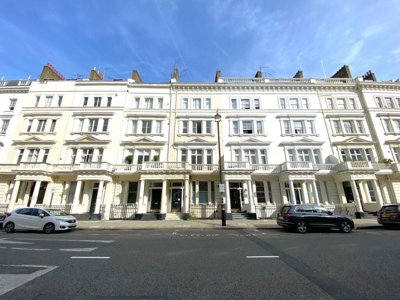
London's rental market offers an extraordinary variety of property types to suit every preference and budget. Converted flats in Victorian and Edwardian terraced houses are particularly common across zones 2-4, offering high ceilings, original features, and generous room sizes that newer developments often cannot match. Purpose-built blocks from the 1960s and 1970s can be found throughout outer London boroughs, providing more affordable options with consistent layouts and often better parking provision.
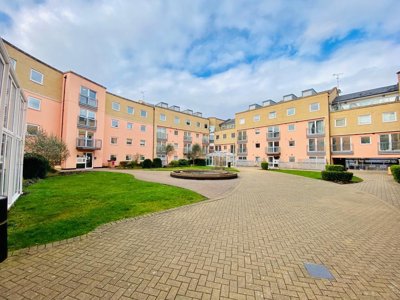
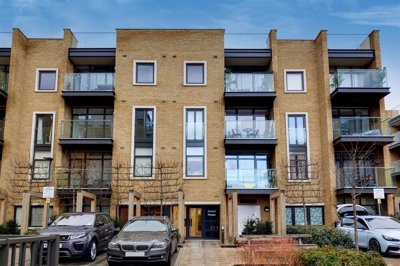
Warehouse conversions and loft apartments have become increasingly popular in regeneration areas like Bermondsey, Nine Elms, and Stratford, offering character-filled spaces with industrial heritage. New build apartments with modern amenities, concierge services, and gym facilities appeal to professionals seeking a low-maintenance lifestyle, though these typically command higher rents. House shares and lodger arrangements remain common in areas with high rental costs, offering the most affordable entry point for those willing to share their living space.
Obtain a rental budget agreement in principle before beginning your property search, as London landlords typically require proof of income equivalent to at least 30 times the monthly rent. Having this documentation ready significantly strengthens your application in competitive rental situations where multiple tenants may be bidding for the same property.
Explore different boroughs and neighbourhoods to find the right balance of rent, commute time, and lifestyle for your circumstances. Consider factors such as local amenities, school catchment areas, crime rates, and the availability of green space when narrowing down your target areas.
Many London properties are marketed exclusively through letting agents rather than on public listing platforms. Registering with multiple reputable agents in your target areas gives you access to a wider range of properties before they appear on general listings.
Attend viewings with a checklist covering practical matters including the tenure type, service charges, lease length, any planning restrictions, and what is included in the rent. In London, always confirm parking arrangements, broadband availability, and any renovation restrictions that may apply.
Once your offer is accepted, expect to pay a holding deposit, pass referencing checks, and provide evidence of your right to rent in the UK. Your landlord will use an Assured Shorthold Tenancy agreement, typically for an initial six-month term.
Rental prices in London vary enormously depending on location, property type, and number of bedrooms. Studio and one-bedroom flats in outer boroughs can start from around £1,200-1,500 per month, while central London equivalents easily exceed £2,500-3,500. Two-bedroom properties typically range from £1,800 in affordable outer boroughs to £4,000 or more in prime central locations. Three-bedroom houses in family-friendly boroughs like Bromley, Barnet, or Harrow generally range from £2,200-3,500 per month.
Council tax in London is administered by the individual borough councils, with bands ranging from A to H based on property value assessments from 1991. Most London properties fall into bands B through E, with higher value properties in boroughs like Kensington and Chelsea, Westminster, and Camden more likely to be in bands F, G, or H. Band D is often used as the reference point, with average annual charges varying between boroughs depending on local authority spending requirements.
London offers exceptional educational opportunities across all phases. For primary education, schools like Orleans Primary in Twickenham, Canonbury Primary in Islington, and Good Shepherd RC Primary in Waltham Forest consistently receive outstanding Ofsted ratings. At secondary level, grammar schools including the Royal Grammar School in Guildford, and the Henrietta Barnett School in Barnet are oversubscribed, while comprehensive schools like the London Academy of Excellence Tottenham and Harris Westminster Sixth Form are highly regarded.
London possesses one of the world's most comprehensive public transport networks, with 11 Underground lines, the Overground, the Elizabeth Line, Docklands Light Railway, and extensive bus services covering every corner of the capital. Most central London destinations are reachable within 30-40 minutes from anywhere within the Greater London boundary. The Oyster card system and contactless payment make using public transport straightforward and often cheaper than owning a car, particularly for inner London residents.
London offers unparalleled advantages for renters, including access to exceptional employment opportunities across finance, technology, creative industries, and the public sector. The capital provides world-class cultural attractions, restaurants, entertainment, and green spaces including Hyde Park, Hampstead Heath, and Richmond Park. While rental costs are higher than elsewhere in the UK, the diversity of neighbourhoods means renters can find areas to suit virtually any lifestyle preference or budget constraint.
Standard practice in London requires a security deposit equivalent to five weeks' rent, which must be protected in a government-approved tenancy deposit scheme within 30 days. Tenant referencing fees, typically ranging from £100-300 per applicant, cover credit checks and employment verification. Inventory check-out fees may be charged at the end of your tenancy, usually between £150-300. As of 2024-25, first-time renters pay zero stamp duty on properties up to £425,000, with 5% on properties valued between £425,000 and £625,000.
From 4.5% APR
Get pre-approved for your London rental budget before you start searching
From £99
Comprehensive referencing checks required by London landlords
From £99
Professional check-in and check-out reports for your rental
From £75
Energy Performance Certificate for your London rental property
Renting in London requires careful financial planning beyond simply covering the monthly rent. Beyond the security deposit and first month's rent, you should budget for referencing fees, inventory costs, and potentially a holding deposit to secure a popular property. Many London letting agents also charge administration fees, though these have been restricted and must be clearly displayed under the Tenant Fees Act 2019. Setting aside funds for moving costs, new furniture if relocating from a smaller property, and initial household supplies will prevent financial surprises.
Ongoing rental costs include council tax, utility bills, and internet services that may not be included in your rent. London boroughs set their own council tax rates, which typically increase annually in line with local authority budget requirements. Contents insurance is strongly recommended for tenants, particularly in areas with higher crime rates or where ground floor flats may be more vulnerable to burglary. Energy costs vary significantly depending on property type, with period properties often having higher heating bills than modern, well-insulated apartments.

Properties to Rent In London

Properties to Rent In Plymouth

Properties to Rent In Liverpool

Properties to Rent In Glasgow

Properties to Rent In Sheffield

Properties to Rent In Edinburgh

Properties to Rent In Coventry

Properties to Rent In Bradford

Properties to Rent In Manchester

Properties to Rent In Birmingham

Properties to Rent In Bristol

Properties to Rent In Oxford

Properties to Rent In Leicester

Properties to Rent In Newcastle

Properties to Rent In Leeds

Properties to Rent In Southampton

Properties to Rent In Cardiff

Properties to Rent In Nottingham

Properties to Rent In Norwich

Properties to Rent In Brighton

Properties to Rent In Derby

Properties to Rent In Portsmouth

Properties to Rent In Northampton

Properties to Rent In Milton Keynes

Properties to Rent In Bournemouth

Properties to Rent In Bolton

Properties to Rent In Swansea

Properties to Rent In Swindon

Properties to Rent In Peterborough

Properties to Rent In Wolverhampton

Enter your details to see if this property is within your budget.
Loans, cards, car finance
Estimated property budget
Borrowing + deposit
You could borrow between
Typical borrowing
Monthly repayment
Est. at 4.5%
Loan-to-value
This is an estimate only. Your actual budget may vary depending on interest rates, credit history, and personal circumstances. For an accurate affordability assessment, speak to one of our free mortgage advisors.
This calculator provides estimates for illustrative purposes only and does not constitute financial advice. Your home may be repossessed if you do not keep up repayments on your mortgage. Estimates based on 4.5% interest rate, repayment mortgage. Actual rates depend on your circumstances.
Homemove is a trading name of HM Haus Group Ltd (Company No. 13873779, registered in England & Wales). Homemove Mortgages Ltd (Company No. 15947693) is an Appointed Representative of TMG Direct Limited, trading as TMG Mortgage Network, which is authorised and regulated by the Financial Conduct Authority (FRN 786245). Homemove Mortgages Ltd is entered on the FCA Register as an Appointed Representative (FRN 1022429). You can check registrations at NewRegister or by calling 0800 111 6768.

We use cookies to show you personalised content and improve your experience of our website. Find out more in our Privacy policy and Cookie policy.