Pick the right path and we'll point you to the next step.
I'm the homeowner
Track this property, get market updates, and list it on Home when you're ready to sell or let.
I'm an estate agent
Claim your branch on Home.co.uk, list your properties for free, and reach buyers actively searching your area.

From riverside apartments to country cottages, search hundreds of thousands of properties for sale, to rent, and recently sold, all enriched with three decades of market data.
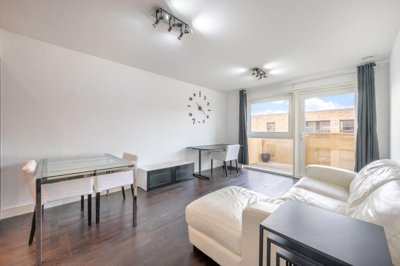
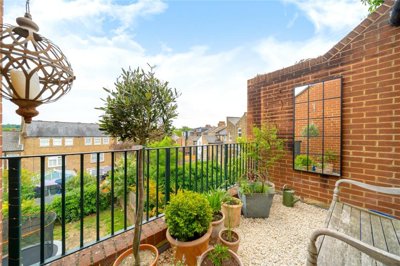
Browse 733 rental homes to rent in London, England from local letting agents.
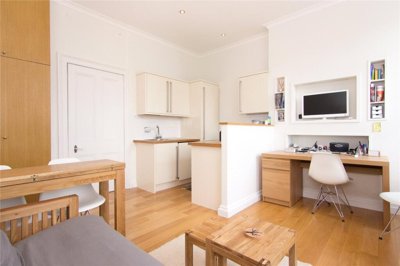
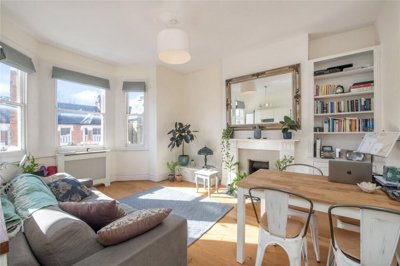
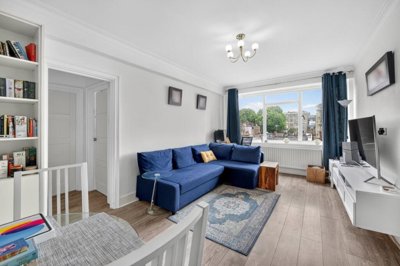
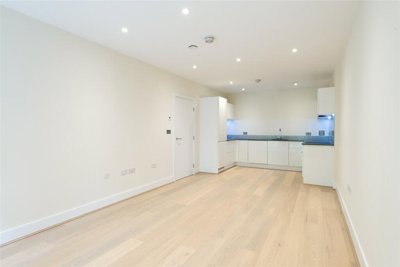
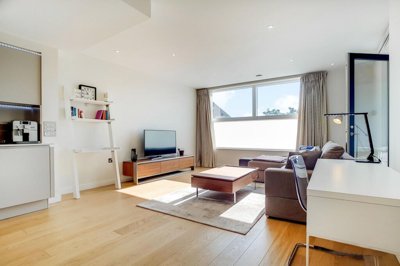
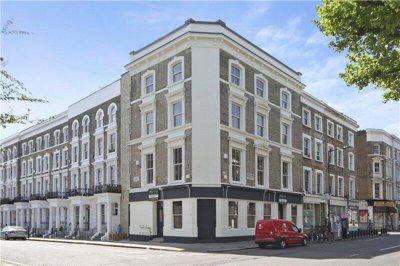
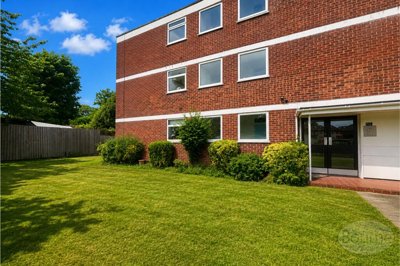
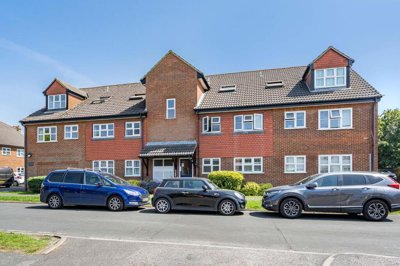
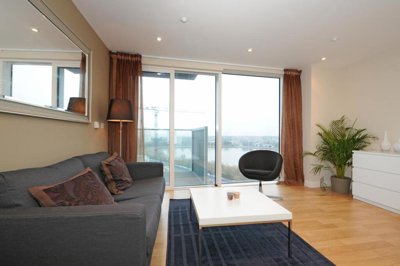
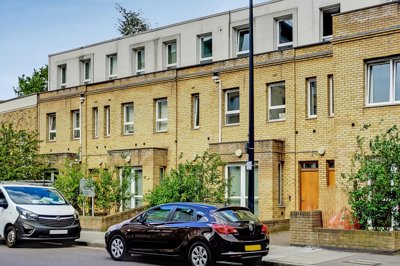
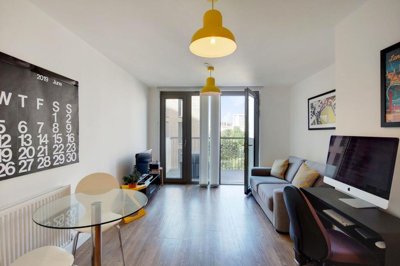
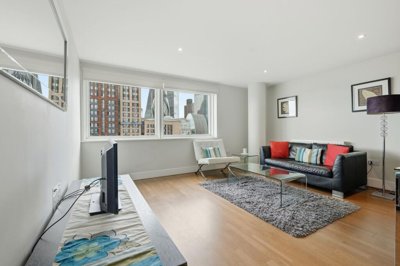
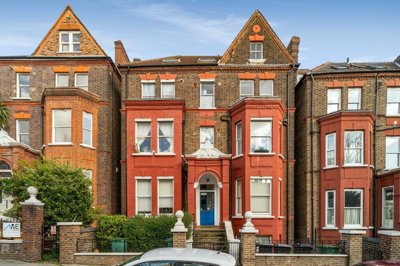
One bed apartments provide a separate bedroom alongside distinct living space, bathroom, and kitchen areas. Properties in London are available in various building types including mansion blocks, contemporary developments, and house conversions.
£1,900/m
1,845
79
53
Source: home.co.uk
Showing 1,845 results for 1 Bedroom Flats to rent in London, England. 79 new listings added this week. The median asking price is £1,900/month.
Source: home.co.uk
Flat
1,845 listings
Avg £2,051
Source: home.co.uk
Source: home.co.uk
homedata.co.uk records show that London's average sold price over the last 12 months sits at £660,463, while the latest annual average is £656,619. Property type matters a lot here, because detached homes average £1,136,000, semis £715,000, terraced homes £638,000 and flats or maisonettes £430,000. Annual price movement has been mixed too, with the overall market down 1.0%, flats down 3.6%, detached homes down 0.6%, semis up 2.9% and terraced homes up 1.7%. For renters, that spread helps explain why central apartments, converted houses and family terraces all sit in very different price brackets.
home.co.uk listings show plenty of fresh stock across the capital, especially in the areas where regeneration has added new homes. Examples include Postmark London in Mount Pleasant, with apartments from £975,000 to £1,970,000, Hertford Mill in Hackney Wick from £425,000 to £710,000, and Rivermark in Poplar bringing more new apartments into East London. Battersea Power Station alone is creating over 3,500 new homes, while Thames City, Bermondsey Place and Regent's View continue to reshape riverside and inner borough living. That pipeline matters for renters because more supply in a neighbourhood can soften pressure on older stock nearby.

London's housing stock is one of the most mixed in England, and that variety shapes everyday life as much as the property market. Around 55% of homes were built before 1950, including 12.6% pre-1900, 23.0% from 1900 to 1929 and 20.0% from 1930 to 1949, so character properties still dominate many streets. London contains 2.92 million housing units, and only 4.3% of them date from 2007 onwards, which is why newer blocks often stand out so strongly when you see them. The result is a city where you can move from a Georgian terrace to a post-war estate to a glass tower in the space of a few bus stops.
London geology matters just as much as the architecture. The city sits on expansive clay soil that shrinks in dry weather and swells when it gets wet, so subsidence is a real issue in older Victorian and Edwardian streets. Heavy rain can also create flood and surface-water problems in low-lying spots, basement flats and homes with flat roofs or weak drainage. Away from the repair risks, the capital still offers huge day-to-day appeal, from riverside walks and museums to parks, theatres and neighbourhood high streets that stay busy late into the evening.
Families rent in London for school access as much as for work, and the choice is wide. The city has state primaries, secondaries, faith schools, selective grammar schools in some boroughs, independent schools, sixth forms and a long list of further education colleges. The catch is that school performance can change quickly from one postcode to the next, so the right home depends on the admissions rules as much as the buildings themselves. We always suggest checking Ofsted reports, admissions criteria and catchment history before you commit to a tenancy.
London also stands out for the strength of its wider education ladder. Students and younger renters often want to live near a university, while families prefer a location that keeps the morning school run manageable and does not rely on a car. That fits well with Inner London, where 53% of residents are in their early twenties to early forties, because the area naturally supports graduates, young professionals and young families in the same districts. If you need quieter evenings for homework, outer boroughs usually give you more breathing room without cutting you off from the capital.

London is one of the best connected places to rent in the UK. Residents rely on the Underground, Overground, National Rail, buses and cycle routes, and the six major airports make overseas travel unusually straightforward for a capital city. For many renters, rail choice matters more than postcode, because the best home is often the one that keeps the walk to the station short and the evening journey simple. That is especially true for hybrid workers who want a practical commute without giving up local cafés, gyms or green space.
Parking can be tight in inner boroughs, so renters should check permit rules, controlled parking zones and whether the property comes with a secure space. Homes close to major interchanges often move quickly because they suit commuters, students and travellers at the same time. Outer London can be a smart trade-off if you want a bigger flat, a more residential street or a better chance of finding storage for a bike or pram. We recommend comparing the home, the station and the late-night travel options before you agree to move in.
Get a rental budget agreement in principle first, then decide whether you are looking in Inner London, Outer London or a specific travel corridor.
Compare the street, local station, parking rules and nearby amenities, because two homes in the same postcode can live very differently.
London homes can attract strong interest, so arrange viewings early and ask about furnished terms, move-in dates and how long the tenancy can run.
Look for damp, mould, window draughts, heating performance, roof stains and any signs of movement, especially in older terraces and basement flats.
Keep ID, income details, references and right-to-rent documents ready so you can move fast once you find the right place.
Check the deposit, break clause, notice period, bills, pet rules and any shared-building restrictions before you sign anything.
Older London homes have plenty of charm, but they also need a careful eye. Victorian and Edwardian terraces often come with slate or clay tile roofs, solid walls and timber floors, so damp and mould can appear where ventilation is poor or gutters are blocked. Basement flats and ground-floor homes deserve extra attention after heavy rain because water can creep in through weak drainage, ageing roofs or cracked pointing. If you are viewing a flat, ask the landlord or managing agent about any history of leaks, repairs or mould treatment.
Subsidence is another London-specific issue, driven by the capital's clay soil and made worse in streets with mature trees or repeated ground movement. Look for stepped cracks, sloping floors, sticking doors and patch repairs that suggest the issue may have happened before. Conservation areas also matter, especially in places like Marylebone, Maida Vale, St John's Wood and parts of Islington, where external changes can be tightly controlled. For flats, ask about service charges, lease length, communal repairs and who deals with the roof, lift, windows and fire-safety obligations.
Modern riverside schemes can feel easier to manage, but they still need scrutiny. Flat roofs, balconies and podium gardens should be checked for drainage, particularly after periods of heavy rain, frost or strong wind. London homes are built in brick, slate, clay tile, concrete tile and modern flat-roof systems, so there is no single inspection checklist that fits every street. A careful viewing can save you from moving into a polished home that hides expensive maintenance later on.

The London sales market gives a strong clue to rental demand, even when you are searching for a tenancy rather than a purchase. homedata.co.uk records show 70,800 property sales between January 2025 and December 2025, which was 21.1% lower than the previous 12 months. That cooling pattern suggests some households are staying flexible for longer, and that can keep demand healthy in the rental sector. When house prices remain high, especially in the inner boroughs, more movers look at renting as the easier way to stay close to work and family.
The shape of London's housing stock also explains why the rental market feels so varied. With 55% of homes built before 1950, older conversions and period terraces still play a huge role in the city, while 2007+ homes account for only 4.3% of the total stock. Most post-1996 development has clustered along the Thames, particularly in E and SE postcode areas such as E14, E16, SE16 and SE28, so modern apartments are most common in those growth corridors. That split between heritage streets and new riverside districts is one reason London can suit students, professionals and families all at once.
Our advice is to choose the property type that matches the way you actually live. A flat near a station can be ideal if you want a short commute and a walkable evening routine, while a terraced house in outer London may offer more space, more storage and a calmer street. London's younger core population keeps central areas lively, but the outer boroughs often provide better value for renters who do not need to be in the centre every day. If you want flexibility, compare furnished and unfurnished options, then weigh the commute against the size of the rooms.
For renters, the main upfront costs are usually a holding deposit, a tenancy deposit and the first month's rent. In most English tenancies, the security deposit is capped by law at five weeks' rent, while extra charges are limited to the items allowed under tenancy rules. If your London move later turns into a purchase, the 2024-25 stamp duty thresholds are 0% up to £250,000, 5% from £250,000 to £925,000, 10% from £925,000 to £1.5 million and 12% above £1.5 million. First-time buyer relief is 0% up to £425,000 and 5% from £425,000 to £625,000, with no relief above £625,000.
London running costs can vary a lot by building type. Newer blocks may include concierge fees, lift maintenance and communal heating arrangements, while older conversions can mean higher energy bills if insulation is poor or windows are original. That makes the EPC, inventory and meter setup worth checking before you agree to move in, especially if you are taking a larger flat with more rooms to heat. We also suggest leaving a small budget buffer for travel, parking permits, furniture and any repairs that fall outside the landlord's responsibility.
Securing your paperwork early helps the whole move feel smoother. A rental budget agreement in principle tells you what you can comfortably afford before you start booking viewings, and tenant referencing should be ready once you decide on a property. If you need extra reassurance on building condition, a professional roof survey in London can be useful for older homes, particularly where flat roofs, chimneys or guttering have already shown signs of wear. In a city with so much period stock, a little due diligence can save a lot of stress later on.
We do not have a verified live average rent figure, because asking rents in London change quickly from borough to borough. The best guide is always current live listings, since a one-bedroom flat near a major station can sit in a very different price bracket from a family home in the outer boroughs. For wider market context, homedata.co.uk records show an average sold price of £656,619 over the last year and a median of £505,000. That gap is one reason London rents vary so sharply by location and property type.
Council tax bands vary across London because the city spans many different boroughs and local authorities. A similar flat can sit in a different band in Westminster, Hackney, Lambeth or Ealing, so check the exact address rather than relying on the postcode alone. Most homes fall somewhere between Band A and Band H depending on value and size. Your letting agent or the borough website should confirm the band before you sign.
London has a very wide school choice, but the strongest option depends on the borough, catchment area and admission year. Families often compare state primaries, selective secondaries, grammar schools in some areas, faith schools, sixth forms and independent schools before they choose a home. Because catchments can change quickly, it is wise to check Ofsted, admissions criteria and school maps before you commit. A good rental home for one family may be a poor fit for another if the school run does not work.
London is exceptionally well connected by UK standards. The Underground, Overground, National Rail, buses and cycle routes cover most daily journeys, and the city also has six major airports for longer trips. Transport choice can be more important than postcode because some homes offer a far easier commute than others. If you travel often, pick the station first and the property second.
Yes, London is still a strong rental market because it combines jobs, transport, culture and a huge range of property types. Inner London suits people who want a shorter commute and a lively street scene, while outer London can offer better value, more space and a quieter pace. The city's younger age profile also helps keep demand strong in central neighbourhoods. The trade-off is that competition can be fierce, so being organised matters.
If you are renting, expect a holding deposit, a tenancy deposit and the first month's rent, plus any permitted fees linked to references or lost keys. In most English tenancies, the security deposit is capped at five weeks' rent, so the biggest upfront cost is usually the deposit plus the first payment. If your move later becomes a purchase, the 2024-25 stamp duty thresholds are 0% up to £250,000, 5% from £250,000 to £925,000, 10% from £925,000 to £1.5 million and 12% above £1.5 million. First-time buyer relief is 0% up to £425,000 and 5% from £425,000 to £625,000.
Older London properties can be beautiful, but they deserve a close inspection. Look for damp, mould, roof leaks, timber decay, cracking, stuck windows and signs of subsidence, especially in Victorian and Edwardian streets built on clay soil. Ask about any history of repairs, maintenance plans and whether the building has had problems after heavy rain. If the flat is in a conservation area or listed building, confirm what changes are allowed before you commit.
London renters usually need to budget for more than the monthly rent alone. A tenancy deposit, the first month's rent and any moving costs can add up quickly, especially if you are taking a larger flat or a furnished home in a popular area. Holding deposits and referencing checks are part of the normal process, so it helps to have your paperwork ready before you start a search. The quickest way to stay in control is to set the budget first, then only view homes that sit comfortably within it.
Energy bills and building costs can also change the true price of a tenancy. New-build apartments may come with extra services, while older homes may cost more to heat if they have single glazing, ageing insulation or awkward layouts. If the property is in a block, ask whether water, heating or communal maintenance are included, because that can change the monthly total by a meaningful amount. We always tell renters to read the inventory carefully and to photograph the condition on move-in day, so there is no dispute later over damage or missing items.
Properties to Rent In London

Properties to Rent In Plymouth

Properties to Rent In Liverpool

Properties to Rent In Glasgow

Properties to Rent In Sheffield

Properties to Rent In Edinburgh

Properties to Rent In Coventry

Properties to Rent In Bradford

Properties to Rent In Manchester

Properties to Rent In Birmingham

Properties to Rent In Bristol

Properties to Rent In Oxford

Properties to Rent In Leicester

Properties to Rent In Newcastle

Properties to Rent In Leeds

Properties to Rent In Southampton

Properties to Rent In Cardiff

Properties to Rent In Nottingham

Properties to Rent In Norwich

Properties to Rent In Brighton

Properties to Rent In Derby

Properties to Rent In Portsmouth

Properties to Rent In Northampton

Properties to Rent In Milton Keynes

Properties to Rent In Bournemouth

Properties to Rent In Bolton

Properties to Rent In Swansea

Properties to Rent In Swindon

Properties to Rent In Peterborough

Properties to Rent In Wolverhampton

Enter your details to see if this property is within your budget.
Loans, cards, car finance
Estimated property budget
Borrowing + deposit
You could borrow between
Typical borrowing
Monthly repayment
Est. at 4.5%
Loan-to-value
This is an estimate only. Your actual budget may vary depending on interest rates, credit history, and personal circumstances. For an accurate affordability assessment, speak to one of our free mortgage advisors.
This calculator provides estimates for illustrative purposes only and does not constitute financial advice. Your home may be repossessed if you do not keep up repayments on your mortgage. Estimates based on 4.5% interest rate, repayment mortgage. Actual rates depend on your circumstances.
Homemove is a trading name of HM Haus Group Ltd (Company No. 13873779, registered in England & Wales). Homemove Mortgages Ltd (Company No. 15947693) is an Appointed Representative of TMG Direct Limited, trading as TMG Mortgage Network, which is authorised and regulated by the Financial Conduct Authority (FRN 786245). Homemove Mortgages Ltd is entered on the FCA Register as an Appointed Representative (FRN 1022429). You can check registrations at NewRegister or by calling 0800 111 6768.

We use cookies to show you personalised content and improve your experience of our website. Find out more in our Privacy policy and Cookie policy.