Powered by Home

2 Bed Flats To Rent in London Borough of Harrow

Browse 291 rental homes to rent in London Borough of Harrow from local letting agents.

291 listings London Borough of Harrow Updated daily

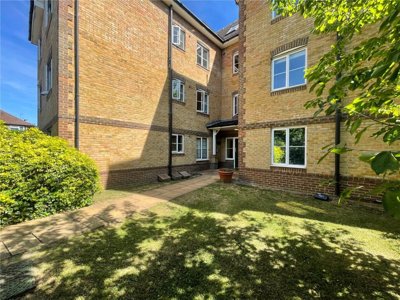
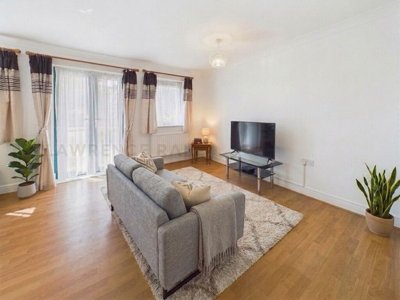
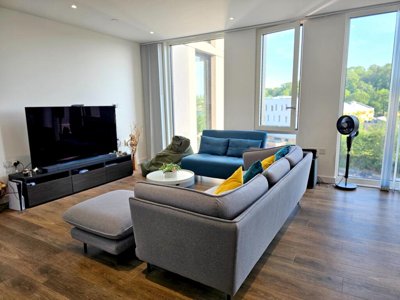
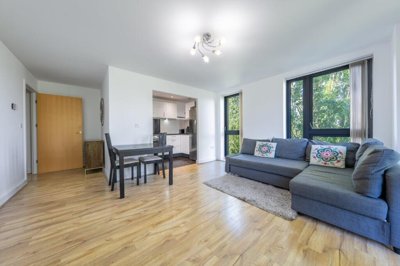
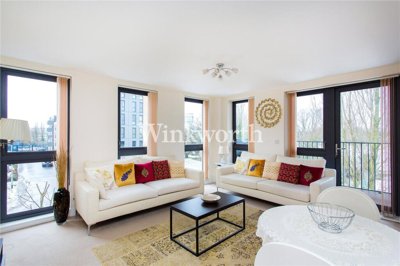
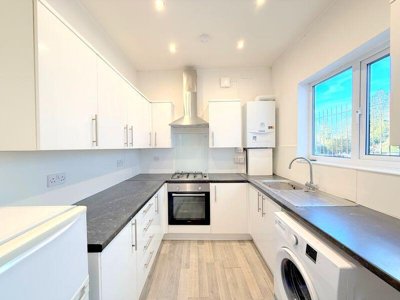
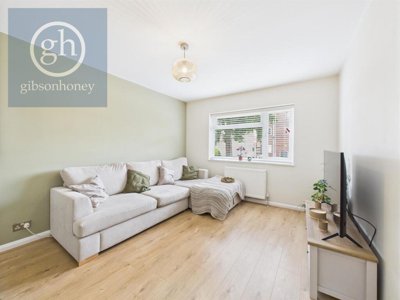
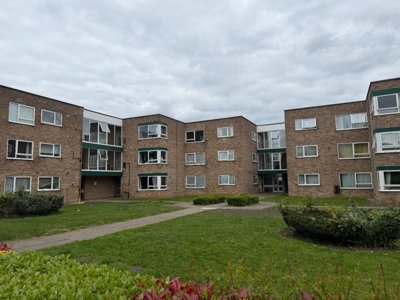
The 2 bed flat sector typically includes two separate bedrooms, dedicated living areas, and bathroom facilities. Properties in London Borough Of Harrow span purpose-built blocks, converted period houses, and modern apartment complexes on various floors.

The Rental Market in Harrow

**PASSAGE 1:** The Harrow rental market reflects the borough's enduring popularity as a place to live in northwest London. Properties in Harrow have demonstrated price stability, with the overall property market seeing an average increase of 1.76% over the last 12 months across 1,757 completed sales. While these figures relate to sales data, rental prices in the borough follow similar patterns of steady demand. The market offers rental properties across all price points, from entry-level flats suitable for young professionals to spacious family homes commanding premium rents. New developments such as Eastman Village offer modern apartments ranging from approximately £330,000 to £699,000 in purchase price, with corresponding rental values averaging around £1,818 per month reflecting the quality of accommodation on offer. The Hive and Lyon Square developments also add contemporary rental options to the borough's housing mix, with new apartments designed to meet modern living standards.

The predominant housing types in Harrow significantly influence the rental landscape. Semi-detached houses represent the largest segment at 36.6% of all dwellings, providing families with generous living spaces and gardens. Terraced properties account for 18.2% of the housing stock, offering a more affordable entry point for renters seeking traditional architecture. Flats and maisonettes comprise 30.6% of homes, with options ranging from studio apartments to spacious penthouses in new developments. Detached properties make up 14.2% of the market, typically commanding the highest rents due to their generous proportions and private outdoor spaces. This diverse mix ensures that Harrow caters to renters across all demographics, from students and young professionals to growing families and downsizers.

**PASSAGE 2:** Rental values in Harrow vary considerably depending on property type, location, and condition. Two to three-bedroom properties typically rent for between £1,925 and £2,464 per month, with larger family homes commanding premium rents depending on their proximity to schools and transport links. Flats and apartments generally start from more affordable levels, with studios and one-bedroom options available throughout the borough at various price points. Areas such as Harrow on the Hill and Pinner tend to command higher rents due to their desirable character and amenities, while Wealdstone offers more competitive pricing as the area continues its regeneration programme. The stability of the Harrow market, evidenced by consistent sales activity, suggests that rental values will remain steady for the foreseeable future.

Living in the London Borough of Harrow

The London Borough of Harrow encompasses a rich variety of distinct neighbourhoods, each offering its own character and appeal. Harrow on the Hill stands as the historic heart of the borough, dominated by the prestigious Harrow School and characterised by elegant Georgian and Victorian architecture lining tree-lined streets. The area features numerous conservation areas that preserve its architectural heritage, including the Harrow School conservation area with its collection of listed buildings and historic school structures. Properties in this area often feature original period details including sash windows, fireplaces, and decorative cornicing that appeal to renters seeking character homes. The views from Harrow on the Hill across London are among the best in northwest London, making this one of the most desirable addresses in the borough.

Pinner Village offers a charming village atmosphere with its historic High Street, independent shops, and period properties that attract families and professionals seeking a quieter lifestyle. The River Pinn flows through Pinner, creating attractive green corridors and contributing to the area's character. Roxeth Hill and South Harrow offer diverse residential options with excellent transport connections, while Stanmore provides a more suburban feel with spacious detached homes set within generous plots. Wealdstone has undergone significant transformation in recent years, with new developments bringing modern apartments to this traditionally residential area. The borough's regeneration schemes continue to improve local facilities and attract new residents to the area.

The demographic composition of Harrow reflects London's multicultural character, with strong communities including significant populations of Indian, Sri Lankan, Caribbean, and other ethnic backgrounds contributing to the borough's vibrant cultural fabric. This diversity is celebrated through numerous local festivals, restaurants offering world cuisines, and community organisations that bring residents together. The borough is governed by Harrow London Borough Council, which provides essential services including education, social care, planning, and waste management. Local employers of note include Northwick Park Hospital, one of London's major NHS trusts, the University of Westminster Harrow Campus, and Harrow School itself. The borough's strong professional and administrative services sector provides employment opportunities that support the local housing market and attract renters seeking to minimise their commute while maintaining access to central London career opportunities.

Properties to rent in London Borough Of Harrow

Schools and Education in Harrow

Education is one of Harrow's most significant attractions for families considering renting in the borough, with the area renowned for its exceptional schools at every level. The borough is home to the prestigious Harrow School, one of Britain's oldest and most distinguished public schools, situated in stunning grounds atop Harrow on the Hill. For state education, Harrow boasts several highly regarded secondary schools including Harrow High School and Rooks Heath School, both rated Good by Ofsted. The Whitmore High School and Park High School have achieved Outstanding Ofsted ratings, making them particularly sought-after destinations for families. Sacred Heart Catholic School also maintains an Outstanding rating as a voluntary aided school, providing faith-based education options for Catholic families in the borough.

Primary education in Harrow is equally impressive, with numerous schools earning Good or Outstanding Ofsted ratings. Grange Primary School, Pinner Park Primary School, and Cannon Lane Primary School are among the most popular choices for families with young children, each consistently performing well in inspections. The borough's commitment to education is reflected in its investment in school infrastructure and programmes supporting student achievement across all phases. Parents renting in Harrow should research specific school catchment areas, as admission policies typically prioritise children living within designated distances. The University of Westminster's Harrow Campus provides higher education opportunities within the borough, while excellent transport connections ensure that students can easily commute to universities across London. For families prioritising educational quality, Harrow represents one of London's most compelling boroughs for renting a family home.

Beyond traditional academic institutions, Harrow offers a range of extracurricular activities and educational support services. Local leisure centres, libraries, and community facilities provide after-school programmes and holiday activities for children of all ages. Music schools, sports clubs, and arts organisations offer opportunities for children to develop skills outside the classroom. The borough's diverse community also means that language support and cultural education programmes are widely available, enriching children's educational experiences. Families moving to Harrow from other areas often cite the quality of local schools as a primary motivation for their relocation, making educational access a key factor in the borough's rental market demand.

Transport and Commuting from Harrow

Transport connectivity is a major draw for renters choosing Harrow, with the borough offering excellent links to Central London and beyond. Harrow on the Hill station serves as a key interchange, providing access to both the Metropolitan line of the London Underground and National Rail services operated by Chiltern Railways. Journey times from Harrow-on-the-Hill to Baker Street on the Metropolitan line take approximately 30-35 minutes, while Chiltern services reach London Marylebone in around 20 minutes, making the station particularly attractive for commuters working in the City or West End. Harrow Wealdstone station offers additional National Rail connections with services to London Euston and destinations in Buckinghamshire and Hertfordshire. The London Overground network also serves the borough through stations on the Windesmere branch, connecting residents to broader London transport options.

For those preferring road transport, Harrow benefits from excellent connections to major routes including the A409/Corey Road and A4005, which provide access to the A40 Western Avenue and the M1 motorway. The A410 and A4180 offer additional routes across the borough, connecting residents to neighbouring areas including Wembley, Brent, and Barnet. Transport for London bus services provide comprehensive coverage across the borough, with numerous routes connecting Harrow to surrounding areas including Northolt, Ruislip, and Edgware. However, parking can be challenging in certain areas, particularly near Harrow on the Hill where Controlled Parking Zones operate, and residents without off-street parking may face difficulties finding spaces. The borough's road network generally handles traffic well outside peak hours, though congestion around major shopping centres and transport hubs can be significant during busy periods.

Active travel options are well-supported in Harrow, with numerous cycle routes and pedestrian pathways connecting neighbourhoods to key destinations. The Grand Union Canal passes through parts of the borough, providing scenic routes for cyclists and walkers. Several cycle hire schemes operate in the area, complementing the borough's investment in cycling infrastructure. For commuters who work from home some days, Harrow's excellent fibre broadband coverage makes it practical to avoid travelling on quieter days. The combination of transport options makes Harrow an practical choice for renters who need flexibility in how they travel for work and leisure.

How to Rent a Home in Harrow

1

Get Your Budget in Principle

Before searching for rental properties in Harrow, obtain a rental budget agreement in principle from a lender. This document confirms how much you can afford to spend on rent each month, demonstrating your financial credibility to landlords and letting agents. A budget agreement typically involves a straightforward affordability assessment based on your income and existing financial commitments. Having this in place before you start viewing properties helps you focus your search on homes you can realistically afford and demonstrates seriousness to landlords.

2

Research Harrow's Neighbourhoods

Explore the different areas within the London Borough of Harrow to find the neighbourhood that best suits your lifestyle. Consider factors including proximity to schools if you have children, transport connections for commuting, local amenities, and the character of residential streets. Areas like Harrow on the Hill offer historic charm with conservation areas and period properties, while newer developments provide modern amenities and contemporary living spaces. Each neighbourhood has its own rental market characteristics, so understanding local options helps you find the best value for your circumstances.

3

Arrange Property Viewings

Once you have identified suitable properties, arrange viewings through Homemove or contact local letting agents directly. Seeing properties in person is essential for assessing their condition, location, and whether they meet your requirements. Take the opportunity to inspect the property thoroughly, checking for signs of damp, the condition of fixtures and fittings, and the security of doors and windows. Ask about the length of the current tenancy and why the property is becoming available, as this can provide useful context about the property and landlord.

4

Submit Your Rental Application

When you find a property you wish to rent, submit your application with all required documentation including proof of identity, proof of income or employment, bank statements, and references from previous landlords if available. Your referencing will include credit checks, employment verification, and affordability assessment. Being well-prepared with complete documentation can help your application proceed smoothly and quickly, which is important in competitive rental markets.

5

Pay Your Deposit and Sign the Agreement

If your application is accepted, you will need to pay a deposit and the first month's rent to secure the property. Deposits are typically capped at five weeks' rent under the Tenant Fees Act 2019. Review your tenancy agreement carefully before signing, ensuring you understand your rights, responsibilities, and the terms of the tenancy including the duration and any renewal options. Take photos of the property condition at the start of your tenancy and keep copies of all correspondence with your landlord or letting agent.

What to Look for When Renting in Harrow

Renting in the London Borough of Harrow requires careful consideration of several area-specific factors that can significantly impact your tenancy experience. The local geology presents particular challenges, as Harrow sits predominantly on London Clay, which is known for its shrink-swell potential. This means clay can expand when wet and contract when dry, posing a moderate to high risk of subsidence for properties with shallow foundations or those located near large trees. When viewing properties, ask about the structural history and any previous foundation work or underpinning that may have been carried out to address these concerns. Signs of subsidence include cracks in walls, doors that stick, and uneven floors.

Flood risk is another important consideration for renters in Harrow, with areas along the River Pinn and its tributaries in Pinner, Eastcote, and Ruislip susceptible to fluvial flooding. Surface water flooding represents a more widespread risk across the borough, particularly in low-lying areas or where drainage systems may be overwhelmed during periods of heavy rainfall. The Environment Agency provides detailed flood risk maps that renters should consult before committing to a property. Given that 60-70% of Harrow's housing stock was built before 1980, older properties may also exhibit common issues including damp, roof defects, timber rot, and outdated electrical systems that require attention from landlords. Requesting information about any previous flooding or damp issues helps you understand potential maintenance concerns.

Many areas of Harrow fall within Conservation Areas including Harrow on the Hill, Pinner Village, Stanmore Hill, and Roxeth Hill, which impose restrictions on alterations and renovations to protect the special architectural character of these locations. If you are considering renting a period property, be aware that changes to the property may require planning permission from Harrow London Borough Council. Similarly, properties within or near listed buildings may be subject to additional controls over modifications. Always discuss any plans for changes with your landlord and the local planning authority before signing your tenancy agreement, as breaches of conservation area controls can result in enforcement action.

When viewing rental properties in Harrow, take time to assess the local neighbourhood at different times of day. Visit during morning and evening rush hours to understand traffic and parking conditions. Check the proximity to nearest bus stops and train stations, and walk to local shops and amenities to gauge convenience. Speak to existing residents if possible to learn about the local community, noise levels, and any ongoing developments in the area. Taking a methodical approach to property viewings helps you make an informed decision and find a rental home that truly suits your lifestyle and practical needs.

Find rentals in London Borough Of Harrow

Renting Costs and Deposits in Harrow

**PASSAGE 3:** Understanding the full cost of renting in the London Borough of Harrow is essential for budgeting effectively and avoiding unexpected expenses. The initial costs of moving into a rental property typically include a security deposit, which under the Tenant Fees Act 2019 is capped at five weeks' rent for properties with annual rents below £50,000. This deposit must be protected in a government-approved Tenancy Deposit Scheme within 30 days of receiving it, and you should receive details of how it will be protected. The first month's rent is usually payable in advance, and some landlords may request additional months' rent as a prepaid condition of the tenancy. These upfront costs can amount to several thousand pounds, so planning your finances carefully before starting your property search is crucial.

Ongoing costs of renting in Harrow extend beyond monthly rent to include council tax, utility bills, contents insurance, and potential service charges for flats or leasehold properties. Council tax in Harrow varies by property band, with charges set annually by Harrow London Borough Council based on the assessed value of your home. Utility costs will depend on the property's size, condition, and your usage patterns, though older properties with poor insulation may incur higher heating costs. Contents insurance protects your personal belongings and is relatively inexpensive, while service charges for flats may cover building insurance, maintenance of communal areas, and in some cases utilities. Getting a rental budget agreement in principle before viewing properties helps ensure you have a clear picture of what you can afford, including all associated costs of renting in Harrow.

Additional costs to factor into your renting budget include moving expenses, potential furniture purchases if the property is unfurnished, and connection fees for utilities and internet services. If you have pets, you may face higher deposits or landlords who prefer not to accept animals, so this is worth considering early in your search. Some letting agents charge referencing fees, though these are capped under the Tenant Fees Act 2019. Budgeting for these additional expenses ensures you are not caught out by unexpected costs when moving into your new rental home. It is worth obtaining quotes from removal companies and checking availability of broadband providers in your chosen area before committing to a property.

Frequently Asked Questions About Renting in Harrow

What is the average rental price in Harrow?

**PASSAGE 4:** While specific rental price data requires checking current listings, the Harrow property market offers rental options across all price points. Two to three-bedroom properties typically rent for between £1,925 and £2,464 per month, with larger family homes commanding higher rents depending on location and specification. Flats and apartments generally start from more affordable levels, with prices varying by neighbourhood. Areas like Harrow on the Hill and Pinner tend to command premium rents due to their character and amenities, while Wealdstone offers more competitive pricing as the area continues regeneration. The market benefits from relative stability, with properties in Harrow seeing overall price increases of 1.76% over the last 12 months, suggesting consistent demand from renters.

What council tax band are properties in Harrow?

Properties in the London Borough of Harrow are assigned council tax bands A through H, with the majority of residential properties falling within bands B through E. The specific band depends on the property's assessed value, with band A representing the lowest values and band H the highest. Harrow London Borough Council sets the annual council tax charges, and tenants should factor these costs into their overall budget alongside rent and utility bills. You can check the council tax band for any property through the Valuation Office Agency website before committing to a tenancy.

What are the best schools in Harrow?

Harrow is renowned for its exceptional schools, including the prestigious Harrow School, one of Britain's oldest public schools situated atop Harrow on the Hill. State secondary schools The Whitmore High School and Park High School have both achieved Outstanding Ofsted ratings, while Harrow High School and Rooks Heath School are rated Good. For primary education, popular choices include Grange Primary School, Pinner Park Primary School, and Cannon Lane Primary School, all rated Good by Ofsted. Families should research specific school catchment areas, as admission policies typically prioritise children living within designated distances from the school.

How well connected is Harrow by public transport?

Harrow offers excellent public transport connections, with Harrow on the Hill station providing Metropolitan line access to Baker Street in approximately 30-35 minutes, plus Chiltern Railways services to London Marylebone in around 20 minutes. Harrow Wealdstone offers additional National Rail connections to London Euston, while London Overground services operate on the Windesmere branch through stations including Hatch End and Headstone Lane. Comprehensive Transport for London bus services connect the borough to surrounding areas including Northolt, Ruislip, and Edgware. This connectivity makes Harrow particularly attractive for commuters working in Central London, with multiple options for reaching different parts of the capital.

Is Harrow a good place to rent in?

Harrow consistently ranks among London's most desirable boroughs for renters, offering an attractive combination of excellent schools, strong transport links, and relative affordability compared to central London areas. The borough's diverse communities create a vibrant cultural atmosphere with numerous restaurants, shops, and entertainment options across neighbourhood centres like Pinner, Stanmore, and Rayners Lane. Green spaces including Bentley Priory, Harrow Wealdstone Reservoir, and numerous local parks provide recreational opportunities for families and outdoor enthusiasts. Whether you are a young professional, growing family, or downsizer, Harrow offers a high quality of life that makes it an excellent choice for renting in London.

What deposit and fees will I pay on a property in Harrow?

When renting in Harrow, you will typically need to pay a security deposit capped at five weeks' rent under the Tenant Fees Act 2019, plus the first month's rent in advance. Additional costs may include referencing and credit check fees charged by letting agents, although these are capped under the Tenant Fees Act 2019. You may also need to budget for moving costs, potential furniture purchases, and connection fees for utilities and internet services. Some landlords request holding deposits to take a property off the market while referencing is completed, which are typically deducted from your initial move-in costs. Obtaining a rental budget agreement in principle before starting your property search is highly recommended, as this demonstrates financial credibility to landlords and agents and helps you understand your true affordability.

Are there any new developments to rent in Harrow?

Several new development projects in Harrow offer modern rental options for tenants seeking contemporary accommodation. Eastman Village, developed by Barratt London, offers one to four-bedroom homes in the HA1 postcode area, while The Hive provides modern apartments ranging from one to three bedrooms. These new developments typically feature contemporary finishes, energy-efficient designs, and modern amenities including allocated parking and communal spaces. Rental availability in new developments may be limited as some units are sold rather than rented, so checking current listings regularly is advisable. New build properties often command premium rents but offer lower maintenance concerns compared to older housing stock.

What areas of Harrow are best for commuting to central London?

Areas closest to major transport hubs offer the most convenient commuting options from Harrow. Harrow on the Hill is particularly well-served, with Metropolitan line access to Baker Street and Chiltern Railways services to London Marylebone. Harrow Wealdstone provides National Rail connections to London Euston, while stations on the London Overground Windesmere branch offer additional options. Areas within walking distance of these stations, including parts of Harrow on the Hill, North Harrow, and South Harrow, are particularly popular with commuters. These areas command slightly higher rents due to their transport advantages, but many renters find the time savings justify the premium.

Browse Homes to Rent Across the UK

Terms of use Privacy policy All rights reserved © homemove.com | Properties to Rent » England » London Borough of Harrow

Homemove is a trading name of HM Haus Group Ltd (Company No. 13873779, registered in England & Wales). Homemove Mortgages Ltd (Company No. 15947693) is an Appointed Representative of TMG Direct Limited, trading as TMG Mortgage Network, which is authorised and regulated by the Financial Conduct Authority (FRN 786245). Homemove Mortgages Ltd is entered on the FCA Register as an Appointed Representative (FRN 1022429). You can check registrations at NewRegister or by calling 0800 111 6768.