Powered by Home

Properties To Rent in London Borough of Haringey

Browse 1,916 rental homes to rent in London Borough of Haringey from local letting agents.

1,916 listings London Borough of Haringey Updated daily

The Haringey Rental Market Overview

The Haringey rental market demonstrates remarkable resilience and steady growth, reflecting the borough's popularity among renters seeking quality homes at relatively more accessible price points compared to central London. Our data shows that rental demand remains strong across all property types, with flats and terraced houses accounting for the majority of available properties. Recent market analysis indicates that terraced properties have experienced modest price appreciation, with values rising by around 2% over the past twelve months, while flat prices have shown slight softening of approximately 1.8%. This trend creates opportunities for renters seeking flats in desirable areas such as Hornsey, Highgate, or near the numerous transport hubs. The Tottenham Hale area has seen significant regeneration investment, bringing new rental properties to the market and transforming the local environment with improved amenities and excellent connectivity to Stratford and beyond.

Property prices in Haringey vary considerably by type, with detached properties averaging around £2,291,000 and semi-detached properties at approximately £1,195,000. For renters, this translates to monthly costs that reflect the desirability of different neighbourhoods and property styles. Victorian terraced houses in areas like Crouch End, Muswell Hill, and Alexandra Palace often command premium rents due to their period features and generous proportions, while newer developments such as those near Tottenham Hale offer modern specifications at competitive price points. The rental market has shown particular strength in areas benefiting from transport improvements, with tenants willing to pay premiums for properties within easy reach of Underground stations on the Victoria line at Seven Sisters and Tottenham Hale.

Find Rentals London Borough Of Haringey

Living in the London Borough of Haringey

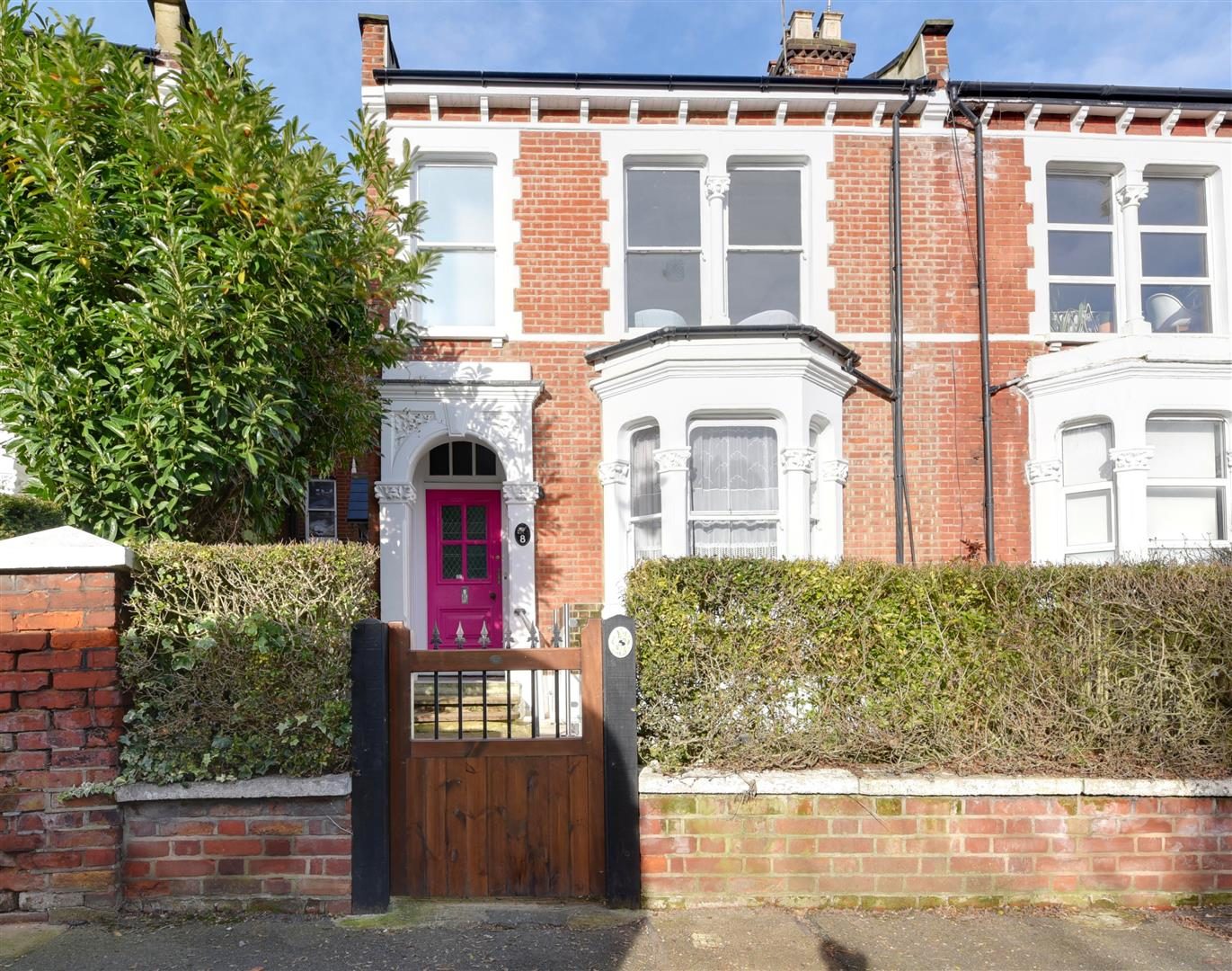
The London Borough of Haringey encompasses a remarkable variety of neighbourhoods, each offering its own distinct character and lifestyle. From the bohemian atmosphere of Crouch End with its independent shops, cafes, and theatre to the family-friendly residential streets of Muswell Hill with their period properties and excellent schools, Haringey provides rental options to suit diverse preferences. The borough's housing stock predominantly features Victorian and Edwardian terraced houses and elegant semi-detached properties, alongside purpose-built flats and contemporary developments that have emerged through recent regeneration projects. Areas like Wood Green serve as vibrant hubs with excellent shopping and leisure facilities, while quieter residential streets in Hornsey and Stroud Green offer a village atmosphere within easy reach of Central London.

Haringey's demographic diversity is one of its greatest strengths, creating vibrant communities where long-standing residents mix with newcomers drawn by the borough's accessibility and value proposition. The area benefits from extensive green spaces including Alexandra Palace grounds, Wood Green Common, and the parks that thread through residential neighbourhoods. Local amenities are excellent, with Wood Green serving as the borough's main shopping and leisure destination while smaller neighbourhood centres in Tottenham, Hornsey, and Stroud Green provide everyday necessities and characterful independent businesses. The borough's proximity to key employment centres including the City, the West End, and Canary Wharf makes it particularly attractive to commuters who want to minimise their journey times while enjoying more spacious accommodation than central London typically offers.

The character of different neighbourhoods varies significantly across the borough. Tottenham has undergone substantial transformation in recent years, with major regeneration projects bringing new investment, improved public spaces, and an expanding range of amenities. Highgate and Crouch End retain much of their village character, with conservation areas protecting the architectural heritage of tree-lined streets and period properties. Wood Green has emerged as a key destination for retail and leisure, while Hornsey offers excellent value with good transport links and a strong sense of community. When searching for rental properties in Haringey, visiting different areas at various times of day can help you understand which neighbourhood best matches your lifestyle preferences and daily routines.

Rental Search London Borough Of Haringey

Schools and Education in Haringey

Families considering renting in Haringey will find an impressive selection of educational establishments across all levels. The borough hosts numerous primary schools with strong Ofsted ratings, including several that consistently achieve outstanding judgments. Secondary education options include highly regarded comprehensives and the borough's grammar schools, which attract students from across North London through the selection process. Parents should research specific catchment areas and admissions criteria when selecting a rental property, as school places are allocated based on proximity in many cases. The proximity to prestigious institutions in Camden, Islington, and Barnet expands options for families with particular educational requirements or preferences.

Beyond state education, Haringey offers access to excellent independent schools, further education colleges, and specialist provision for various educational needs. North London contains a particularly high concentration of respected independent schools, and the borough's good transport connections make many of these accessible. The proximity to prestigious institutions in Camden, Islington, and Barnet expands options for families with particular educational requirements or preferences. Sixth form provision in the borough continues to strengthen, with schools investing in expanded facilities and diverse curriculum offerings that prepare students for higher education and apprenticeships. Families moving to Haringey should begin researching school options and admissions processes well in advance of any tenancy start date, as popular schools can have waiting lists and specific documentation requirements for applications.

Rental Properties London Borough Of Haringey

Transport and Commuting from Haringey

Transport connectivity ranks among Haringey's most significant advantages for renters, with multiple London Underground and National Rail stations providing diverse commuting options into Central London and beyond. Tottenham Hale station offers direct services to Liverpool Street and Stansted Airport, while Alexandra Palace provides regular trains to Moorgate. The Victoria line serves Seven Sisters and Tottenham Hale, connecting residents to the Underground network and enabling swift access to the West End, the City, and key transport hubs including Kings Cross St Pancras. For commuters seeking international travel, Tottenham Hale and Stratford provide convenient access to airports including Luton, Stansted, and Heathrow via rail connections.

Bus services throughout Haringey are comprehensive, with routes connecting all major neighbourhoods and providing links to surrounding boroughs. The borough's road network includes direct access to the North Circular Road and connections to the M1 motorway for those travelling by car. Cycling infrastructure continues to improve, with cycle superhighways and local cycling schemes making sustainable commuting increasingly practical. For residents working in tech or creative industries concentrated around Old Street, Shoreditch, and Canary Wharf, Haringey's transport links offer convenient access without the premium rents charged in central locations. Tottenham Hale's improved interchange facilities have made cross-London journeys more straightforward, while the London Overground services from Seven Sisters connect to the broader rail network efficiently.

Renting Guide London Borough Of Haringey

How to Rent a Home in Haringey

1

Get Your Rental Budget in Principle

Contact lenders or use our rental budget service to establish how much you can afford to spend on monthly rent. A rental budget agreement in principle strengthens your position when applying for properties and demonstrates your financial capability to landlords and letting agents. This document shows agents and landlords that you are a serious applicant with verified financial circumstances, which is particularly important in competitive areas like Crouch End and Muswell Hill where multiple applications for popular properties are common.

2

Research Haringey Neighbourhoods

Explore different areas within the borough to find the neighbourhood that best matches your lifestyle requirements. Consider proximity to work, schools, transport links, and local amenities when evaluating areas such as Crouch End, Muswell Hill, Wood Green, or Tottenham. Each area has distinct characteristics - from the village atmosphere of Crouch End to the urban regeneration happening in Tottenham - and spending time exploring will help you identify where you feel most at home. Local letting agents can provide insights into specific streets and developments that may not be immediately obvious from property listings.

3

Search and View Properties

Use Homemove to browse available rental properties in Haringey and arrange viewings with local letting agents. View multiple properties to compare condition, location, and value before making your decision. Take photographs and notes to help compare options later. When viewing properties, pay attention to the condition of the building, the responsiveness of the current landlord or managing agent, and any signs of maintenance issues that might indicate larger problems. In older Victorian and Edwardian properties, look specifically for signs of damp, the condition of original features, and the quality of any recent renovations or conversions.

4

Arrange a Property Survey

Before committing to a rental, consider booking a survey to assess the property condition. A thorough inspection can identify maintenance issues, potential problems with older Victorian or Edwardian properties, and any concerns that might affect your decision or require negotiation with the landlord. Given that much of Haringey's housing stock dates from the Victorian and Edwardian periods, our inspectors frequently encounter issues related to aging infrastructure, original construction methods, and the effects of London Clay on property foundations. A survey report provides documented evidence of the property's condition at the start of your tenancy, protecting both you and the landlord.

5

Submit Your Application

Once you have found your ideal rental property, submit your application through the letting agent with required documentation including proof of identity, employment references, and bank statements. Your rental budget in principle and tenant referencing will be processed to verify your suitability as a tenant. Applications in competitive areas may need to be submitted quickly, so having your documentation organised in advance can give you an advantage. Some landlords also request references from previous landlords, so ensuring contact details for past agencies or landlords can streamline the process.

6

Sign Your Tenancy Agreement

Upon successful referencing, you will receive your tenancy agreement for review. Ensure you understand the terms including rent amount, deposit requirements, tenancy duration, and any special conditions. Pay your deposit and first month's rent to secure your new home in Haringey. Your deposit must be protected in a government-approved scheme within 30 days of receipt, and you should receive written confirmation of which scheme holds your deposit along with information about how to retrieve it at the end of your tenancy.
What to Look for When Renting in Haringey

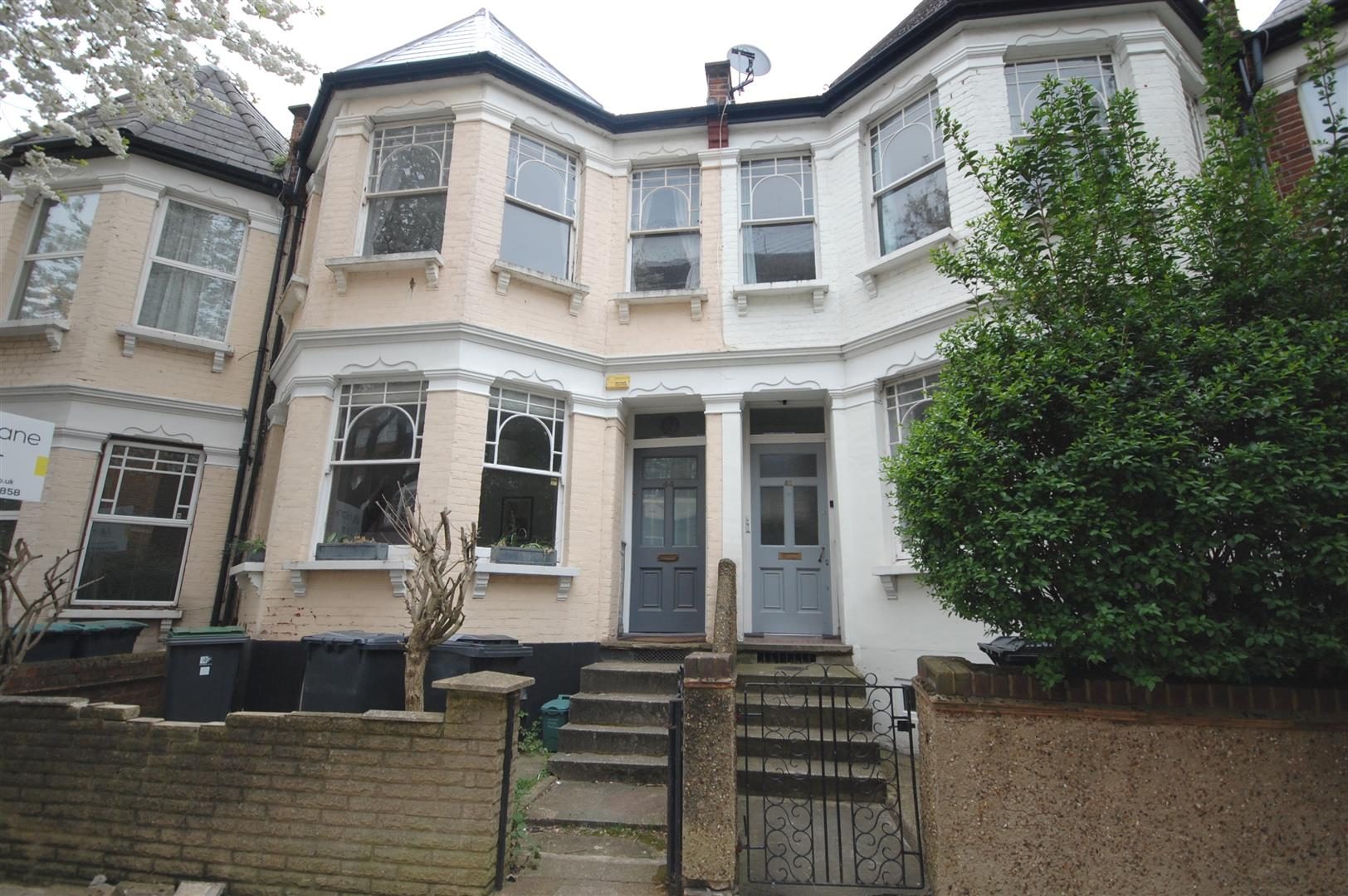
Renting in Haringey requires careful consideration of several area-specific factors that can significantly impact your tenancy experience. The borough's geological characteristics include London Clay deposits, which can cause subsidence issues in older properties with shallow foundations or nearby mature trees. When viewing properties, examine walls for cracking, check for signs of damp, and ask about any previous structural work or insurance claims. Properties in conservation areas such as parts of Crouch End, Highgate, Hornsey, and Muswell Hill may have planning restrictions affecting alterations or improvements you wish to make. Our team regularly surveys properties throughout Haringey, and we understand the common issues that affect the local housing stock.

The borough's Victorian and Edwardian properties, which make up a significant portion of the rental market, were built using traditional construction methods that differ substantially from modern standards. These properties typically feature solid brick walls without cavity insulation, timber suspended floors, and original plumbing and electrical systems that may have been partially updated over the years. Our inspectors frequently find evidence of damp penetration in these older properties, particularly in basement areas and ground floor rooms where moisture can rise through solid floors. Roof conditions also warrant careful inspection, as original slate and tile coverings can deteriorate over decades, leading to leaks that may not be immediately apparent during a viewing.

Flood risk awareness is particularly important for properties near Tottenham Hale and the eastern areas adjacent to the River Lea. Surface water flooding can affect low-lying areas across the borough during heavy rainfall, so investigate the property's flood risk rating and check whether the landlord has appropriate insurance coverage. For leasehold properties, which are common for flats in Haringey, review the remaining lease term, ground rent obligations, and service charge estimates carefully. These ongoing costs vary significantly between developments and can substantially affect the true cost of renting. Properties in newer developments such as those in Tottenham Hale may offer modern specifications and amenities but could also carry service charges that add substantially to monthly costs.
Electrical and gas safety should be verified for any property you are considering. Older properties may still contain outdated wiring that has not been fully updated to meet current standards, and rental regulations require landlords to provide valid certificates for both electrical installations and gas appliances. Ask whether the property has had a recent electrical inspection and when the boiler was last serviced. For properties with solid walls, insulation options may be limited compared to modern properties, potentially affecting heating costs and energy efficiency ratings. These factors are worth considering alongside the rent when evaluating the overall cost of a rental property in Haringey.

Rental Market London Borough Of Haringey

Frequently Asked Questions About Renting in Haringey

What is the average rental price in Haringey?

The Haringey rental market offers properties typically ranging from £1,400 per month for one-bedroom flats to £2,500 or more for larger terraced houses and family homes. Flats in areas like Wood Green and Tottenham Hale often start around £1,400 to £1,600 PCM, while spacious Victorian terraced houses in Crouch End or Muswell Hill can command £2,000 to £2,800 per month due to their period features and desirable locations. The overall property values in Haringey average approximately £627,000 to £685,000, which provides context for rental pricing across different property types. Rents have shown particular resilience in areas with strong transport connections, where tenants are willing to pay premiums for convenience.

What council tax band are properties in Haringey?

Council tax in the London Borough of Haringey follows standard banding from Band A through Band H, with most residential properties falling into Bands B through E depending on their assessed value. The actual council tax amount depends on the property's valuation band and the annual rates set by Haringey Council. Tenants should factor council tax costs into their overall budget alongside rent, utilities, and other living expenses when considering a rental property. Band D appears particularly common for standard Victorian terraced houses in the borough, while larger detached properties in areas like Highgate may fall into higher bands.

What are the best schools in Haringey?

Haringey hosts numerous highly-rated schools including primary schools with outstanding Ofsted judgments such as Rhodes Avenue Primary School and St Mary's Priory RC Primary School, and secondary schools that consistently achieve strong results including Gladesmore Community School and Highgate School for its sixth form provision. The borough's grammar schools are particularly sought after, attracting students from across North London through the 11-plus selection process. Families should research specific catchment areas, as school places are allocated based on proximity, and consider both state and independent options when selecting a rental property in the borough. Independent schools in nearby Barnet and Camden are accessible via the borough's good transport connections.

How well connected is Haringey by public transport?

Haringey benefits from excellent public transport connectivity with multiple Underground stations including Seven Sisters and Tottenham Hale on the Victoria line, plus National Rail services from stations including Hornsey, Alexandra Palace, and Bruce Grove. Tottenham Hale provides direct links to Liverpool Street and Stansted Airport, while Seven Sisters connects to the London Overground network. Comprehensive bus services operate throughout the borough, making car ownership optional for most residents who work in Central London or surrounding areas. The ongoing improvements at Tottenham Hale station have enhanced its role as a key interchange, with direct connections to the Elizabeth line at Liverpool Street expanding travel options further.

Is Haringey a good place to rent in?

Haringey represents an excellent choice for renters seeking to balance accessibility to Central London with more reasonable rental costs than many central boroughs. The borough offers diverse neighbourhoods from the village atmosphere of Crouch End to the urban regeneration areas of Tottenham, excellent parks and green spaces including Alexandra Park and Finsbury Park, strong community networks, and improving amenities through ongoing investment. The main considerations are the geological subsidence risks in some older properties on London Clay and flood risk in areas near the River Lea, which can be managed through proper property surveys and insurance. Renting in Haringey can be particularly advantageous for those who want to experience different neighbourhoods before committing to a longer-term purchase in an area they know well.

What deposit and fees will I pay on a property in Haringey?

Standard practice in Haringey requires a security deposit equivalent to five weeks' rent, which is protected in a government-approved deposit scheme within 30 days of the tenancy start date under the Tenancy Deposit Protection scheme. Tenants should also budget for an administration fee for tenant referencing, typically ranging from £150 to £300 per applicant, and inventory check costs of approximately £100 to £200. First month's rent is payable in advance, bringing total upfront costs to roughly six weeks' rent plus the first month's rent. Some landlords may request additional months' rent in advance or a guarantor, particularly for higher-value properties or applicants without extensive UK rental history.

What types of properties are available to rent in Haringey?

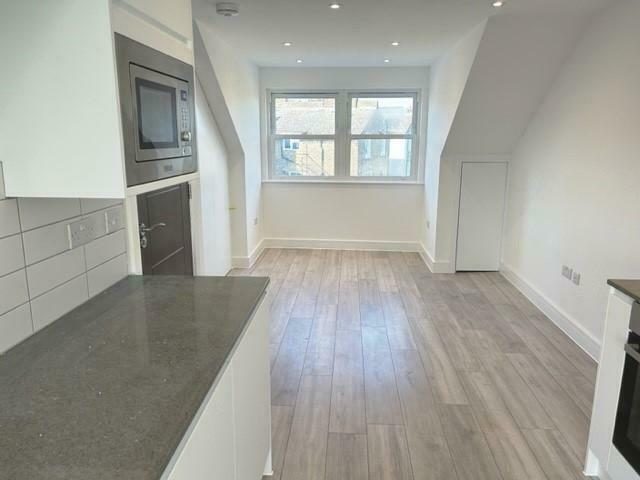
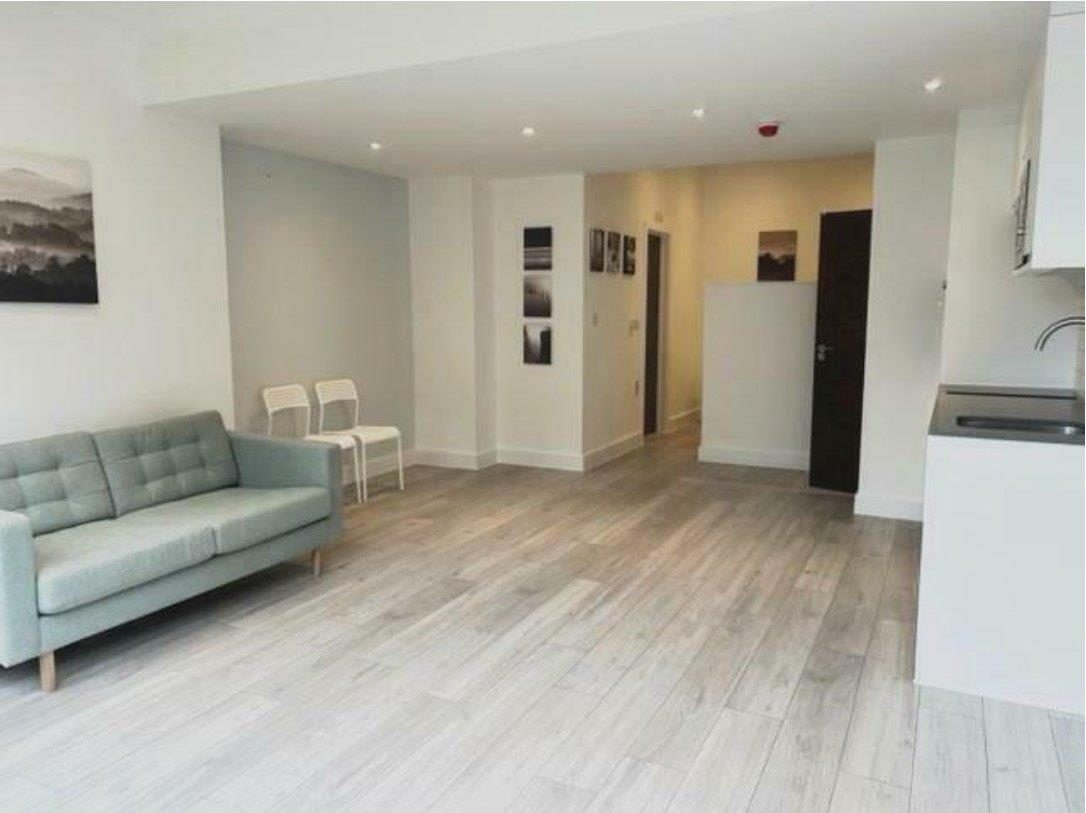
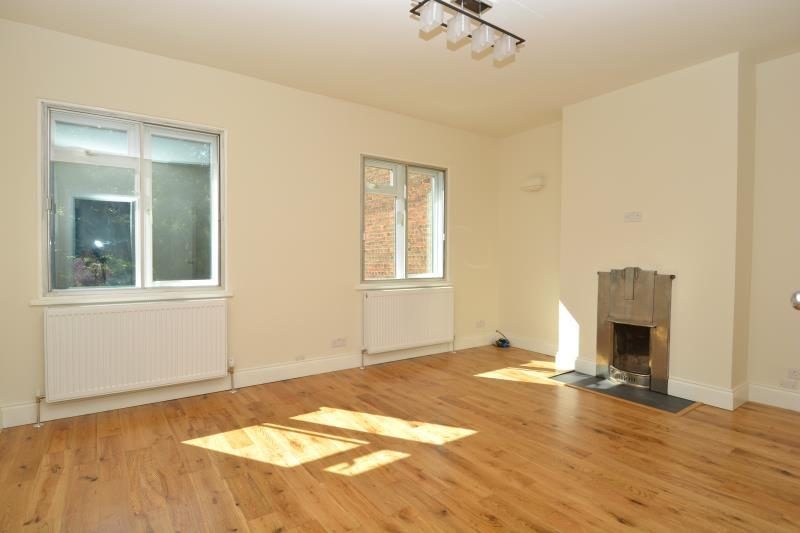
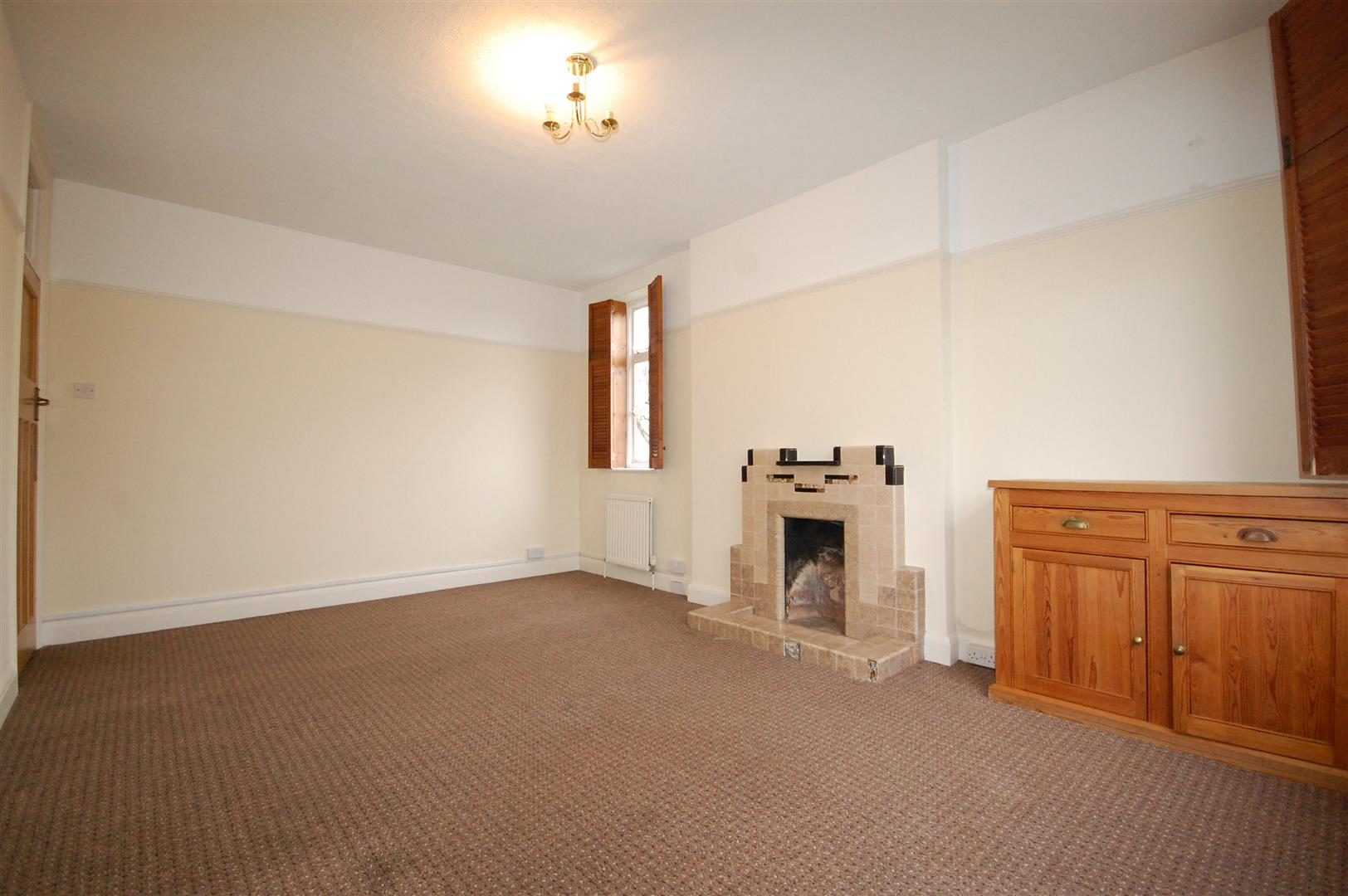
The Haringey rental market features an extensive range of property types to suit different budgets and preferences. Victorian and Edwardian terraced houses are particularly common in neighbourhoods like Crouch End, Muswell Hill, Hornsey, and Stroud Green, often offering generous room sizes, original fireplaces, and period features that appeal to tenants seeking character properties. Purpose-built flats in developments of various ages are widely available, particularly in areas like Wood Green, Tottenham Hale, and around major transport hubs. Newer developments in regenerated areas offer modern specifications including open-plan living spaces, integrated appliances, and on-site amenities. Maisonettes and converted flats in period properties provide an alternative that combines period character with self-contained accommodation.

Are there any regeneration areas in Haringey that renters should know about?

Tottenham has undergone substantial transformation through major regeneration programmes, with the Tottenham Hale area in particular seeing significant new development in recent years. Waterside Way has seen the completion of developments including Egret Heights and Kingfisher Heights, bringing new rental properties to the market with modern specifications. These newer developments often feature amenities such as concierge services, gym facilities, and communal outdoor spaces, though prospective tenants should factor service charges into their overall budget alongside rent. The regeneration has also brought improved public spaces, new retail and leisure facilities, and better connections to surrounding areas. For renters, these developments can offer good value compared to period properties in more established areas while benefiting from the area's improving environment.

Deposit and Fees When Renting in Haringey

Understanding the full cost of renting in Haringey requires careful budgeting beyond simply the monthly rent figure. The standard security deposit requirement is five weeks' rent, which provides the landlord with financial protection against damages or unpaid rent at the end of your tenancy. This deposit must be protected in a government-approved scheme within 30 days of receiving it, and you should receive details of how your deposit is held and what conditions apply to its return. The deposit protection scheme provides free adjudication for disputes, giving both tenants and landlords clear processes for resolving disagreements about deductions.

Additional upfront costs include tenant referencing fees, which typically cover credit checks, employment verification, and landlord references. These usually range from £150 to £300 per applicant, though some agents include this within their admin fee structure. An inventory check conducted by an independent clerk protects both parties by documenting the property condition at the start and end of the tenancy, typically costing between £100 and £200. First month's rent is payable in advance, bringing total upfront costs to approximately six weeks' rent plus one month's rent. Some landlords may request additional months' rent in advance or a guarantor, particularly for higher-value properties or applicants without extensive UK rental history.

When budgeting for renting in Haringey, tenants should also consider ongoing costs including council tax, utility bills, internet and mobile phone services, and contents insurance. Properties with poor energy efficiency may have higher heating costs, particularly in older Victorian and Edwardian buildings with solid walls and original windows. Our team can provide guidance on what to look for during property viewings and help you understand the true cost of renting different property types across the borough. Many tenants find that a comprehensive viewings checklist helps them compare properties systematically and avoid unexpected costs after moving in.

Find Rentals London Borough Of Haringey

Browse Homes to Rent Across the UK

Terms of use Privacy policy All rights reserved © homemove.com | Properties to Rent » England » London Borough of Haringey

Homemove is a trading name of HM Haus Group Ltd (Company No. 13873779, registered in England & Wales). Homemove Mortgages Ltd (Company No. 15947693) is an Appointed Representative of TMG Direct Limited, trading as TMG Mortgage Network, which is authorised and regulated by the Financial Conduct Authority (FRN 786245). Homemove Mortgages Ltd is entered on the FCA Register as an Appointed Representative (FRN 1022429). You can check registrations at NewRegister or by calling 0800 111 6768.