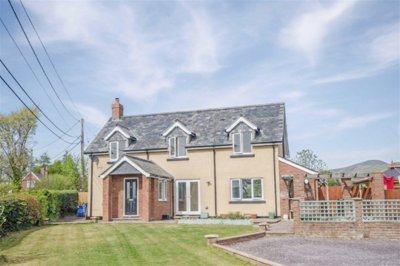
Browse 2 rental homes to rent in Llandyrnog, Denbighshire from local letting agents.
£0/m
0
0
0
Source: home.co.uk
The property market in Llandyrnog reflects its character as a desirable rural village in Denbighshire. Our data shows that the average rent in Llandyrnog currently stands at £725 per calendar month, with two‑bedroom properties averaging £800 and one‑bedroom homes averaging £650. These figures illustrate the premium placed on larger family homes in the village, though terraced cottages offer more accessible entry points at around £725. For renters, this variety in the sales market translates to a range of rental property types, from cosy cottages to substantial family homes.
New development activity remains limited in this conservation-conscious village, preserving its traditional character. The Maes Erw Isaf development adds quality semi-detached homes to the local housing stock, offering modern living within a historic village setting. The modest number of sales recorded in Llandyrnog Parish, with 4 sales in 2025 and 8 in 2024, reflects the village's stable, established community rather than a high-turnover market. This stability appeals to renters seeking long-term accommodation in a tight-knit neighbourhood.
Rental demand in Llandyrnog benefits from the village's reputation as an attractive place to live within northeast Wales. The village draws tenants from various backgrounds, including local families upsizing or downsizing, workers relocating to the area, and those seeking an alternative to urban living. Landlords in the village typically maintain properties to a good standard, understanding that quality tenants have choices across the wider rental market. Properties that become available for rent in Llandyrnog tend to attract interest quickly due to the village's limited turnover and strong appeal.

Llandyrnog embodies the essence of rural Welsh village life, offering residents a tranquil environment surrounded by rolling farmland and the beautiful countryside of northeast Wales. The village name derives from the Welsh language, reflecting its deep roots in Welsh culture and tradition. Community life centres around local events, the parish church, and the traditional pub, where neighbours gather and newcomers are made to feel welcome. The pace of life here contrasts sharply with urban living, appealing to those who value peace, fresh air, and genuine community connections.
The village provides essential everyday amenities within walking distance, while larger towns like Denbigh and Ruthin are within easy reach for broader shopping, healthcare, and entertainment needs. The surrounding countryside offers excellent walking and cycling opportunities, with public footpaths traversing the rolling hills and farmland characteristic of this part of Denbighshire. The area's geology features the limestone and sandstone formations common throughout northeast Wales, contributing to the distinctive appearance of local buildings and landscapes.
Local amenities in Llandyrnog include a village shop and post office, a traditional pub serving food, and community facilities that host regular events throughout the year. The nearby market town of Denbigh, approximately 6 miles away, provides additional services including supermarkets, independent shops, medical practices, and banking facilities. Ruthin, another historic market town within easy reach, offers further retail and cultural attractions, ensuring that residents have access to comprehensive services while enjoying village-based living.
The community atmosphere in Llandyrnog makes it particularly appealing for families and those new to the area who want to establish roots in a welcoming environment. Village events throughout the year bring residents together, from summer fetes and harvest celebrations to quiz nights and coffee mornings at the local community hall. This strong community spirit distinguishes village living in Llandyrnog from more transient urban rental arrangements, providing renters with genuine opportunities to build lasting relationships with neighbours.

Families considering renting in Llandyrnog will find education provision available within the village and the surrounding area. Primary school-aged children can access local schooling in nearby villages and towns, with the village sitting within catchment areas for well-regarded primary schools in Denbighshire. Secondary education is typically provided at schools in the larger towns, with school transport arrangements supporting families in rural communities. Denbighshire maintains a commitment to quality education, and local schools regularly achieve positive outcomes for students across key stage assessments.
For families requiring childcare, the rural community offers several options including registered childminders and smaller nursery provisions operating from village settings. The area's strong sense of community often means that informal childcare networks develop naturally among resident families, providing additional support for working parents. Parents should research specific school catchment areas and admission arrangements directly with Denbighshire County Council, as these can vary and change over time.
Secondary school options in nearby towns provide good variety, with schools offering a range of GCSE subjects and sixth form provision for older students. Schools in Denbigh and Ruthin serve as the main secondary options for Llandyrnog families, with daily school transport making these feasible for daily commuting. The journey times from Llandyrnog to these secondary schools are manageable, typically taking 20-30 minutes by bus depending on exact location and route. Many families find that the benefits of village living more than compensate for these school commute arrangements, particularly when children can enjoy the countryside environment and community advantages that Llandyrnog offers.

Transport connections from Llandyrnog reflect its rural village character, with the community relying primarily on road transport and limited bus services for daily commuting. The village sits approximately 6 miles from the market town of Denbigh, providing access to local amenities, healthcare facilities, and additional transport options. For those working in larger centres, the A55 expressway runs nearby, connecting Llandyrnog to Chester, Manchester, and the broader North Wales coast. This makes the village surprisingly accessible for commuters who work in urban areas but prefer countryside living.
Bus services operate between Llandyrnog and nearby towns, though frequencies reflect the rural nature of the area with fewer services than urban routes. Residents typically find that having access to a car proves beneficial for daily life, though the village's compact nature means local journeys can easily be made on foot. For rail travel, the nearest mainline stations are located in larger towns, providing connections to the national rail network. Cyclists appreciate the quiet country lanes and designated routes that make cycling a pleasant option for shorter journeys.
The A55 expressway provides crucial connectivity for Llandyrnog residents, with access points reachable within 15-20 minutes by car from the village centre. This dual carriageway links directly to Chester in approximately 30 minutes, opening up employment opportunities in the English city and connections to the West Coast Main Line rail services. The journey to Manchester takes roughly an hour by car, making day trips and occasional office attendance feasible for those working in the Greater Manchester area. North Wales coastal towns including Colwyn Bay and Rhyl are also readily accessible via the A55, providing additional employment, shopping, and leisure options.
For residents without private vehicles, planning around bus timetables becomes important for daily activities. The services connecting Llandyrnog to Denbigh operate several times daily on weekdays, with reduced frequencies at weekends. Planning ahead for shopping trips and appointments in town helps ensure you can complete necessary errands within service operating hours. Many residents find that combining a weekly shop with other errands minimises the need for frequent town visits, making village living practical even without a car.

Before viewing properties in Llandyrnog, obtain a rental budget agreement in principle from a financial provider. This document demonstrates to landlords that you can afford the monthly rent and helps streamline the application process when you find your ideal home. Most rental applications proceed more smoothly when you can demonstrate financial readiness upfront, giving landlords confidence in your ability to maintain rent payments throughout the tenancy.
Explore the village and surrounding area to understand what life would be like. Visit local amenities, check travel times to your workplace, and speak with residents to gauge the community atmosphere. The village's peaceful character and proximity to Denbighshire's countryside make it worth experiencing firsthand. Take time to walk the village streets, visit the local pub, and observe how the community operates on different days of the week.
Once you have identified suitable rental properties in Llandyrnog, arrange viewings through local letting agents or directly with landlords. Take time to examine the property condition, ask about the tenancy terms, and clarify what is included in the rent such as water rates or council tax. We recommend viewing properties at different times of day to assess noise levels, natural light, and any traffic patterns that might affect your enjoyment of the home.
Before signing, carefully review the tenancy agreement including the length of the tenancy, rent amount and payment schedule, deposit amount and protection scheme, and any restrictions on pets or modifications. Ask questions about anything unclear before committing. The agreement should clearly outline landlord responsibilities for maintenance and repairs, and you should retain a copy for your records throughout the tenancy.
Landlords will require references from your employer, previous landlords, and a credit check. Ensure you have relevant documentation ready to speed up this process. First-time renters should be prepared to provide guarantors if required. The referencing process typically takes 3-5 working days once all documentation is submitted, though providing complete information promptly can help accelerate approval.
Once references are approved and paperwork signed, coordinate your move. Take meter readings, photograph the property condition for your records, and familiarise yourself with heating systems and appliance instructions specific to the property. Register with local services including the village post office for mail redirection, and introduce yourself to neighbours to begin building connections within your new community.
Renting in a rural village like Llandyrnog requires some specific considerations that differ from urban renting. Properties in Denbighshire villages often feature traditional construction methods, with stone walls and older building techniques that create character but may require more maintenance awareness. When viewing properties, ask about the heating system, insulation levels, and any recent renovations that may have addressed common older property issues. Understanding these aspects helps you assess ongoing maintenance responsibilities and potential utility costs.
Rural properties may have different considerations regarding broadband and mobile phone coverage compared to urban areas, so checking connectivity before committing is advisable. Flood risk in Llandyrnog should be investigated through official resources, particularly for properties near watercourses or in low-lying areas. The village's character means some properties may be listed or located within conservation considerations, which can affect what modifications are permitted during your tenancy. Clarify with landlords about their expectations regarding garden maintenance, especially for larger plots that are common in village properties.
Energy efficiency varies considerably among properties in Llandyrnog, reflecting the mix of older traditional buildings and more recent constructions. Properties built before 1980 may have solid walls without cavity insulation, resulting in higher heating costs during the cold Welsh winters. We recommend asking for Energy Performance Certificate details during property viewings and discussing any recent improvements to insulation, glazing, or heating systems. Understanding these factors helps you budget accurately for utility costs throughout your tenancy.
When viewing rental properties in Llandyrnog, pay attention to the property's position within the village and proximity to local amenities. Properties near the village centre offer convenient access to the shop, pub, and community facilities, while those on the village outskirts may provide more space and countryside views. Consider your daily routine and how different locations within the village would affect your quality of life, particularly during winter months when daylight hours are shorter and travel conditions may be more challenging.

Specific rental price data for Llandyrnog is not publicly reported, but the sales market provides useful context. The average rent in Llandyrnog currently stands at £725 per month, with two‑bedroom properties averaging £800 and one‑bedroom homes around £650. Rental prices in rural Denbighshire villages typically reflect property size and condition, with two-bedroom cottages commanding lower rents than four-bedroom family homes. Contact local letting agents for current rental listings in the village, as they can provide up-to-date information on available properties and pricing.
Properties in Llandyrnog fall under Denbighshire County Council's jurisdiction for council tax purposes. Bands range from A to H based on property value, with most village properties falling in bands A through D. You can verify the specific band for any property through the Valuation Office Agency website or your tenancy agreement, which should indicate the current council tax band. Council tax payments are typically due monthly throughout the year and are a significant factor in budgeting for your rental costs.
Llandyrnog sits within Denbighshire's education system, with primary schools available in nearby villages and towns. Families should check Denbighshire County Council's school admissions information for catchment areas and current Ofsted ratings for local schools. Secondary education is typically provided at schools in larger towns like Denbigh and Ruthin, accessible via school transport. Schools in the area generally receive positive parent reviews for their community-focused approach to education.
Public transport options in Llandyrnog reflect its rural village status, with bus services providing connections to nearby towns but with limited evening and weekend frequencies. The village is well-positioned for road travel, with the A55 expressway providing access to Chester and the North Wales coast within approximately 30 minutes. Residents without cars often find that cycling and walking meet many local needs, while larger towns provide access to rail connections for longer journeys. Planning ahead for town visits and shopping trips helps ensure you can manage daily life effectively within these public transport constraints.
Llandyrnog offers an excellent quality of life for those seeking rural Welsh village living. The peaceful environment, strong community spirit, and beautiful surrounding countryside appeal to families, couples, and individuals tired of urban life. The village benefits from a stable property market with house prices rising approximately 10.2% over the past year, indicating continued demand. While amenities are more limited than in towns, the essential services are available locally with larger facilities within easy reach. Many renters find that once they experience village life in Llandyrnog, they quickly feel part of the welcoming community.
When renting in Llandyrnog, you will typically pay a security deposit equivalent to five weeks rent, held in a government-approved deposit protection scheme within 30 days of the start of your tenancy. Tenancy agreement fees are now banned under the Tenant Fees Act, but you may still pay for a credit check and references as permitted costs. First-time renters should budget for removal costs, initial utility setup, and potentially a guarantor arrangement. We recommend obtaining a rental budget agreement in principle before beginning your property search to ensure you have clear financial parameters.
Broadband speeds in rural Llandyrnog can vary significantly depending on your exact location and the local infrastructure. Some properties may have access to superfast broadband while others rely on slower connections. We recommend checking specific availability at any property you are considering renting, as this can significantly impact working from home arrangements. Mobile phone coverage also varies by network and location within the village, with some areas experiencing limited signal strength. Running speed tests during property viewings provides valuable information about connectivity before you commit to a tenancy.
Rental properties in Llandyrnog typically include traditional Welsh cottages, semi-detached family homes, and occasional modern additions to the village housing stock. The village's housing stock predominantly features semi-detached and detached properties, with terraced homes providing more affordable options. Traditional stone-built cottages offer character and charm but may require consideration regarding heating and insulation. The Maes Erw Isaf development provides semi-detached homes offering modern specifications within the village setting. Contact local letting agents for the most current availability of different property types in Llandyrnog.
Understanding the costs involved in renting a property in Llandyrnog helps you budget effectively and avoid unexpected expenses. The security deposit, capped at five weeks rent under the Tenant Fees Act, must be protected in a government-approved scheme within 30 days of receiving it. This protection means you should receive your deposit back at the end of your tenancy, minus any legitimate deductions for damage or unpaid rent. Always document the property condition with photographs when moving in to protect yourself from unfair deductions.
Renting in rural Denbighshire involves additional considerations beyond the rent itself. Council tax is typically payable separately and varies by property band, with most Llandyrnog homes falling in bands A through D. Utility bills including electricity, gas, water, and broadband are generally your responsibility unless specifically included in the rent. First-time renters should factor in setup costs for utilities and internet services, which can take several weeks to arrange in rural areas.
Contents insurance provides essential protection for your belongings throughout the tenancy and is relatively inexpensive to arrange. Public liability protection, often included as standard with contents insurance policies, provides useful protection if you accidentally cause damage to the property or injure a visitor. Landlord insurance typically covers the building and their belongings, but does not protect tenants' possessions, making separate contents cover a wise investment.
When budgeting for your rental move to Llandyrnog, remember to account for removal costs if applicable, potential storage requirements, and any immediate purchases needed for the property. Setting aside a contingency fund equivalent to one month's rent helps ensure you can manage any unexpected costs during the initial period in your new home. Many tenants find that the upfront costs of renting, while significant, are manageable when planned for in advance.

Properties to Rent In London

Properties to Rent In Plymouth

Properties to Rent In Liverpool

Properties to Rent In Glasgow

Properties to Rent In Sheffield

Properties to Rent In Edinburgh

Properties to Rent In Coventry

Properties to Rent In Bradford

Properties to Rent In Manchester

Properties to Rent In Birmingham

Properties to Rent In Bristol

Properties to Rent In Oxford

Properties to Rent In Leicester

Properties to Rent In Newcastle

Properties to Rent In Leeds

Properties to Rent In Southampton

Properties to Rent In Cardiff

Properties to Rent In Nottingham

Properties to Rent In Norwich

Properties to Rent In Brighton

Properties to Rent In Derby

Properties to Rent In Portsmouth

Properties to Rent In Northampton

Properties to Rent In Milton Keynes

Properties to Rent In Bournemouth

Properties to Rent In Bolton

Properties to Rent In Swansea

Properties to Rent In Swindon

Properties to Rent In Peterborough

Properties to Rent In Wolverhampton

Enter your details to see if this property is within your budget.
Loans, cards, car finance
Estimated property budget
Borrowing + deposit
You could borrow between
Typical borrowing
Monthly repayment
Est. at 4.5%
Loan-to-value
This is an estimate only. Your actual budget may vary depending on interest rates, credit history, and personal circumstances. For an accurate affordability assessment, speak to one of our free mortgage advisors.
This calculator provides estimates for illustrative purposes only and does not constitute financial advice. Your home may be repossessed if you do not keep up repayments on your mortgage. Estimates based on 4.5% interest rate, repayment mortgage. Actual rates depend on your circumstances.
Homemove is a trading name of HM Haus Group Ltd (Company No. 13873779, registered in England & Wales). Homemove Mortgages Ltd (Company No. 15947693) is an Appointed Representative of TMG Direct Limited, trading as TMG Mortgage Network, which is authorised and regulated by the Financial Conduct Authority (FRN 786245). Homemove Mortgages Ltd is entered on the FCA Register as an Appointed Representative (FRN 1022429). You can check registrations at NewRegister or by calling 0800 111 6768.