Properties To Rent in Little Livermere

Browse 6 rental homes to rent in Little Livermere from local letting agents.

6 listings Little Livermere Updated daily

The Rental Property Market Near Little Livermere

The rental market near Little Livermere reflects the broader patterns of West Suffolk, where properties in village locations typically consist of traditional period homes, converted farm buildings, and cottages that embody the architectural heritage of the region. Detailed rental price data specifically for Little Livermere is not publicly available due to the village's minimal property stock and infrequent rental transactions, but the surrounding IP31 postcode area around Bury St Edmunds provides useful context for understanding typical rental levels in this part of Suffolk. Properties in nearby villages generally range from modest one-bedroom cottages suitable for individuals or couples to larger family homes with multiple bedrooms and generous gardens. The scarcity of rental stock in genuinely rural locations like Little Livermere means that properties that do become available often attract interest quickly, making it worthwhile to register with local agents who understand the tight-knit rural rental market.

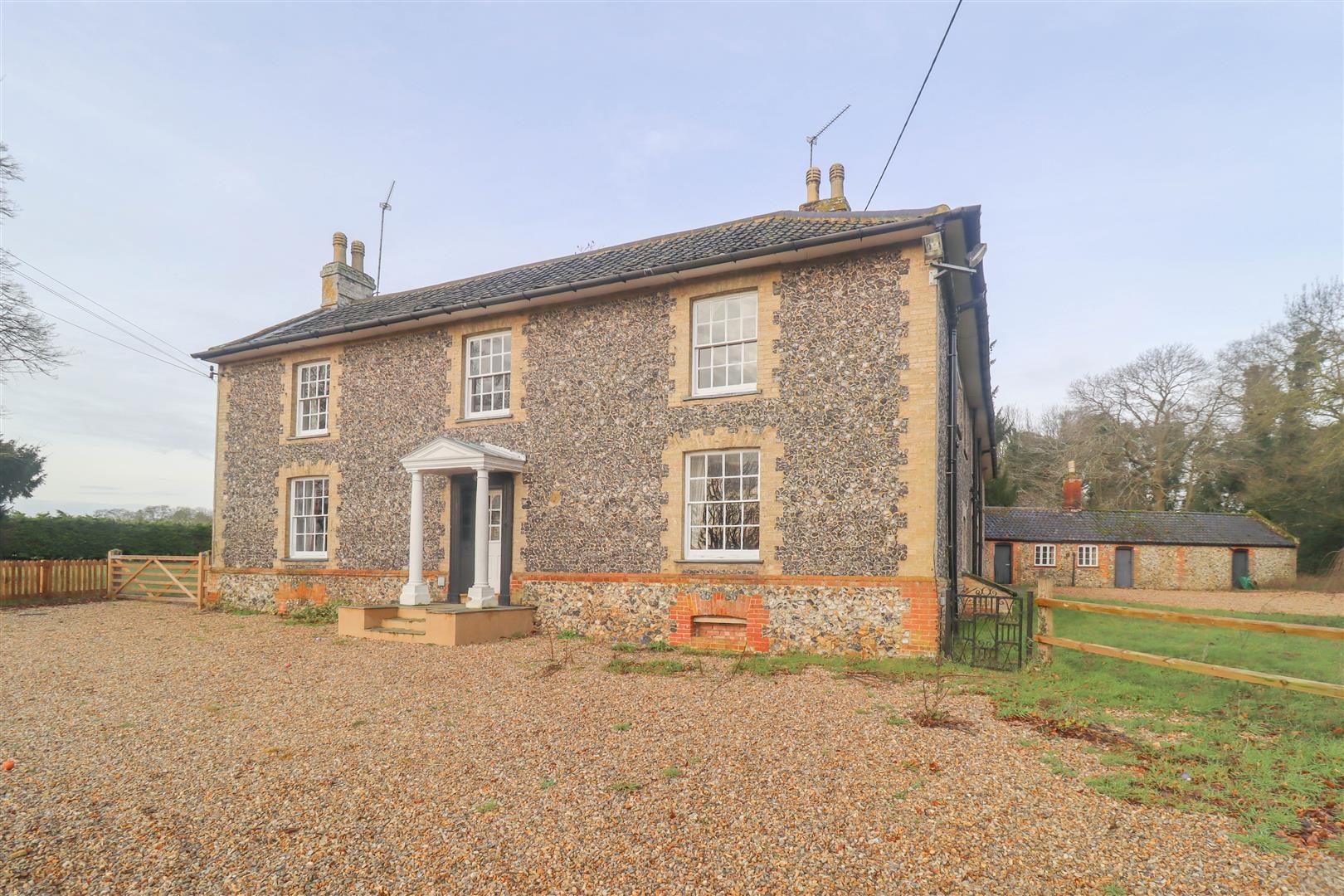
Understanding the wider West Suffolk rental landscape helps contextualise what is available in the Little Livermere area. Bury St Edmunds, as the principal town in the district, hosts a more active rental market with flats, terraced houses, and semi-detached properties catering to various budgets and household sizes. Renting in a village like Little Livermere often means accepting a smaller property selection in exchange for greater space, quieter surroundings, and access to countryside walks. Many rental properties in this area are older buildings constructed using traditional Suffolk materials, including flint and brick, which reflect the vernacular building styles of the Breckland region. These older properties can offer character and charm but may require careful consideration of their condition and maintenance needs before committing to a tenancy.

Living in Little Livermere and the Surrounding Countryside

Life in Little Livermere centres on the extraordinary history of the village itself, which was largely demolished in the 18th century, leaving behind only the atmospheric ruins of the Church of St Peter and St Paul, a Grade II* listed building dating from the 13th century, and the adjacent Park Farmhouse, a 17th-century Grade II listed building. The village sits within the Breckland region of Suffolk, an area of distinctive landscape characterised by sandy heathland, forestry plantations, and farmland that stretches across the border into Norfolk. Residents of Little Livermere and surrounding villages enjoy access to extensive public footpaths, bridleways, and the peaceful countryside that defines this corner of East Anglia. The sense of space and connection to nature here contrasts sharply with the density of urban living, making it particularly attractive to those who value privacy, outdoor pursuits, and a slower pace of life.

Despite its small scale, the Little Livermere area offers access to essential amenities through the nearby market town of Bury St Edmunds, which provides comprehensive shopping, healthcare, and cultural facilities within easy reach. The local economy is historically rooted in agriculture, with farming operations across the surrounding countryside providing employment and shaping the landscape. Community life in nearby villages often revolves around parish councils, village halls, and local events that bring residents together. The demographic of the wider West Suffolk area includes a mix of long-standing agricultural families and newcomers drawn by the quality of life that rural Suffolk provides. For renters, living in this area means embracing a lifestyle where neighbours are known, local pubs serve as social hubs, and the changing seasons are celebrated through agricultural events and village traditions.

The Breckland landscape that surrounds Little Livermere creates a distinctive environment shaped by glacial deposits and sandy soils that differ markedly from other parts of Suffolk. This geology has historically influenced local building practices, with the use of flint knapped from local stone and brick serving as the primary construction materials for centuries. The Lodge to Ampton Park, located in the Little Livermere area and dating from the mid-19th century, exemplifies these traditional methods with its black knapped flint construction and white brick string courses, quoins, and dressings topped with plain tile roofs. Understanding this local building heritage helps renters appreciate the character of period properties in the area while also recognising the maintenance considerations that come with traditional construction.

Schools and Education in the West Suffolk Area

Families considering renting in the Little Livermere area will find a range of educational options across primary and secondary levels in the surrounding West Suffolk district. Primary education is typically provided through village primary schools in nearby settlements such as Ingham, Troston, or other qualifying villages, which serve their local communities with classes for children from Reception through to Year 6. These smaller rural schools often provide a nurturing environment with strong community connections, though parents should verify current catchment areas and admissions policies as these can change. For secondary education, students often travel to Bury St Edmunds, where schools including King Edward VI School, St Benedict's Catholic School, and Sybil Andrews Academy provide secondary education across various academic and vocational pathways.

The quality of local schools should be verified through official Ofsted reports, which provide independent assessments of educational standards and can help families make informed decisions about where to rent within the wider area. When renting a property in the Little Livermere area, parents should research specific school admissions criteria carefully, as living in a small village does not guarantee a place at every nearby school. Transport arrangements for school travel also warrant consideration, as many families rely on car transport or school bus services rather than public transport. Bury St Edmunds hosts several secondary schools with established reputations, and understanding which catchment areas apply to specific postcodes can significantly influence which village location best suits a family's educational needs.

Further and higher education opportunities in the region include the University of Suffolk in Ipswich, approximately 30 miles away, and further education colleges in Bury St Edmunds and surrounding towns. For families prioritising educational access, proximity to Bury St Edmunds and its schools may be an important factor in property selection. The commute to secondary schools from village locations like Little Livermere typically involves car transport, with journey times of 15-25 minutes to schools in Bury St Edmunds being typical. Parents should factor these transport arrangements into their decision-making, considering both the practicalities of daily school runs and the costs associated with car ownership that rural living inevitably requires.

Transport Links and Commuting from Little Livermere

Transport connectivity from Little Livermere centres on road access to nearby towns, with the A14 trunk road providing the primary route for journeys to Bury St Edmunds, Cambridge, and the wider motorway network. The village sits on minor country roads that connect to the principal routes, meaning that private vehicle ownership is effectively essential for daily life in this rural location. Bury St Edmunds railway station, located approximately 5 miles south of Little Livermere, offers connections on the East Anglian Main Line with direct services to Cambridge and London Liverpool Street. Journey times from Bury St Edmunds to London Liverpool Street typically take around 90 minutes, making the capital accessible for occasional commuting although regular daily travel would be challenging.

Local bus services operated by companies including Coach Services and other regional operators connect surrounding villages to Bury St Edmunds, providing access to town centre amenities, the railway station, and other services. However, bus frequencies in rural Suffolk are limited compared to urban areas, with some routes operating only on specific days or requiring advance booking. Cycling can be a practical option for shorter distances, with quiet country lanes providing pleasant routes for recreational cycling and occasional commuting, although the lack of dedicated cycle lanes on busier roads may deter some riders. For those considering renting in Little Livermere, understanding the transport limitations and planning accordingly is essential.

Many residents find that a combination of working from home where possible, planning weekly shopping trips to Bury St Edmunds, and accepting the need for car travel forms the basis of rural living in this part of Suffolk. Broadband connectivity, while variable in rural locations, has improved significantly in recent years and supports remote working arrangements for many residents. The A14 provides convenient access to Cambridge to the north-west and the port of Felixstowe to the south-east, connecting the area to broader employment markets and logistics networks. Those relocating from urban areas should budget for the increased running costs associated with car ownership, including fuel, insurance, and maintenance, which form an integral part of the cost of living in countryside locations like Little Livermere.

How to Rent a Home in the Little Livermere Area

1

Determine Your Budget and Requirements

Before beginning your property search in the Little Livermere area, establish a clear rental budget that accounts for monthly rent, utilities, council tax, and other associated costs. In rural Suffolk, rental prices vary considerably depending on property type, size, and condition, with some village properties commanding premium prices for their character and location. Getting a rental budget agreement in principle can strengthen your position when applying for properties and demonstrates to landlords that you have considered your financial situation seriously.

2

Research the Local Area Thoroughly

Take time to understand what living in the Little Livermere area would mean in practice, including distances to essential services, school catchment areas, mobile phone coverage, and broadband speeds. Rural properties can vary significantly in their access to modern infrastructure, and visiting the area at different times of day can reveal important information about noise, traffic, and community atmosphere that may not be apparent from online listings alone. The village's location within the Breckland region and its proximity to Bury St Edmunds should be considered when evaluating daily travel requirements.

3

Register with Local Estate Agents and Landlords

Given the limited rental stock in small villages like Little Livermere, properties that do become available may not be widely advertised. Registering your interest with local estate agents in Bury St Edmunds and surrounding towns increases your chances of hearing about new listings before they appear on major property portals. Some rural lettings are also handled through word of mouth or small property management companies that may not list on national websites. Building relationships with agents who cover the West Suffolk area specifically can provide early access to properties that match your criteria.

4

Arrange Viewings and Property Inspections

Once suitable properties are identified, arrange viewings promptly as desirable rentals in the Little Livermere area can receive interest quickly. During viewings, assess the property condition carefully, noting any signs of damp, roof issues, or maintenance concerns that may require attention. For older properties in particular, commissioning a survey before committing to a tenancy can identify potential problems that might not be apparent during a standard viewing. Our team can arrange a RICS Level 2 Survey to provide a detailed assessment of the property condition.

5

Complete Referencing and Tenancy Documentation

If you are successful in your application, you will typically need to undergo tenant referencing, which checks your credit history, employment status, and previous landlord references. Ensure you have documentation ready including proof of identity, proof of income, and references from previous landlords. The tenancy agreement will set out your rights and responsibilities, including deposit arrangements, rent payment terms, and notice periods. Tenants should carefully review all terms before signing and seek clarification on any points that are unclear.

6

Arrange Your Move and Insurance

Once your tenancy is confirmed, arrange buildings and contents insurance, which landlords typically require tenants to hold. Plan your move carefully, considering the rural location and ensuring you have arrangements for internet connection, utilities, and any other services that require activation. Understanding that rural deliveries and service connections may take longer to arrange than in urban areas will help set realistic expectations for your move. Registering with local utility providers well in advance of your move date can help ensure services are active when you arrive.

What to Look for When Renting Near Little Livermere

Renting properties in the Little Livermere area requires particular attention to the characteristics of rural Suffolk housing stock, which often consists of older buildings constructed using traditional materials and methods that differ from modern construction. The village's history as a largely demolished 18th-century settlement means that any habitable properties are likely to be pre-1919 construction, potentially exhibiting features such as solid walls, older wiring, and heating systems that may require more maintenance than newer properties. When viewing rental properties, examine walls for signs of damp, check the age and condition of the roof, and enquire about the history of any structural issues or repairs that have been carried out. Properties constructed from flint and brick, common in this part of Suffolk, can be durable but may require specialist maintenance knowledge.

The geological conditions of the Breckland region, with its clay-rich soils, introduce potential considerations for property condition that renters should understand before committing to a tenancy. Clay soils are susceptible to shrink-swell behaviour, where volume changes in response to moisture fluctuations can cause movement in foundations and structures. Shrink-swell is considered the most damaging geohazard in Britain, and properties in clay-rich areas of the South East including Suffolk are generally susceptible to these issues, especially during prolonged dry periods. While specific subsidence data for Little Livermere is not readily available, our inspectors frequently identify signs of foundation movement in period properties throughout this region, including cracking to walls, sticking doors and windows, and uneven floors. Enquire with the landlord or letting agent about the property's foundation type, any history of structural movement, and whether professional surveys or assessments have been undertaken.

Conservation considerations may apply to properties near the historic Church of St Peter and St Paul and Park Farmhouse in Little Livermere, with potential implications for maintenance, alterations, and permitted development rights that affect both landlords and tenants. Planning restrictions in conservation areas or affecting listed buildings can limit what changes tenants may make to a property, even with landlord permission. Enquire about the property's conservation status and any planning constraints before committing to a tenancy if you anticipate wanting to make alterations. Buildings insurance and maintenance responsibilities should be clearly documented in the tenancy agreement to avoid disputes. Flood risk in the immediate Little Livermere area appears limited based on available information, but broader environmental considerations including drainage, groundwater levels, and the proximity to Ampton Water should be assessed where relevant to specific properties.

Our team frequently encounters common defects in older rural properties across the West Suffolk area, including rising damp in solid wall construction, deterioration of timber elements such as floorboards and window frames, outdated electrical installations that may not meet current safety standards, and plumbing systems showing signs of age. Before committing to a tenancy, prospective tenants should request information about recent maintenance, any building surveys that have been carried out, and the landlord's approach to repairs and upkeep. A thorough property inspection with our surveyors can identify issues that might not be apparent during a standard viewing, helping you make an informed decision about whether a particular property is suitable for your needs.

Frequently Asked Questions About Renting in Little Livermere

What is the average rental price in Little Livermere and the surrounding area?

Specific rental price data for Little Livermere itself is not publicly available due to the village's tiny size and minimal rental transactions. The surrounding West Suffolk and IP31 postcode area around Bury St Edmunds provides context, with typical monthly rents ranging from around £800 to £1,200 for one and two-bedroom properties in village locations, rising to £1,200 to £1,800 or more for larger family homes with three or more bedrooms. Premium prices apply to properties with exceptional character, recent renovations, or particularly desirable rural locations. Properties in Bury St Edmunds itself often offer more affordable options with greater availability, though without the countryside character of villages like Little Livermere.

What council tax band are properties in Little Livermere?

Council tax in Little Livermere is administered by West Suffolk Council. Properties in Suffolk are assigned bands A through H based on their estimated value as of April 1991. Village properties in the Little Livermere area, particularly older farmhouses and cottages, typically fall into bands B through E, though specific bandings depend on the individual property. Tenants should check the council tax band with the landlord or through the Valuation Office Agency website before committing to a tenancy, as council tax costs form part of the regular monthly budget alongside rent. Band D properties typically pay around £1,800 to £2,000 per year in West Suffolk, though this varies by property value.

What are the best schools in the Little Livermere area?

Primary schools in nearby villages including Ingham and Troston serve the local community, while secondary education options in the wider area include King Edward VI School and St Benedict's Catholic School in Bury St Edmunds, approximately 5 miles away. Parents should research current admissions policies and catchment areas directly with Suffolk County Council, as school allocations depend on residency and availability rather than proximity alone. School transport arrangements should be verified if daily travel from Little Livermere to schools in Bury St Edmunds would be required. Ingham Church of England Primary School serves the local village catchment area and has received positive Ofsted ratings, while Troston Primary School provides education for surrounding communities.

How well connected is Little Livermere by public transport?

Public transport connections from Little Livermere are limited, reflecting the rural nature of the village and the broader Suffolk countryside. Bus services connect surrounding villages to Bury St Edmunds, but frequencies are low and services may operate only on specific days. Bury St Edmunds railway station, approximately 5 miles away, provides access to East Anglia Main Line services including connections to Cambridge and London Liverpool Street. For daily commuting, most residents of Little Livermere rely on private car transport, and prospective renters should factor car ownership into their living arrangements for this area. The nearest bus stop may be several miles from the property itself, making car travel essential for all but the most basic daily needs.

Is Little Livermere a good place to rent?

Little Livermere offers an exceptional opportunity to rent in one of Suffolk's most historic and unspoiled village locations, with direct access to countryside, public footpaths, and the peaceful lifestyle that rural England provides. The village's small scale and intimate community may not suit everyone, particularly those who prefer regular access to shops, entertainment, or nightlife without travelling to Bury St Edmunds. For renters seeking genuine countryside living with occasional access to urban amenities, the Little Livermere area provides a compelling proposition. The limited rental availability means that properties are rare and may be snapped up quickly when they become available, so registered interest with local agents is advisable.

What deposit and fees will I pay when renting in Little Livermere?

Standard practice for renting in England requires a security deposit equivalent to five weeks' rent, held in a government-approved Tenancy Deposit Protection scheme for the duration of the tenancy. Tenants should expect to pay the first month's rent in advance plus the deposit before receiving keys. Additional costs may include referencing fees, administration charges, and inventory check fees, which together typically amount to a few hundred pounds. First-time renters should note that the relief from upfront stamp duty charges does not apply to rental properties; these apply only to property purchases. Always request a full breakdown of costs from your landlord or letting agent before committing to a tenancy.

Are there any special considerations for renting older properties in this area?

Properties in the Little Livermere area are predominantly old, with any habitable dwellings likely dating from before 1919 and potentially exhibiting features common to period construction such as solid walls, older plumbing, and less effective insulation than modern standards. These properties may require more maintenance and tolerance for minor imperfections compared to newer homes. The clay-rich soils of the Breckland region introduce potential for foundation movement, so understanding the property's maintenance history and any previous structural issues is advisable. Properties may also be affected by conservation area restrictions or listed building regulations that limit permitted alterations. We recommend arranging a detailed survey before committing to any tenancy on an older rural property.

Understanding Rental Costs and Deposits in the Little Livermere Area

Budgeting for a rental property in the Little Livermere area requires careful consideration of all associated costs beyond the monthly rent figure. The initial move-in costs typically include the first month's rent, a security deposit equivalent to five weeks' rent, and potentially referencing and administration fees charged by letting agents. For a property with monthly rent of £1,000, the upfront costs at the start of a tenancy could total around £4,500 to £5,000, including deposit, first month, and fees. Prospective tenants should ensure they have savings available to cover these costs before beginning their property search, as the combination of costs can come as a surprise to first-time renters who have only budgeted for monthly rent.

Running costs for rental properties in rural Suffolk extend beyond rent and council tax to include utilities such as gas, electricity, oil, and water, which may be more expensive in older properties with less effective insulation. Many rural properties use oil-fired heating systems or shared private water supplies, introducing costs that differ from urban gas-connected homes. Internet and mobile phone coverage in rural villages can vary considerably, and broadband speeds may be slower than in towns, which is an important consideration for those working from home. Contents insurance is a legal requirement under most tenancy agreements, and budgeting for this alongside regular household items completes the financial picture of renting in the Little Livermere area.

Getting a rental budget agreement in principle before beginning your search provides a clear framework for understanding what you can realistically afford, helping to focus your property search on homes within your means. Our team can help you understand the full cost of renting in the Little Livermere area, including advice on budgeting for older properties that may have higher maintenance costs or energy consumption. We can also arrange a RICS Level 2 Survey to give you confidence in the condition of any property before you commit to a tenancy, identifying any issues that might affect your decision or require the landlord to address before you move in. Contact us today to discuss your rental property needs in the Little Livermere area.

Browse Homes to Rent Across the UK

Terms of use Privacy policy All rights reserved © homemove.com | Properties to Rent » England » Little Livermere

Homemove is a trading name of HM Haus Group Ltd (Company No. 13873779, registered in England & Wales). Homemove Mortgages Ltd (Company No. 15947693) is an Appointed Representative of TMG Direct Limited, trading as TMG Mortgage Network, which is authorised and regulated by the Financial Conduct Authority (FRN 786245). Homemove Mortgages Ltd is entered on the FCA Register as an Appointed Representative (FRN 1022429). You can check registrations at NewRegister or by calling 0800 111 6768.